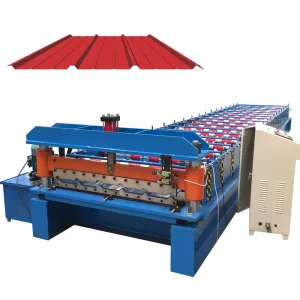
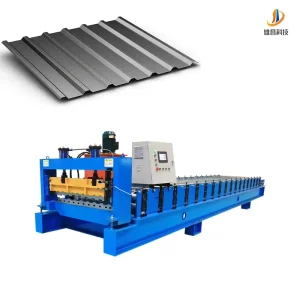
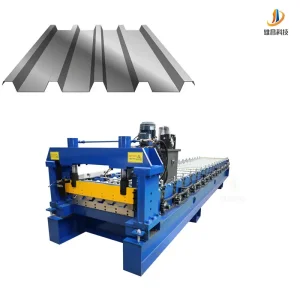
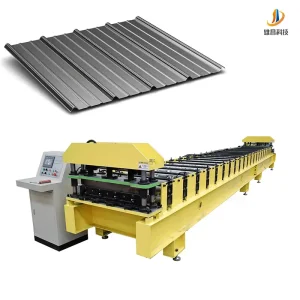
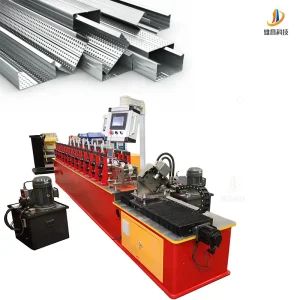
Explore our elite collection of architectural profiling systems, manufactured to exact engineering thresholds for industrial roofing, cladding, and decking systems.
As an established expert in the field, XC (Xiongchang) provides integrated roll forming solutions. Our portfolio encompasses core production machines for roofing, flooring, doors, and structural components, as well as the complete auxiliary line equipment essential for efficient operation.
For over two decades, XC (XiongChang) has been a trusted leader in the design and manufacture of cold roll forming equipment. We combine deep industry expertise with a steadfast commitment to our clients, ensuring every machine delivers exceptional value, long lifecycle performance, and optimal material yield.
VIEW MORE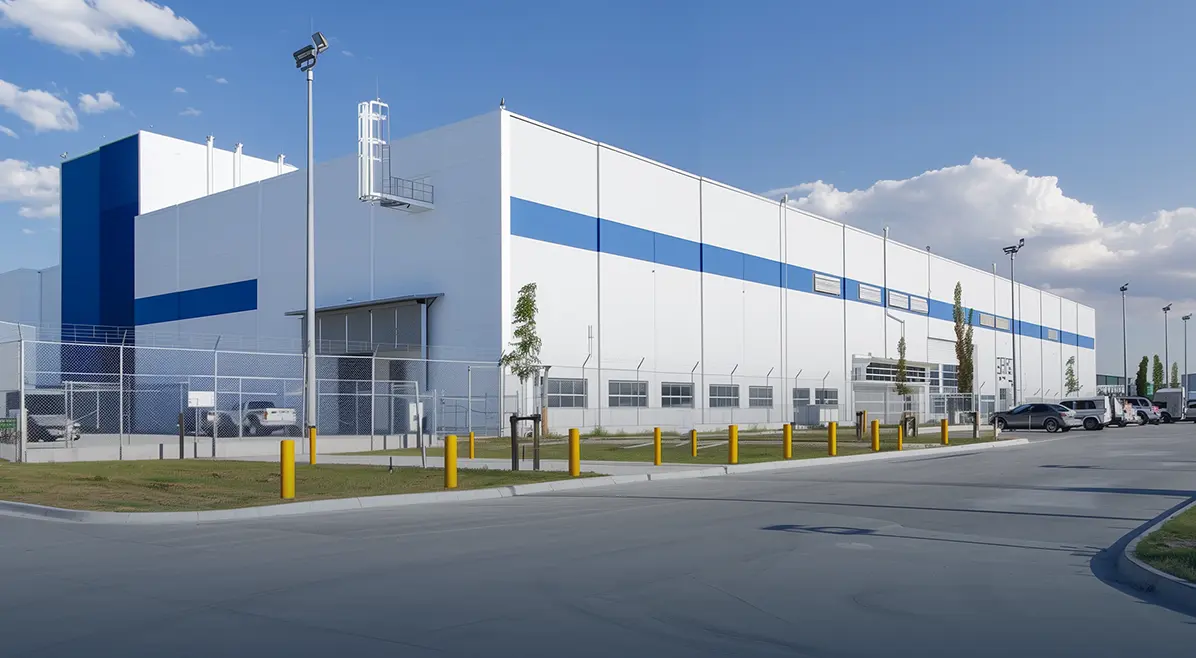
Delving into the mechanical integrity, design mathematics, and physical structural performance that define modern industrial metal profiling.
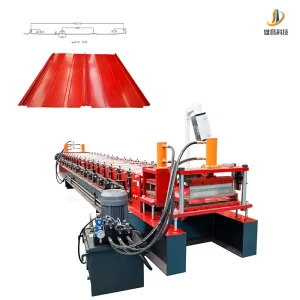
The manufacturing process of trapezoidal roofing profiles involves complex plastic deformation mechanics. When processing pre-painted galvanized steel (PPGI), Galvalume (PPGL), aluminum, or copper, the sheet undergoes critical stress points. Our roll forming mills utilize advanced flower pattern design (forming passes sequence) to distribute the forming strain evenly. This prevents localized stretching, micro-cracking of the zinc coating, and edge wave issues.
By carefully calculating the vertical and horizontal roll forming centers using advanced computer-aided CAD modeling and COPRA software simulations, we ensure that the profile conforms precisely to geometry benchmarks. This maintains the material’s structural integrity, allowing the finished trapezoidal sheet to hold its expected wind resistance and load-bearing performance ratings.
The strength-to-weight ratio of trapezoidal profiling makes it a popular choice for industrial cladding. By introducing deep rib structures, the moment of inertia increases along the major axis. This allows for wider purlin spacing in metal building constructions, reducing overall structural steel framing costs.
Key parameters in our design equations include:
| Profile Specification Parameter | Standard Configuration Range | High-Speed Automated Configuration | Engineering Benefit |
|---|---|---|---|
| Raw Material Thickness | 0.3 mm – 0.8 mm | 0.4 mm – 1.2 mm | Enables structural flexibility for varying load requirements. |
| Profiling Station Count | 16 – 22 Stations | 24 – 32 Stations | Ensures gradual plastic deformation, preventing paint fracturing. |
| Forming Line Speed | 12 – 20 m/min | 35 – 50 m/min (Servo Flying Cut) | Significantly increases daily output and factory ROI. |
| Roller Core Hardness | HRC 55 - 58 | HRC 60 - 62 (Cr12MoV Tool Steel) | Minimizes mechanical wear during long-term continuous runs. |
| Profile Geometric Tolerance | ±1.0 mm (Length) | ±0.5 mm (Servo Control) | Guarantees seamless lap installation on the construction site. |
Why global procurers leverage XC's advanced Chinese factory layout to maximize technology cost-efficiencies.
XC's 50,000㎡ industrial facility sits in the heart of China’s premium metallurgy cluster. We source certified raw steel plate, hydraulic components, and precision PLC microcontrollers within a highly efficient logistics perimeter. This lowers component lead times and cuts manufacturing overheads, giving you a competitive edge.
Our workshop houses high-precision CNC machining centers for roller profiling, digital grinding tools, and automated heat-treatment chambers. Precision machining ensures every roller profile lines up with structural drafts down to the micron. This virtually eliminates material drifting during the forming stages.
With a large pool of industrial design talent, electrical engineers, and skilled assemblers in China, we can customize equipment profiles quickly. Whether you need a standard trapezoidal design or an intricate double-level deck former, our team handles the engineering with speed and accuracy.
Our robust design capabilities and investment in automated production setups ensure manufacturing precision and consistency across every model.
With our dedication to a robust technical force and advanced industrial equipment, XC aims to provide integrated and automated systems across our production lines. This allows us to fulfill diverse industrial requirements while maintaining top quality and performance in every machine we build.
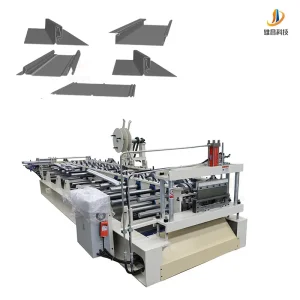
We offer an extensive range of precision cold roll forming systems to meet varied customer applications, including: All our equipment is engineered to produce durable, reliable, and high-performance end-products.
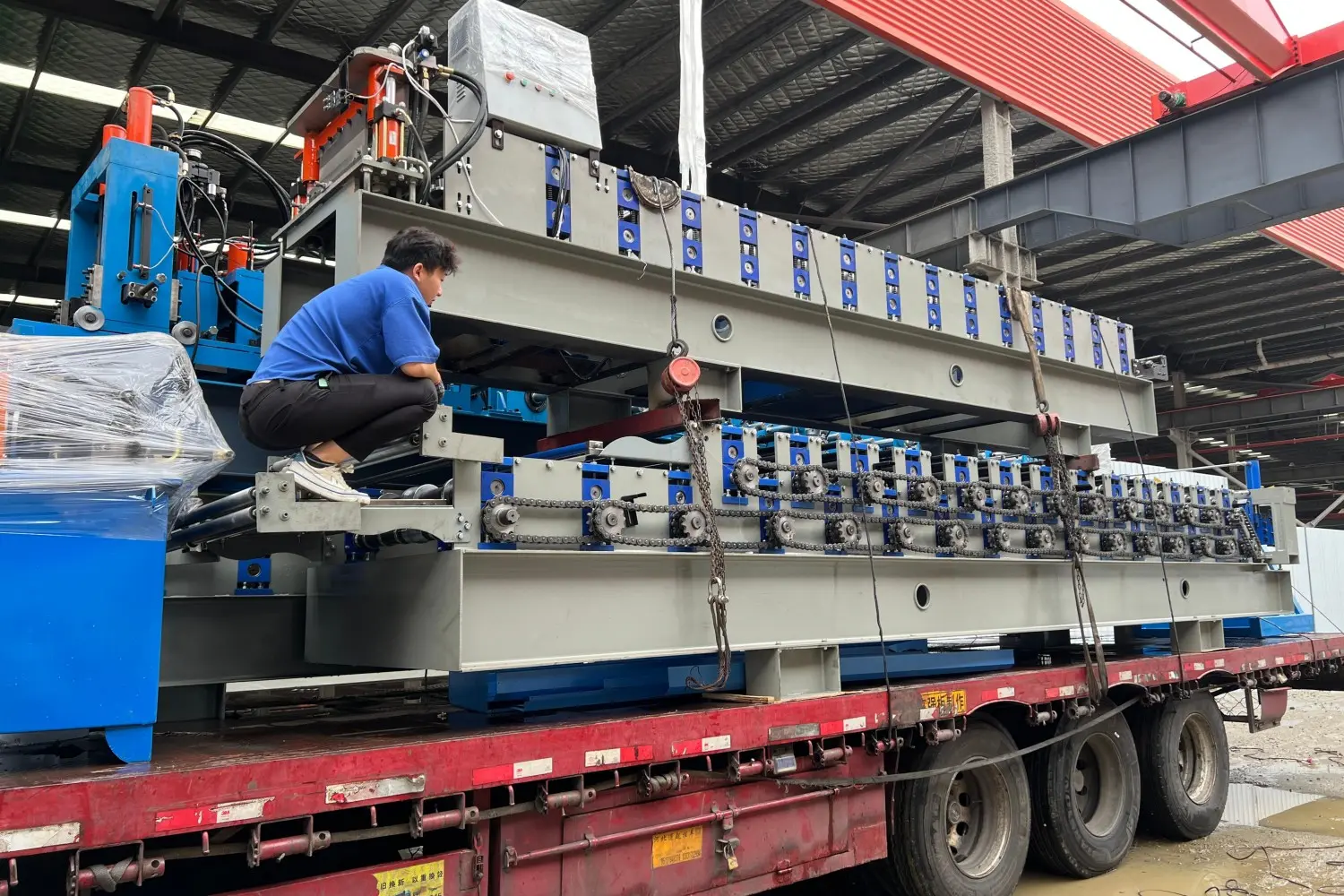
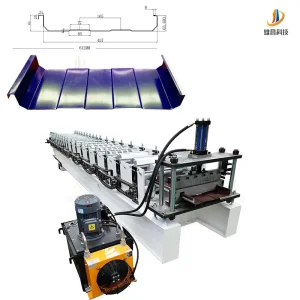
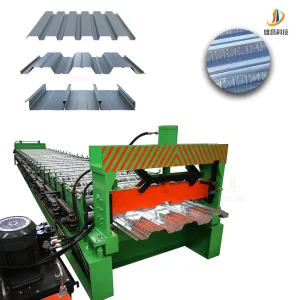
Roof Panel, Wall Panel, and Floor Deck Roll Forming Machines.
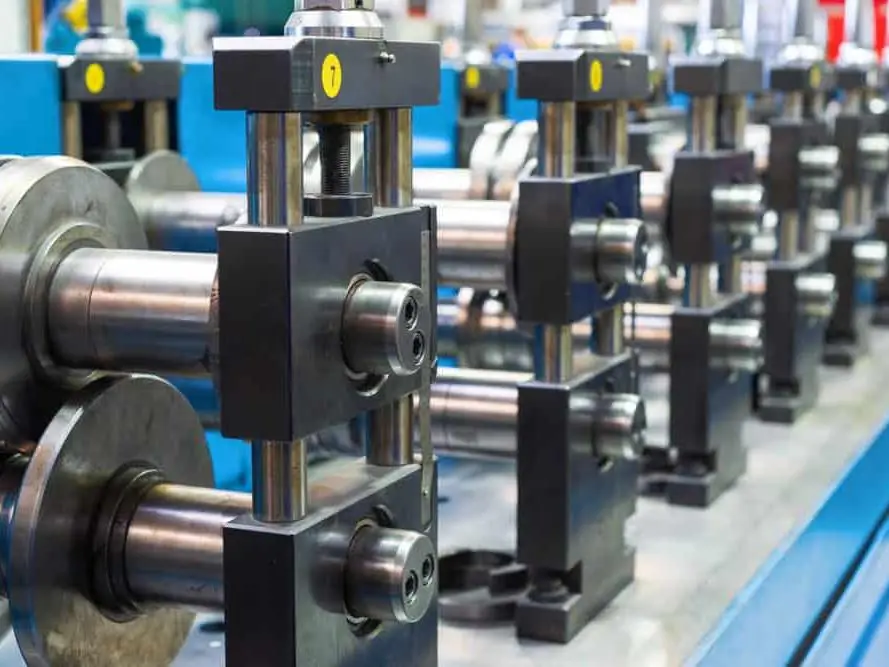
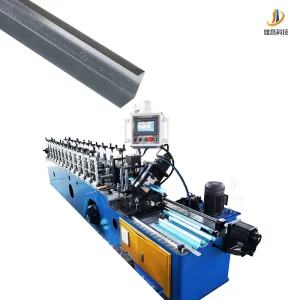
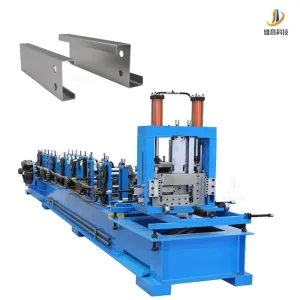
C/Z Purlin Roll Forming Machines, and Stud & Track Roll Forming Machines.
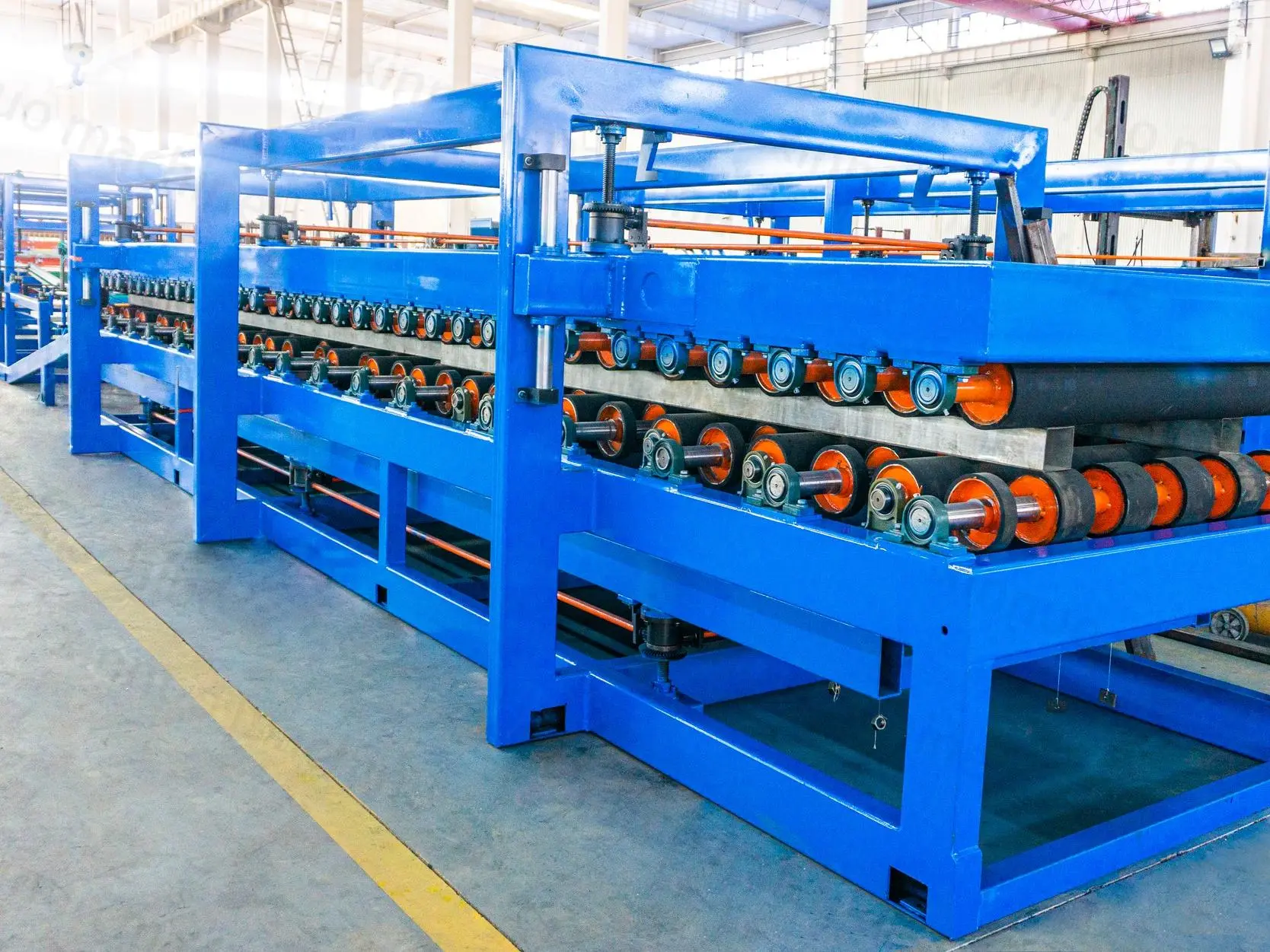
Gutter Roll Forming Machines and Door Frame Roll Forming Machines.
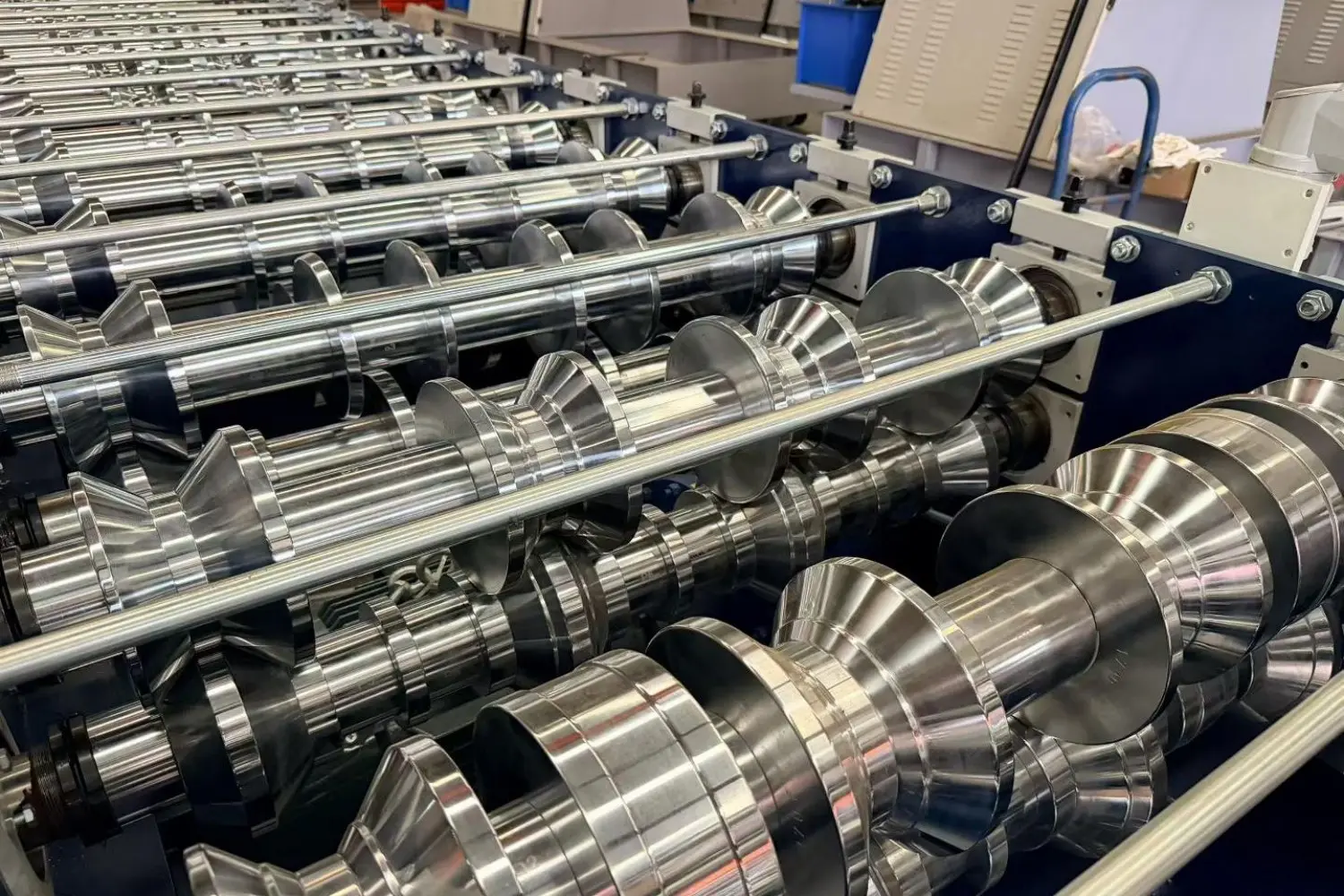
XC has a complete suite of detection and testing instruments to rigorously verify product strength, durability, and reliability. We adhere to strict, standardized quality control protocols throughout the manufacturing process, ensuring all output consistently meets specified customer specifications.
Every roll forming machine undergoes testing before shipment. We run full profile runs using our clients' target steel coils to confirm profile dimensions, checking parameters like height, overlap snugness, and flatness.
From design to installation, XC provides comprehensive lifecycle support. We offer professional installation, commissioning, and operational training to ensure optimal setup and productivity.
Our dedicated after-sales support team delivers ongoing technical assistance and maintenance services, helping customers achieve sustained, peak operational performance and minimize downtime.
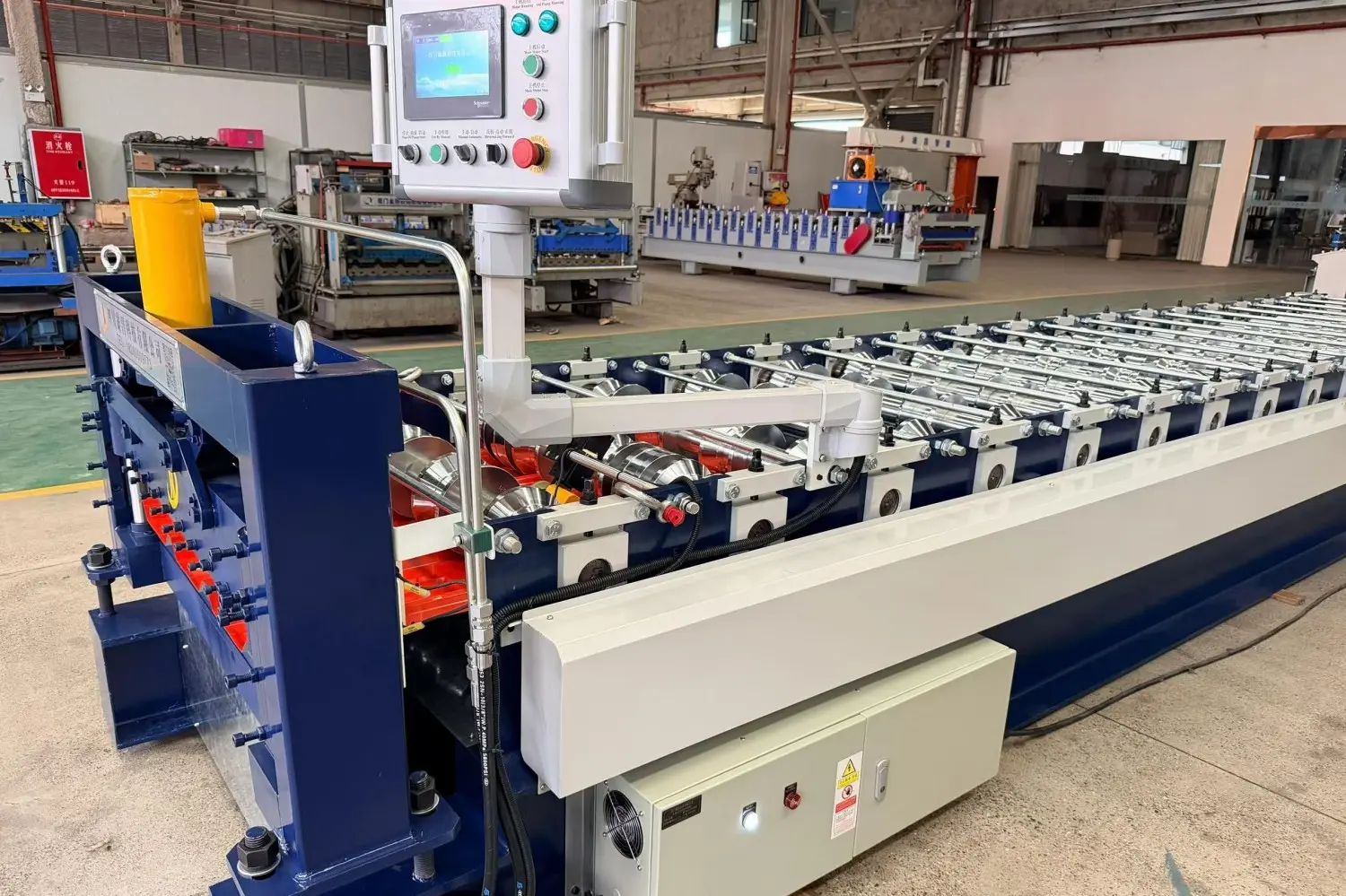
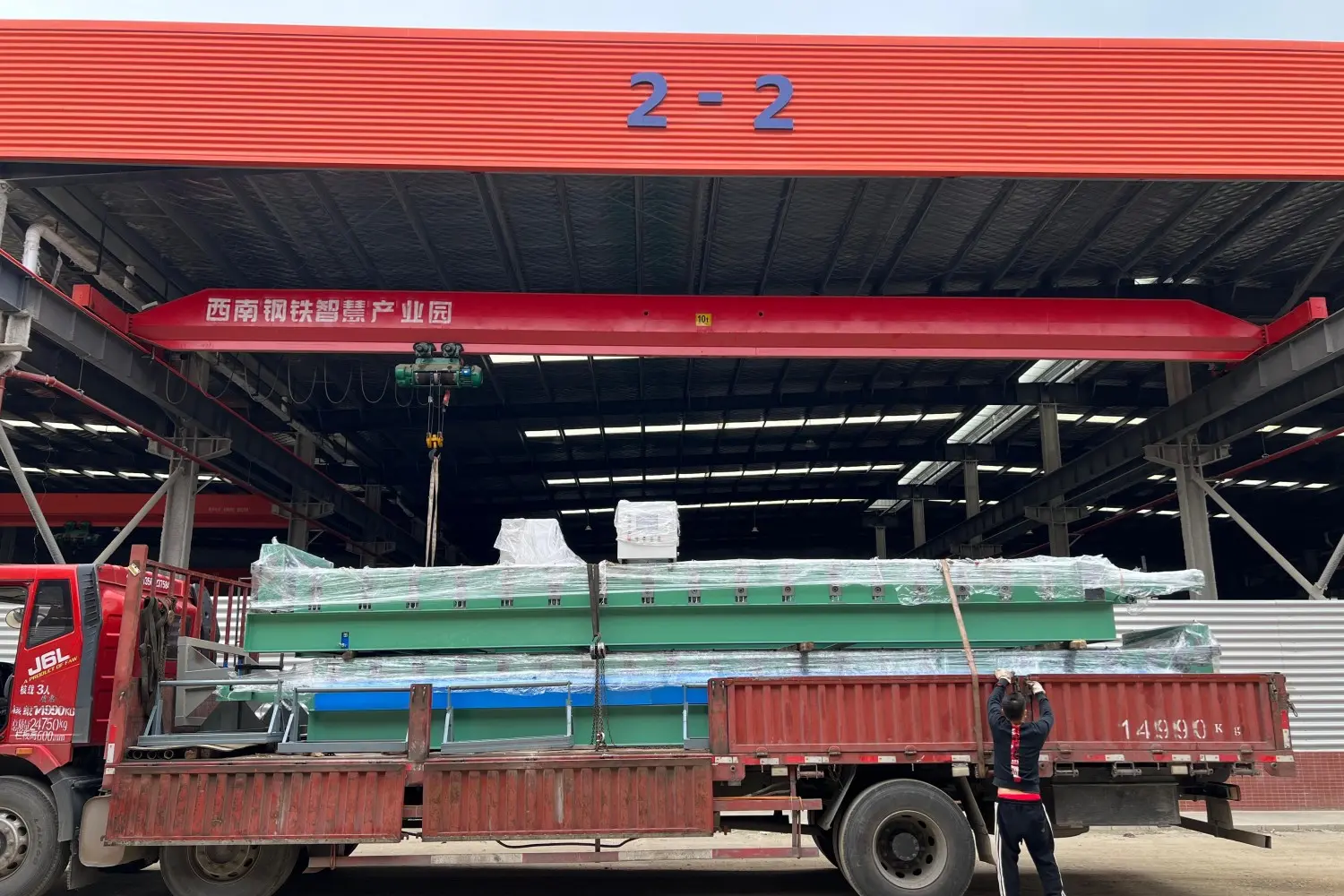
With years of industry expertise, we have established a strong reputation for quality and customer-centric service. Our professional team provides tailored, personalized support for both standard and customized technical needs.
This commitment has fostered a loyal client base across construction, manufacturing, and engineering sectors, with our machines contributing to projects ranging from residential complexes to large-scale commercial and infrastructure developments.
A closer look at how we align our design procedures with clients' operational goals.
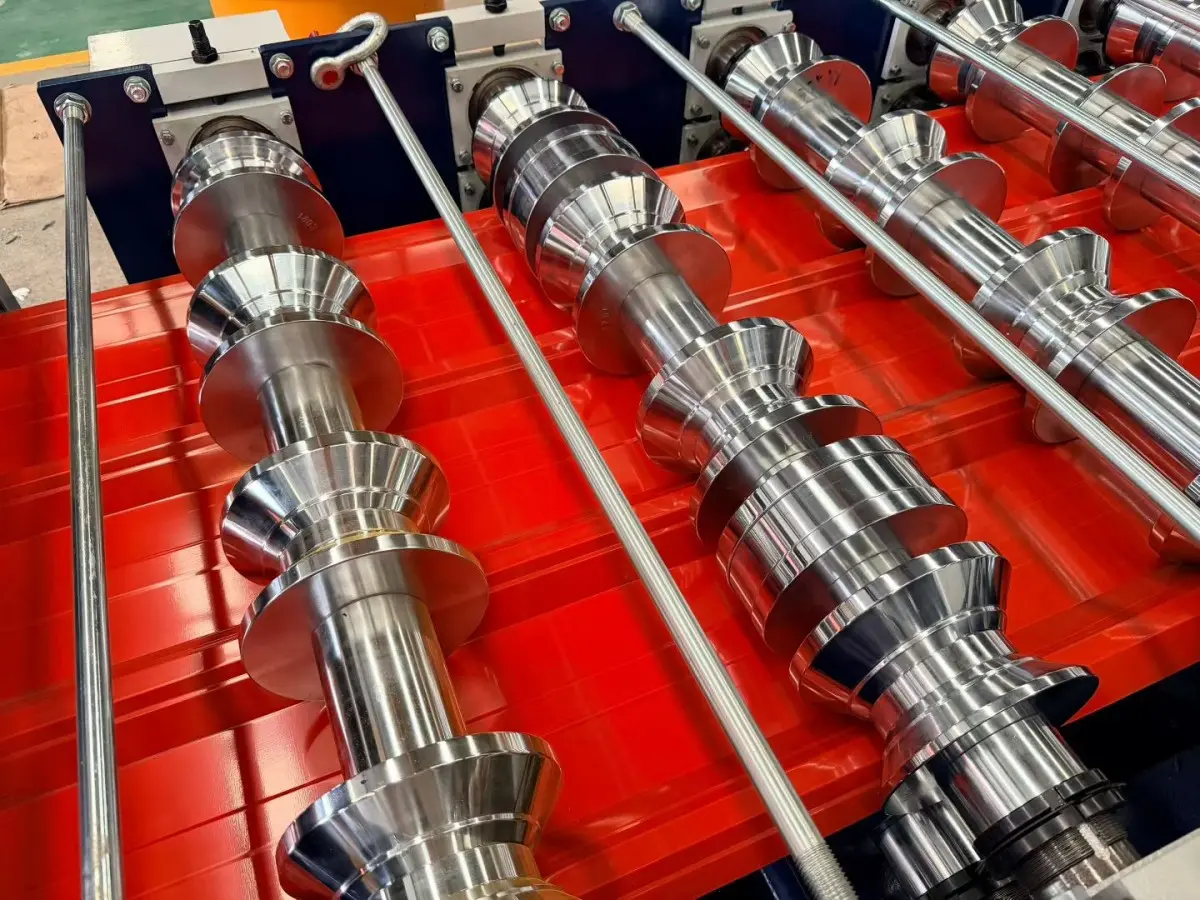
Custom design configurations to match specific regional building codes and structural loads.
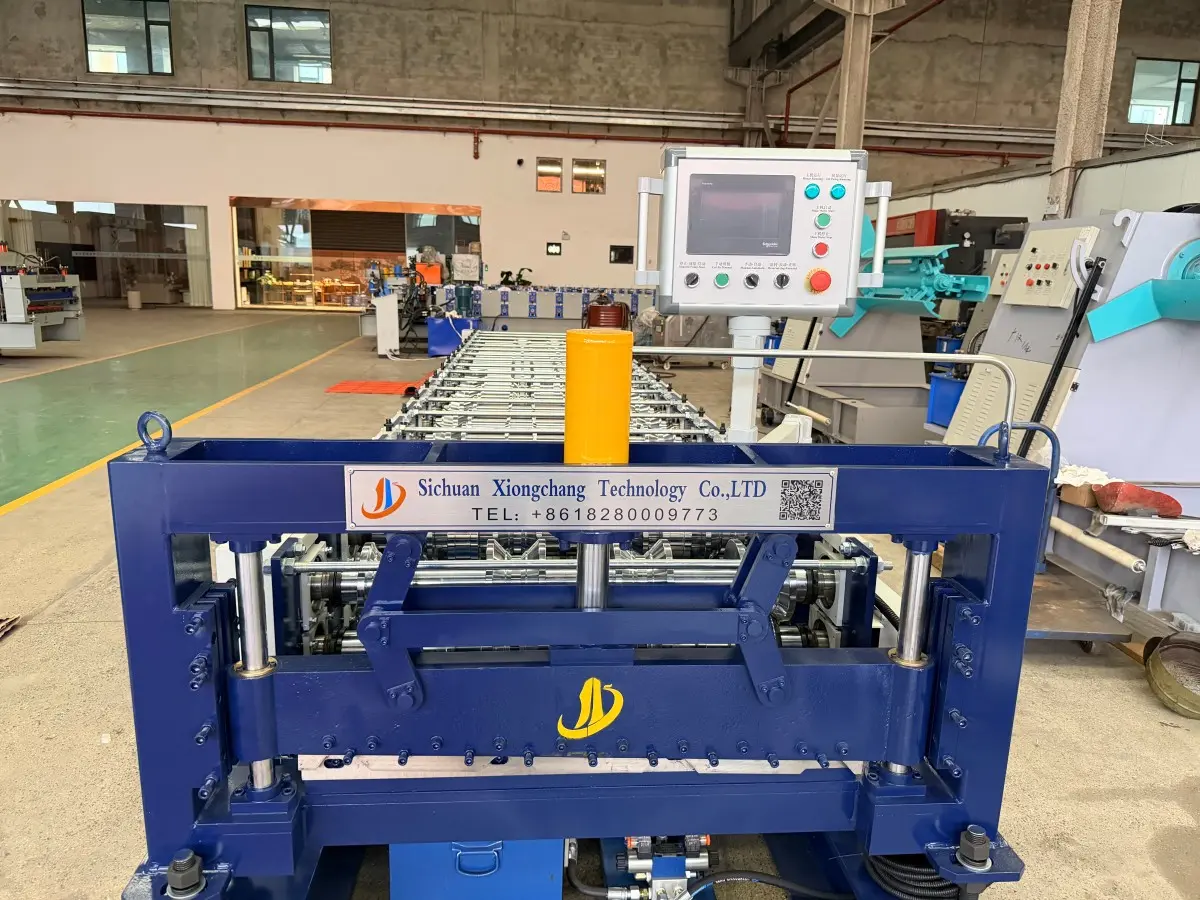
Complete lifecycle management, including retrofitting, upgrades, and spare parts supply.
We combine over 20 years of roll forming expertise with automated production processes, ensuring every line delivers long-term durability and value.
VIEW MORE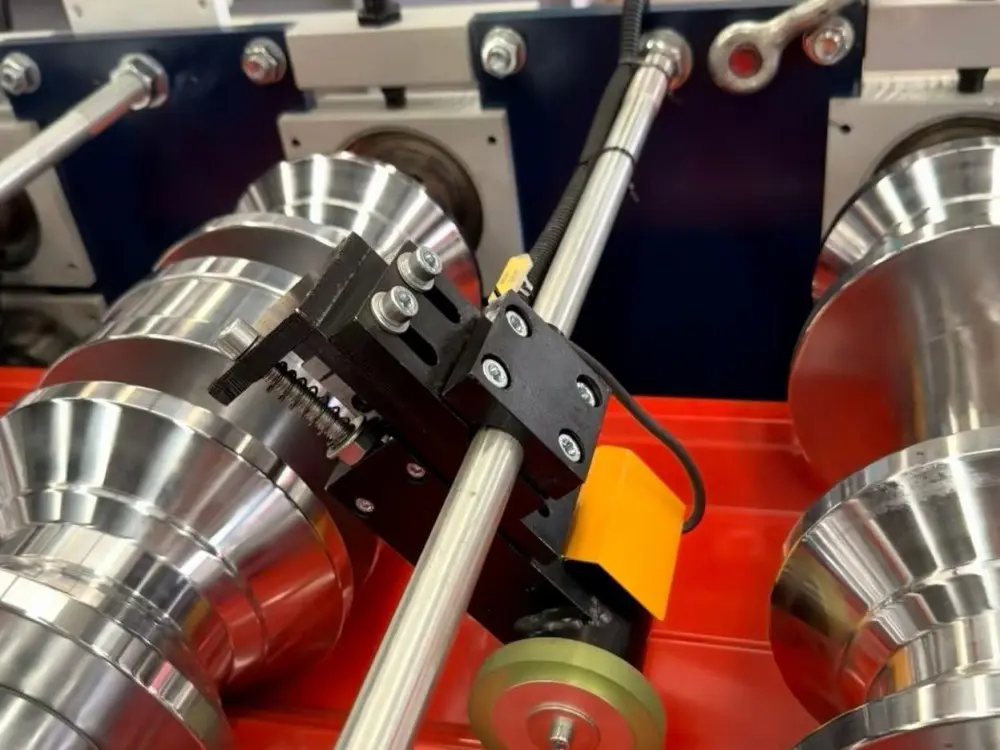
Continuous R&D efforts to improve roll forming flow design and automation levels.
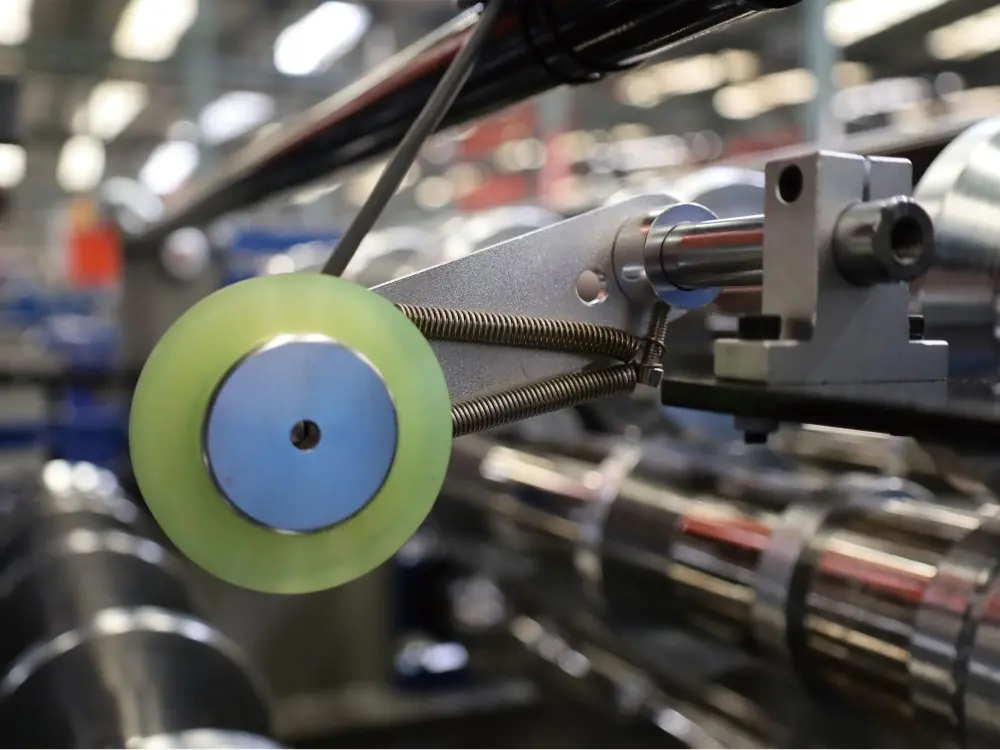
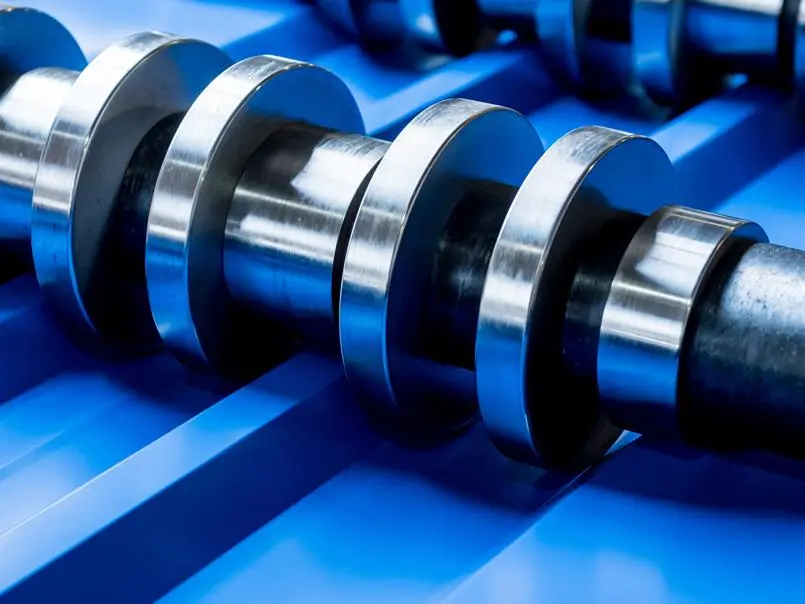
Heavy H-beam chassis construction, solid roll shafts, and hard-chrome plated rollers prevent premature wear.
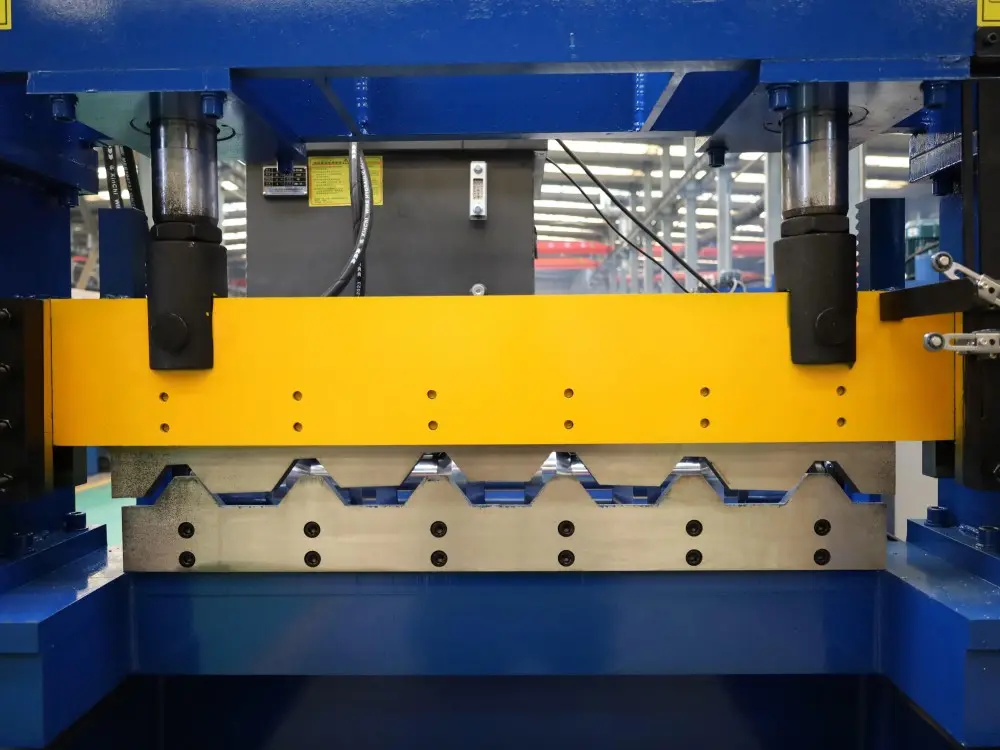
Responsive customer service, rapid troubleshooting support, and customized training modules.
From agricultural warehouses to heavy industrial complexes, our roll forming machines deliver structural value in diverse global contexts.
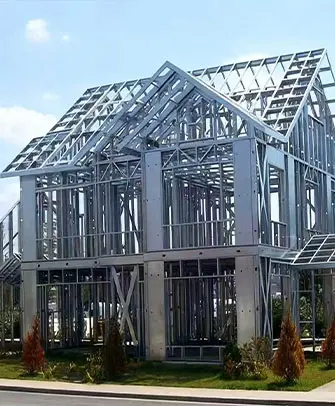
Used in designing industrial roofs, wall cladding, and complex composite deck systems.
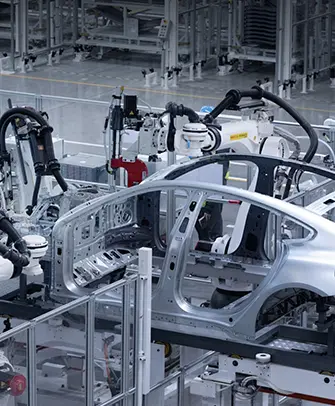
Provides structural panels and reinforcement framing components for vehicles.

Roll forms sheet-metal structures for washers, dryers, refrigerators, and interior panels.

Forms road barrier profiles, structural rail sections, and terminal building envelopes.

Produces solar panel mounting rails, wind turbine structural panels, and racking systems.
A strategic guide for global procurement directors and project engineers evaluating roll forming machinery partnerships.
Procurers should verify the machine’s incoming material width limits and yield strength range. A standard mill designed for 245 MPa yield steel may fail to form 550 MPa high-tensile material without spring-back issues. XC machines use custom-engineered profile steps to handle dual strength levels (e.g., standard steel vs. grade 80 high-tensile steel).
Determine your required output volume:
Different markets have specific grid power setups (e.g., 380V/50Hz/3Ph vs. 480V/60Hz/3Ph) and safety standards. Our electrical engineering department builds custom control panels that align with CE, UL, or CSA standards. This includes emergency stop loops, physical guard doors, and photoelectric barriers.
To prevent zinc scaling or scratching of prepainted coils, rollers must feature a polished surface and thick hard-chrome plating (minimum 0.05mm thickness). For high-end applications like cleanroom panels, we recommend solid stainless steel rollers or specialized PU rollers to protect the material finish.
Answers to technical and operational questions regarding trapezoidal roofing sheet machinery.
Sheet drift (swerving) is often caused by uneven roller pressure, misaligned guiding benches, or variations in incoming coil width. It can be corrected by: 1. Adjusting the inlet guide bar to match the exact sheet width. 2. Inspecting and adjusting the vertical clearance of the roller shafts on both sides to ensure uniform pressure. 3. Checking the level alignment of the machine bed using precision measuring tools.
Roller material directly impacts durability. Standard machines often use 45# steel with chrome plating. For heavy-duty runs or thick materials, we recommend Cr12MoV (D2 equivalent) tool steel. When vacuum heat-treated, it achieves a hardness of HRC 60-62. This prevents wear from abrasive coatings and maintains sharp rib definitions over millions of running meters.
Post-cutting systems cut the profile after it has been fully formed. This prevents distortion at the sheet ends. Pre-cutting cuts the sheet flat before forming. While pre-cutting eliminates the need for expensive profile-shaped shear blades, it can cause the leading and trailing edges of the profile to flare, which affects nesting tolerances.
Yes. This is achieved in a few ways: 1. Double-Level Machines: Two separate forming levels built on a single frame, sharing the motor and base. 2. Cassette Systems: The forming rollers are mounted on removable cassettes. You can swap profiles by switching cassettes, which takes about 30-45 minutes. 3. Adjustable Rollers: Width-adjustable rollers controlled by a motor, commonly used for variable-width C/Z purlin machines.
To prevent surface scratches: 1. Rollers must be precision ground and mirror-polished. 2. The speed of the upper and lower rollers must match at all contact points to avoid sliding friction. 3. Hard-chrome plating (minimum 0.05mm) helps prevent metal build-up on the rollers. 4. A lubrication system can apply a light film of forming oil to the coil surface during production.
To provide an accurate quote, please provide: 1. A detailed drawing of the target profile (including web angles, rib heights, and sheet cover width). 2. Material specifications (yield strength, steel thickness range, and coil width). 3. Required line speed and production capacity. 4. Electrical and safety standards for the installation site.
Power requirements typically range from 15kW to 45kW, depending on forming speeds and material thickness. Installation requires a level concrete floor capable of supporting the machine's static weight (often 5 to 15 tons). You will also need connection points for clean compressed air (minimum 0.6 MPa) for pneumatic system components.
Our after-sales service includes: 1. Live video troubleshooting support and remote PLC diagnostic connectivity. 2. Dispatch of experienced installation technicians for on-site commissioning and training. 3. Rapid dispatch of spare parts (e.g., encoder sensors, hydraulic valves, and shear blades) from our central factory.
Complete structural envelope manufacturing systems, including light-gauge framing mills, floor decking roll formers, and interchangeable purlin units.
 Xiongchang