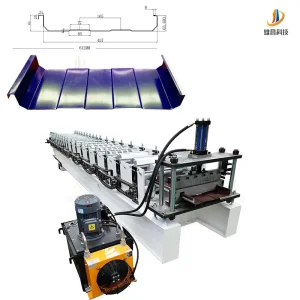
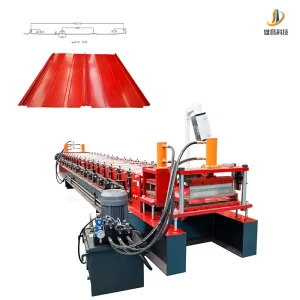
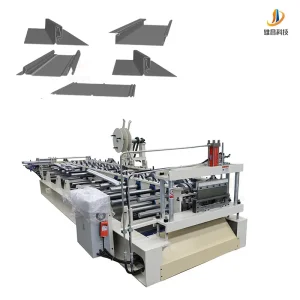
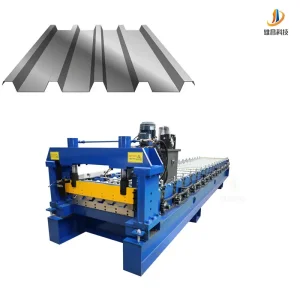
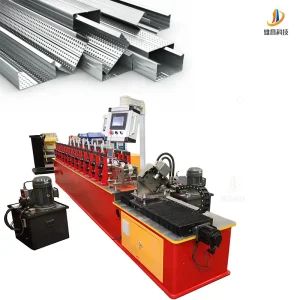
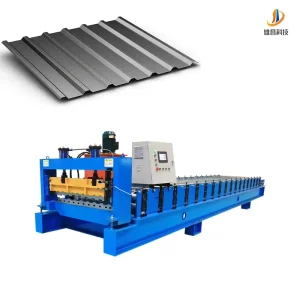
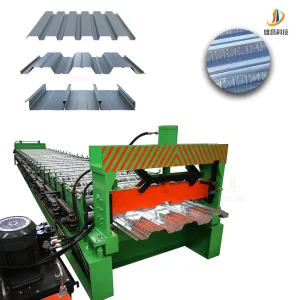
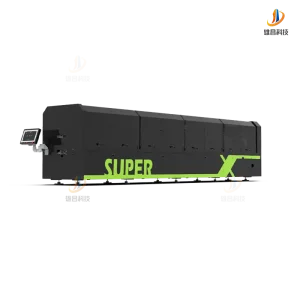
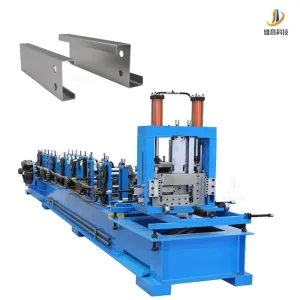
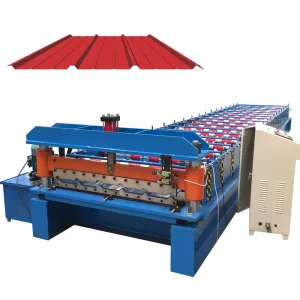
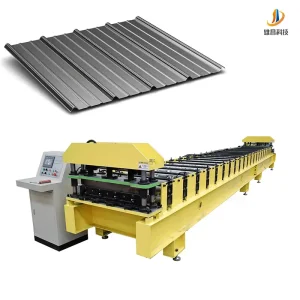
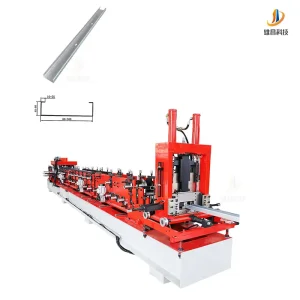
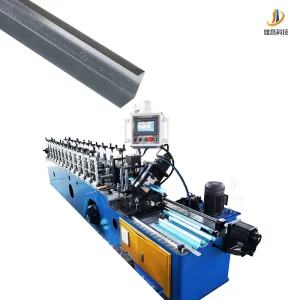
Explore our high-performance manufacturing configurations designed to output precision metal building panels. Select from mechanical lock, snap lock, and customized roofing solutions.
A comprehensive analysis of structural integrity, engineering standards, and mechanical roll-forming operations for modern metal roofs.
Standing seam metal roofing stands as the pinnacle of architectural waterproofing and structural longevity. Unlike traditional exposed-fastener roofing profiles, standing seam systems secure panels via concealed clips. This engineering prevents fasteners from penetrating the weather-exposed surface, eliminating leaks due to fastener failure, backed-out screws, or rubber washer degradation.
The roll forming machine's core job is progressive bending. A series of successive forming stations shape flat steel or aluminum coils into complex vertical legs. These panels come in three main varieties: Mechanical Lock, Snap-Lock, and Nail-Strip (Nail Flange).
"To handle thermal expansion and contraction across long roof runs, choose a roll former with tight machining tolerances. It needs to produce clean, vertical panel seams that interlock correctly without oil canning."
Choosing the right standing seam profile depends on the roof's slope, the local environment, and structural demands. A heavy-duty mechanical lock system (seamed 90° or 180° by an electric hand seamer) handles low-slope commercial roofs with high snow loads. Residential projects often use snap-lock or nail-strip profiles because they install faster and need fewer specialized tools.
XC (Xiongchang) is an established expert in the cold roll forming field, providing integrated, high-precision engineering solutions worldwide. Our portfolio covers core production machines for roofing, flooring, doors, and structural steel components, alongside auxiliary equipment required for automated manufacturing lines.
With over 20 years of manufacturing experience, XC works closely with global clients. We design customized machines that meet strict international mechanical codes and safety standards. Our automated systems guarantee precision, reliability, and long-term production uptime.
Combining heavy-duty mechanical engineering, advanced metallurgy, and modern software-driven controls.
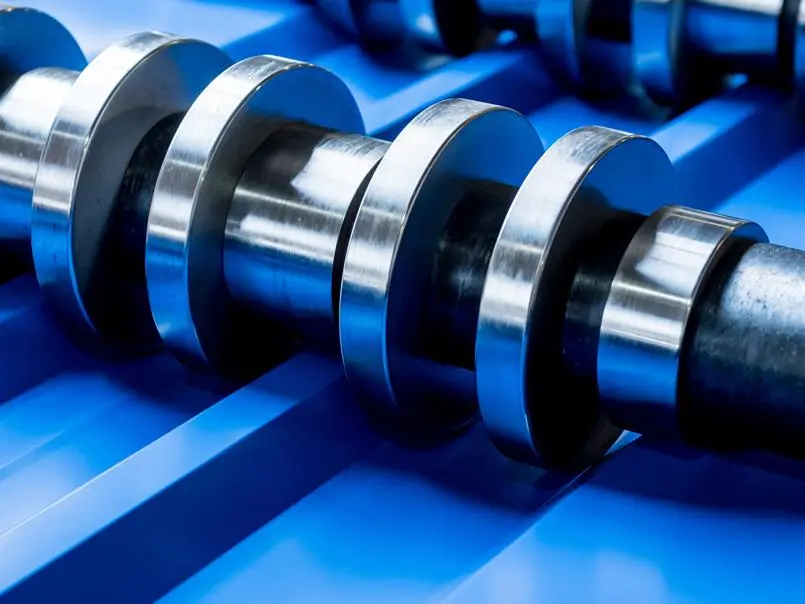
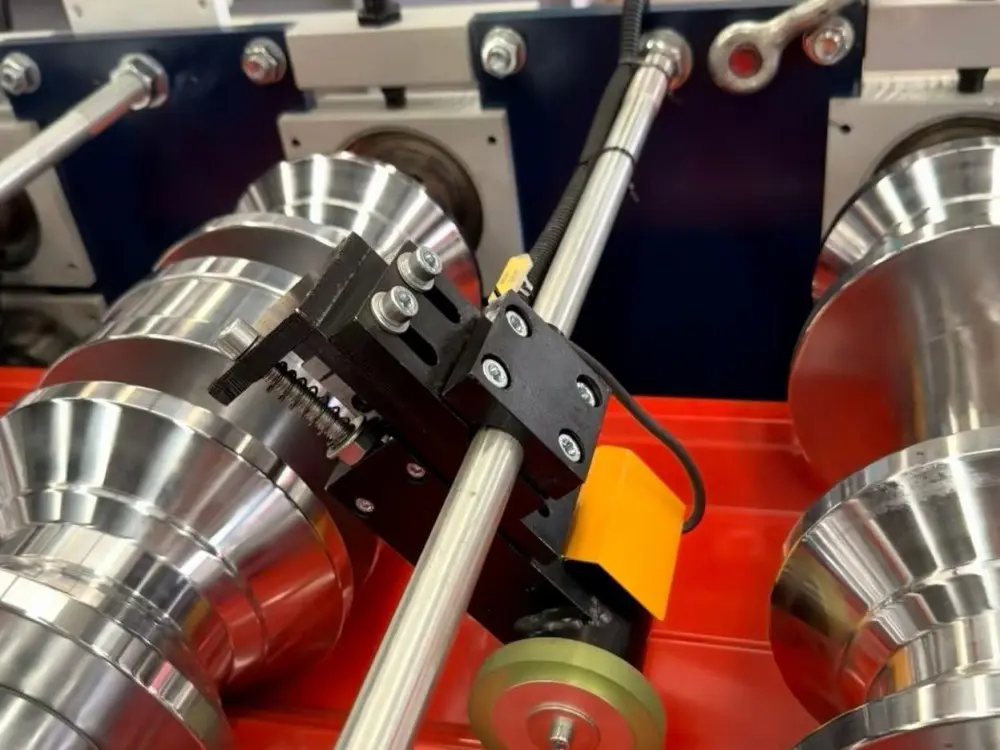
A roll former's reliability depends on its roller tooling. XC uses premium materials like Cr12MoV, D2, or high-carbon structural alloy steel. The rollers undergo precision CNC machining, vacuum heat treatment to HRC 58-62, and hard-chrome plating. This ensures high wear resistance, preventing roller scoring and keeping prepainted steel or aluminum coils scratch-free.
Our machine frames are welded from heavy-duty structural steel plates and stress-relieved. This rigid design prevents frame warping and misalignment, even during continuous production or when forming thick high-yield metal panels.
Every standing seam roll forming machine features a PLC control system from brands like Siemens or Mitsubishi. These systems support multi-language interfaces, program storage for varied lengths, and self-diagnostic features. With closed-loop encoder feedback, cutting tolerances are kept to ±1.0mm, reducing material waste.
We manufacture advanced roof panel, wall panel, and floor deck roll forming machines. Our machines process varied gauges and materials, delivering structural integrity for commercial and residential envelopes.
XC designs high-speed C/Z interchangeable purlin machines and light gauge steel stud & track formers. These feature rapid width adjustments, pre-punching units, and auto-shearing for quick building setup.
We build robust custom downspout, gutter, and steel door frame forming machines. These secondary forming systems complete structural envelop projects with precise component integration.
Quality control at XC starts with raw material selection. We source alloy structural steel from top suppliers. Ultrasonic testing checks for interior flaws before machining begins.
After assembly, every machine undergoes a full test run. We form hundreds of meters of metal sheets, testing at various speeds and panel profiles. Technicians measure dimensional accuracy, seam radius, and cut quality to ensure they match customer requirements.
Our facility uses testing equipment like laser trackers, hardness testers, and digital thickness gauges to verify the wear resistance and durability of all critical components.
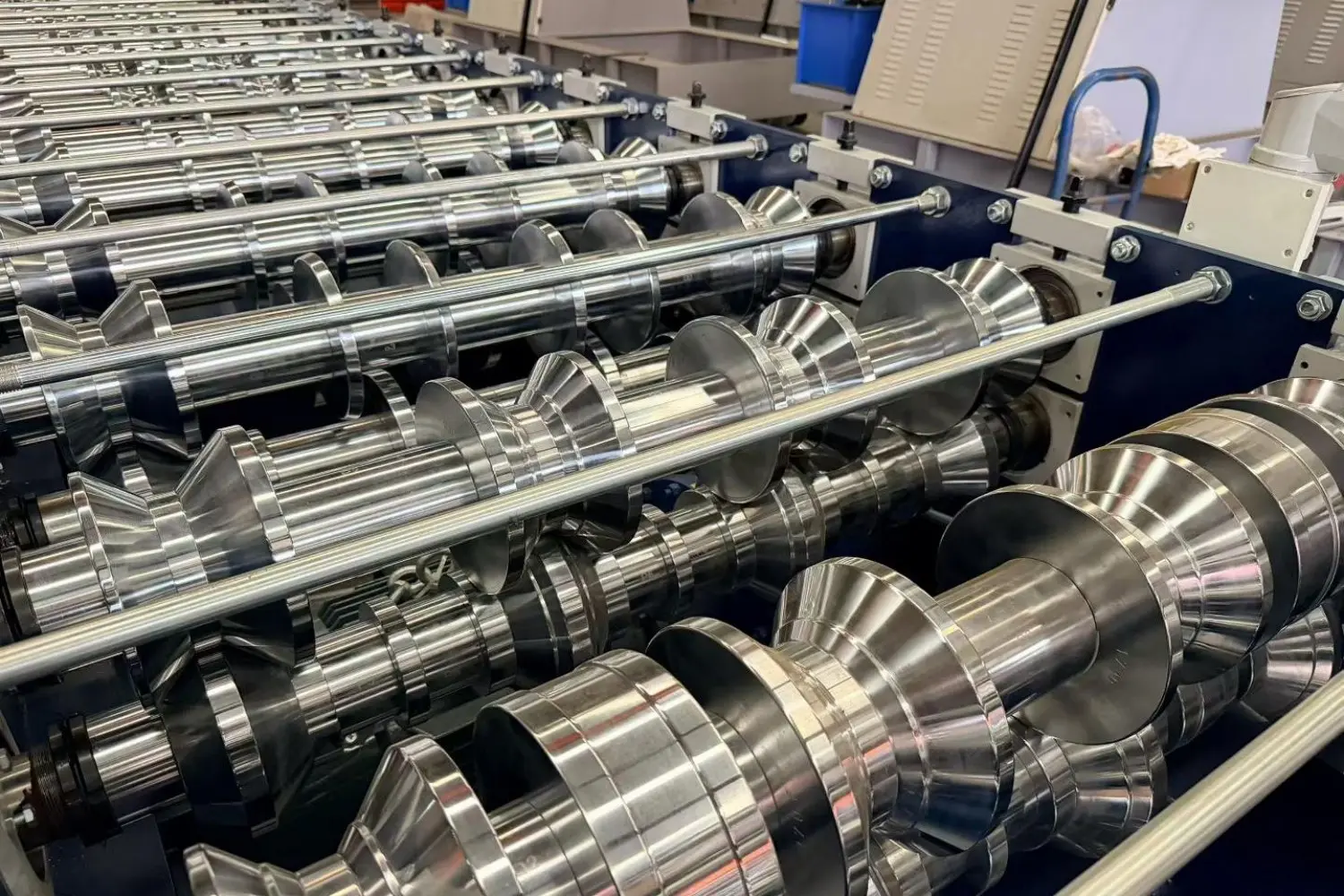
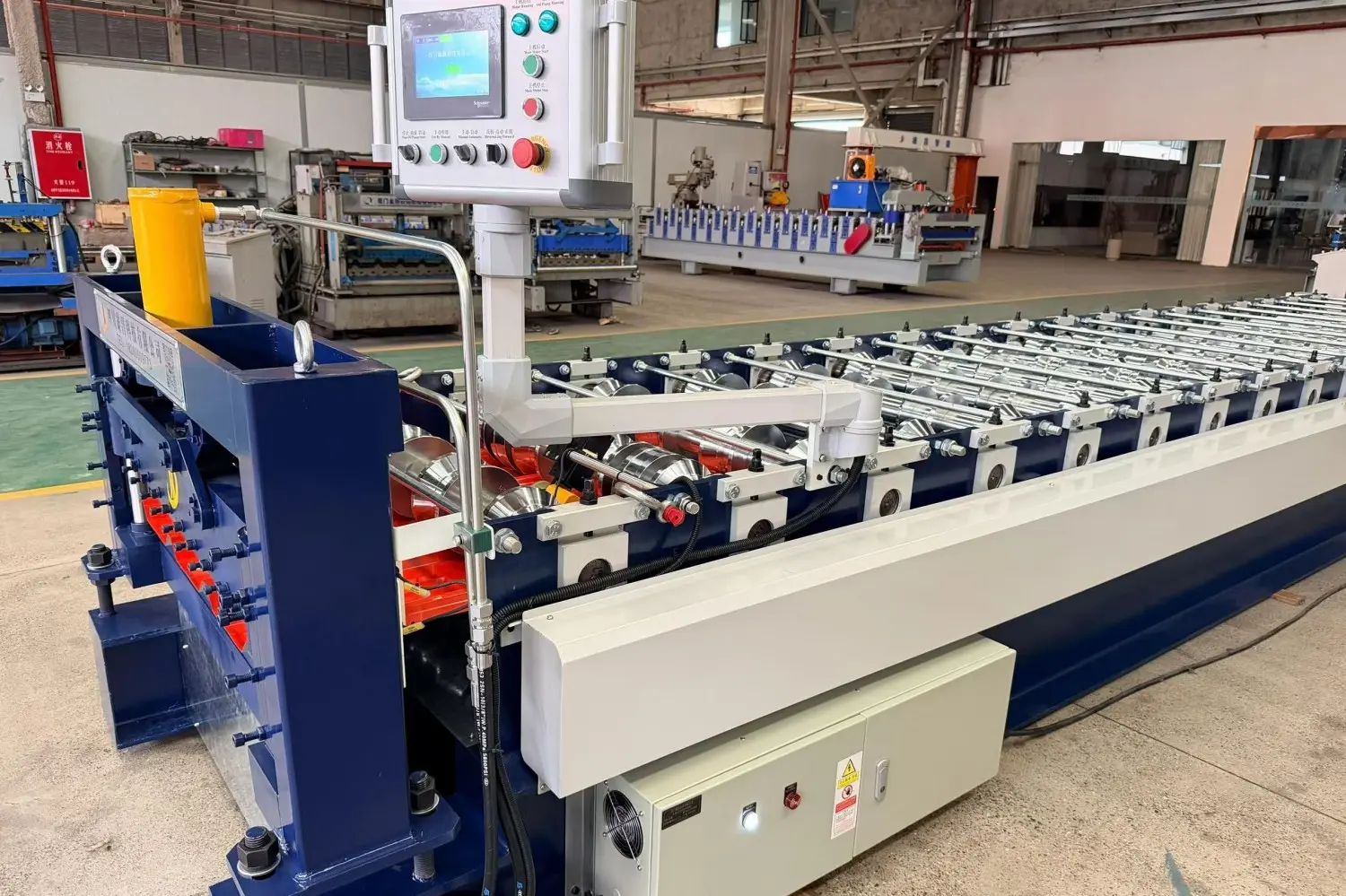
We provide full-lifecycle support from initial consultation through final machine commissioning. Our engineers work with clients to design tooling layouts that handle multiple material thicknesses without requiring manual tooling changes.
Our international services team coordinates shipping, customs clearance, and on-site setup. We provide complete operator training covering control configuration, routine lubrication, and hydraulic maintenance.
We also offer remote diagnostic support. If an operator encounters a PLC software issue, our software team can connect to the machine online, diagnose the problem, and push updates, minimizing operational downtime.
Understanding how Chinese manufacturing capabilities and global logistics support structural engineering projects worldwide.
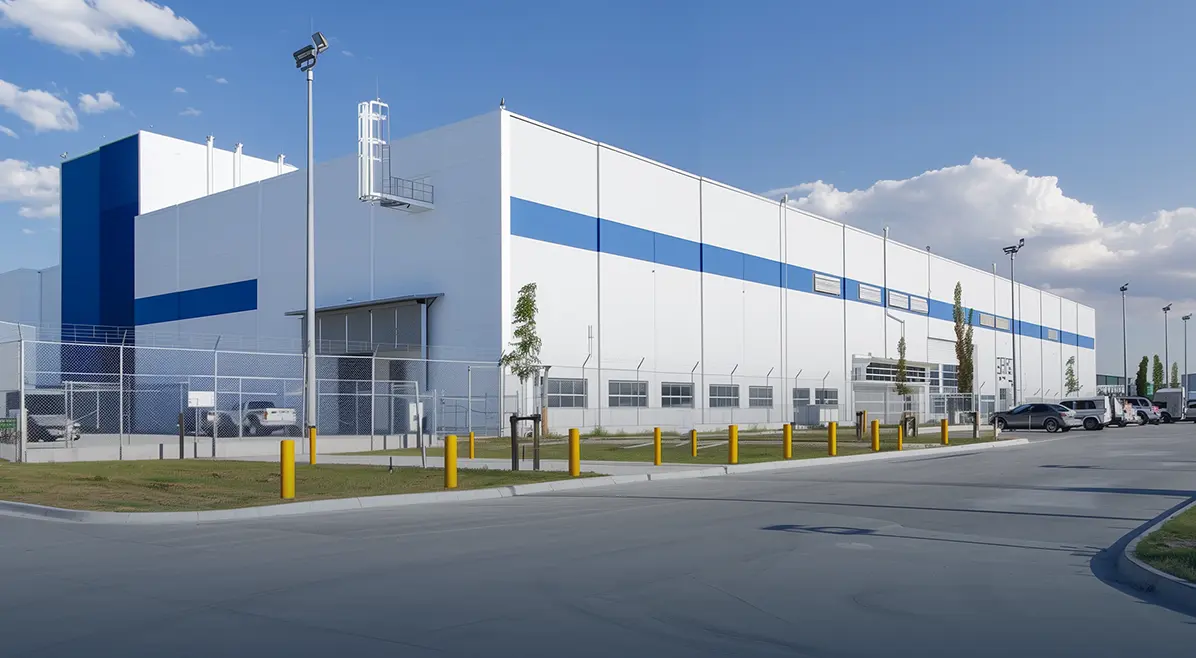
China's steel fabrication clusters provide a strong foundation for roll forming machinery production. Our factory near Shanghai accesses high-quality metallurgical materials, precision CNC machining, and specialized hardening services. This concentration of resources keeps raw material costs down, allowing us to invest more in premium components like heat-treated rollers, reinforced frames, and branded electronics (such as Siemens, Schneider, and Omron).
Our supply chain supports faster manufacturing turnaround times. Standard machine configurations ship within 45 to 60 days. This speed helps contractors and fabricators meet tight construction schedules without sacrificing machine quality.
Procuring industrial equipment requires meeting local technical regulations and site-specific needs. We configure machines to match regional electrical specifications, including 220V/380V/440V inputs at 50Hz or 60Hz. Controls are built using CE and UL-listed components to ensure compliance with local electrical safety standards.
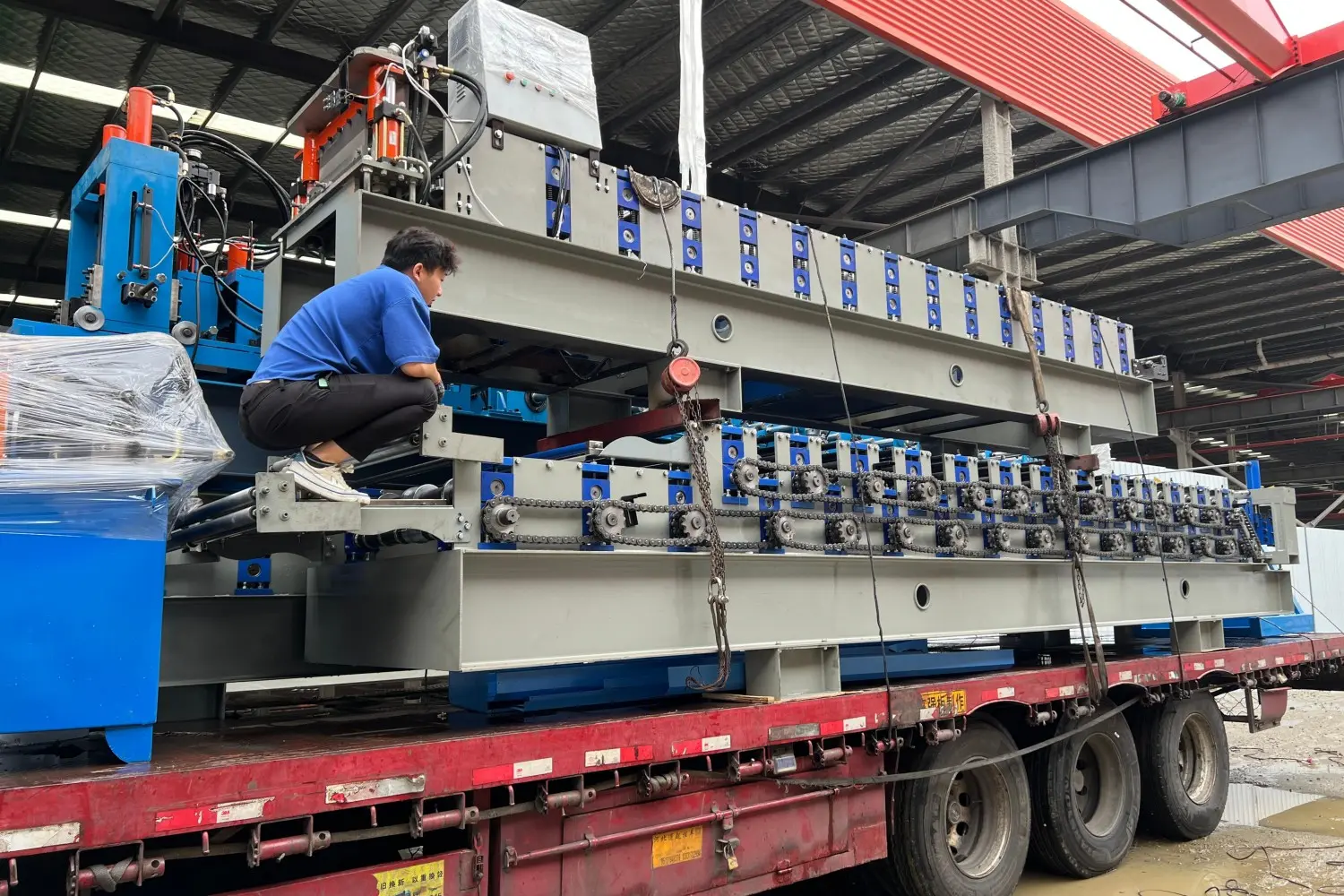
We work with international freight partners to offer flexible shipping terms (FOB, CIF, DDP). All machinery is packed with rust-preventative coatings and secured in steel-framed shipping crates to protect against maritime moisture and physical damage during transit.
How standing seam systems support modern architectural designs, industrial plants, infrastructure projects, and automated factories.
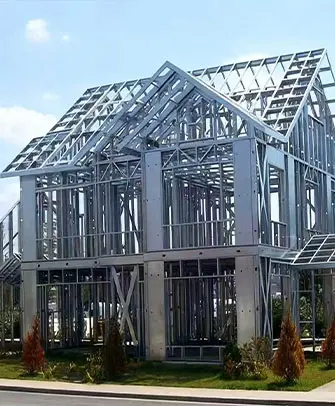
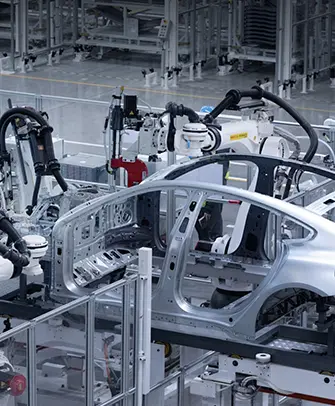

1. Mobile Containerized Systems: Contractors are moving production to the jobsite. Containerized standing seam roll formers roll out panels directly on-site, removing transport length limits and avoiding shipping damage.
2. Smart PLC Automation: Modern roll formers use sensors to adjust rollers dynamically for material thickness changes, maintaining profile tolerances and reducing manual setup times.
3. Advanced High-Strength Materials: Building designs now use high-strength steels and lighter aluminum alloys. Modern machines feature stronger roll configurations to form these materials without cracking the zinc coating or paint layers.
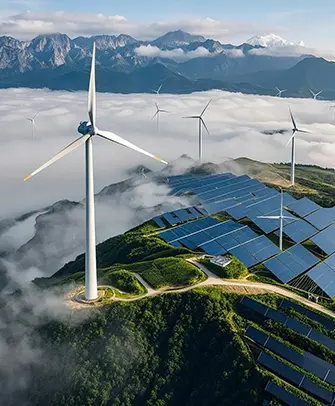
Sustainable design increasingly combines metal roofing with solar arrays. Standing seam panels provide an ideal base for solar installations, allowing PV panels to clamp directly onto the seams without drilling holes in the roof.
This retains the roof's weatherproofing integrity while supporting solar power generation. Roll forming systems must produce uniform seams to ensure standard solar clamps attach securely.
Engineering reliable cold roll forming machinery designed for long-term production and high uptime.
We design custom machinery layouts using advanced software. This process simulates steel forming steps to avoid panel stress issues and oil canning before physical production begins.
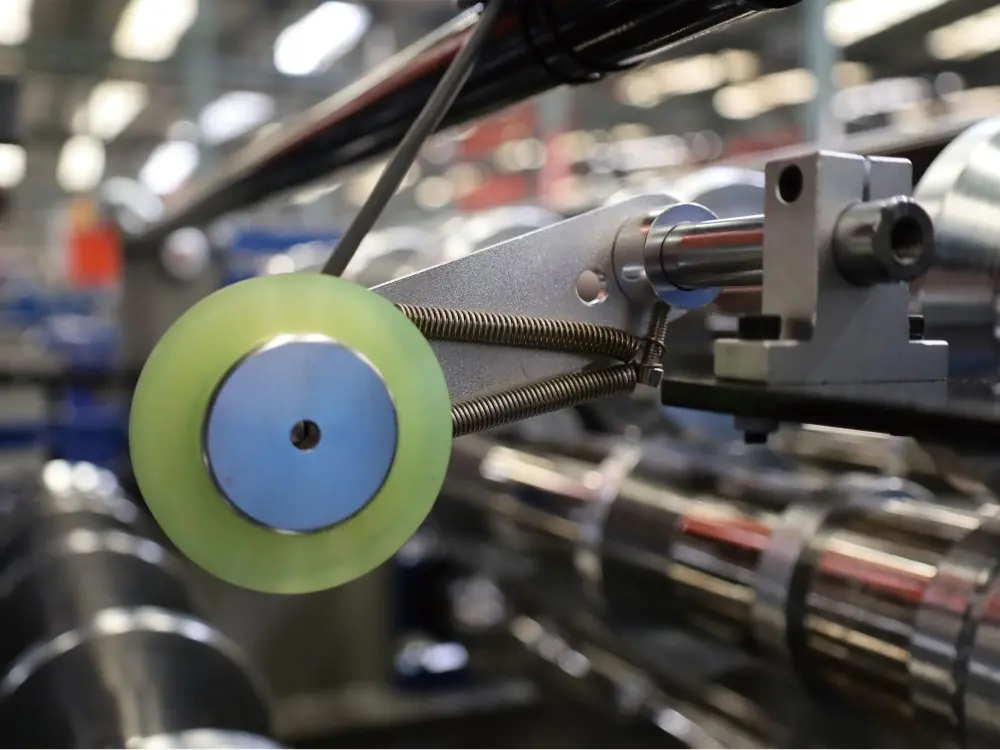
Our machines feature solid steel shafts, robust gearboxes, and thick side-plate frames. This heavy-duty design stands up to years of continuous production in demanding industrial environments.
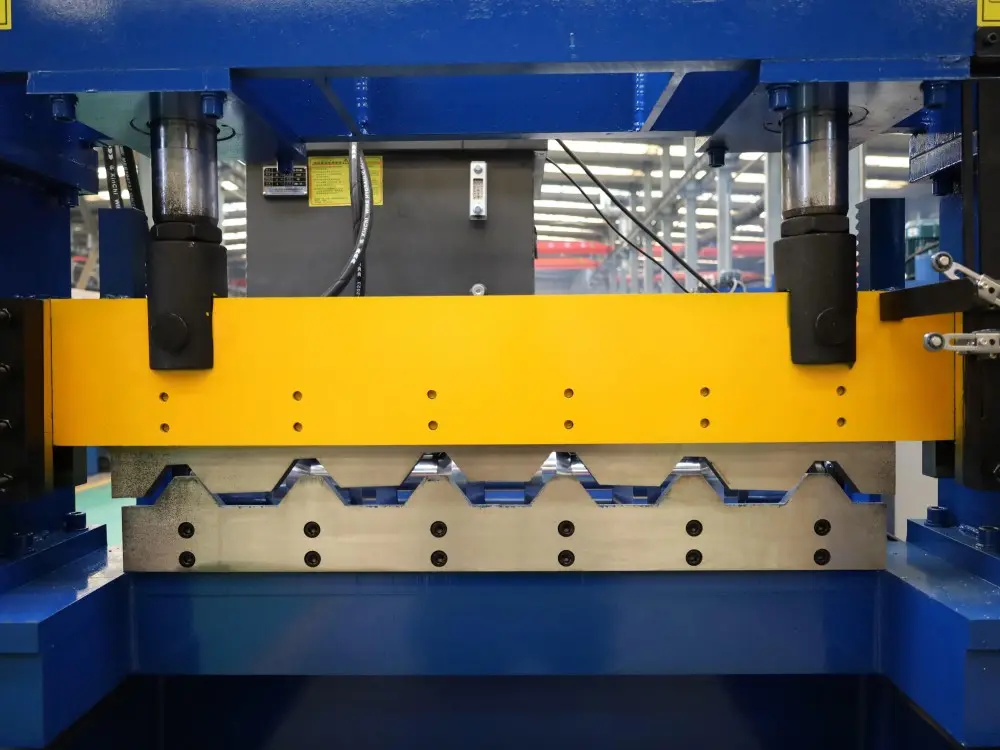
We provide comprehensive assistance, including custom profile design, installation support, operator training, and reliable replacement parts delivery to keep your production lines moving.
Find answers to common questions about roll former configurations, material handling, and setup options.
Complete your production setup with our structural forming machines, including purlin formers, deck machines, and custom profiles.
 Xiongchang