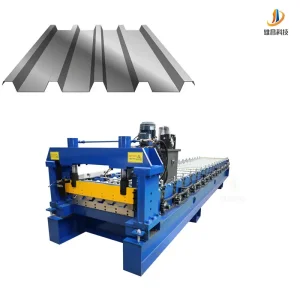
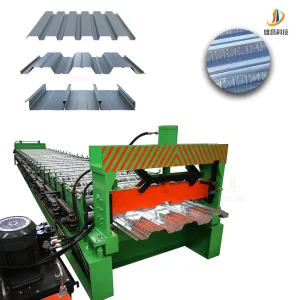
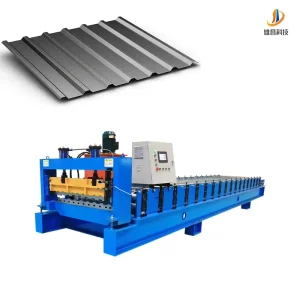
Select from our highly stable, heavy-duty production machinery configured for various structural frame patterns and profile requirements.
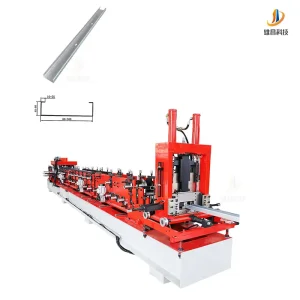
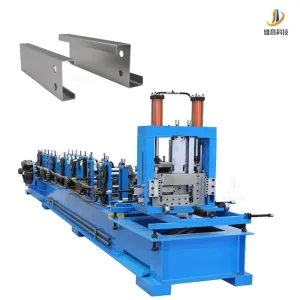
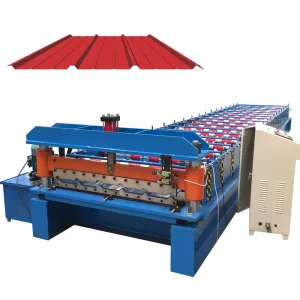
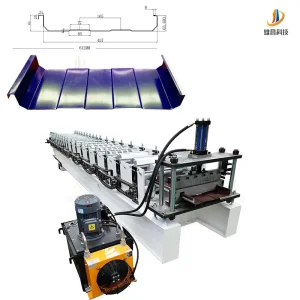
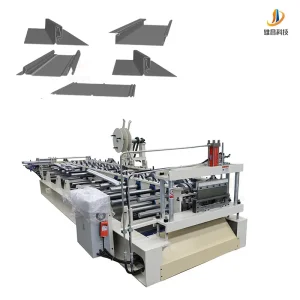
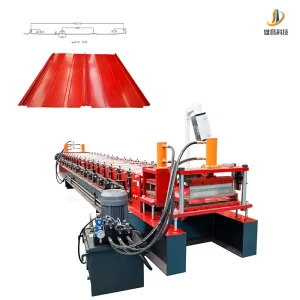
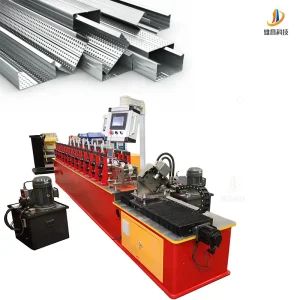
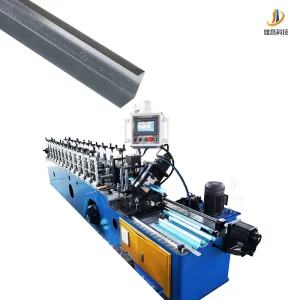
The global construction sector is undergoing a profound paradigm shift. Structural integrity, rapid installation times, and high-efficiency material logistics have elevated the importance of cold-formed steel (CFS) sections. Particularly, C, Z, U, and Sigma structural steel purlins serve as the primary framing components in industrial hangars, utility-scale solar farms, commercial distribution hubs, and agricultural processing facilities.
As leading global purlin roll forming machine manufacturers, engineering groups focus heavily on mechanical accuracy. High-strength structural steel profiles, including grades ASTM A653 G550 or EN 10346 S350GD, demand sophisticated forming methodologies. Traditional machinery often faces limits due to springback and yield variations, but modern roll-forming technologies actively neutralize these variables through intelligent engineering. Real-time hydraulic adjustment and computer-aided profile optimization minimize deviations, ensuring profiles are produced to precise specs.
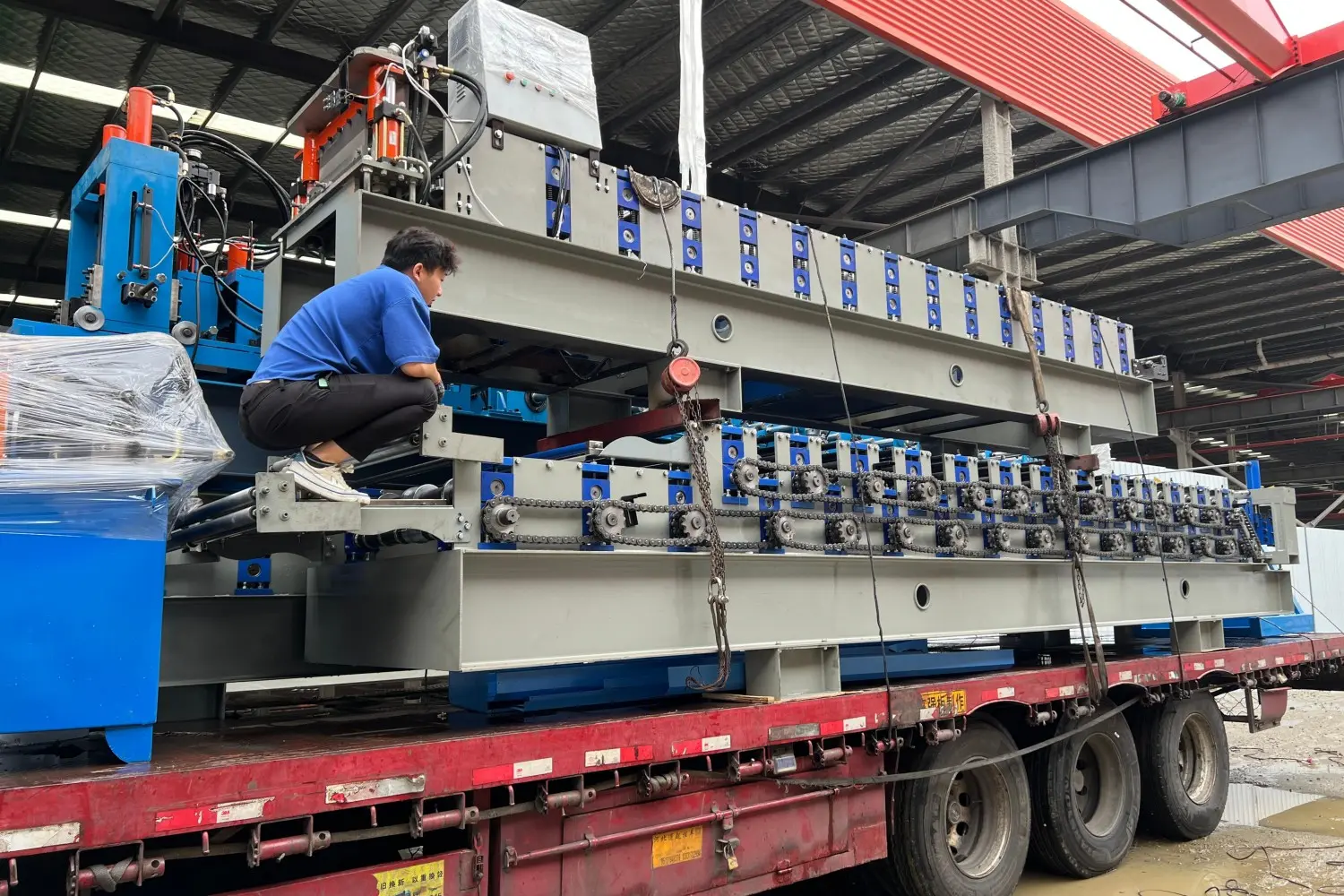
Analyzing mechanical configurations, roll tooling designs, and digital controls that define high-efficiency, zero-downtime manufacturing.
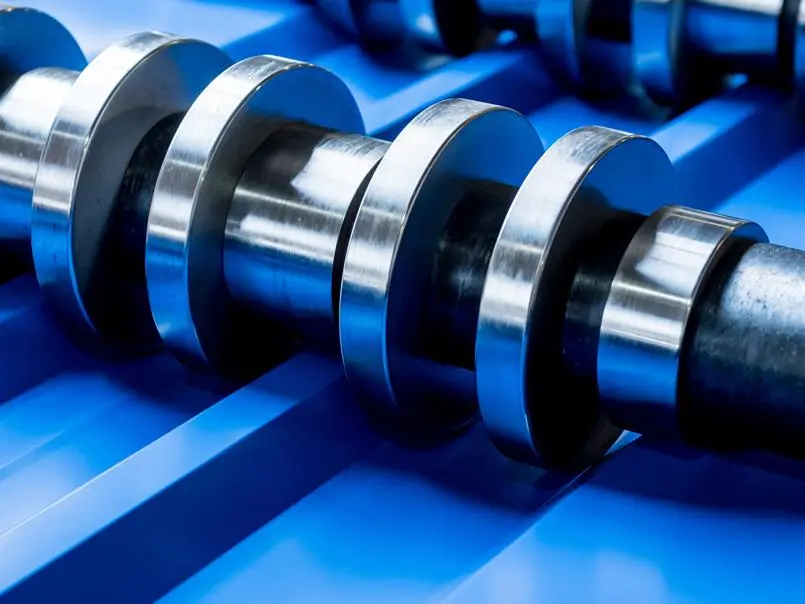
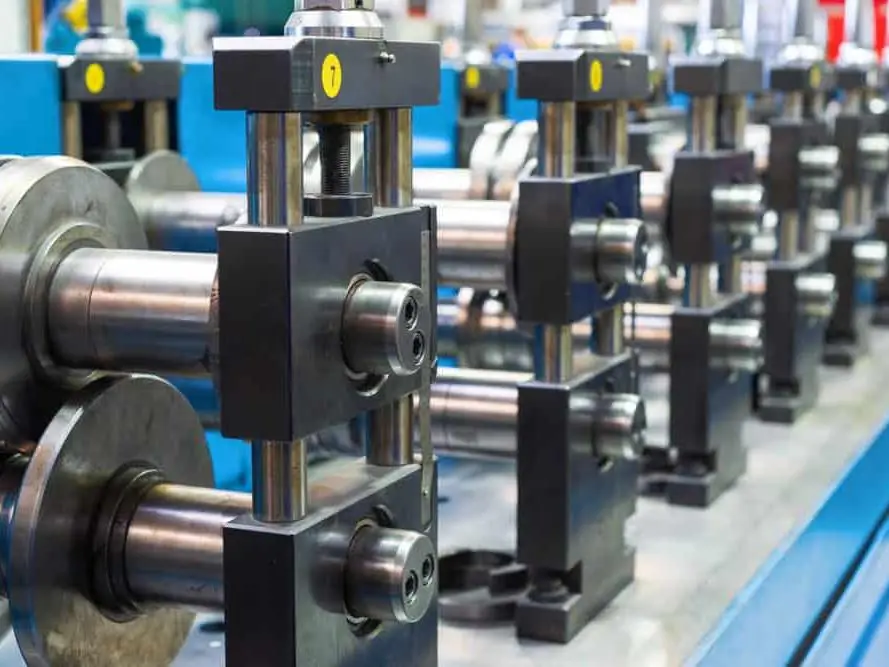
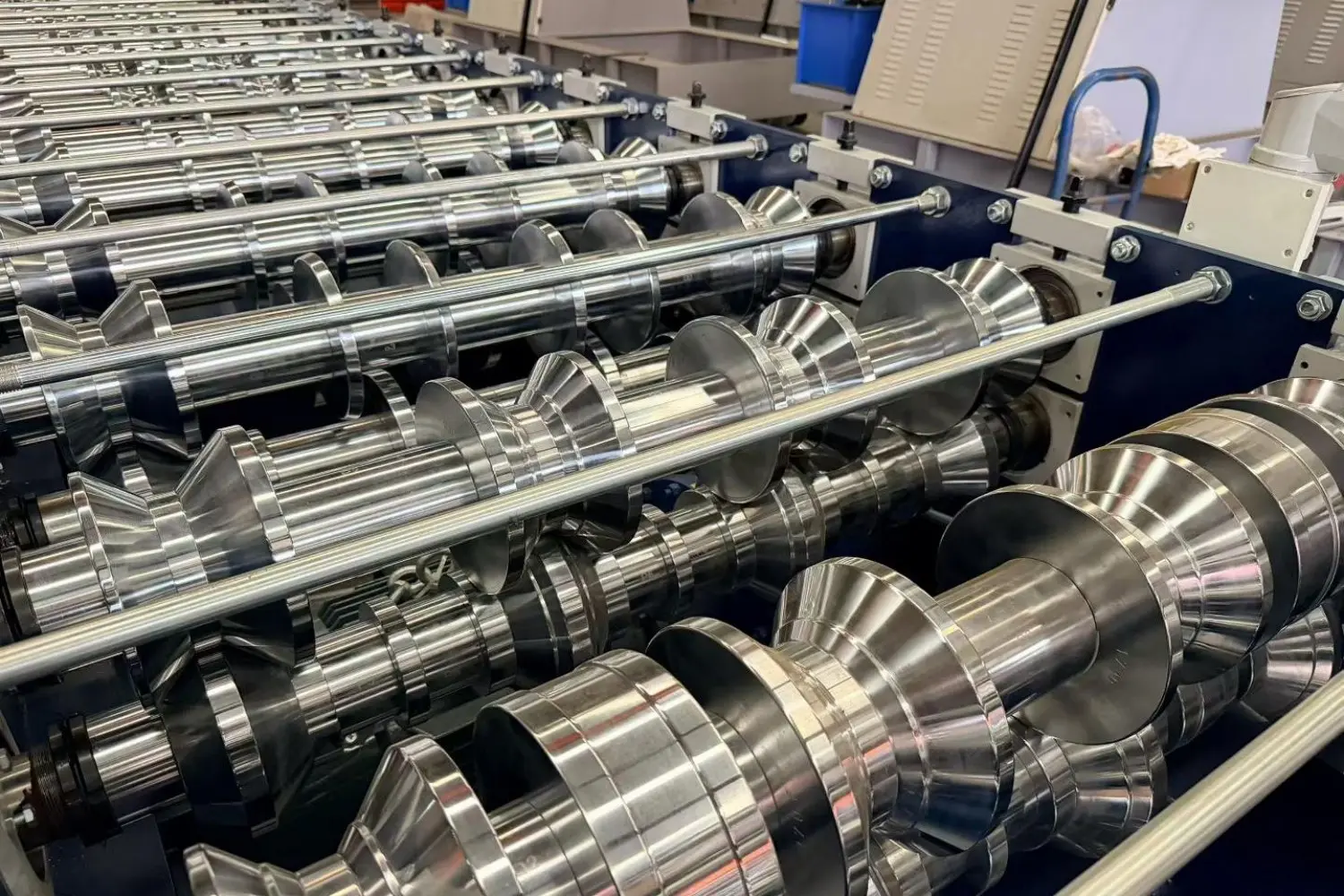
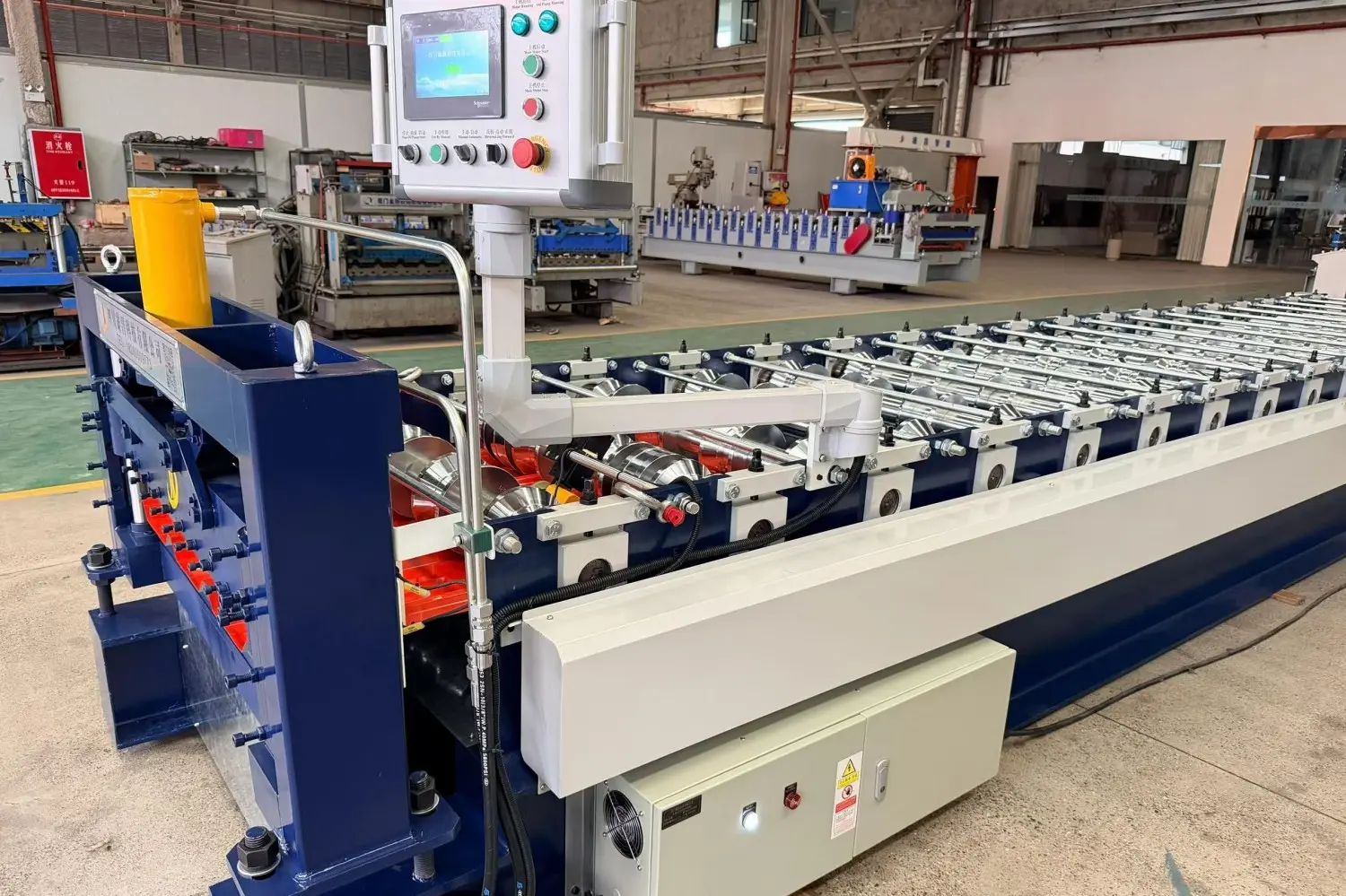
Equipped with specialized steel rollers (Cr12 or Cr12MoV vacuum heat-treated to HRC58-62), our machines support fast motorized adjustments. This design enables a single automated line to transition between C, Z, and U shapes in minutes without manual component swaps.
Equipped with non-stop hydraulic flying cut-off systems, the machinery performs post-cutting or pre-punching processes with high precision. Linear encoders communicate real-time speed data directly with the PLC system, limiting dimensional tolerances to ±1.0mm.
Powered by industrial PLC brains (Siemens, Delta, or Mitsubishi), our machines manage processing steps, speed loops, multi-size punching profiles, and online system diagnostics from a centralized, multi-language touchscreen HMI.
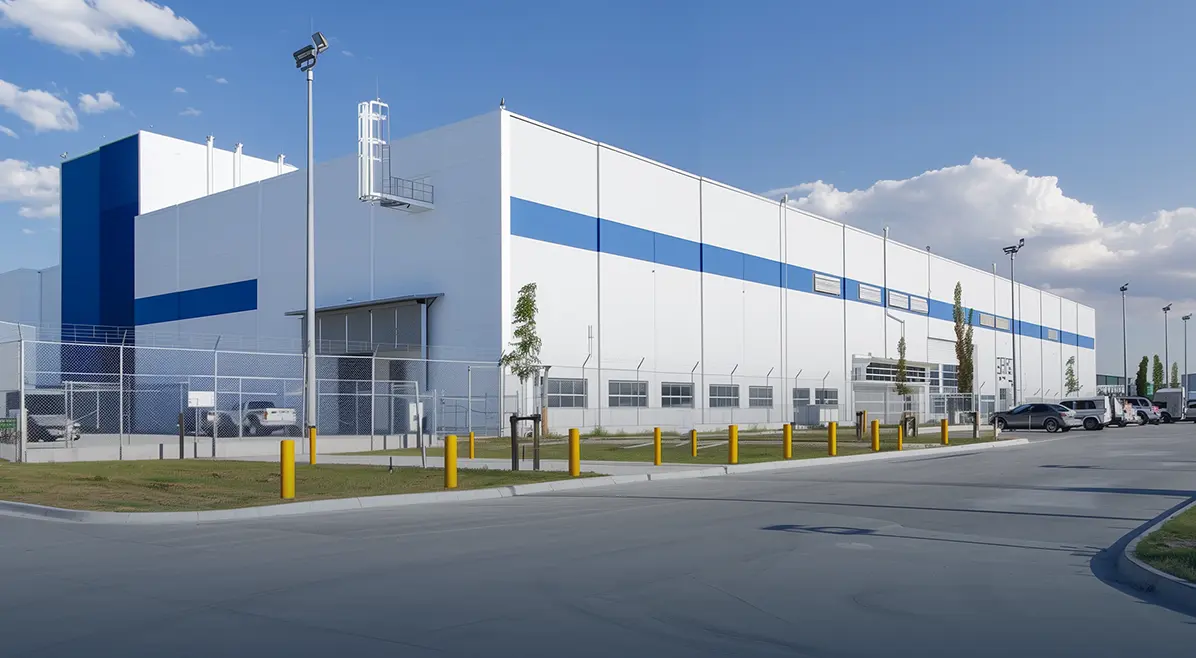
Integrated Roll Forming Specialists Serving Globally
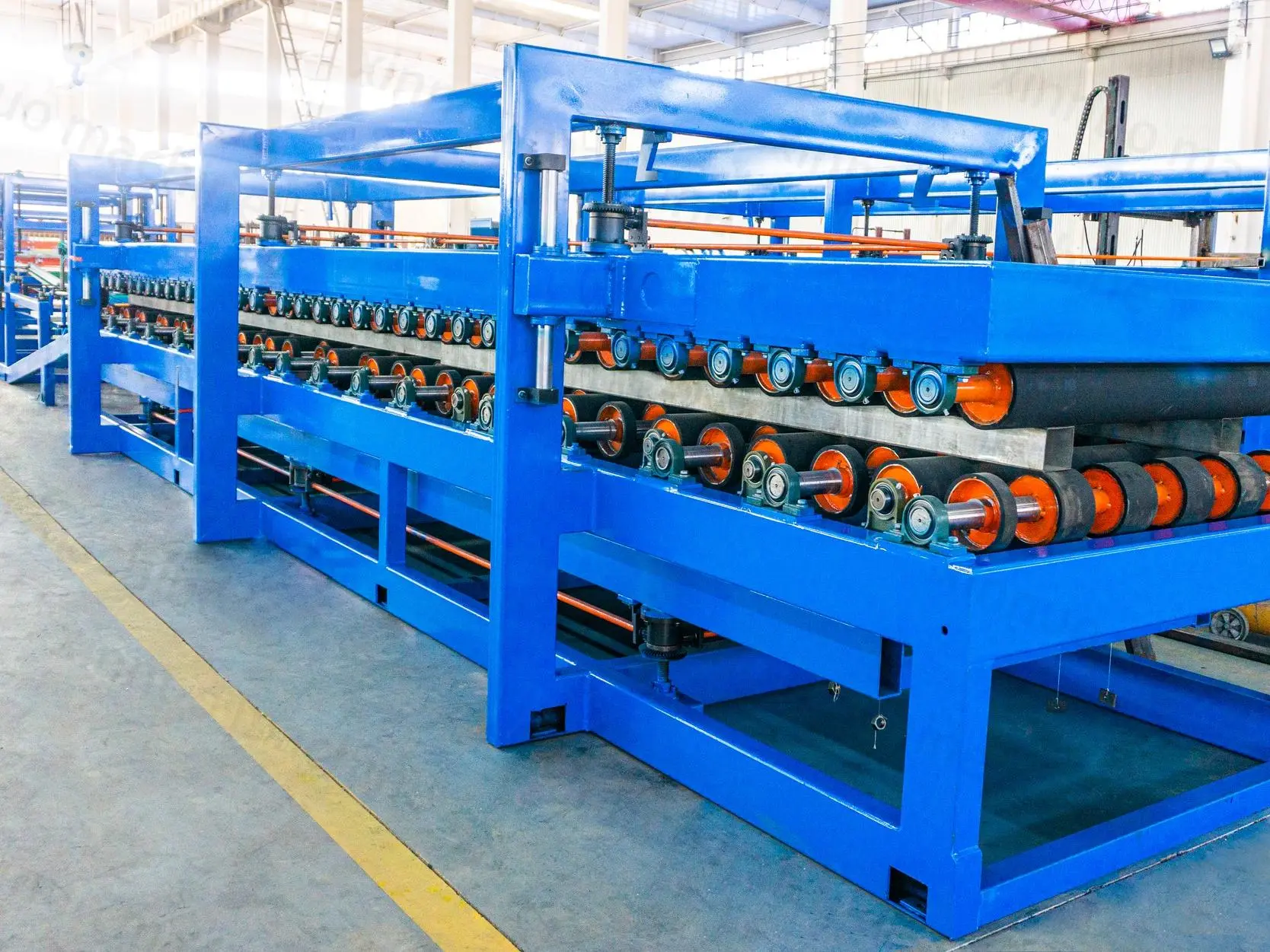
As an established expert in the cold roll forming field, XC (Xiongchang) provides fully integrated mechanical solutions. Our production portfolio covers building envelope machinery for roof cladding, flooring, wall panels, and structural components. We also design and supply auxiliary line equipment, from automatic decoilers to stacking systems, for highly efficient industrial facilities.
How XC cold roll forming machines are utilized across different sectors to build resilient, sustainable infrastructure.
Providing heavy-duty cladding solutions via our Roof Panel, Wall Panel, and Floor Deck roll forming systems, protecting industrial sites from harsh environmental conditions.
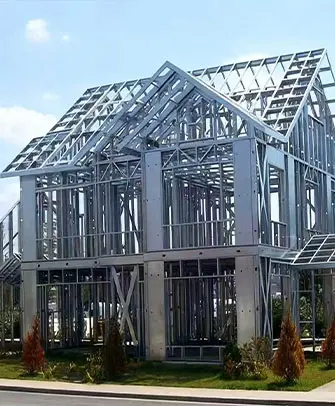
Configuring C/Z Purlin Roll Forming Machines and light-gauge Stud & Track formers to support primary building frameworks with high load capacity.
Delivering high-efficiency gutter systems, specialized downspout machines, and durable door frame roll formers for customized construction projects.
At XC, our commitment to quality is backboned by a comprehensive collection of detection and testing instruments. Every purlin forming machine undergoes strict evaluation protocols before shipping to our global clients.
From initial roll design using software tools to final assembly checks, we focus on durability and structural accuracy at every step.
Next-generation innovations shaping the roll forming industry, from automated material tracking to smart diagnostic systems.
Modern purlin production lines are adopting OPC UA communication protocols, enabling direct data links between shop-floor machines and enterprise ERP systems. This integration tracks coil usage, monitors running speeds, and records shift output in real time.
As tensile strengths in structural steel rise, material properties can vary. Future systems will feature laser scanners that monitor profile geometry and automatically adjust roll stations to counteract springback deviations.
By using variable frequency drives (VFD) and energy-recovery hydraulics, modern forming lines consume up to 30% less power, helping manufacturers lower their carbon footprint during heavy-duty runs.
Our forming machinery delivers reliable solutions for architectural, structural, and infrastructure projects around the world.

We design bespoke roll tooling solutions tailored to your unique industrial drawings.
Contact EngineeringInvesting in cold roll forming machinery involves a long-term operational commitment. At XC, we support our clients with comprehensive technical services throughout the lifecycle of their equipment.
Answers to common operational questions regarding tooling design, size changes, and output precision.
C-purlins are square-shaped profiles commonly used as structural supports for walls and roofs in simple framing designs. Z-purlins feature angled flanges that allow profiles to overlap at joints. This overlap creates a continuous beam structure, increasing overall load-bearing capacity and making them ideal for long-span commercial buildings.
An automated interchangeable system utilizes sliding roller assemblies mounted on precision linear guides. When an operator inputs a new profile dimension into the HMI touchscreen, the PLC controller commands servo motors to adjust the lateral spacing between roller sets. This adjusts the web and flange configurations in minutes, avoiding manual teardowns.
For heavy-gauge applications, rollers are typically machined from high-carbon, high-chromium tool steels like Cr12 or Cr12MoV (equivalent to ASTM D2/D3). The rollers undergo vacuum quenching and tempering to achieve a surface hardness of HRC 58-62, which prevents wear when processing abrasive galvanized coatings.
We install multi-axis straightening heads (often called Turk's heads) at the output stage of our roll formers. These assemblies apply adjustable mechanical force to the finished profile, neutralizing internal stresses and correcting any twist or camber before the final cut.
A flying shear system moves along with the formed profile as it cuts, eliminating the need to stop the line. This configuration maintains smooth material flow, protects thin-gauge profiles from impact deformities, and significantly increases daily production speeds compared to start-stop shears.
High-durability structural machinery engineered for consistent performance across commercial, industrial, and residential projects.
 Xiongchang