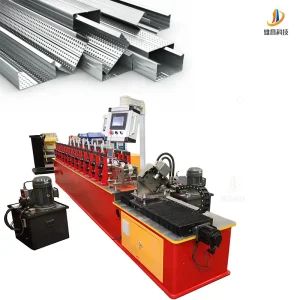
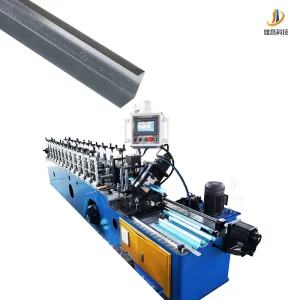
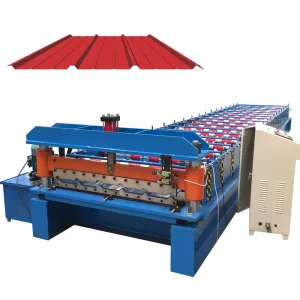
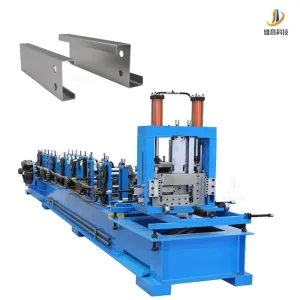
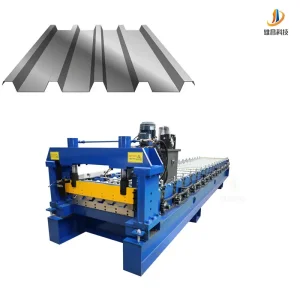
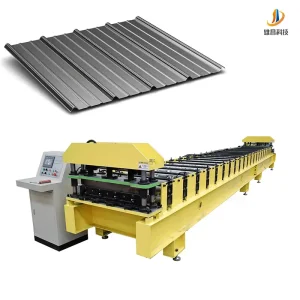
The global construction sector is undergoing a profound paradigm shift. Traditional structural practices are rapidly yielding to industrialized, high-efficiency, and sustainable alternatives. Central to this evolution is the global demand for Light Gauge Steel (LGS) Roll Forming Machines. As urbanization accelerates and building projects require faster turnaround times, pre-engineered LGS technology has transitioned from a niche application to an essential foundation of structural engineering.
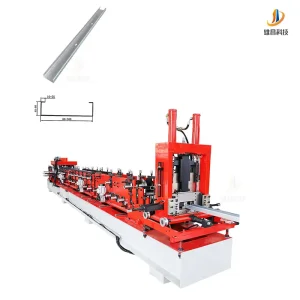
From low-rise residential frames in North America to multi-tier commercial partitions in Europe and modular disaster-relief housing in Southeast Asia, cold-formed steel is the preferred framing substrate. This high-tensile material provides an exceptional strength-to-weight ratio, allowing engineers to design structural components that resist high wind velocities, seismic activities, and biological degradation. Crucially, the roll forming equipment must operate within sub-millimeter tolerances to ensure every C-stud, U-track, and roofing truss aligns perfectly during on-site assembly.
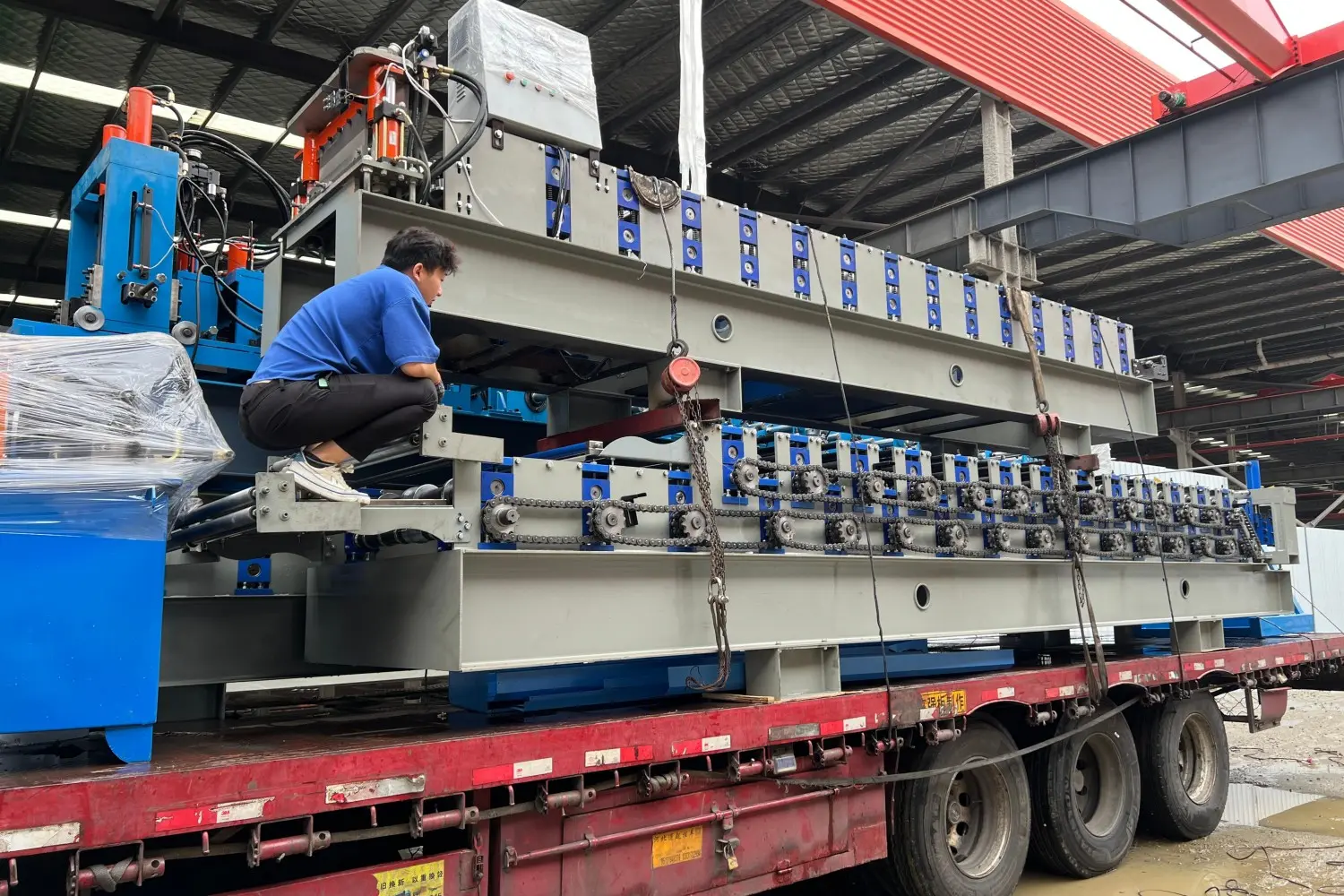
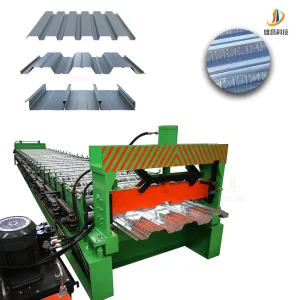
As a specialized pioneer in structural framing machinery, XC (Xiongchang) delivers high-performance roll forming lines. We integrate core production technology for structural panels, floor decks, and custom framing profiles into a unified manufacturing standard.
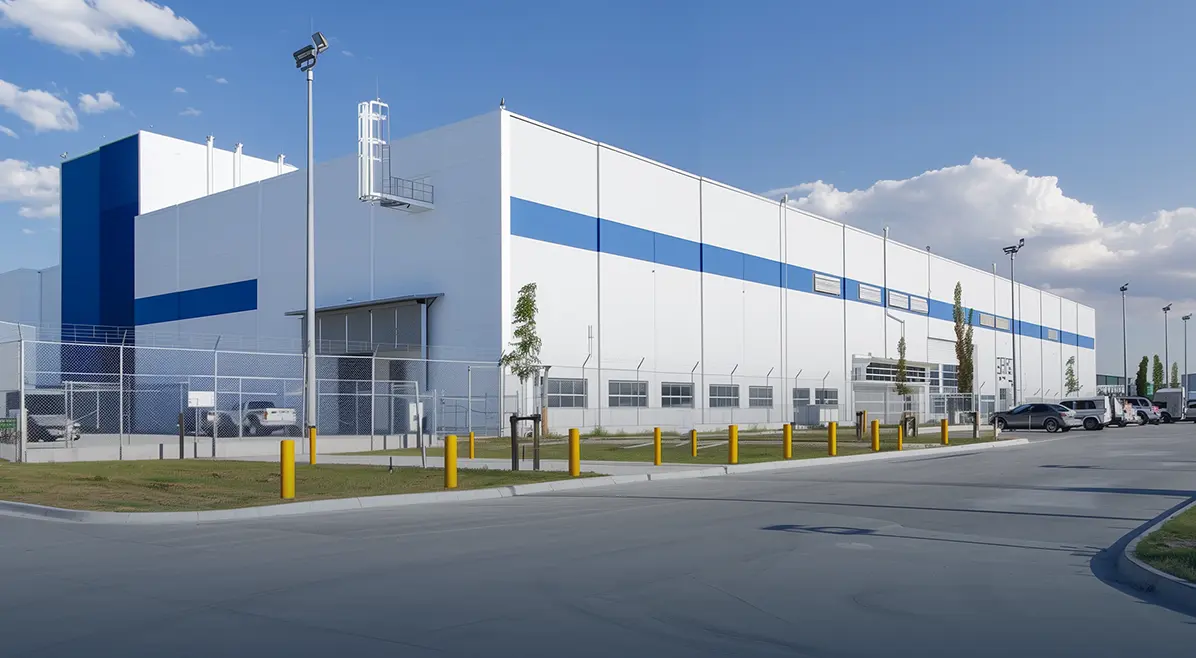
The dominance of Chinese factories in the cold roll forming machinery sector stems from a unique convergence of upstream supply chains, specialized metallurgy, and advanced design integration. At the core of this advantage is production speed and customizability. While Western counterparts often operate with rigid product offerings and long engineering cycle times, factories like XC deliver tailored profile solutions within tight timelines.
This efficiency is driven by a highly integrated ecosystem. In China, raw materials such as Cr12MoV mold steel, premium high-tensile structural steel, and precision servo motors (such as Yaskawa or Delta) are sourced locally. This localized supply chain reduces overall component costs without compromising reliability. In addition, our automated CNC processing facilities ensure the rollers, shafts, and punching tools are machined to tolerances of less than ±0.02 mm, minimizing structural deviations in the final light gauge steel framing members.
We leverage a dedicated team of engineers and technical personnel committed to translating complex customer requirements into high-performance industrial lines.
Our LGS roll forming machines feature advanced PLC automation (Siemens/Beckhoff) that syncs with modeling software to manage complex punching, dimpling, and cutting commands in real time.
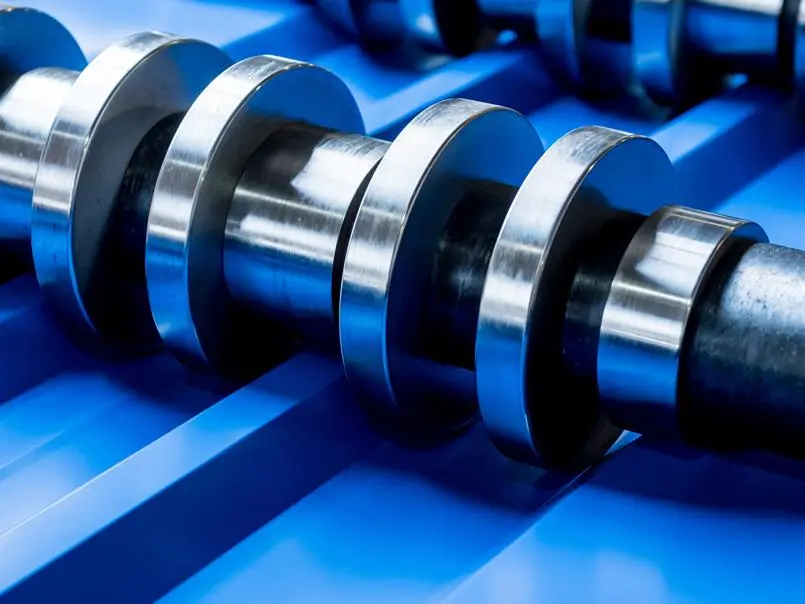
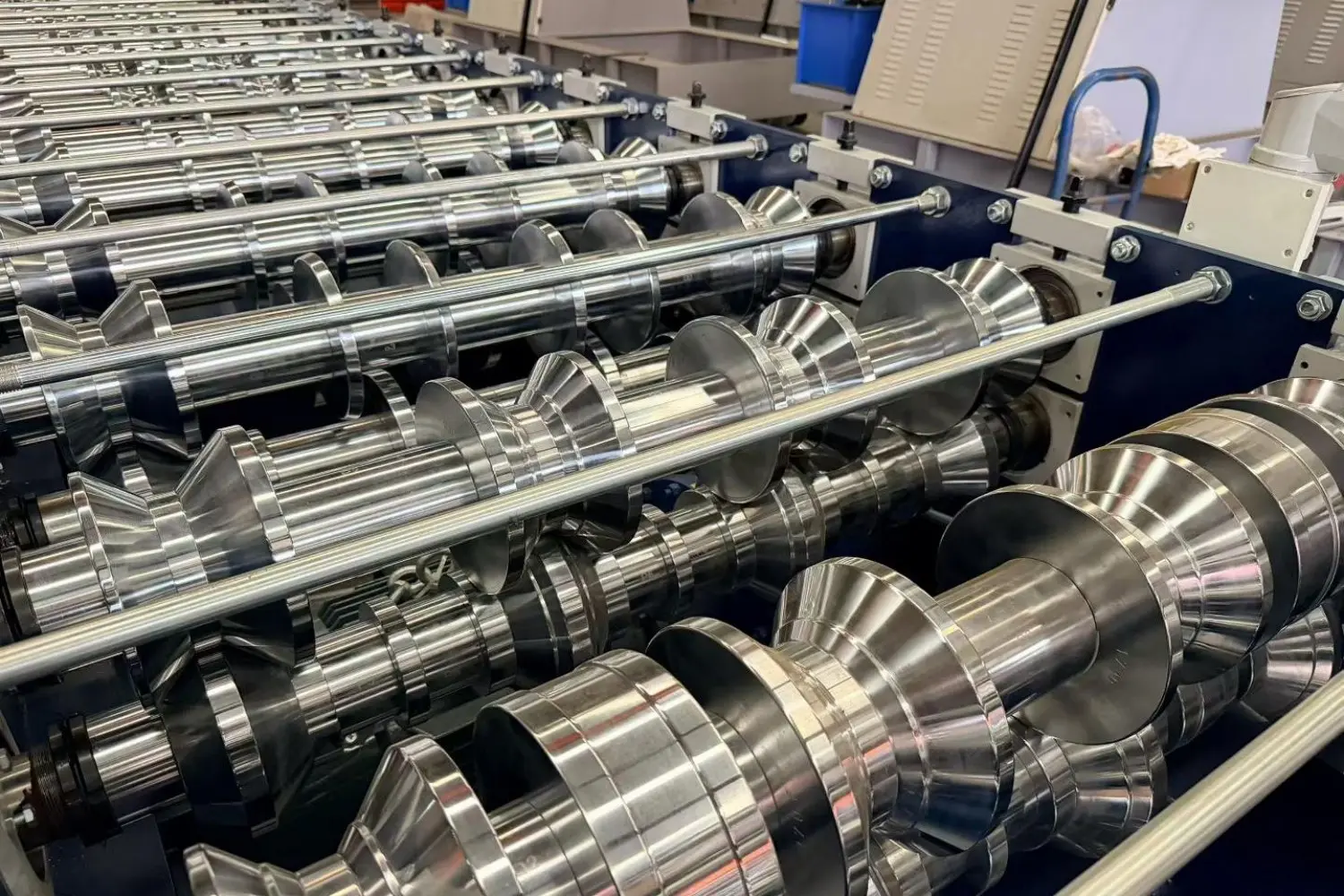
Rollers are machined from premium Cr12MoV vacuum-quenched alloy steel. They undergo rigorous CNC processing and hard chrome plating to deliver long service life and prevent profile scratching.
Every system is rigorously tested in-house. We run test materials of varying yield strengths (G300 to G550) to verify dimensional accuracy, profile symmetry, and cutting quality before shipping.
The application of Light Gauge Steel profiles varies significantly across different global construction markets. In North America and Australia, LGS is widely used in residential framing (stud and track systems) and roof trusses to meet strict wind load and earthquake regulations. Our machinery produces tight-tolerance profiles that ensure load-bearing walls distribute weight evenly, mitigating structural risks in seismic zones.
In Western Europe, building regulations prioritize energy efficiency and sustainability. Light gauge steel structures are combined with advanced insulation to create high-performance envelopes. In addition, our automated structural framing lines support multi-story partition wall framing in high-density urban areas, optimizing space efficiency.
For developing regions across APAC and Africa, the focus is on rapid assembly, durability, and cost efficiency. The quick deployment of LGS framing makes it ideal for affordable housing initiatives, commercial retail parks, and specialized modular medical clinics. XC's roll forming machinery is designed for simple, reliable operation, enabling teams in any region to set up and run production with minimal downtime.
The future of LGS roll forming centers on software integration and real-time diagnostic reporting. Modern lines are transitioning from stand-alone machinery to fully integrated, cloud-connected production nodes. Building design software (such as Vertex BD or FrameCAD) generates detailed XML or CSV files that are imported directly into the machine's PLC. The system then automatically pre-punches electrical runs, plumbing holes, and fastening recesses without manual operator setup.
Another major trend is adaptive thickness control. Variable steel coils often have minor thickness deviations. Advanced roll forming lines integrate smart displacement sensors that automatically adjust roller spacing, maintaining consistent structural tolerances even when coil gauges fluctuate slightly.
Additionally, energy efficiency and reduced scrap rates are key priorities. Hydraulic systems are being replaced or augmented by servo-driven punching and cutting assemblies, which reduce noise, lower power consumption, and virtually eliminate end-material scrap.
For procurement managers and directors sourcing roll forming machinery, evaluating a factory involves assessing more than just the initial price point. Quality equipment is a long-term investment that directly impacts production yield, uptime, and assembly accuracy. Below are three key evaluation criteria:
Verify the source and processing of the roller and shaft steel. Low-grade tooling wears quickly, leading to flange distortion, bowing, and profile twist. Demand high-yield, heat-treated alloy steel for long-term production reliability.
Ensure the PLC hardware is sourced from established global brands (e.g., Siemens, Mitsubishi, Beckhoff) to simplify maintenance, firmware updates, and local sourcing of replacement parts.
Compare pre-punching, post-punching, and post-cutting designs. Post-cutting systems yield cleaner edges and reduce material waste, but require robust hydraulic or servo cutting assemblies.
 Xiongchang