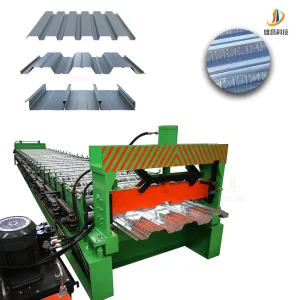
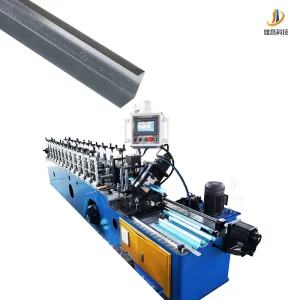
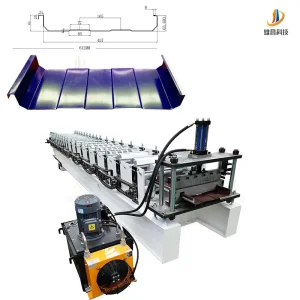
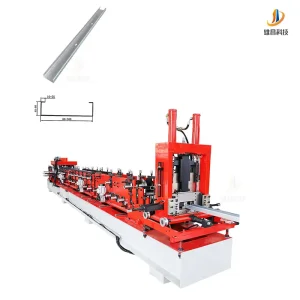
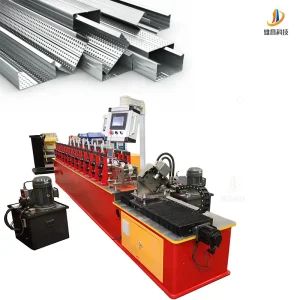
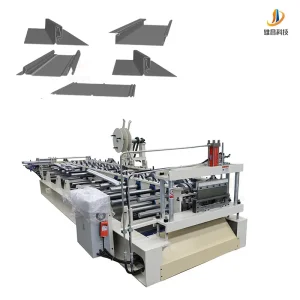
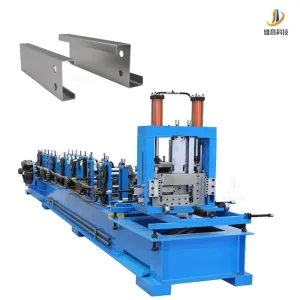
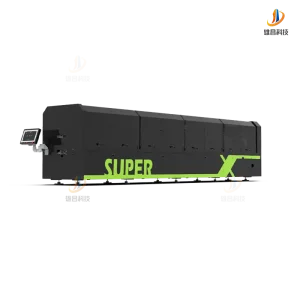
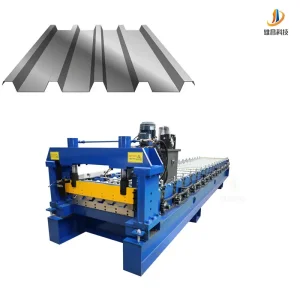
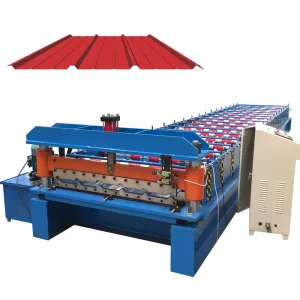
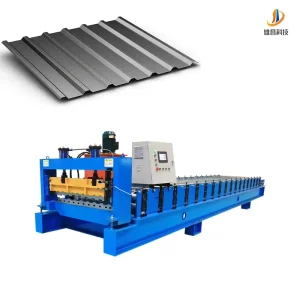
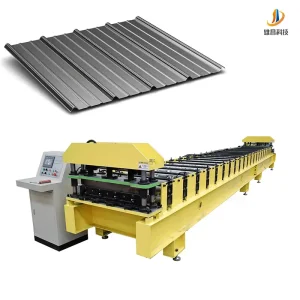
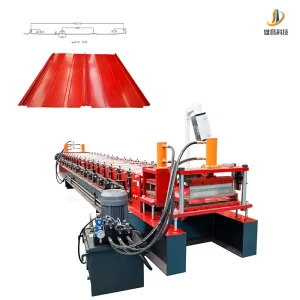
Explore our industrial-grade cold roll forming machines designed for structural metal framing and building envelope applications.
Modern structures demand higher structural capacity, faster installation times, and robust structural steel compliance. The floor deck roll forming machine is the engineering heart of this movement.
Today's floor deck profiles feature high-depth ribs, advanced embossed configurations, and intricate side-lap interlocking mechanisms. These geometric details are engineered to optimize the composite action between the sheet steel and the concrete. To manufacture these profiles reliably without micro-cracking the zinc coating, equipment manufacturers must employ highly precise roller calibration, multi-stage rolling cycles, and real-time hydraulic strain tracking systems.
As infrastructure requirements grow globally, structural designers are pushing for thicker gauges (up to 1.5mm or 1.6mm) and higher yield steel grades (like G450 or G550). This requires roll forming machines constructed with superior rigidity, reinforced gearboxes, and precision-engineered rollers that mitigate springback while ensuring exceptional profile geometry alignment.
Empowering global infrastructure through specialized design, engineering, and manufacturing mastery.
As an established expert in the cold metal forming field, XC (Xiongchang) provides integrated roll forming solutions designed for maximum lifetime value and absolute production stability.
Our product portfolio encompasses core high-speed production machines for roofing, flooring, doors, and heavy-duty structural components, as well as the complete auxiliary line equipment essential for efficient manufacturing operations. By controlling every stage of engineering—from precision roll tooling design via COPRA software to final operational assembly testing—we verify that our equipment operates flawlessly under high stresses.
Years of Engineering Experience
Modernized Production Facilities
Global Industrial Customers
Production Line Shipments
Inside the engineering protocols that enable high-precision cold metal forming.
Our engineers utilize cutting-edge CAD/CAM design workflows integrated with specialized roll forming design software. This ensures accurate strain calculations, preventing web-buckling, edge-waves, and structural micro-cracks in high-strength metal decking.
Equipped with Siemens or Mitsubishi PLC systems, variable frequency motor drives, and high-precision encoders, our lines offer automated cut-to-length control, tracking cut-off modes, and self-diagnostic alerts for smooth, continuous execution.
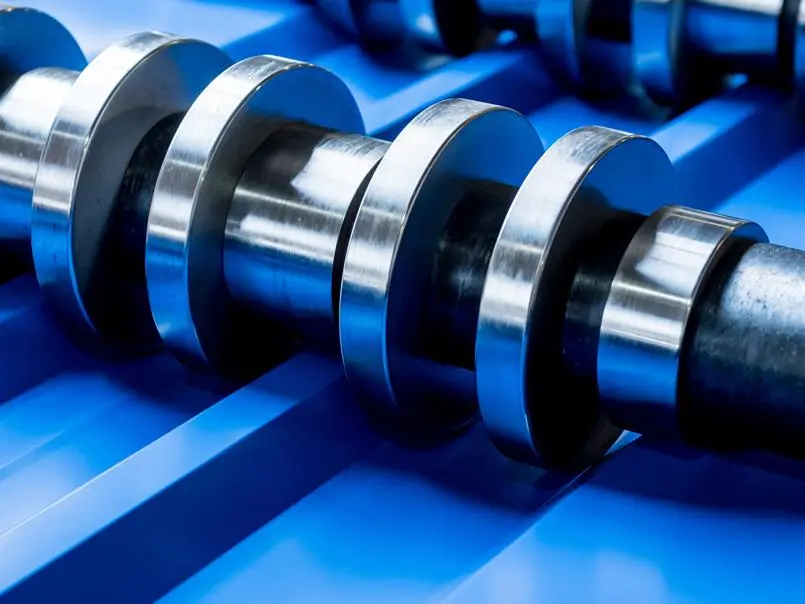
Rollers are CNC-machined from raw Cr12MoV/D2 steel, hardened through heat treatment to HRC58-62, and finished with hard-chrome plating. This ensures long-term wear resistance when forming galvanized, galvalume, or high-tensile steel.
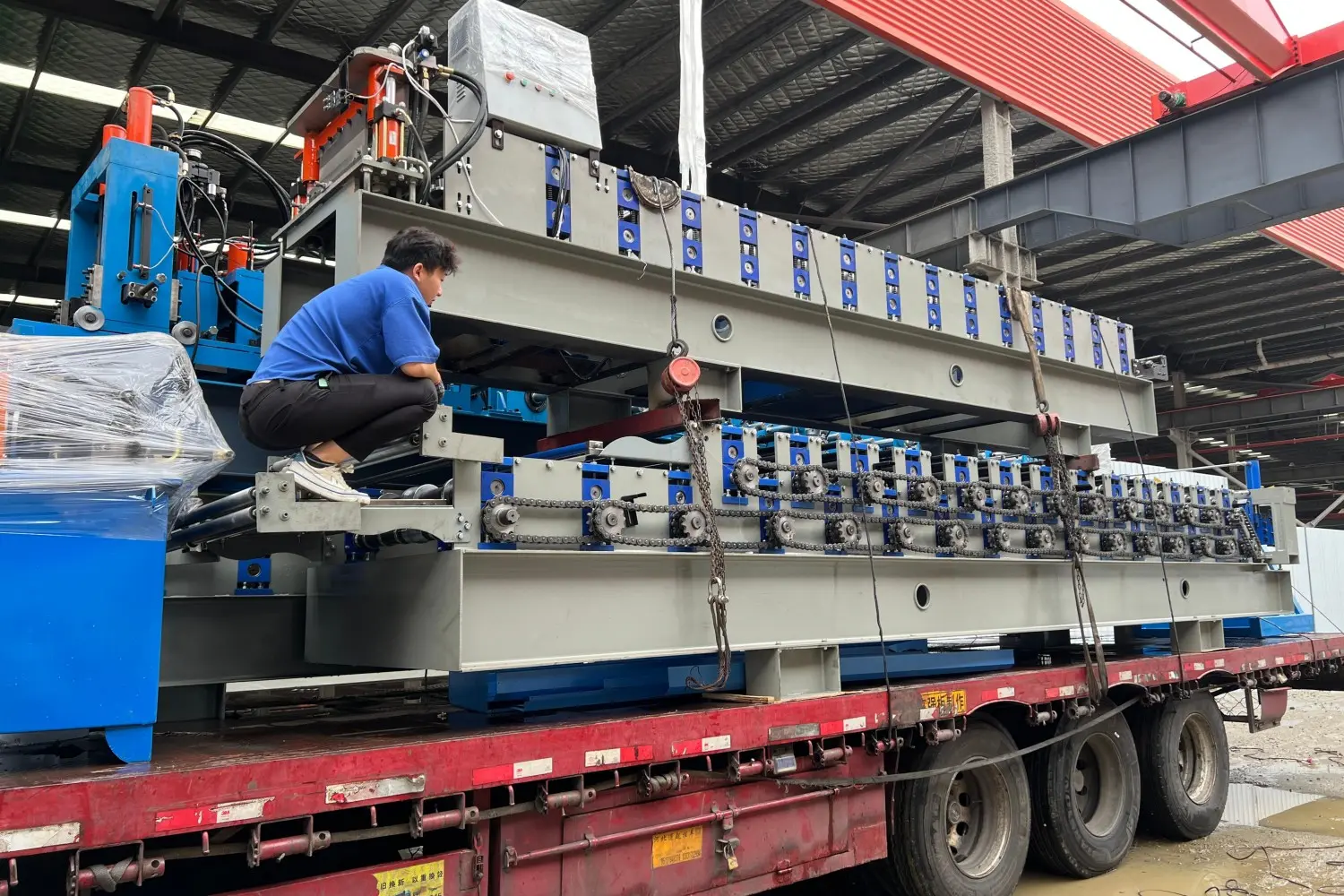
Custom designs for every architectural and structural framing requirement.
We offer an extensive range of precision cold roll forming systems to meet varied customer applications, including:
Every line is engineered to maximize throughput while maintaining tight geometric profile tolerances (+/- 0.75mm length deviation, +/- 0.5mm profile width deviation).
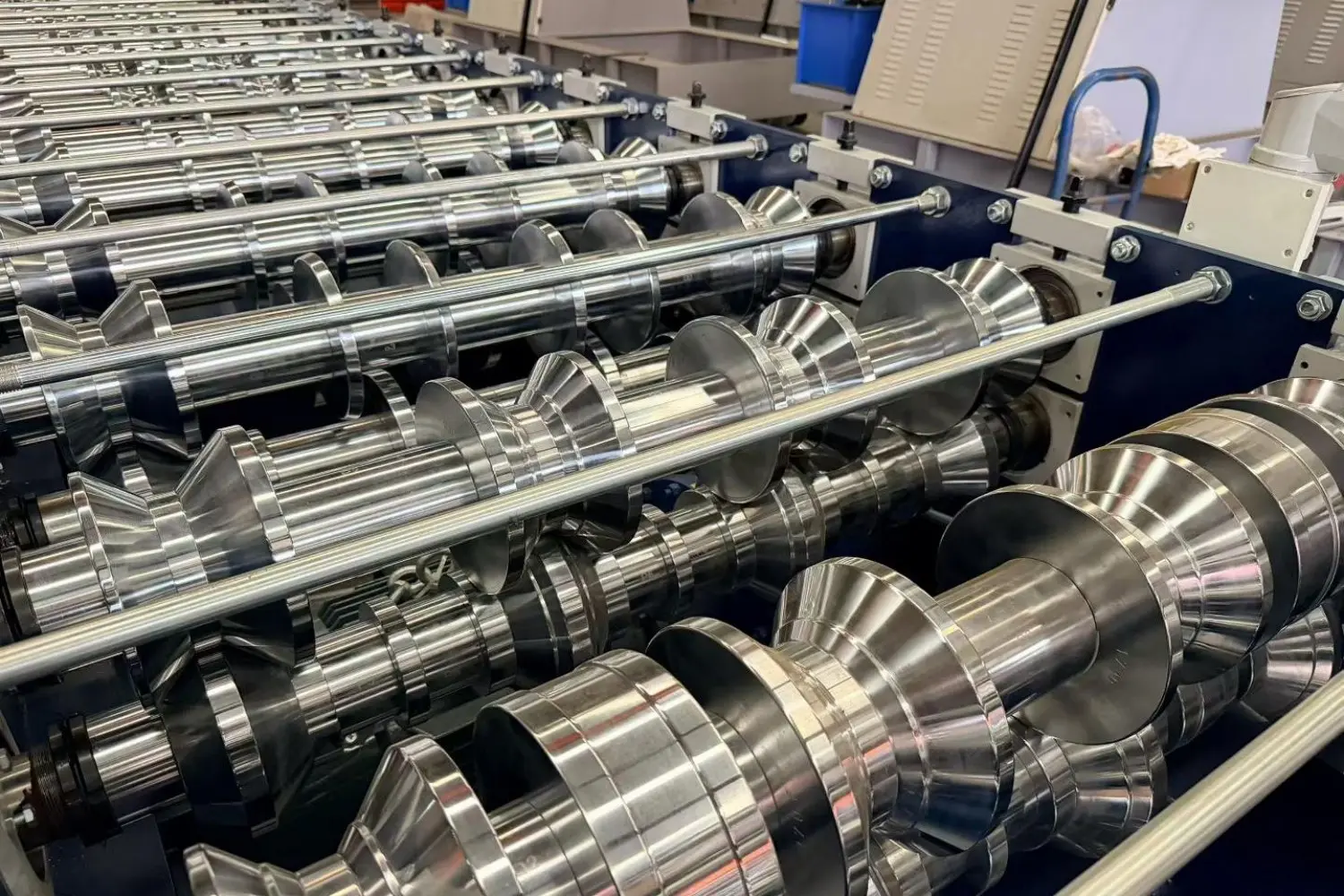
Every roller, shaft, and structural weldment undergoes rigorous QA protocols before assembly.
XC maintains a complete in-house testing suite, utilizing laser tracking interferometers, ultrasonic flaw detectors, and hardness testers to verify product mechanical strength, operational durability, and alignment stability.
We adhere to ISO 9001:2015 and CE certification standards. Our production protocols ensure that each line runs with minimum vibro-acoustic emission, steady thermal profiles, and low maintenance overheads. We perform real-world test runs on each machine using the customer's specified steel coils prior to packing and logistics clearance.
How Xiongchang integrates vertical manufacturing capabilities to mitigate procurement delays and deliver high-precision lines.
Unlike assembly workshops that rely on outsourcing, XC executes core processes in-house. From raw plate casting and CNC roller tooling to electrical system cabinet wiring, vertical control limits defect rates and preserves structural integrity.
Located in the heart of China's primary manufacturing cluster, we have direct access to premium-grade steel, reliable local metallurgical processing, and fast logistics channels. This cuts delivery times down to 45-60 days compared to Western fabricators.
We reinvest over 8% of annual turnover into our machinery laboratory. Our ongoing focus includes integrating IoT sensors for proactive roll wear warnings, automated spacing adjusters, and hybrid energy-efficient hydraulic cutting units.
Adapting roll forming profile geometries to distinct global construction specifications.
In high-activity seismic regions, floor deck profiles require deep mechanical embossments and optimized steel-concrete bonding characteristics to resist lateral force shifts and prevent shear failure. Our systems are engineered to achieve deep, clear embossments on high-yield steel without tearing the zinc coating.
Coastal and marine structure construction demands corrosion-resistant pre-painted or thick Aluzinc coated sheets. Our rollers are calibrated with specialized micro-gap controls to ensure the protective coatings are not scraped or microscopically stressed during high-speed cold bending.
Large-scale warehouse facilities demand exceptionally flat floor surfaces to support automated guided vehicles (AGVs). Our floor decking profiles provide high flat-plane stiffness, minimizing the volume of concrete required while preventing deck deflection during pouring.
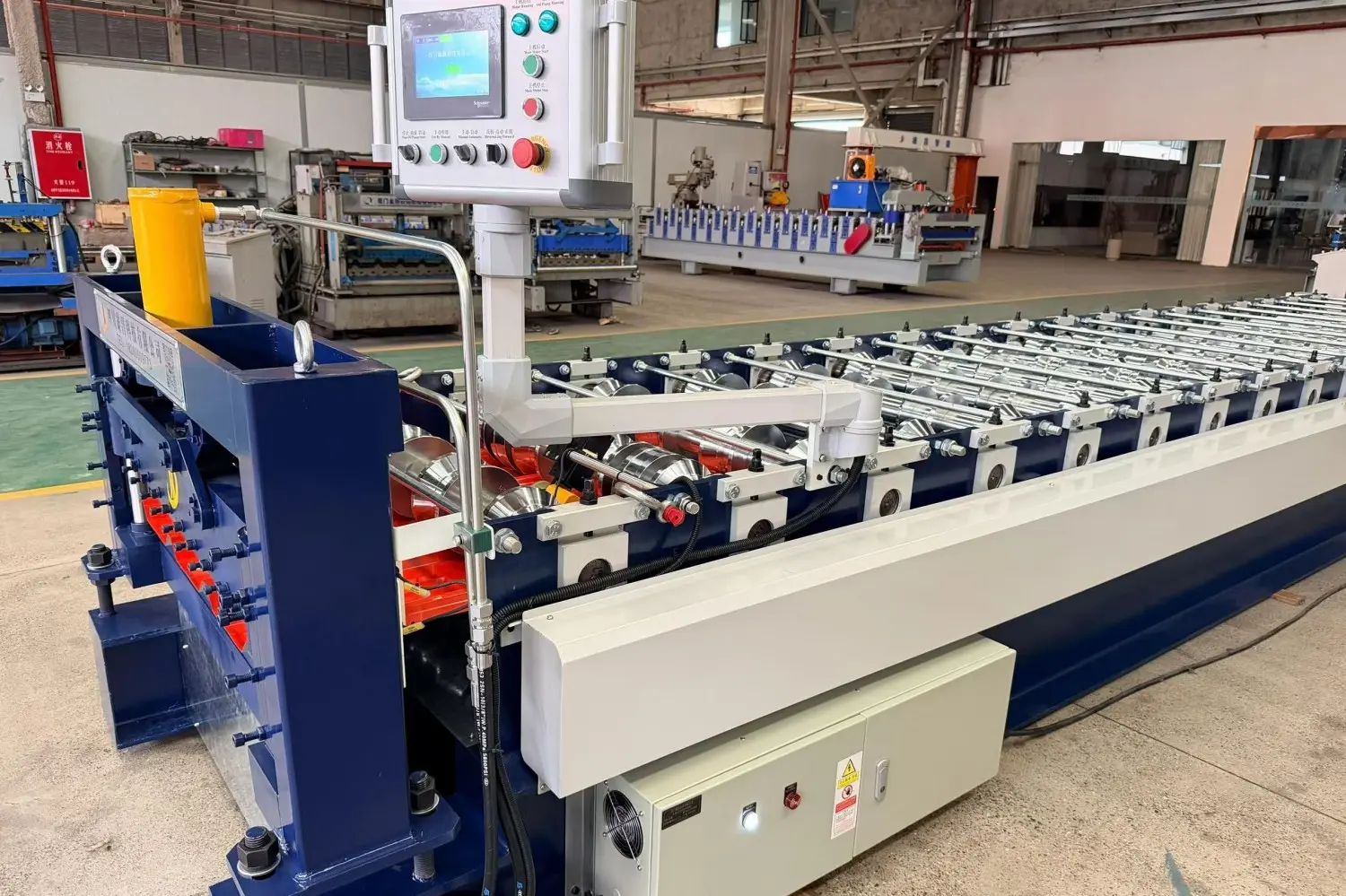
From initial roll calculations to overseas plant commissioning and emergency parts replacement.
An industrial floor deck roll former is a long-term capital investment. XC provides support from early structural consulting to installation:
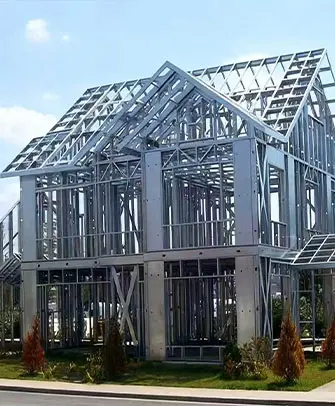
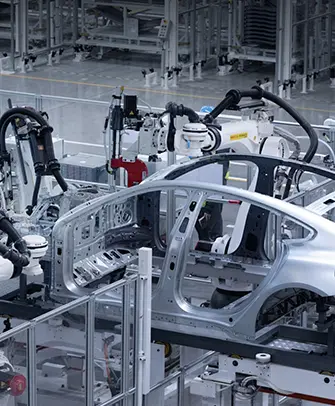
XC roll formers supply structural metal profiles across varied industrial sectors.

In-depth responses to common engineering, procurement, and setup questions from professional steel deck fabricators.
Review our specialized metal forming product catalog. Select profiles below to view technical parameters and plant layout plans.
 Xiongchang