Custom Nail Strip Standing Seam Panel machine Factories, Company

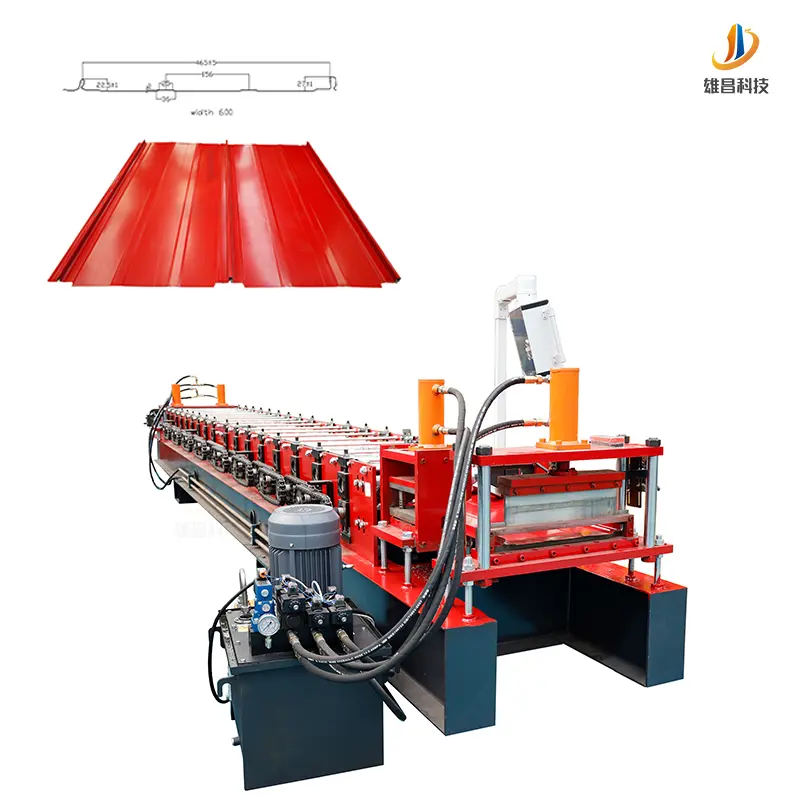
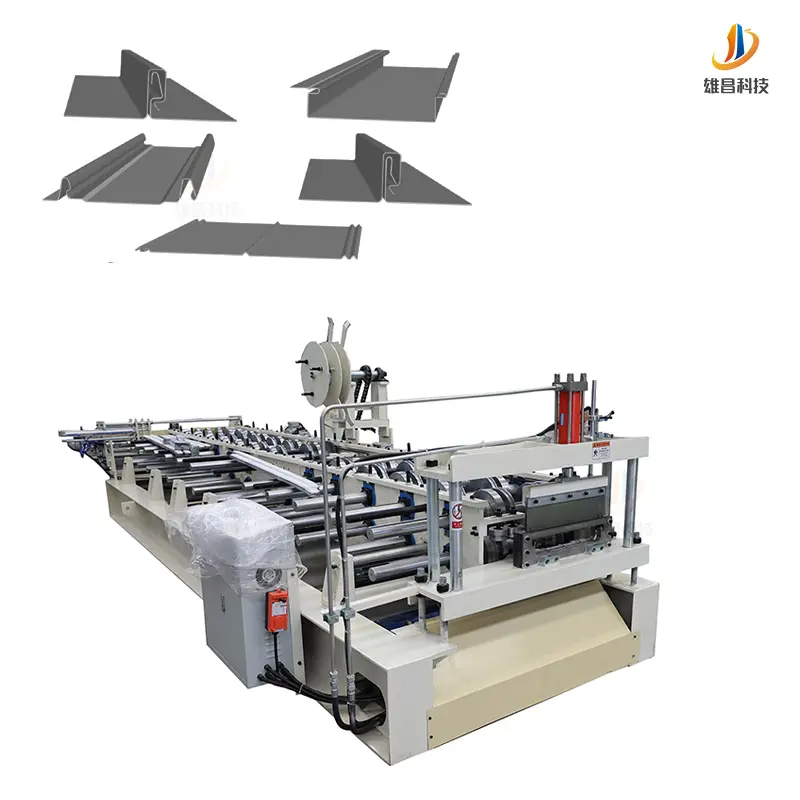
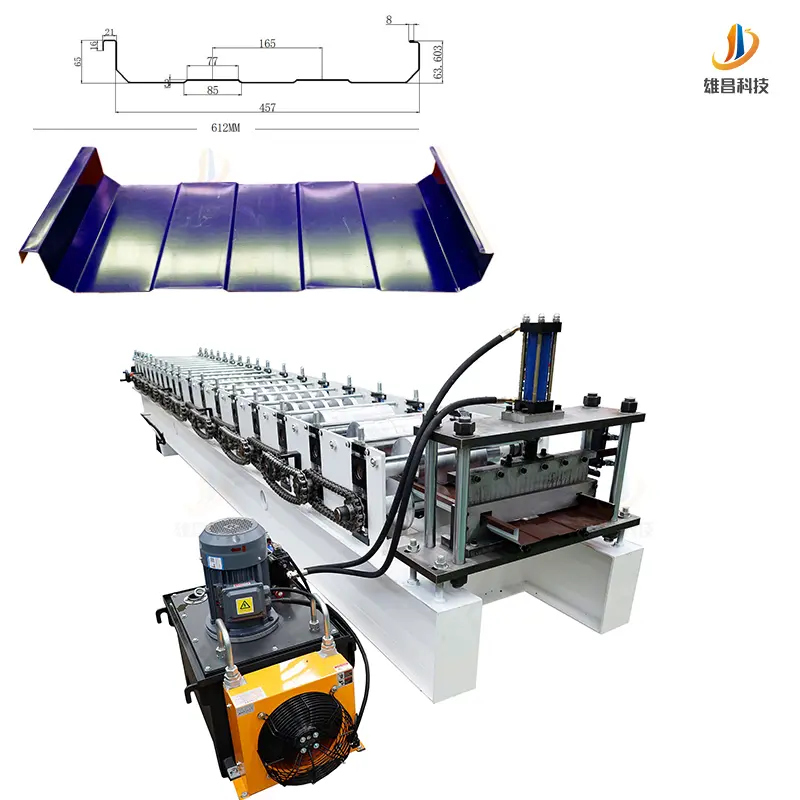
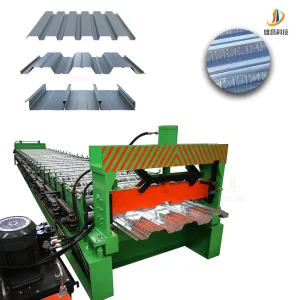
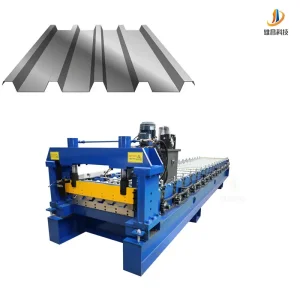
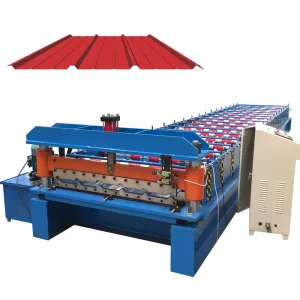
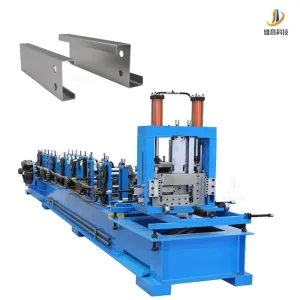
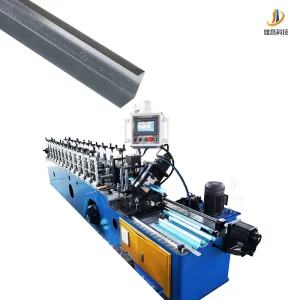
The Nail Strip Panel Machine is a high-precision Machine for Nail Strip Systems designed to produce snap-lock standing seam panels with integrated fastening flanges. As a reliable Self-Locking Panel Former and Nail Strip Panel Former, the machine delivers accurate roll forming with stable operation and consistent panel quality.

As a versatile Self-Locking Panel Former, it is suitable for manufacturing roofing panels used in modern standing seam roof systems that require durability, weather resistance, and attractive architectural appearance.

Product Description

Related Products

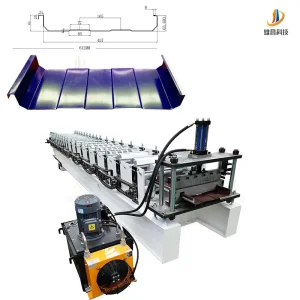
Snap lock Standing Seam Panel machine
Product 01

Snap lock Standing Seam Panel machine

Learn More
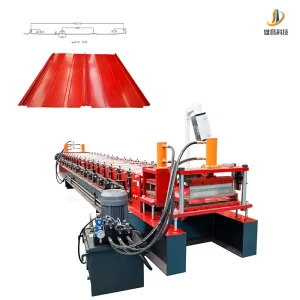
Mechanical Lock Standing Seam Panel Former
Product 02

Mechanical Lock Standing Seam Panel Former

Learn More

Frequently Asked Questions

What is the difference between a Snap Lock and a Mechanical Lock standing seam machine?

Snap Lock machines form panels that clip together without external tools, offering fast and simple installation. Mechanical Lock machines form panels that require a mechanical seamer to fold the seams together, providing higher wind resistance and watertight safety for low-slope roofs.

What materials can these standing seam panel machines process?

These machines are designed to process various metals including galvanized steel, prepainted steel, aluminum, and copper. Typically, thickness capacities range from 24 to 28 gauge (0.4mm to 0.8mm).

Can the panel width be adjusted on the roll forming machines?

Yes, many models feature manual or automatic width-adjustment options. You can customize the panel widths easily via adjustment wheels or PLC controls to fit different project specifications.

Are standing seam metal panels suitable for residential roofing?

Absolutely. Standing seam panels are highly popular in residential, commercial, and industrial roofing due to their clean architectural appearance, outstanding weather resistance, and long-term durability.

What maintenance does the roll former require?

Regular maintenance involves keeping the forming rollers clean and free of debris, checking and applying lubrication to chains and gears, and monitoring hydraulic oil levels and electrical connections on a scheduled basis.
Related Products