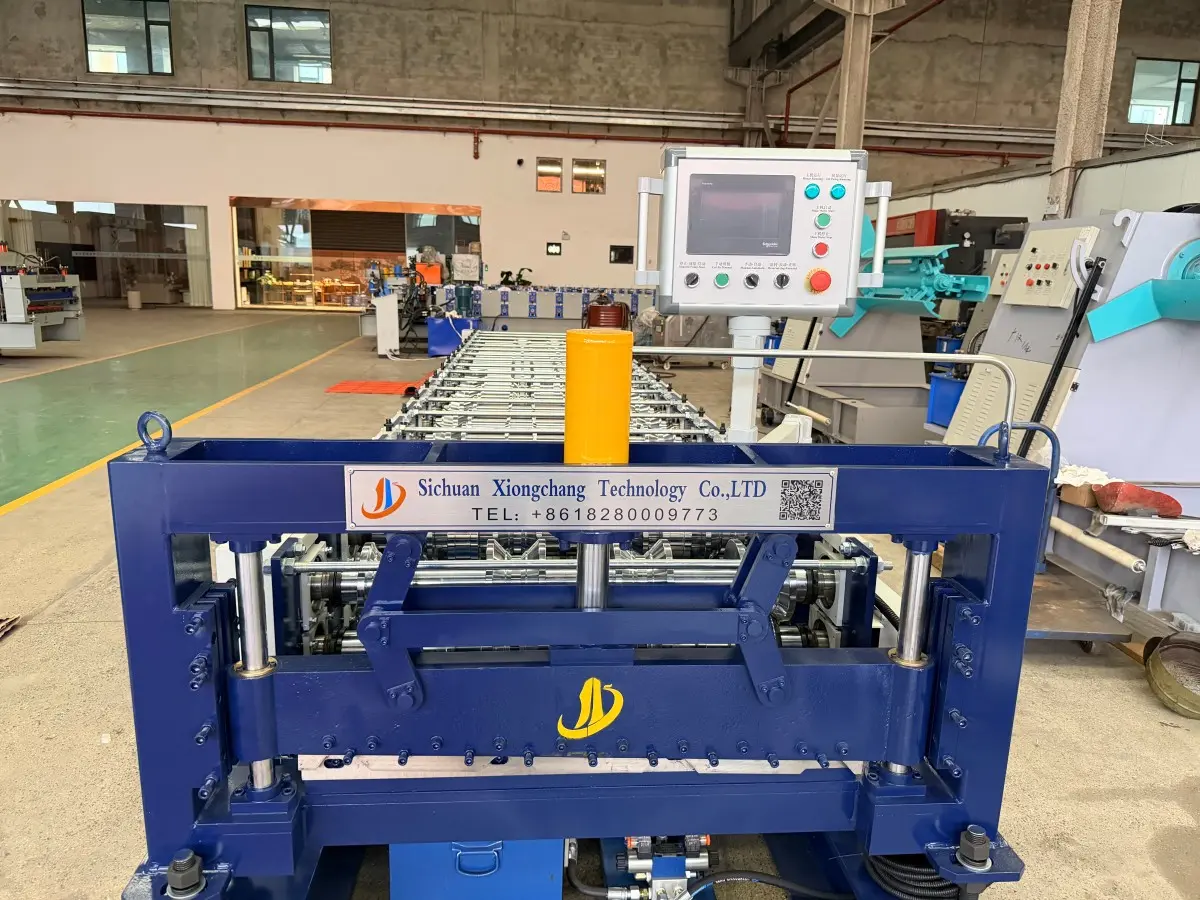
High-precision systems optimized for manufacturing trapezoidal cladding panels, standing seam envelopes, and heavy-duty structural decks suited to Slovakian infrastructure projects.
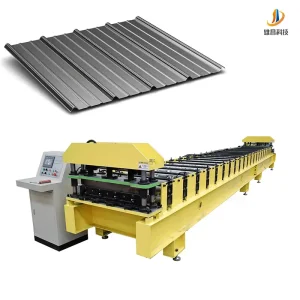
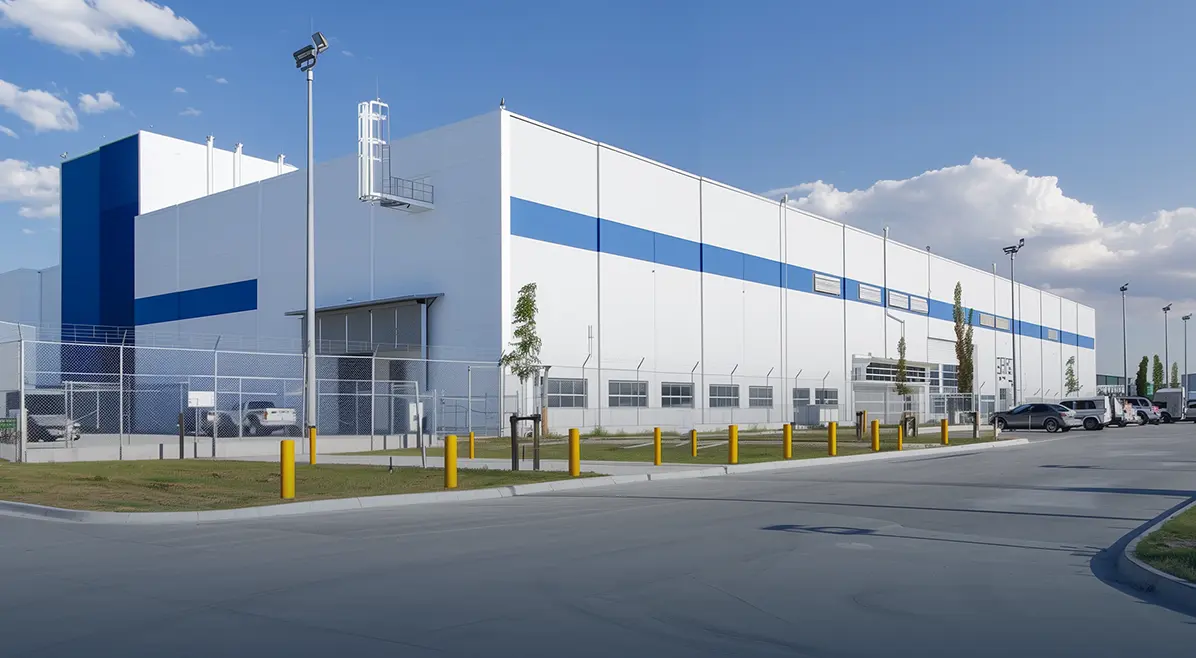
Slovakia has cemented its position as a central industrial powerhouse within Central Europe. Driven by a robust automotive assembly ecosystem, expansive electronics manufacturing, and a rising demand for regional logistics distribution hubs, the infrastructure of the country requires high-volume, reliable envelope materials. From the industrial clusters of Bratislava, Nitra, and Žilina to the eastern development zones surrounding Košice, developers are prioritizing speed, structural integrity, and strict thermal compliance.
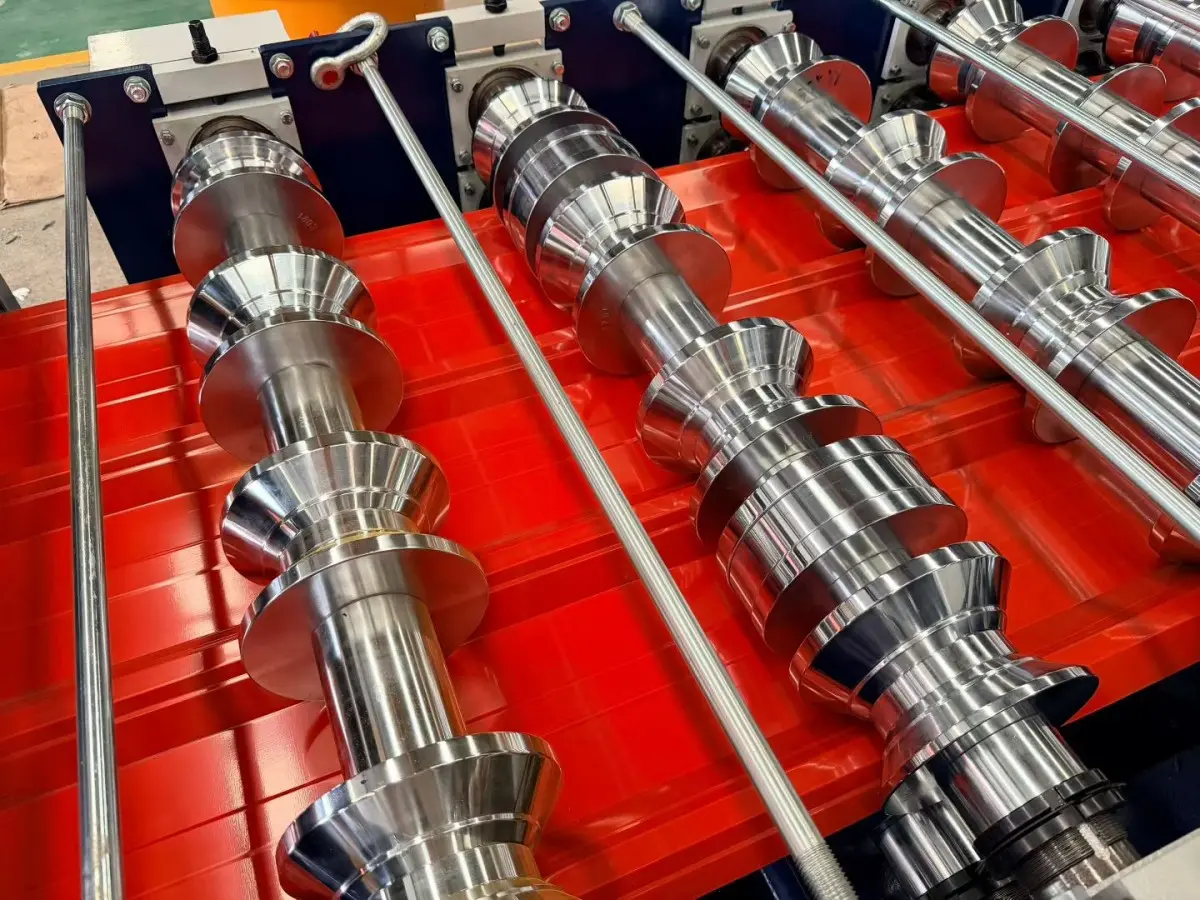
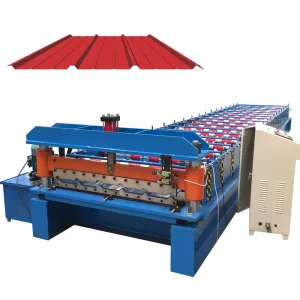
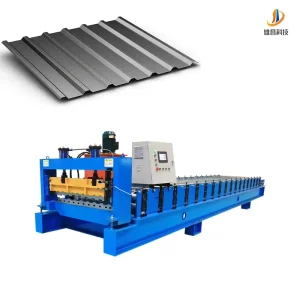
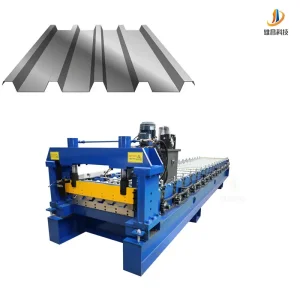
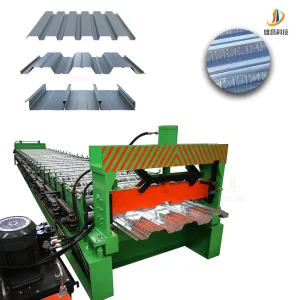
To satisfy these requirements, Trapezoidal Roofing Sheet Machines have become the backbone of local metal cladding manufacturing. Traditional profile styles, such as the standard T-18, T-35, T-50, and load-bearing structural profiles like the T-85 and T-150, are widely utilized for wall partitions, roof envelopes, and structural composite deck slabs. In mountainous regions where snow loads present severe structural challenges, trapezoidal steel sheets engineered from structural grades (such as S320GD or S350GD) offer high strength-to-weight ratios that guarantee longevity and safety under extreme environmental loading.
Analyzing current global manufacturing dynamics, technological advancements, and localization strategies for Slovak fabricators.
Slovakia's construction market is regulated under European Union standards, meaning all roofing and cladding profiles must satisfy Eurocode 3 (EN 1993) specifications for cold-formed steel. Our machines guarantee profile dimension consistency with strict tolerances down to ±0.5mm, ensuring correct overlap jointing and maximum load distribution.
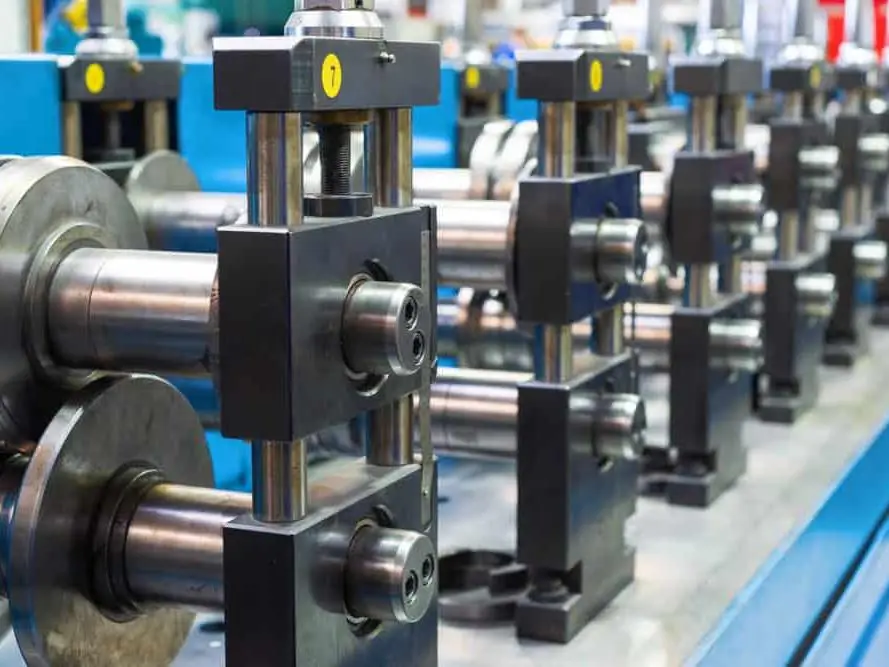
Modern industrial plants demand lightweight, high-strength structural profiles. Our roll forming systems are designed to process structural steel grades up to S550GD and pre-painted galvanized iron (PPGI/PPGL) without cracking the coating layers. The integration of multi-stage roll stations prevents profile deformation and springback.
Industrial operators are shifting toward automated lines that optimize material utilization. By incorporating Siemens PLC units, variable speed frequency drives, and precision hydraulic cutting configurations, our equipment minimizes off-cuts, reduces manual setup intervals, and ensures seamless factory operations.
Developing structural profiles in Slovakia requires adaptation to diverse regional conditions. Across industrial applications, trapezoidal sheets are designated for specific environmental and commercial profiles:
Why global structural steel companies trust our design and fabrication precision for cold roll forming lines.
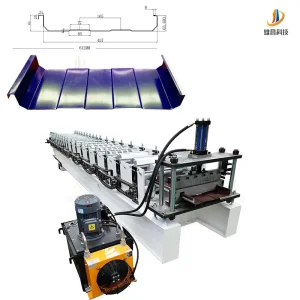
We design and build complete roof panel, wall panel, and floor deck roll forming machines that produce consistent panel geometry for seamless building envelope cladding.
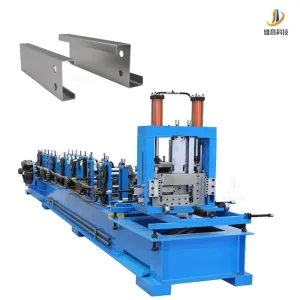
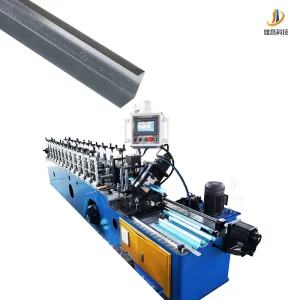
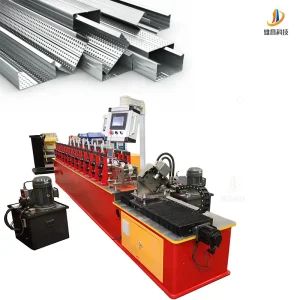
High-precision C/Z Purlin Roll Forming Machines, and Stud & Track Roll Forming Machines engineered with quick-change mechanisms for rapid steel building construction.
Targeted auxiliary lines including Rainwater Gutter Roll Forming Machines and complex Door Frame profiling equipment tailored to strict architectural drawings.
Our quality control process is integrated into every phase of manufacturing. At XC, we deploy a comprehensive suite of inspection instruments, including non-destructive hardness testers, laser measurement systems, and structural test benches to verify steel sheet thickness, paint integrity, and profiling accuracy.
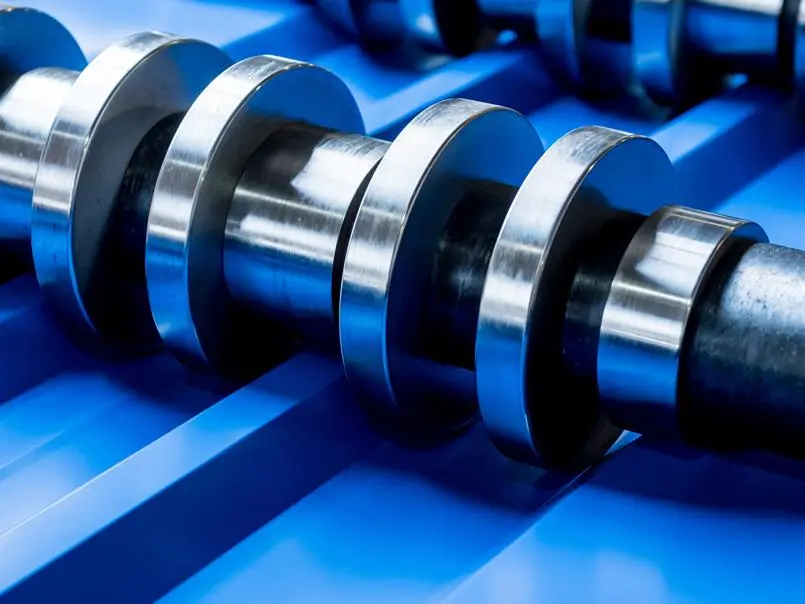
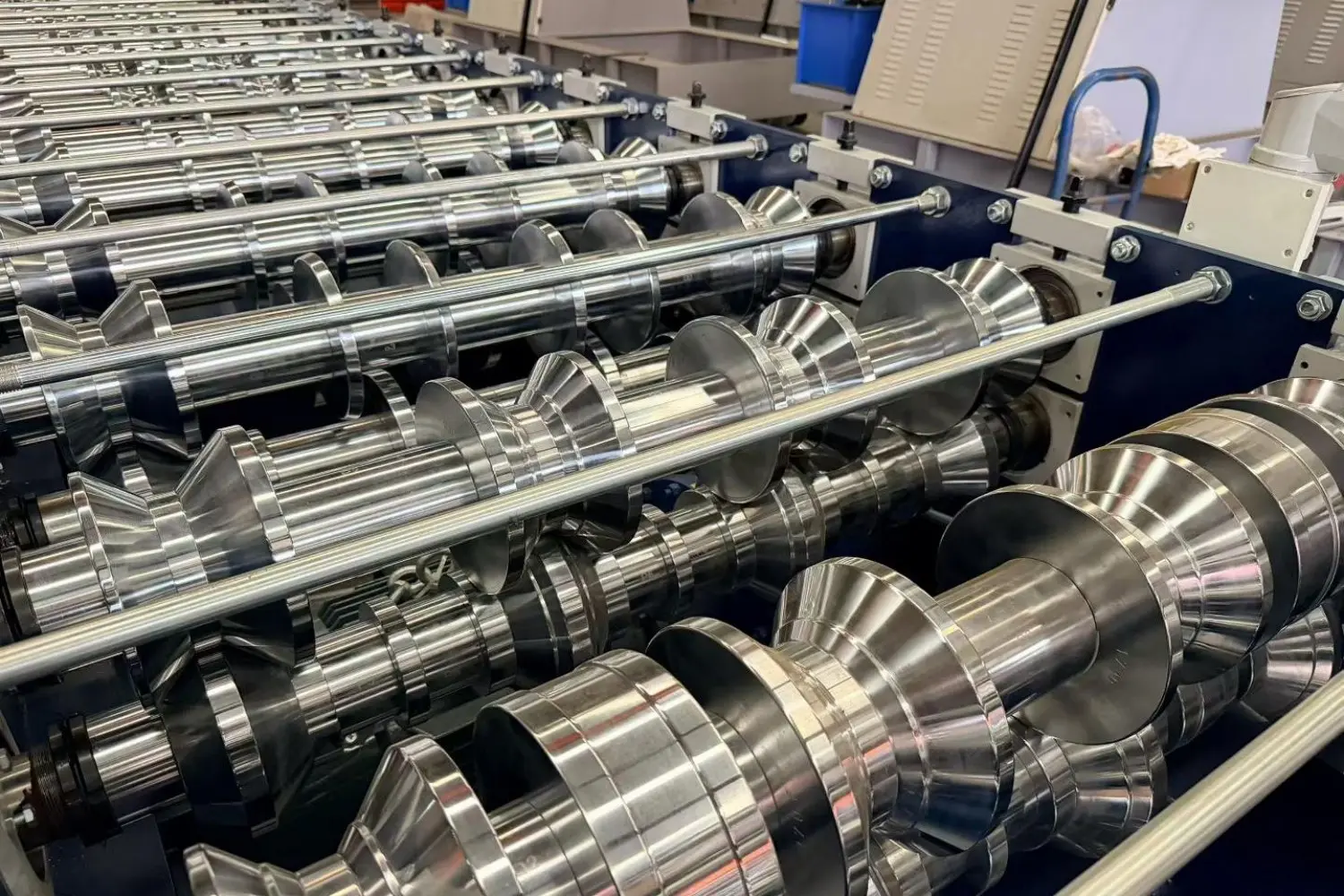
Rollers are CNC-machined and finished with hard chrome plating to prevent any scratching on prepainted coil materials. Drive axles are forged, tempered, and ground to eliminate runout, ensuring the machine maintains profile dimension accuracy during high-volume production cycles.
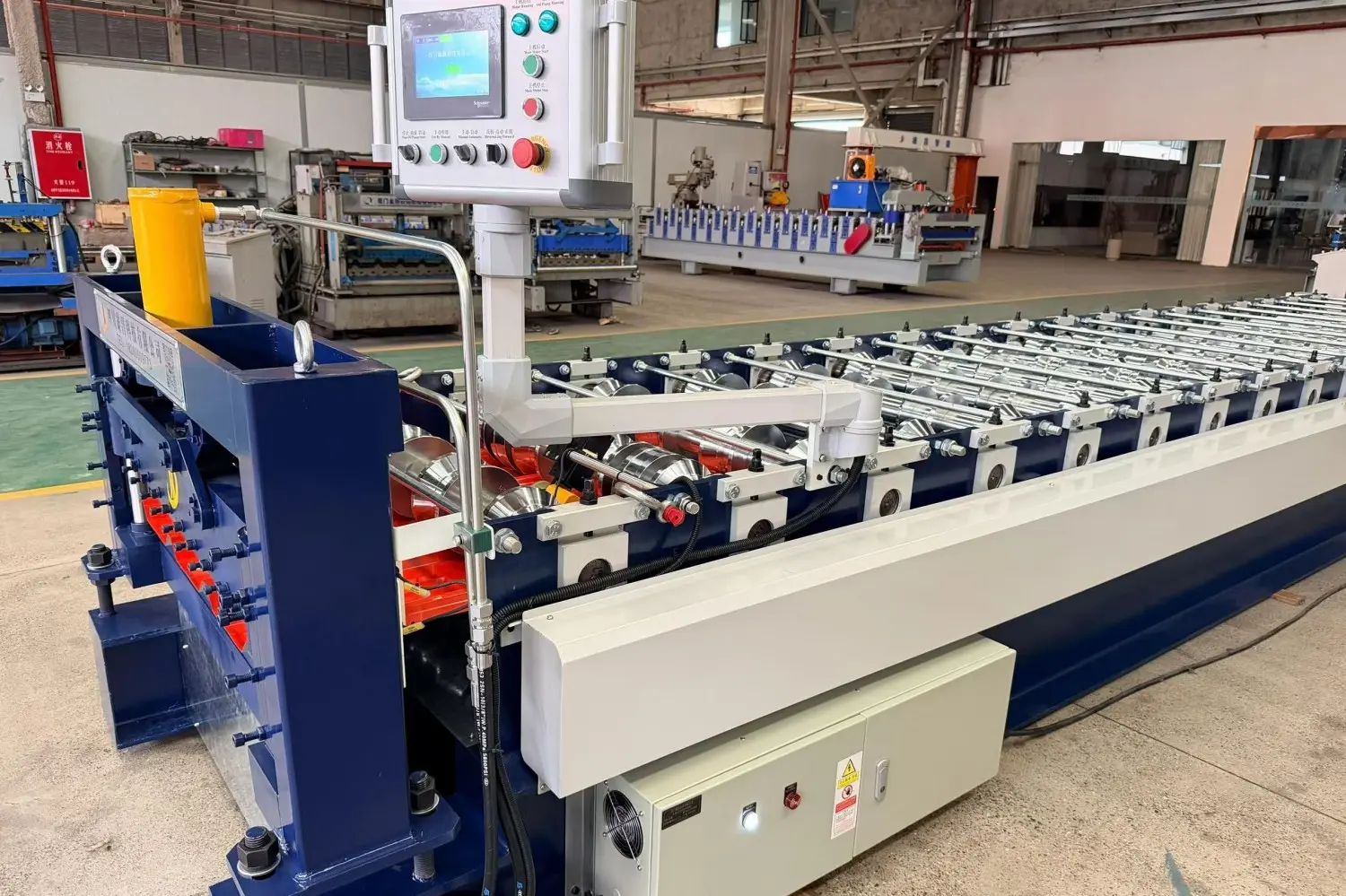
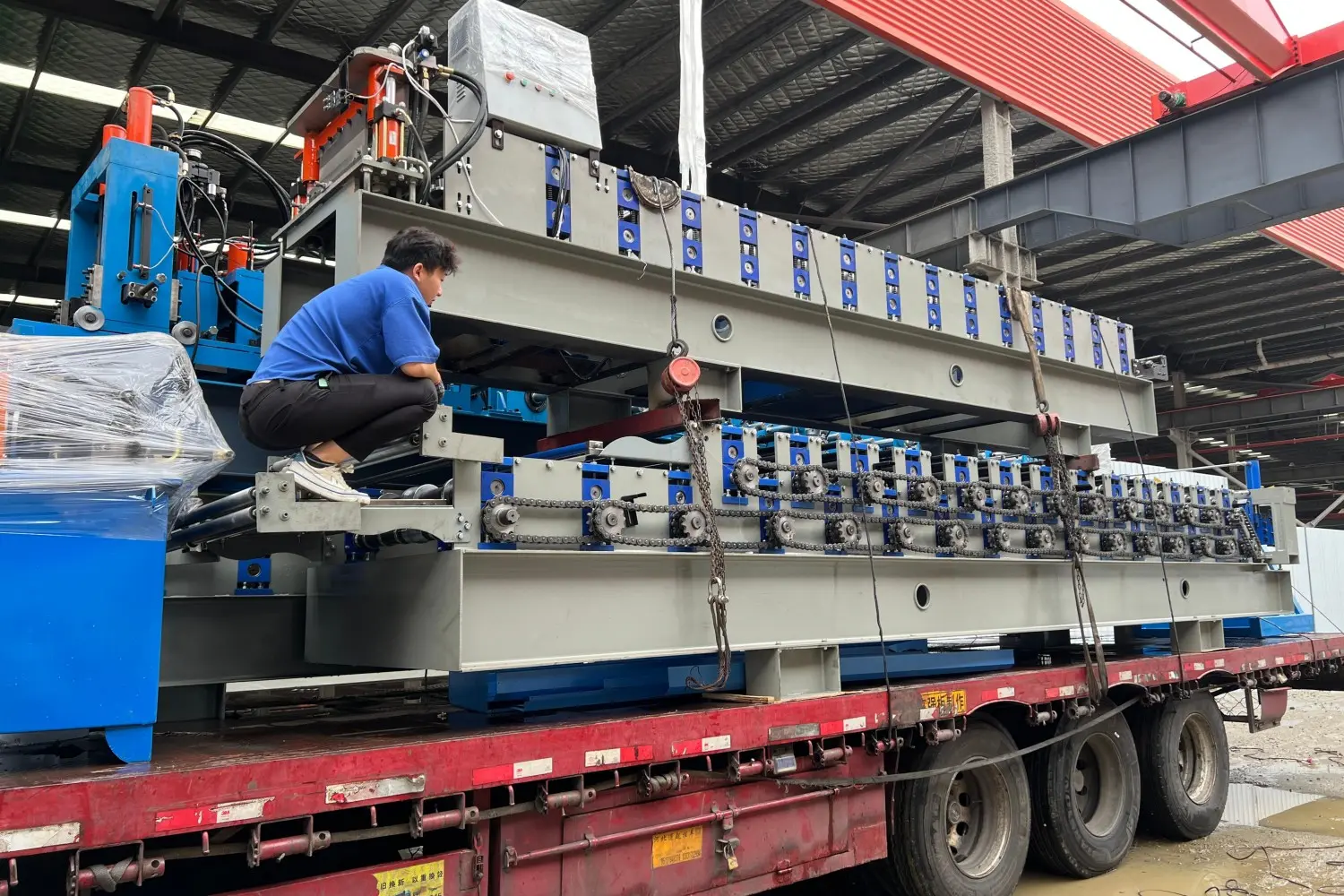
From initial design to commissioning and setup, XC provides comprehensive technical support and lifecycle services. We offer factory planning consultations, mechanical and electrical integration, and operator training to ensure quick deployment on your production floor.
Our dedicated after-sales support team delivers ongoing technical assistance, preventive maintenance consultations, and replacement parts to keep your lines running efficiently.
Our professional engineering team collaborates closely with architectural and industrial groups globally. This collaborative process ensures that our standard and custom roll forming machines meet dynamic customer specifications and national construction codes.
Our machine lines contribute to projects ranging from residential developments to large industrial manufacturing complexes, logistics centers, and infrastructure projects across the region.
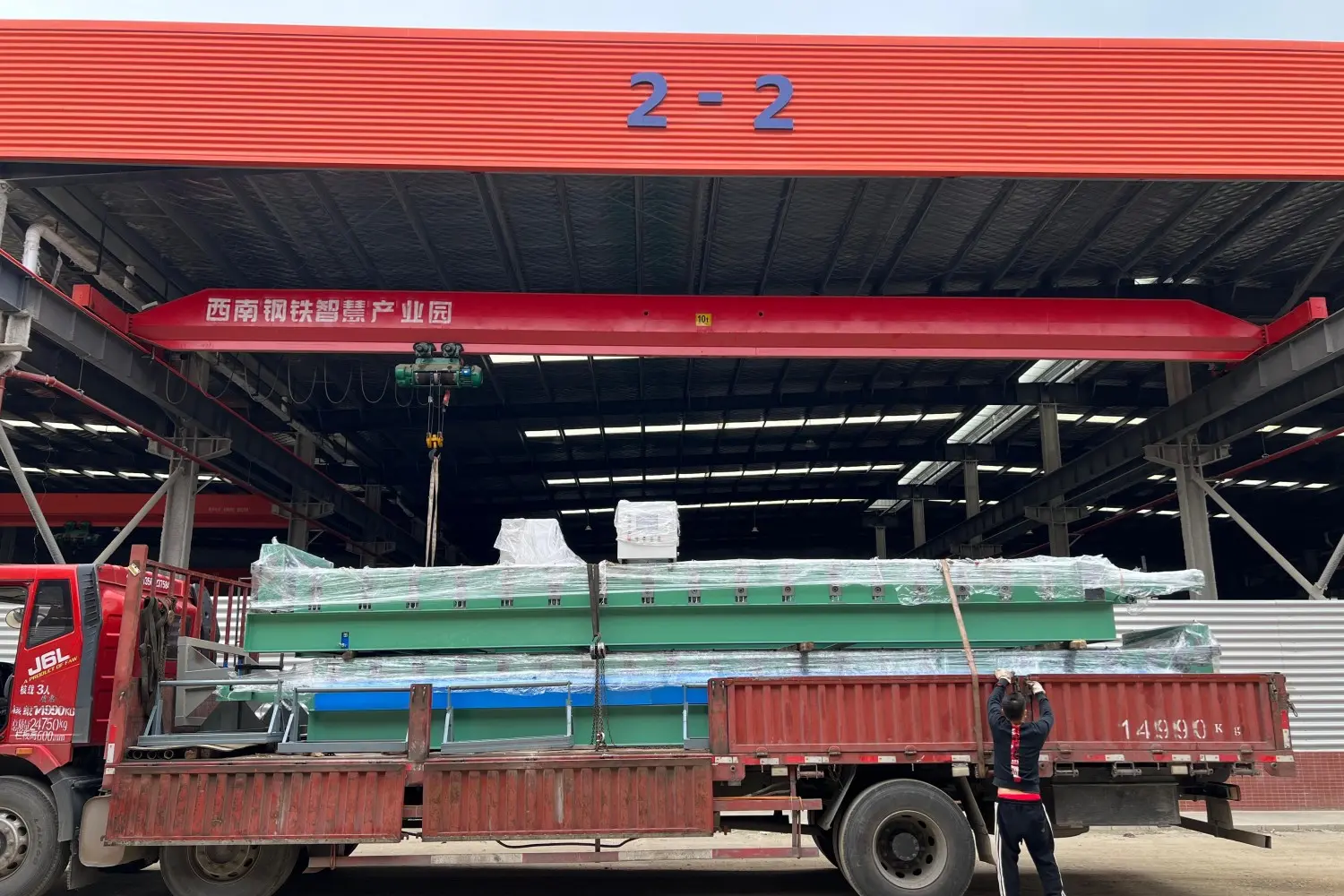
Turnkey manufacturing packages built for modern profile design requirements.
Decades of manufacturing experience coupled with dedicated client support.
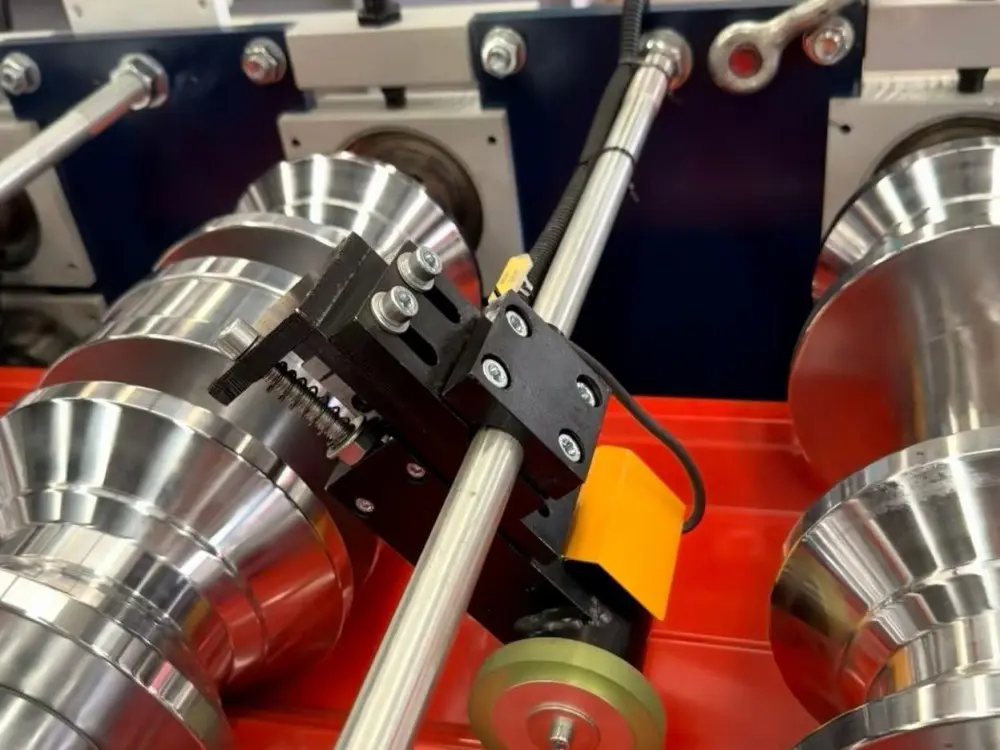
Over 20 years designing custom profiles for European, Asian, and American steel industries, implementing modern engineering upgrades.
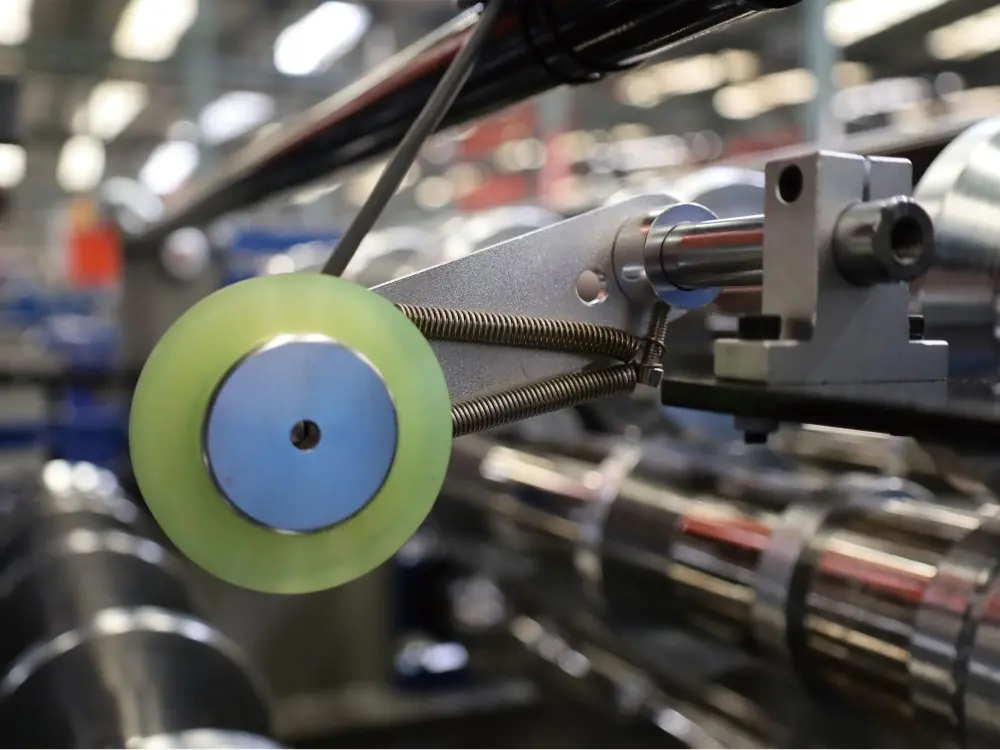
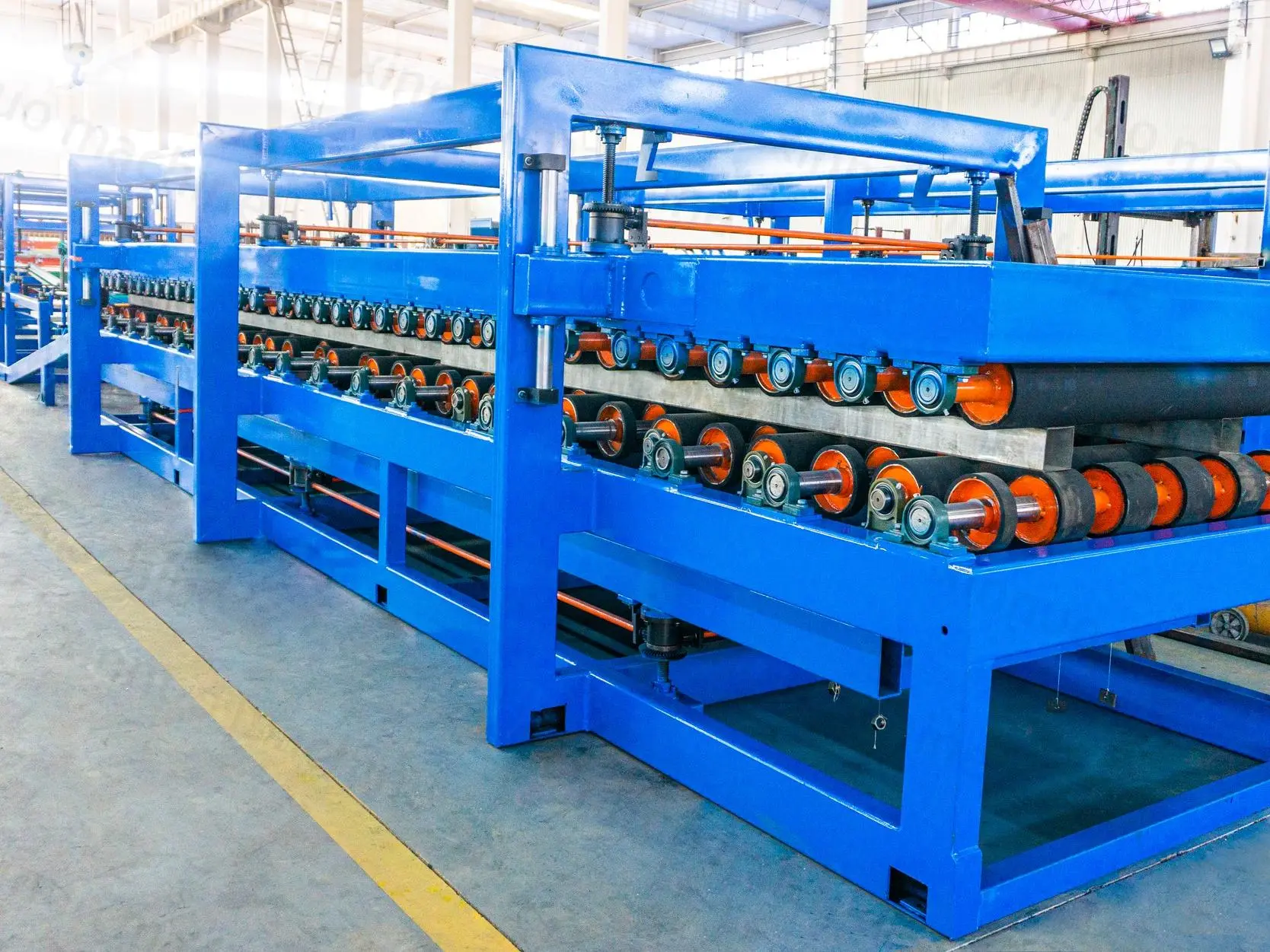
Solid steel chassis structures, high-grade alloy steel rollers, and thermal-treated shafts ensure our machines maintain accuracy over years of operation.
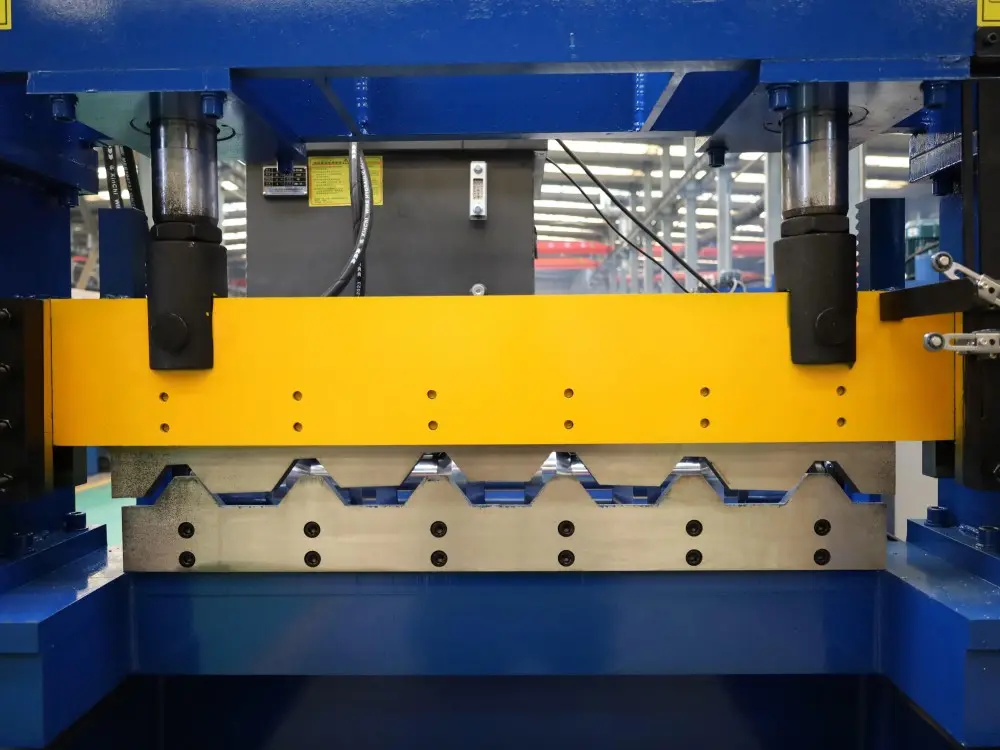
We assist our clients with customized machine layouts, layout drawings, commissioning support, and fast spare parts supply.
Supplying high-precision profiles to key global infrastructure and manufacturing industries.
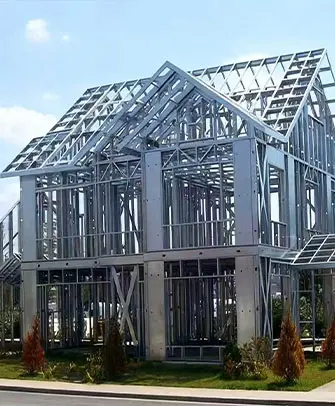
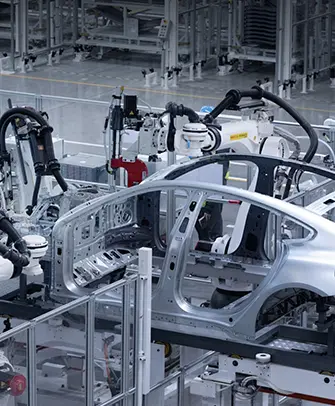



Key design trends that are upgrading cold roll forming production capabilities globally.
Traditional forming lines require manual spacer reconfiguration or separate cassettes to transition between different profile heights (e.g., from T-35 to T-50). The future is automated variable-width tooling. By implementing servo-driven lateral adjustment axes, operators can adjust web width, flange height, and shoulder dimensions from the HMI screen, reducing profile changeover times from hours to minutes.
High-tensile structural steel grades (such as S450GD and S550GD) exhibit high elastic recovery (springback) after cold forming. XC is researching real-time mechanical sensors that measure material hardness and coil thickness variations. The PLC uses this data to adjust roller clearances dynamically, ensuring profile geometries remain flat and uniform.
Environmental standards in Europe promote dry forming processes to eliminate toxic cleaning chemicals before painting or storage. We utilize specialized roller coatings (such as Tungsten Carbide and DLC) combined with targeted micro-drop lubrication systems (Minimum Quantity Lubrication - MQL) to protect the pre-painted metal surfaces while keeping the environment clean.
Answers to common engineering questions regarding the purchase and installation of trapezoidal roll forming lines in Central Europe.
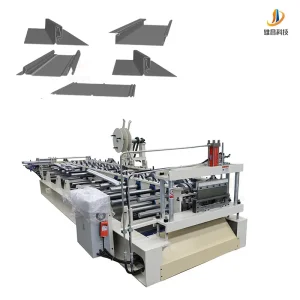
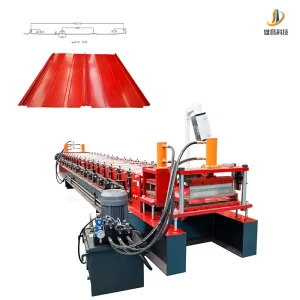
Integrating building envelopes with standing seam claddings, structural decking, and partition stud frames.
 Xiongchang