High-precision cold metal forming machinery engineered specifically to support Lombardy's structural building codes and modern urban rehabilitation projects.
Milan and the broader Lombardy region stand at the absolute center of Europe’s architectural modernization and industrial restructuring. Historically defined by classic clay tiling systems and masonry, contemporary Milanese civil, commercial, and industrial structures have shifted aggressively toward high-performance, lightweight metal cladding systems. This macro-environmental migration is driven not only by aesthetics but by strict Italian national construction regulations (such as NTC 2018) and European Eurocodes governing seismic safety, thermal efficiency, and life-cycle sustainability.
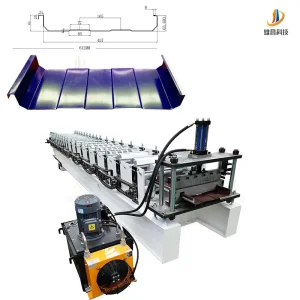
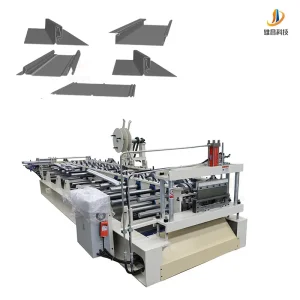
As a result, local engineering operations, steel service centers, and roofing contractors in Milan require a reliable flow of metal roofing profiles. Xiongchang (XC) addresses this direct demand by supplying customized roll forming systems. These roll forming machines produce precise standing seam, tile, and structural decking panels that adhere seamlessly to localized dimensions, thickness limitations, and structural tolerances. Our technology empowers Italian contractors to manufacture right on-site or at regional processing plants, reducing shipping logistics costs, maximizing raw material yield, and matching the fast-paced timeline of modern European structural works.
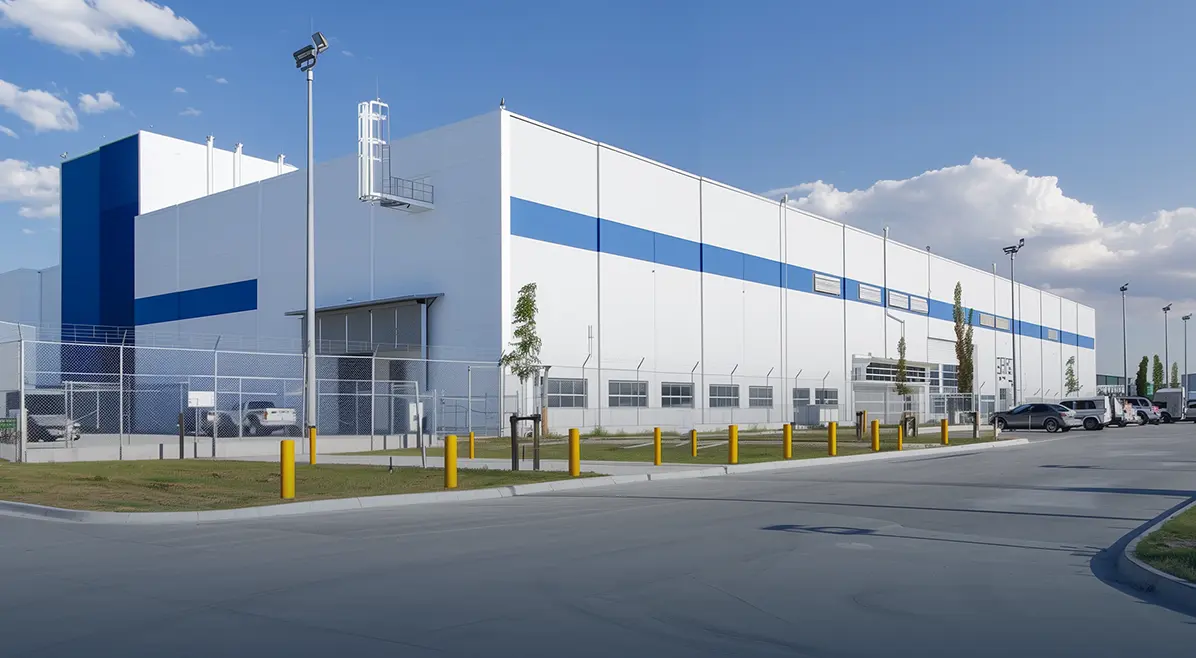
XC (Xiongchang) delivers high-end cold roll forming machinery designed for global standard integration.
As an established expert in the field, XC (Xiongchang) provides integrated roll forming solutions. Our portfolio encompasses core production machines for roofing, flooring, doors, and structural components, as well as the complete auxiliary line equipment essential for efficient operation. With over two decades of industry experience, we bring deep technical engineering and automated precision lines directly to our cooperative clients worldwide.
How XC achieves precision within ±0.5mm across complex metal profile structures.
When selecting a roll forming machinery company for Milan's strict building landscape, engineering depth is critical. At XC, our manufacturing methodology incorporates key technological developments that solve common challenges like edge wave deformation, twisting, and coil springback. These physical challenges are especially prominent when working with high-strength architectural materials like pre-painted steel (PPGI), aluminum, copper, and zinc-aluminum-magnesium alloys.
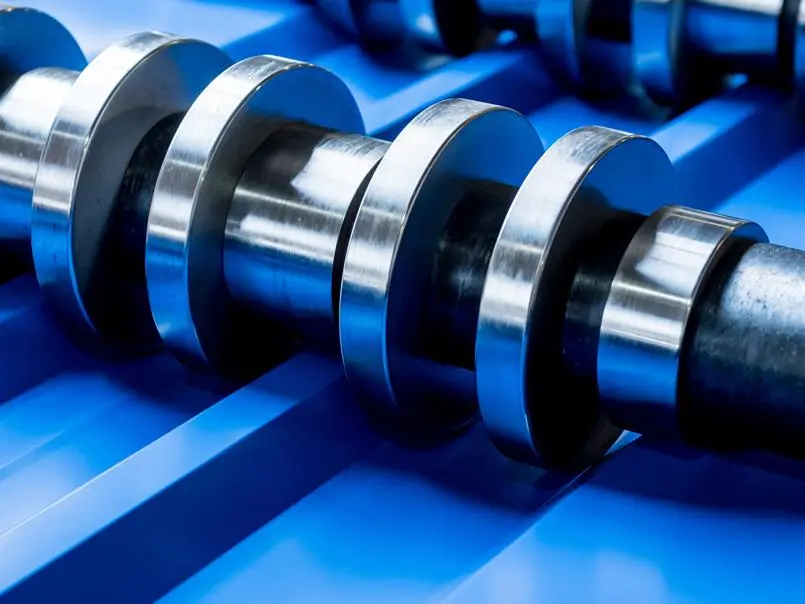
Rollers are the heart of any roll forming machine. We utilize high-grade tool steel (such as Cr12MoV or D2) which undergoes rigorous heat treatment, vacuum quenching, and precision CNC finishing. The rollers are then hard-chrome plated to a thickness of 0.05mm. This preserves the surface coating of your metal coils (preventing micro-scratches on pre-painted coatings) and guarantees a roller life span exceeding a million linear meters.
Our machine shafts are solid, precision-ground, and dynamically balanced. By utilizing robust gearboxes, universal joints, or high-tensile chain drives depending on profile depth, we guarantee smooth power distribution to each forming station. This minimizes torque variations that lead to uneven stresses within the formed roofing sheet.
Our roll formers are equipped with Siemens or Mitsubishi PLC systems, coupled with touch-screen human-machine interfaces (HMIs). The system supports multi-batch operations, automatically adjusting feeding speeds, hydraulic cutting lengths, and punching patterns. This level of automation ensures seamless integration with manufacturing execution systems (MES) commonly used in advanced European smart factories.
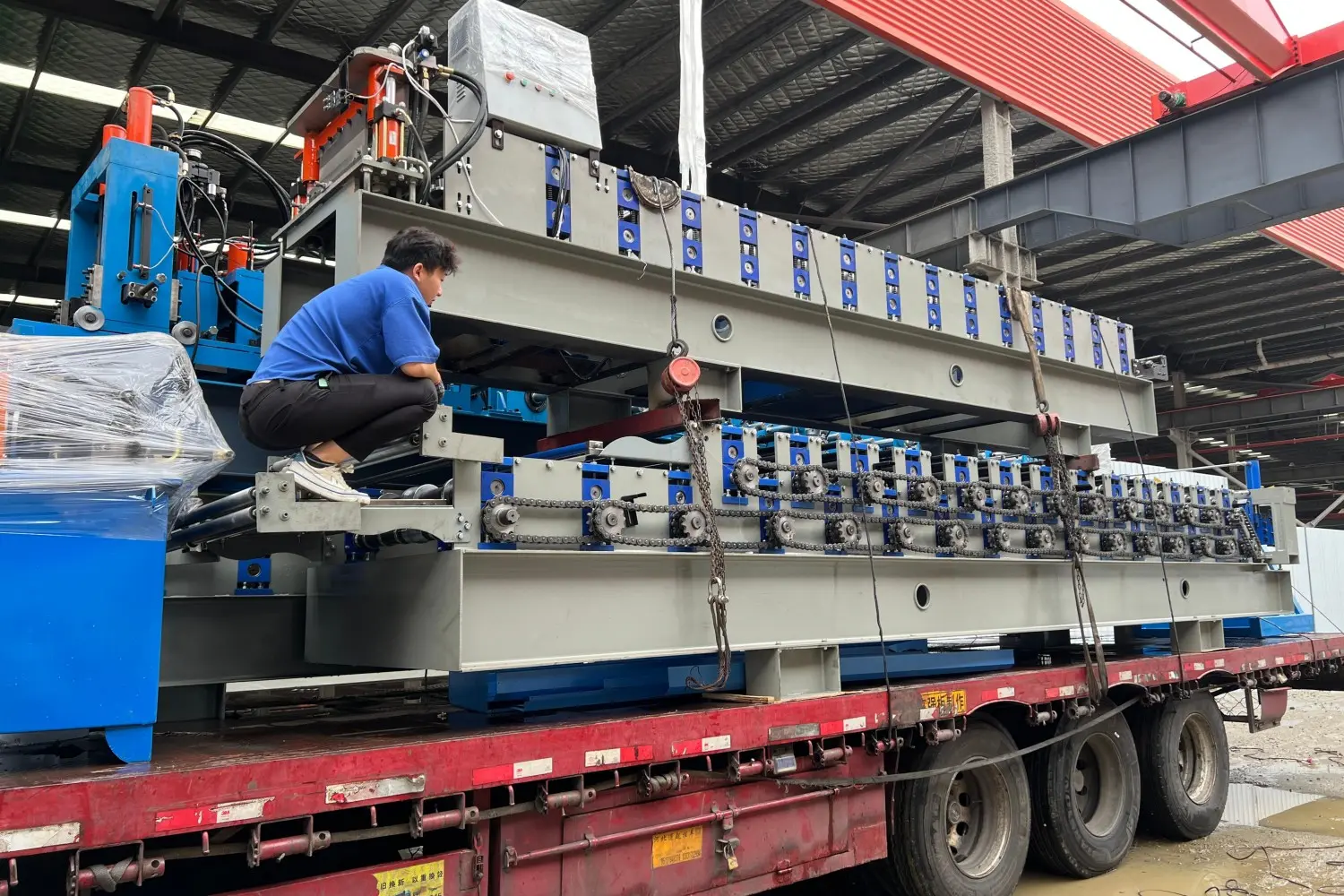
Every line engineered by XC undergoes structural load simulations and comprehensive physical testing. This includes validating metal sheet tolerances, hydraulic pressure limits, electrical insulation, and emergency stop reaction times. We operate under strict CE guidelines, ensuring our equipment integrates safely into European manufacturing ecosystems.
Engineered solutions for complex building envelope, structural framing, and specialized fabrication requirements.
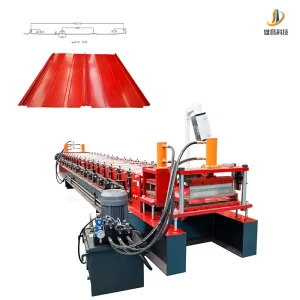
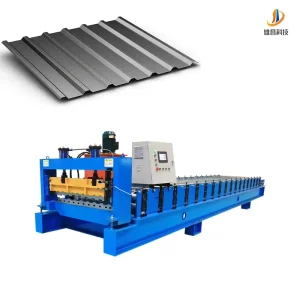
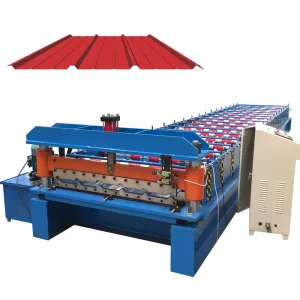
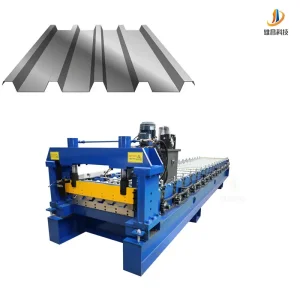
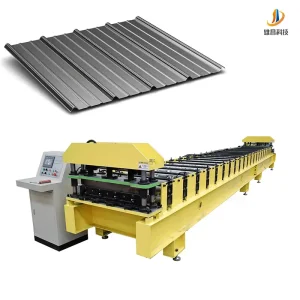
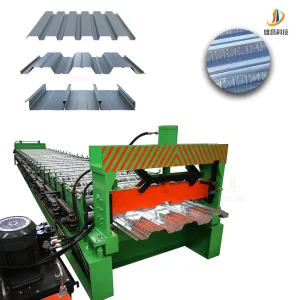
High-speed Roof Panel, Wall Panel, and Floor Deck Roll Forming Machines designed for precise sheet overlap and water-tight sealing.
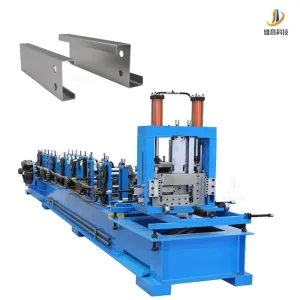
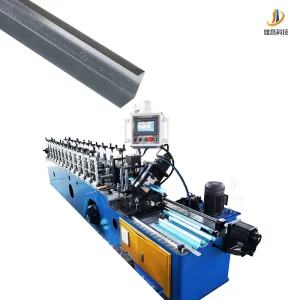
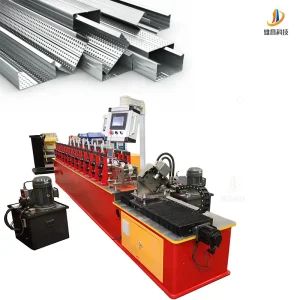
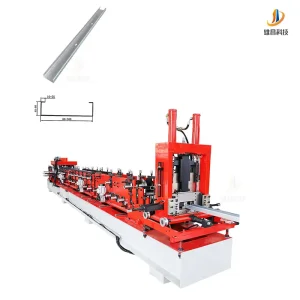
Robust C/Z Purlin Roll Forming Machines, and Stud & Track Roll Former lines capable of processing up to 3.5mm high-strength structural steels.
Custom Gutter Roll Forming Machines, Downspout Lines, and advanced Door Frame Roll Forming systems tailored for custom European geometry.
From primary architectural drawings to final mechanical testing, XC provides end-to-end support for our machines. We recognize that purchasing a roll forming machine is a long-term capital investment. Our support system includes:
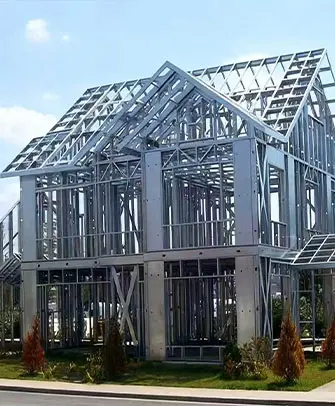
Empowering different sectors across Milan’s industrial expansion and architectural restoration.
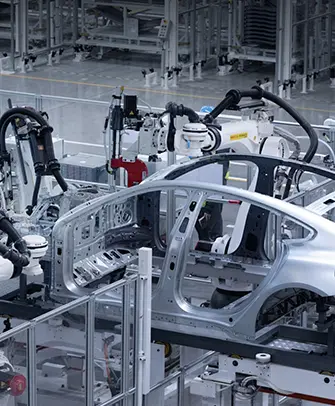

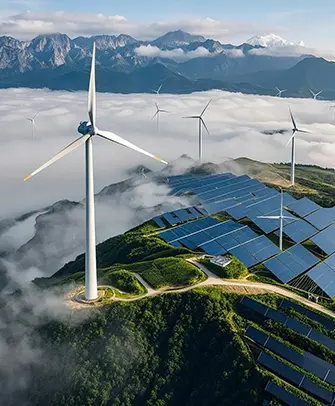
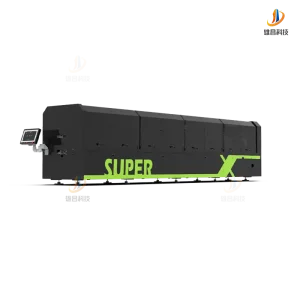
Our comprehensive catalog of high-capacity machines for global and European distribution networks.
Future-proofing metal forming operations through automation and carbon-neutral engineering.
As the construction industry transitions toward higher ecological standards, the machinery that shapes building materials must adapt. In Italy, directives urging the reduction of raw material waste are pushing roll forming technologies to be more accurate, dynamic, and energy-efficient. XC’s development roadmap focuses on these critical challenges:
Coil thickness can vary within raw material batches. Standard roll forming machinery can experience structural binding or profile loose-fit issues if the metal varies in thickness. XC is piloting real-time laser monitoring sensors that communicate directly with the PLC. When minor thickness fluctuations occur, the machine dynamically adjusts roller gap spacing, ensuring the final profile matches CAD geometry within tight tolerances.
By replacing traditional hydraulic cutting setups with electric servo-actuated fly shear cutters, we dramatically reduce energy consumption. These systems are cleaner, eliminate hydraulic oil leakage risks, and significantly reduce operational noise in the factory environment. This design modification simplifies compliance with noise exposure regulations (like Legislative Decree 81/08 in Italy).
Production downtime during profile transitions can impact manufacturing profitability. Our rapid-interchange double-deck or cassette-type systems enable companies in Milan to shift from U-panel to standing seam designs in less than an hour, minimizing inactive labor periods and optimizing production space.
Crucial technical and logistical considerations for European engineering firms and metal forming buyers.
 Xiongchang