Tailored machinery designed to match rigorous ASTM standards for North American modular and structural steel frame developers.
In the contemporary United States commercial and industrial building market, the adoption of Light Gauge Steel (LGS) systems—also referred to as cold-formed steel (CFS)—is experiencing an unprecedented acceleration. Driven by persistent skilled labor shortages, rising timber costs, and stringent seismic and fire safety standards, construction companies from Texas to the Pacific Northwest are pivoting to high-precision prefabrication. Industrial manufacturers and engineering firms are recognizing that automated LGS framing technology provides the predictable accuracy required for off-site modular volumetric construction and multi-family high-density structures.
Operating in the US market requires meticulous alignment with regional regulations. Equipment must process materials that meet localized material certifications like ASTM A1003 and comply with the American Iron and Steel Institute (AISI) design specifications. Our machinery design integrates specialized tooling configurations to ensure compliance with ICC-ES standards, enabling American structural engineers to deploy finished components instantly into load-bearing assemblies without regulatory friction.
Evaluating global procurement channels reveals why Chinese manufacturers like XC (Xiongchang) represent a compelling value proposition for Western engineering firms. By combining vertical integration with dense regional supply chains in metalworking, CNC machining, and automated control assemblies, we achieve a balance of technical capability and structural integrity that localized factories find difficult to replicate at scale.
The versatility of LGS roll forming machines allows them to deploy across several prominent construction sectors within North America:
1. Volumetric Modular Construction: Offsite construction hubs utilize LGS frames to build structural chassis for hotels, micro-apartments, and student housing. The dimensional stability of steel allows modules to stack up to 10 stories high with millimeter-level precision.
2. High-Wind and Seismic Zones: In coastal states like Florida and California, LGS structural framing provides ductility and light self-weight, significantly reducing lateral load calculations compared to traditional concrete block or heavy timber.
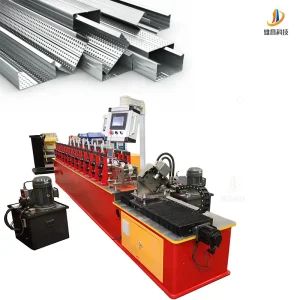
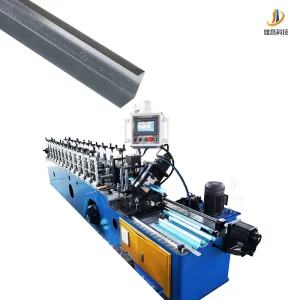
3. Tenant Improvement & Drywall Framing: Standard metal studs and tracks generated by our high-speed roll forming lines are the backbone of interior drywall installations for commercial skyscrapers and large-scale healthcare facilities.
We bring together specialized technical staff and seasoned mechanical engineers dedicated to providing superior structural solutions.
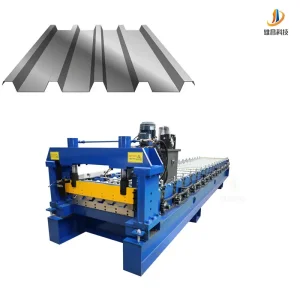
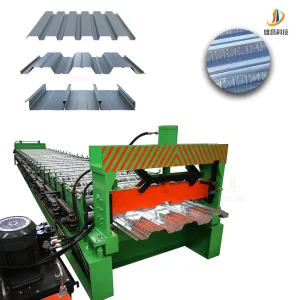
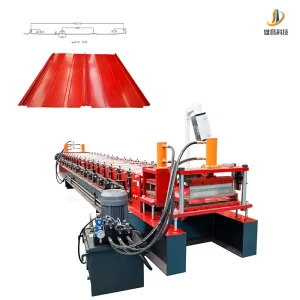
High-performance engineering systems optimized for Roof Panel, Wall Panel, and Floor Deck Roll Forming Machines.
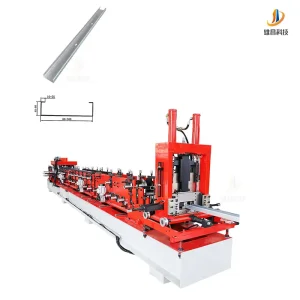
Rigid forming structures including C/Z Purlin Roll Forming Machines, and Stud & Track Roll Forming Lines.
Customized solutions focusing on architectural Gutter Roll Forming Profiles and Door Frame Roll Forming Machinery.
With a focus on maintaining a robust technical force and utilizing advanced CNC industrial equipment, XC provides integrated and automated production lines to satisfy diverse global configurations. We work closely with our partners to ensure the mechanical, electrical, and hydraulic components of every system meet strict standards of accuracy and quality control.
From the initial sizing of roll shafts to the heat treatment of forming dies and the development of customized post-cutting systems, our engineering workflows guarantee long production lifetimes with minimal dimensional drift.
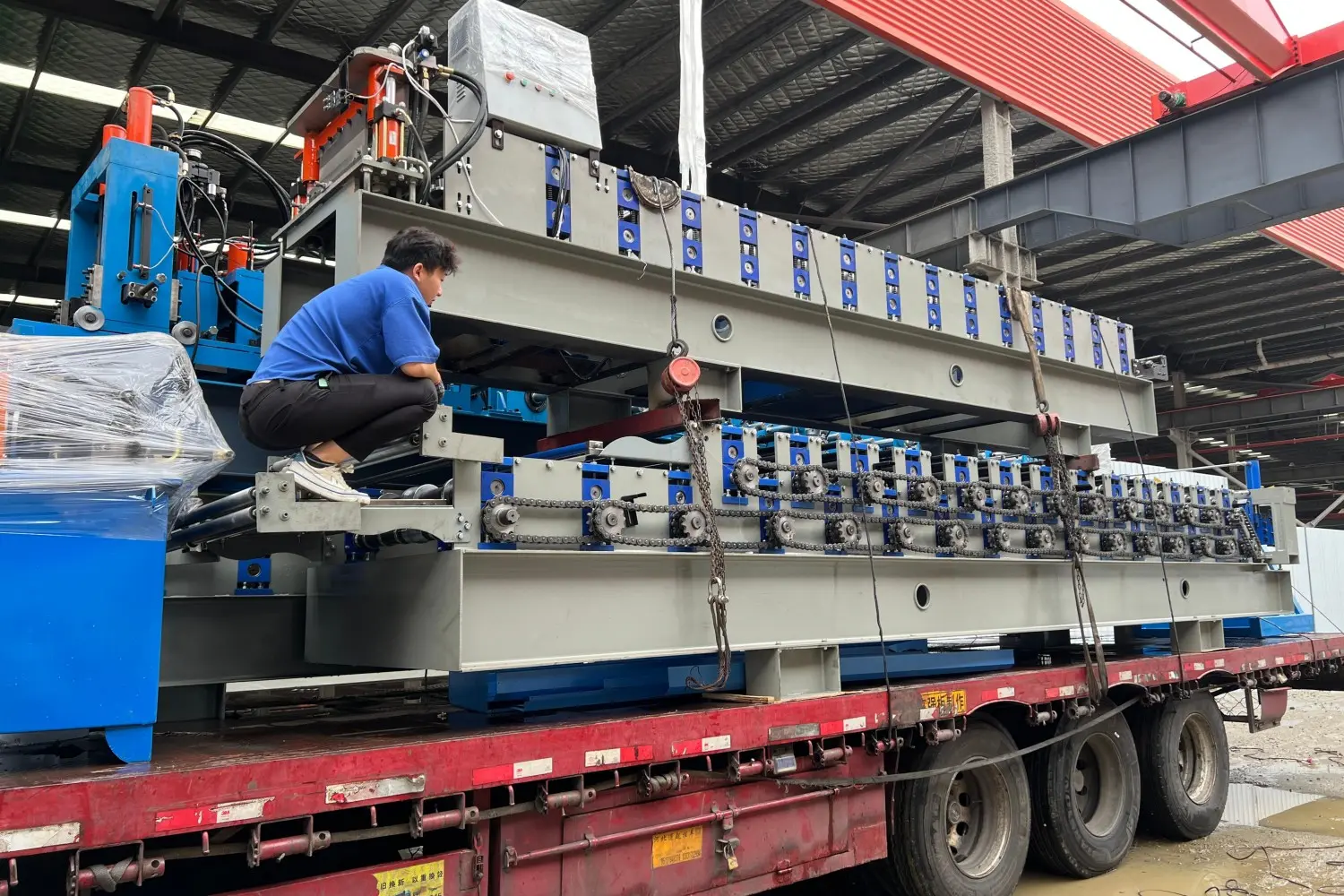
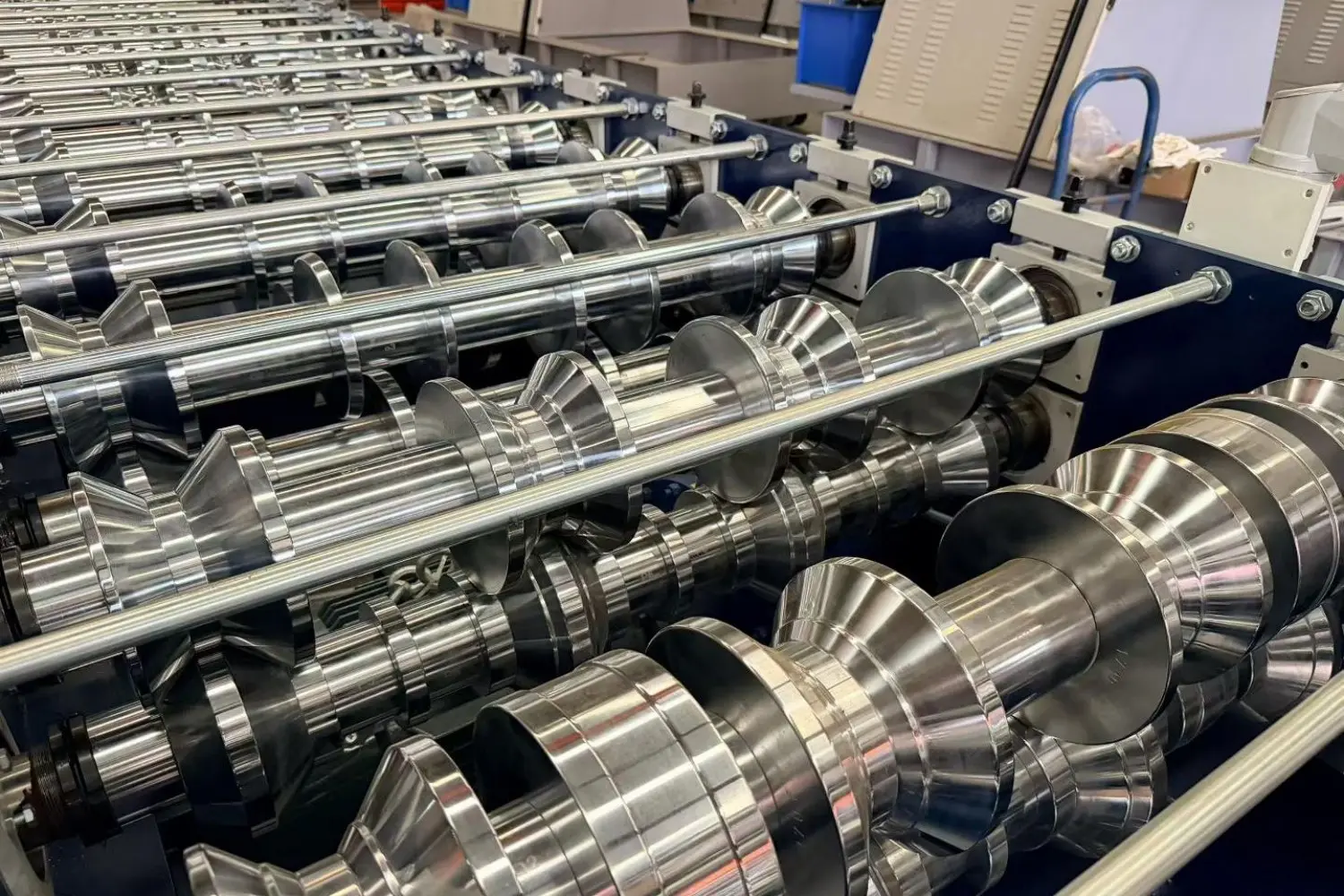
XC maintains a comprehensive array of testing and measurement instruments to verify raw material properties, surface hardness, shaft runout, and overall product tolerances.
We enforce strict quality control standards throughout the manufacturing process. This ensures every profile produced by our cold roll forming machines matches the target blueprint specs and maintains geometric stability, minimizing waste during construction assembly.
The integration of smart manufacturing, cloud computing, and real-time diagnostic systems is redefining global production standards.
The cold-formed steel manufacturing space is transitioning from basic mechanical roll forming to smart, connected cyber-physical systems. Modern factories across North America and Europe demand roll formers that not only run profiles but also communicate with cloud-based ERP systems to update stock status, track overall equipment effectiveness (OEE), and forecast preventive maintenance requirements.
A key advancement is Dynamic Width Adjustment (DWA). Traditionally, changing study profiles from 3-5/8" to 6" width required hours of manual spacer adjustments. Today, XC’s advanced PLC-driven servo systems adjust the spacing of forming stations in under two minutes via the HMI touchscreen. This capability enables on-demand production schedules, where a factory can run various stud sizes consecutively to match erection schedules, reducing jobsite sorting labor.
Furthermore, integrated punch stations can produce precise plumbing knockouts, truss member slotting, service holes, and dimples directly in-line. By eliminating offline post-processing, this technology saves significant production time and helps fabricators achieve rapid return on investment (ROI).
From initial design layout to final field commissioning, XC offers complete lifecycle engineering support. We provide technical installation assistance, machine tuning, and hands-on operator training to ensure your manufacturing team achieves immediate target output rates.
Our dedicated after-sales support team assists with remote diagnostics and schedules wear-part deliveries (such as custom shear dies and punch blades), helping your operation maintain consistent productivity over the long term.
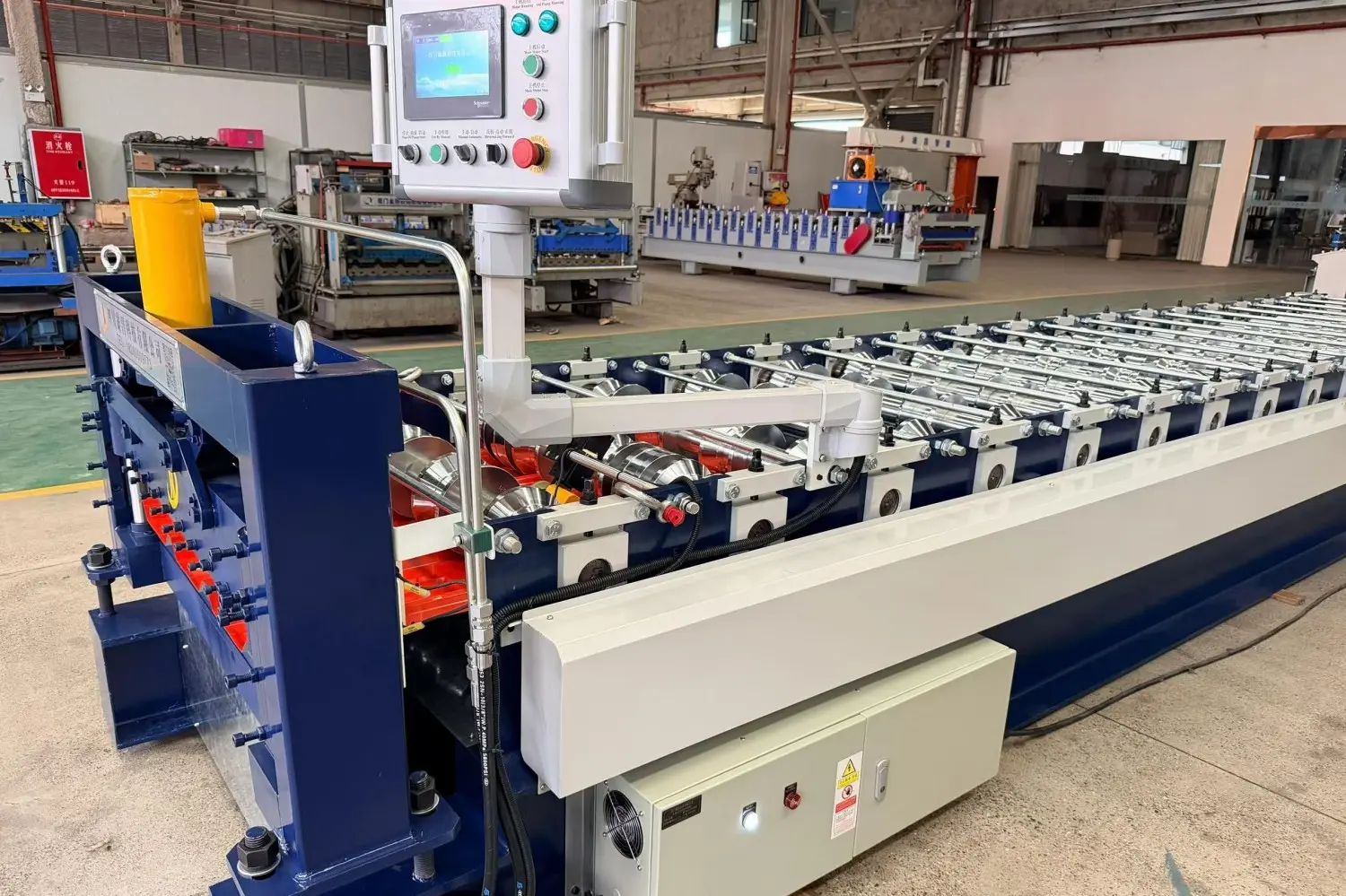
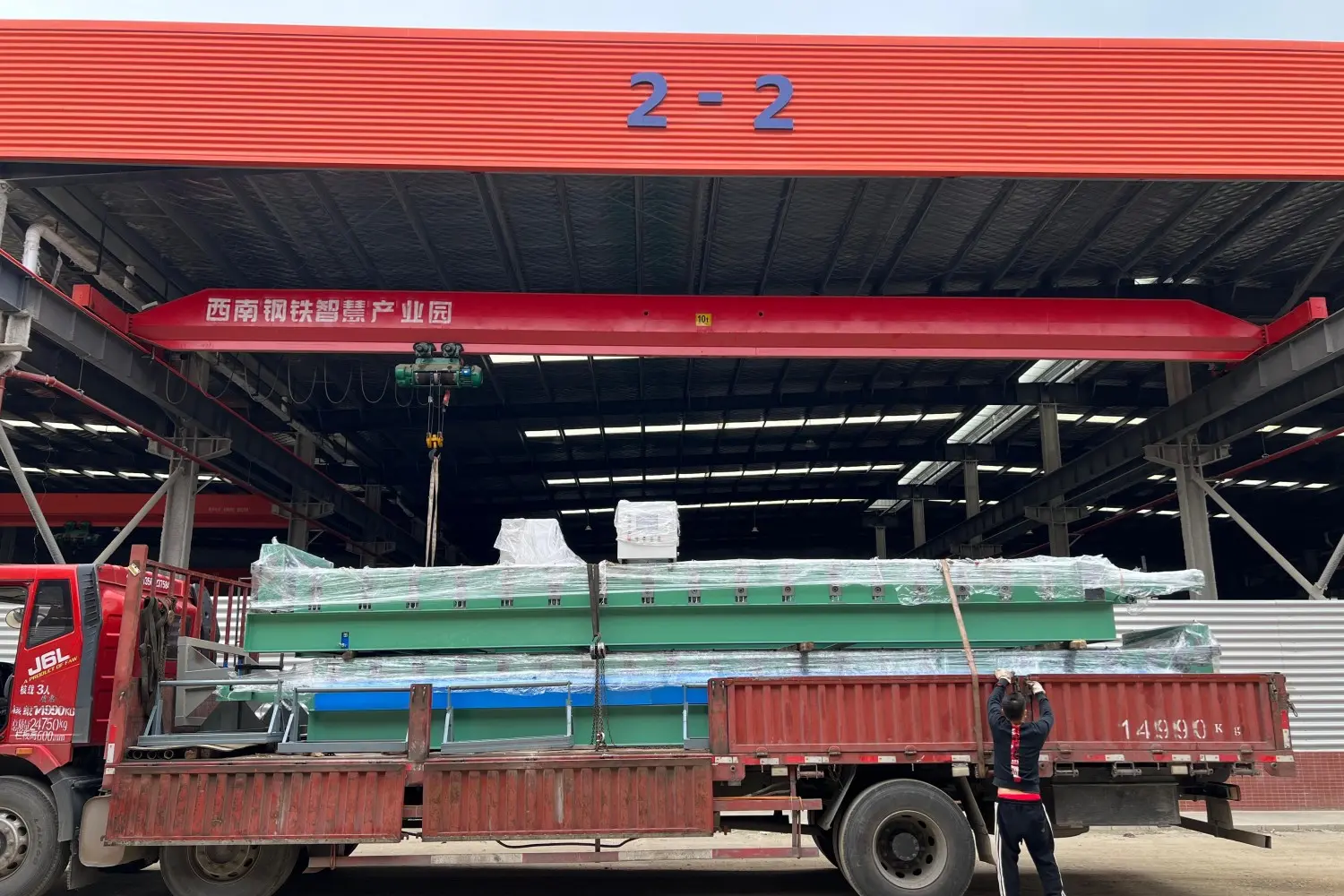
With a focus on engineering precision, we have built long-standing partnerships with clients globally. Our team supports custom manufacturing requirements for projects in commercial construction, multi-family housing, and agricultural developments.
Whether you are producing high-tensile structural C-purlins or architectural cladding panels, our machines are designed to deliver reliable performance across a range of output profiles.
Discuss technical specs, customized punching configurations, and shipping logistics with our engineering experts today.
Send Inquiry NowSenior engineering answers to technical questions about LGS framing machinery operation and procurement.
Select a profile system below to view detailed dimensional capacities and custom component designs.
 Xiongchang