Optimized roll forming machines engineered for high-durability roofing and exterior envelope profiles, manufactured to exceed strict Victorian climatic demands.
An In-Depth Whitepaper on Modern Steel Profile Engineering and Supply Chain Optimization
The industrial and commercial sectors in Victoria, particularly within the Greater Melbourne region, are witnessing an unprecedented transition toward high-density infrastructure development. With massive warehousing hubs expanding in regions like Truganina, Derrimut, and Dandenong, the demand for precision building envelope systems and structural framing profiles is at an all-time high. Local builders and industrial developers are constantly seeking strategies to mitigate supply delays, control capital expenditure (CAPEX), and maintain the structural integrity of localized building materials.
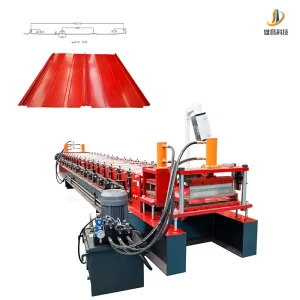
Operating within the Australian construction industry demands rigorous compliance with the National Construction Code (NCC) and standards like AS/NZS 4600 (Cold-formed steel structures) and AS 1397. Roll-formed components, including light gauge steel studs, purlins, structural floor decking, and architectural standing seam cladding, must withstand severe weather phenomena, ranging from coastal corrosion in Port Phillip Bay to intense thermal loads in regional Victoria. Consequently, importing pre-fabricated materials or operating low-precision forming machinery can lead to severe misalignment, oil-canning, and structural failure. This highlights the crucial need for high-end, intelligent cold roll forming machinery designed with advanced engineering software, precision rollers, and robust hydraulic cutting mechanisms.
The global metal forming machinery sector is moving rapidly towards automation and intelligence. For companies supplying the Melbourne market, the integration of Industry 4.0 IoT control systems is no longer optional. XC Metal Forming is at the forefront of this evolution by incorporating closed-loop feedback systems, real-time thickness compensation, and auto-adjustable motorized width sizing. Rather than relying on manual adjustments, modern CZ interchangeable purlin machines and stud formers utilize servo-driven adjustments managed by high-precision human-machine interfaces (HMI) with Siemens PLC modules. This technology reduces transition times from hours to minutes, maximizing operational efficiency for local steel framing manufacturers.
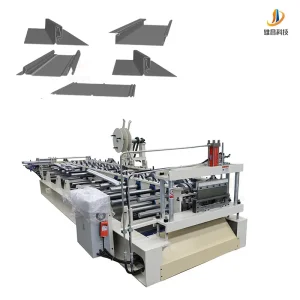
As an established global expert, XC (Xiongchang) delivers advanced integrated roll forming solutions. Our extensive portfolio encompasses core production machinery for high-precision roofing, structural flooring decks, structural framing, and custom partition doors, supported by automated auxiliary decoiling, stacking, and packaging systems.
For over two decades, XC has stood as a reliable partner to infrastructure companies, framing manufacturers, and OEM builders in Australia and globally. We combine cutting-edge software design (such as COPRA roll design analysis) with heavy-duty mechanical build standards to guarantee long-term operational resilience.
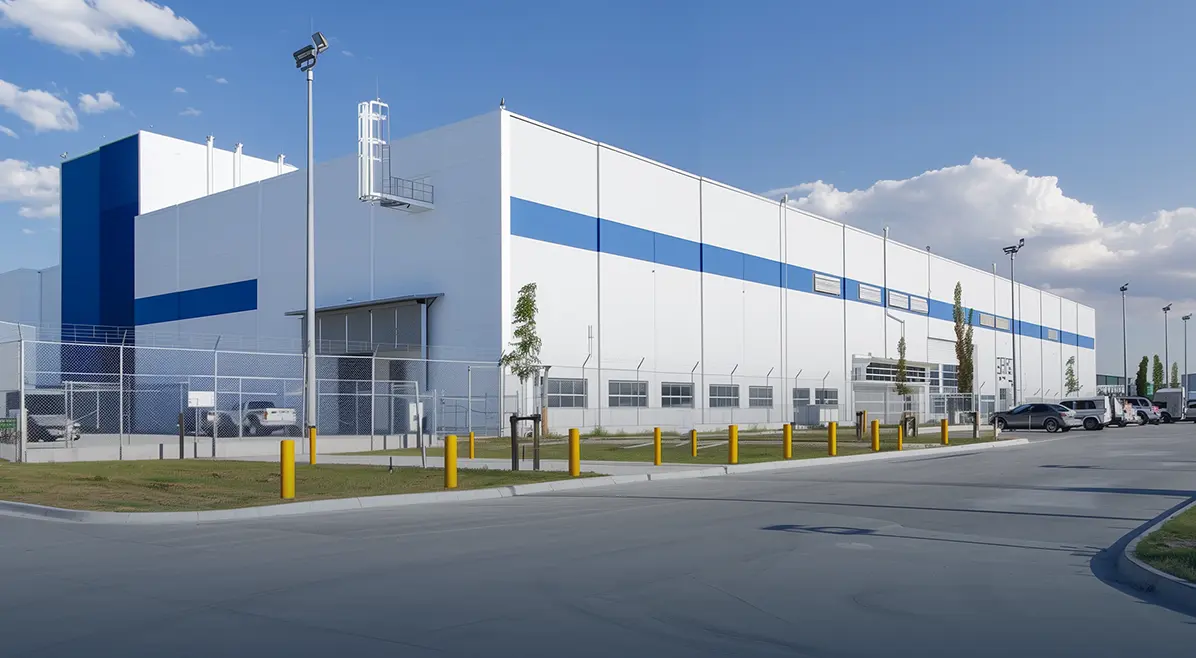
We utilize automated precision machining centers, hard-chrome plated solid rollers, and rigid structural frames to ensure consistency and prevent profile distortion.
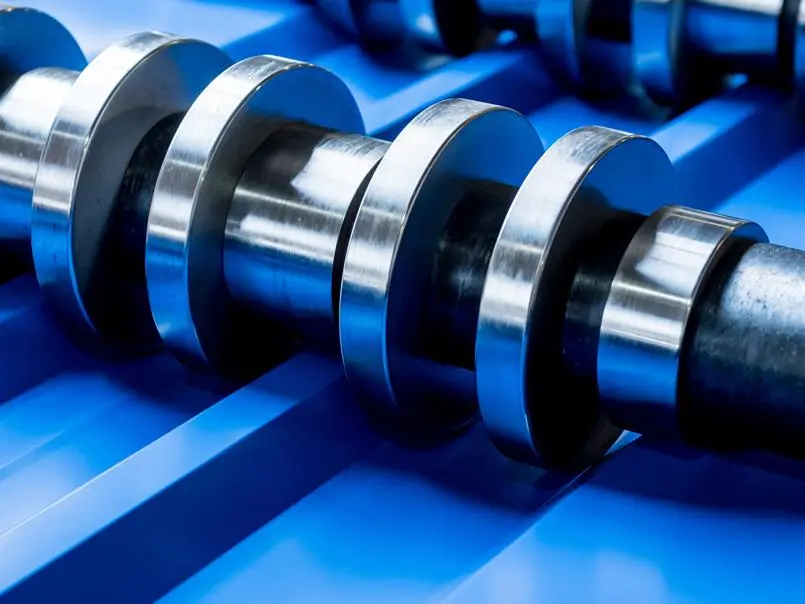
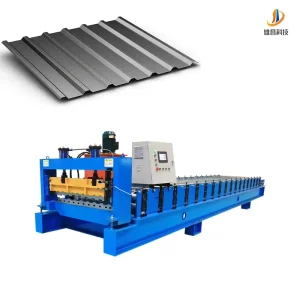
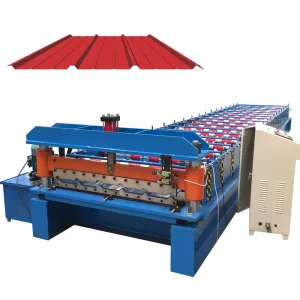
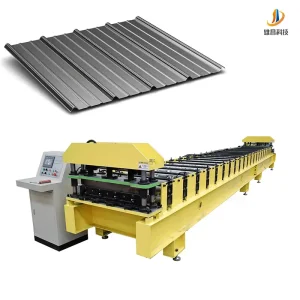
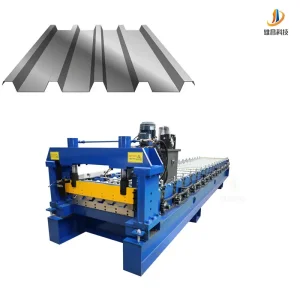
High-speed roof panel, wall cladding, and structural floor decking forming machines optimized for high-tensile materials.
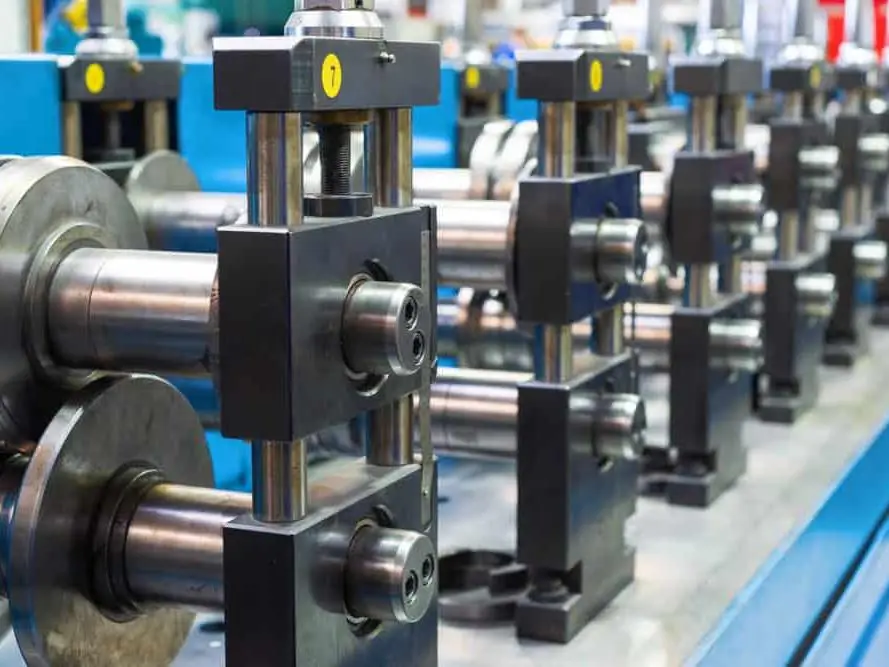
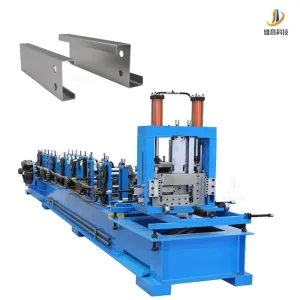
Fully automated, programmable C/Z Purlin and heavy-gauge Light Gauge Steel (LGS) Stud & Track forming systems.
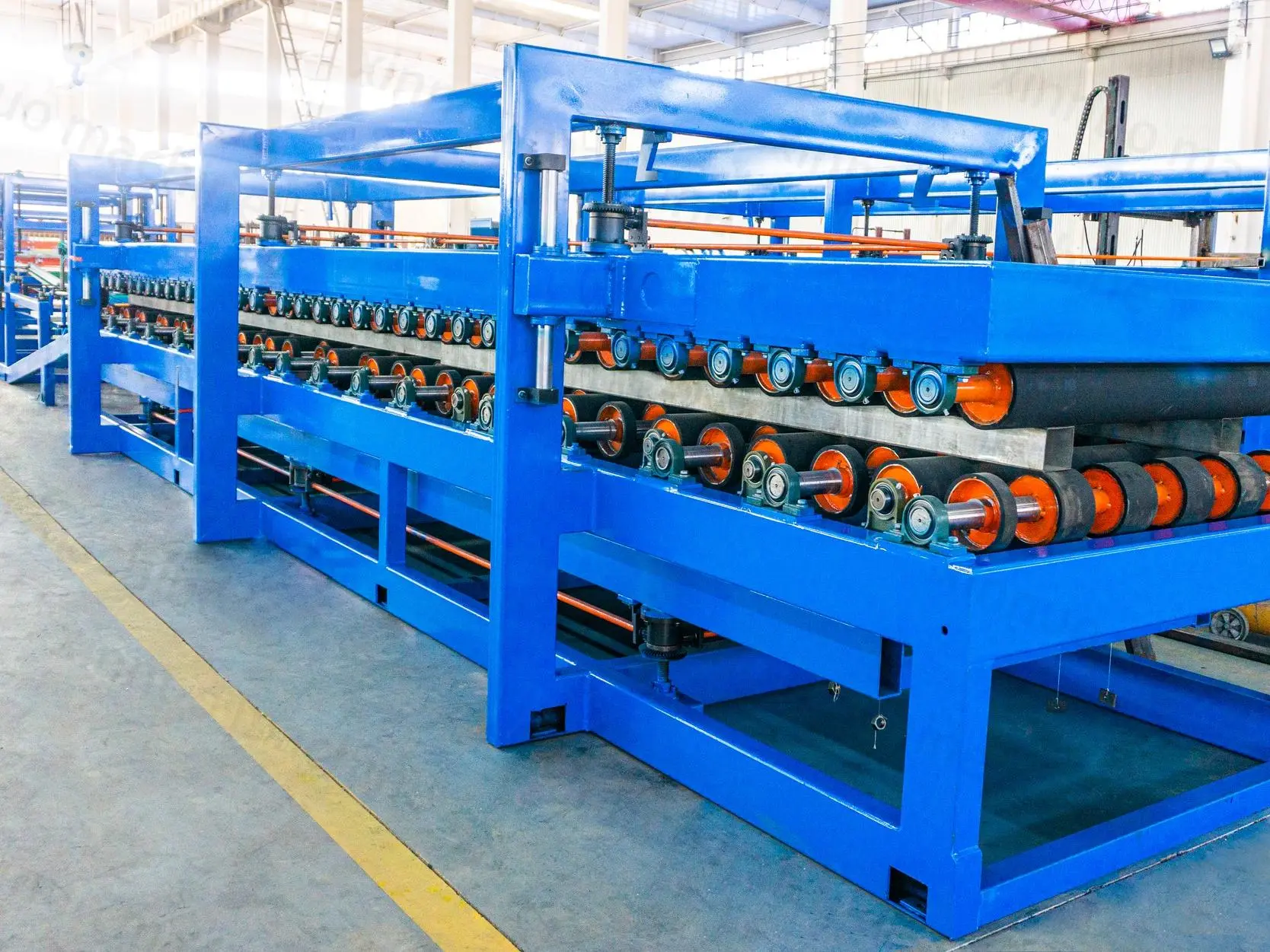
Custom rain gutter formers, downspout systems, and highly complex high-security steel door frame profile machines.
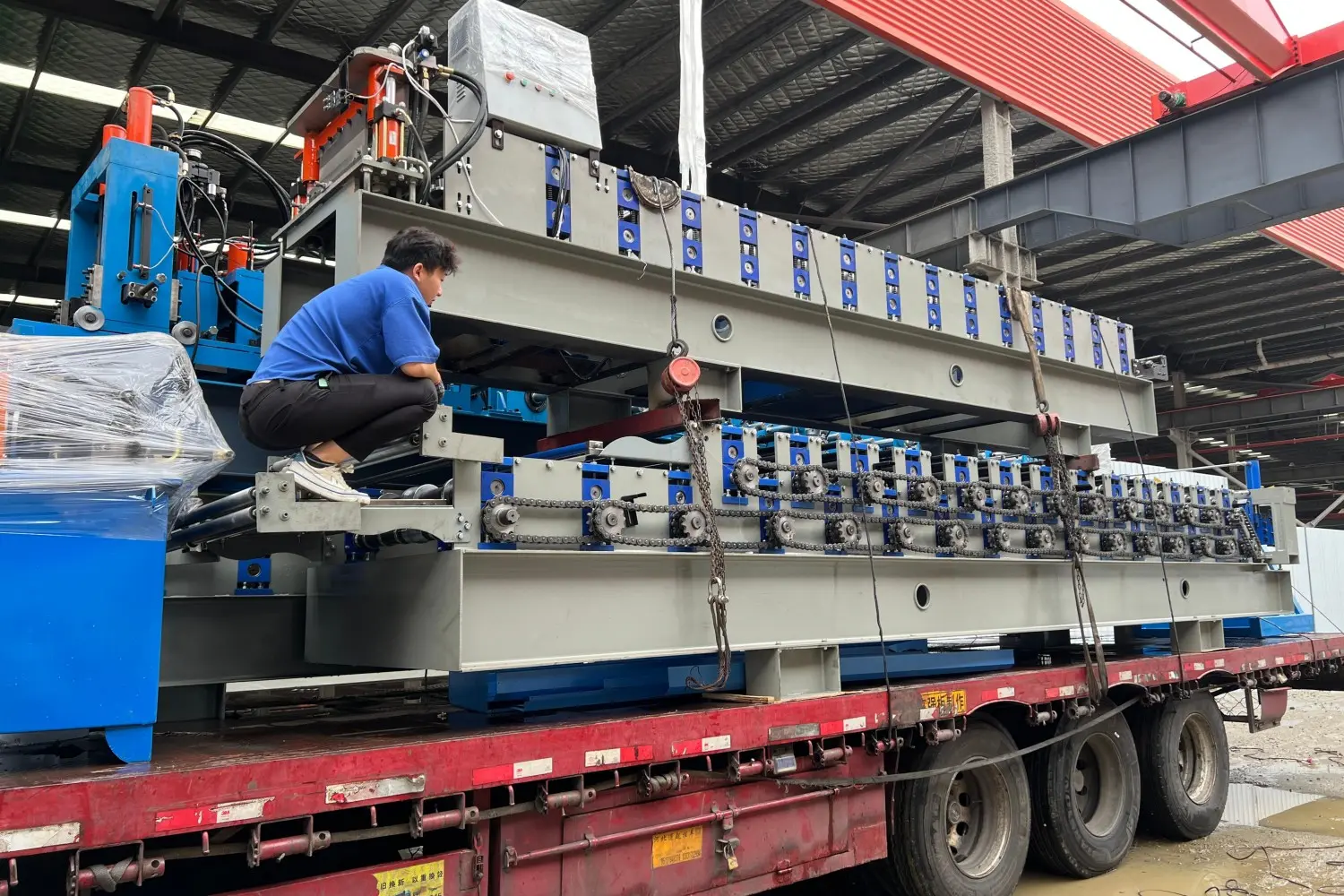
By leveraging China's advanced industrial supply chain ecosystems, XC offers a balance of value, precision, and reliable lead times. Our facility integrates CNC machining centers for precise roller fabrication, heat treatment furnaces to guarantee structural longevity of the tooling dies (using premium materials like Cr12Mov steel), and laser scanning quality control systems.
For Melbourne commercial contractors, importing customized roll forming equipment from an Industry 4.0 factory translates to reduced CAPEX, rapid ROI, and tailored designs that match specific Australian coil thickness and yield strength requirements.
Every roll forming machine built in our factory undergoes rigorous, non-destructive testing and pre-shipment trial runs using standard materials of designated yield strengths (G300 to G550). We check each profile using optical profile projectors and coordinate measuring machines (CMM) to verify dimensional tolerance within +/-0.5mm.
This strict level of testing ensures that upon arrival in Melbourne, the machine is ready to produce structurally certified cladding, metal purlins, and decking plates with zero local assembly calibration delays.
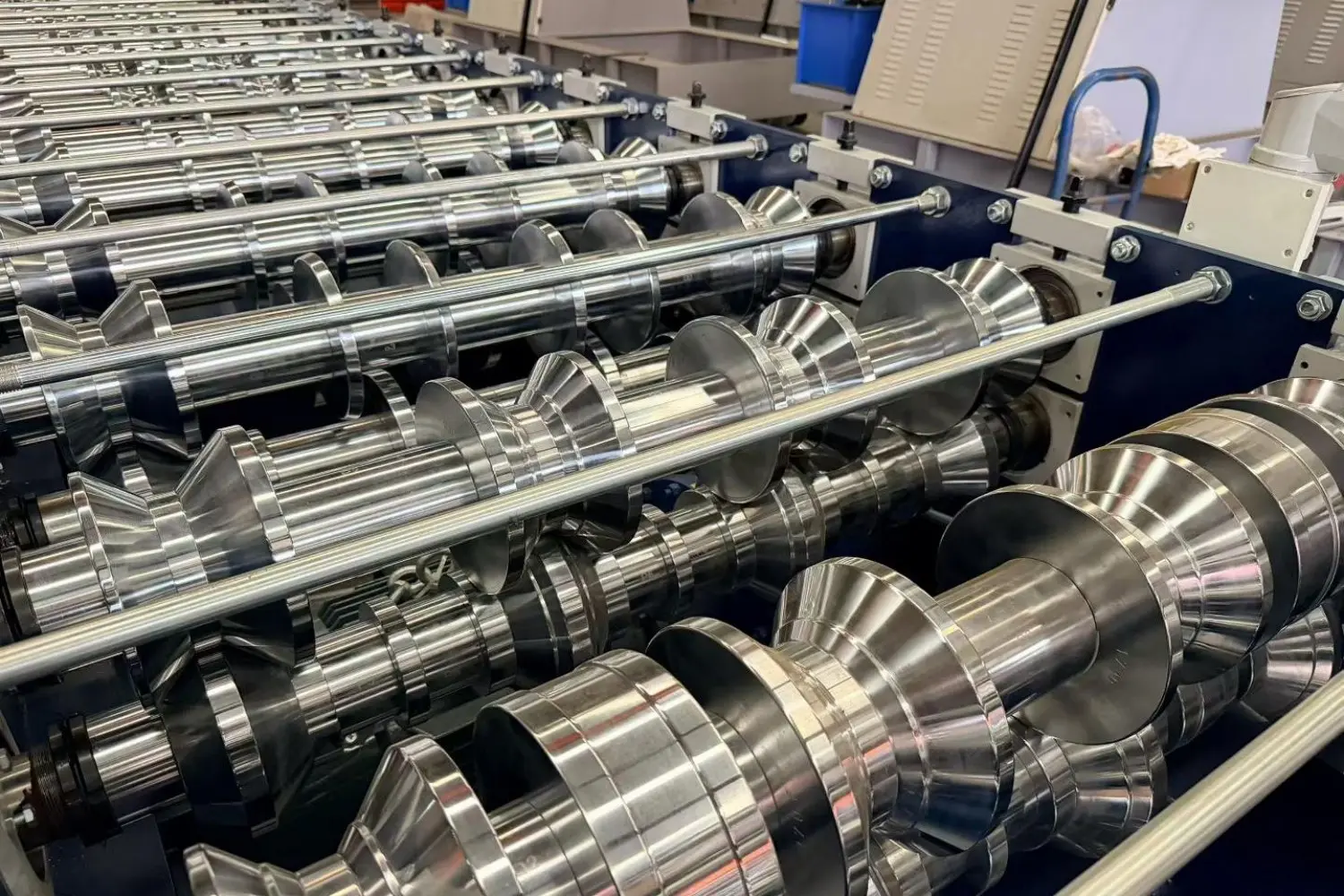
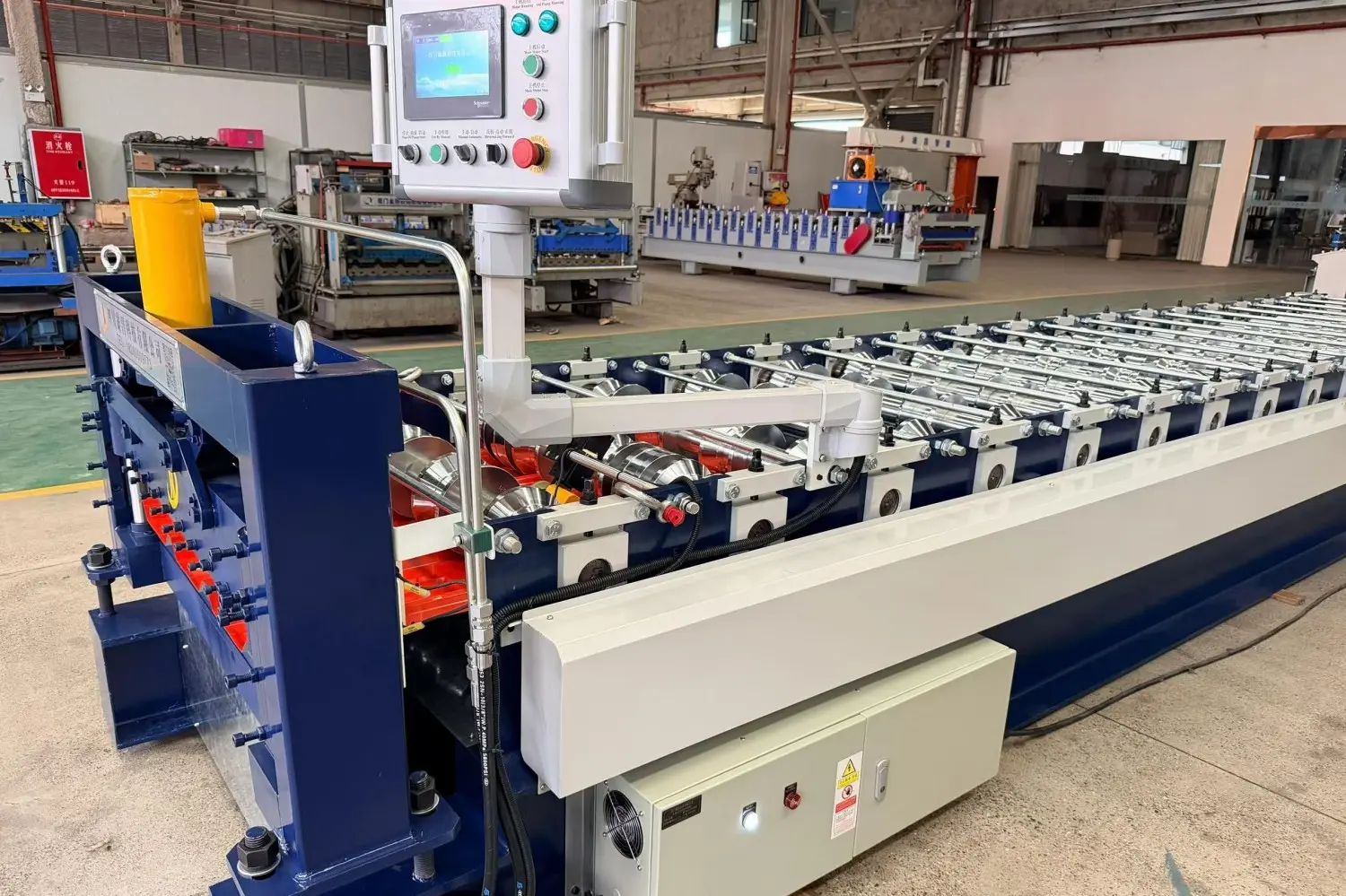
XC provides lifecycle engineering support. This goes beyond simple product manufacturing to include detailed profile design consulting, hydraulic schematic customization, and pre-loading training. For our Melbourne clients, we arrange dedicated digital technical dispatch or support on-site setup, ensuring seamless integration with your local manufacturing line and minimizing installation downtime.
From heavy structural framework to residential roof cladding, our products power diverse industrial, commercial, and residential developments.
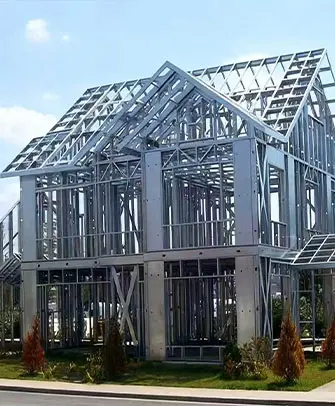
High-precision framing mills, floor decking machines, and custom purlin production lines engineered for Victorian industrial projects.
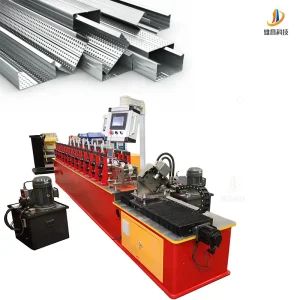
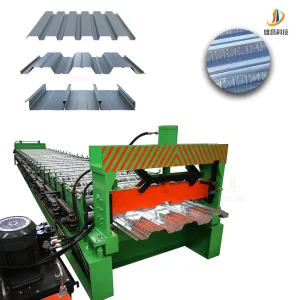
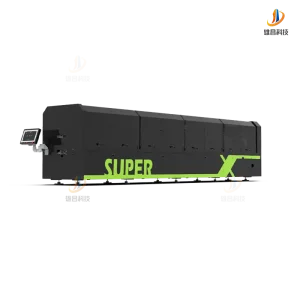
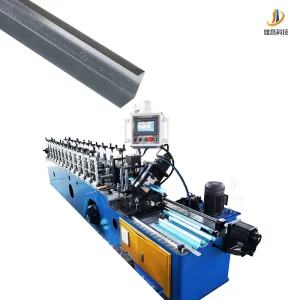
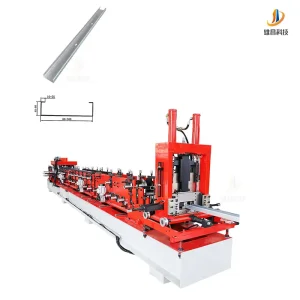
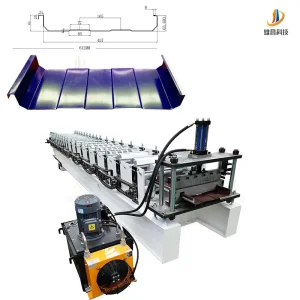
Technical clarifications on importing, standards compliance, and operation of cold roll forming machines in the Australian market.
Yes. All machines exported to Australia can be customized to comply with local wiring standards and electrical requirements. We supply premium electronics, including Siemens or Mitsubishi PLCs, components conforming to IEC standards, and emergency-stop protocols that integrate smoothly with local safety systems.
Our profiling design software (COPRA) simulates stresses and structural behaviors for continuous roll-forming stages. This maintains uniform metal flow and preserves the zinc/metallic coating integrity of cold-formed products, avoiding micro-fractures in structural steels like G550 and G300, which are commonly utilized in the Victoria region.
We offer full logistics management, including secure container packaging and anti-rust preparation. Typically, shipment from our Chinese factory to the Port of Melbourne takes between 18 to 25 days. We provide comprehensive import documentation, including packing lists, technical manuals, and bill of lading (B/L) clearances, to facilitate smooth customs operations.
Yes. Our core competence lies in custom roll tooling fabrication. We accept profile CAD drawings, compute the structural roll passes required to construct the section, and fabricate high-durability rollers using precision CNC tooling centers. Pre-delivery trial runs are filmed and analyzed with high-precision equipment to verify client specifications.
 Xiongchang