High-efficiency roll forming systems engineered for modern architecture, structural roof profiling, and heavy-duty building envelope requirements in the Riyadh metropolitan area.
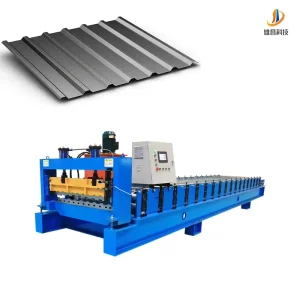
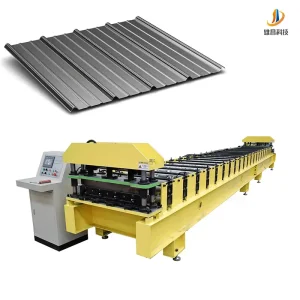
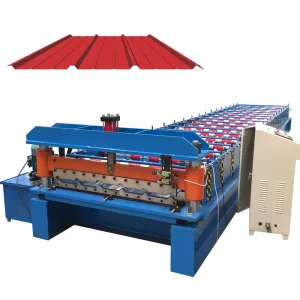
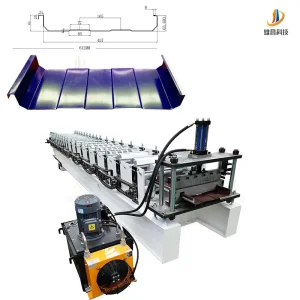
Riyadh is experiencing an unprecedented industrial and real estate expansion, catalyzed by the visionary initiatives of Saudi Vision 2030. As giga-projects like ROSHN housing developments, Diriyah Gate, and major logistic parks expand around the capital city, there is a surging demand for premium, durable, and thermally efficient building cladding solutions. Traditional heavy roofing materials are rapidly being replaced by light-gauge, high-durability steel and aluminum profile panels.
Among these, Glazed Tile roofing has emerged as the premier choice for combining heritage aesthetics with modern engineering. Glazed tile panels emulate the traditional appearance of Mediterranean clay tiles while delivering the superior load bearing, weather resistance, and rapid installation advantages of coated steel. To feed this massive regional demand, local contractors and metal fabricators are shifting from importing pre-formed panels to establishing in-house, high-volume production using heavy-duty roll forming systems.
Operating roll forming machinery in the Central Region of Saudi Arabia presents unique environmental challenges. The machinery must withstand extreme ambient temperatures (exceeding 50°C during summer), high atmospheric dust, and maintain absolute dimensional precision over continuous production runs using locally sourced SABIC steel coils.
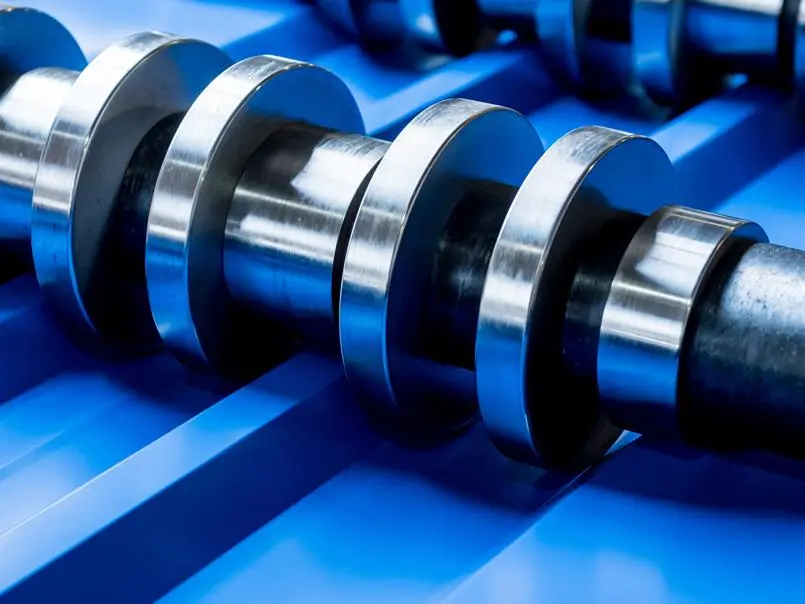
As an established global expert in the field of metal cold roll forming, XC (Xiongchang) provides fully integrated engineering solutions. Our comprehensive portfolio encompasses core production machines for architectural roofing, floor decking systems, heavy industrial doors, and structural cold-formed framing, alongside the complete suite of high-efficiency auxiliary line equipment essential for streamlined operation.
For more than two decades, our engineering teams have designed and manufactured industry-leading cold roll forming equipment, tailoring systems to meet the unique challenges of regional manufacturing environments across the Middle East, Africa, and Asia. We combine deep metallurgical expertise with state-of-the-art automation control systems to guarantee every machine delivers exceptional ROI and lifetime value.
Explore Factory Tour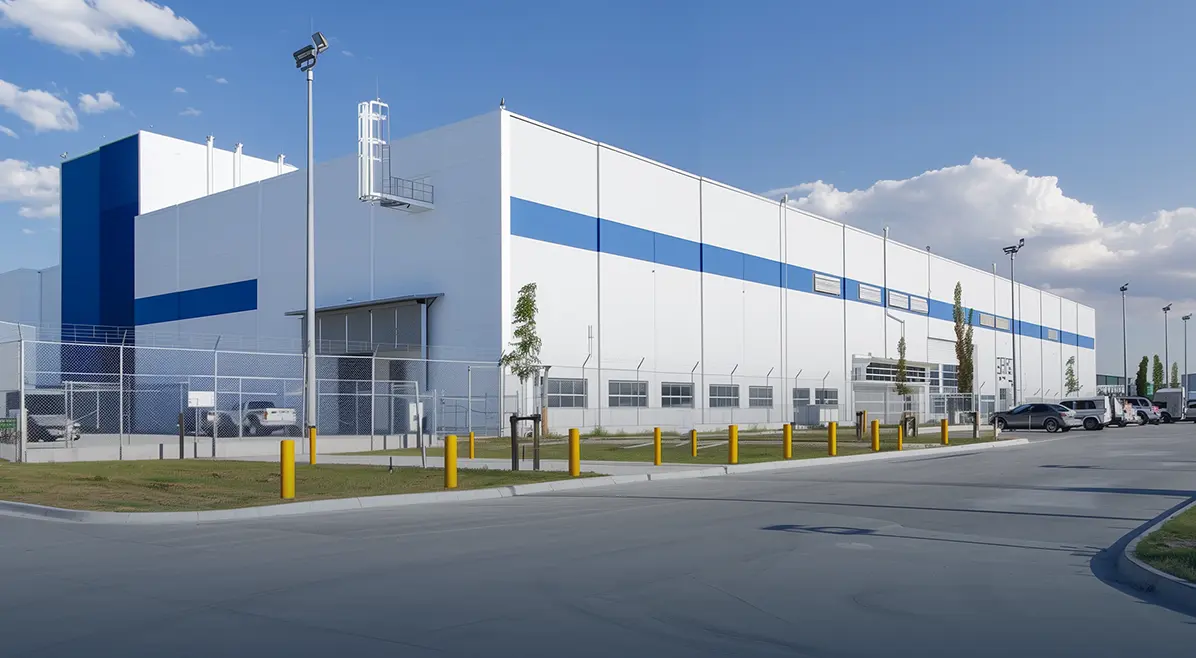
Developing reliable roll forming lines capable of flawless output starts with rigorous engineering, heavy-duty raw materials, and high-precision tooling fabrication.
We host a specialized team of senior mechanical engineers and PLC programmer specialists. They design custom rolling flow passes optimized for specific material yields, ensuring profiles emerge without oil-canning, micro-cracks, or coating damage.
Substantial continuous investments in automated CNC milling centers, precision lathe boring machines, and heat treatment rooms guarantee absolute dimensional consistency across all roller groups and solid alloy forming shafts.
XC (XiongChang) has operated as a leading supplier of metal rolling lines worldwide. Our deep industry knowledge allows us to anticipate environmental, material, and operational constraints for our clients, creating trouble-free commissioning.
Our commitment to raw mechanical force, rigid structural frames, and intelligent automation enables us to supply integrated, fully hands-free roll forming packages. We utilize high-rigidity structural steel plate weldments for machine frames, ensuring no frame twisting or deflection during heavy forming operations. Our roller materials are selected from premium GCr15 bearing steel or Cr12MoV mold steel, undergoing precise vacuum hardening heat treatments and CNC turning to ensure a surface hardness of HRC58-62, which is then finished with hard chrome plating to protect painted steel coils from surface scratching.
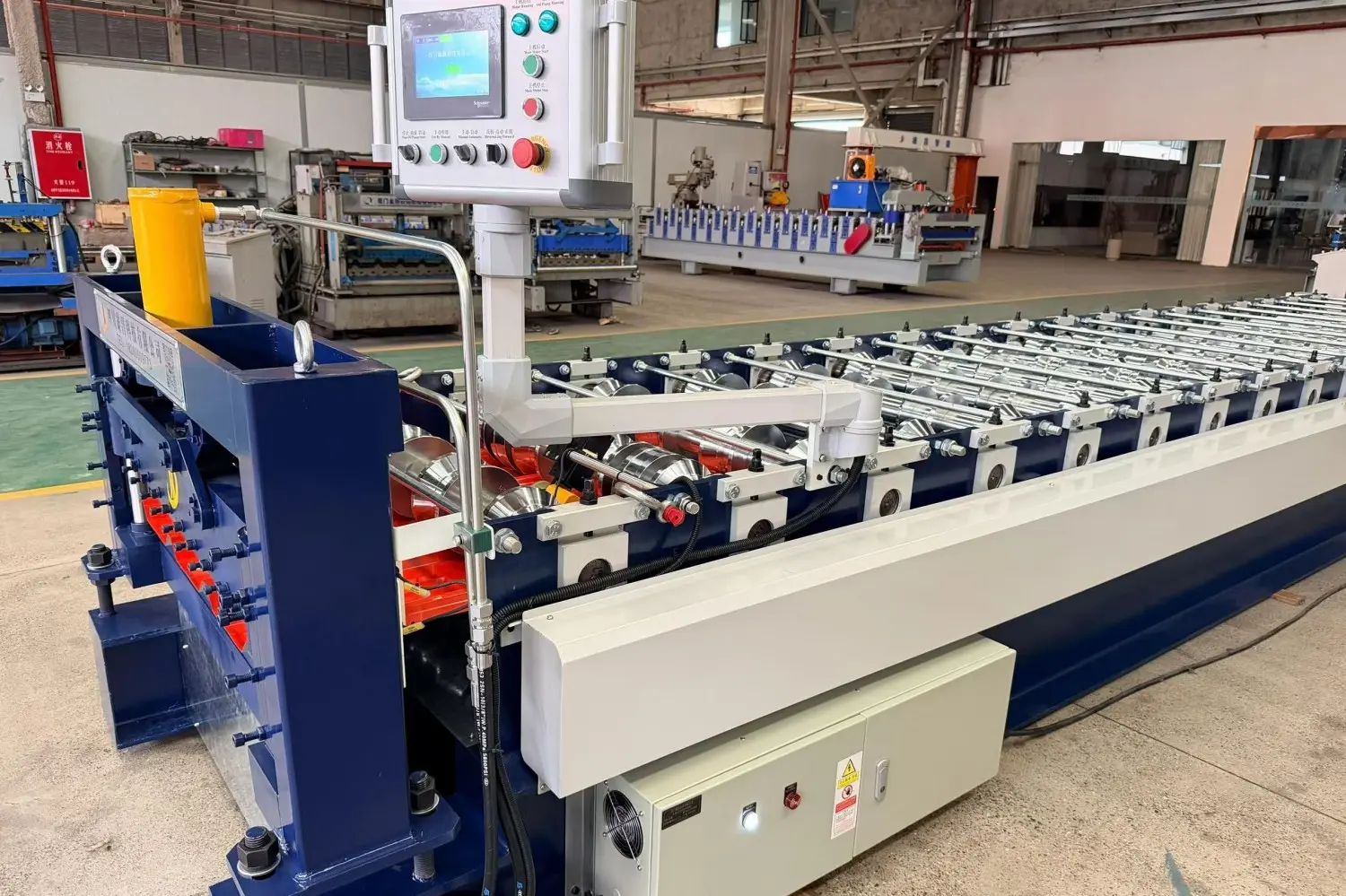
Every system integrates Siemens or Delta touch screen human-machine interfaces (HMI) coupled with smart PLC processing units. The control software is configured to store multiple product recipes, adjusting cutting lengths, batch sizes, and step pitch depths directly from the screen, making operation smooth and simple for regional operators.
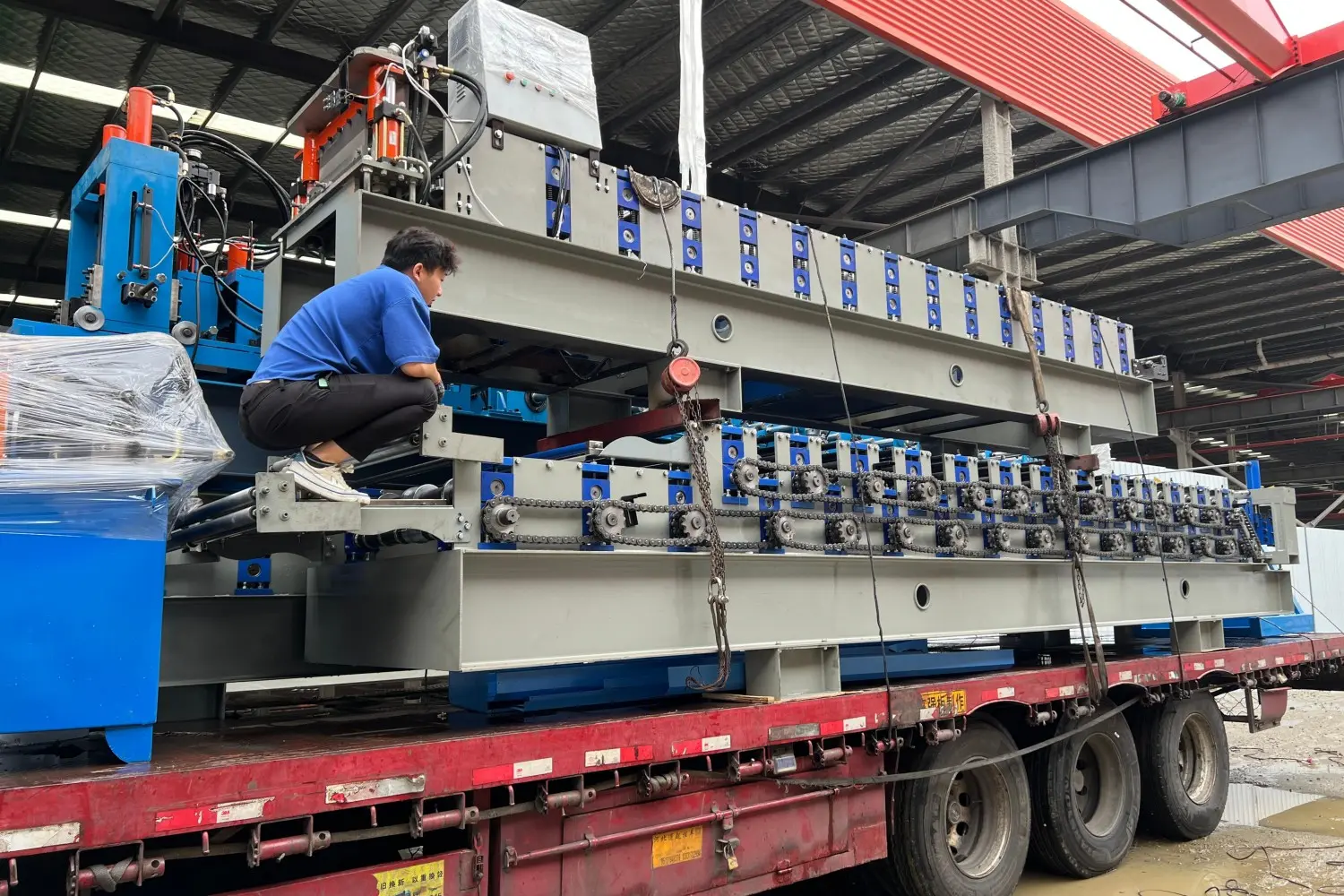
Industrial machinery deployed in Saudi Arabia's Central Region must be designed to withstand severe heat, micro-dust contamination, and specific regional material behaviors.
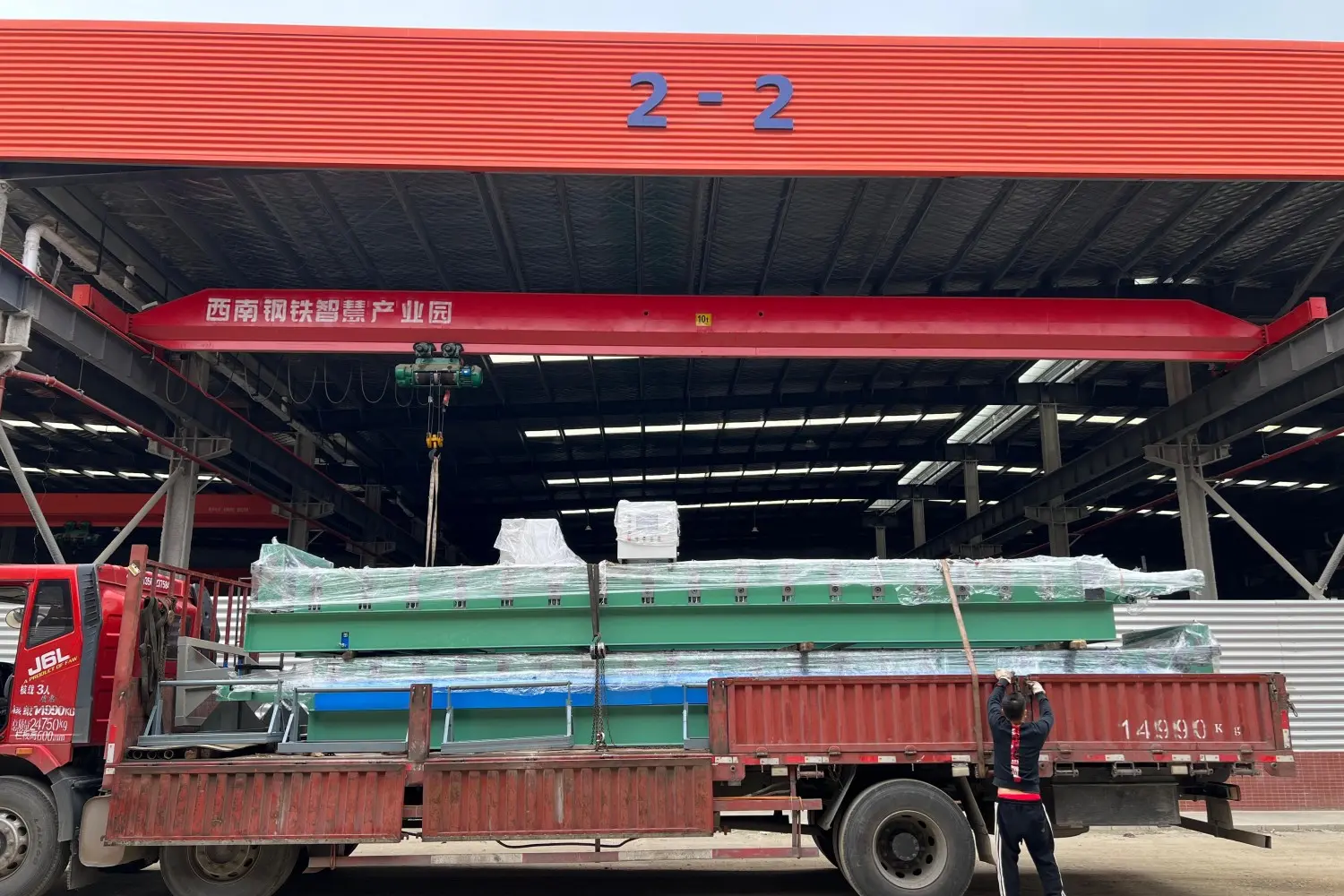
Riyadh is situated on the Najd Plateau, an area characterized by fine, abrasive sand particles and extremely dry summers. If unchecked, airborne silica dust can enter bearing housings, hydraulic manifolds, and drive chains, accelerating wear and causing catastrophic breakdown. We address these conditions by employing:
Additionally, because local roof designs must accommodate high solar thermal expansion, our machines can be customized to form specific overlap geometries, allowing roof panels to expand and contract smoothly without risking joint separation or leakage.
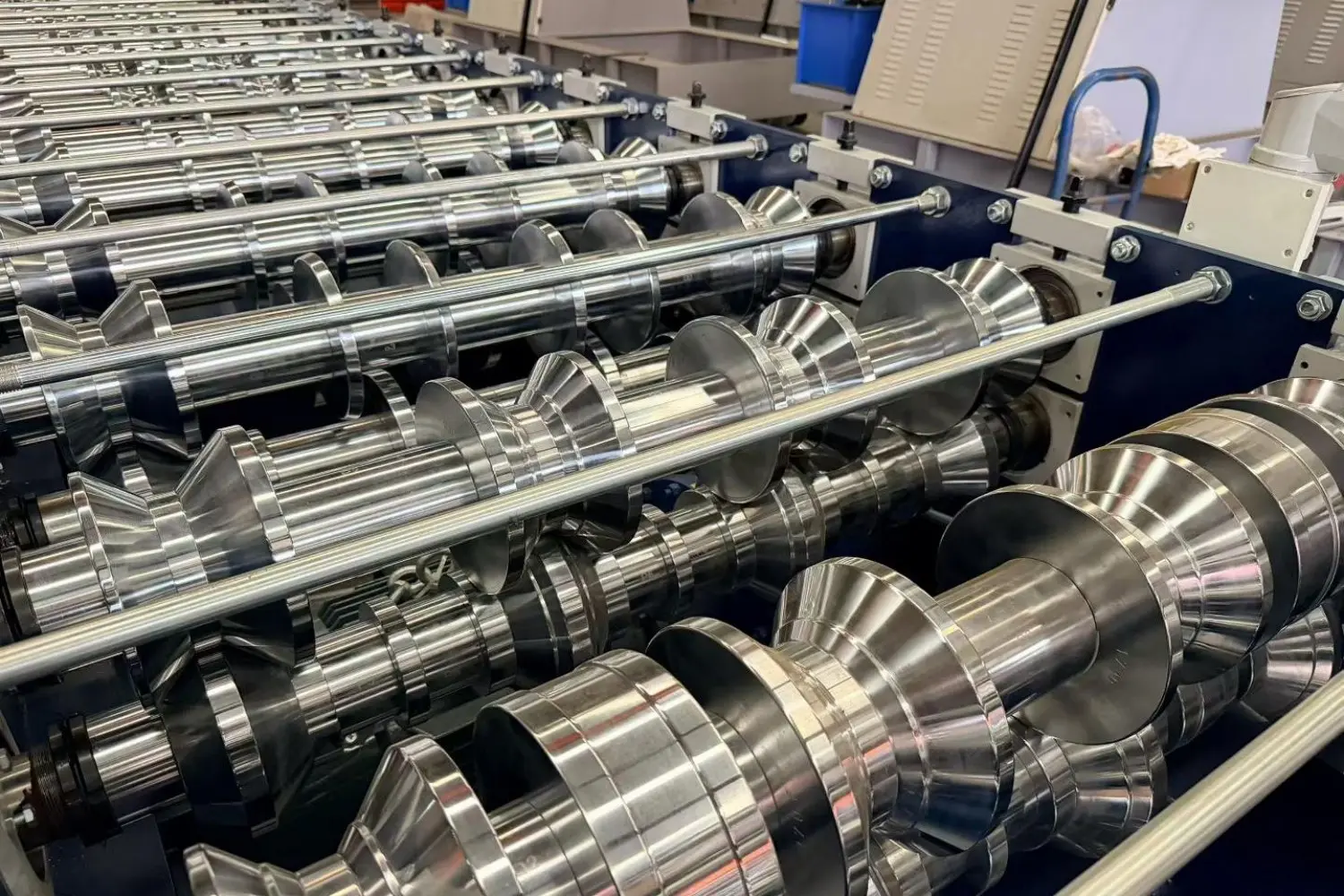
To ensure flawless performance upon installation, XC implements a rigorous multi-stage verification protocol. Every roll forming line undergoes a continuous dry-run test followed by a load test using client-specified metal coils. We analyze profile height consistency, overlapping tolerances, paint surface integrity, and cutting precision down to ±0.5mm.
Our quality control department utilizes high-precision optical digital calipers, ultrasonic thickness gauges, and hardness testers to verify that all structural frames, transmission shafts, and roller components comply with international ISO 9001 and CE machinery directives.
Our engineering partnership does not end when the shipping containers leave our factory. XC offers complete end-to-end commissioning and lifecycle support:
XC designs and manufactures specialized profiling machines across multiple key industrial sectors, enabling factories to achieve scale and quality.
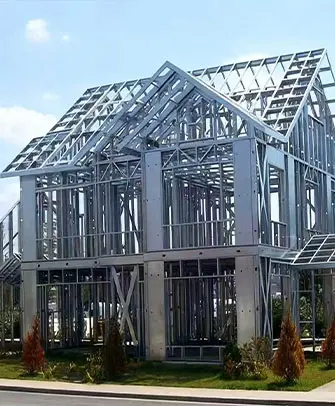
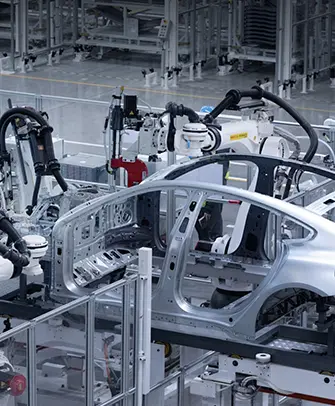

Explore our full range of structural C/Z purlin mills, heavy-duty floor deck profile lines, light-gauge steel framing machines, and locking standing seam systems available for export to the Riyadh market.
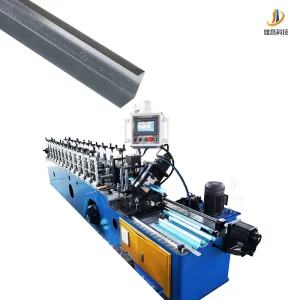
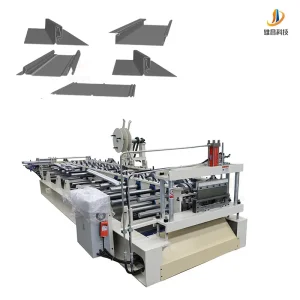
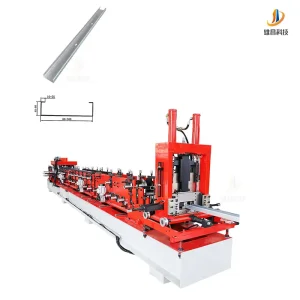
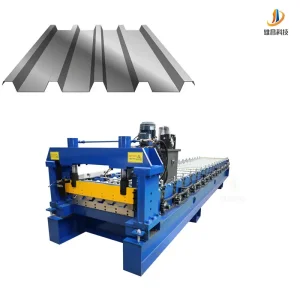
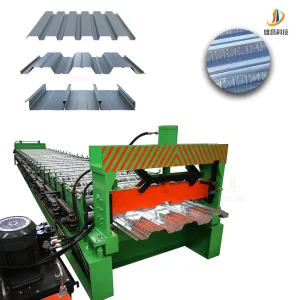
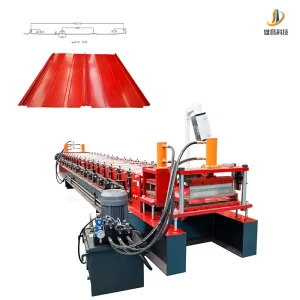
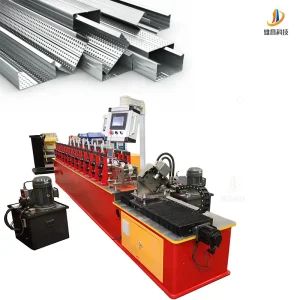
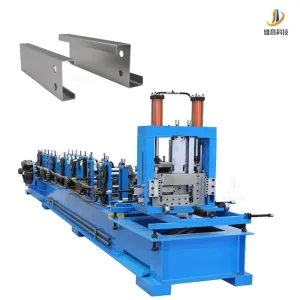
Technical guidance for architects, procurement managers, and plant operations directors setting up forming lines in Saudi Arabia.
For high-quality glazed tile roll forming, we recommend pre-painted galvanized steel (PPGI) or Aluzinc (PPGL) coils with a yield strength of 240 MPa to 300 MPa (G300). The optimal thickness is 0.4mm to 0.6mm. To resist the harsh UV exposure of Saudi Arabia, the top paint coating should specify PVDF or high-durability polyester (HDP) with a minimum coating thickness of 25 microns.
The "glazed tile" aesthetic is achieved via a two-stage process: first, continuous rolling stations shape the longitudinal profile, and then a vertical hydraulic stamping press stamps the step joints at pre-programmed pitches (usually 250mm to 350mm). Our roller profiles are engineered with gradual deformation transitions (passes), and we polish all contact surfaces to a mirror finish to ensure the PPGI coating does not peel or scratch during stamping.
In Saudi Arabia, the standard industrial grid voltage is 380V (three-phase) at a frequency of 60Hz. We build all our control systems, electrical gearboxes, and hydraulic motors specifically for 380V/60Hz to prevent local voltage drops and overheating, ensuring full compatibility with Riyadh industrial park power grids.
We supply machines under multiple Incoterms, including FOB, CIF, and DDU. We pack our roll forming machines in container-proof, rust-inhibiting plastic wrapping, securing all frames with steel wires to prevent shifting during maritime transit to Jeddah Islamic Port or King Abdulaziz Port in Dammam, followed by flatbed road transport directly to your facility in Riyadh.
Looking for a reliable manufacturing partner to supply high-speed, precision roll forming machinery for your next project in Riyadh? Contact our technical engineering team for complete machinery layouts, structural specifications, and pricing packages.
Send Inquiry Now Xiongchang