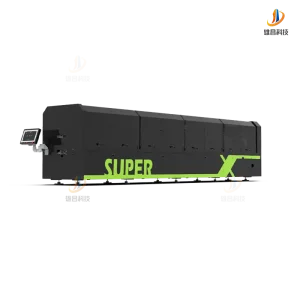
The Peruvian construction sector is undergoing a significant transformation. Driven by rapid urbanization, state-backed housing programs (such as Techo Propio and Mivivienda), and a surge in mining and industrial infrastructure, modern building materials are in high demand. Traditional ceramic tiles and heavy masonry are increasingly replaced by high-performance, lightweight, and seismic-resistant glazed metal tile systems.
In coastal metropolitan regions like Lima and Callao, marine humidity accelerates structural corrosion, creating a strict demand for highly durable Aluzinc and PPGI roofing materials. Conversely, in the high-altitude Andean highlands (e.g., Arequipa, Cusco) and wet Amazonian lowlands (e.g., Iquitos), roofing solutions must withstand heavy precipitation, massive diurnal temperature shifts, and extreme wind loads. Glazed tile roll forming machines play a key role in localizing the production of high-tensile metal roofs that satisfy these distinct geographic demands.
As a global pioneer in cold roll forming engineering, XC (Xiongchang) delivers highly optimized, automated machinery. Our equipment produces precision building profiles that align with regional architectural preferences and international quality standards.
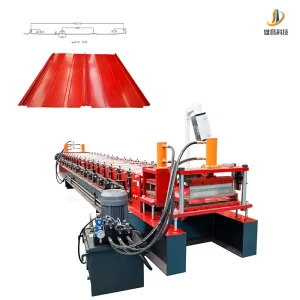
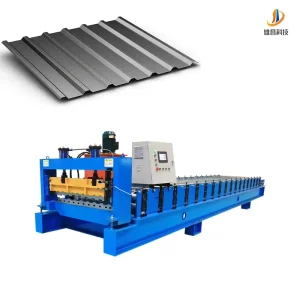
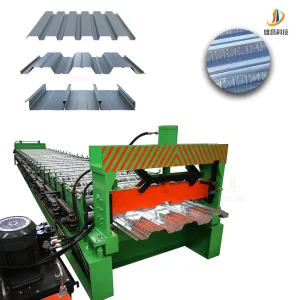
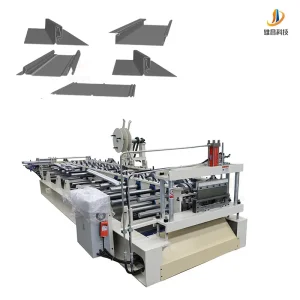
Explore our main roll forming systems engineered for local fabrication projects across the Peruvian coast and sierra regions.
How we design machinery to handle raw materials sourced globally and locally for heavy-duty metal profile manufacturing.
Optimized for processing high-tensile Aluzinc (AZ150), PPGI, PPGL, and galvanized steel coils with yield strengths ranging from G300 to G550, preventing fractures along severe bends.
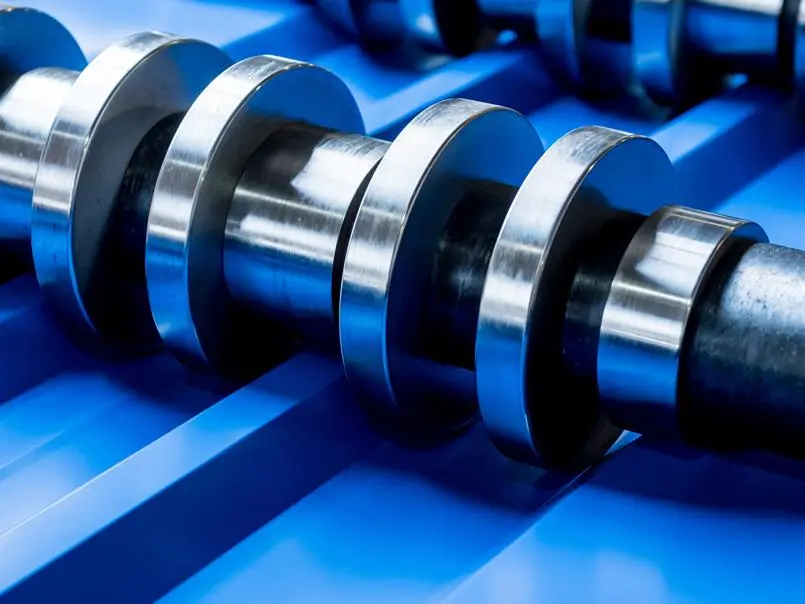
Rollers engineered using specialized tool steel (Cr12Mov or SAE 52100) with CNC heat treatment, vacuum hardening, and hard-chrome plating (0.05mm thickness) to safeguard prepainted paint coats.
Structural profiles designed specifically to meet Peru’s strict seismic standards, providing elastic structural deformation reserves for industrial roof layouts.
Equipped with Siemens/Mitsubishi PLC processors and user-friendly touch screens. Integrates with modern encoder systems to cut lengths within a precision tolerance of ±1mm.
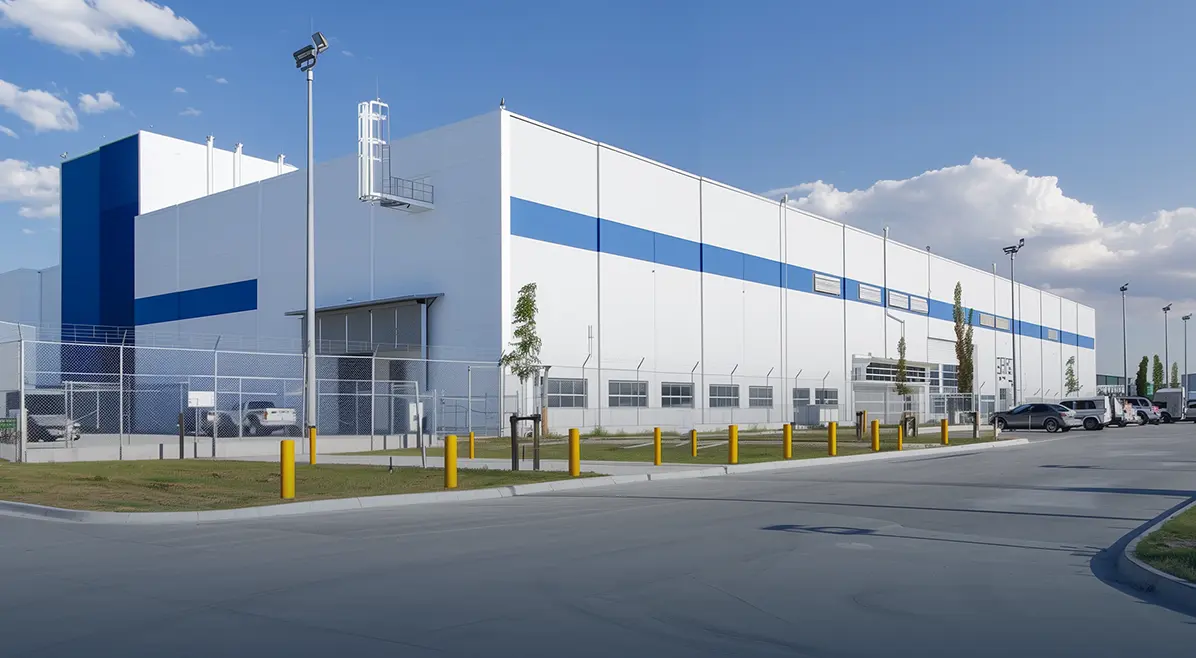
At XC (Xiongchang), we understand that capital equipment investments require reliable long-term performance. Our 50,000 m² ISO-certified manufacturing facility features state-of-the-art gantry milling machines, high-precision machining centers, and comprehensive metallurgic quality inspection equipment.
By designing and testing all machinery under load before dispatch, we ensure that every unit delivers maximum precision. This rigorous testing phase minimizes on-site installation issues, helping local factories quickly ramp up production and capture high-value market share in the Peruvian construction sector.
We supply more than standalone equipment. We provide complete roll forming lines, from heavy-duty hydraulic decoilers and roll forming stations to post-cutting units, hydraulic systems, and automated stackers.
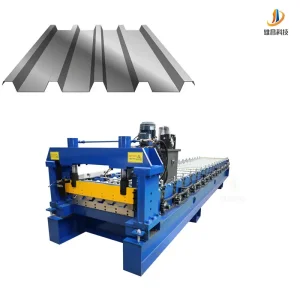
Our specialized roll forming systems produce profiles adapted to Peru's diverse climate conditions, from coastal regions to high-altitude zones.
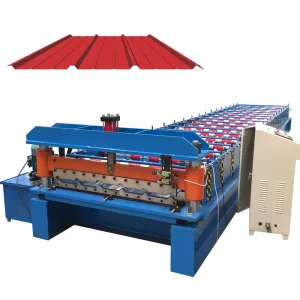
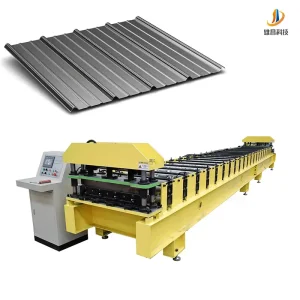
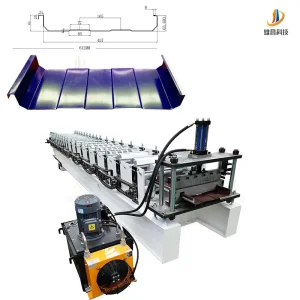
Produces aesthetic, weather-resistant glazed tile profiles and step panels for housing developments in Trujillo, Lima, and Chiclayo.
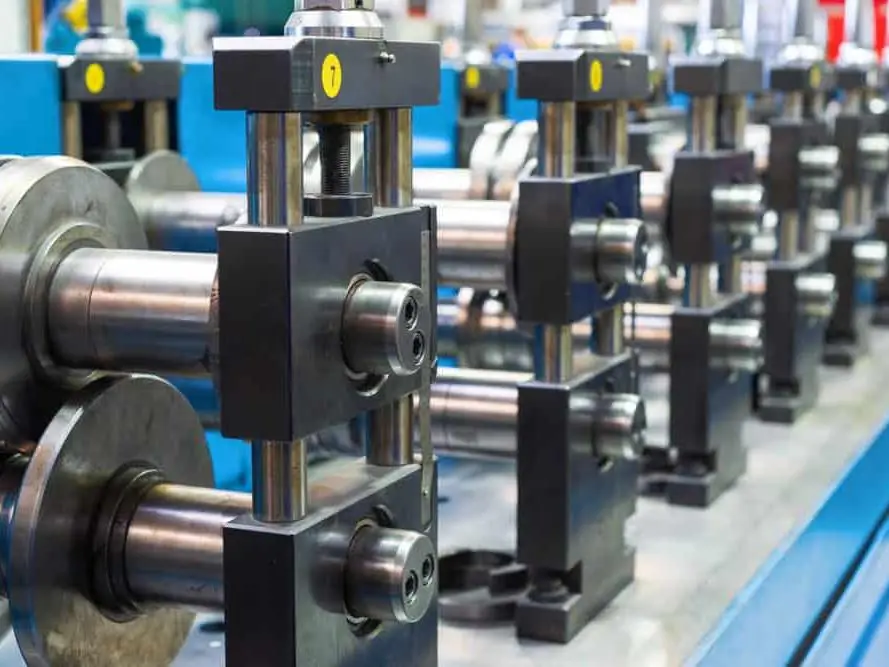
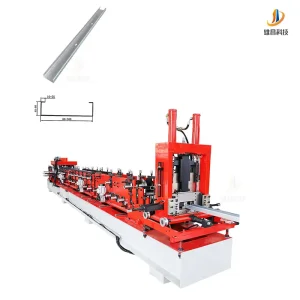
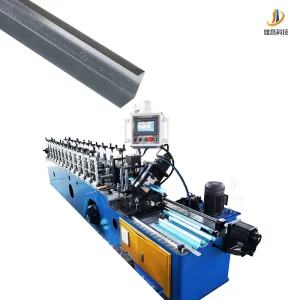
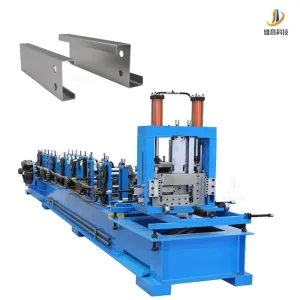
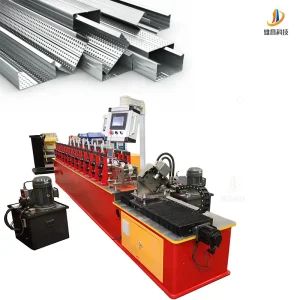
Produces heavy-gauge C & Z purlins, along with light gauge steel studs and tracks for industrial complexes and mine sites.
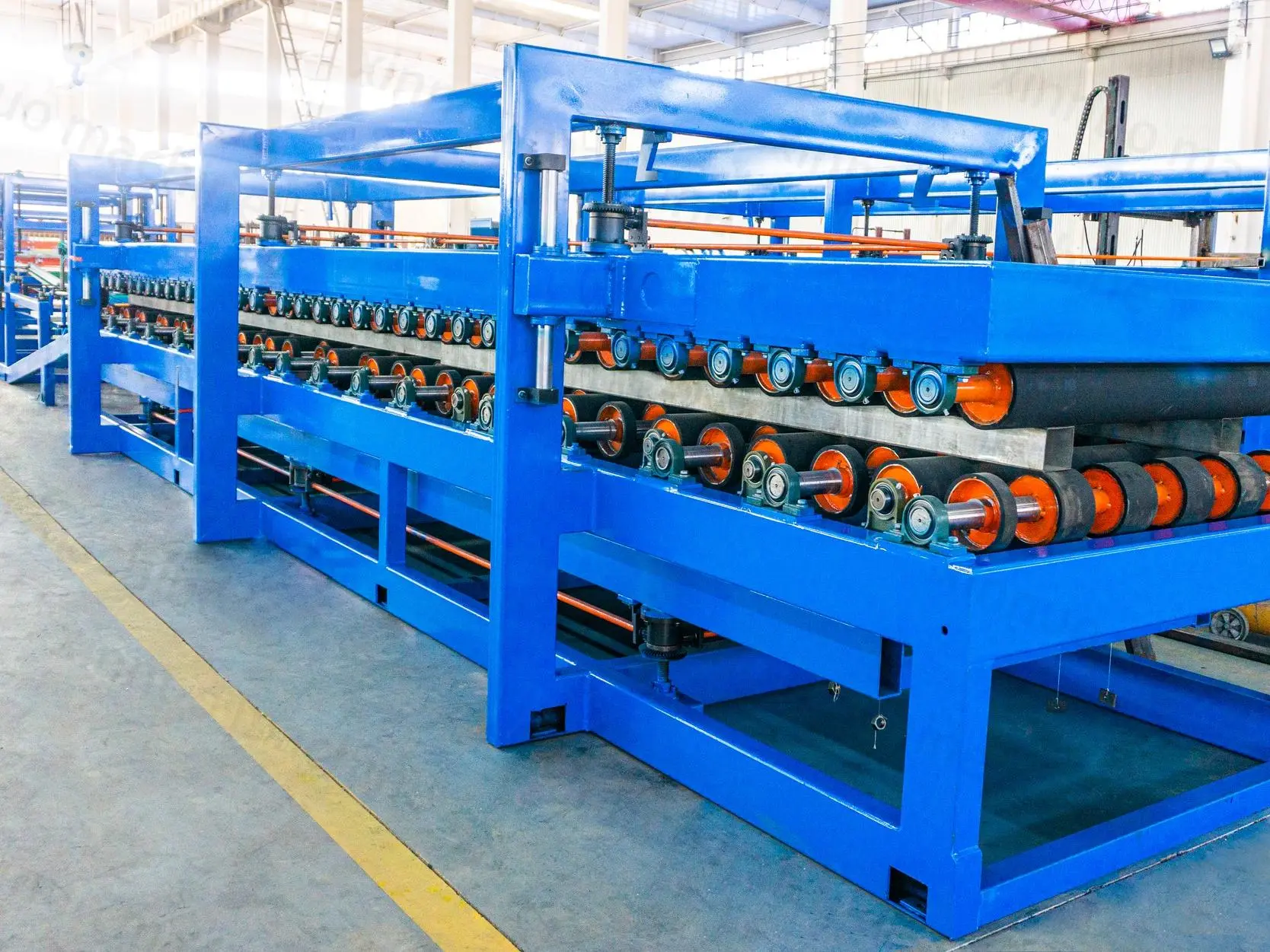
Custom roll forming lines for deep gutters and downspouts, essential for handling torrential rainfall in Peru's tropical jungle regions.
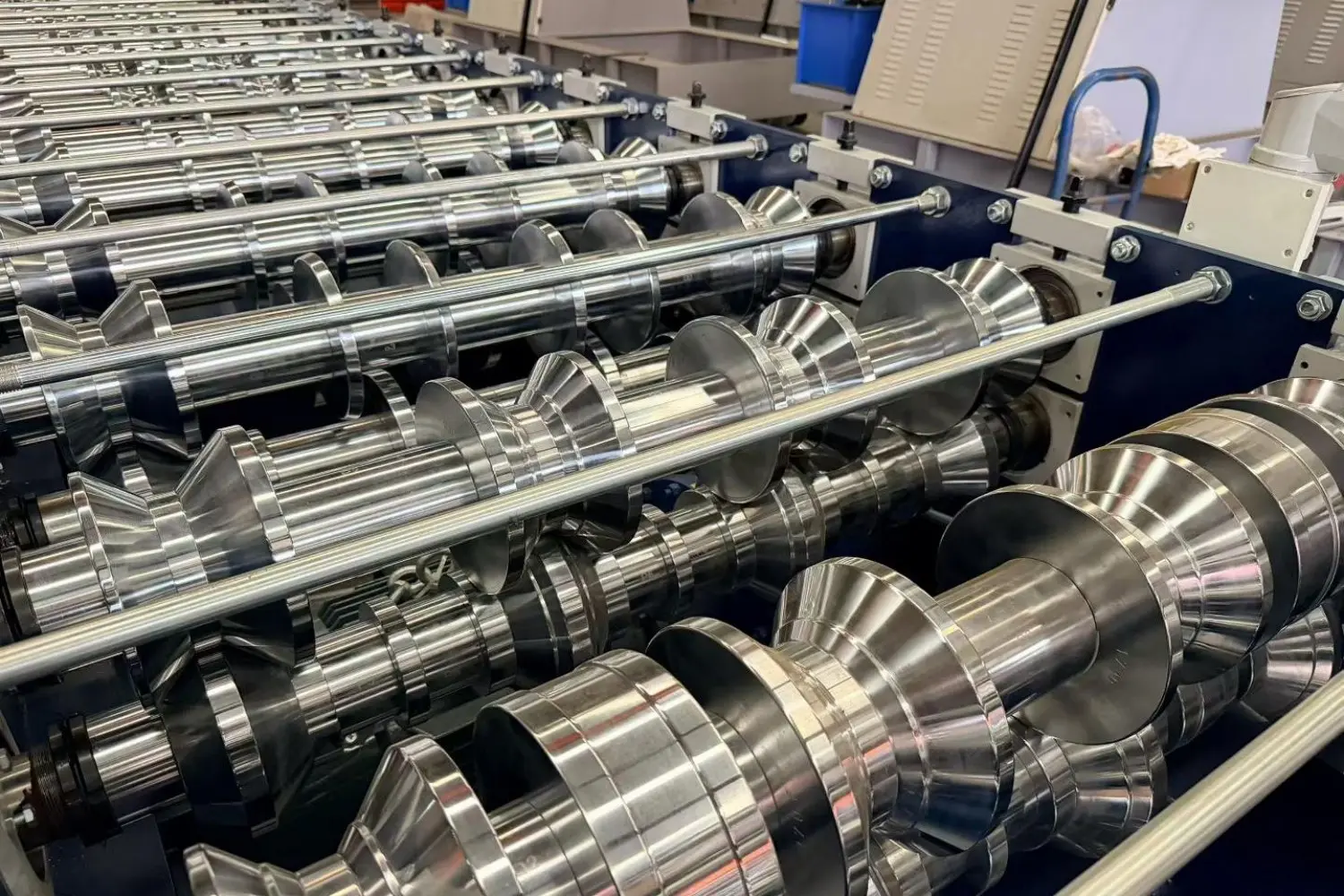
Quality control is critical for precision machinery performance. XC maintains strict quality control measures at every stage of production, from raw material procurement to final component testing.
Our inspection laboratory tests component tensile strength, checks key tolerances, and verifies motor performance. Before dispatch, we run continuous test cycles using customers' steel coils to confirm that profile dimensional tolerances, step depths, and overall surface finishes align with final technical specifications.
Explore Testing Procedures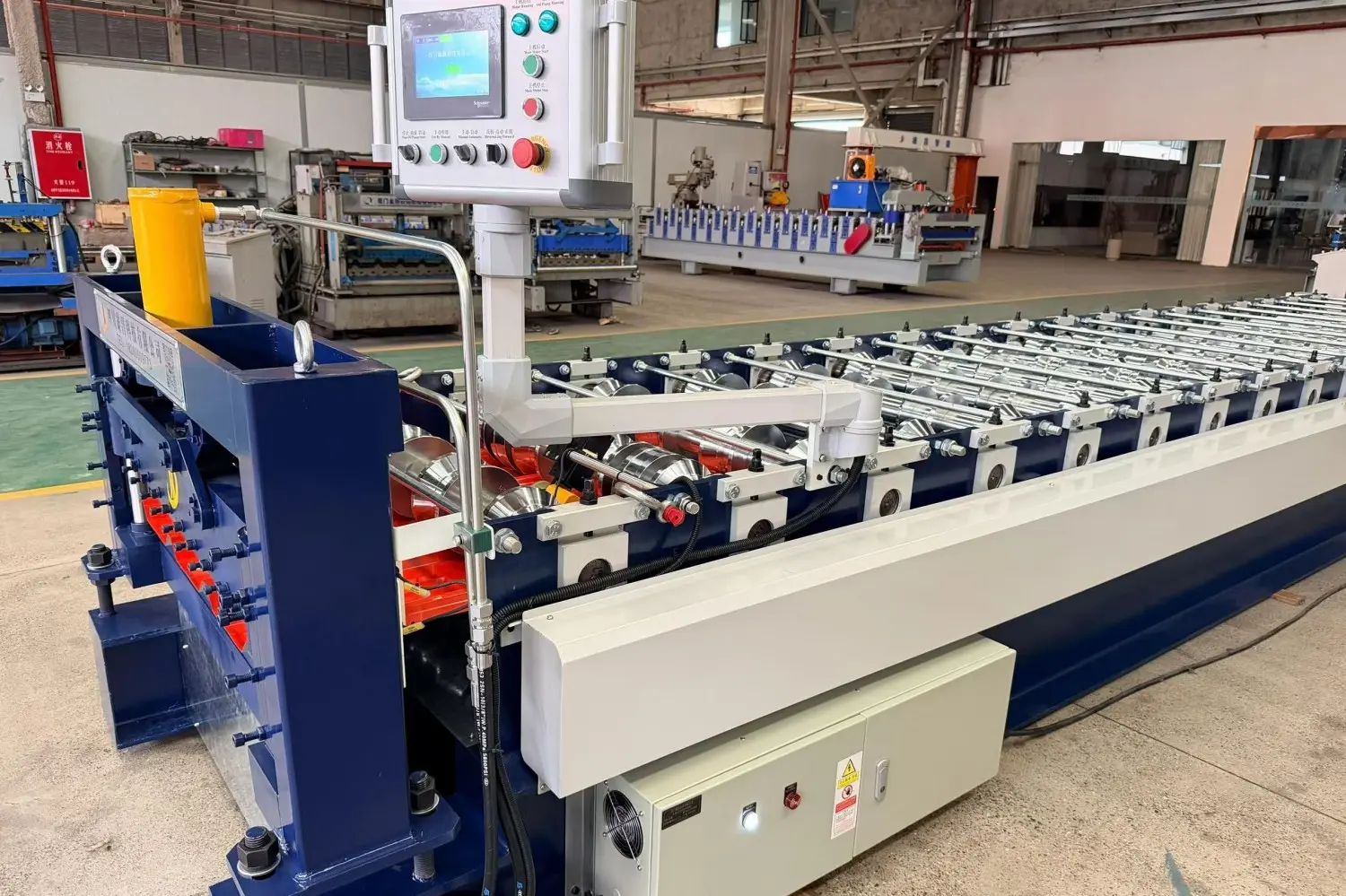
High-precision machinery requires proper installation and setup to maintain long-term reliability. We offer comprehensive, end-to-end commissioning and support programs to ensure your machinery operates efficiently.
Our technical support services include detailed remote installation guidance, localized operator training, and on-site support by Spanish-speaking field service teams. We help local operators master PLC calibration, tooling adjustments, and preventive maintenance, ensuring long-term operational success.
Request On-Site Technical ConsultationOur roll forming lines deliver high-precision metal profiles for a wide range of residential, industrial, and infrastructure projects across the region.
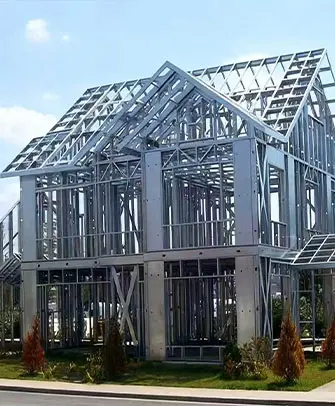
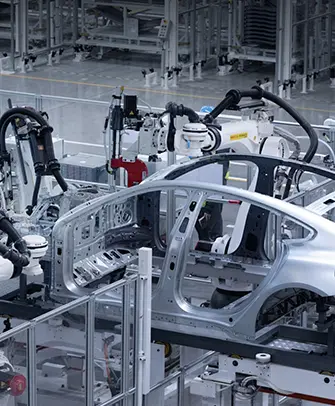

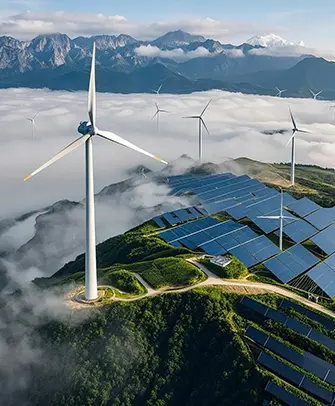
Explore our full range of cold roll forming machines, engineered for diverse profiles, structural components, and roofing configurations.
Procuring roll forming machinery from China requires careful consideration of technical compatibility, logistical pathways, and regulatory requirements. Under the **China-Peru Free Trade Agreement (FTA)**, many types of industrial machinery qualify for preferential customs tariffs when accompanied by a valid **Certificate of Origin (Form F)**. Working with a manufacturer that provides correct documentation helps streamline the customs clearance process at the Port of Callao.
From a technical perspective, raw material quality directly affects the durability of the finished product. In Peru, local steel suppliers like **Aceros Arequipa** and **SIDERPERU** provide high-quality structural steel. When using imported prepainted steel coils (such as PPGI or PPGL with a thickness of 0.4mm to 0.6mm), the machinery's rollers must be precision-engineered. If the roll forming line is not calibrated correctly, the paint layers can scratch or peel, exposing the steel underneath to accelerated corrosion from sea spray and moisture.
Electrical configurations are another key factor. While standard configurations in China operate at 380V/50Hz/3-Phase, Peru's industrial power grid typically uses **220V or 380V at 60Hz/3-Phase**. At XC, we customize all electric motors, hydraulic pumps, and PLC transformers to match local electrical requirements. This prevents on-site wiring issues, overheating, and control system errors during commissioning.
To ensure stable and reliable operation, we also recommend selecting high-quality electrical and hydraulic components. Integrating systems from recognized brands like Siemens, Schneider, and Yuken simplifies long-term maintenance and makes it easier for local technicians to source replacement parts when needed.
Get answers to common technical, logistical, and operational questions about importing and running roll forming lines in Peru.
Peru operates on a 60Hz grid frequency, with industrial voltages typically at 220V, 380V, or 440V, 3-Phase. We customize all motors, hydraulic power packs, and PLC panels to match your factory's exact local electrical requirements. This ensures plug-and-play installation without the need for high-cost frequency inverters.
Yes. Our roll forming systems are designed to process structural steel coils sourced from local Peruvian distributors or imported from global mills. The machines handle standard material thicknesses (ranging from 0.3mm to 0.8mm) and work with prepainted galvanized (PPGI) and Aluzinc (AZ150) coils.
Under the China-Peru FTA, industrial cold roll forming machinery is eligible for reduced or zero import tariffs. To claim this benefit, we provide a Certificate of Origin (Form F) along with all commercial invoices and packing lists. This documentation helps reduce import and clearance costs at the Port of Callao.
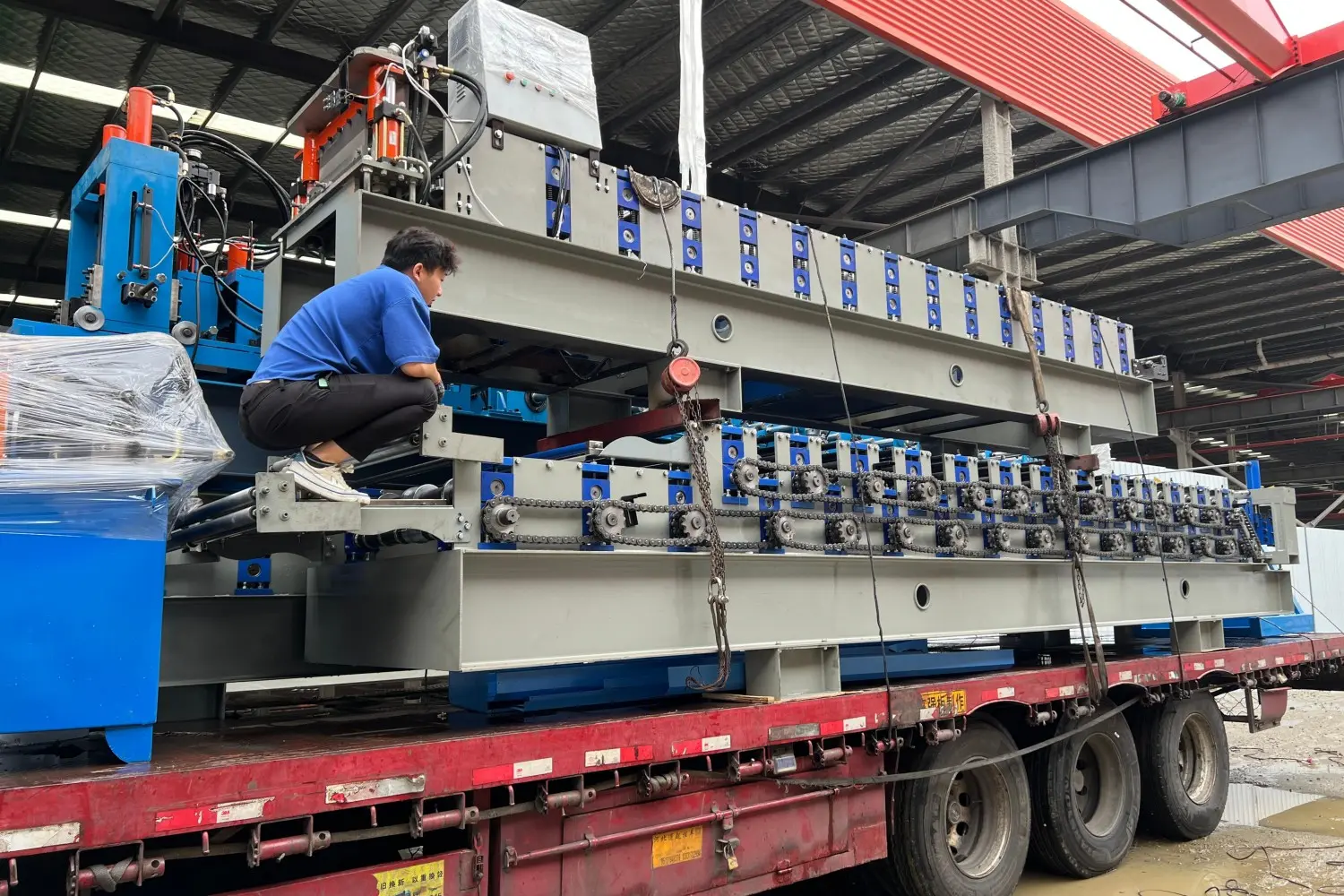
To protect machinery during ocean transit, we apply a professional anti-rust coating to all bright metal surfaces, rollers, and shafts. The equipment is then wrapped in heavy-duty waterproof plastic film and secured in container beds using high-strength steel wire rope. This protection prevents corrosion from sea air during shipment.
Standard roll forming machines require 45 to 60 days to manufacture and test. Custom multi-profile or high-speed systems can take 70 to 90 days. We recommend initiating procurement 4 to 5 months before your project start date to allow adequate time for production, testing, sea transit, and local customs clearance.
Yes. We supply comprehensive operation manuals, wiring diagrams, and troubleshooting guides in Spanish. Additionally, our technical support engineers provide remote installation guidance and on-site training to help your operators master PLC calibration, tooling adjustments, and routine maintenance.
Our rollers are made from premium Cr12MoV tool steel, vacuum-hardened to HRC 58-62, and finished with a hard chrome plating. Under normal operation with regular lubrication, these rollers deliver a service life of over 10 to 15 years, maintaining precise profile dimensions throughout their use.
The traditional Spanish step tile (Teja Colonial) and classic wave profiles are highly popular for residential roofing in Peru. For industrial and commercial applications, standard trapezoidal and corrugated profiles remain the preferred choice.
Our automated control system uses an integrated rotary encoder to measure profile lengths. It works directly with the PLC to trigger the hydraulic shear at the pre-set length. This closed-loop control system maintains cutting tolerances within ±1.0mm, even at maximum production speeds.
We provide a 12-month structural and component warranty. Along with the machinery, we ship a comprehensive spare parts kit that includes extra sensors, cutters, relays, and limit switches. If you need replacement parts during operation, we expedite international shipping to minimize potential downtime.
Speak directly with our engineering department to configure a high-efficiency roll forming line. We customize tooling profiles, motor voltages, and layout footprints to meet your facility's exact requirements.
Send Inquiry Now Xiongchang