Highly optimized double-deck roll formers delivering dual profiles in a singular, compact footprint to maximize floor space and output efficiency.
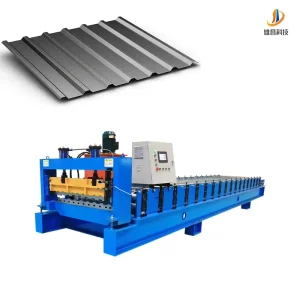
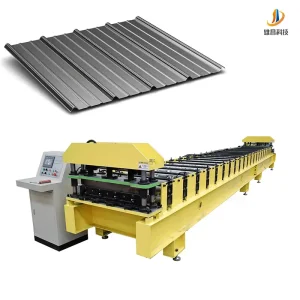
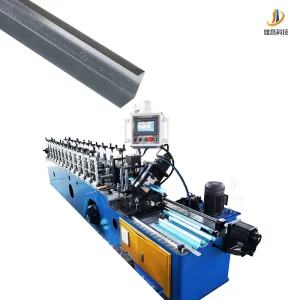
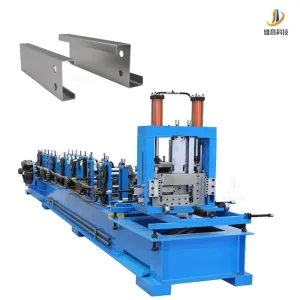
The construction sector across Greater London and the wider UK is undergoing a profound transformation. Driven by the stringent mandates of the UK Building Regulations (particularly Approved Document L, which regulates the conservation of fuel and power) and the ambitious London Net Zero 2030 target, real estate developers and industrial contractors are seeking advanced cladding materials that offer superior insulation, long lifespan, and low carbon footprint. Metal roofing, especially double-layer insulated panels, has transitioned from a specialty choice to a default standard for modern logistics centers, warehouse renovations along the Thames Gateway, and modern office developments.
In high-density industrial hubs such as Park Royal, Croydon, and the M25 ring, manufacturing space carries premium leasing rates. For building envelope manufacturers, placing two separate roll forming lines for U-panels, corrugated panels, or standing seam profiles is financially inefficient. This is where Double Layer Roofing Sheet Making Machines provide immense strategic value. By integrating two independent roll forming systems on a single space-saving frame, manufacturers can double their profile offerings without expanding their production footprint.
London’s architectural preservation laws require commercial retrofits to balance exterior aesthetics with modern environmental compliance. Double-layer metal roofing solutions permit quick installation of external skins while facilitating the integration of high-density mineral wool or polyisocyanurate (PIR) insulation between the metal sheets. This construction method reduces thermal bridging, optimizes HVAC efficiency in large buildings, and provides reliable acoustic dampening for facilities close to urban centers. The ability to roll-form these profiles on-site or in nearby suburban production hubs is vital for maintaining tight logistics schedules under London's strict traffic restrictions.
As an established global expert in the metal forming industry, XC (Xiongchang) delivers high-end integrated roll forming solutions. Our extensive portfolio encompasses core production machines for double-layer roofing, floor decking, structural components, light-gauge steel framing, and the complete range of auxiliary line equipment necessary for optimized workflow integration.
For over two decades, XC has stood as a beacon of engineering integrity and innovation. We design solutions that empower metal fabricators to meet the strict quality certifications of the European and North American markets while retaining cost-efficiency.
Request Technical Consultations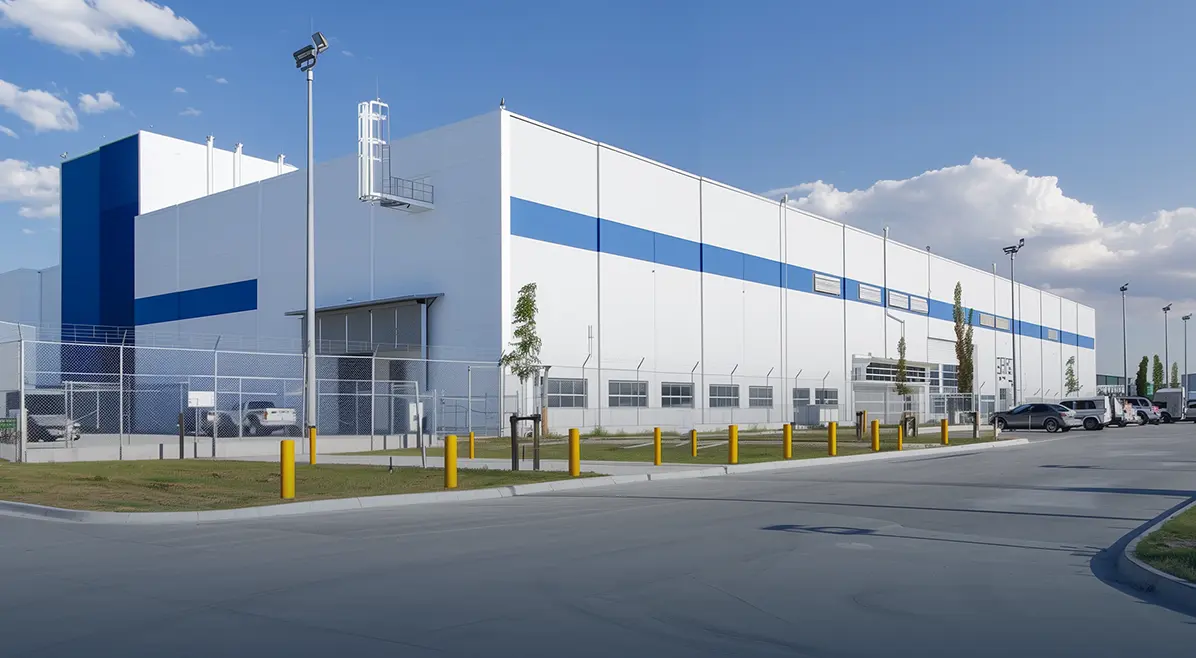
The global metal forming machinery sector is shifting from basic mechanical forming toward smart, high-accuracy, and high-speed multi-profile integration. The double-layer roofing sheet making machine represents this evolution. A single machine is engineered to produce two distinct, popular profiles—such as a classic sinusoidal wave on the top deck and a high-load trapezoidal IBR panel on the bottom deck. This configuration allows fabricators to respond dynamically to changing market demands without changing tooling cassettes or investing in secondary lines.
Modern dual-deck machines leverage sophisticated gear-transmission architectures or independent dual-motor drive designs. By segmenting the upper and lower roller configurations, operators can selectively engage the profile required. This reduces structural wear on idle rollers. In addition, quick-change tooling designs allow lines to be upgraded to new profiles within hours rather than days, drastically reducing downtime in high-cost labor markets like the United Kingdom.
Integrating Industry 4.0 paradigms, contemporary double-layer roll formers incorporate advanced PLC control interfaces (such as Siemens or Mitsubishi) that offer cloud connectivity. Real-time diagnostic feeds monitor motor temperature, hydraulic pressure fluctuations, and material feeding speeds. For a manufacturer in London, this allows remote technical diagnostics directly from the OEM’s engineering center in China, ensuring high machine availability and minimizing production bottlenecks.
Material costs comprise up to 70% of the operational expense in roll forming. Advanced post-cutting hydraulic systems and high-precision encoders minimize head-and-tail scrap. Furthermore, the capability to work with diverse sustainable materials—including recycled steel coil, zinc-tin alloys, and pre-painted aluminum—aligns with the circular economy targets prioritized by European building authorities.
We maintain a specialized team of design engineers and production experts committed to delivering high-precision roll forming equipment that matches strict European safety and quality criteria.
Our substantial investment in state-of-the-art, automated production lines ensures high precision and structural consistency. Every component, from the roll-forming rollers to the heavy steel frame structure, is engineered for industrial resilience.
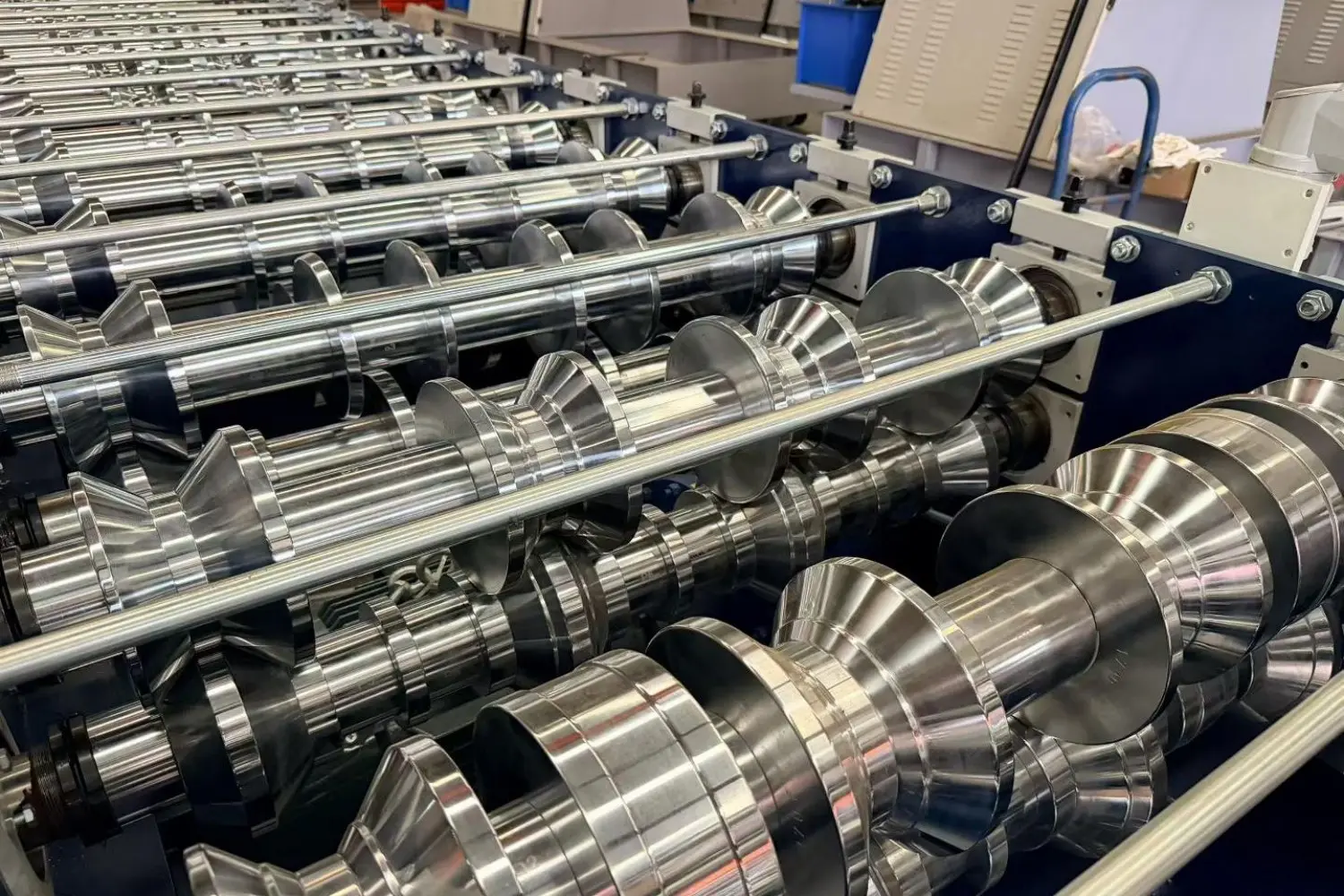
We execute precise heat-treatment protocols on our forming rollers (typically utilizing vacuum-quenched Cr12 or Cr12MoV steel) to guarantee surface hardness above HRC 58-62, ensuring scratch-free profiles and long tooling life.
XC maintains a dedicated testing facility featuring advanced thickness gauges, hardness testers, and structural stress simulators. Every machine undergoes rigorous load testing before international shipping.
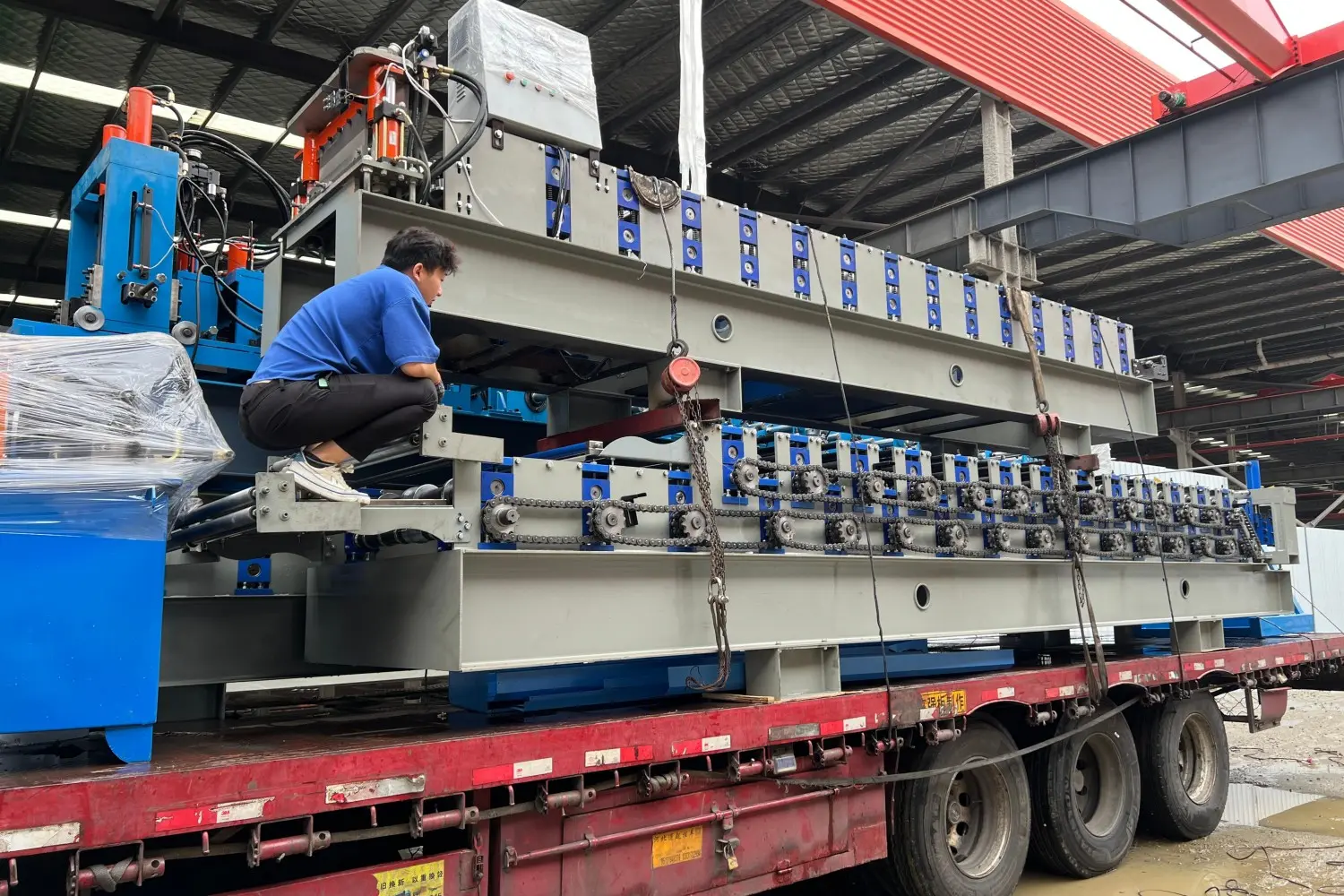
By relying on a highly skilled engineering team and advanced industrial machining equipment, XC provides fully integrated and automated roll forming lines to meet modern industrial needs. We ensure that our customized solutions integrate seamlessly into your current facility layout, supporting fast commissioning and rapid production ramp-up.
Procurement departments within global construction corporations face complex challenges when purchasing heavy machinery. For companies supplying structural roofing to infrastructure projects across the UK, Europe, and the Middle East, the evaluation goes far beyond the initial equipment cost. Total Cost of Ownership (TCO), regulatory compliance, engineering stability, and post-sales support are the primary pillars of modern industrial procurement.
1. Regulatory Compliance (CE, UKCA & UL): Equipment operating within the European Economic Area (EEA) and the United Kingdom must carry CE and UKCA markings. This mandates safety details such as light curtains, emergency stop circuits, covered transmission chains, and low-voltage control cabinets. Equipment must comply with the Machinery Directive 2006/42/EC and electromagnetic compatibility standards.
2. Material Adaptability & Profile Precision: A premium double-layer roofing machine must process multiple steel grades, including G300, G550, and DX51D galvanized steels, plus painted coils ranging from 0.3mm to 0.8mm in thickness. Output profiles must meet strict tolerance standards (e.g., length tolerance within ±1.0mm and wave height tolerance within ±0.5mm), ensuring clean overlaps during construction and preventing moisture penetration.
3. Roller & Shaft Durability: The forming rollers must be manufactured from forged alloys such as Cr12 or GCr15 steel, heat-treated, CNC-machined, and hard-chrome plated. Solid shafts (typically 45# carbon steel or 40Cr with a diameter of 75mm to 90mm) are essential to prevent shaft deflection during continuous operation under high material tensile strengths.
XC maintains a complete suite of detection and testing instruments to rigorously verify the strength, durability, and load-bearing capacities of our equipment. We adhere to standardized quality control protocols at every stage of the manufacturing process, ensuring that all machinery outputs align with customer designs.
From the initial design phase to on-site assembly, XC offers complete technical support. We provide engineering installation, machinery commissioning, and staff training to ensure high productivity. Our dedicated after-sales support team delivers ongoing maintenance, troubleshooting assistance, and spare parts supply to help clients maintain long-term peak performance.
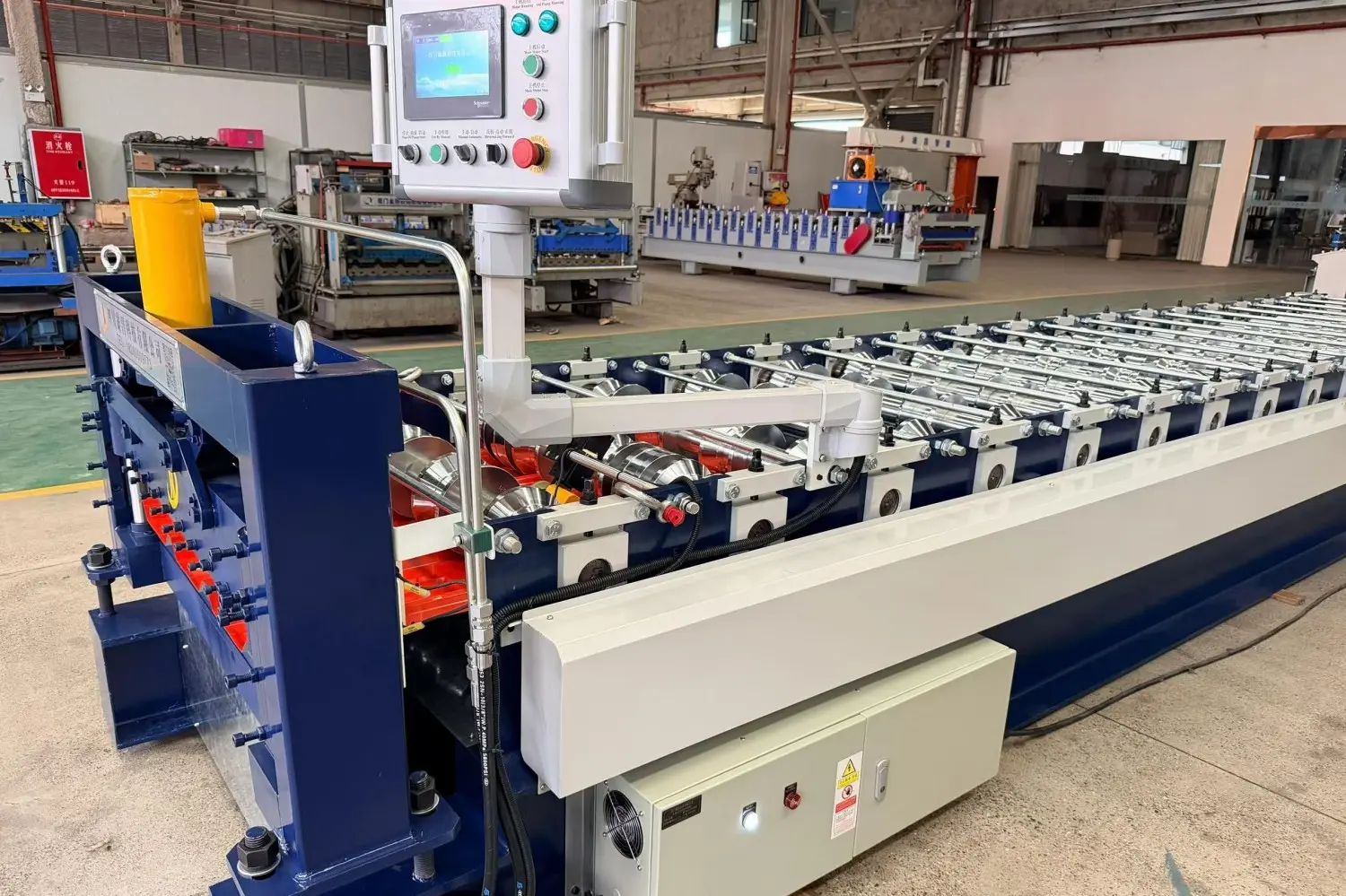
Amid geopolitical shifts, raw material price fluctuations, and global logistical challenges, building a resilient supply chain is critical for industrial projects. Chinese roll-forming machinery manufacturers, led by forward-looking companies like XC, have adapted by upgrading to Factory 4.0 standards. This combines cost efficiency with fast production turnaround times, positioning China as a key sourcing hub for high-performance metal forming equipment.
Integrated Supply Ecosystems: Based in China’s metalworking manufacturing cluster, our 50,000 m² production base secures direct, cost-efficient access to high-grade alloy steels, Siemens electronics, and hydraulic components. This local integration minimizes component lead times, allowing us to build custom double-layer roofing machines within 45 to 60 days, even during peak market demand.
CNC Machining & Robotic Welding: All structural frames are milled using high-precision gantry machining centers to ensure absolute structural alignment. Robot-assisted welding processes guarantee structural integrity under continuous load conditions. High precision at this level prevents roller wear and reduces profile scrap rates.
Pre-Shipment Trial Runs & Virtual Commissioning: We run trial profiles with steel coils supplied by or matched to our clients' specifications. We measure every wave and overlap on-site using precise testing equipment. This virtual commissioning process minimizes assembly and calibration time once the machine arrives in London.
Explore our technical portfolio of specialized roll forming lines, deck machinery, and standing seam systems designed for demanding London industrial sites.
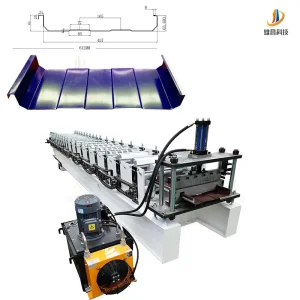
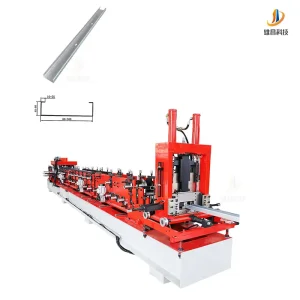
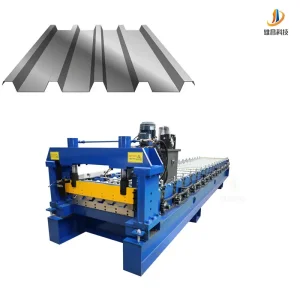
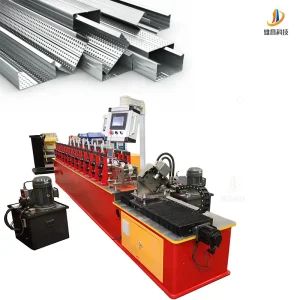
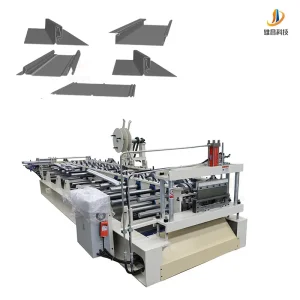
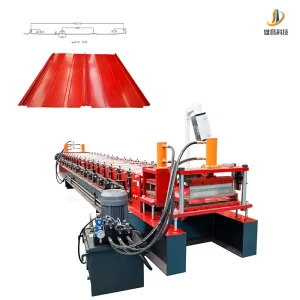
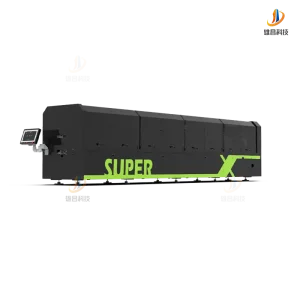
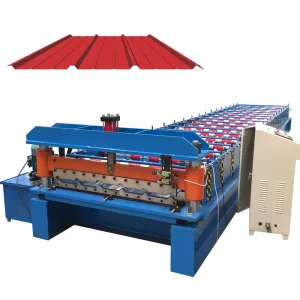
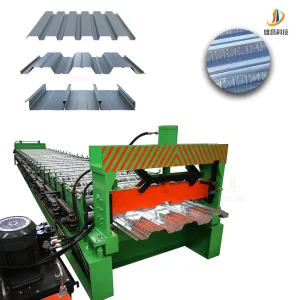
Ideal for commercial high-rise floor structures in London Central Business Districts.
Double-layer roll forming machinery addresses several major challenges in the UK's civil, industrial, and agricultural building sectors. Using dual profiles, fabricators can produce both structural base decks and outer weather layers, meeting the requirements of complex architectural designs.
Along the M25 ring road and logistics arteries like the M1, massive distribution hubs are built using double-layer trapezoidal roofing sheets. The bottom profile acts as a structural liner panel, while the top profile provides a weather-tight envelope. These double-layer panels are typically filled with insulation, helping structures meet strict energy-efficiency criteria.
In suburban London, aging industrial structures and agricultural outbuildings are regularly upgraded with insulated double-skin cladding. Our roll formers produce low-maintenance profiles that are easily installed, improving structural thermal performance and boosting local property values.
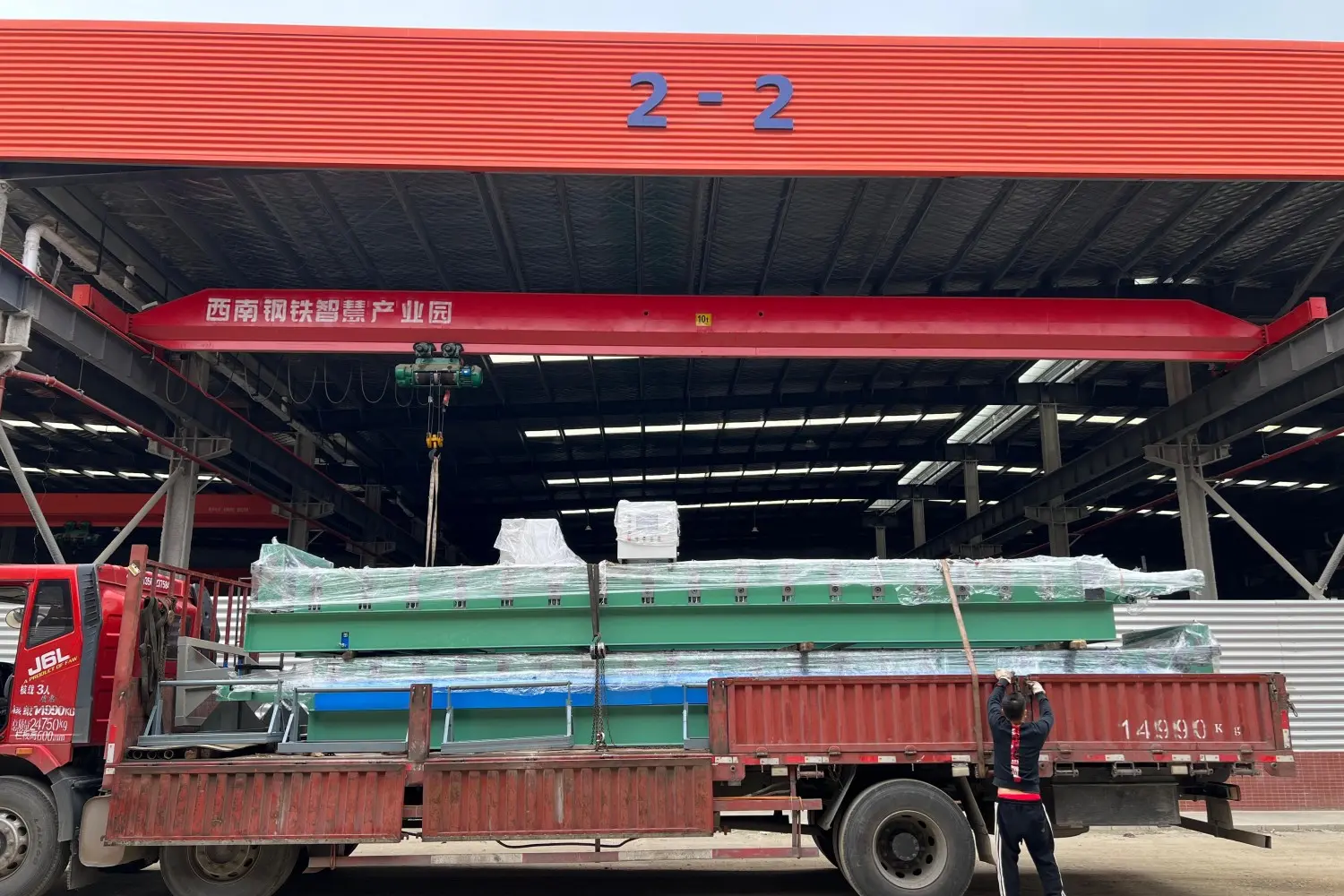
Our high-precision forming machinery serves a diverse range of global industries, helping companies scale production, improve output quality, and achieve manufacturing efficiency.
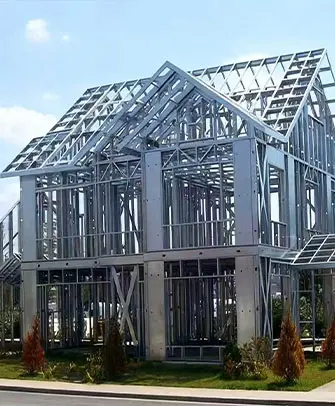
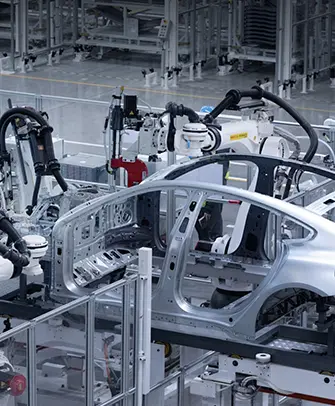

Providing proven design expertise and industrial innovation to ensure long-term production value.
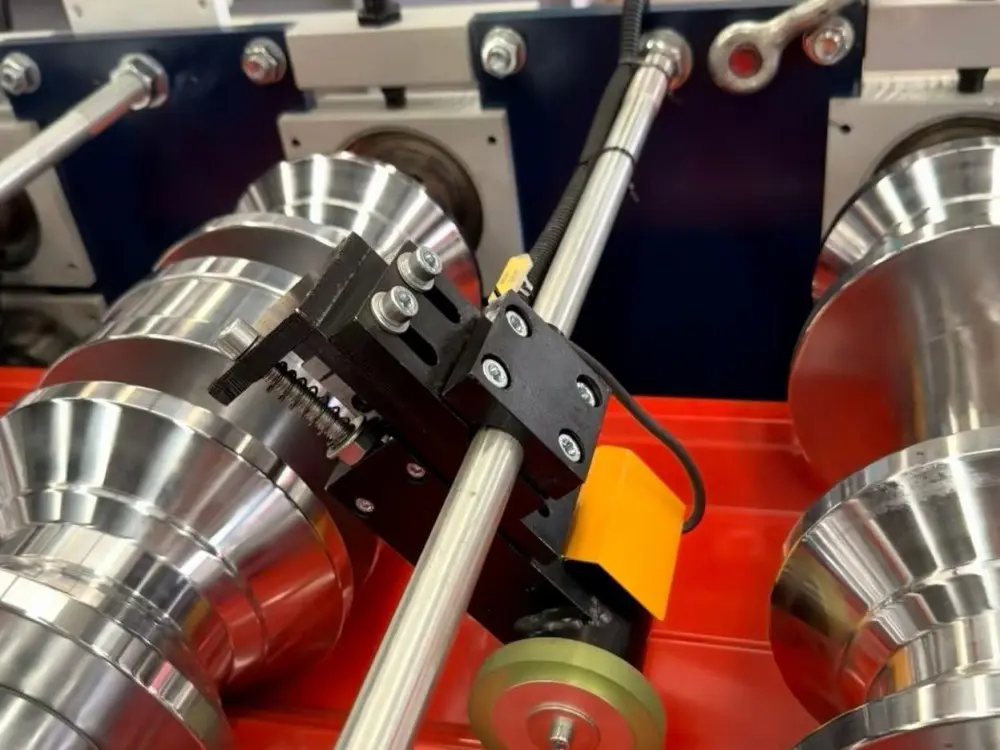
Over two decades of design expertise enables us to engineer cold roll forming machines that process complex profiles with high precision and minimal scrap.
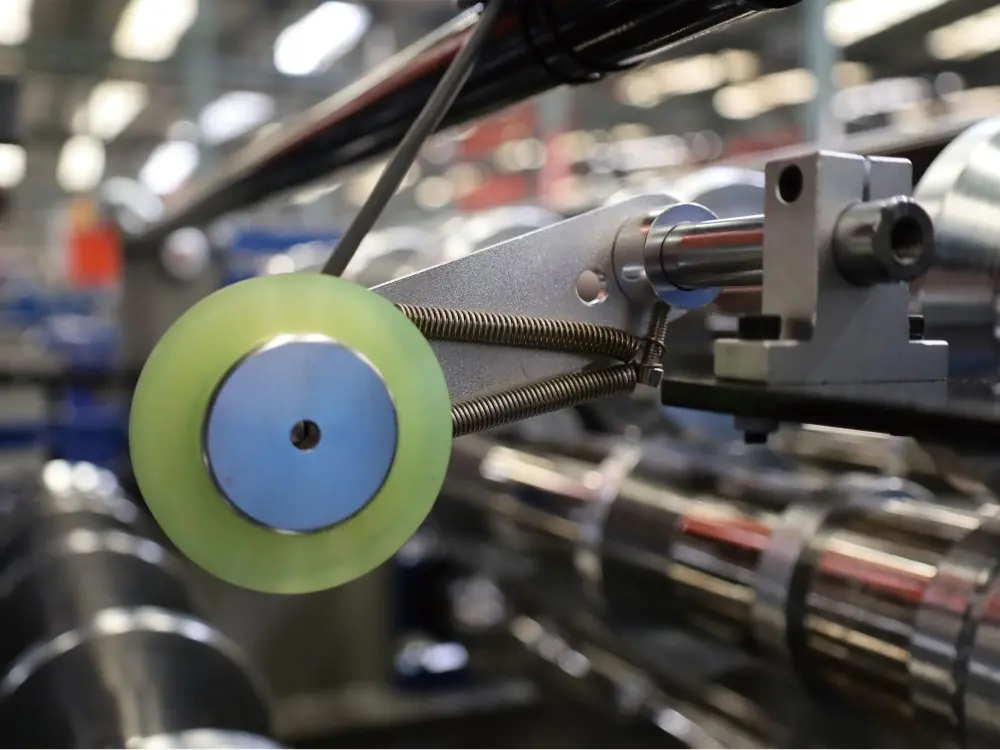
We build our machines with robust steel structures, hardened alloy steel rollers, and heavy-duty drive systems to ensure structural longevity.
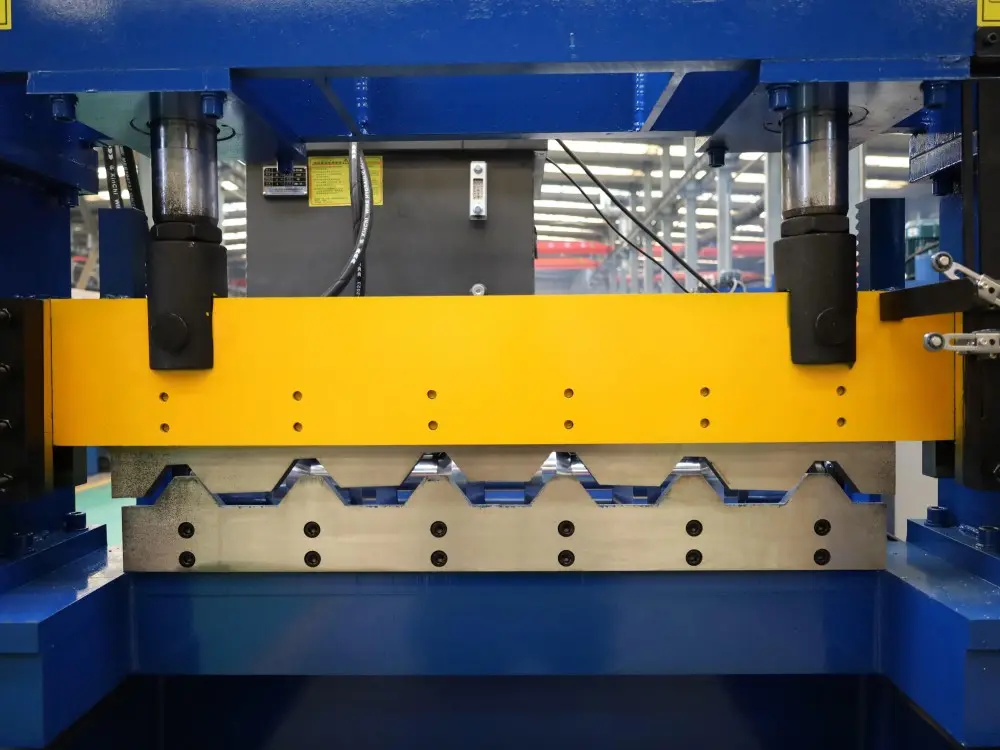
We provide custom design services, hands-on commissioning, operational training, and long-term tech support to help you meet your manufacturing targets.
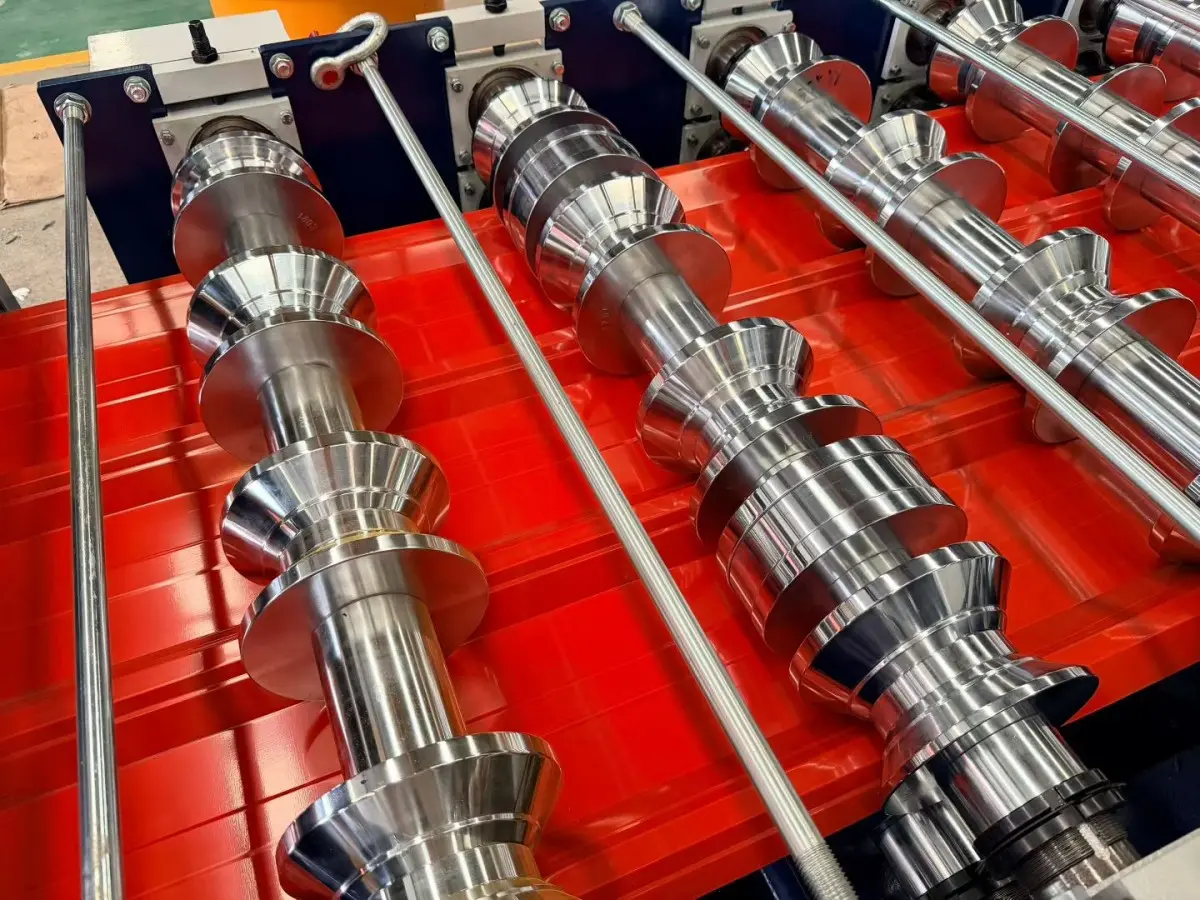
We supply high-efficiency auxiliary line equipment alongside our primary formers to ensure streamlined production from decoiling to post-cutting.
Clear, technical answers to common queries regarding double-layer roll formers, design capabilities, operations, and logistics.
Get in touch with our engineering team today to discuss profile designs, request technical specifications, and receive a complete machinery quote for your facility.
Send Inquiry Now Xiongchang