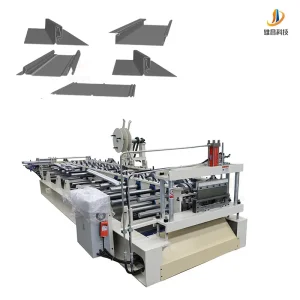
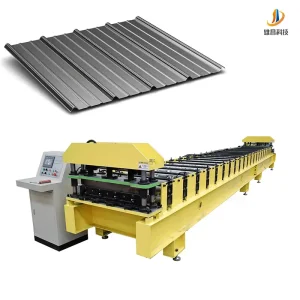
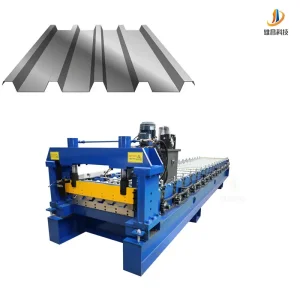
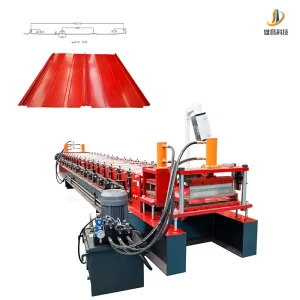
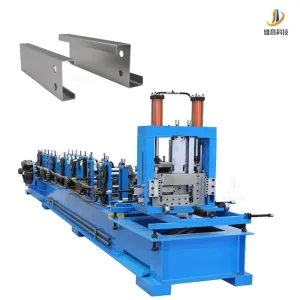
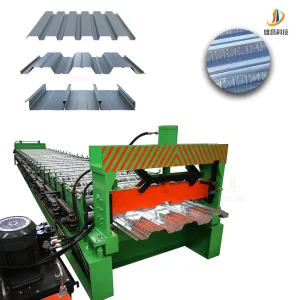
Explore our premium machinery systems built to process diverse sheet metal geometries, optimized for structural integrity and rapid industrial deployment in Houston projects.
The Houston metropolitan area, as a key industrial hub in Texas and the broader Gulf Coast region, is subject to demanding environmental factors. Structures in this corridor must withstand coastal moisture, high heat indexes, and dynamic wind uplift forces generated during major hurricane events. Accordingly, local building codes—aligned with the International Building Code (IBC) and monitored by the Texas Department of Insurance (TDI)—mandate strict adherence to performance metrics for metal roofing systems. Products like PBR (Pur-Lin Bearing R) Panels and Standing Seam systems are widely utilized due to their structural robustness, water shedding capacity, and resistance to high-velocity winds.
For regional manufacturers, distributors, and large-scale metal construction companies in Houston, operational efficiency is critical to capturing market share. Conventional roll forming setups demand substantial floor space and require manual tooling changeovers that can stall production lines for hours. A Double Layer Roofing Sheet Making Machine addresses this bottleneck by integrating two independent roll forming systems into a single chassis. This dual-tier framework allows operators to switch production profiles—such as AG Panel to corrugated, or PBR Panel to Standing Seam—via automated controls, eliminating the downtime and footprint associated with maintaining two separate roll formers.
XC (Xiongchang) provides integrated cold roll forming solutions designed for modern industrial applications. Our structural footprint encompasses core production machinery for building envelopes, flooring systems, wall claddings, and secondary framing members, alongside the necessary uncoilers, stackers, and shearing mechanisms.
By utilizing a unified platform, operators achieve significant footprint reduction while gaining the flexibility to respond to fluctuating construction demands in real-time. Whether fabricating heavy-gauge panels for petrochemical warehouses or architectural profiles for Houston's urban expansions, our machinery provides consistent dimensional stability.
The global steel framing and building envelope sectors are undergoing a transition toward automation and material optimization. Modern manufacturing facilities prioritize cold roll forming technologies that reduce raw material scrap rates, optimize energy consumption during high-speed runs, and utilize precision tooling to work with advanced coatings (such as high-yield Galvalume, Zn-Al-Mg alloys, and pre-painted Kynar 500 finishes).
In response to rising supply chain and logistics costs, regional metal fabricators are shifting from centralized distribution models to decentralized, localized production facilities. Having a double-tier roll former allows manufacturers to supply multiple profiles directly to regional worksites, reducing transit wear and transportation emissions.
XC's engineering team utilizes finite element analysis (FEA) and COPRA roll design software to map the gradual stress distribution of sheet metal as it passes through successive forming stations. This analytical approach minimizes micro-cracking at bend radii, reduces edge wave deformation, and ensures uniform coating thickness is maintained across the panel profile.
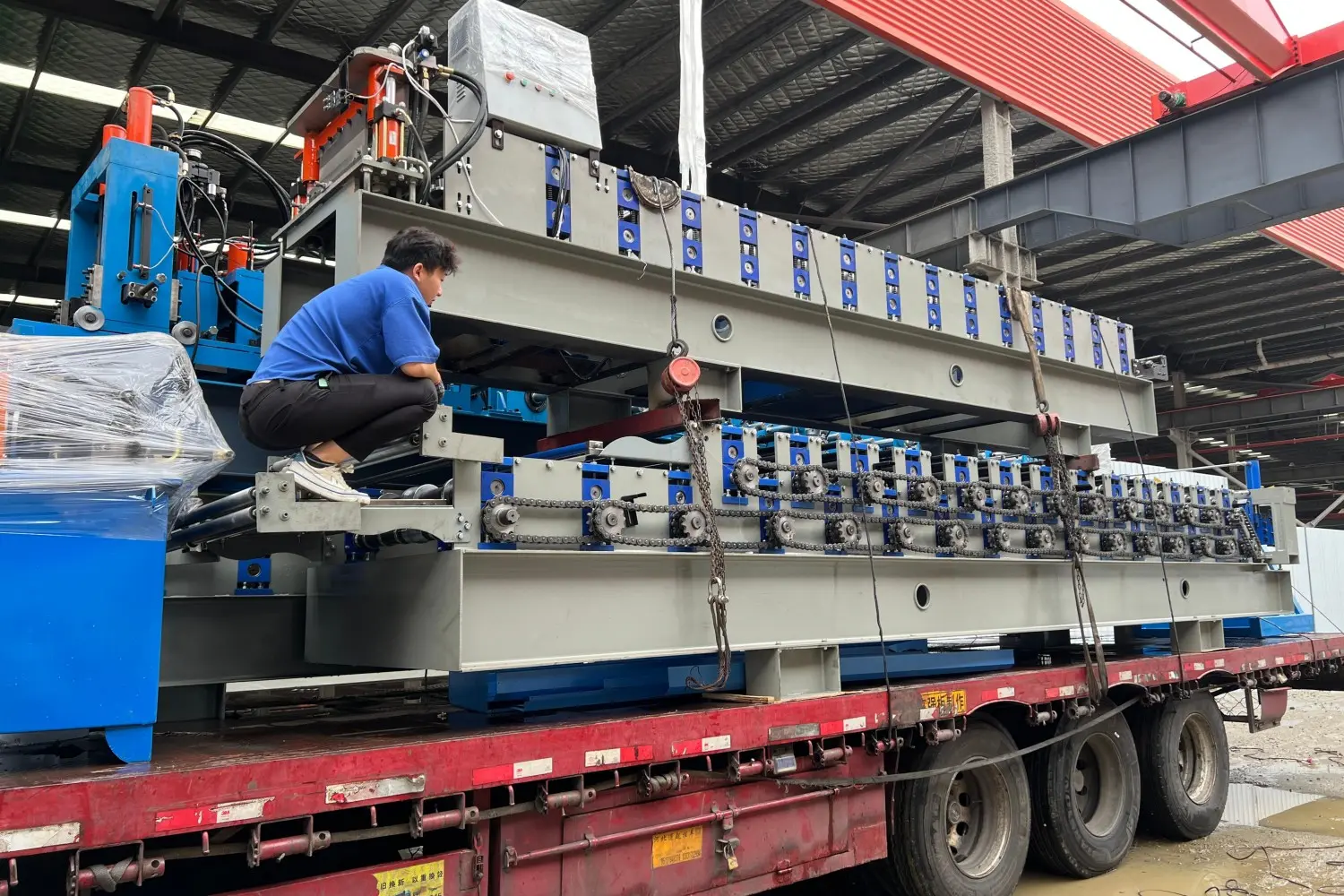
XC operates precision machinery to support automated systems across our fabrication processes. We align our manufacturing processes with global standards, ensuring dimensional accuracy of profile lengths within a tolerance of ±0.5mm.
Our mechanical engineering group ensures every double-layer machine is built with synchronized drive shafts and heavy-duty universal joint transmissions. This ensures power is distributed evenly across both upper and lower forming levels, preventing profile distortion or material slippage during high-speed runs.
We offer cold roll forming systems configured to manufacture structural profiles for varied architectural requirements. These systems are structured to handle different metal thicknesses and tensile strengths, providing clean, consistent profiles for the building envelope.
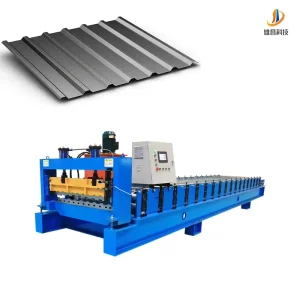
Roof Panel, Wall Panel, and Floor Deck Roll Forming Machines.
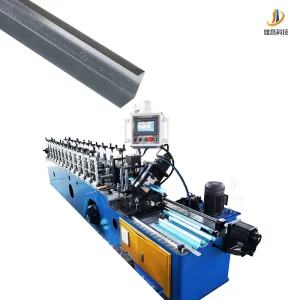
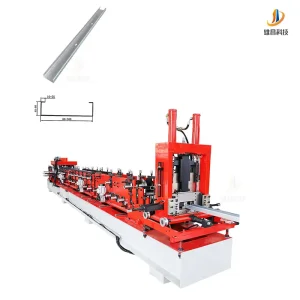
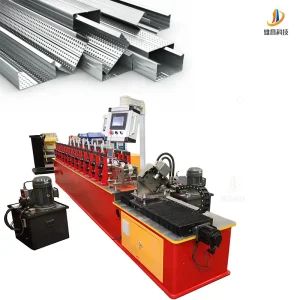
C/Z Purlin Roll Forming Machines, and Stud & Track Roll Forming Machines.
Gutter Roll Forming Machines and Door Frame Roll Forming Machines.
XC maintains testing protocols to verify structural material density, surface plating thickness, and drive assembly alignments. Our quality control division audits each machine before delivery to confirm it meets regional operational parameters and safety compliance standards.
Our testing includes continuous dry-run simulations, material yield analysis, and high-load performance tests to verify thermal stability across hydraulic components, sensors, and electrical cabinets during extended production cycles.
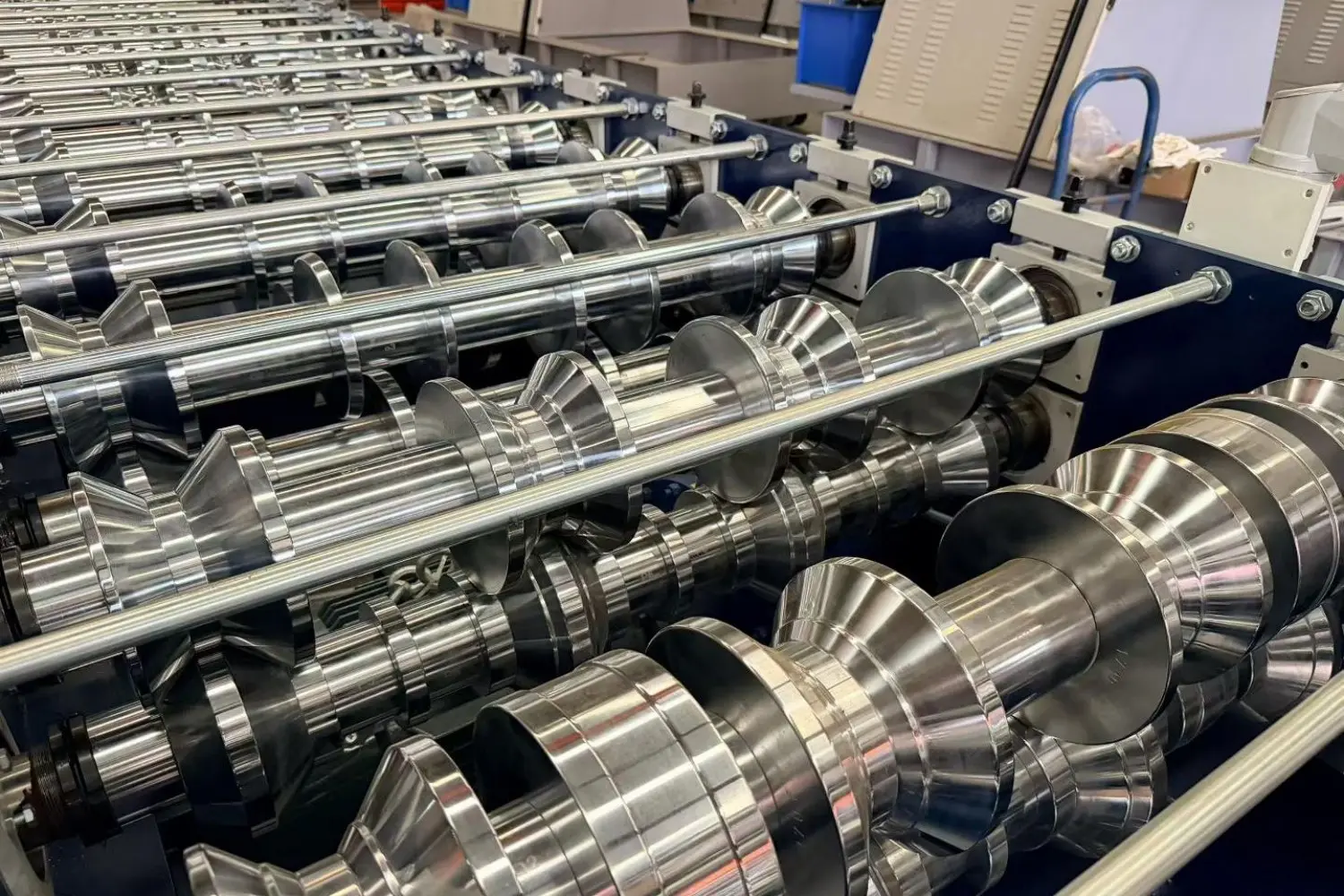
Acquiring industrial equipment requires ongoing technical support. XC offers lifecycle services tailored to the needs of North American fabricators, assisting with site planning, installation, and field service.
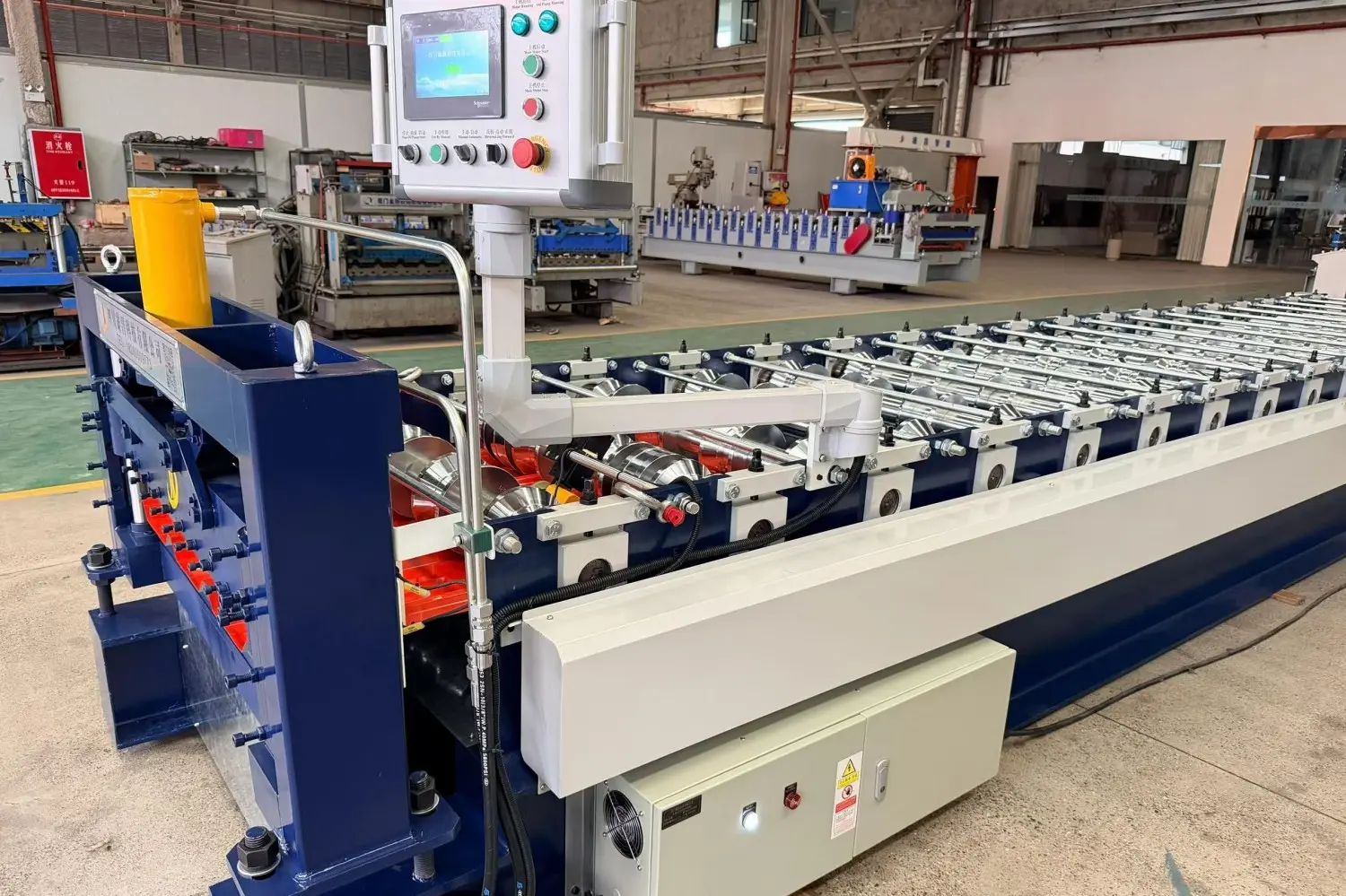
From initial structural design to system installation, XC provides technical consulting, operational training, and diagnostic support.
We provide comprehensive mechanical manuals, wiring diagrams, and PLC software documentation. This supports field engineers in executing maintenance, system diagnostics, and component replacements, helping reduce unscheduled downtime.
Our machines are designed to produce structural profiles that comply with relevant US regulations, including wind-load criteria and material certifications.
By utilizing precision roll forming profiles, our customers can consistently manufacture cladding and roofing components that meet the requirements of local jurisdictions, insurance companies, and testing agencies like the Texas Department of Insurance (TDI).
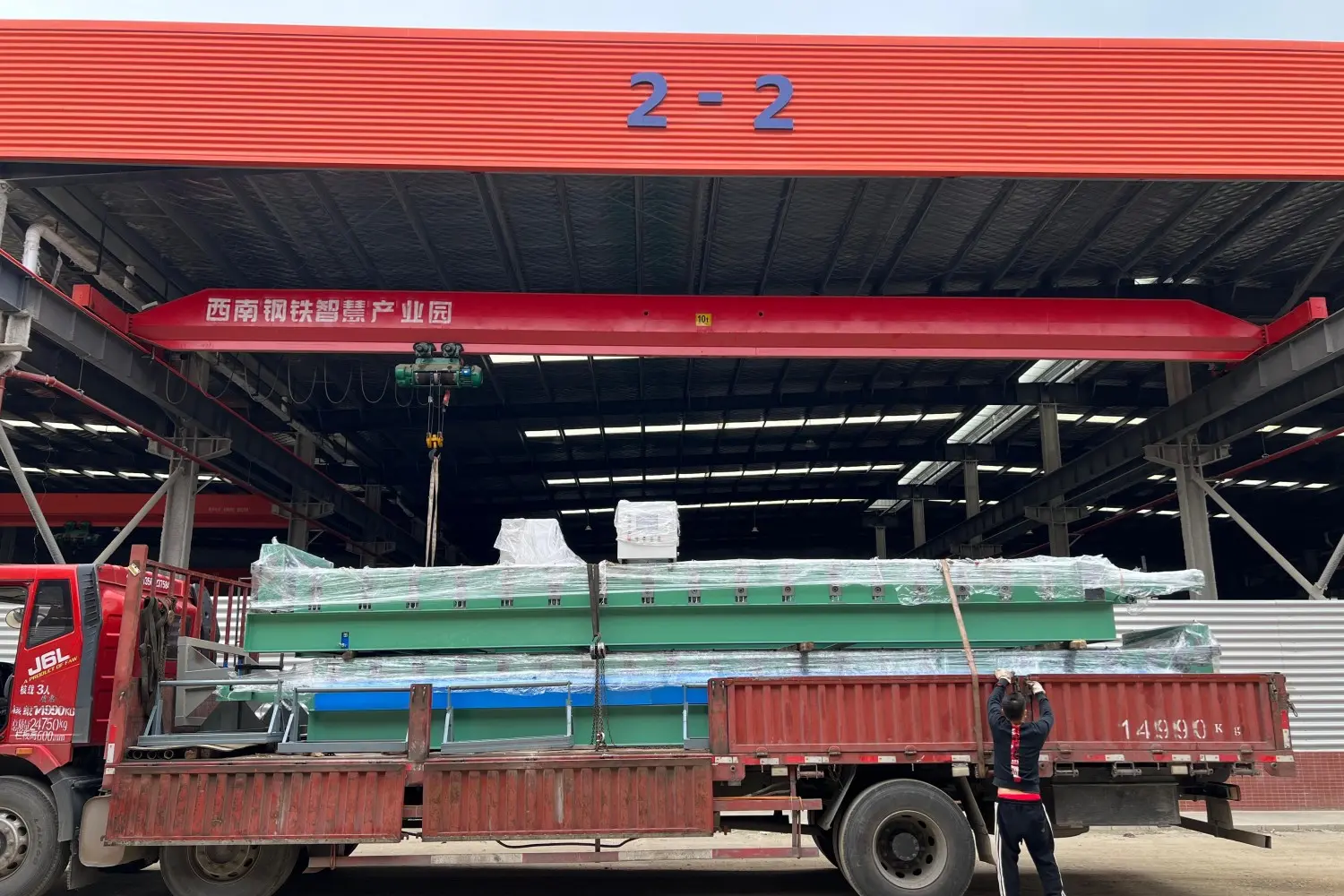
The next generation of roll forming equipment incorporates digital monitoring systems. XC is developing integration pathways to connect machinery with cloud-based enterprise resource planning (ERP) platforms. By incorporating inline measurement sensors and IoT connectivity, fabricators can track production volume, monitor raw material utilization, and predict maintenance needs based on real-time operational data.
A comprehensive selection of high-speed roll forming lines for structural studs, tracks, purlins, and wall systems tailored to commercial building standards.
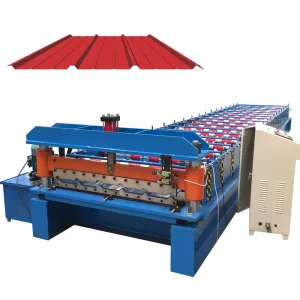
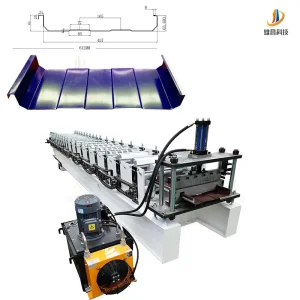
Detailed engineering explanations and parameters regarding double layer roll forming machinery operation in North American climates.
 Xiongchang