 Xiongchang
Berlin LGS Series
High-speed, automated production lines designed to support structural cladding and cold-formed framework configurations matching EU building directives.
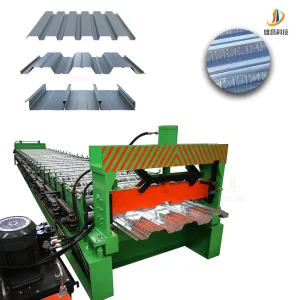
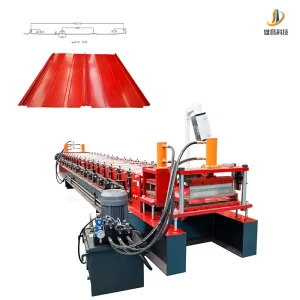
The Berlin metropolitan region, driven by the Berlin-Brandenburg industrial corridor and expansive commercial logistics hubs, is undergoing an architectural revolution. Stringent energy efficiency regulations under the German **Gebäudeenergiegesetz (GEG)** and the **Solarwende Berlin** (which mandates photovoltaic system installations on new buildings) have fundamentally altered structural building envelopes. Modern roofing must support dual loads: standard environmental exposures (snow load zones, heavy rain, wind shear) and high-load commercial PV arrays. Corrugated wave roof tiles and sinusoidal metal profiles represent the optimal building solution, offering high strength-to-weight ratios, reliable water run-off mechanics, and superior load distribution capabilities.
In Berlin's humid continental climate, proper drainage and ventilation are critical. Sinusoidal corrugated profiles (such as the standard 76/18 and 18/76 patterns) create an integrated air gap beneath the PV brackets. This micro-ventilation prevents condensation accumulation and minimizes structural timber decay or steel purlin corrosion. To feed this high-demand market, sheet metal fabricators require heavy-duty, high-tolerance **corrugated wave roof tile roll forming machines** capable of continuous, precise calibration. Tolerances must comply with the strict structural deflection standards outlined in **DIN EN 1090-4** and **DIN EN 1993 (Eurocode 3)** for cold-formed steel components.
INTEGRATED ROLL FORMING SPECIALIST
As an established expert in the cold roll forming sector, XC (Xiongchang) provides integrated roll forming solutions designed for modern industrial manufacturing. Our dynamic product portfolio encompasses core production machines for industrial roofing, structural flooring decks, partition door systems, and heavy-duty structural framing components, alongside complete auxiliary line equipment essential for efficient, continuous operation.
View Global Project Showcase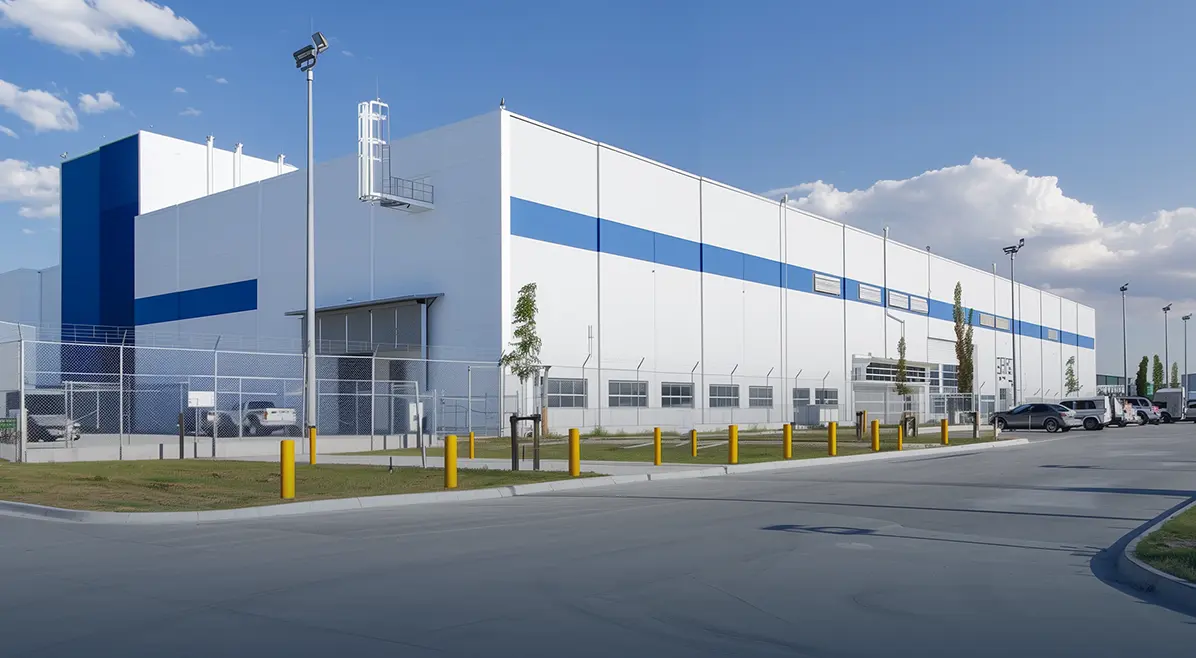
Uncompromising precision, continuous automation, and industry-leading design engineering.
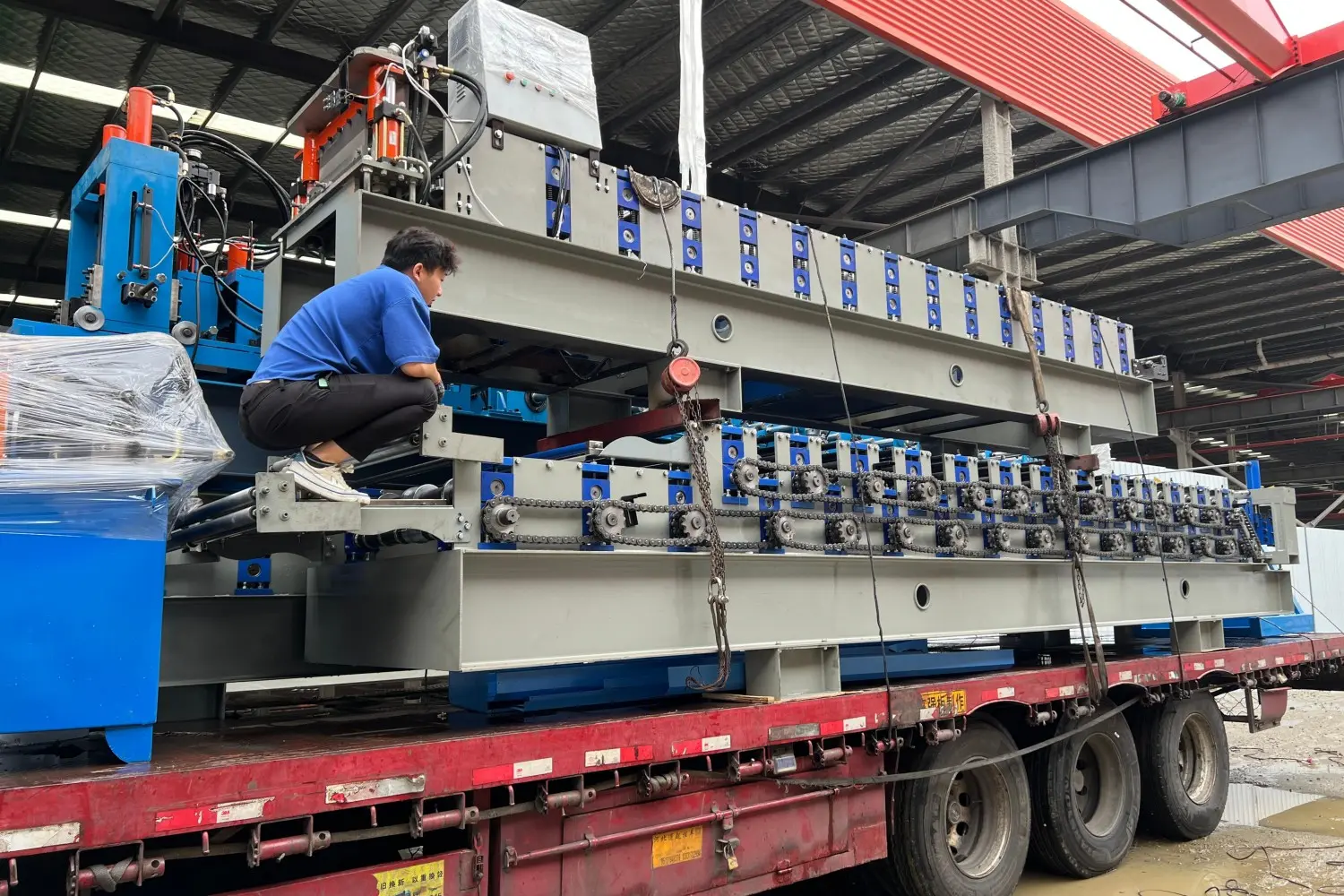
Our dedicated technical engineering department leverages automated machining systems to guarantee the highest production standards. By utilizing multi-axis CNC machining centers, high-frequency roller quenching, and rigorous quality audits, we ensure that every rolling station meets the target material parameters.
For over two decades, XC (XiongChang) has remained a trusted leader in designing and manufacturing custom industrial cold roll formers. We integrate German COPRA roll design software simulation with structural FEA models to guarantee that our roll tooling prevents material spring-back and micro-fracturing on painted coatings during forming operations.
Complete product spectrum: Roof Panel, Wall Panel, and Heavy Floor Deck Roll Forming Machines designed for long-span commercial and warehouse structures.
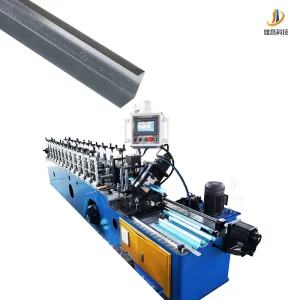
High-torque C/Z Purlin Roll Forming Machines, and Light Gauge Stud & Track Roll Forming lines with real-time web-width adjustments.
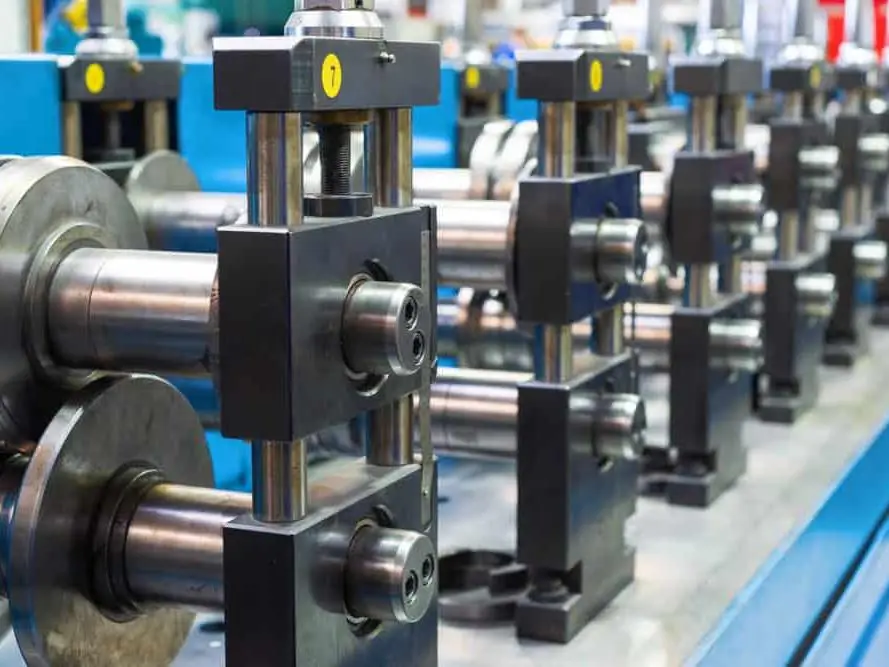
Precision-geared K-Span systems, Gutter profile forming lines, and multi-profile Door Frame Roll Formers for custom architectural specs.
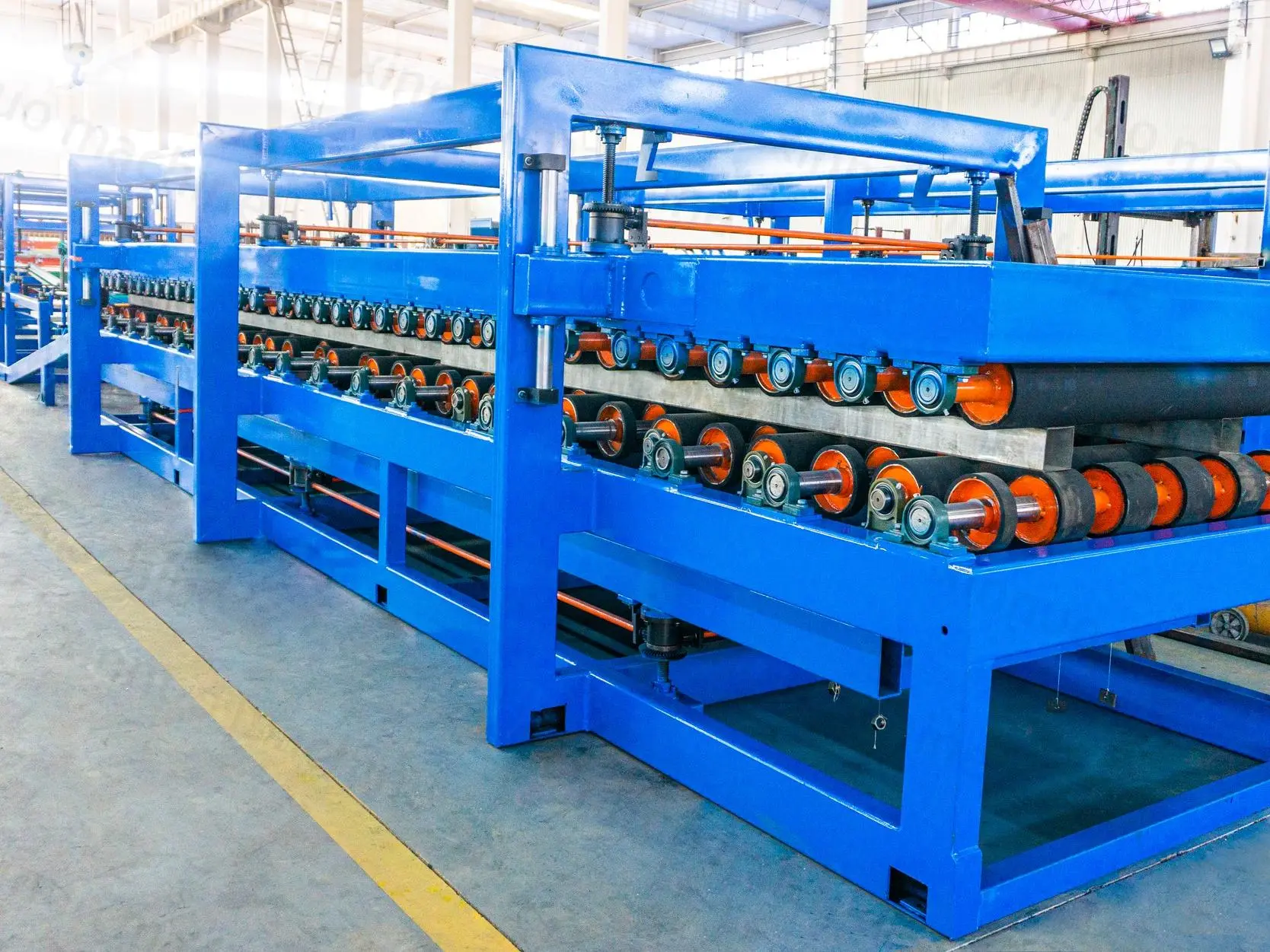
A high-performance roll forming system must handle a wide range of input steel grades—from standard structural carbon steel (**S235JR**, **S350GD+Z**) to lightweight, high-yield aluminum alloys (e.g., Al-Mg-Mn grades used extensively in modern European architectural envelopes). The cold deformation process of forming a continuous wave pattern requires a specialized sequential strain distribution.
XC operates a comprehensive test and verification system designed to evaluate structural component tolerances, material hardness, paint coating thickness, and geometric precision. All production lines destinados for the European Union must fully comply with local regulatory safety standards.
Our machines bear the CE Mark and comply with the **Machinery Directive 2006/42/EC**, the **Low Voltage Directive 2014/35/EU**, and the **EMC Directive 2014/30/EU**. Prior to shipment, each roll former undergoes a continuous 24-hour cycle test with real-time acoustic sensors to detect bearing wear and vibration dynamics.
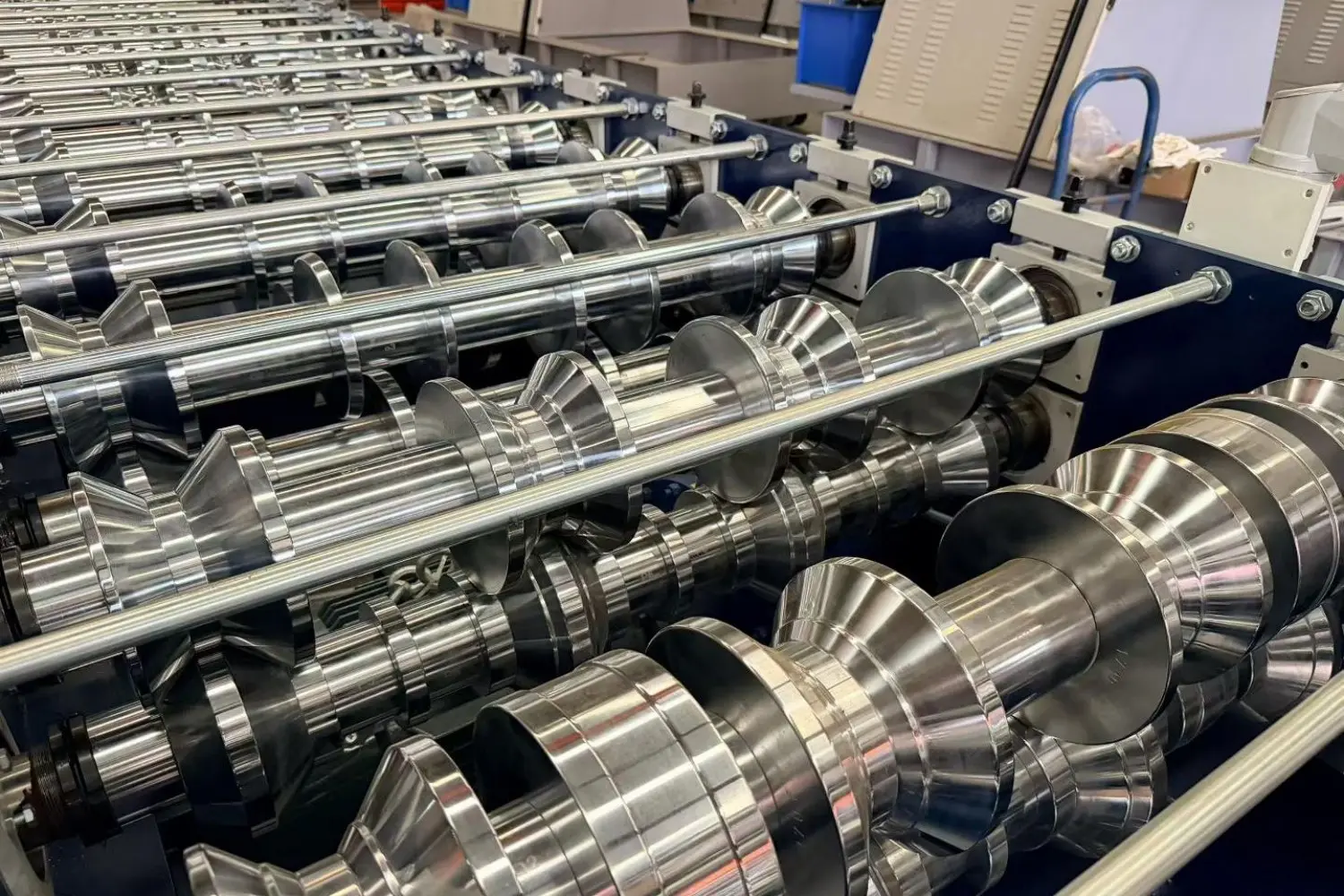
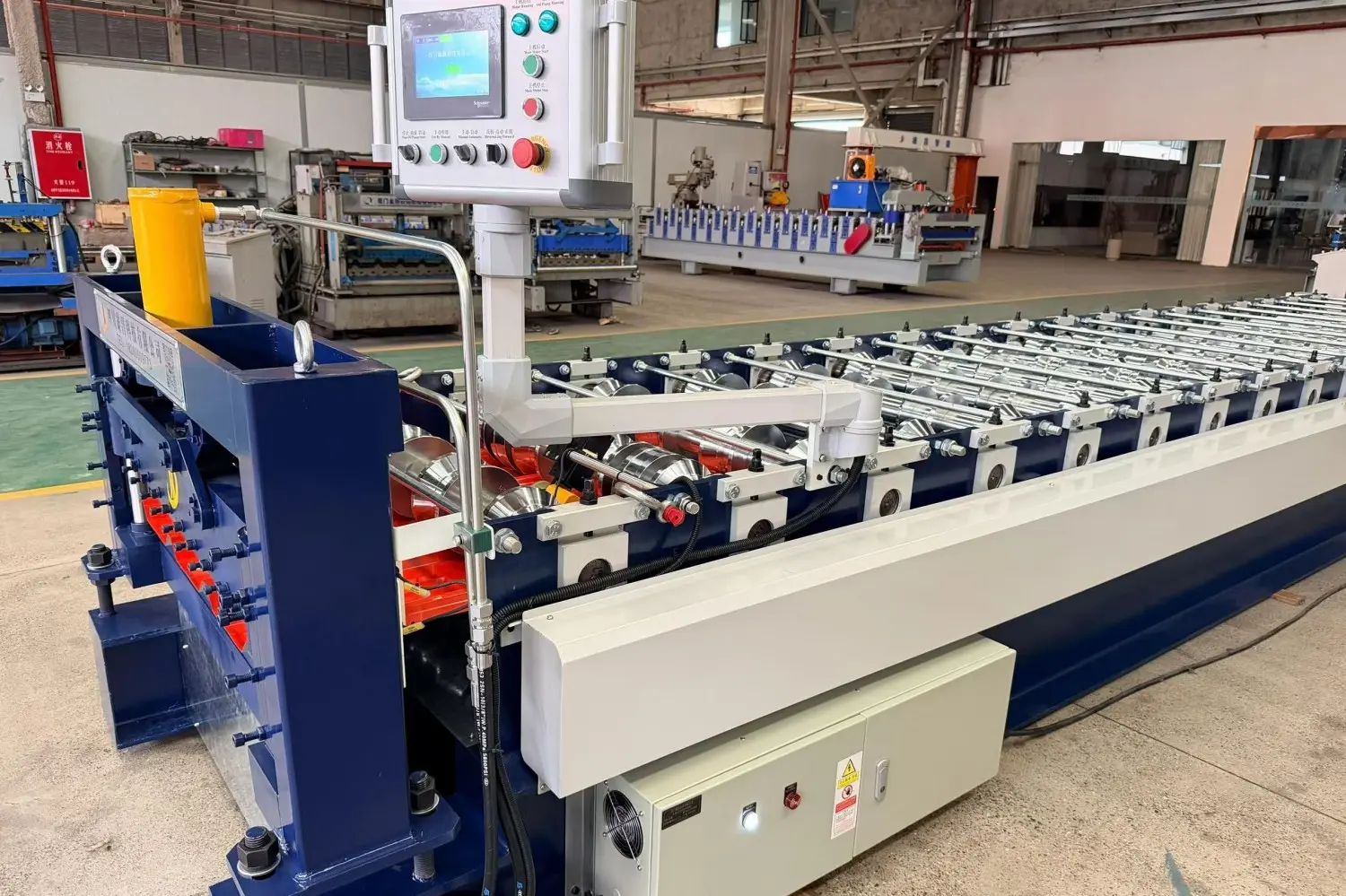
From the initial layout engineering stages to the final factory commissioning, XC offers specialized engineering support. For clients based in the Berlin-Brandenburg region, we provide localized commissioning technicians who perform **Factory Acceptance Testing (FAT)** and supervise installation at site.
Our machines are equipped with integrated industrial IoT gateways. This allows our control engineers in our main office to access the PLC remotely for system diagnostics, software configuration updates, and immediate troubleshooting. This minimizes machine downtime and eliminates the need for expensive on-site visits.
Custom engineering solutions designed to meet the production goals of European architectural suppliers.
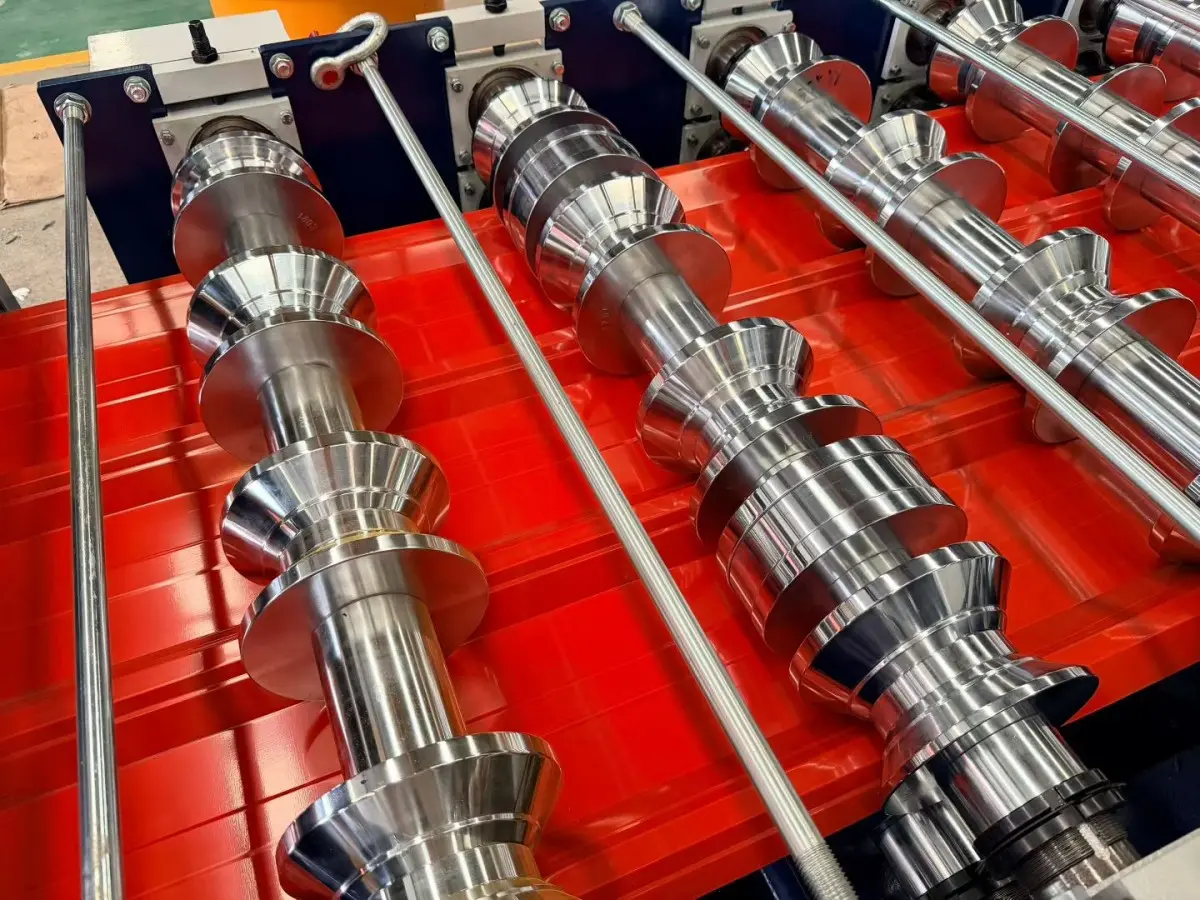
Integration of high-yield steel coils into structural building skins, providing heavy snow load protection and corrosion resistance.
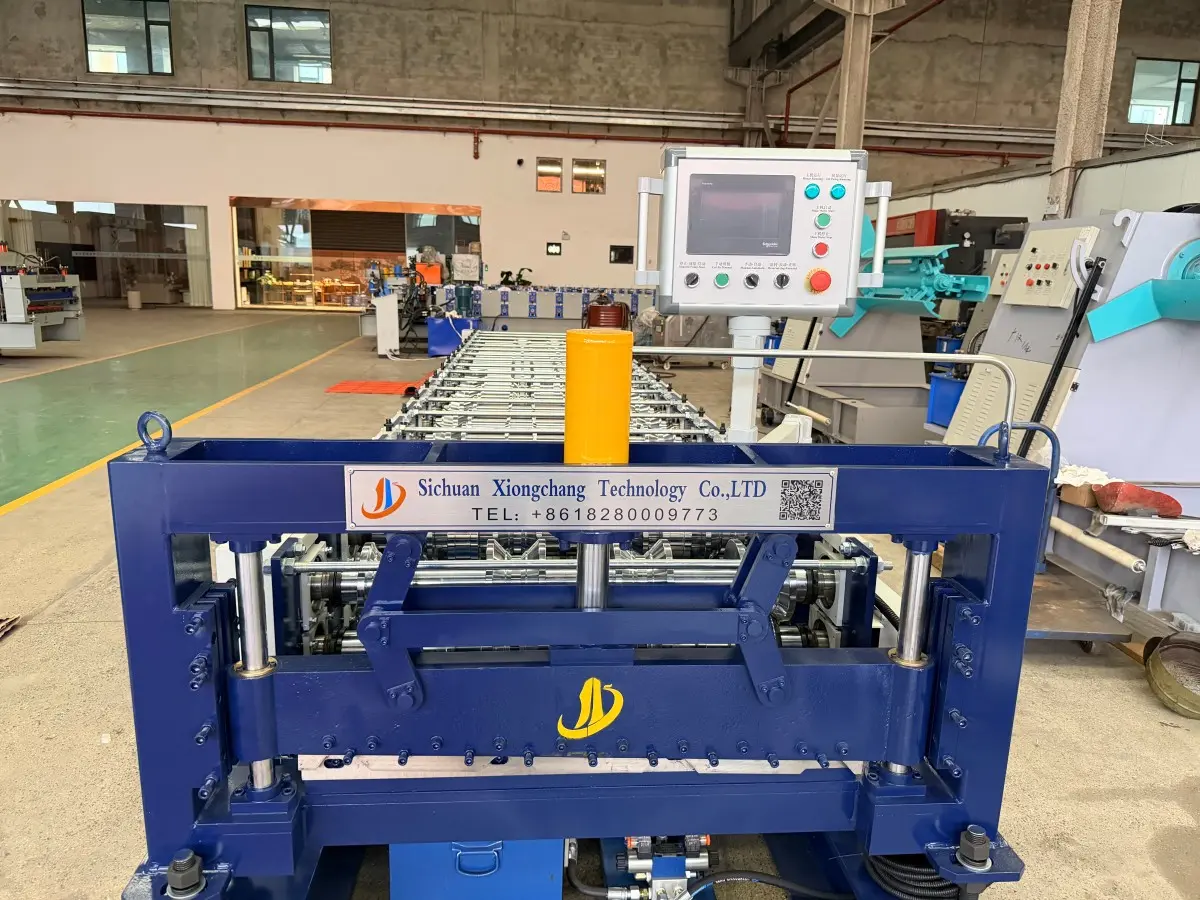
Integrated production lines with automated stackers, bundle wrappers, and real-time thickness compensation controls.
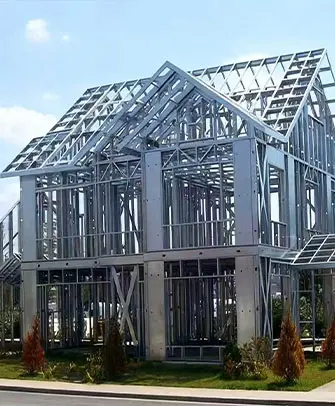
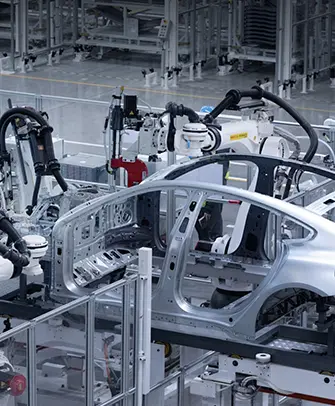

High-torque structural steel roll forming mills and mechanical lock panel machinery engineered to handle cold-forming for industrial steel structures.
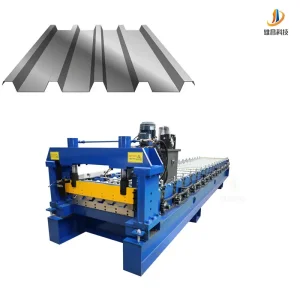
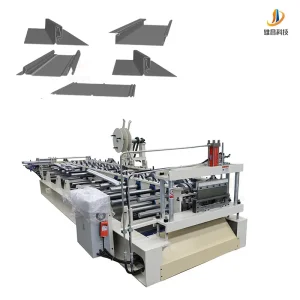
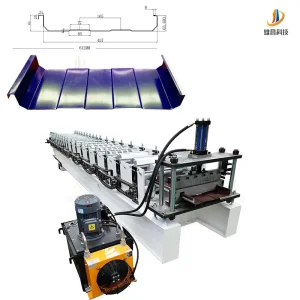
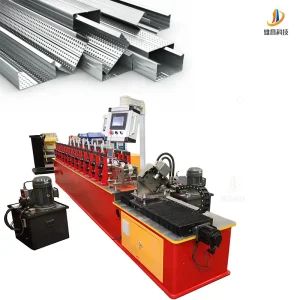
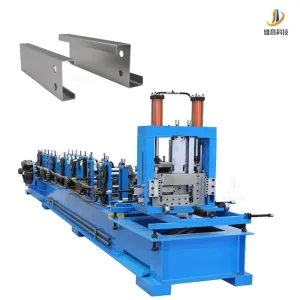
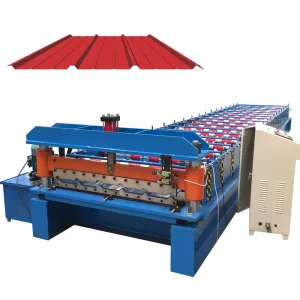
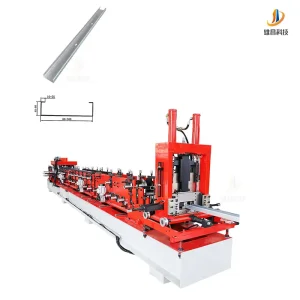
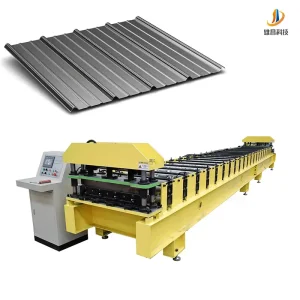
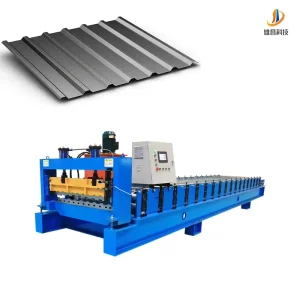
We employ a specialized team of technical personnel and engineers, committed to delivering superior products and customized solutions. Our substantial investment in state-of-the-art, automated production lines ensures manufacturing precision and dimensional consistency across every single station.
For over two decades, XC (XiongChang) has remained a trusted leader in designing and manufacturing high-speed metal roll forming machinery. We combine deep industry experience with a steadfast commitment to our clients, ensuring every machine delivers exceptional value, high uptime, and long-term production reliability.
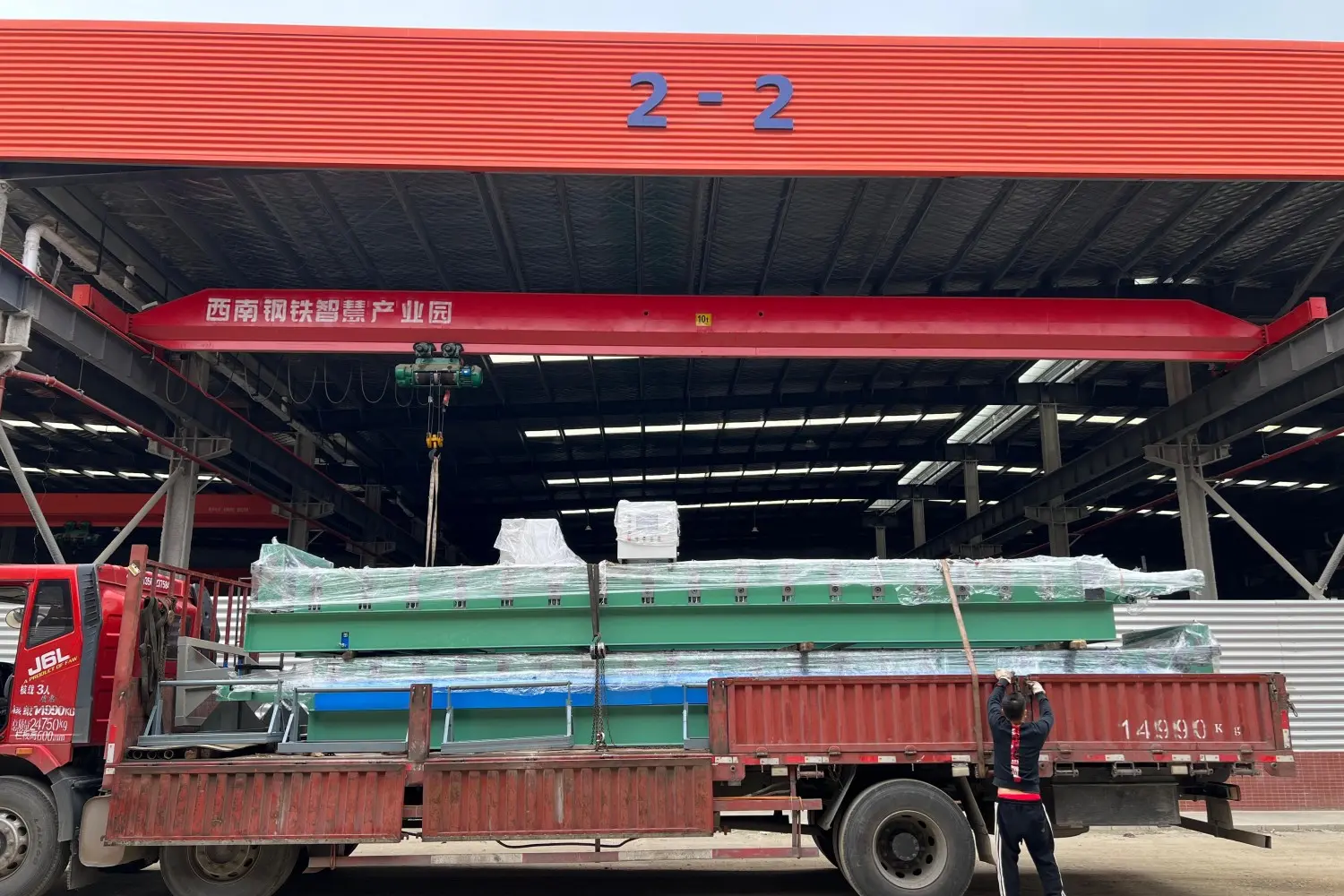
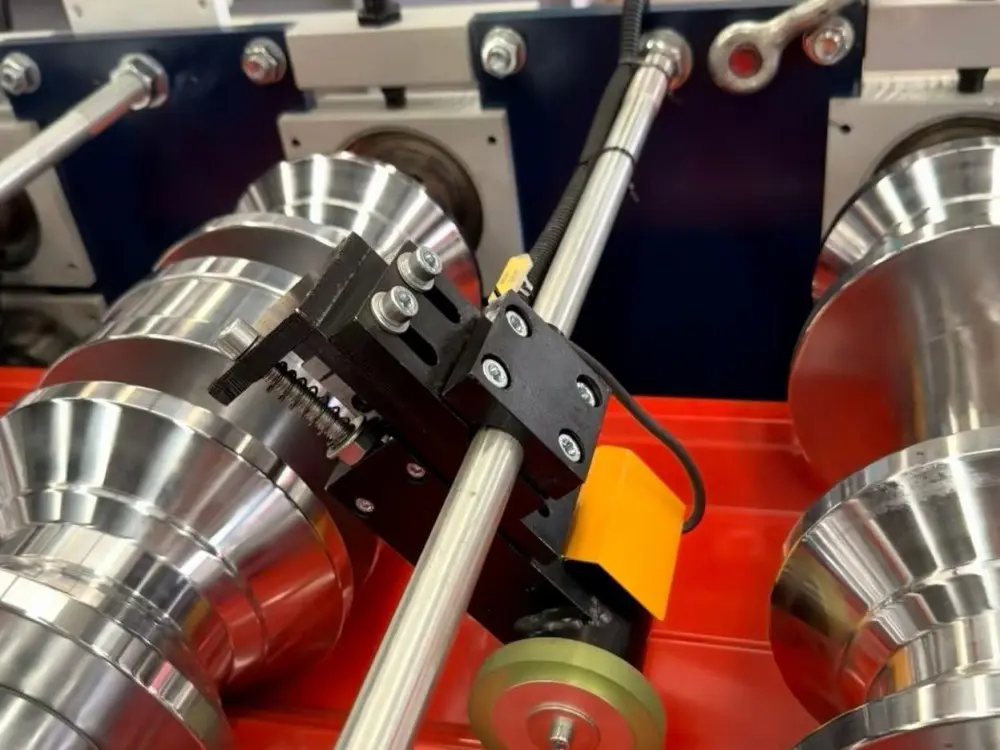
Employing finite element analysis (FEA) and COPRA-based profile optimization to design rollers that reduce material stress during bending.
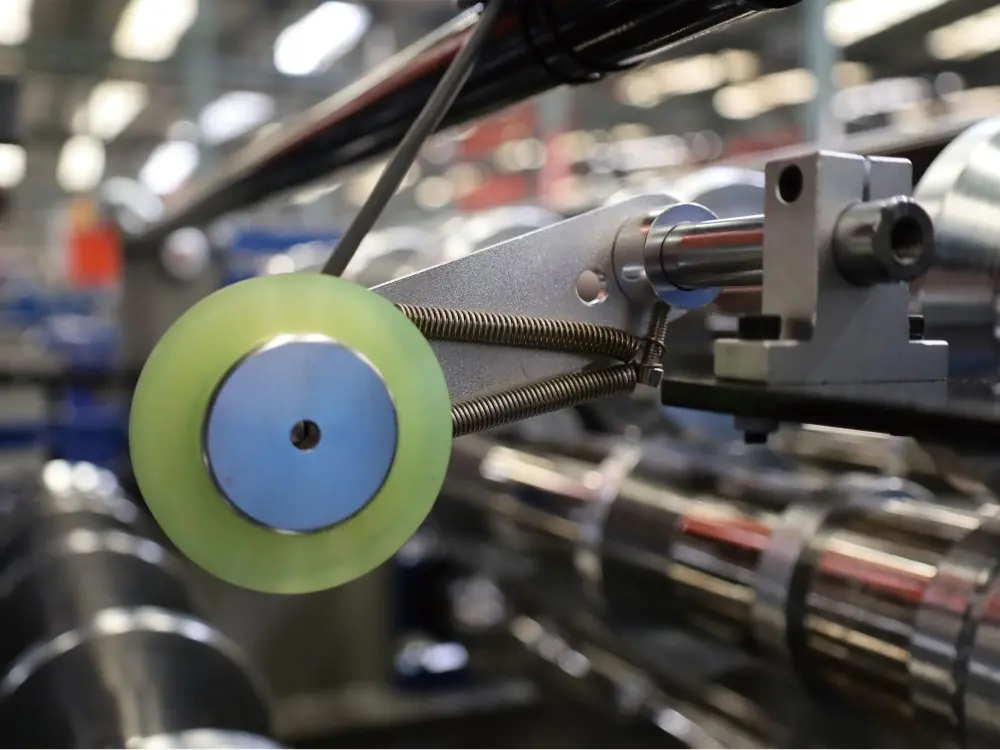
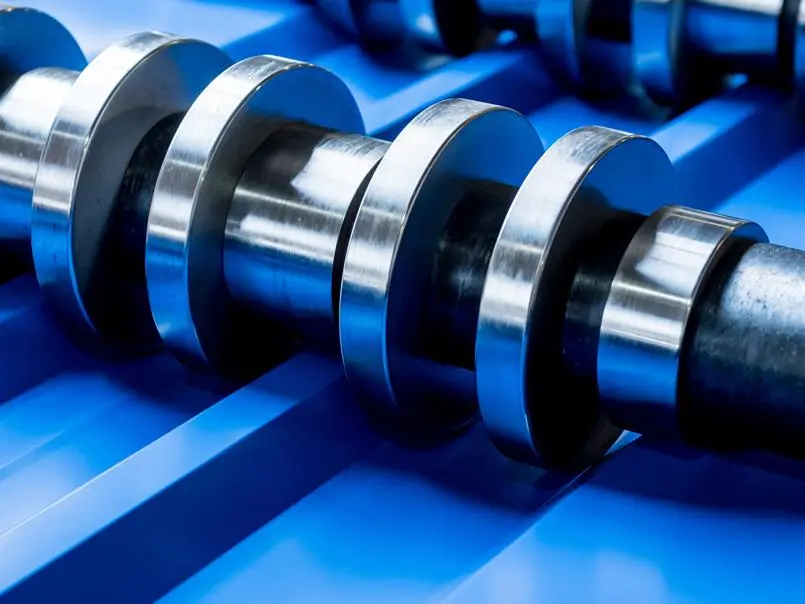
Equipped with heavy-duty cast iron stands or structural arch plates, high-frequency hardened alloy rollers, and robust drive systems.
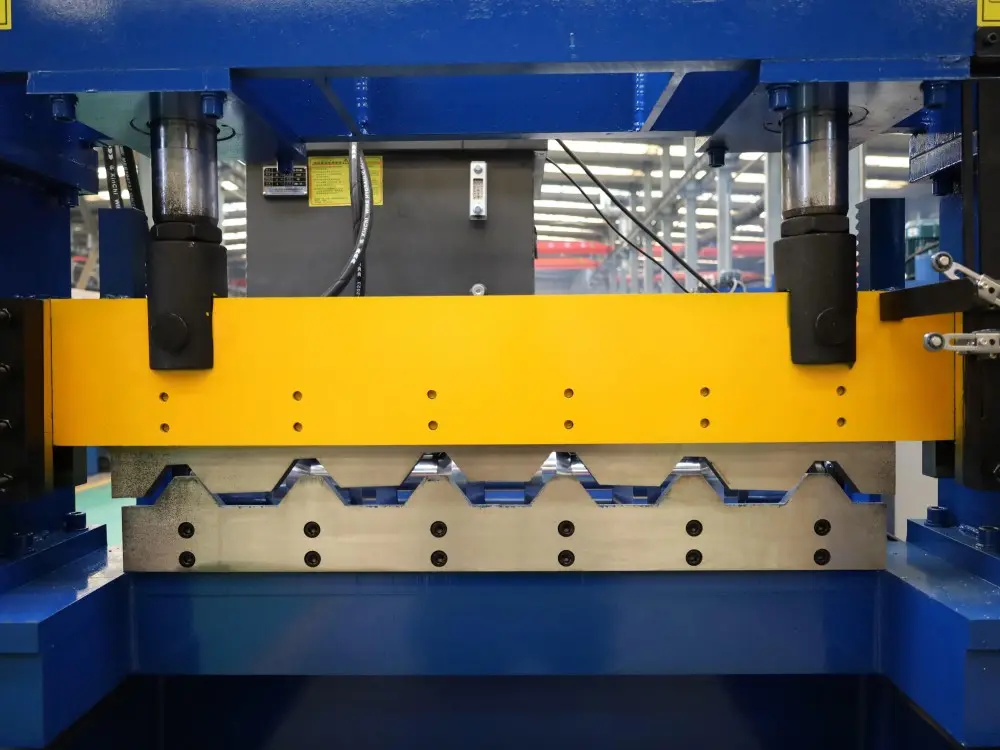
Comprehensive support including factory layout design, material sourcing consultation, operational training, and remote diagnostic support.
Procuring raw roll forming machinery requires analyzing **Total Cost of Ownership (TCO)**, including energy consumption, structural stability, raw material scrap rates, and tooling wear. For European metal processors serving demanding construction projects, sourcing automated production lines with high efficiency is critical to reducing manufacturing overhead.
Cold-rolled structural steel coils vary in thickness and elastic limit depending on the batch. Basic forming machines struggle with these changes, resulting in inconsistent profiles, oil canning, and springback. XC machines solve this with optional integrated straighteners, adaptive leveling rollers, and thickness sensors. Our systems dynamically adjust raw material entry tension, keeping wave profiles perfectly consistent regardless of batch variation.
The roll forming sector is transitioning to cloud-connected, smart industrial machinery. Our design team is currently developing:
Detailed mechanical answers to common questions about roll former operation, compliance, and material processing.
Our roll forming lines process prepainted galvanized steel (PPGI), pre-painted aluzinc (PPGL), zinc-coated carbon steel (GI/GL), and soft-temper aluminum alloys (such as 3003 and 5005). The machine handles material thicknesses from 0.3mm to 0.8mm, and high-yield structural steel up to yield strengths of 550 MPa (G550).
Rollers are manufactured from high-grade GCr15 steel, precision-ground, and treated with hard chromium plating (minimum layer thickness: 0.05mm). This hard, mirror-like finish reduces friction and prevents scratching or micro-cracking of PVDF, PE, or Plastisol coatings during deformation.
Machines destined for the German and European markets feature CE certification. They are equipped with Siemens S7-1200 or Schneider PLCs, Siemens HMI screens, dual-channel emergency stop safety relays, light curtains around the cutting assembly, and fully enclosed hydraulic systems that comply with safety directives.
Standard processing speeds run from 15 to 25 meters per minute, including hydraulic post-cutting. We also supply high-speed lines using flying shear systems that reach speeds up to 40 meters per minute. Processing speed is adjusted dynamically via the HMI touchscreen.
We supply detailed mechanical layouts, electrical schematics, and video guidelines. We also send commissioning engineers to perform on-site installation, system calibration, and operator training. Remote diagnostics via integrated Industrial Ethernet gateways are also provided for fast diagnostic support.
Weekly lubrication of the drive chains, gears, and sliding guide blocks is recommended. Rollers should be cleaned and inspected monthly for dust or zinc deposit buildup. The hydraulic shear blade should be checked periodically to maintain a clean profile cut and minimize burrs.
Have a customized profiling requirement or need detailed layout plans?
Contact Our Engineering Team