Explore our top-tier ODM and custom roll forming equipment, designed to handle heavy-gauge structural profiles and precise architectural sheet configurations.
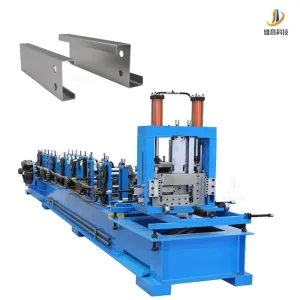
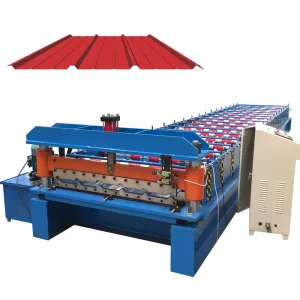
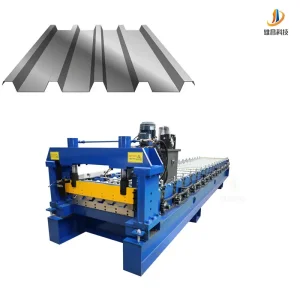
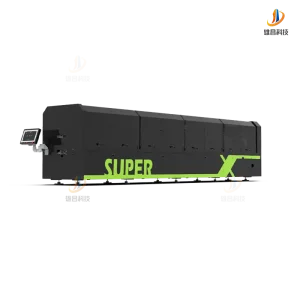
XC (Xiongchang) stands at the forefront of cold roll forming technology, delivering highly engineered, end-to-end solutions designed for high-performance structural systems, infrastructure components, and building envelope cladding.
Our extensive portfolio encompasses heavy-duty structural forming machines, versatile purlin systems, and highly customizable profile configurations. By integrating smart PLC systems and micro-tolerance engineering, we empower global manufacturers to optimize production efficiency while minimizing raw material waste.
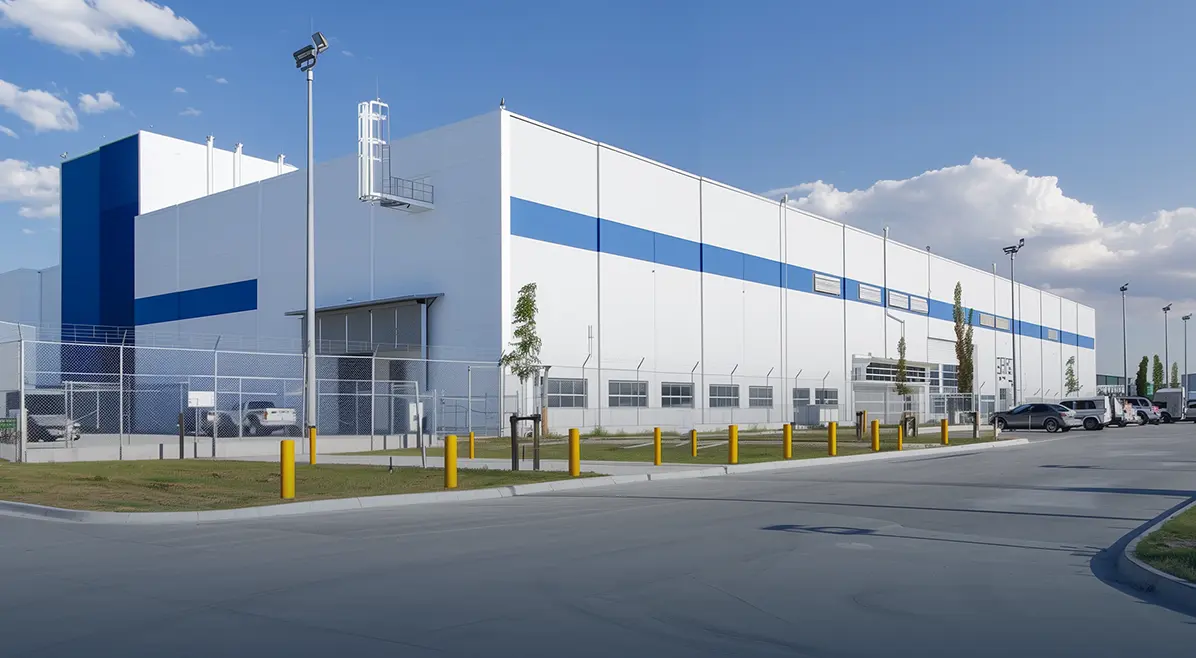
Our engineering superiority is backed by deep material science expertise, advanced machining centers, and strict compliance with international manufacturing metrics.
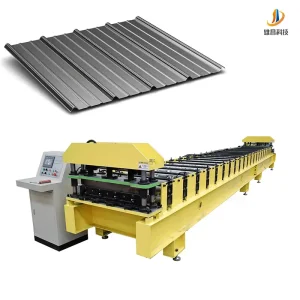
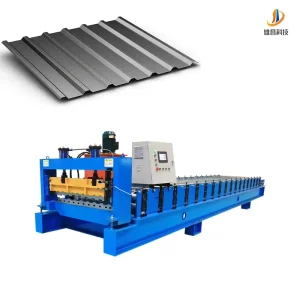
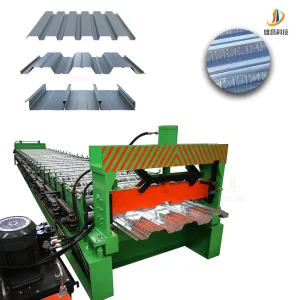
High-speed machinery for structural roof panels, insulated wall panels, and heavy-duty deck systems engineered for extreme weather resilience.
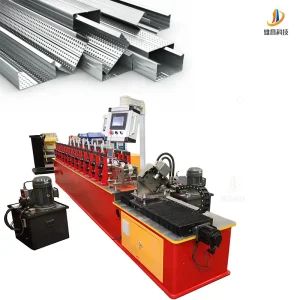
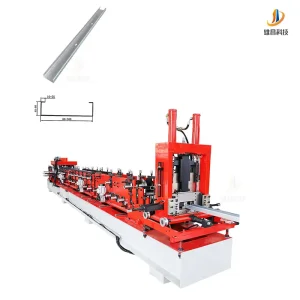
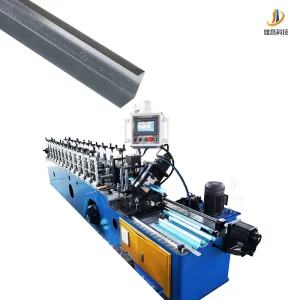
Advanced dynamic C/Z purlin mills and automated stud/track framing systems featuring fast-change profile capabilities.
Custom tooling arrays for integrated rainwater gutter channels, high-security door frame profiles, and specialized agricultural structural panels.
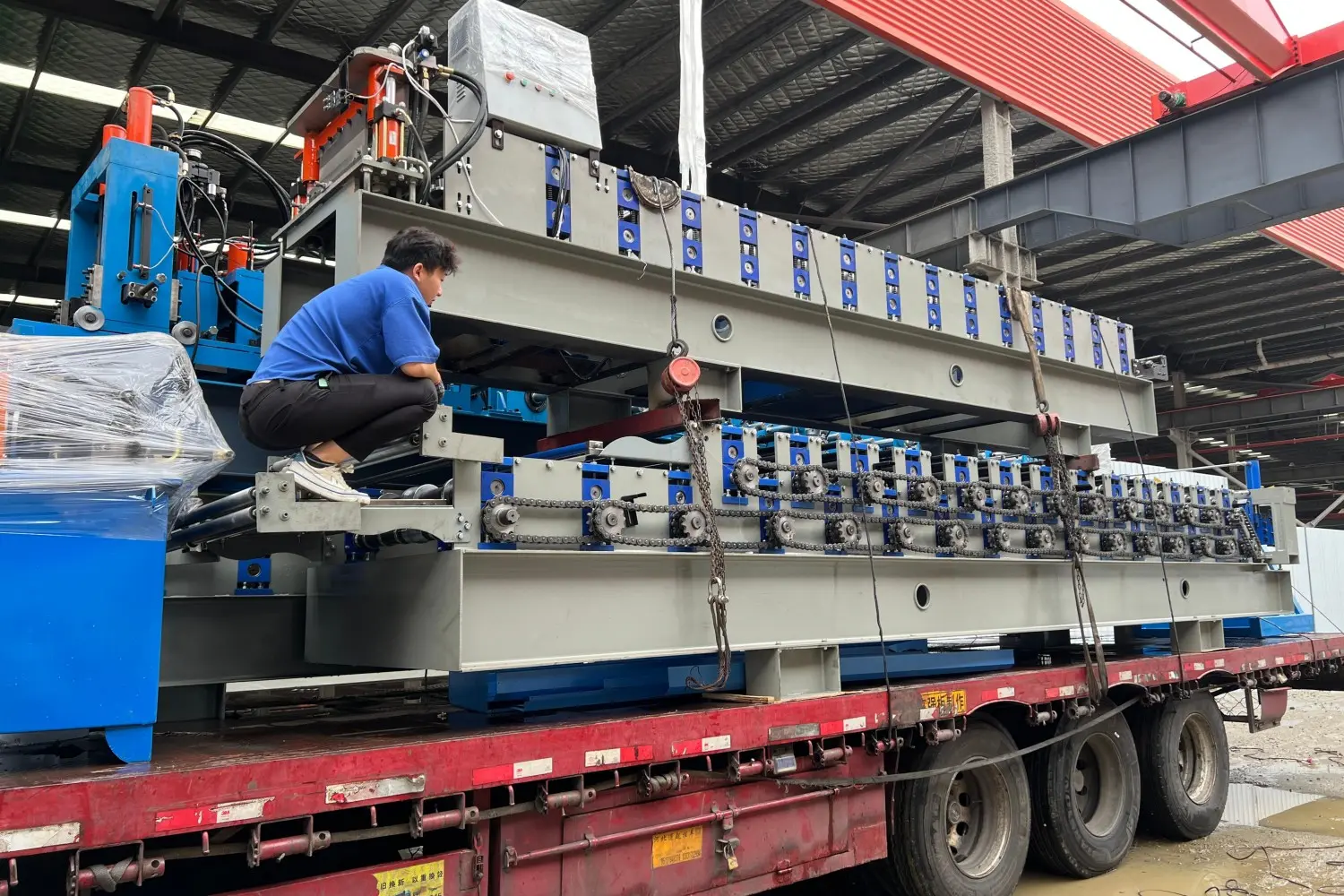
Our manufacturing facility features multi-axis CNC machining centers, precision cylindrical and surface grinders, and rigorous quality inspection labs. We leverage advanced technological design software (AutoCAD, COPRA) to run complex forming simulations before the physical rollers are milled.
Every component, from the base frame welding structure to the hydraulic cutting cylinder, undergoes continuous validation checking to ensure long-term structural integrity.
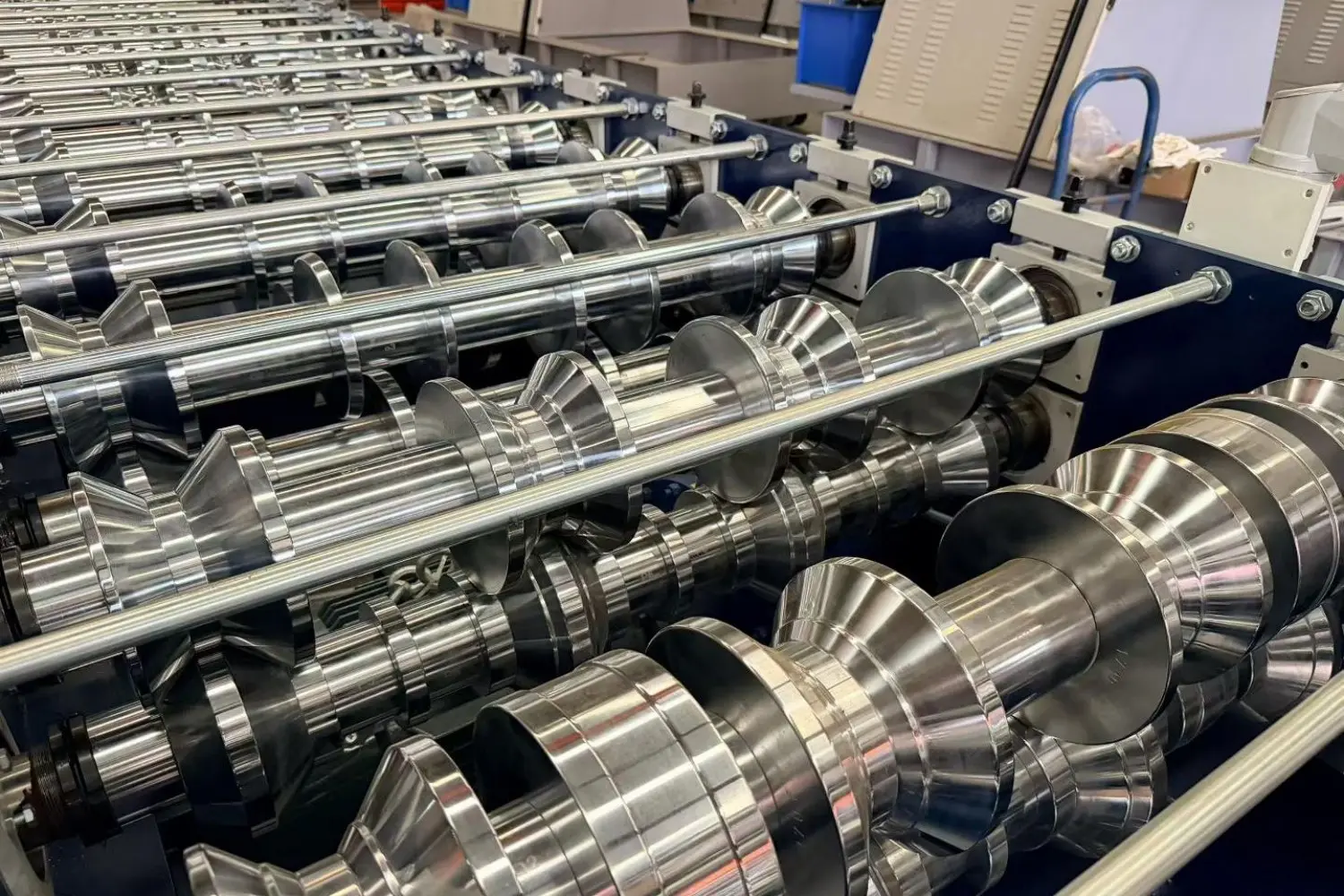
The global infrastructure sector is undergoing a rapid transition toward high-strength, lightweight, and durable architectural elements. In this landscape, the U Rib Panel Forming Machine (also known in orthotropic steel bridge decks and heavy envelope structural frameworks as U-beam or trapezoidal profile formers) has transitioned from a standard mechanical asset to an optimized, highly automated piece of precision equipment. U-rib profiles offer an unparalleled strength-to-weight ratio, which is vital for infrastructure deck systems, structural sub-framing, and critical envelope elements.
Historically, cold roll forming systems processed mild carbon steel with yield strengths around 235 MPa. Modern structural applications demand high-tensile steels, such as Q355, Q460, and even higher-strength duplex alloys, to reduce overall dead load in massive structures. Cold forming these high-strength materials presents unique mechanical challenges: increased springback, greater force requirements per station, and higher wear rates on roller surfaces.
To overcome these challenges, leading ODM manufacturers are integrating finite element analysis (FEA) directly into the tooling design phase. Adaptive springback compensation algorithms are written into the roller profiles, ensuring that the final output matches exact CAD coordinates. Furthermore, cyber-physical systems (CPS) equipped with laser measuring sensors now monitor the output profile in real-time, feeding dimensional variances back to the control system for micro-adjustments during high-speed production runs.
Traditional U-rib forming lines required manual spacer adjustments or separate roller sets to change section heights and widths. Modern ODM lines utilize motorized cantilever stands and PLC-controlled servo shafts. A simple recipe change on the HMI touch panel shifts the roller tooling positioning within minutes, reducing plant downtime by up to 85%.
Industrial procurement departments in Europe, North America, and Southeast Asia are shifting focus from initial capital expenditure (CAPEX) to the Total Cost of Ownership (TCO). A lower-cost roll former can often lead to excessive maintenance costs, scrap rates from poor tolerance control, and expensive operational downtime.
Key procurement checklist criteria for U-rib forming lines now include:
An isolated roll former is only as good as the auxiliary components supporting it. Total plant optimization requires an integrated manufacturing cell. A typical macro solution designed by XC (Xiongchang) incorporates:
Heavy-duty hydraulic decoilers with coil cars, paired with precision multi-roll leveling machines to eliminate coil set and residual stresses.
Gradual forming through 18 to 28 sequential roller stations to prevent profile thinning and structural micro-cracks along the bends.
Non-stop tracking fly shears, coupled with automatic electromagnetic stackers that neatly bundle finished profiles for transport.
Navigating global compliance frameworks is a key component of industrial machine sourcing. Our systems are engineered in strict alignment with CE machinery directives (for the European economic zone) and UL electrical certification standards (for North America). Localized compliance requires built-in safety interlocks, light curtains, emergency stop circuits, and enclosed forming cabins that significantly reduce factory floor accidents. Furthermore, we support remote diagnostic link-ups, enabling our engineering headquarters in China to analyze sensor telemetry, resolve PLC programming bugs, and assist local operators without requiring on-site visits.
As the roll forming industry moves toward Industry 4.0, our engineering R&D roadmap focuses on two core fields: Predictive Maintenance Integration and Smart Material Recognition. By mounting vibration sensors on main gearbox bearings and thermal sensors on hydraulic power packs, our systems will predict mechanical failures before they happen. Our smart profiling systems will also adapt roll pressure automatically based on real-time tensile variations of the incoming metal coil, guaranteeing zero-defect output regardless of supplier batch deviations.
From conceptual design and layout planning to installation, commissioning, and regular operator training, XC ensures your roll forming lines deliver optimum efficiency throughout their lifecycle.
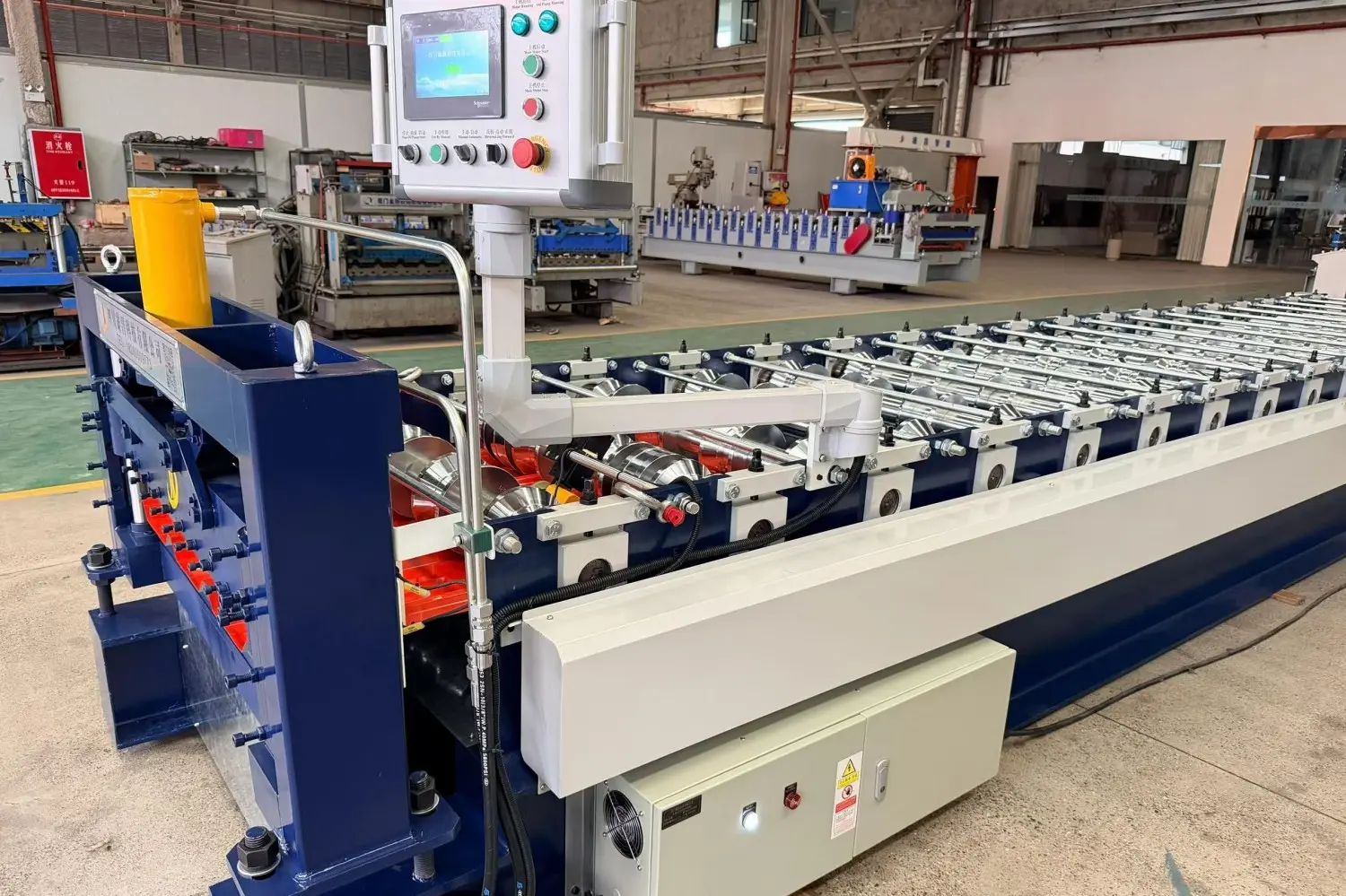
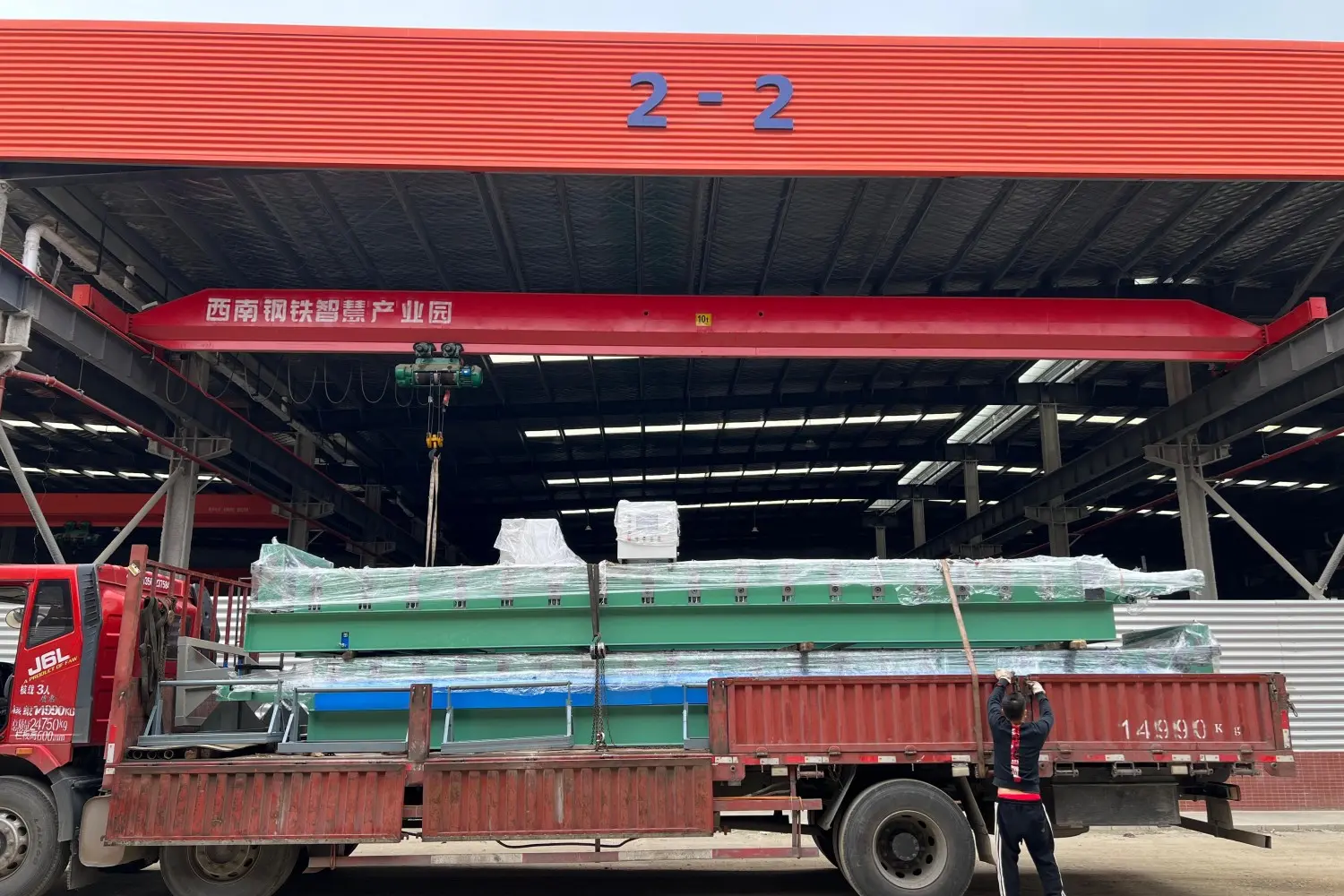
Through decades of reliable machinery supply, XC has developed a globally recognized footprint. Our equipment produces steel profiles used in high-integrity infrastructural works, transport grids, and large commercial warehousing envelopes.
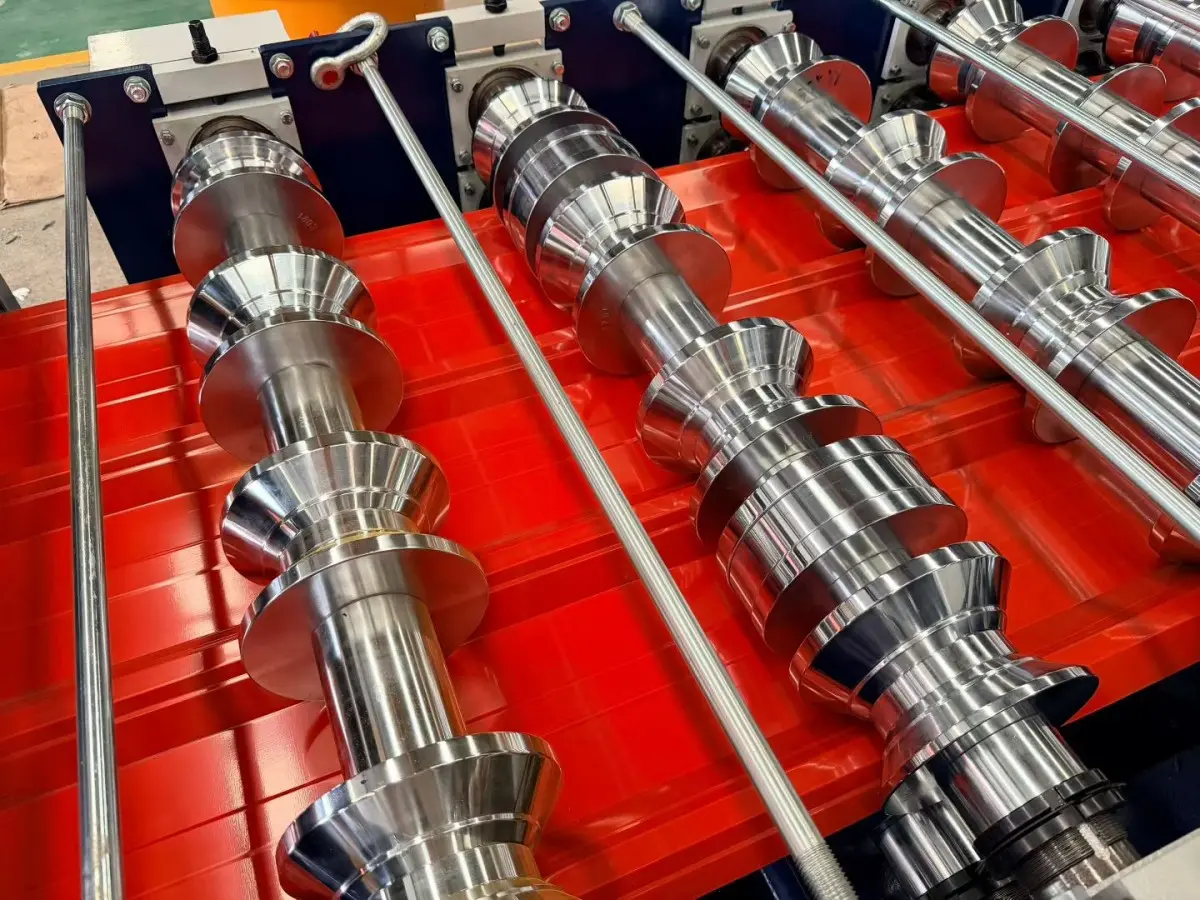
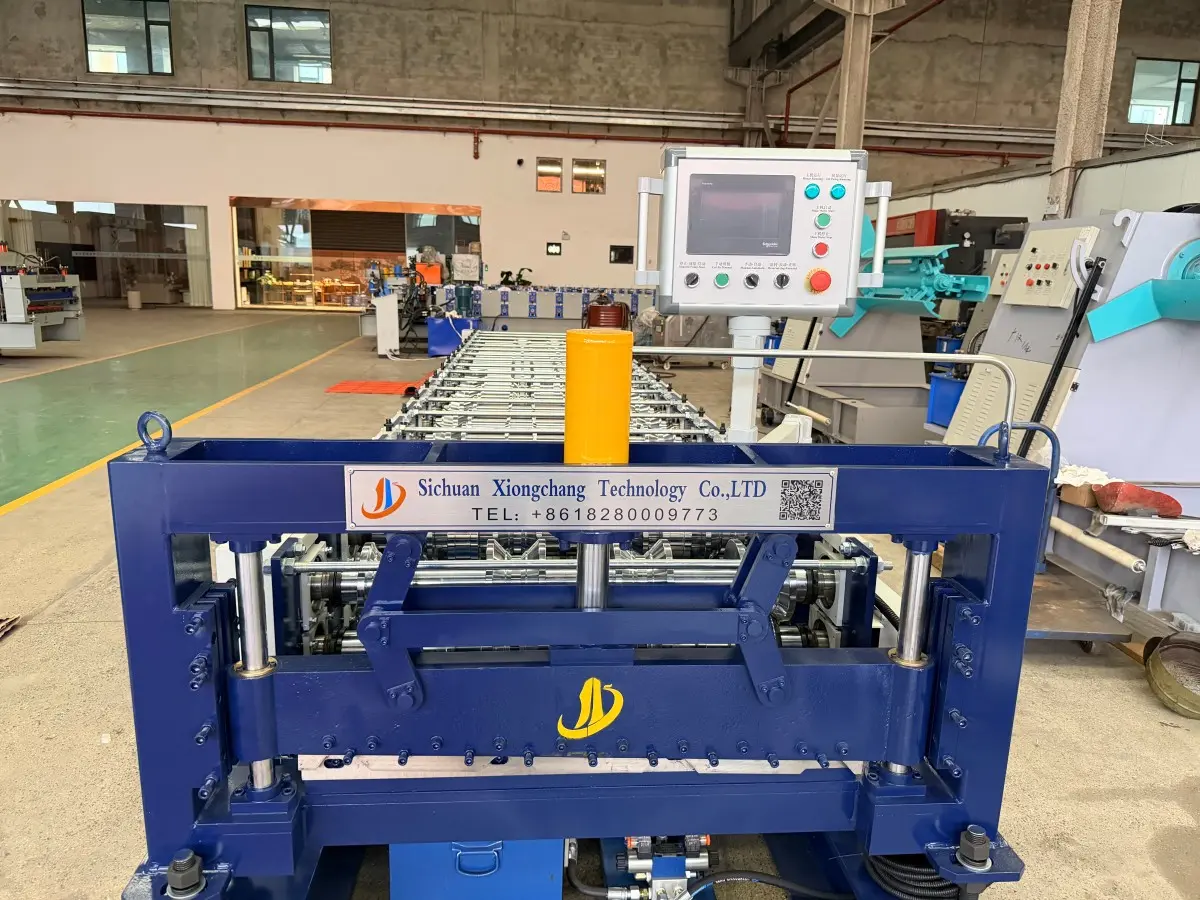
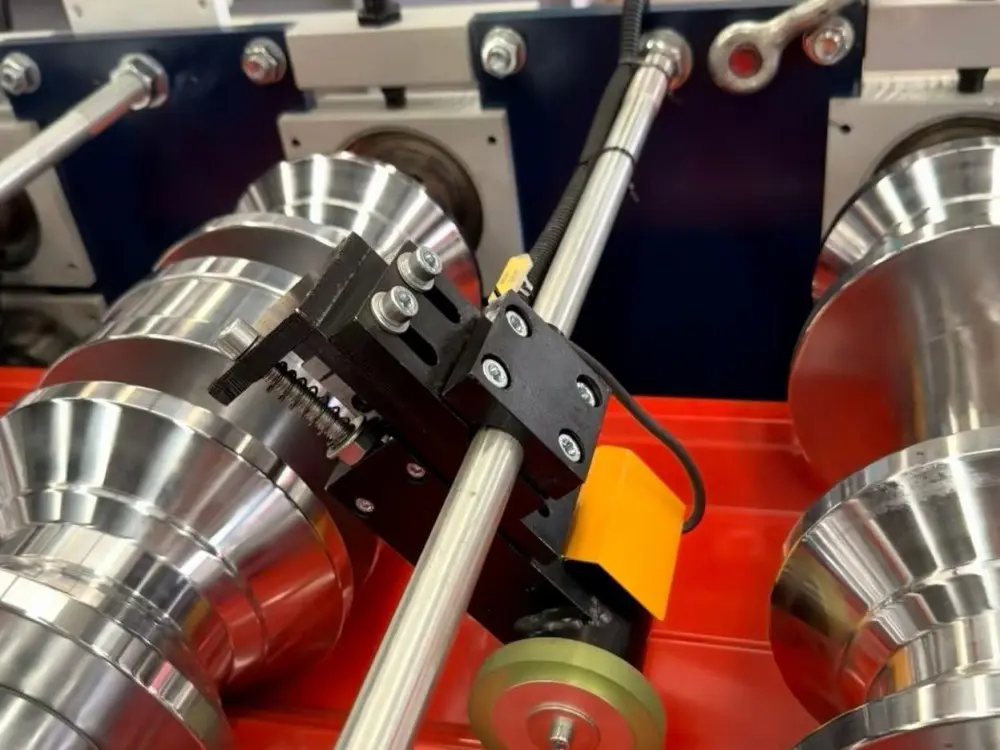
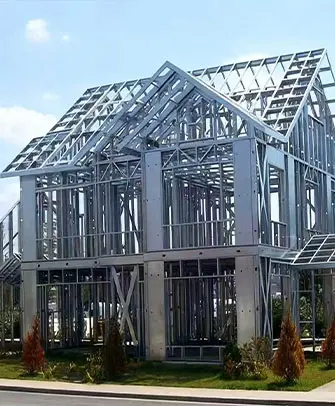
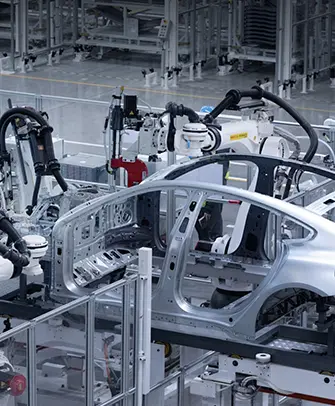
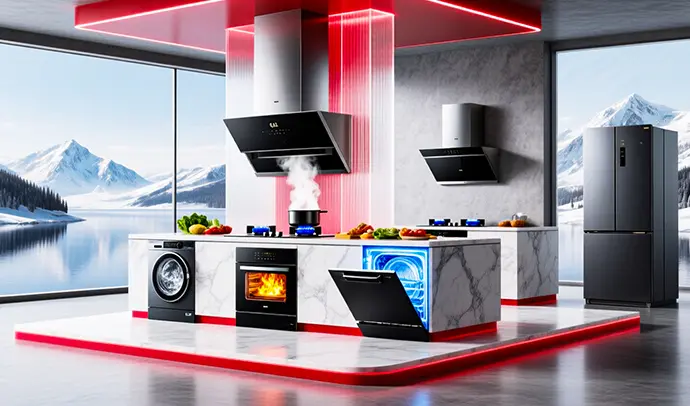
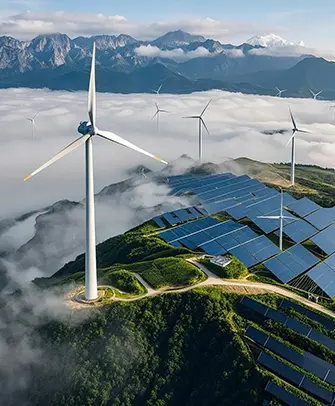
Our roll forming machinery caters to diverse manufacturing requirements across primary industrial and architectural sectors.

Get answers to critical technical and architectural queries regarding U-rib roll forming configurations and factory operation guidelines.
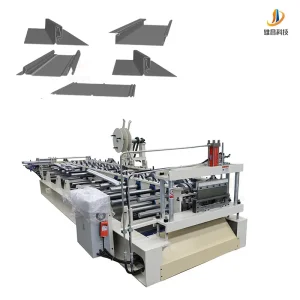
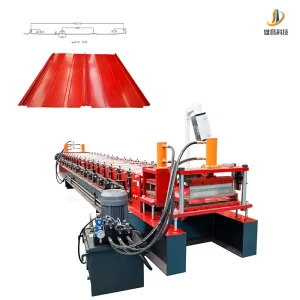
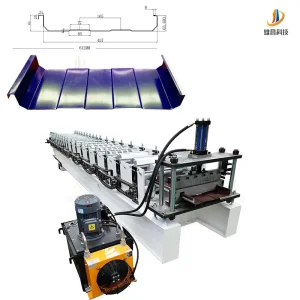
Complete your manufacturing configuration with our selection of specialized roll forming lines, spanning from standing seam systems to floor deck platforms.
 Xiongchang