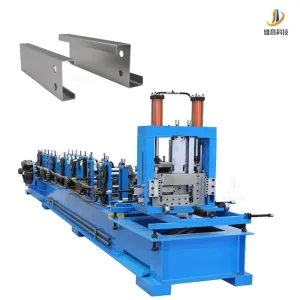
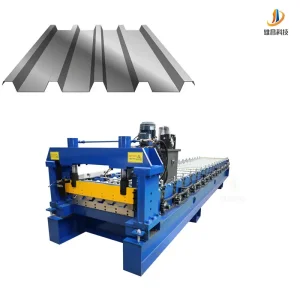
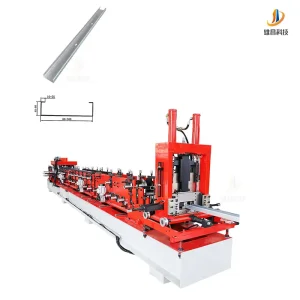
Explore our industrial-grade cold roll forming machinery designed for durability, precision control, and outstanding production output.
The U Panel profile represents one of the most versatile and durable configurations in the modern metal construction industry. Characterized by its low-profile, clean lines, and architectural simplicity, the U Panel profile is widely used across North America, Latin America, Southeast Asia, and European agricultural and light industrial zones. The growing preference for prefabricated building materials and energy-efficient roofing components has driven substantial demand for high-efficiency U Panel manufacturing equipment.
Historically, roofing panels were dominated by standard corrugated steel. However, modern commercial and agricultural structures require higher rain runoff efficiency, custom architectural finishes, and superior load-bearing characteristics. Original Design Manufacturer (ODM) U Panel roofing machines have emerged as the standard solution for localized profile customization. These machines enable regional suppliers to dynamically configure coil inputs, speed profiles, and profile rib configurations to meet stringent local engineering codes.
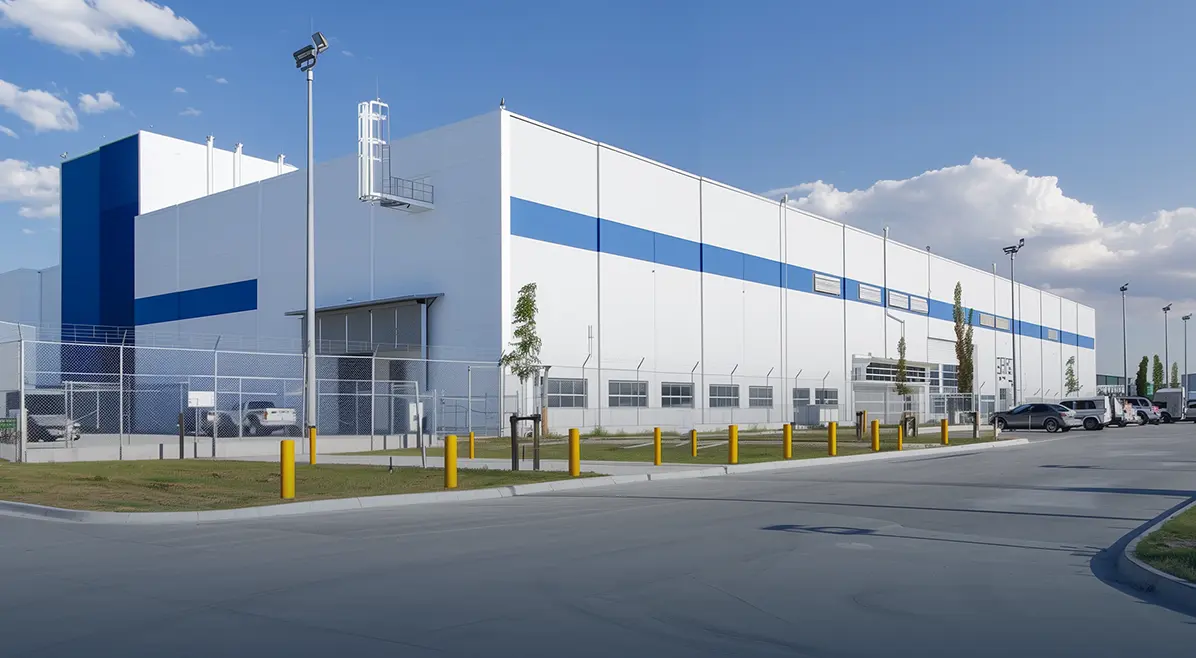
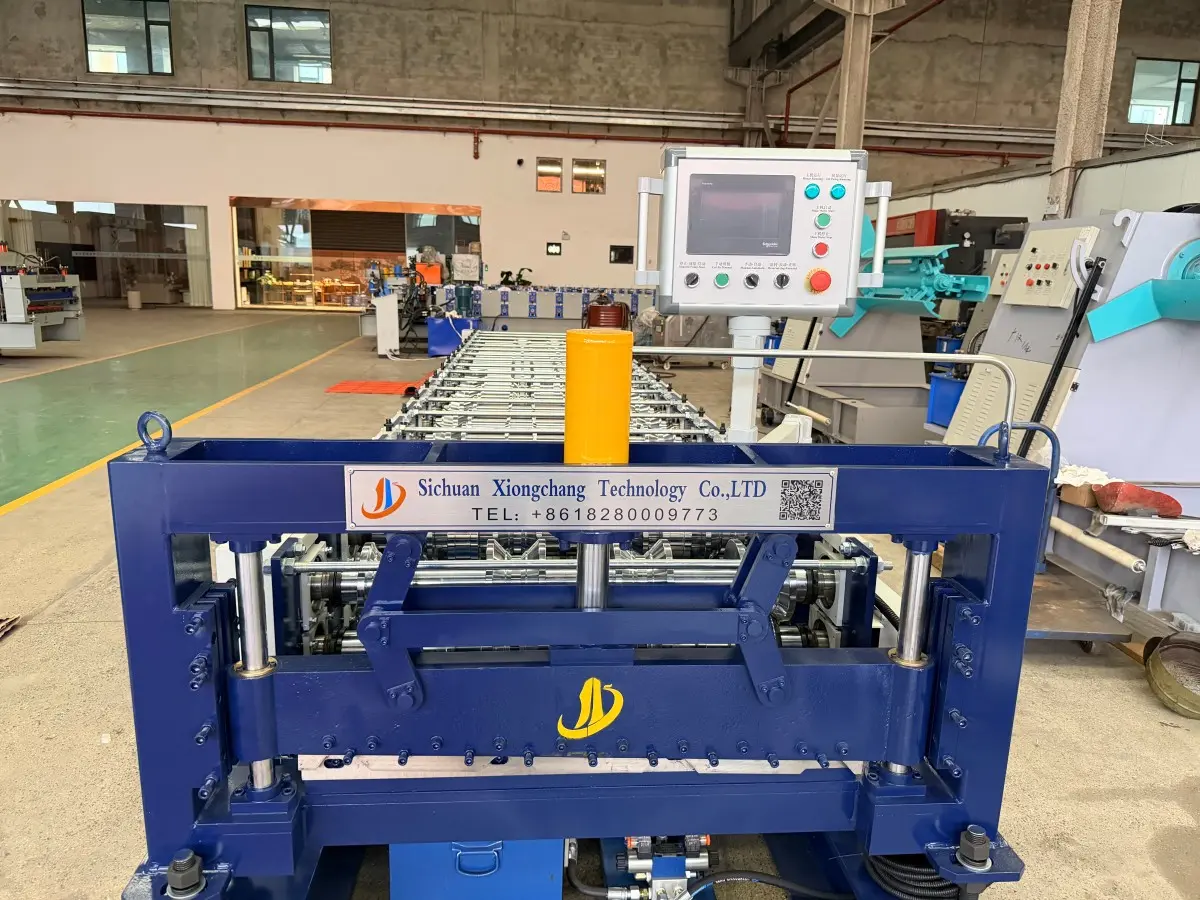
As an established expert in the field, XC (Xiongchang) provides integrated roll forming solutions. Our portfolio encompasses core production machines for roofing, flooring, doors, and structural components, as well as the complete auxiliary line equipment essential for efficient operation.
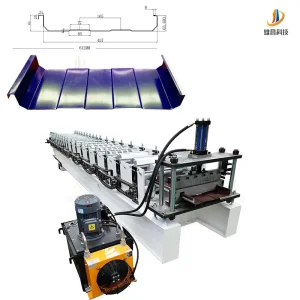
Our heavy focus on cold roll forming systems guarantees that every profile—whether standard U Panel, customized PBR, or architectural standing seam—is engineered with unmatched geometry precision. By combining cutting-edge engineering processes with a customer-first service approach, we support small-scale local fabricators and massive multi-national structural steel suppliers alike.
VIEW MORE ABOUT USWhy lead engineering firms and commercial metal fabricators choose XC Xiongchang for custom roll forming installations.
We get a specialized team of technical personnel and engineers, they are committed to delivering superior products and solutions for our valued customers.
Our substantial investment in state-of-the-art, automated production lines ensures manufacturing precision and consistency, forming the foundation of our product excellence.
For over two decades, XC (XiongChang) has been a trusted leader in the design and manufacture of cold roll forming equipment. We combine deep industry expertise with a steadfast commitment to our clients.
With our dedication on a robust technical force and advanced industrial equipment, We XC aimed to provide integrated and automated systems across our production, to fulfill diverse industrial requirements, try our best in guaranteeing the highest standards of quality and performance in every machine we build.
Our facilities utilize multi-axis CNC machining centers, high-accuracy wire-electrode cutting machines, and automated heat treatment equipment to produce rollers that withstand decades of operational fatigue. By maintaining total vertical control over our component supply chain, we deliver roll formers with unmatched shaft concentricity and thickness tolerances.
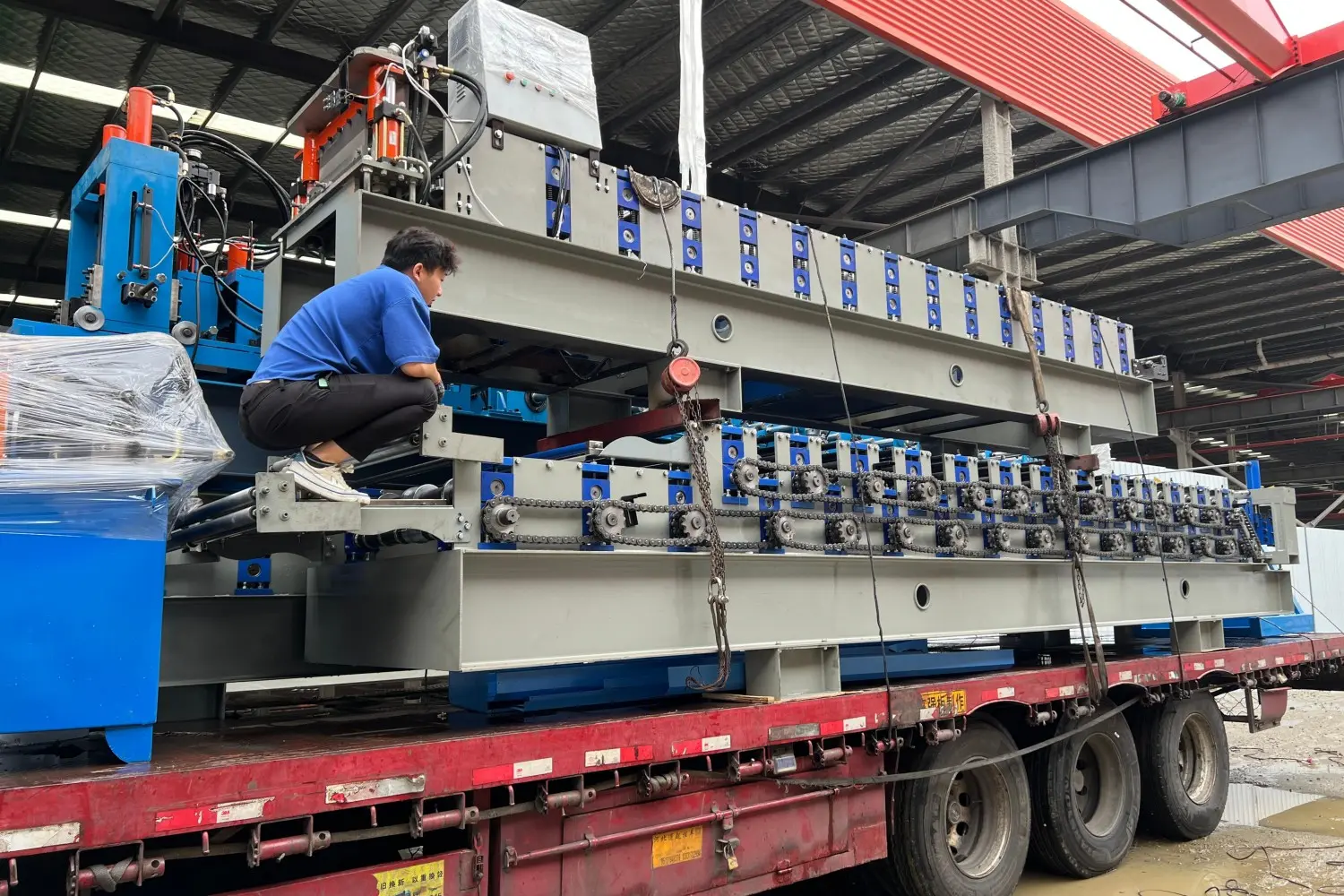
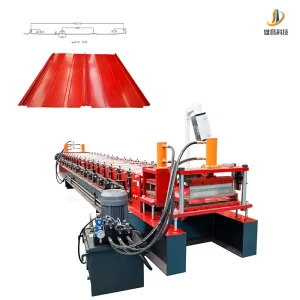
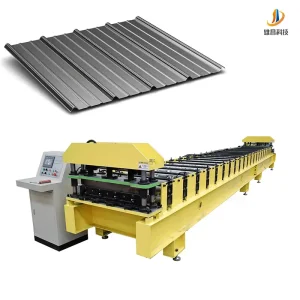
We offer an extensive range of precision cold roll forming systems to meet varied customer applications, including: All our equipment is engineered to produce durable, reliable, and high-performance end-products.
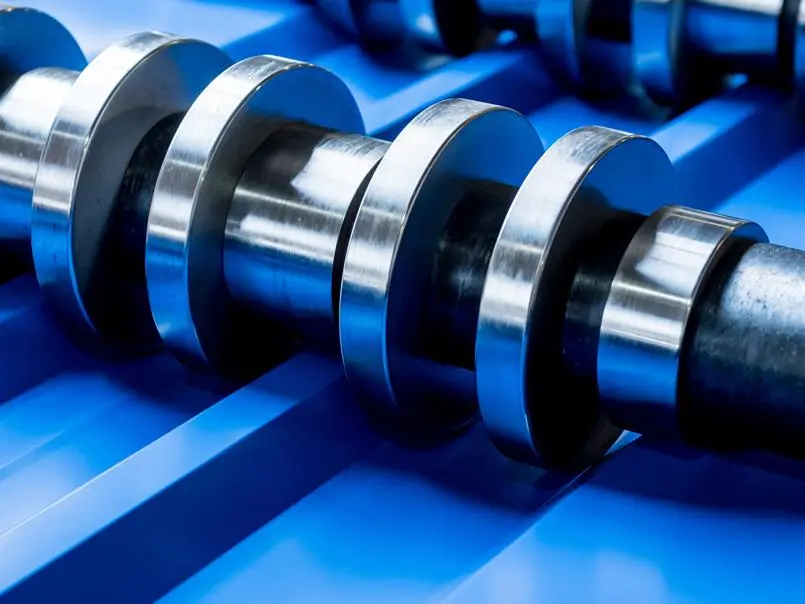
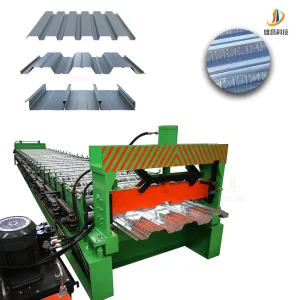
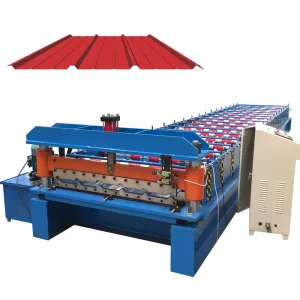
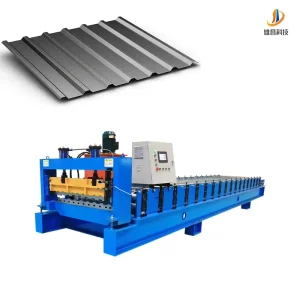
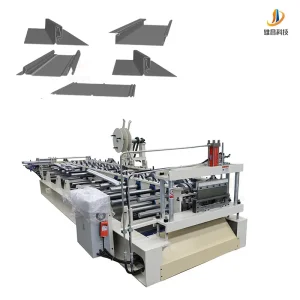
Roof Panel, Wall Panel, and Floor Deck Roll Forming Machines.
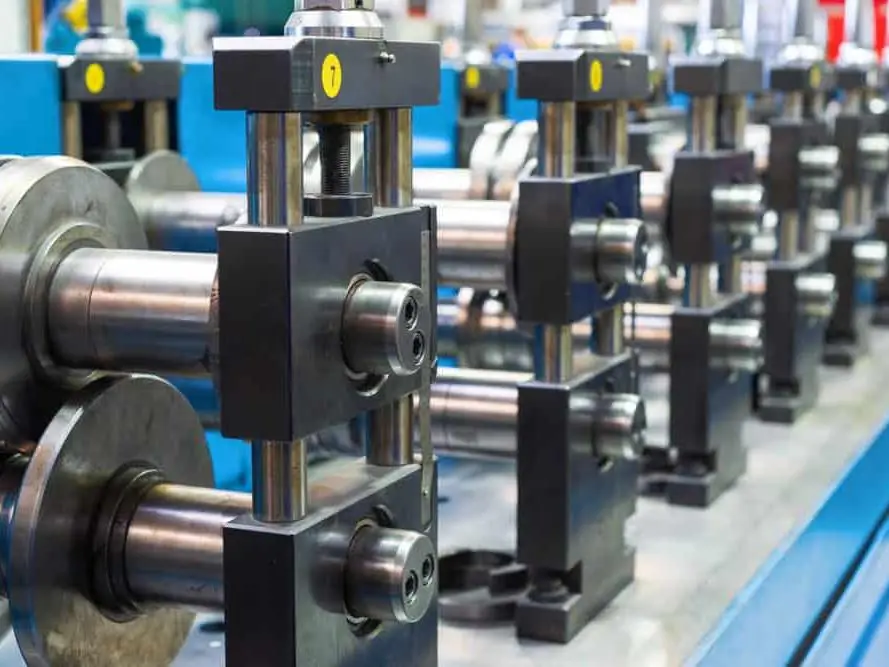
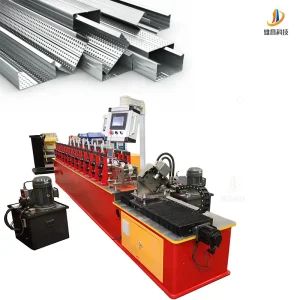
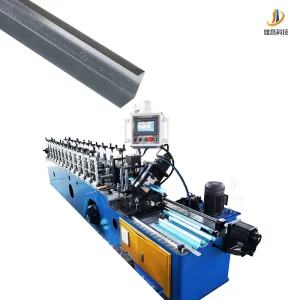
C/Z Purlin Roll Forming Machines, and Stud & Track Roll Forming Machines.
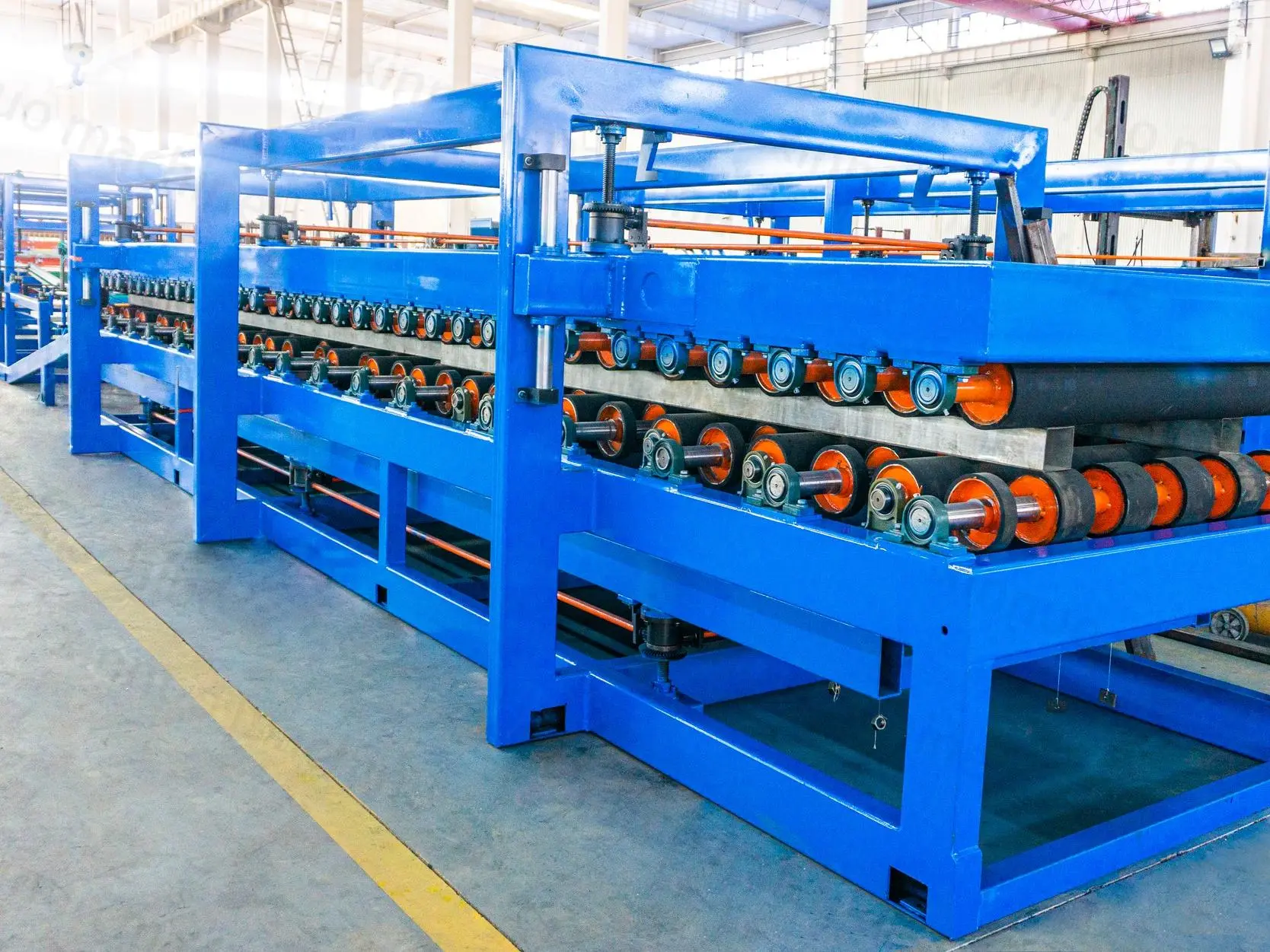
Gutter Roll Forming Machines and Door Frame Roll Forming Machines.
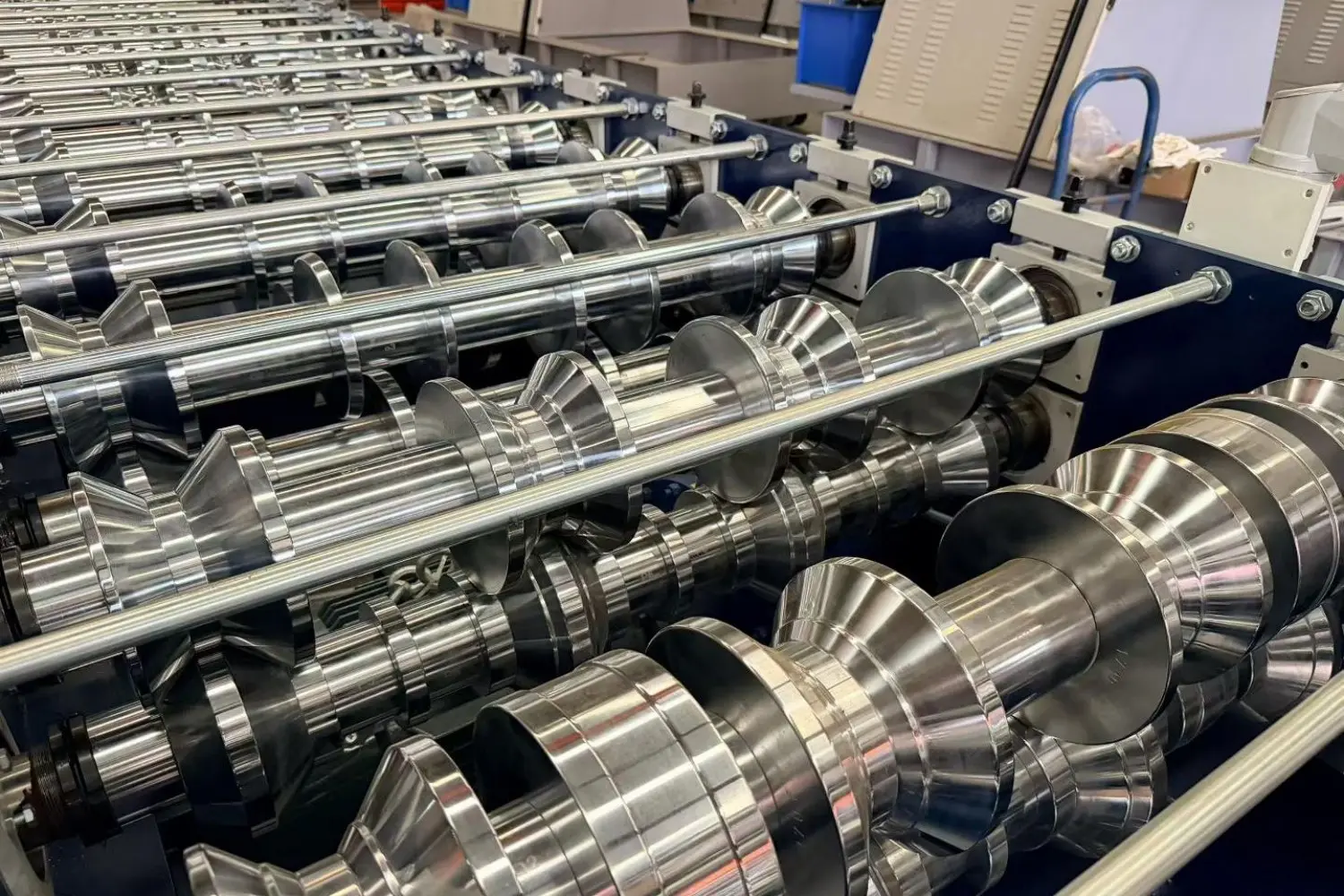
XC has a complete suite of detection and testing instruments, to rigorously verify product strength, durability, and reliability. Our quality controls don't start at final assembly; they begin when the raw steel enters our foundry.
We adhere to strict, standardized quality control protocols throughout the manufacturing process, ensuring all output consistently meets specified customer specifications. Shaft alignment, roller heat hardness, and hydraulic punch cycle limits are recorded and logged for every unit sold.
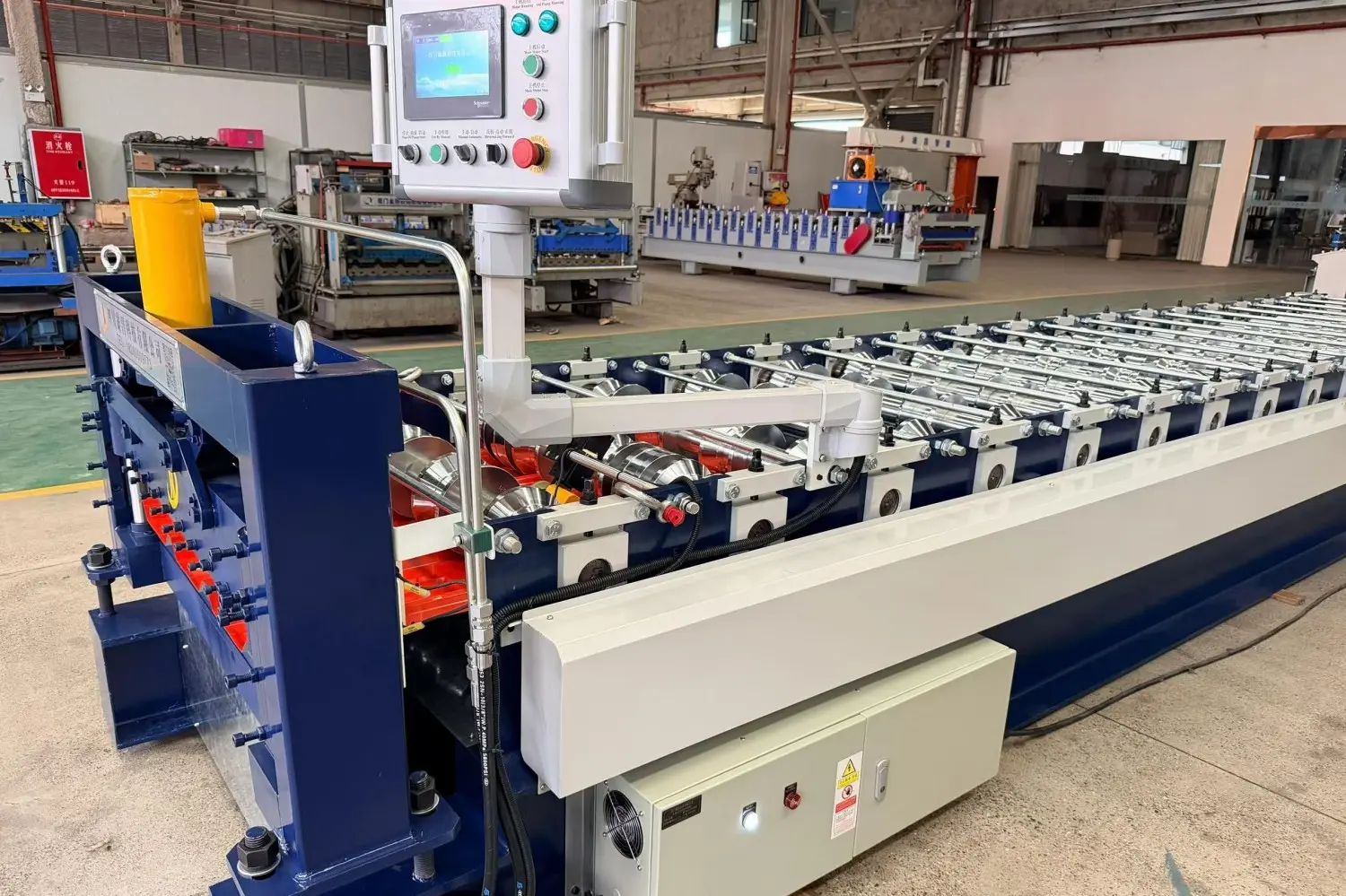
From design to installation, XC provides comprehensive lifecycle support. We offer professional installation, commissioning, and operational training to ensure optimal setup and productivity.
Our dedicated after-sales support team delivers ongoing technical assistance and maintenance services, helping customers achieve sustained, peak operational performance. Remote diagnostics modules integrated into our modern PLCs allow our engineers to troubleshoot line issues across continents within minutes.
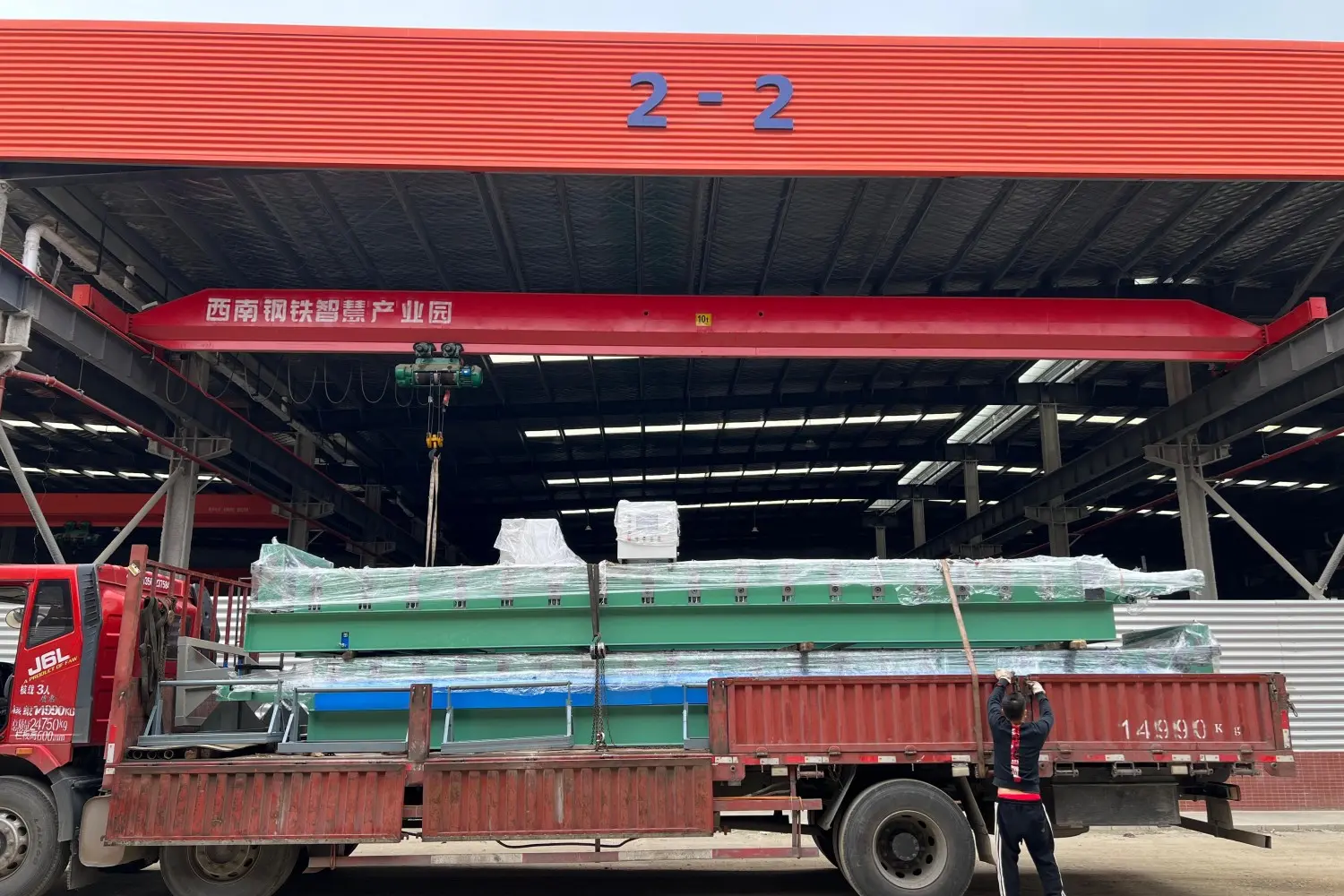
With years of industry expertise, we have established a strong reputation for quality and customer-centric service. Our professional team provides tailored, personalized support for both standard and customized technical needs.
This commitment has fostered a loyal client base across construction, manufacturing, and engineering sectors, with our machines contributing to projects ranging from residential complexes to large-scale commercial and infrastructure developments.
Enabling custom profile formation and efficient building envelope development on a global scale.
Over two decades of dedication to engineering excellence, machinery stability, and customer-first support architectures.
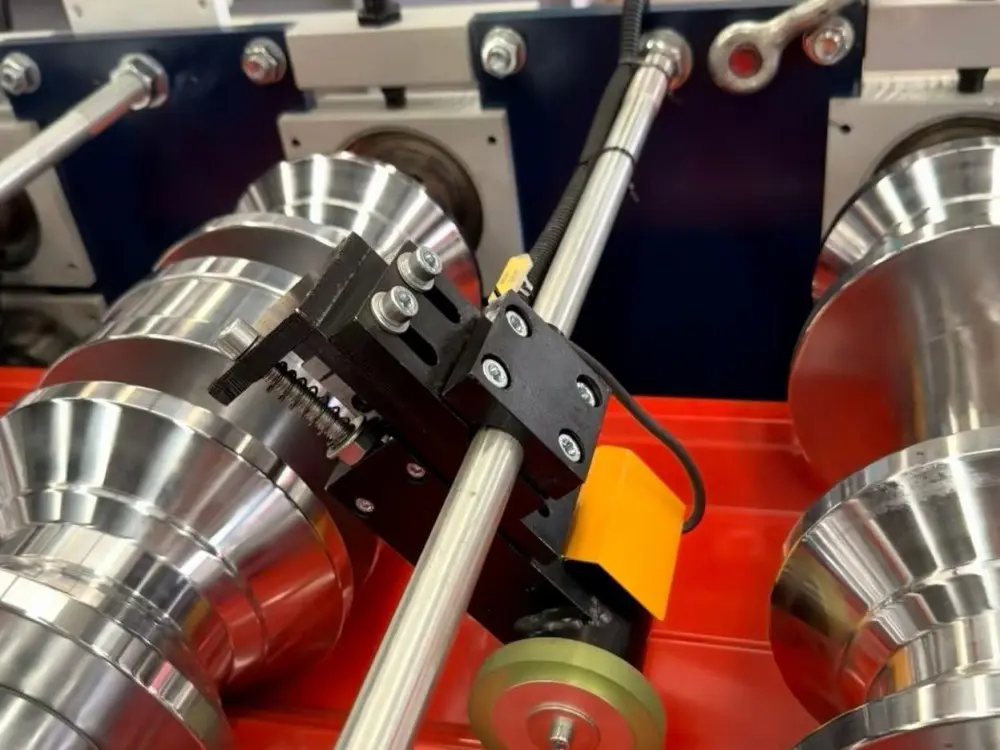
Utilizing premium engineering resources to integrate structural modifications and customize roll profiles dynamically.
01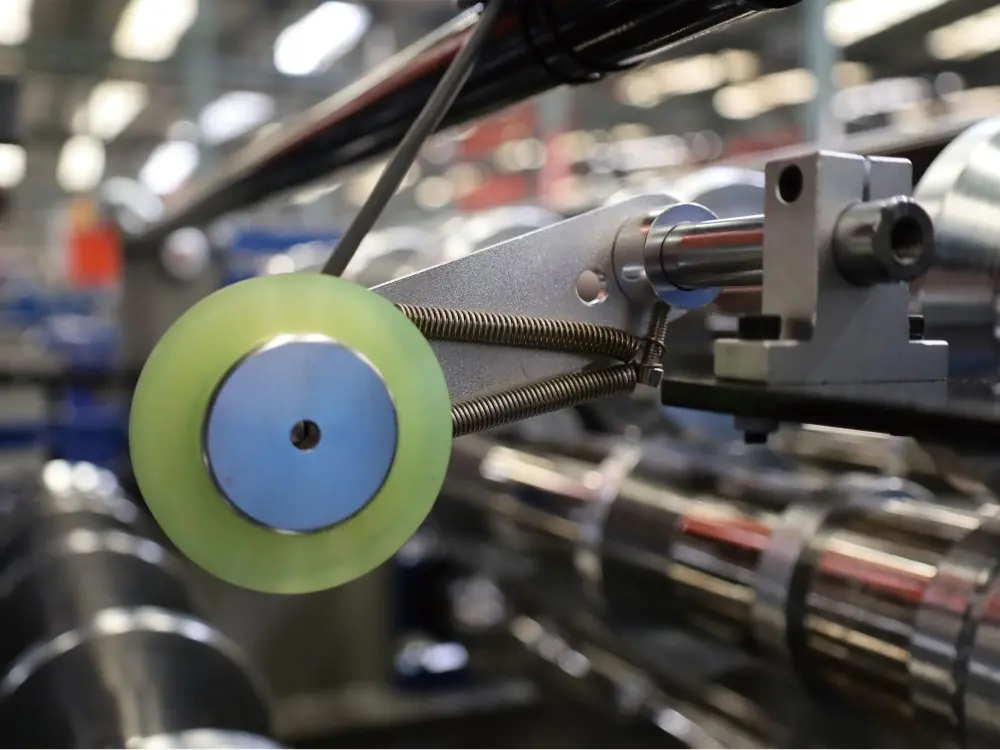
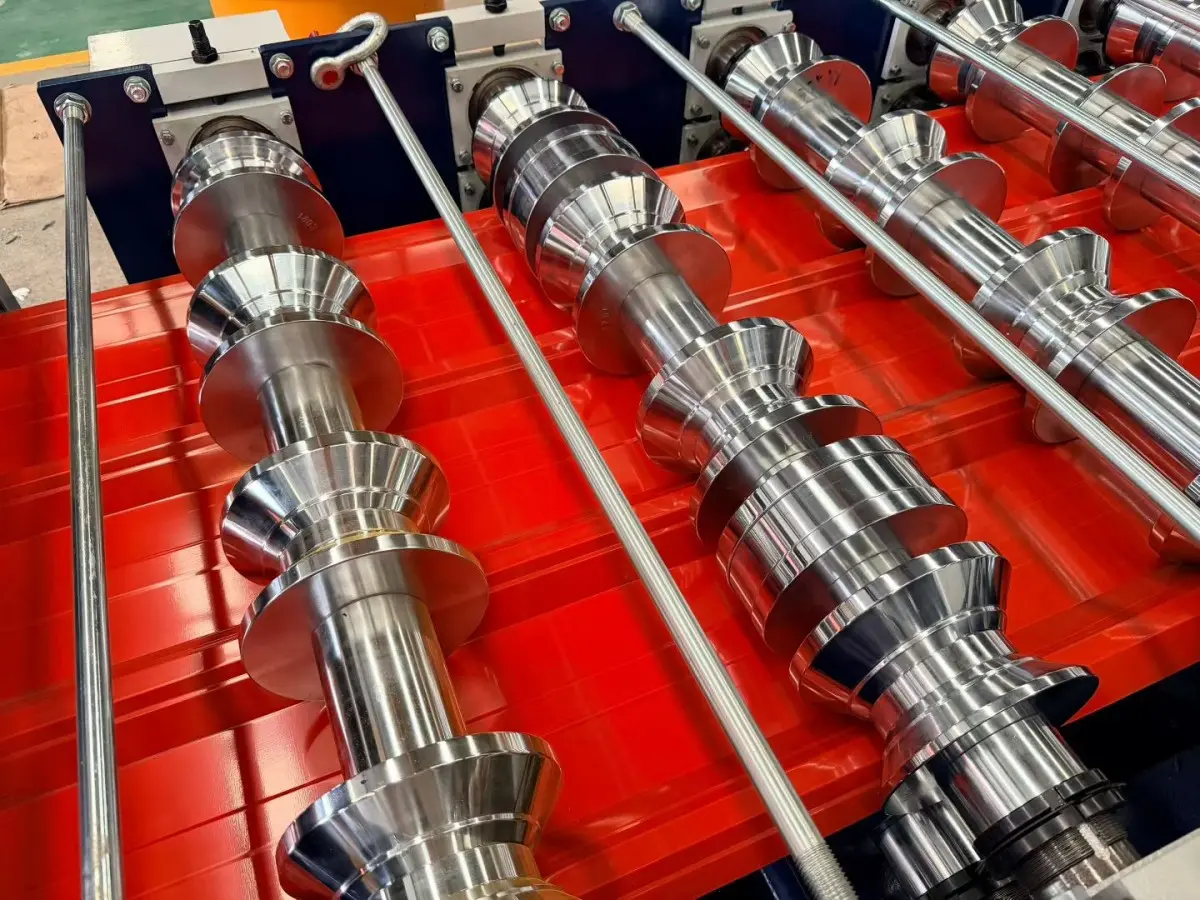
Solid steel frames, heat-treated alloy steel shafts, and chrome-plated rollers optimized for multi-shift high speed production.
02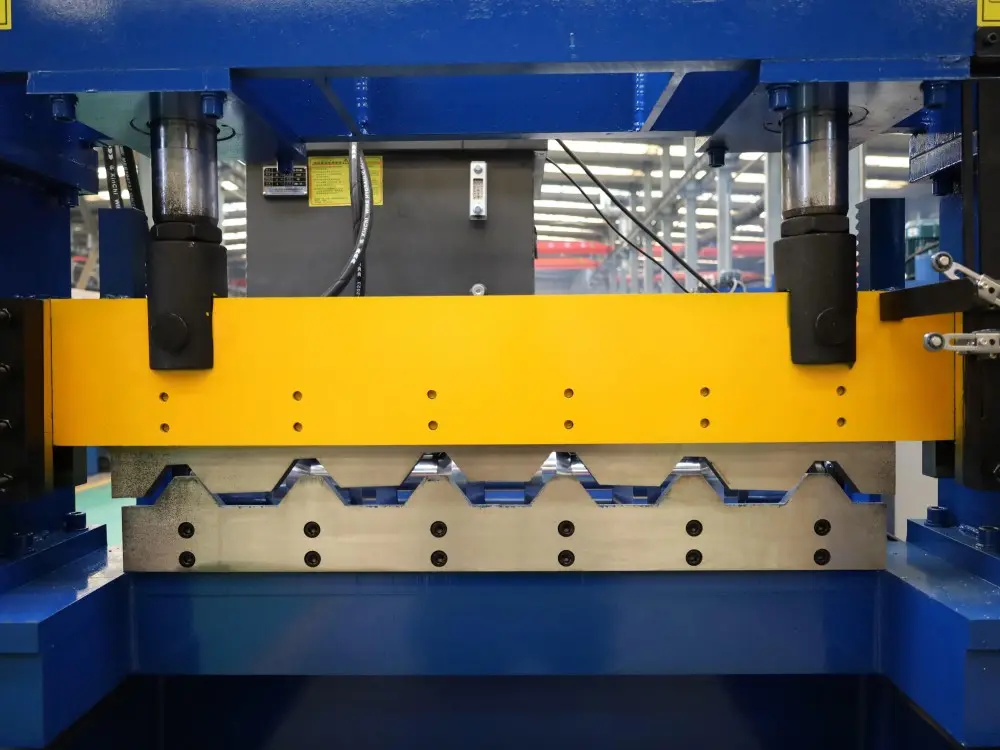
Offering extensive warranty coverages, immediate replacement parts dispatch, and engineering consultations.
03Strategic engineering developments designed to optimize raw material usage, increase throughput, and reduce lifecycle tooling wear.
Real-time monitoring of incoming coil tension fluctuations to automatically scale mechanical pre-straightening profiles.
Automated profile configuration adjustments directly from control terminals to eliminate physical roller swaps during profile changes.
Optimized non-stop hydraulic shearing systems yielding ±0.5mm length accuracy at maximum line speeds up to 35m/min.
Integrated roller temperature and vibration telemetry models to identify early signs of wear before product deformities manifest.
Our roll forming systems serve a diverse global clientele, from residential builders to large-scale industrial and infrastructure projects. Whether for standard applications or fully customized production lines, we equip manufacturers worldwide with the technology, support, and expertise to enhance their capabilities, improve output quality, and achieve long-term operational excellence.


Technical guidance and production line answers provided by the chief engineering division at XC Xiongchang.
U Panel roll forming machinery typically handles prepainted galvanized steel (PPGI), aluminum zinc-coated steel (Galvalume / Aluzinc), or aluminum alloys. The standard operational thickness range is between 0.3mm and 0.8mm (29 to 22 gauge). For high-tensile grades such as ASTM A792 Grade 80, the roller station sequence must be specifically designed with progressive pass intervals to prevent profile spring-back.
Our machines utilize solid, precision-ground shafts made of 40Cr steel, which undergo quenching and tempering processes to eliminate internal stresses. The forming rollers are precision CNC-machined and hard chrome-plated (0.05mm minimum thickness) to minimize wear. Furthermore, our PLC systems utilize closed-loop rotary encoder inputs to ensure length cutting variations are maintained within ±1.0mm at maximum production speeds.
Standard cold roll formers are designed for a dedicated profile to ensure maximum accuracy and stability. However, we offer dual-level (double-deck) systems or interchangeable cassette configurations. Double-deck machines share the same frame, motor, and hydraulic cutter, but feature two independent roll configurations on upper and lower decks. Cassette machines allow structural swap-outs of complete roller sets in under 45 minutes.
U Panels (often referred to as utility panels) feature ribs that are lower and more closely spaced than R Panels. U Panels provide 36" coverage with 3/4" tall ribs spaced 6" apart. Due to their subtle geometry, they are frequently utilized for interior liner panels, partition walls, and soffits, as well as light-load residential and agricultural roofing. R Panels feature taller (1-1/4") ribs and are preferred for heavy industrial structures with longer spans.
Every roll forming system undergoes a continuous 72-hour dry testing run at our production facility. We monitor shaft runout tolerances (limited to ≤0.02mm), roller surface hardness (typically HRC 58-62), motor temperature limits under continuous load, and PLC communication latency. Additionally, sample profiles are run to verify height, width, overlap consistency, and resistance to paint scratching.
Explore our highly integrated equipment line to establish high-throughput manufacturing divisions.
 Xiongchang