High-performance custom engineering solutions for global structural fabrication demand.
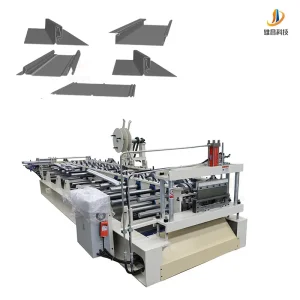
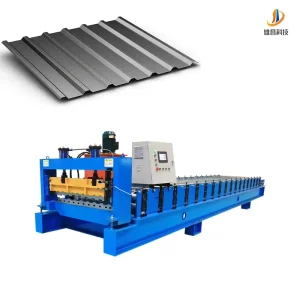
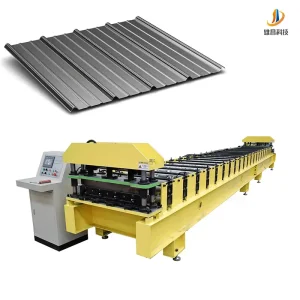
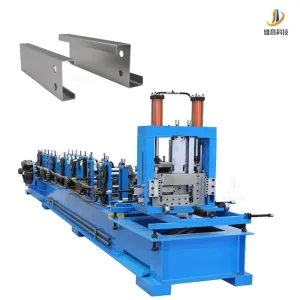
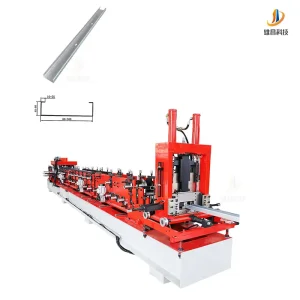
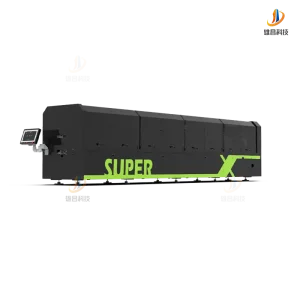
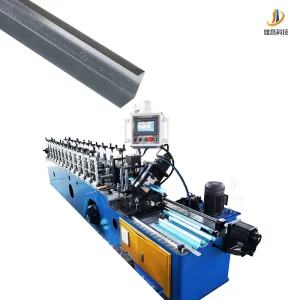
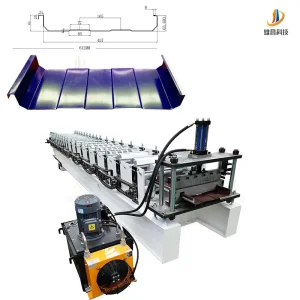
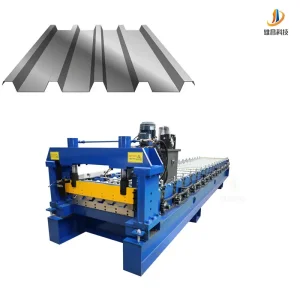
In modern construction, the Tuff Rib (often designated as the AG Panel) profile has established itself as the baseline standard for low-slope structural cladding, metal roofing, and post-frame installations. Characterized by its 3/4-inch major rib height located on 9-inch centers, this specific profile maximizes both yield strength efficiency and raw material usage. Originally deployed in agricultural developments, the system's structural superiority has driven widespread integration across suburban commercial complexes, warehouse envelopes, and high-performance residential structures.
The mechanical design of the Tuff Rib profile relies on precise geometric tolerances. The implementation of an integrated anti-siphon channel (or capillary groove) along the leading lap edge serves as the primary barrier against water ingress. When subjected to severe wind-driven rain, the anti-siphon pocket breaks the capillary action of the water, forcing moisture to drain harmlessly down the panel side rather than leaking through the fastener overlap points.
Technical Insight: Pre-painted galvanized steel (PPGI) or Galvalume (Aluzinc) within the 26 to 29-gauge range (0.3mm to 0.5mm nominal thickness) represents the ideal substrate array. Processing these high-tensile structural grades (such as ASTM A792 Grade 80) requires extremely controlled gradual deformation lines to prevent micro-cracking along the outer bends of the high-profile ribs.
Standard roll forming equipment struggles to process varying yield-strength coils without inducing camber, twist, or oil canning. High-tensile substrates require specific roll calibration and elastic springback compensation. A professional ODM Tuff Rib panel forming machine is custom-engineered to manage the flow characteristics of heavy zinc/Al-Zn coated sheets. The mechanical station structure, roller geometry, and tooling alloys must be tailored to ensure that profile heights, shoulder radii, and flatness remain uniform from the front edge to the trailing end of every batch.
A look into the structural systems of heavy industrial roll forming lines.
| Module Group | Standard Parameters | Industrial Grade Upgrades (ODM Optional) |
|---|---|---|
| Decoilers | 5-Ton capacity, manual expansion mandrel | 10-Ton hydraulic expansion with variable frequency drive (VFD) coil car |
| Forming Speed | 12 - 15 meters per minute | Up to 25 meters per minute via dynamic servo control |
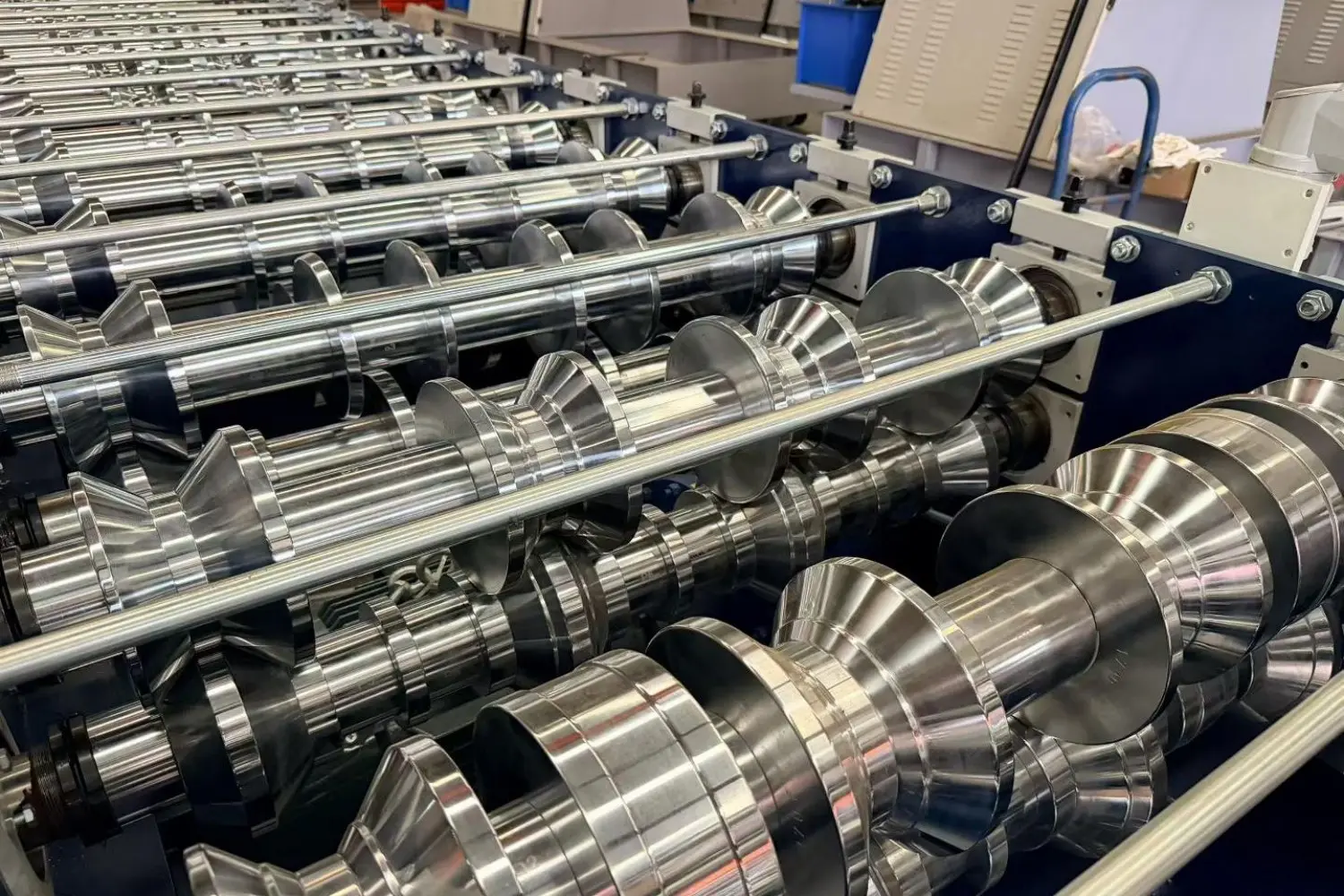
| Roll Stations | 16 - 18 forming passes | 20 - 22 passes with dual chrome-plated solid steel tooling rollers |
| Cutting System | Hydraulic stop-to-shear post-cut | Non-stop flying shear with dual-cylinder high-speed tracking |
| Electronic Control | Standard PLC with touch screen HMI | Industrial EtherCAT Ethernet-based network, remote diagnostics capability |
Achieving flawless dimensional stability is a step-by-step process. First, the leveling and guiding unit eliminates coil memory—the inherent curve of the coiled metal. The sheet then passes through the progressive roller matrix. Using CAD-designed COPRA roll-design sequences, each station bends the steel in small increments. This gradual approach minimizes internal stresses, preventing the metal from curving or twisting.
Next, the hydraulic post-shearing system cuts the formed profiles to length using a profile-matched blade. This method produces clean, burr-free edges without damaging the protective zinc or paint coatings. Finally, the finished panel is transferred to the receiving stacker for packaging and transport.
As an established expert in the field, XC (Xiongchang) provides integrated roll forming solutions. Our portfolio encompasses core production machines for roofing, flooring, doors, and structural components, as well as the complete auxiliary line equipment essential for efficient operation.
For over two decades, XC (XiongChang) has been a trusted leader in the design and manufacture of cold roll forming equipment. We combine deep industry expertise with a steadfast commitment to our clients, ensuring every machine delivers exceptional value and performance. Our substantial investment in state-of-the-art, automated production lines ensures manufacturing precision and consistency, forming the foundation of our product excellence.
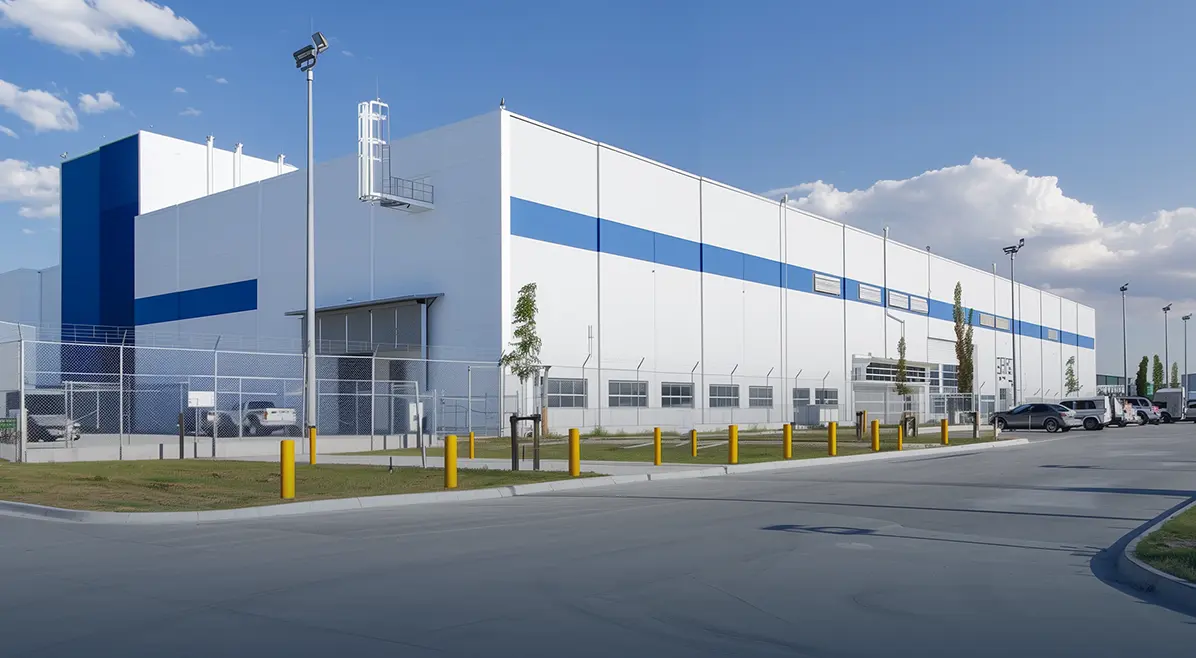
Rigorous quality control and advanced production engineering systems drive our manufacturing excellence.
Backed by a specialized team of technical personnel and engineers, we are committed to delivering superior products and customized solutions tailored to complex structural projects.
We use premium materials and components, such as hardened tool-steel rollers, robust steel frame plates, and reliable electrical systems, to ensure our machines perform consistently for years.
From custom profile designs to installation, setup support, and ongoing technical service, we provide complete, lifetime assistance to keep your production running smoothly.
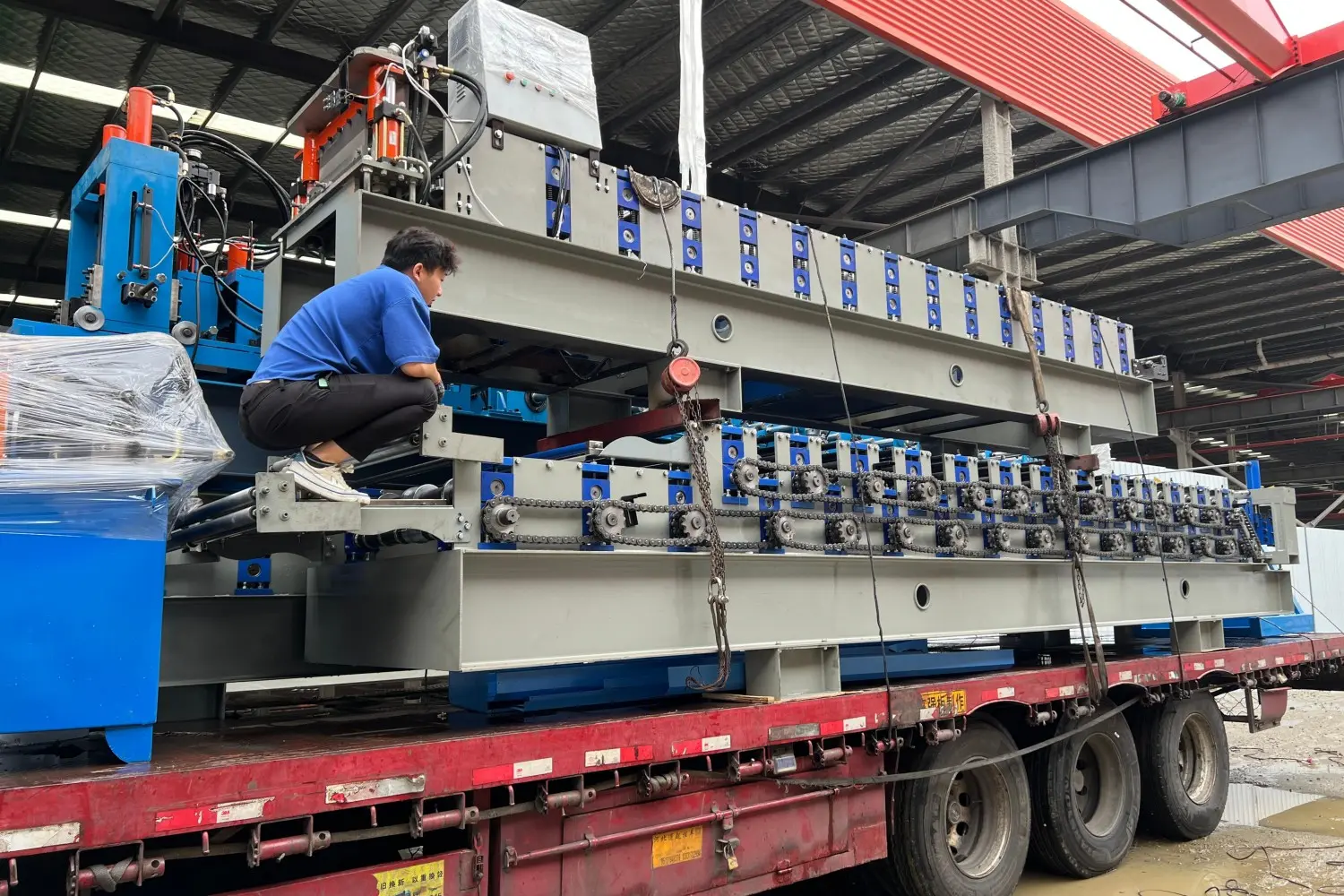
With our dedication on a robust technical force and advanced industrial equipment, We XC aimed to provide integrated and automated systems across our production, to fulfill diverse industrial requirements, try our best in guaranteeing the highest standards of quality and performance in every machine we build.
Our manufacturing floor uses state-of-the-art multi-axis CNC machining centers to shape every roller shaft and profile assembly. This high-precision approach prevents profile defects and minimizes setup times during coil changes.
An extensive range of precision cold roll forming systems engineered to produce durable, reliable, and high-performance end-products.
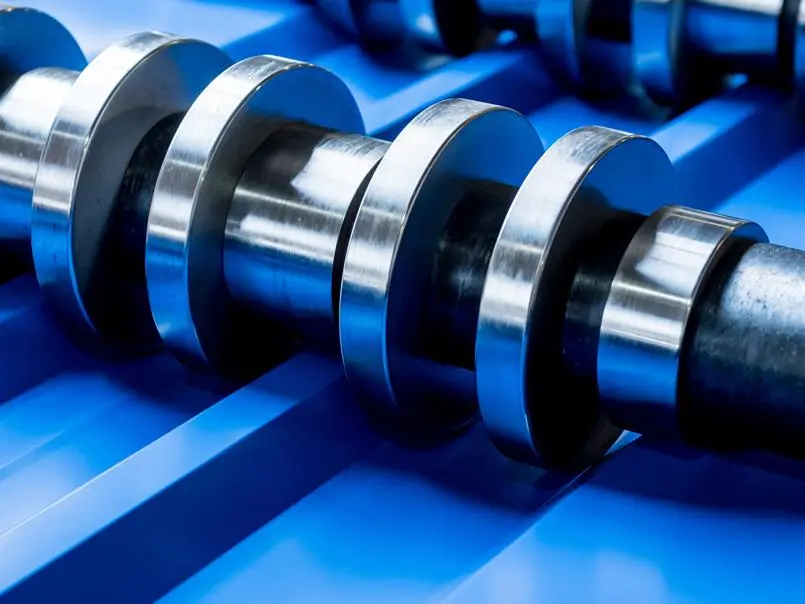
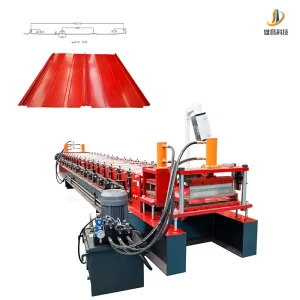
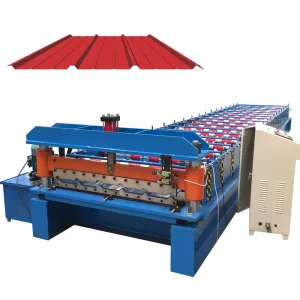
Roof Panel, Wall Panel, and Floor Deck Roll Forming Machines designed for rapid enclosure deployment.
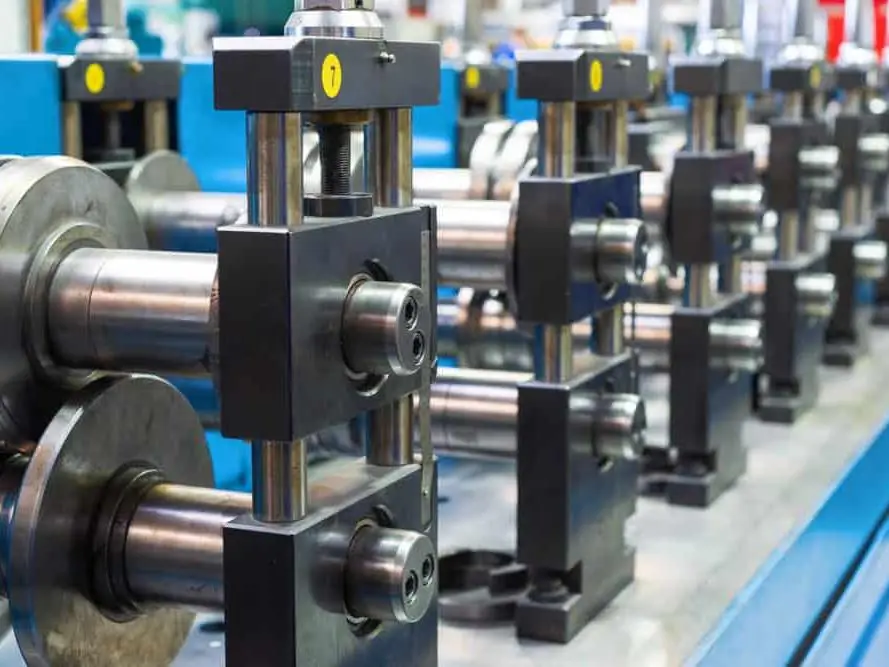
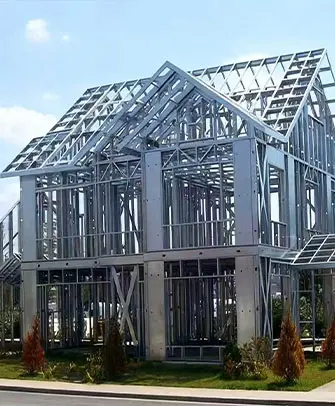
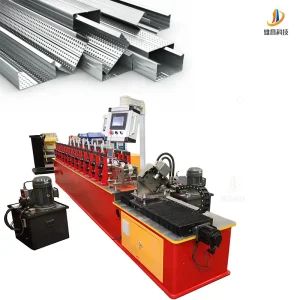
C/Z Purlin Roll Forming Machines, and Stud & Track Roll Forming Machines targeting high-load infrastructure layouts.
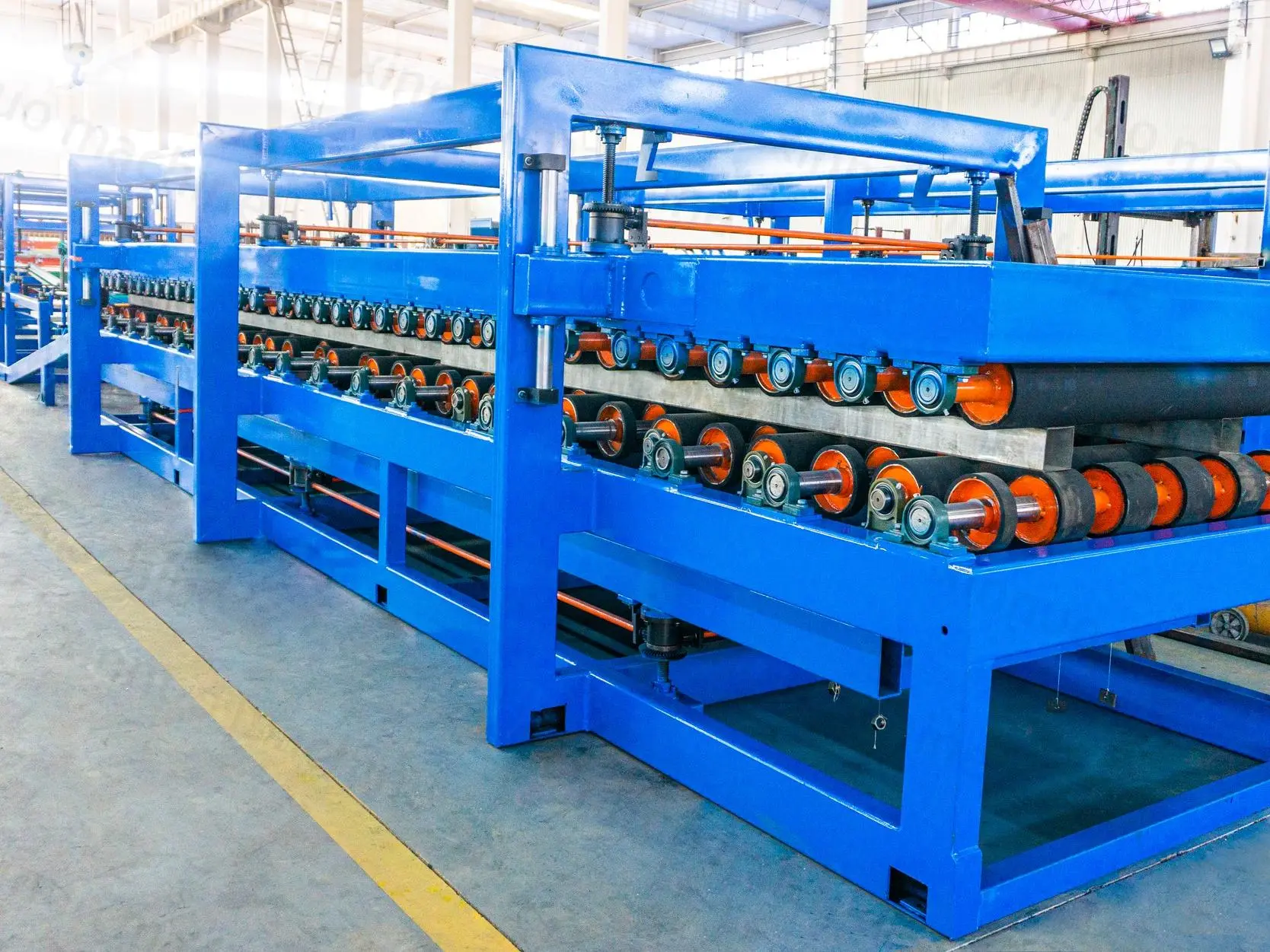
Gutter Roll Forming Machines and Door Frame Roll Forming Machines matching precise architectural specifications.
XC maintains a comprehensive suite of testing and calibration equipment to verify sheet metal stress tolerances, surface coating integrity, and machine durability. Our quality control team inspects every critical component—including bearing sets, hydraulic valves, and PLC circuits—ensuring every machine performs reliably under demanding, continuous workloads.
Additionally, our value-added lifecycle support helps clients minimize setup times. We provide custom site planning, remote setup assistance, and hands-on operational training, helping teams quickly reach and sustain peak output efficiency.
We adhere to strict, standardized quality control protocols throughout the manufacturing process, ensuring all output consistently meets specified customer specifications.
In the highly competitive roll forming machinery market, Chinese manufacturers leverage unique ecosystem advantages to deliver superior quality and value. At XC, our 50,000 m² factory space houses a fully integrated supply chain. We handle every step in-house—from sourcing premium structural steel plates to final heat treatment, roller machining, assembly, and testing. This end-to-end control keeps production cycles predictable and efficient.
By working with local specialized suppliers for premium components (such as Siemens or Mitsubishi electronics and Yuken hydraulic systems), we optimize lead times and lower material costs. These savings are directly passed on to our clients, ensuring high-value equipment that delivers a strong return on investment.
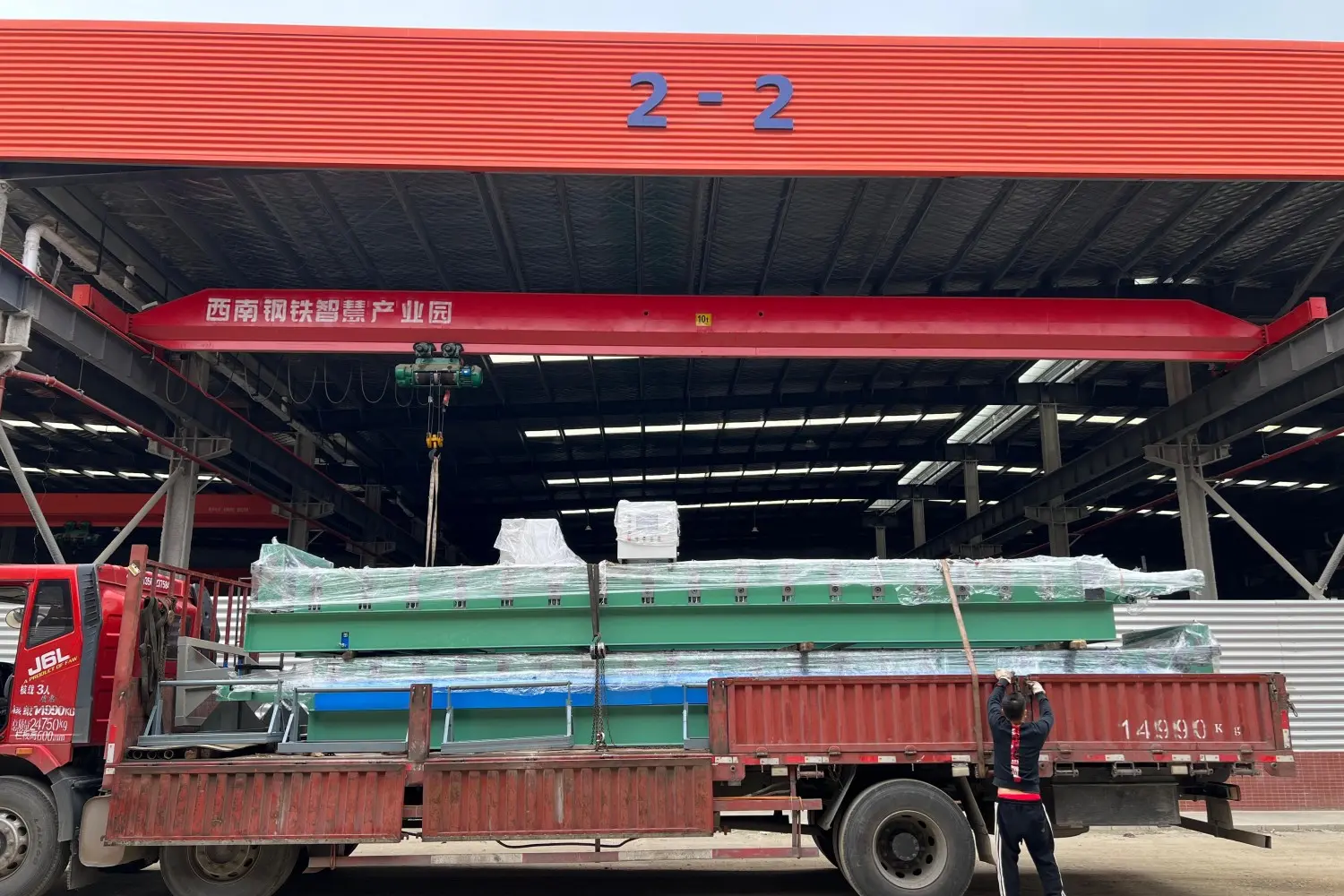
Our global shipping processes are highly standardized. Each machine is carefully disassembled, protected with anti-rust coatings, vacuum-wrapped, and secured in container cells. This thorough preparation ensures your equipment arrives in perfect condition, ready for quick assembly and commissioning.
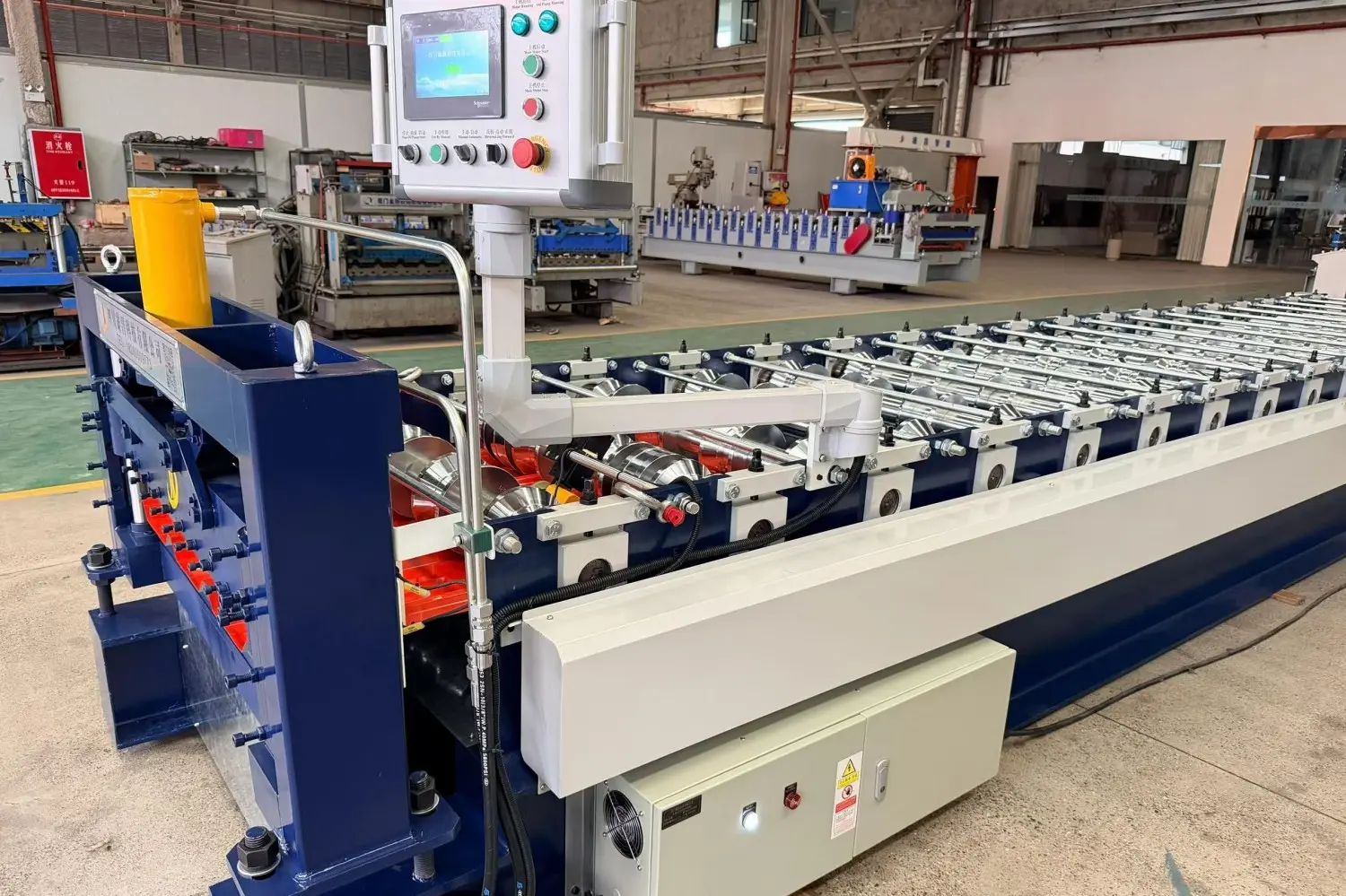
Engineering machines to meet international standards and withstand challenging regional climates.
Built to process heavy 29-gauge high-tensile steel, delivering the precise profile clearances and strict UL 580 wind-uplift resistance required for residential and agricultural roofs.
Configured with heavy-duty corrosion-resistant chrome rollers, ideal for handling the thick prepainted substrates designed to withstand humid, high-saline coastal environments.
Fully compliant with EU machinery directives, featuring integrated safety light curtains, emergency stop systems, and low-noise hydraulic units for safe warehouse operation.
The roll forming industry is shifting toward smart, automated manufacturing. Our technology roadmap focuses on three main developments:
Serving structural steel fabricators, commercial builders, and manufacturers across multiple industries.


Expert answers to common questions about roll forming engineering, configuration, and shipping.
They are virtually identical in terms of design. "Tuff Rib" is a popular brand name in residential and post-frame markets, while "AG Panel" (short for Agricultural Panel) is the standard industry term. Both profiles feature a 3/4-inch rib height on 9-inch centers, providing 36 inches of coverage. The main difference lies in custom lap edge options and the configuration of the anti-siphon channel.
Our standard and ODM lines process grade 33 to grade 80 steel (228 to 550 MPa yield strengths), including hot-dipped galvanized, pre-painted (PPGI), and Galvalume coils. For high-tensile grade 80 steel, we add extra forming stations to prevent panel deformation and keep shapes consistent.
We use gradual profile progression, precision-ground rollers with hard chrome plating, and optional protective film applicators. We also calculate precise forming angles and use oil-mist lubrication systems, keeping paint finishes pristine.
Post-shearing cuts the panel after it is formed. This method ensures clean cuts, prevents profile deformation at the ends, and makes it easy to run variable lengths. Pre-shearing is cheaper to build but can cause "flare" at the leading and trailing edges of the panel.
We customize electrical cabinets to match local standards, including CE (Europe), UL/CSA (North America), and SAA (Australia). We source key electronics globally from reliable brands like Siemens, Schneider, and Omron to ensure safety and easy maintenance.
Standard custom orders take 60 to 90 days, including engineering, assembly, and testing. Machines are packed securely with anti-corrosion coatings and steel tie-downs, fitting safely into standard 40-foot containers.
Engineered for durability, high precision, and long-term production value.
 Xiongchang