Explore our leading custom cold roll forming machinery engineered for international infrastructure and residential design requirements.
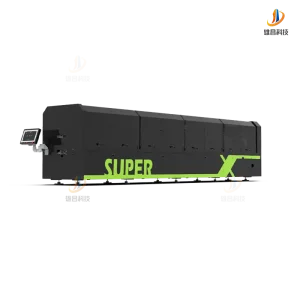
As an established expert in the field of metal processing technology, XC (Xiongchang) provides integrated cold roll forming systems. Our structural engineering portfolio encompasses the core production machinery for industrial roofing, flooring decks, automated roll-up doors, and partition framing systems, alongside the fully optimized auxiliary lines essential for continuous industrial operation.
Over our twenty-year development history, we have combined advanced tooling science with a service-centric engineering mentality. By investing heavily in precision CNC tooling complexes and advanced heat treatment lines, we ensure that every machine leaving our floor complies with the exact dimensional configurations and low-stress shaping requirements needed for global building envelopes.
A comprehensive B2B technical guide detailing material yields, structural profile dynamics, and high-tolerance processing.
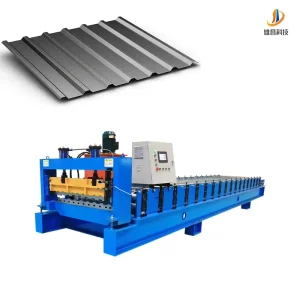
Trapezoidal metal profiles—widely known as box-rib or IBR profiles—represent the backbone of modern industrial building envelopes. Due to their optimized load-bearing properties, superior drainage paths, and material-to-strength ratios, they are the preferred panel standard for large commercial warehouses, manufacturing hubs, aircraft hangars, and agricultural structures globally.
To manufacture highly precise trapezoidal profiles, the roll forming design must counteract the internal stresses of cold-rolled steel, galvanized iron (GI), pre-painted galvanized iron (PPGI), and aluminum-zinc alloys. When sheet metal is formed into sharp bends, it undergoes local plastic deformation. Proper station-by-station roll pass design prevents common structural defects like oil canning, wrinkling, flare on the cut edges, and side-wave phenomena.
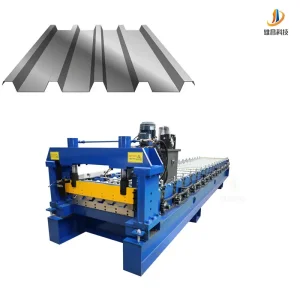
Designed with centralized stiffening ribs to extend the maximum support spans, reducing total structural steel costs for purlins and roof rafters.
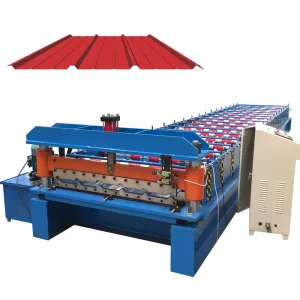
A low-profile configuration featuring high-density ribs. Excellent for low-slope residential applications and modular metal roofing installations.
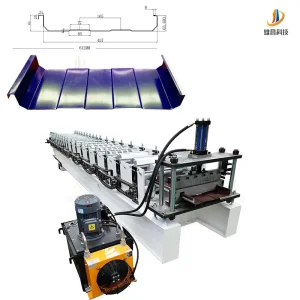
Engineered for high wind-uplift pressures, ensuring excellent structural integrity, uniform wind resistance, and modern aesthetics.
Contemporary factories require high-speed integration. Modern ODM Trapezoidal Roof Panel Roll Formers feature PLC-based automated management platforms (Siemens, Mitsubishi, or Delta) with touchscreen HMIs. The integration of hydraulic post-cutting assemblies ensures clean cuts with minimal deformation. High-speed systems utilize servo-controlled flying shear units to cut on-the-fly, raising production output up to 35 meters per minute without compromising structural accuracy.
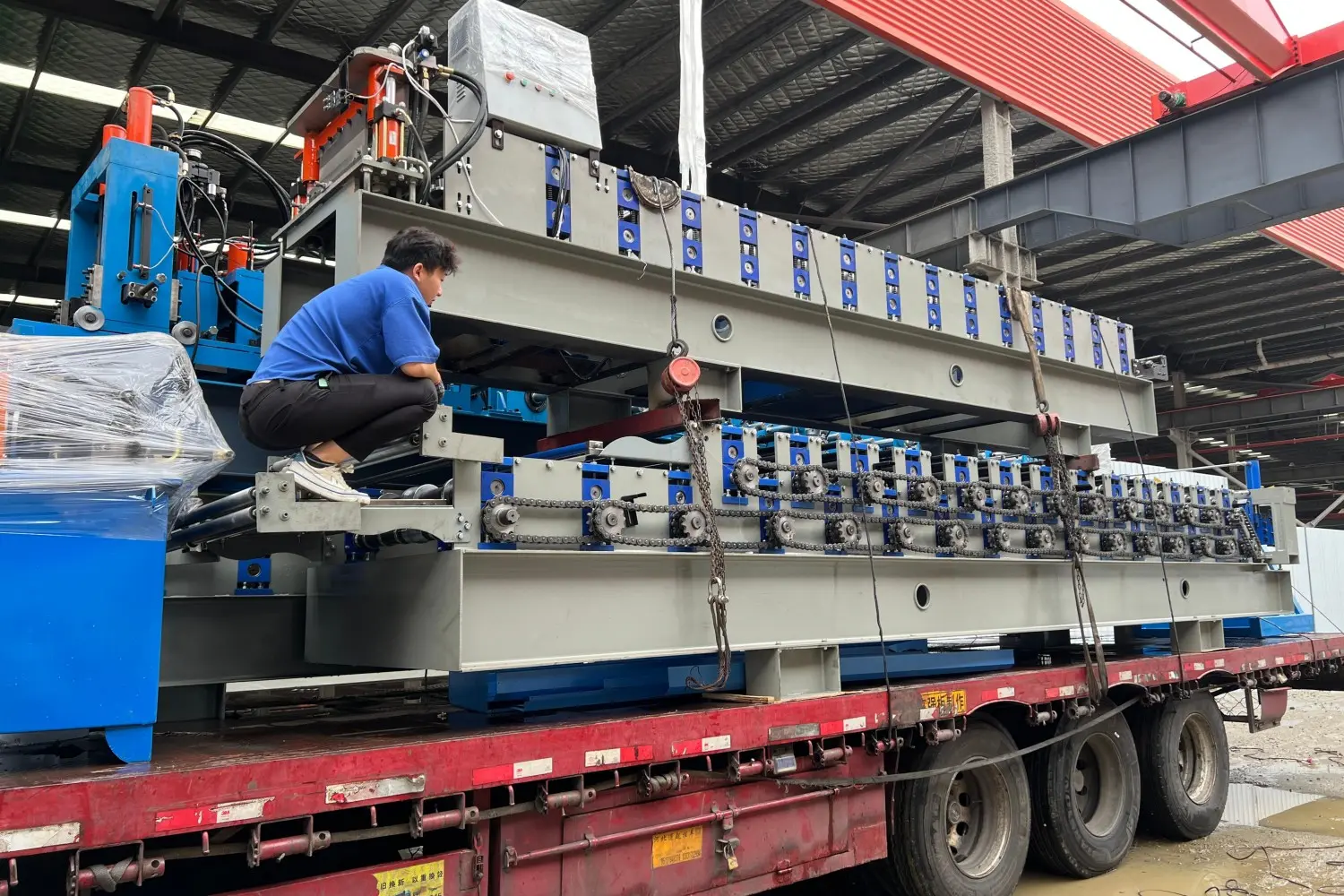
Procuring industrial metal forming lines directly from custom Chinese OEM factories like XC Xiongchang offers competitive technical benefits. The industrial ecosystem in China links specialized raw steel providers, heat-treatment facilities, and precise electronics manufacturers, ensuring seamless component sourcing and optimized lead times.
By keeping core processes like roller turning, surface hardening, and mechanical assembly in-house, Chinese factories can deliver high-quality machinery at a lower capital cost compared to Western manufacturers. This efficiency allows buyers to allocate resources toward advanced custom configurations, like multi-profile cassette systems or dual-level configurations, maximizing the utility of their shop floors.
Discover our comprehensive range of high-efficiency roll forming systems tailored to your specific application requirements.
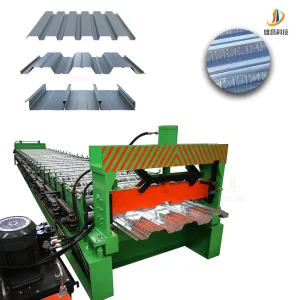
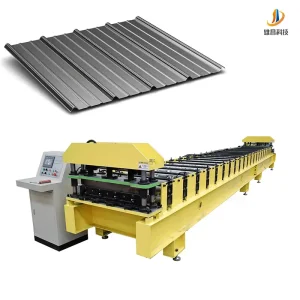
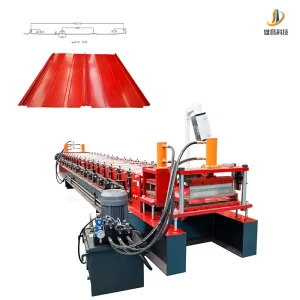
Comprehensive solutions for Roof Panels, Claddings, Wall Panels, and heavy-duty Floor Deck Roll Forming Machines.
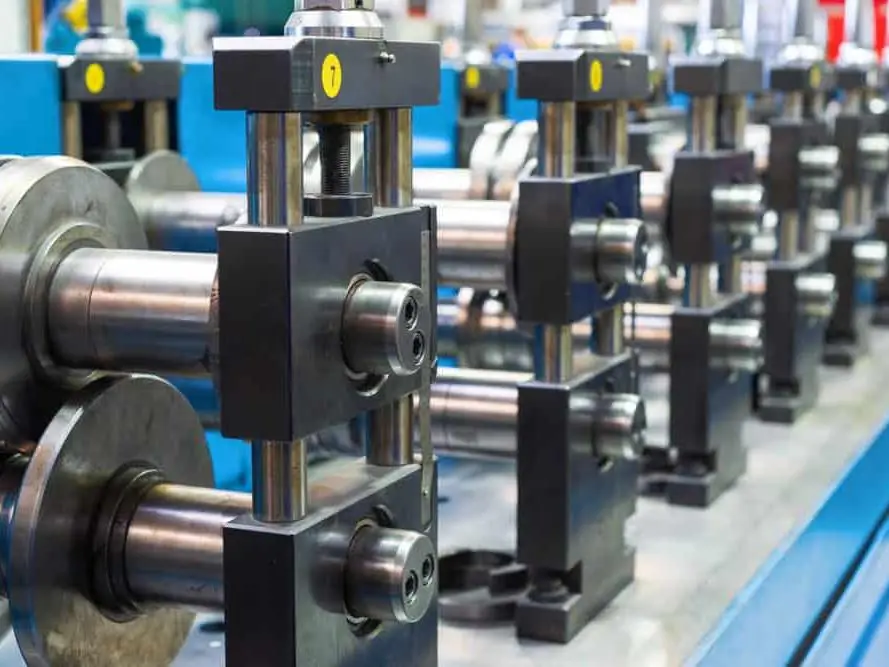
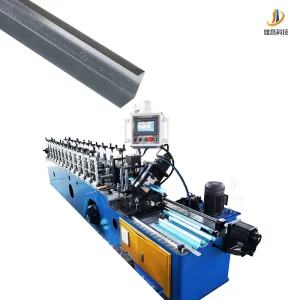
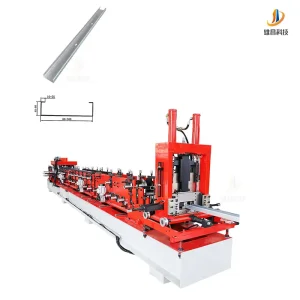
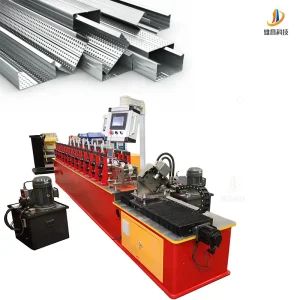
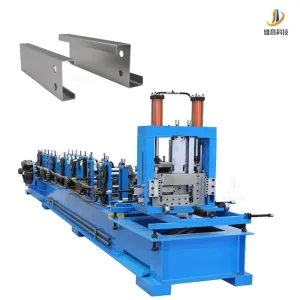
Flexible high-speed purlin fabrication lines including C/Z structural framing machines and light gauge stud/track forming units.
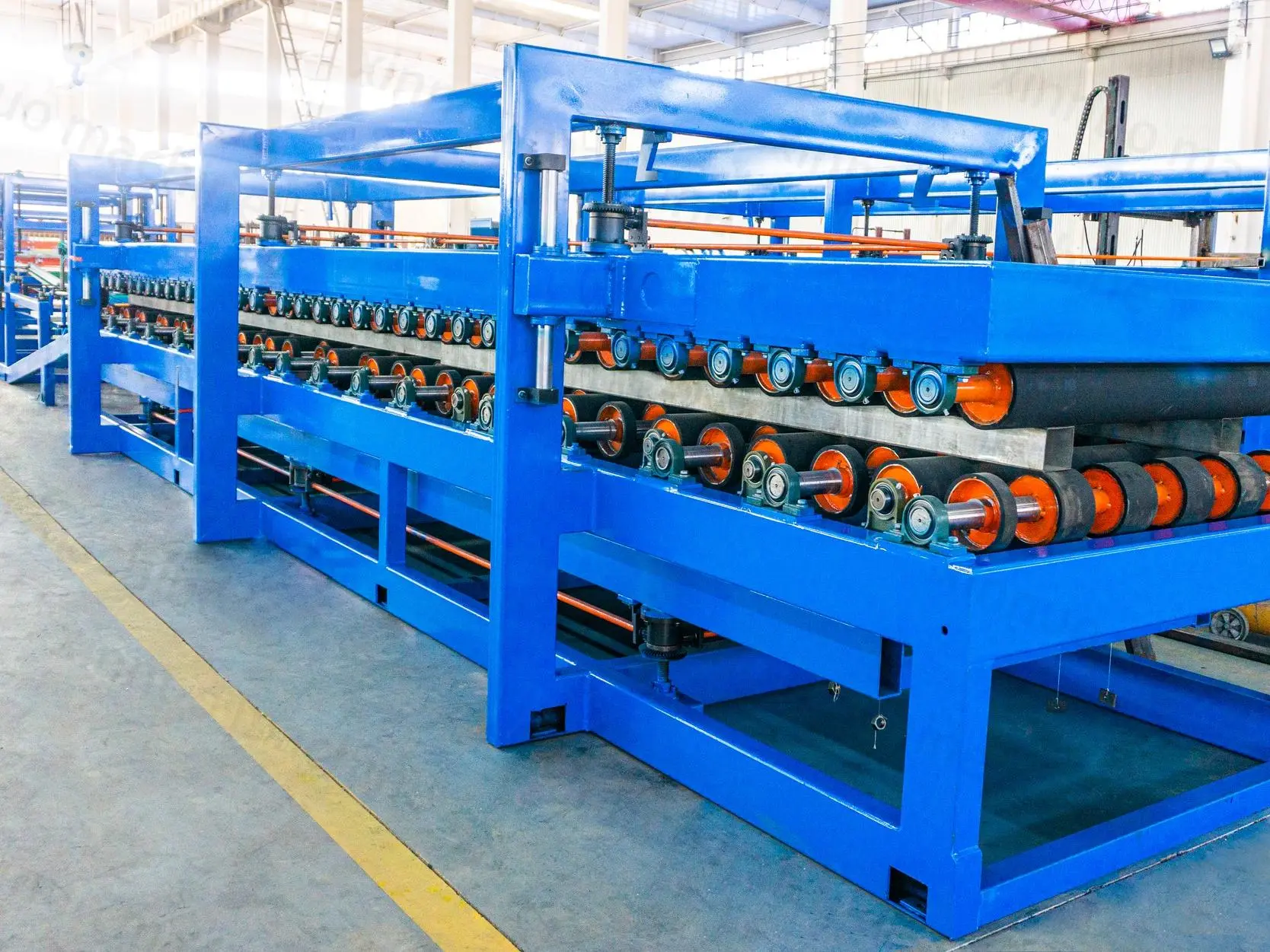
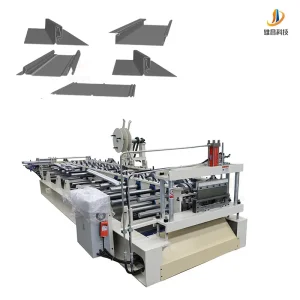
Auxiliary and finishing machinery including customized Gutter Roll Forming, Ridge Cap Formers, and heavy steel Door Frame lines.
We perform rigorous factory testing on all custom systems before shipping. Using advanced testing and measurement tools, our quality assurance team verifies part dimensional accuracy, web-to-flange relationships, and cosmetic finish quality across different material yield strengths.
Our Quality Assurance process verifies:
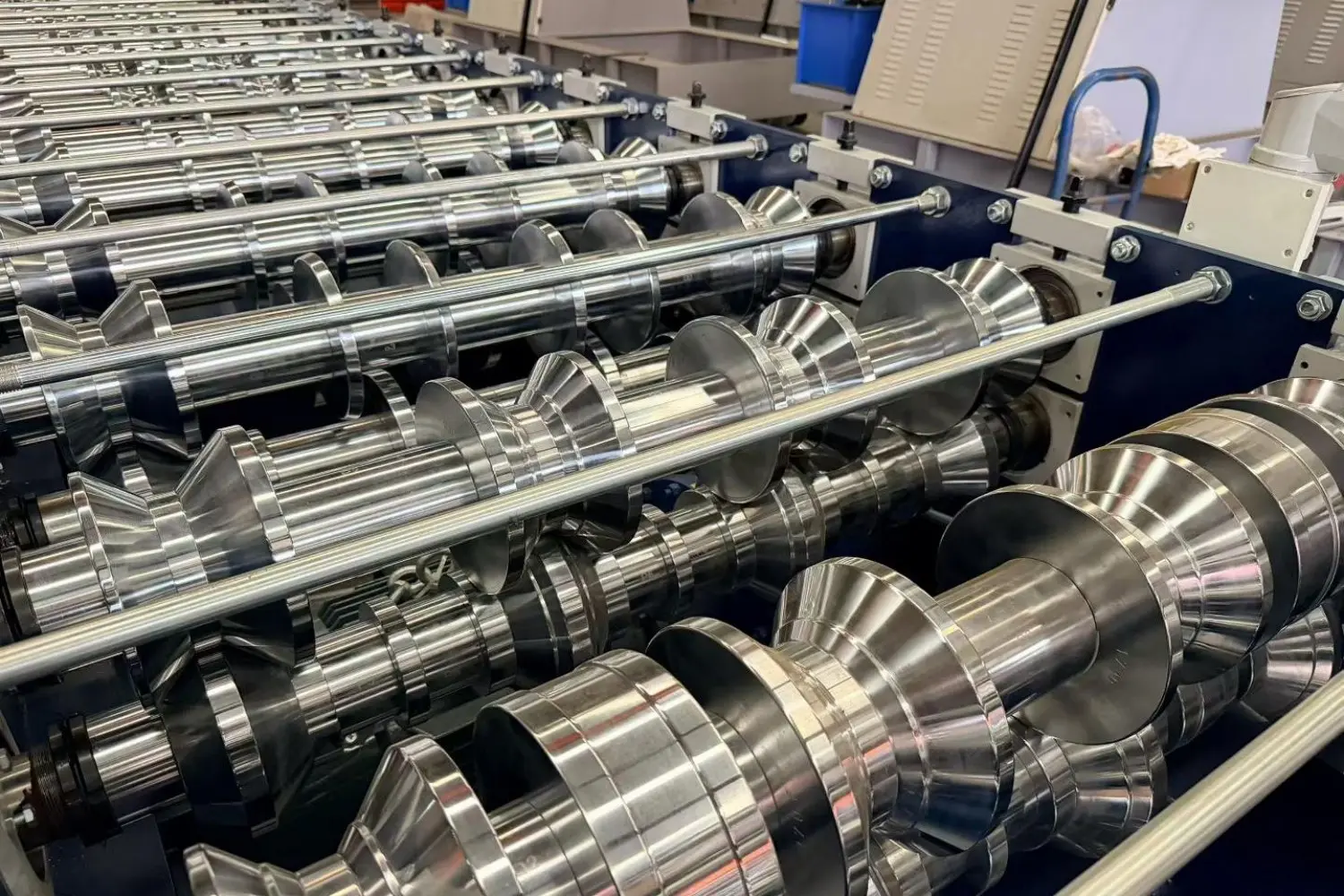
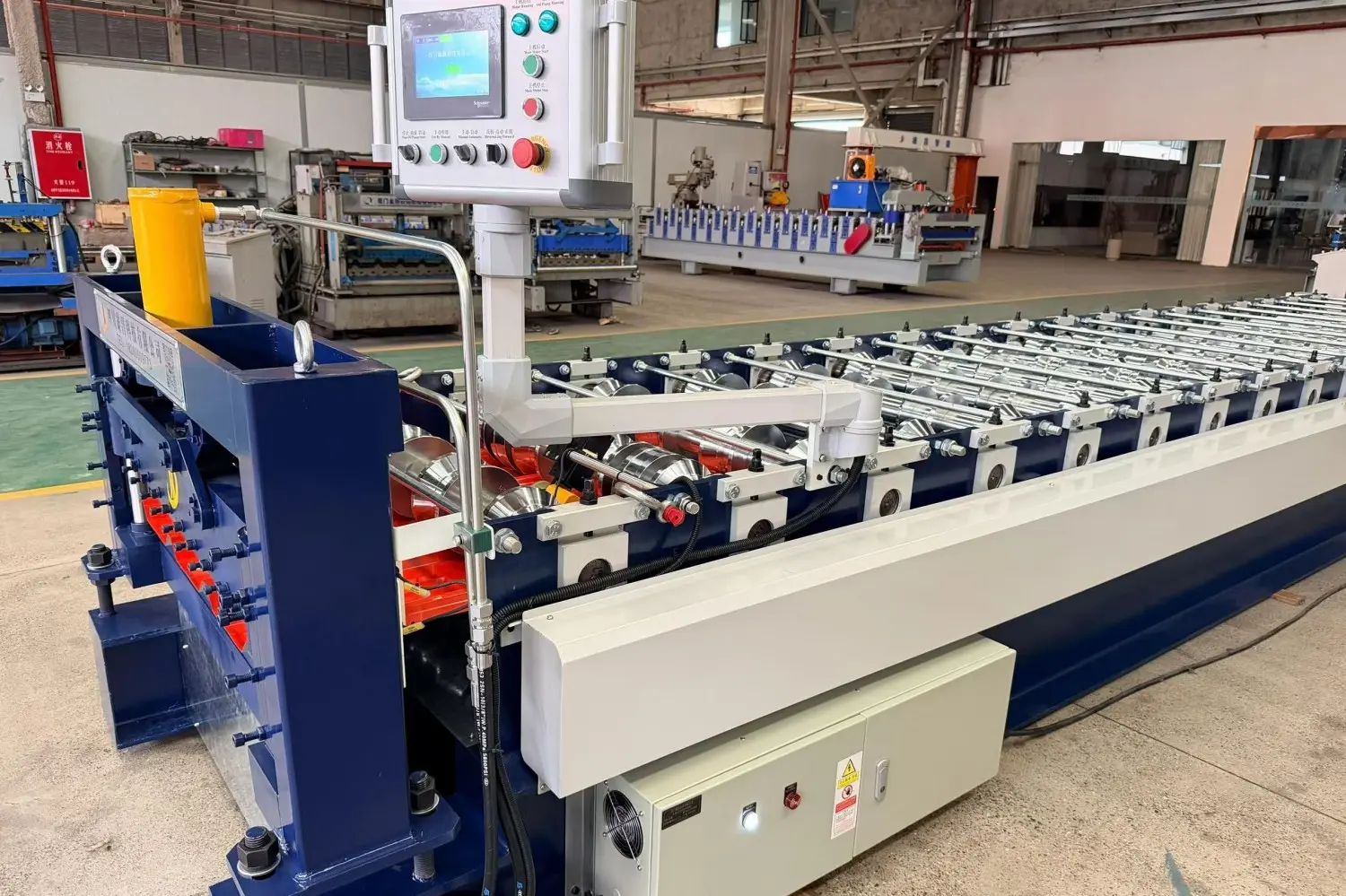
Global procurement teams must consider localized electrical and safety standards. Our ODM design divisions configure power boxes and control systems to meet specific local requirements (including CE, UL, CSA, and AS/NZS regulations).
Our global services include:
Our precision systems produce durable, load-bearing building components utilized across multiple global industrial sectors.
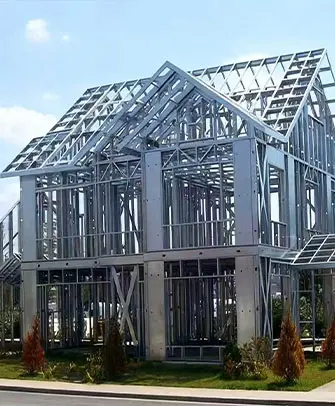
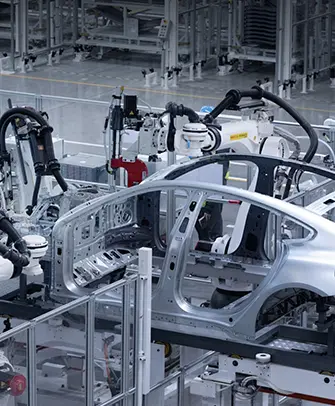
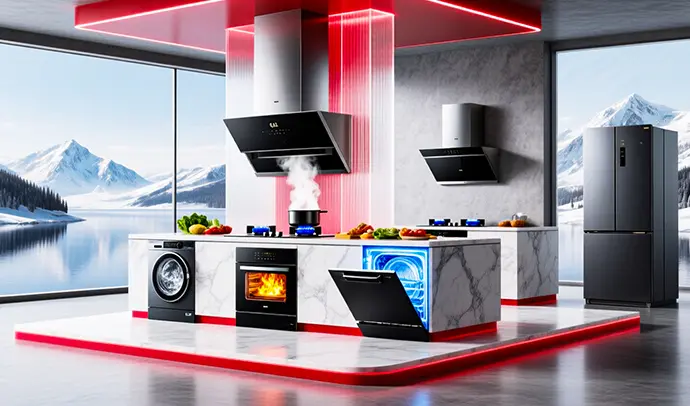


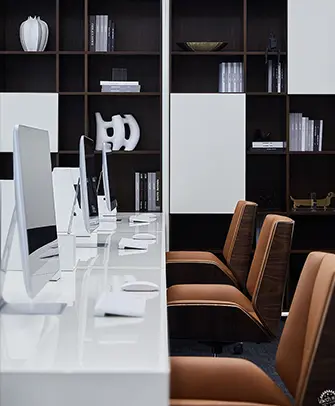
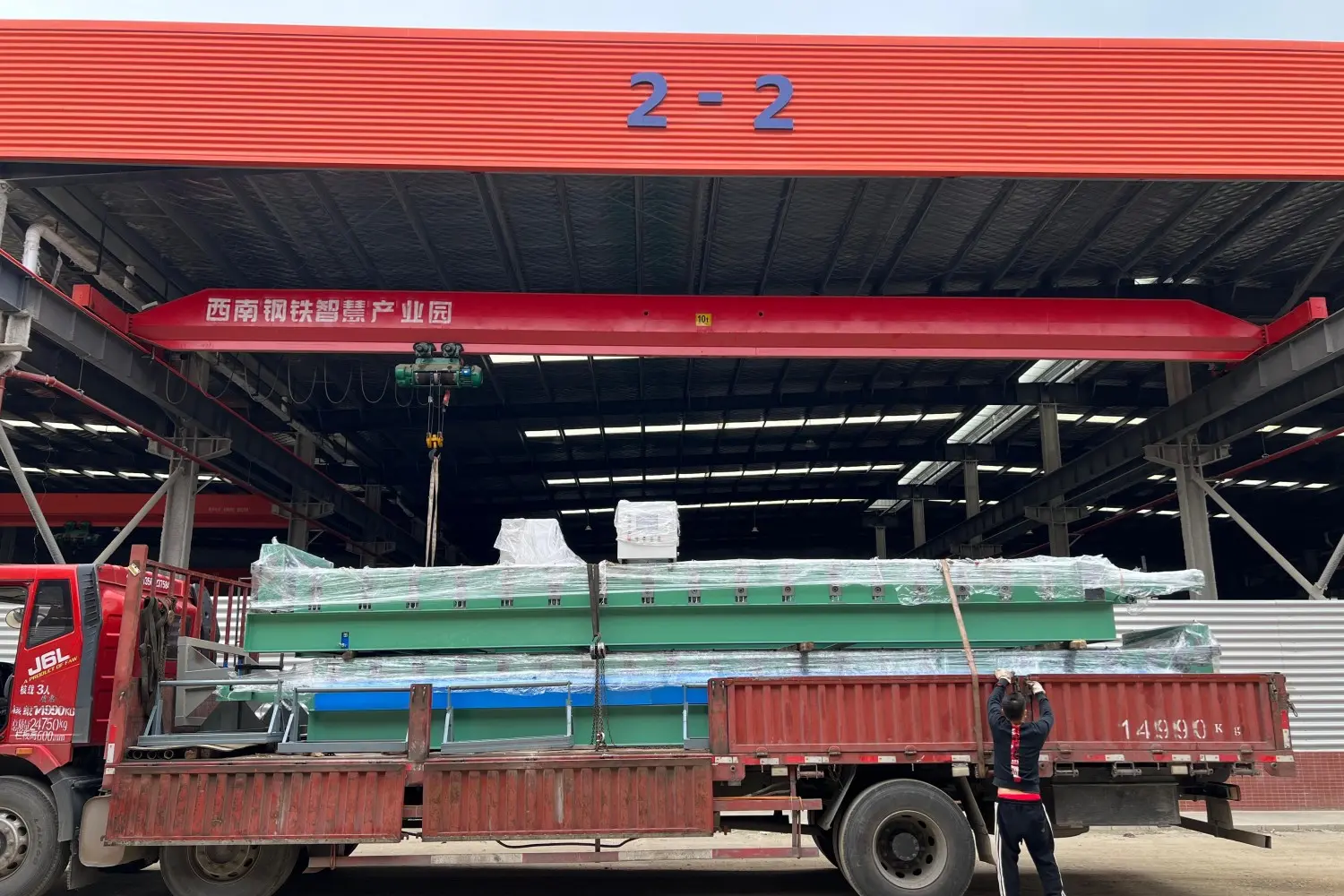
Over the years, we have built a strong reputation for reliable equipment and customer-oriented service. Our teams provide specialized support for both standard projects and custom production lines.
Whether setting up high-capacity operations in developing logistics centers or supplying localized construction firms, our machines produce panels that meet structural requirements. We build systems designed for long-term production, providing the durability and support needed to keep your plant running smoothly.
We deliver industrial forming solutions engineered for long service life, reliable uptime, and high yield rates.
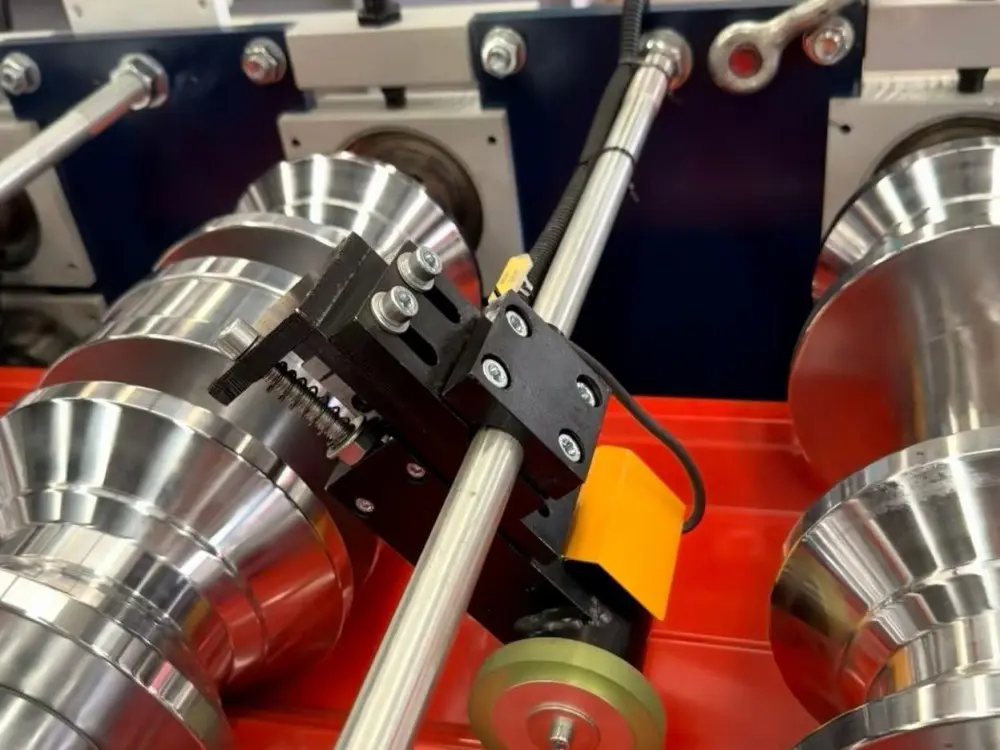
Our engineering teams design roll pass profiles using COPRA software, matching system performance to specific material tolerances.
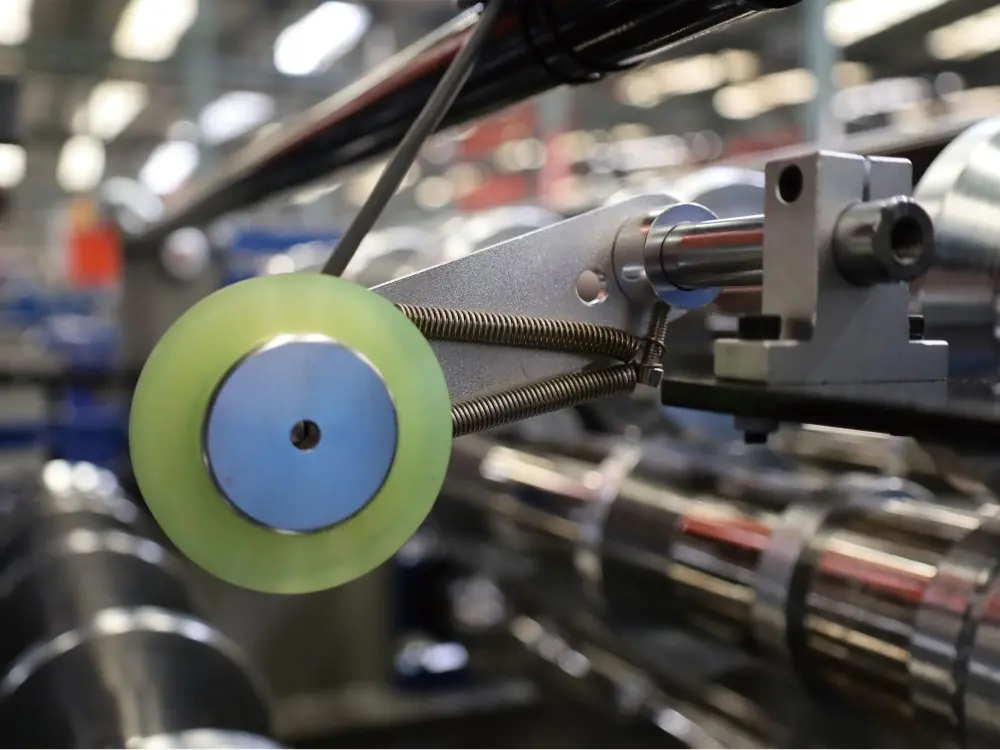
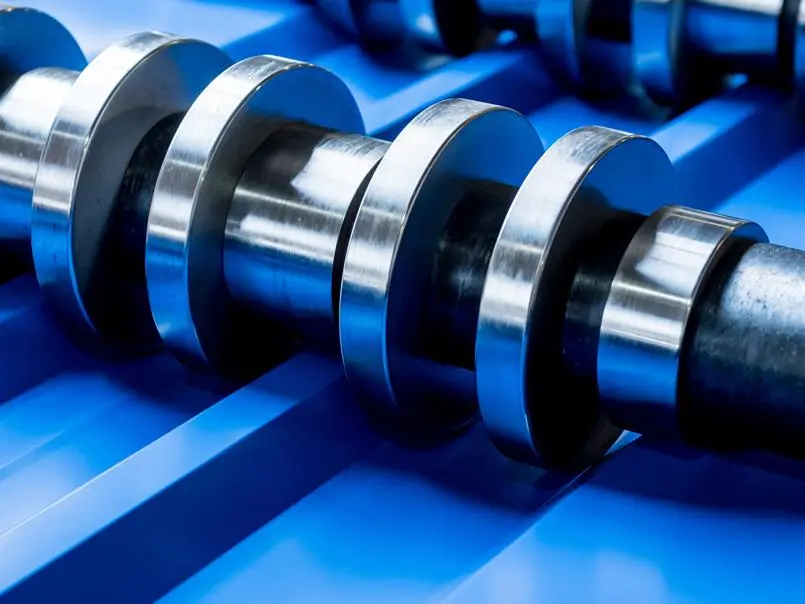
Constructed with heavy-gauge steel H-beam bases, structural tie-rods, and hardened steel rollers to ensure decades of reliable service.
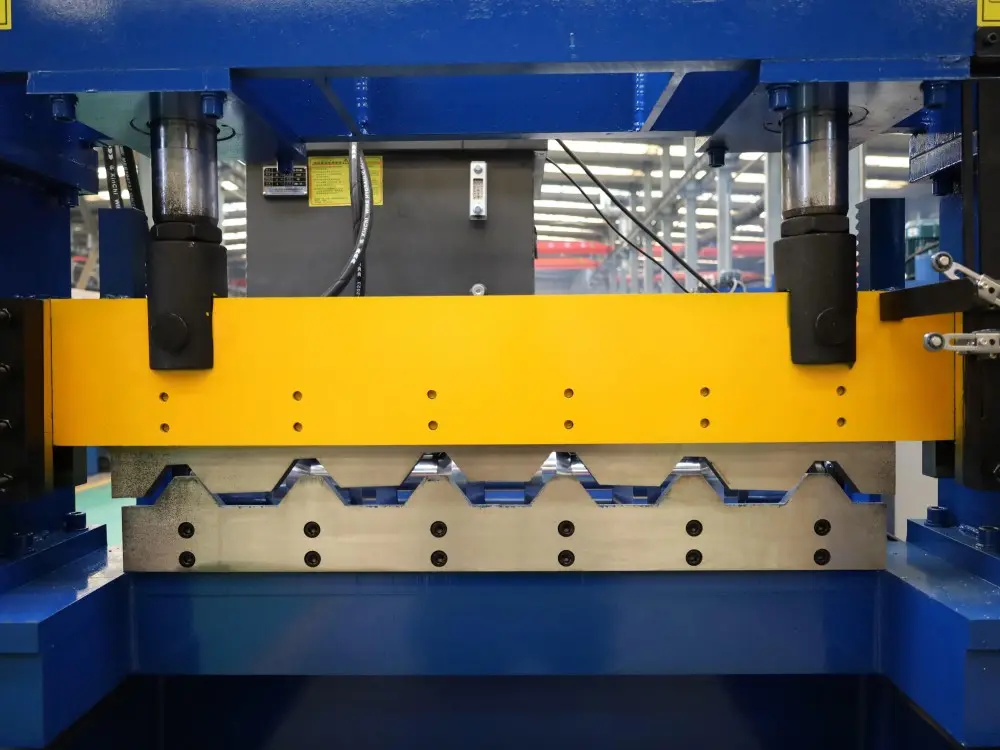
We offer comprehensive support from layout design and tooling configuration through to installation and after-sales service.
Delivering high-efficiency roll forming systems tailored to your specific application requirements.
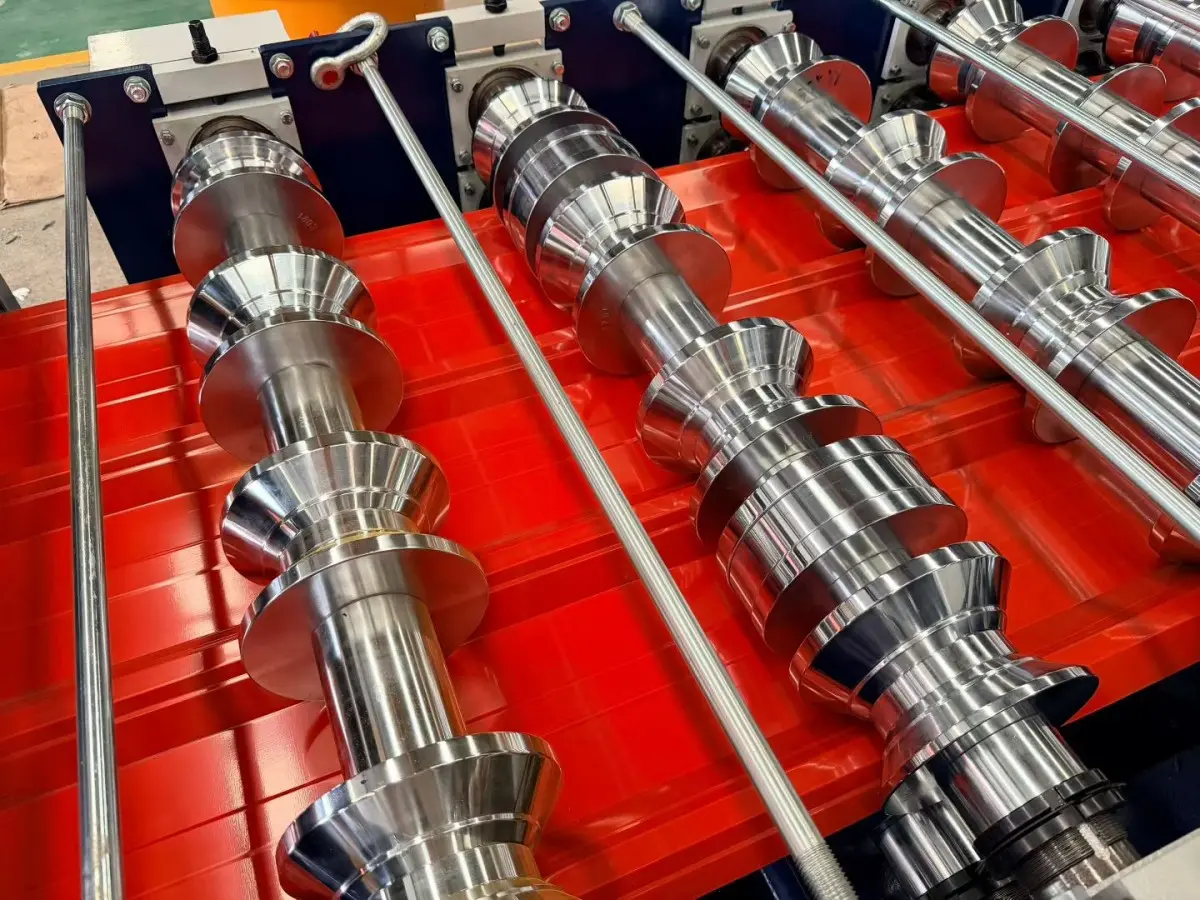
Fully integrated production lines designed for shaping structural columns, purlins, roof decks, and specialized industrial claddings.
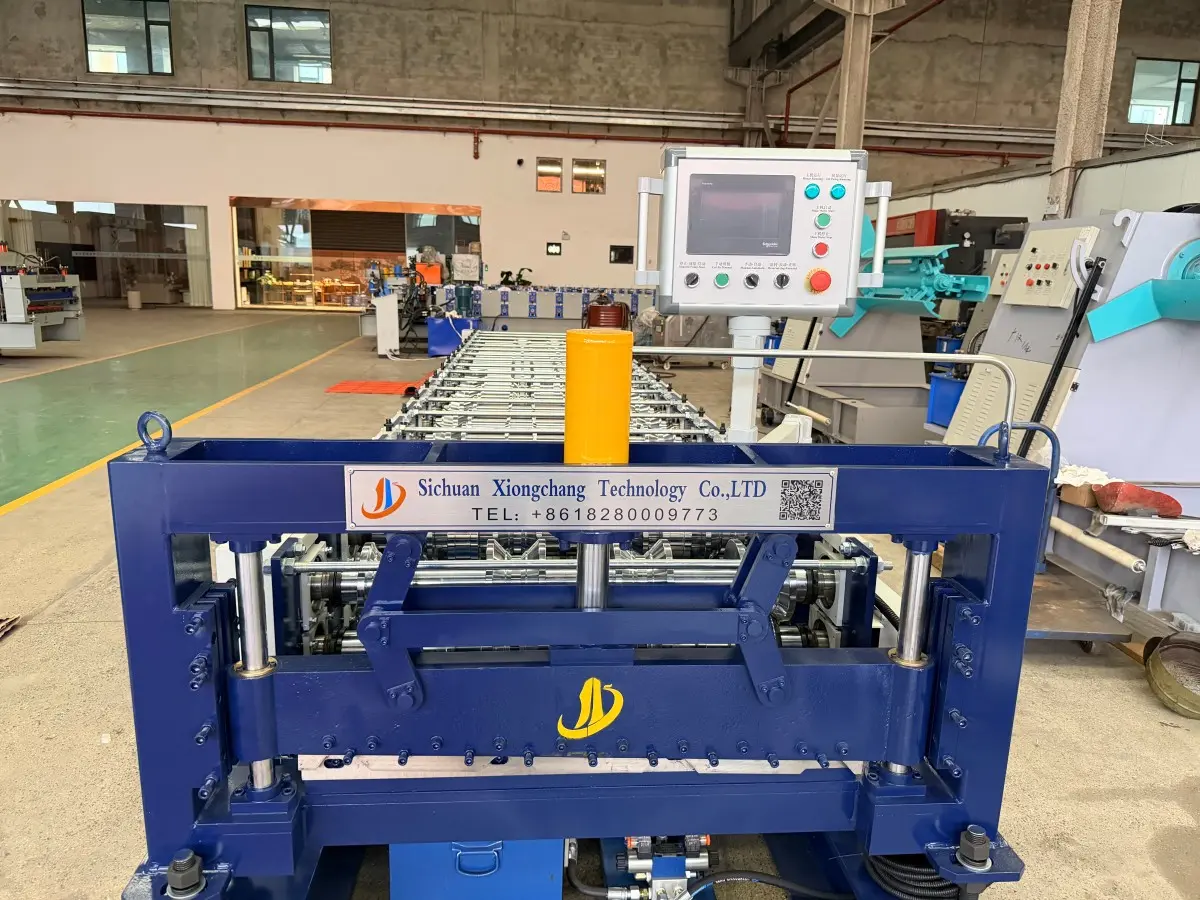
From custom profiles to on-site testing, we provide the technical expertise and spare parts support needed to minimize downtime.
Essential engineering details, lead-time expectations, and customization limits for global sourcing teams.
Our complete catalog features specialized roll formers designed to integrate into your production facility.
 Xiongchang