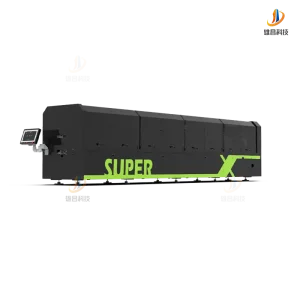
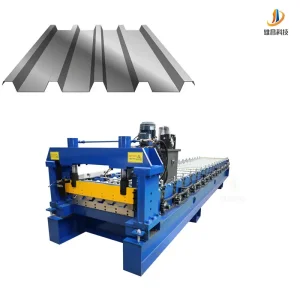
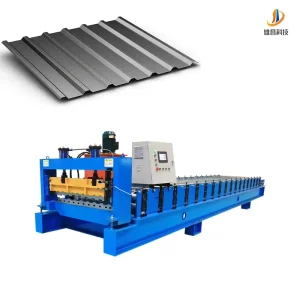
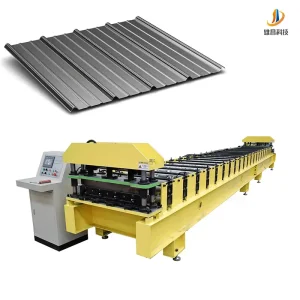
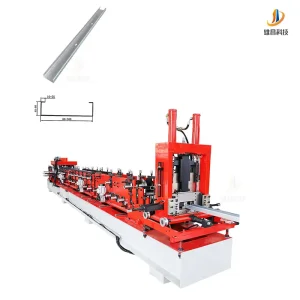
Explore our premium range of custom engineered cold roll formers, designed for extreme durability and precise profiling tolerances.
The Technological Paradigm Shift in Industrial Cold-Formed Steel Framing Systems
In the contemporary structural engineering landscape, light gauge steel (LGS) and cold-formed steel (CFS) designs have transitioned from secondary partition components to primary structural frameworks. Crucial to this industrial shift is the Stud and Track Roll Forming Machine. These precision-engineered automation systems convert flat galvanized structural steel into load-bearing C-studs and U-tracks. This whitepaper analyzes the manufacturing methodologies, custom ODM capabilities, and technological optimizations driving high-efficiency structural fabrication lines.
XC (Xiongchang) stands at the intersection of engineering excellence and industrial innovation. As an established global expert, we specialize in delivering integrated roll forming setups that meet rigorous international tolerances. Whether supplying high-speed structural framing systems or advanced building envelope lines, our production plants are optimized to ensure dimensional consistency, minimal tooling changeover times, and a reliable return on investment for structural manufacturers worldwide.
At XC, our commitment to engineering excellence is backed by an advanced technical force and state-of-the-art industrial manufacturing systems. Our engineering design team leverages COPRA roller design software to simulate deformation sequences, ensuring zero material wastage and precise flange calculations during production.
We maintain heavy investments in automated machinery and multi-stage CNC tooling centers. This enables high-precision roll tooling manufacturing, ensuring each forming roller is hardened, ground, and chrome-plated for long service life.
Our product line covers building envelope setups, structural framing, floor deck lines, and auxiliary post-processing lines, giving our customers fully integrated, high-capacity plant configurations.
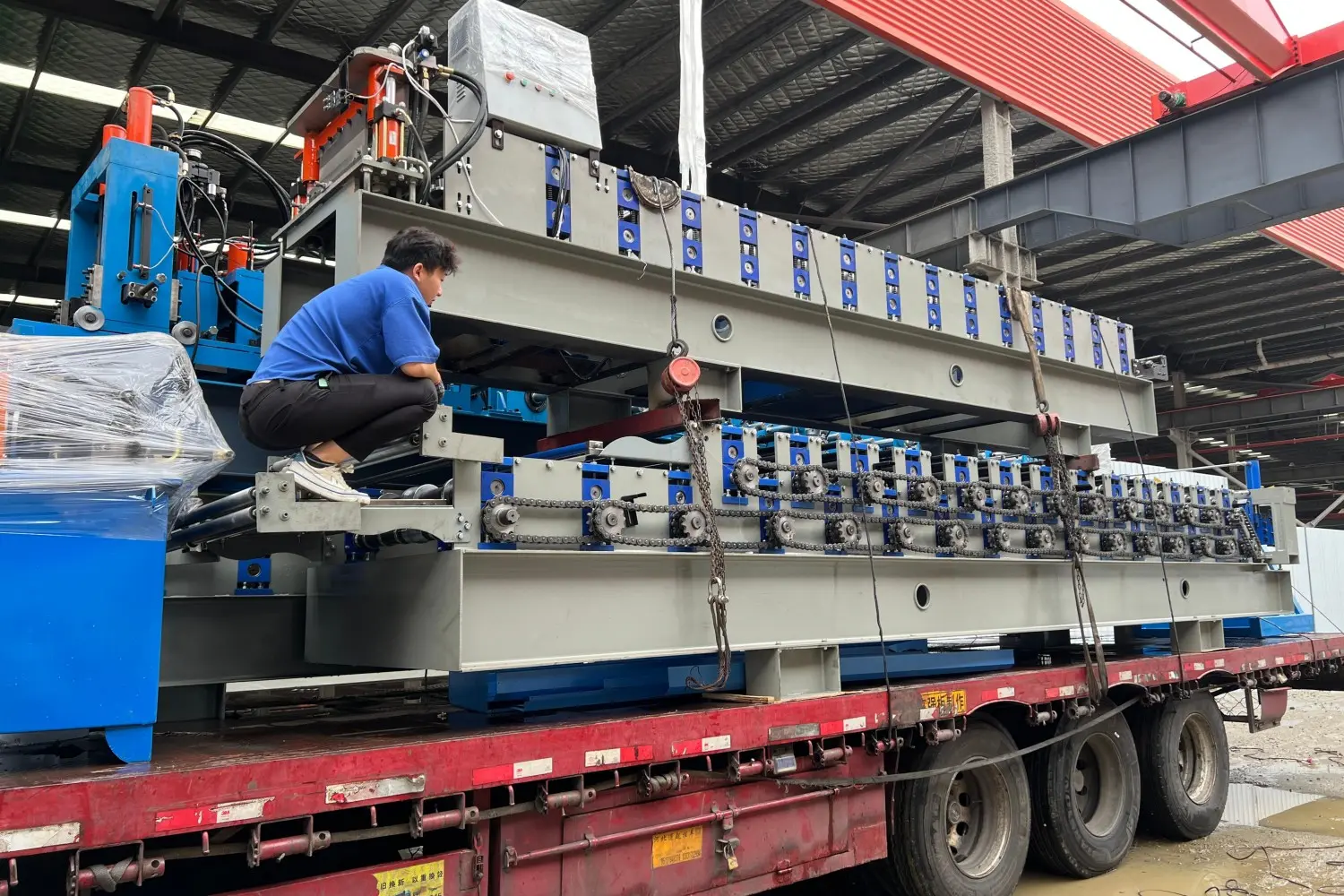
Ensuring operational continuity and high-precision outputs across international boundaries
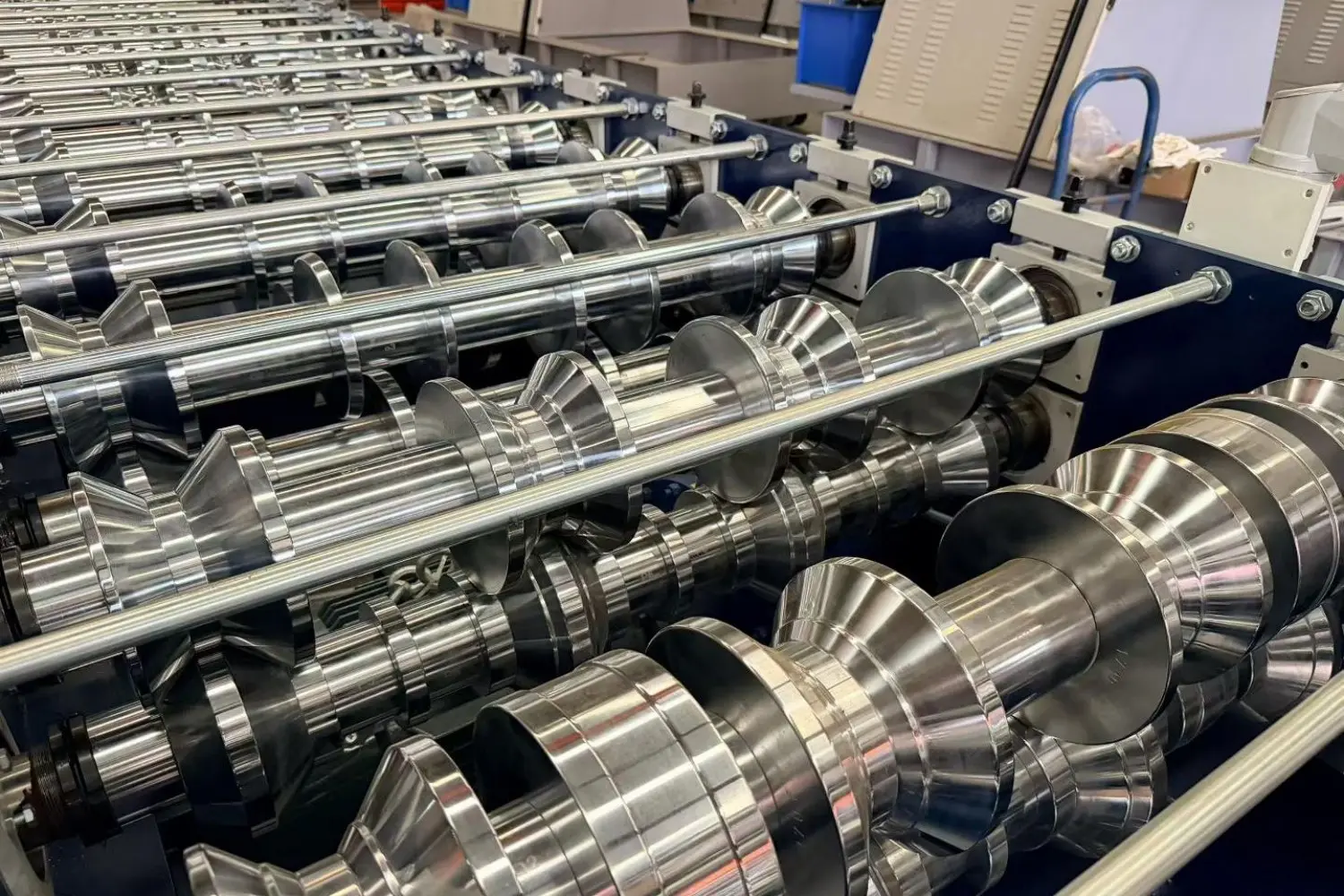
A key factor in high-capacity output is machine stability. XC's quality assurance framework uses diagnostic instrumentation to analyze roll shaft alignment, load bearing distributions, and hydraulic response times. Every stud and track profile is checked to match ASTM and Eurocode design guidelines.
Meeting regional architectural standards, UL/FM codes, and CE electrical compliances globally
In structural framing, one size does not fit all. Structural design limits are governed by localized wind loads, seismic activity levels, and regional building regulations. For example, North American markets require compliance with the American Iron and Steel Institute (AISI) specifications, particularly AISI S240 for cold-formed steel structural framing. Meanwhile, European projects adhere to Eurocode 3 (EN 1993-1-3). Our ODM design process integrates customized punch tools and roll-forming parameters to meet these requirements.
For high-capacity structural fabricators, our machines are equipped with integrated controls configured to localized power grids (e.g., 480V 60Hz in the US, 400V 50Hz in Europe). Control units are certified to CE, UL, or CSA standards. Beyond compliance, XC provides field support networks, enabling quick dispatch of technical specialists and replacement parts to minimize unscheduled downtime.
Machines optimized to run standard 33, 43, 54, 68, and 97 mil thickness structural steel profiles matching ASTM A653 standards.
Pre-set setups designed for DIN and BS standards, supporting specific flange and lip geometries for load-bearing partitions.
Integrate Siemens, Beckhoff, or Mitsubishi PLC systems to meet CSA, UL, and CE machinery directives.
How XC leverages raw material access, precision logistics, and regional manufacturing ecosystems
XC's 50,000 m² factory is located in one of the world's most robust industrial steel processing zones. This geographic location offers significant supply chain advantages. Access to raw steel, specialized heat-treatment plants, and precision component manufacturers allows us to source certified structural-grade materials with minimal lead times. This enables competitive manufacturing costs and fast delivery schedules.
Our operations leverage specialized steel clusters nearby, allowing us to source and machine high-grade steel for rollers (typically Cr12 or GCr15 bearing steel) and shafts (40Cr tempered steel). Because our supply chains are vertically integrated, we maintain total control over production schedules and material traceability. This reliability is passed down to global EPC contractors and cold-formed framing fabricators.
Key requirements for modern builders, machinery operators, and procurement managers
Global procurement teams prioritize machinery that minimizes operational risk. In the cold roll forming sector, this requires equipment that can handle raw material variations without profile distortion. High-strength steel coils (e.g., G550 yield strength) require robust forming stands and precise torque delivery to prevent structural springback.
XC machines are engineered to resolve these issues. Our designs incorporate heavy-duty cast-iron or thick plate-welded stands, dual-drive motors, and adjustable roll clearance configurations. This ensures smooth operations even when using cost-effective local coils. Additionally, we integrate quick-change cassette systems. These enable operators to switch between different profile dimensions (e.g., changing from a 3-5/8" stud to a 6" track) in under 15 minutes, maximizing production line uptime.
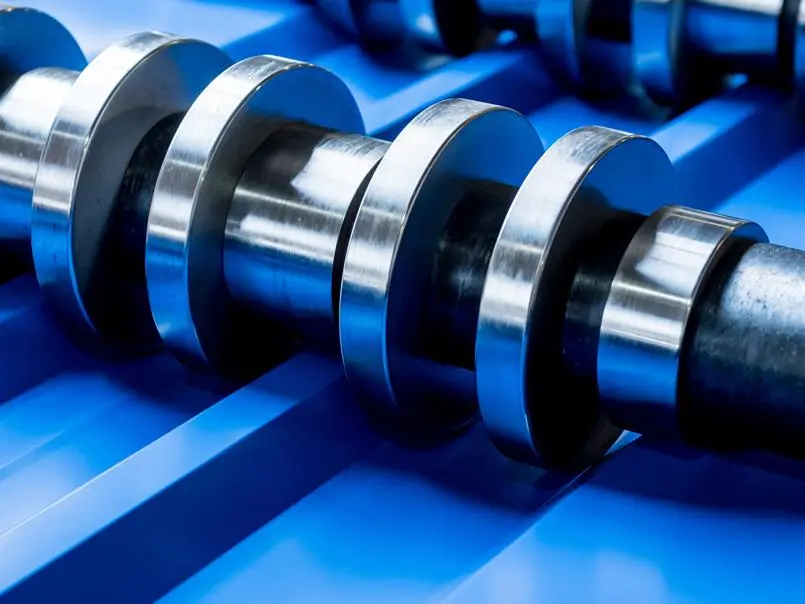
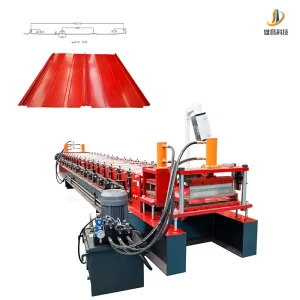
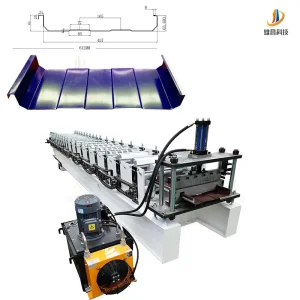
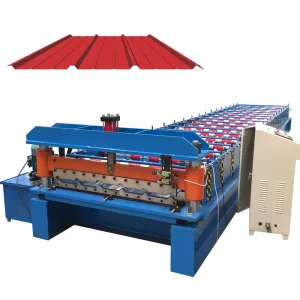
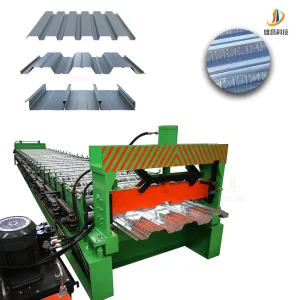
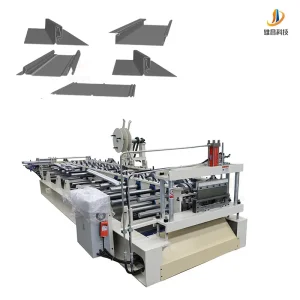
Roof panel, wall panel, and floor deck roll formers engineered for long-term reliability.
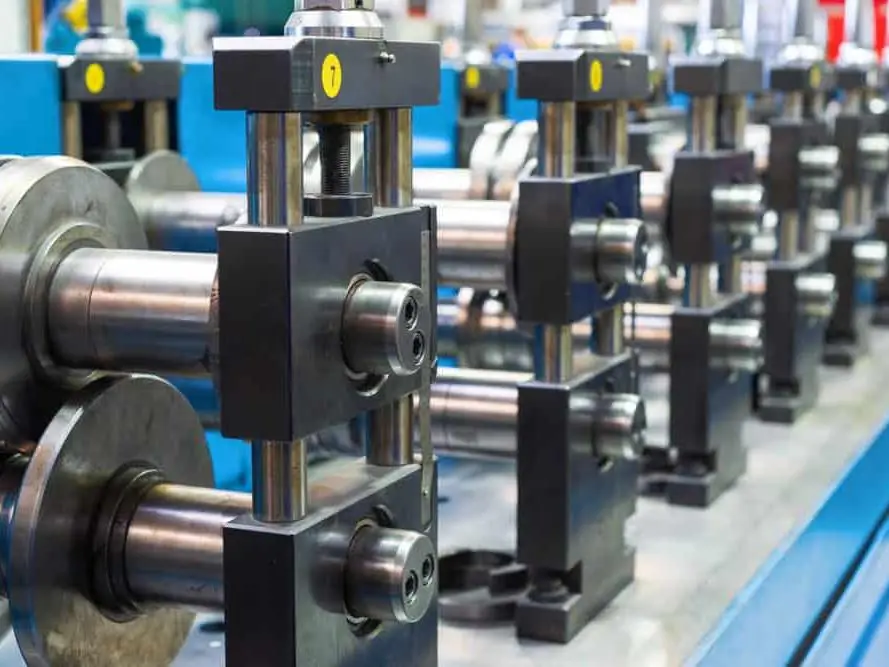
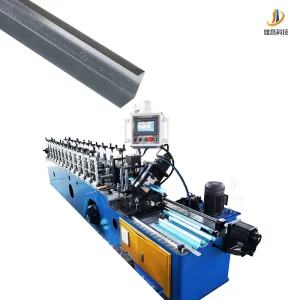
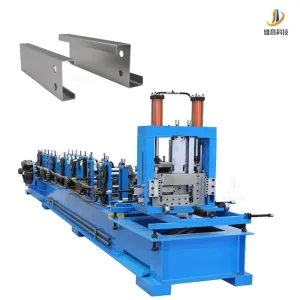
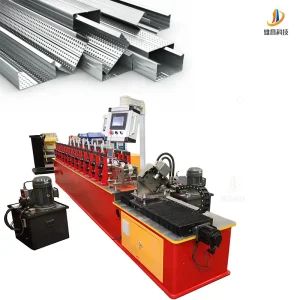
C/Z purlin and stud & track roll forming machines for high-capacity production.
From multi-family high-rises to modular solar mounts and interior partition structures
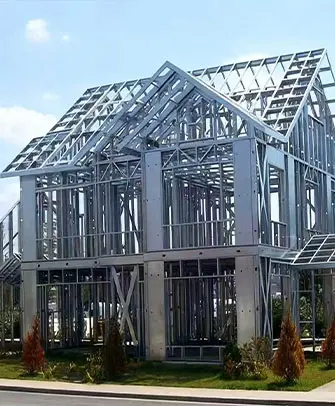
XC-manufactured stud and track profiles are used in structural designs worldwide. In high-density commercial centers, these framing members form the non-load bearing interior drywall partitions for office towers and hospitality developments. In residential building, LGS systems form the primary structural walls, floors, and trusses for multi-family modular homes.
Our machinery has been utilized in demanding applications such as: Seismic-Resistant Light Gauge Residential Frames in South America, Industrial Prefabricated Modular Structures in Western Europe, and Rapid-Assembly Commercial Units in South East Asia. This experience demonstrates the versatility of our systems across different operating conditions.
The convergence of intelligent software, automated structural output, and low-waste manufacturing
The light gauge steel framing industry is moving toward fully digital workflows. Modern builders design structures using BIM and CAD software (such as Vertex BD or Framecad). Our roll forming systems can integrate direct CAD-to-Machine connectivity. The design file is loaded directly into the machine's PLC, automating the precise positions of punch holes, service cutouts, dimples, and cut lengths.
This automated integration reduces raw material waste to less than 1%, compared to standard wood or heavy structural steel framing. As green building certifications like LEED become standard globally, the high recyclability of steel and the low operational waste of roll forming machinery make these systems preferred choices for sustainable projects.
Real-time performance monitoring, production tracking, and predictive maintenance alerts prevent costly line shutdowns.
Direct file sharing between design studios and our PLC lines ensures dimensional accuracy in every finished framing member.
Expert answers to critical procurement and engineering queries from our technical support team
Explore additional high-performance solutions from our manufacturing plants
 Xiongchang