 Xiongchang
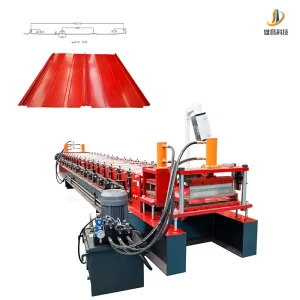
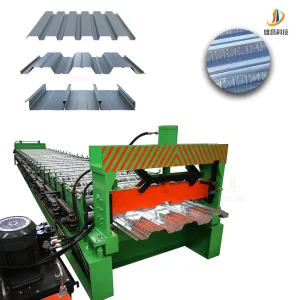
1. Global Industrial Context: The Role of Cold Roll Forming in Modern Construction
In the modern era of commercial and industrial infrastructure, precision steel fabrication acts as the foundational backbone for high-efficiency structural projects. Cold roll forming technology represents a monumental paradigm shift from traditional stamping, extrusion, and hot-rolling processes. By progressively bending continuous coils of sheet metal into designated linear profiles at ambient temperatures, modern steel roll formers maintain material thickness uniformity, enhance yield strength via work-hardening, and output components of virtually unlimited lengths with outstanding repeatability.
Globally, structural demands are pivoting toward sustainable, light-gauge, and Pre-Engineered Building (PEB) solutions. From industrial-grade warehouses to residential light-gauge steel (LGS) frame houses, cold-formed steel profiles offer exceptional strength-to-weight ratios. This efficiency is driven directly by advanced metallurgical formulations and computerized roll design configurations, yielding components that reduce structural weight loads without compromising load-bearing limits.
“The global steel roll forming market is moving rapidly toward fully integrated, multi-profile CNC lines. Industrial buyers no longer seek just machinery; they require flexible, rapid-changeover engineering systems that conform to international ASTM, Eurocode, and regional building standards.”
2. About XC (Xiongchang): An Integrated Roll Forming Specialist
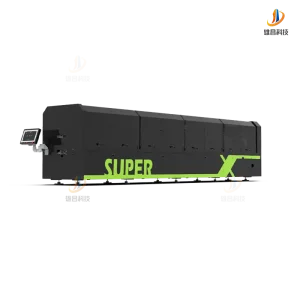
As an established expert in the field of metal processing machinery, XC (Xiongchang) provides integrated roll forming solutions designed for modern industrial manufacturing. Our production portfolio encompasses core production machines for roofing, flooring, doors, and structural framing components, alongside complete auxiliary line equipment essential for efficient, zero-defect facility operations.
Over two decades of dedicated R&D have allowed XC to scale operations to a 50,000 m² state-of-the-art factory area. With a workforce and engineering support group of more than 2,000 team members, we operate at the intersection of precision heavy engineering and automated software integration. Our machines run in factories across North America, Europe, Southeast Asia, and the Middle East, serving as reliable infrastructure components for various construction and infrastructure operations.
3. Core Technical Competencies & Production Capabilities
Engineering high-reliability cold roll forming systems requires precise calibration across three critical engineering disciplines: mechanical design, metallurgy, and control automation. At XC, our specialized technical personnel and senior engineers deliver tailored solution architectures to address specific raw material parameters, high-yield strength constraints, and rapid production line requirements.
Advanced CAD & COPRA Modeling
Utilizing high-end engineering software to calculate stress distribution during each roll pass, mitigating material springback and preventing structural warping.
Robust Mechanical Hardness
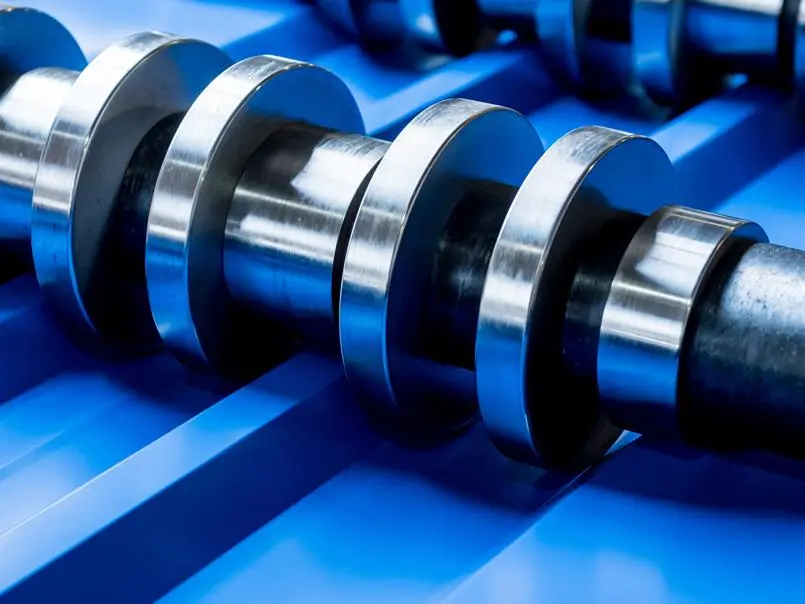
Rollers are CNC-machined from premium Cr12MoV or D2 tool steel, vacuum heat-treated to HRC 58-62, and finished with precision hard chrome plating.
Automated Integration
Outfitted with Siemens/Mitsubishi PLC control systems, featuring closed-loop variable frequency drives for shearing tolerances within ±1mm at high speeds.
Our technical capabilities extend across several major fabrication families:
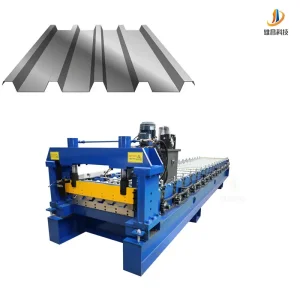
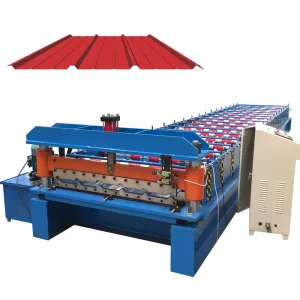
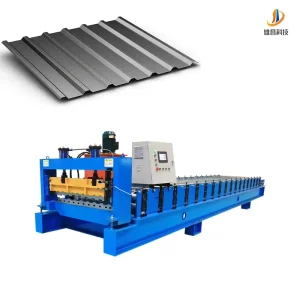
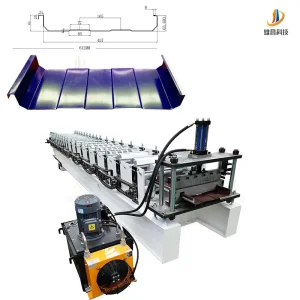
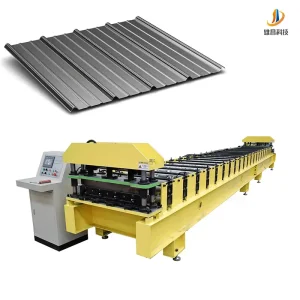
- Building Envelope Systems: High-performance roof panel, wall panel, and specialized floor deck roll forming machines configured to run prepainted galvanized steel (PPGI) and high-tensile alu-zinc steel.
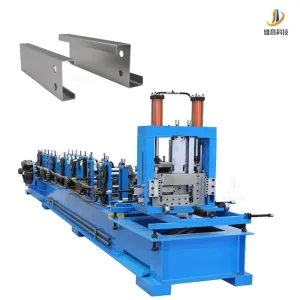
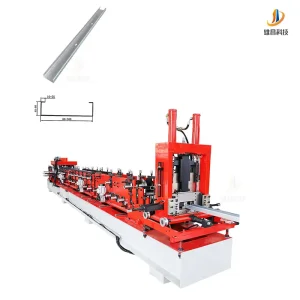
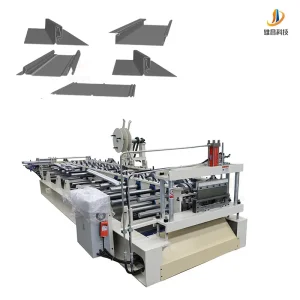
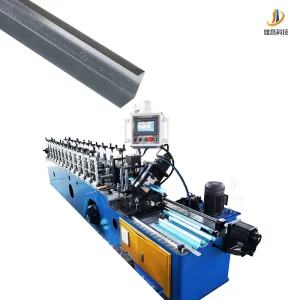
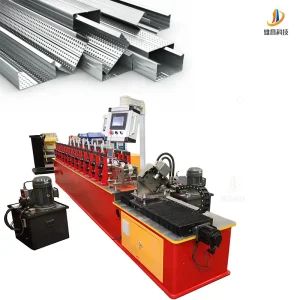
- Structural Framing Systems: Automated variable C/Z purlin forming machinery with fast width-changeover mechanisms, and high-speed stud & track framing systems configured to gauge ranges from 0.8mm to 3.0mm.
- Specialized Architectural Elements: Customized roll formers for commercial rain gutters, downspouts, shutter doors, and heavy-duty steel door frames.
4. Global Application Scenarios & Localization Frameworks
A central challenge in importing cold roll forming equipment is matching the machine's output to regional building codes, design profiles, and materials. An ODM manufacturer must account for localization requirements to prevent mechanical incompatibilities on-site.
Residential & Commercial Roofing
Tailored systems for Snap-lock, Mechanical Lock, and Nail-strip standing seam roofing designed to ensure leakproof performance in high-wind and heavy-snow environments.
Pre-Engineered Metal Buildings (PEB)
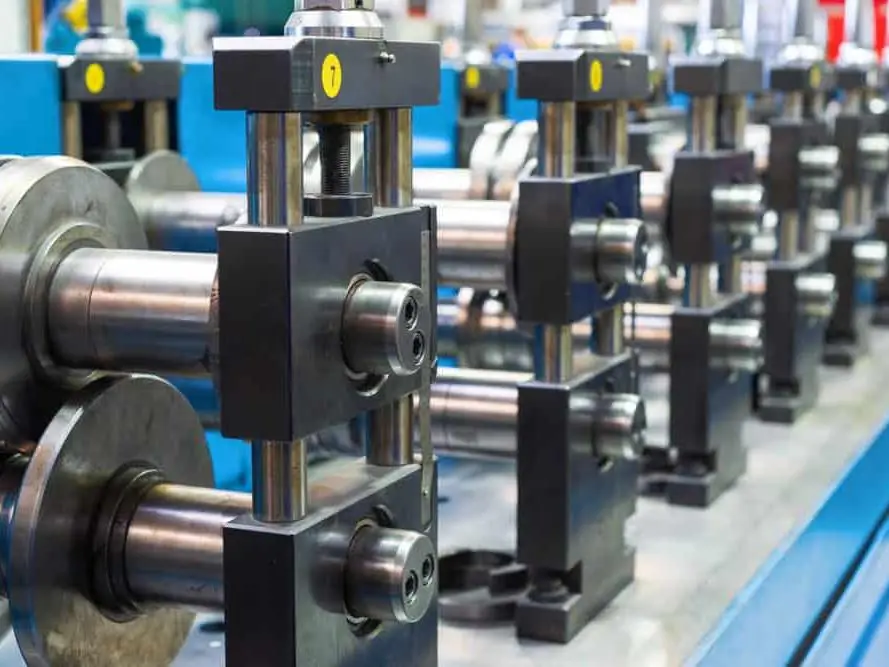
Heavy-gauge structural components including C/Z purlins, roof trusses, and industrial floor decking systems, optimized for span capacity and load resistance.
Automated Infrastructure Elements
High-tensile guardrail formers, solar photovoltaic mounting rail lines, and interior drywall framing systems conforming strictly to regional structural specifications.
For instance, in North America, machines must conform to UL certifications for electrical compliance and produce profiles that meet specific ASTM steel standards. In Europe, machinery must bear the CE mark, utilize localized electrical inputs (e.g., 400V, 50Hz, 3-Phase), and integrate safety measures like light curtains and physical enclosures to meet EU machinery directives. Our engineering department reviews these requirements during the pre-production phase to ensure seamless compliance.
5. Supply Chain Resilience & Manufacturing Efficiency
China's manufacturing ecosystem provides key advantages in terms of supply chain speed, raw material access, and cost efficiency. Operating from our industrial manufacturing center, XC leverages localized access to steel suppliers like Baosteel, Shougang, and Ansteel. This geographic positioning secures access to high-grade steel alloys and casting components, reducing lead times for heavy structural steel elements.
By consolidating mechanical design, CNC machining, roller heat treatment, assembly, and automated software integration under a single 50,000 m² factory footprint, XC eliminates the delays common with multi-tier outsourcing. This centralized production loop translates directly into shorter manufacturing timelines, rapid component prototyping, and competitive pricing for our international clients.
6. Quality Assurance Frameworks & Lifecycle Technical Support
To maintain high reliability, XC operates a structured quality assurance system across all manufacturing stages:
- Raw Material Verification: Ultrasonically testing casting materials and alloy bars to check for internal micro-cracks before they reach the machining stage.
- Precision Inspection: Inspecting all rollers, shafts, and sliding guides on coordinate measuring machines (CMM) to verify dimensional tolerances remain within 0.02mm.
- Factory Acceptance Testing (FAT): Setting up and running every roll forming line under realistic operational loads prior to shipping. This step includes testing the machine with the customer's specified steel coils to confirm cutting tolerances, profiles, and speed targets are met.
Beyond quality control, XC provides installation, commissioning, and operational training. Our service teams assist on-site to verify proper machine calibration and help operators achieve peak output. We also offer remote diagnostics for PLC software updates and maintain a stock of wear parts to minimize downtime.