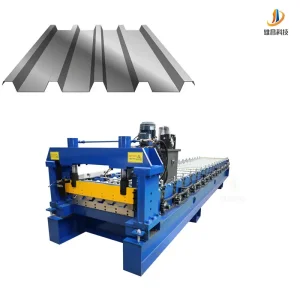
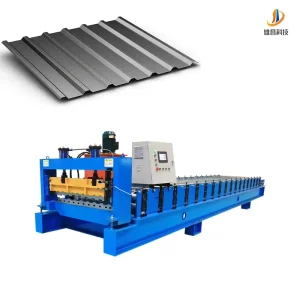
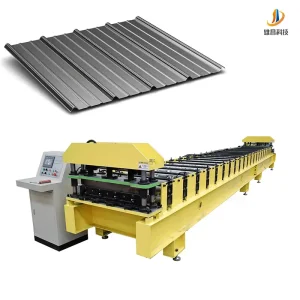
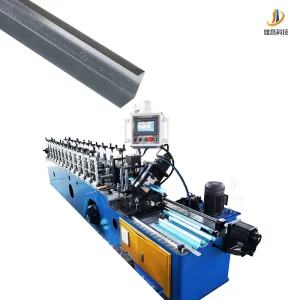
Explore our premium range of industrial roll forming machinery designed for structural durability and architectural consistency.
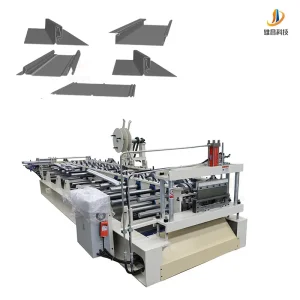
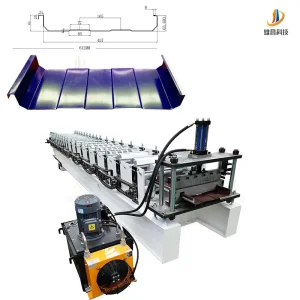
Standing seam metal roofing represents the pinnacle of modern architectural building envelopes. Unlike conventional screw-down roofs, standing seam systems feature concealed fasteners and raised vertical seams that mechanically lock or snap together. This design not only provides superior wind-uplift resistance but also accommodates the natural thermal expansion and contraction of metal sheets without stress on the fastener entry points. As a result, the demands for high-efficiency, multi-profile, and mobile **ODM Standing Seam Rolling Machine** manufacturing lines have surged globally.
For modern industrial warehouses, commercial sports arenas, and high-end residential complexes, standing seam systems ensure near-zero maintenance cycles and a lifespan exceeding 50 years. Roll forming machinery design determines the structural consistency, seam tolerances, and structural integrity of these panels. Our industrial solutions are tailored to produce high-precision profiles including Snap-Lock, Mechanical Lock, and Nail Strip variations, accommodating various materials such as aluminum, copper, zinc, and high-tensile steel alloys.
As an established expert in the cold metal forming field, XC (Xiongchang) delivers high-performance solutions engineered for demanding global production standards.
Our substantial investment in state-of-the-art, automated production lines ensures manufacturing precision and consistency, forming the foundation of our product excellence. XC's technical infrastructure includes advanced CNC machining centers, automated grinding lines, and rigorous metallurgy testing labs to ensure that every forming roller achieves precise profile geometries and extended tooling life.
We get a specialized team of technical personnel and engineers who are committed to delivering superior products and solutions for our valued customers. For over two decades, XC (XiongChang) has been a trusted leader in the design and manufacture of cold roll forming equipment. We combine deep industry expertise with a steadfast commitment to our clients, ensuring every machine delivers exceptional value and performance.
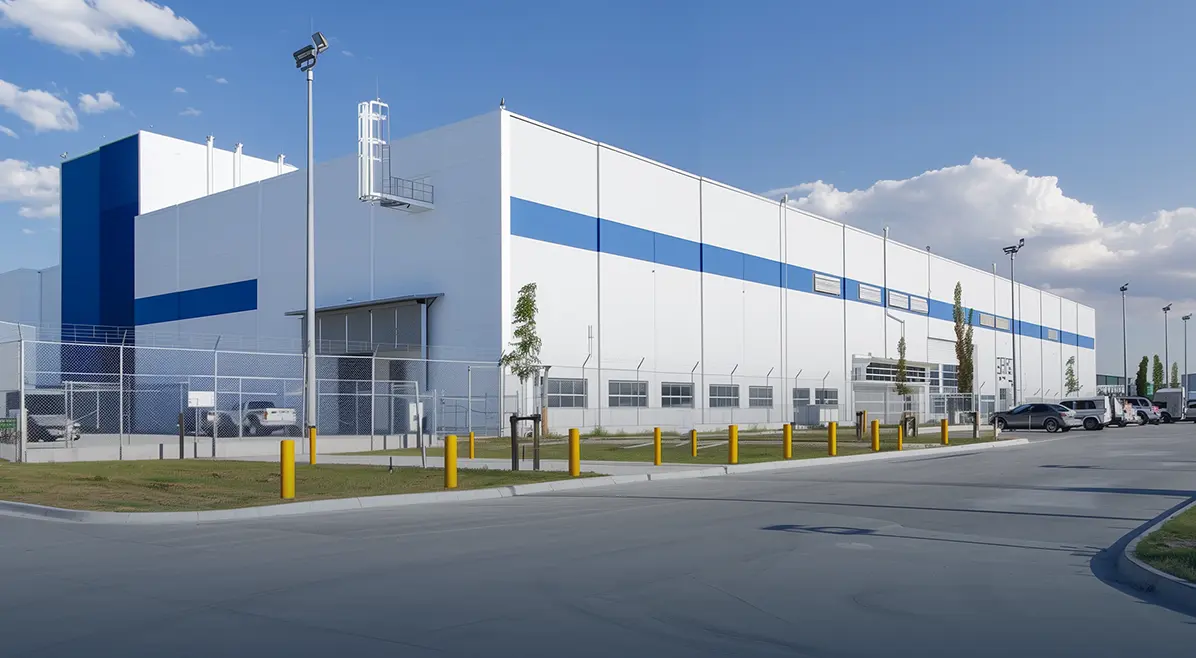
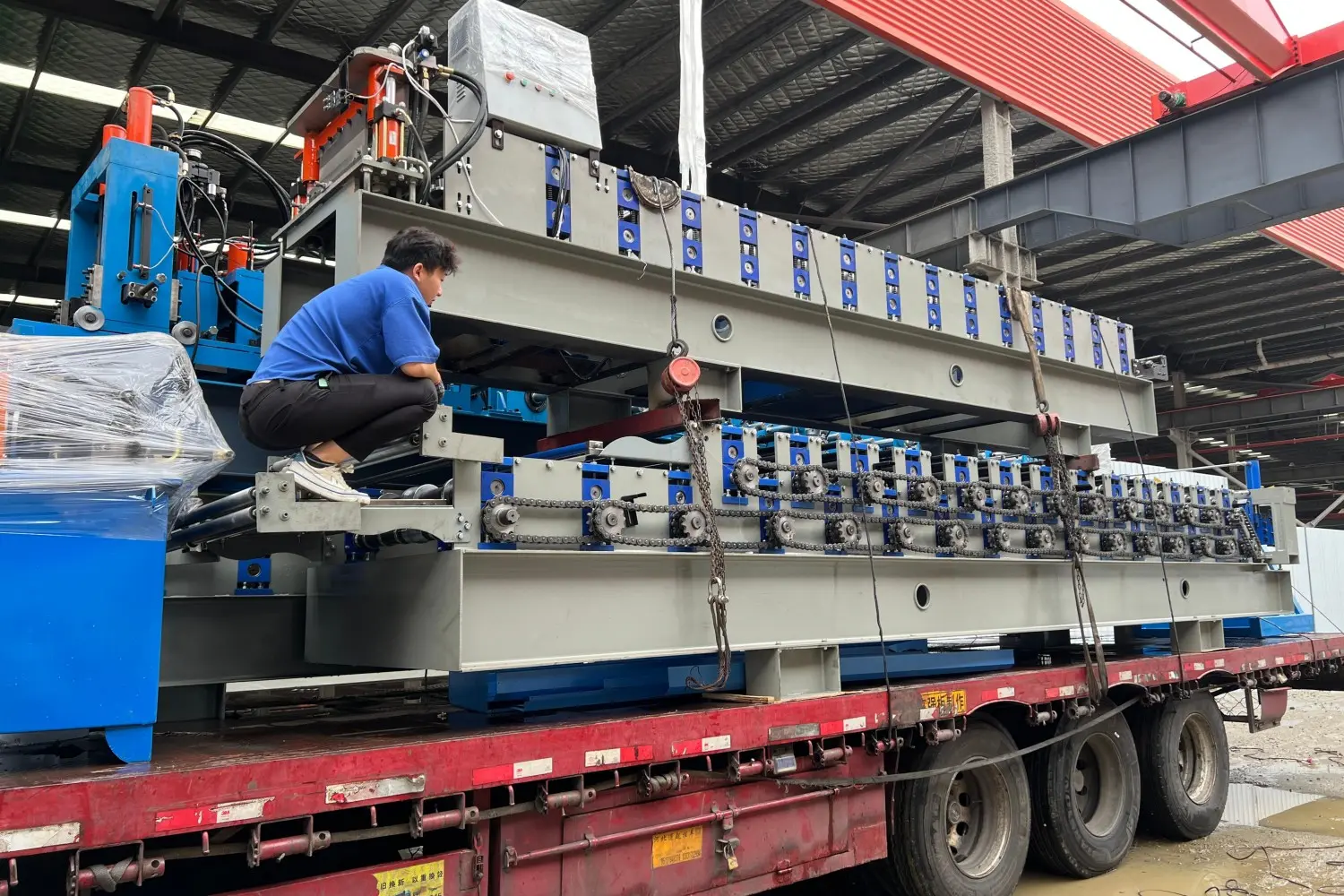
With our dedication on a robust technical force and advanced industrial equipment, We XC aimed to provide integrated and automated systems across our production, to fulfill diverse industrial requirements, trying our best in guaranteeing the highest standards of quality and performance in every machine we build.
Our roll forming design process incorporates modern Finite Element Analysis (FEA) to simulate metal stress curves and flow patterns during bending. This prevents micro-cracks and structural thinning on the bends of coated or high-yield strength steel, ensuring structural integrity. We offer an extensive range of precision cold roll forming systems to meet varied customer applications, including:
Engineering robust solutions that combine automated PLC operations with high-tolerance steel processing.
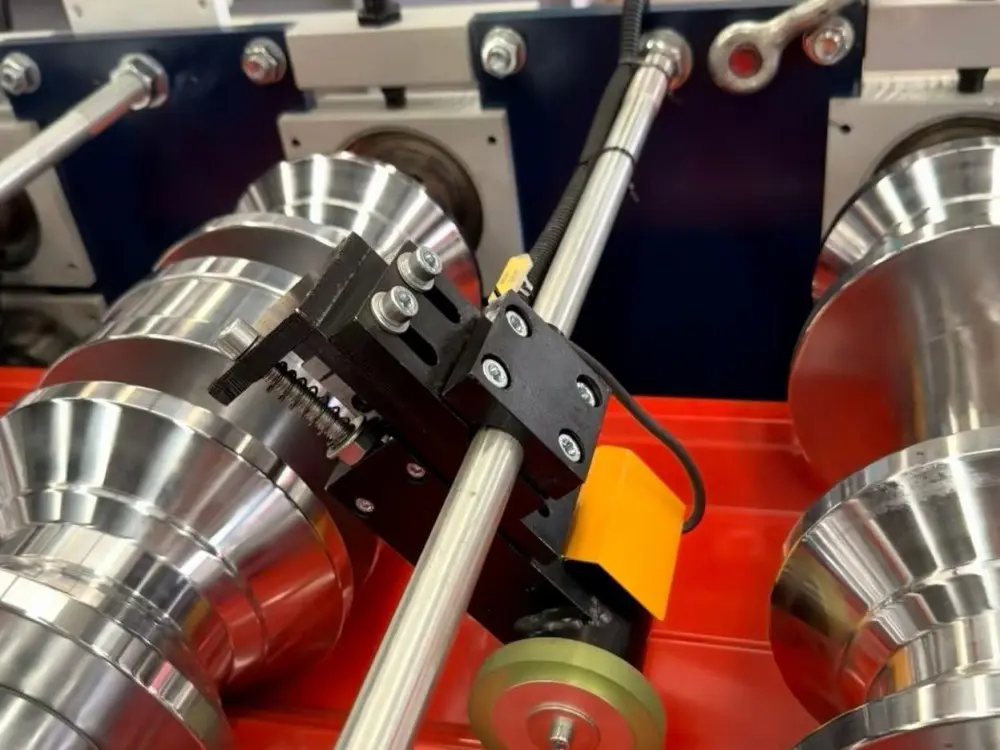
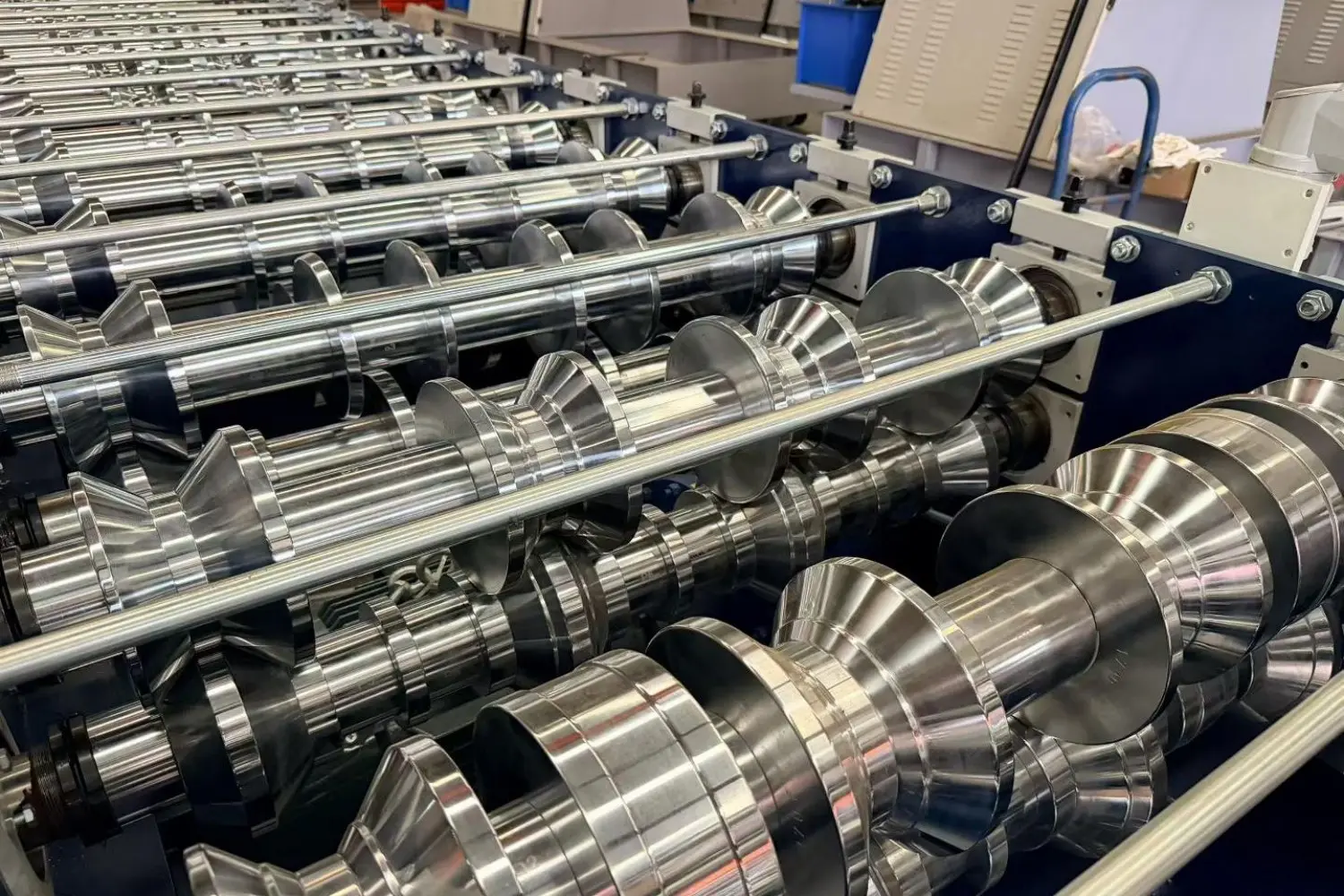
All our rollers are CNC machined from premium grade Cr12MoV tool steel, vacuum heat-treated to HRC 58-62, and finished with precision hard chrome plating to eliminate surface marring on pre-painted metal stock.
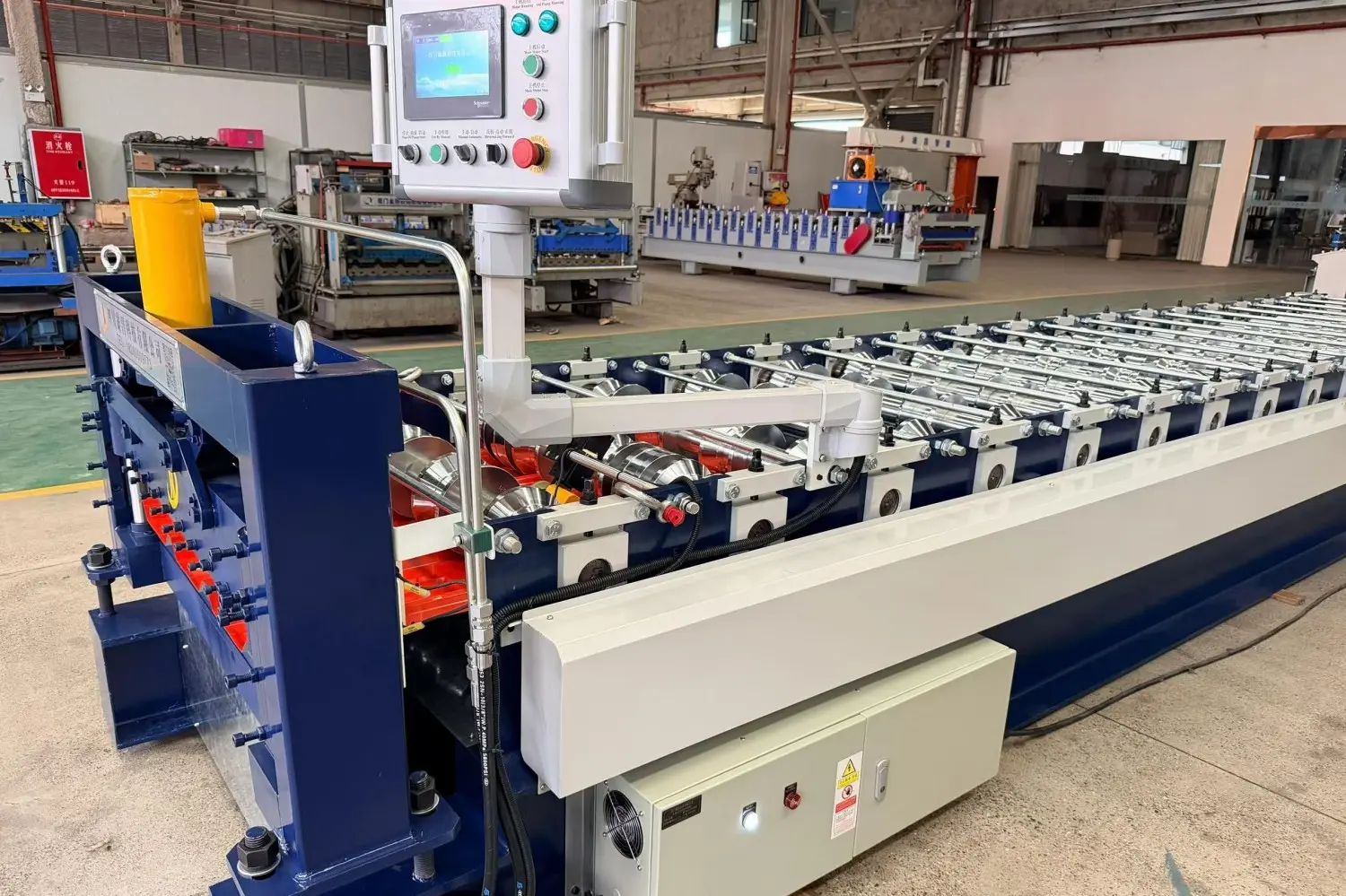
Featuring Siemens, Delta, or Mitsubishi PLCs with integrated HMI touchscreens. Multi-stage batch operations, length parameters, and sheet tracking are regulated down to ±0.5mm tolerances.
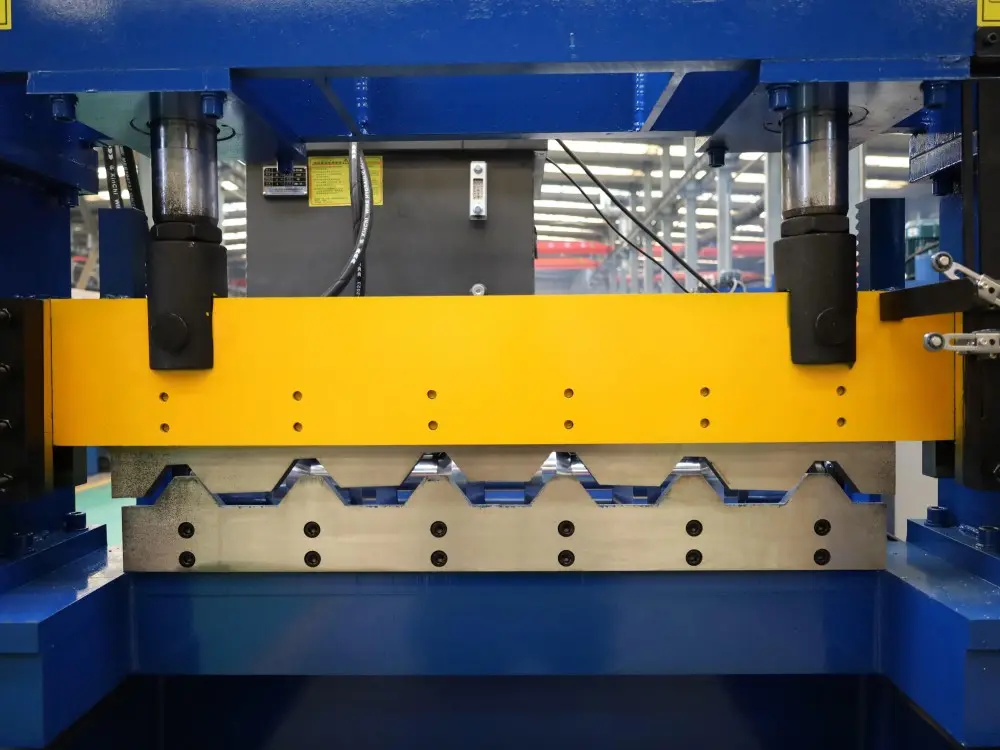
Utilizing high-rigidity hydraulic post-cutting assemblies. Zero-clearance blade design ensures clean, burr-free cuts without deformation, maintaining the geometric integrity of the standing seam profile.
High-capacity machinery engineered to process heavy gauge structural systems and intricate building envelopes.
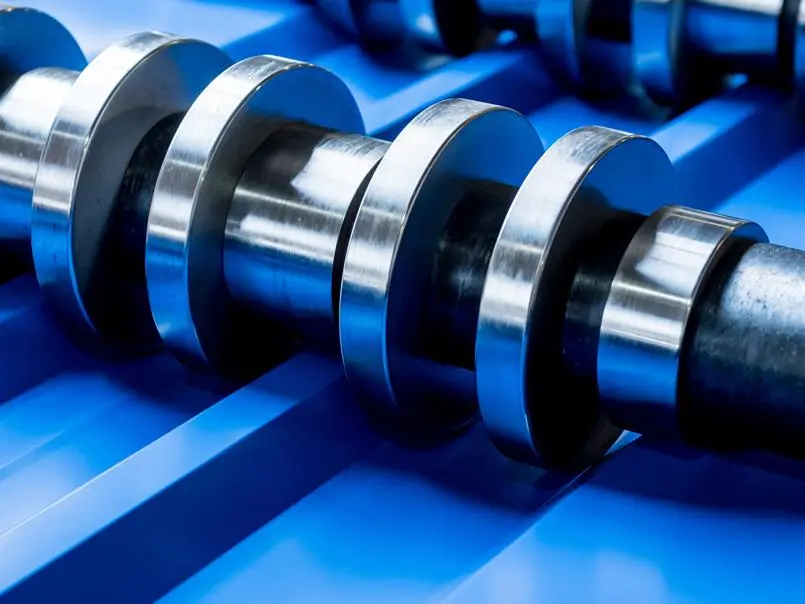
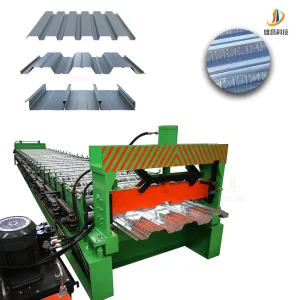
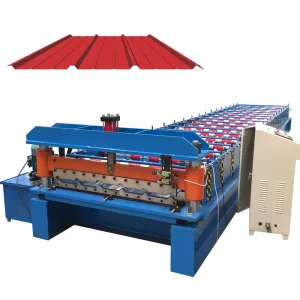
Roof Panel, Wall Panel, and Floor Deck Roll Forming Machines.
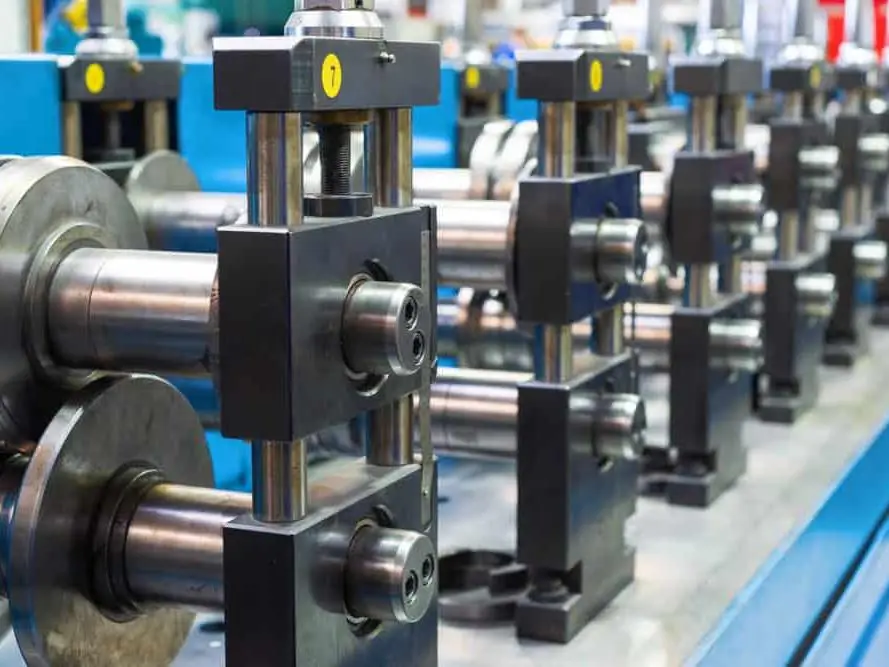
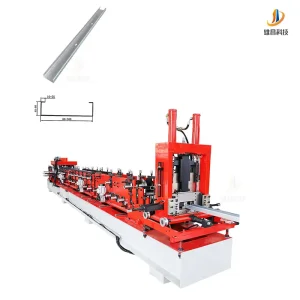
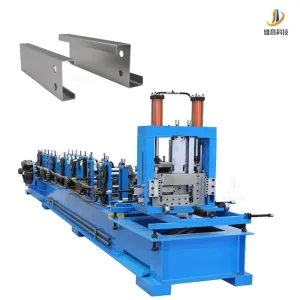
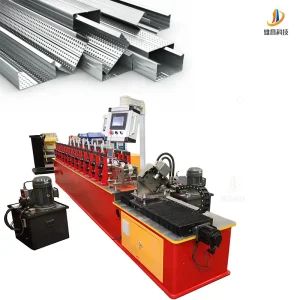
C/Z Purlin Roll Forming Machines, and Stud & Track Roll Forming Machines.
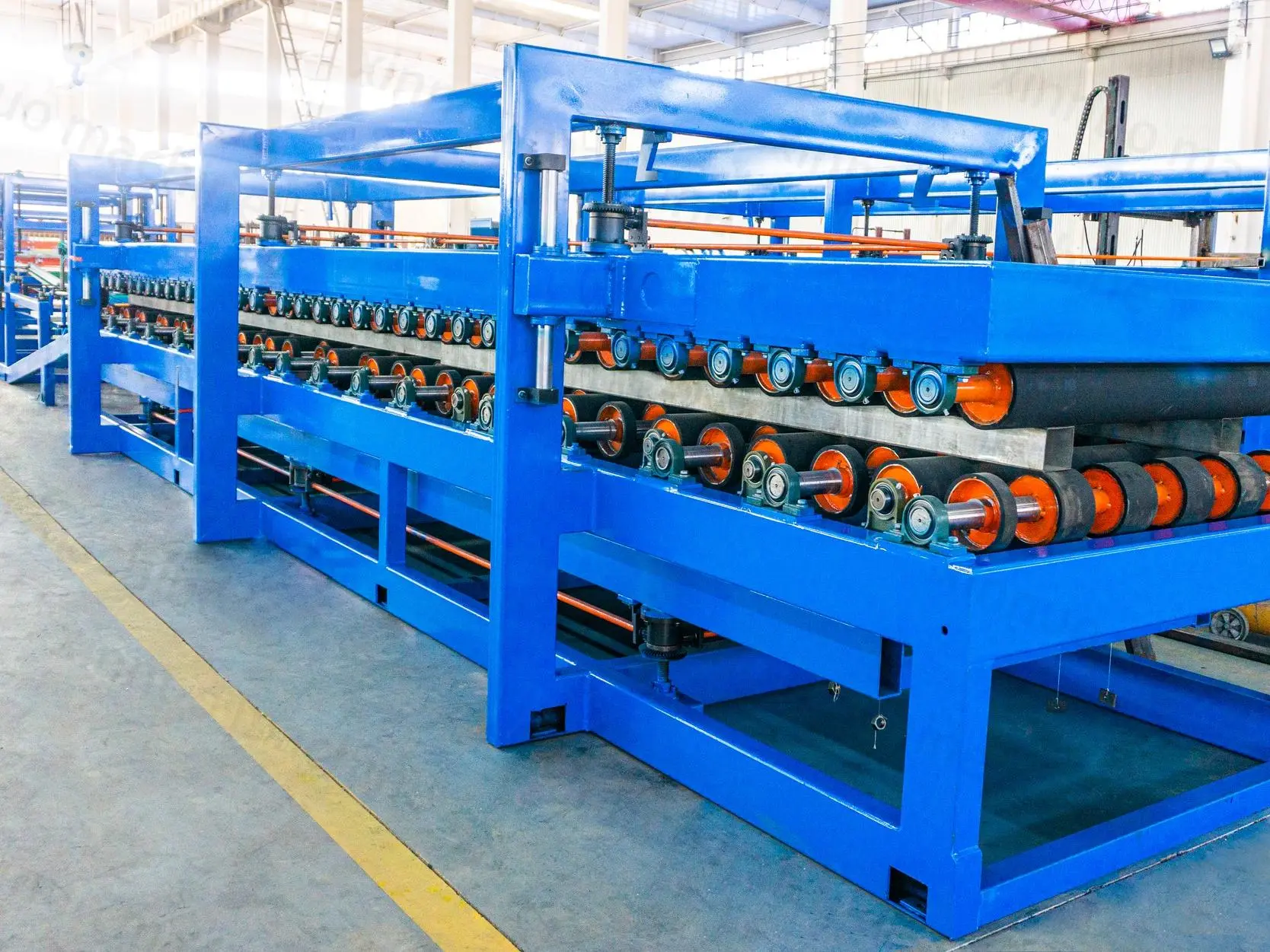
Gutter Roll Forming Machines and Door Frame Roll Forming Machines.
XC has a complete suite of detection and testing instruments to rigorously verify product strength, durability, and reliability. We adhere to strict, standardized quality control protocols throughout the manufacturing process, ensuring all output consistently meets specified customer specifications.
Every roll forming line undergoes a continuous running dry test for 24 hours, followed by real-material profile testing before dispatch. We measure roll tolerances down to the micron level using laser trackers and coordinate measuring machines (CMM). Our QC team documents material certificates, structural tension test reports, and electrical safety profiles to ensure compliance with European CE standards, UL, and regional building codes.
From design to installation, XC provides comprehensive lifecycle support. We offer professional installation, commissioning, and operational training to ensure optimal setup and productivity. Our dedicated after-sales support team delivers ongoing technical assistance and maintenance services, helping customers achieve sustained, peak operational performance.
For custom ODM machinery, we offer remote telemetry support. By integrating IoT-enabled modules into the PLC panel, our engineering team can diagnose calibration issues, adjust line settings, and update controller code remotely. This minimize downtime for field contractors operating mobile mills in remote construction zones.
With years of industry expertise, we have established a strong reputation for quality and customer-centric service. Our professional team provides tailored, personalized support for both standard and customized technical needs. This commitment has fostered a loyal client base across construction, manufacturing, and engineering sectors, with our machines contributing to projects ranging from residential complexes to large-scale commercial and infrastructure developments.
Our expertise translates into specialized roll forming solutions across multiple verticals:
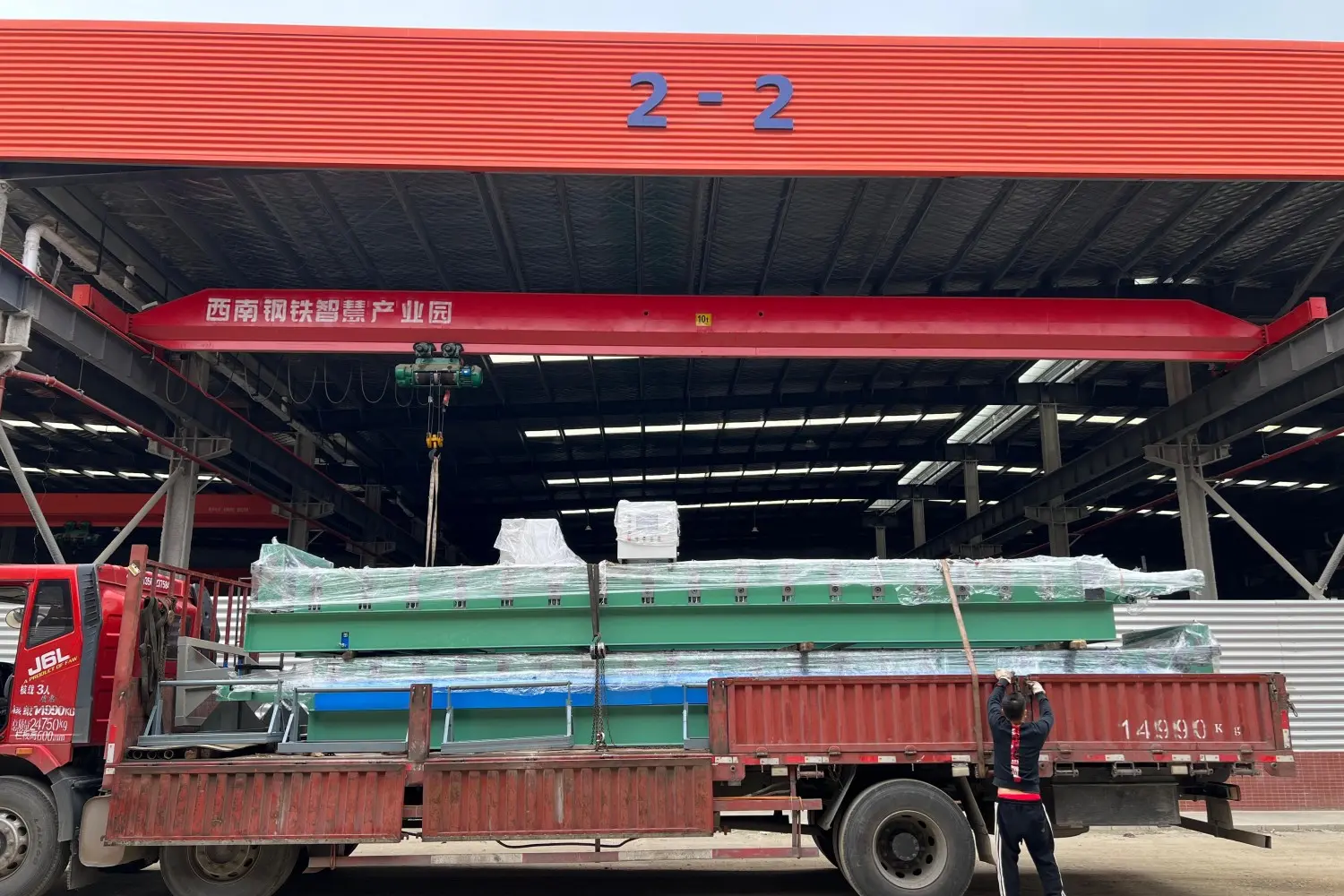
Delivering high-precision roll forming machinery, automated lines, and expert field consultation globally.
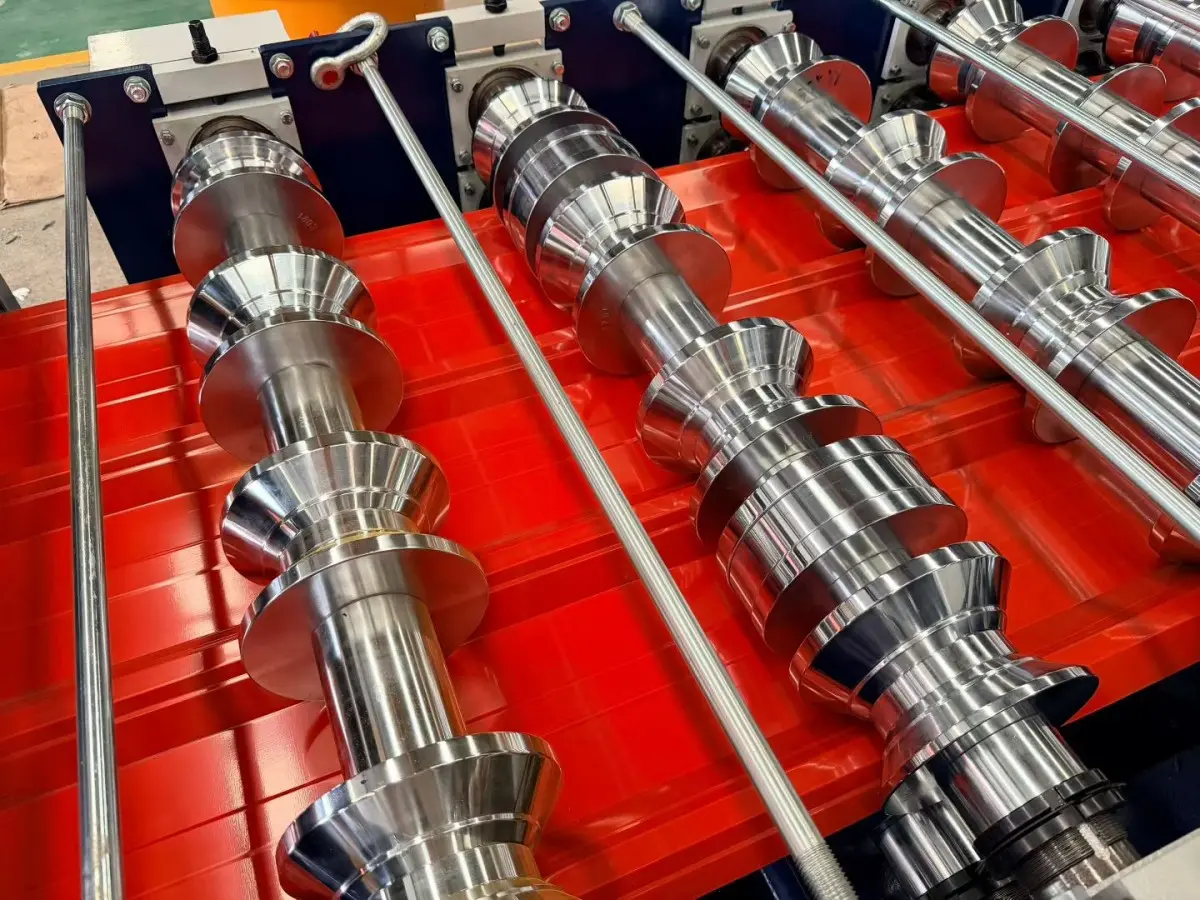
Tailored design and line engineering for custom steel profiles, floor deck systems, and high-efficiency standing seam panels.
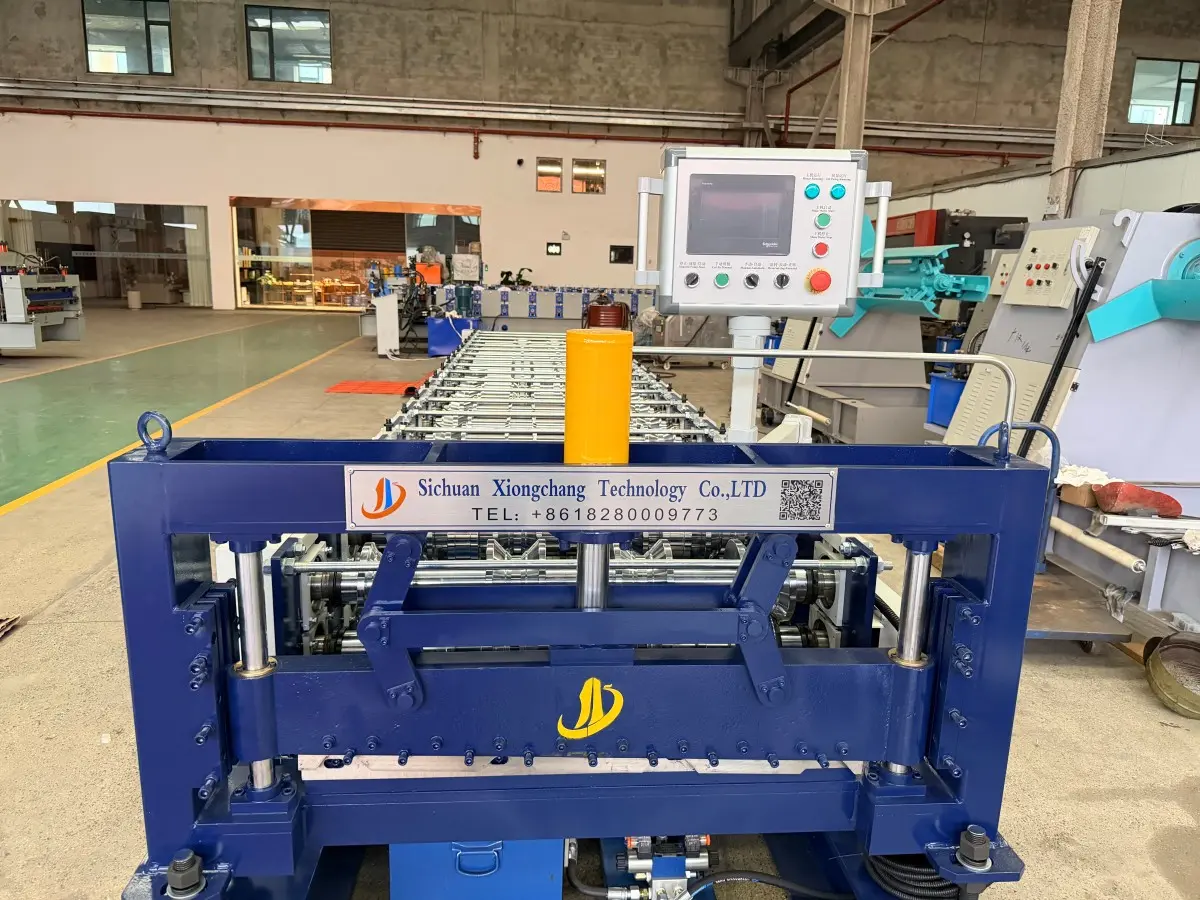
Lifecycle consulting, remote telemetry troubleshooting, mechanical realignment, and spare parts supply for continuous operation.
For over two decades, XC (XiongChang) has been a trusted leader in the design and manufacture of cold roll forming equipment. We combine deep industry expertise with a steadfast commitment to our clients, ensuring every machine delivers exceptional value and performance.
Leveraging twenty years of design innovation to deliver custom duplex and multi-profile machine configurations.
Heavy-duty structural frames, heat-treated steel rollers, and top-tier electronics ensure continuous operation.
From initial design simulation to field commissioning and tooling updates, we support your business growth.
Our roll forming systems serve a diverse global clientele, from residential builders to large-scale industrial and infrastructure projects. Whether for standard applications or fully customized production lines, we equip manufacturers worldwide with the technology, support, and expertise to enhance their capabilities, improve output quality, and achieve long-term operational excellence.
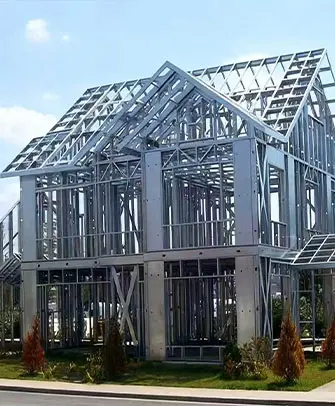

The manufacturing sector for architectural metal cladding is transitioning from fixed-profile production lines to intelligent, adaptive forming technologies. Standard standing seam profiles (like 25-150, 38-500, or 50-470) are increasingly produced on mobile roll formers directly at construction sites to avoid the logistics challenges of transporting long structural panels.
Traditional roll formers required manual spacer changes or roller swaps to produce varying panel widths, resulting in hours of downtime. Modern **ODM Standing Seam Rolling Machine Companies** are developing width-adjustable duplex structures. By inputting the target profile metrics into the HMI controller, motorized drive shafts automatically reposition the roll form stations. This allows transitions from 300mm to 500mm width profiles within minutes.
During the roll forming process, metals with high yield strengths (like structural steel or titanium-zinc) experience internal stress variations. This can lead to issues like oil-canning, edge waves, or cambering in the final panel. To address this, modern forming lines incorporate pre-cut tension levelers and post-forming straightening blocks. These mechanisms ensure the flat pan of the standing seam panel remains flat across long spans.
For large-scale industrial projects, such as airport terminals or massive warehouse complexes, transporting 30-meter-long roof panels is logistically impractical. To solve this, manufacturers are containerizing standing seam roll formers. By mounting the machine inside a standard sea container, contractors can hoist the entire forming unit to the roof level. Coil material is fed directly at high altitudes, producing seamless panels that run from the ridge to the eave.
Procuring an industrial-grade cold roll forming line requires a systematic evaluation of technical metrics, structural design features, and long-term service agreements. Below is a checklist for EPC contractors and steel fabricators to use when evaluating standing seam roll forming machine factories:
Ensure rollers are made of Cr12MoV or equivalent high-carbon, high-chromium tool steel. Hard chrome coatings are essential for pre-painted stock to prevent coating scratches that lead to corrosion.
Select lines that use frequency inverter-controlled variable speed drives or servo motor systems. Synchronizing the feed rate, forming velocity, and hydraulic shearing action ensures consistent profile dimensions.
Verify that the factory provides electrical panels built with UL-listed or CE-compliant components, depending on your target operational region (EU vs. North America).
Furthermore, pay attention to the mechanical configuration of the machine frame. Solid cast iron steel blocks or thick welded steel plates are preferred over light structural tubing, as they resist mechanical vibration and deflection under continuous load. A robust frame directly translates into tighter tolerances and longer machine life cycles.
Expert answers addressing operational parameters, profile customization, and maintenance protocols.
Snap-lock profiles feature male and female edges that snap together without the need for mechanical seaming tools. This design reduces installation labor and is ideal for residential or light commercial roofs with slopes of 3:12 or greater. Mechanical lock profiles, available in single-fold (90-degree) or double-fold (180-degree) configurations, require a mechanical seamer to lock the panels together. Mechanical lock systems offer higher wind-uplift resistance and are suitable for low-slope roofs (under 2:12) or projects in heavy snow zones.
Input steel sheet thickness (typically ranging from 0.4mm to 0.8mm) and yield strength (up to 550 MPa) determine the required number of forming stations. Higher yield strength materials require more roll stations and precise over-bending calculations to manage springback. Our ODM machines use specialized roll designs to ensure the final profile complies with design dimensions, regardless of variations in the input coil.
Usually, no. Standard standing seam panels and structural floor decks require different roll configurations and mechanical designs. Floor decks are typically produced from thicker steel (up to 1.5mm) and require larger roller diameters and a more robust frame. However, we design interchangeable cassettes that allow operators to swap out the forming toolsets on a single master drive chassis, enabling a single production line to produce different profiles.
We achieve long-term precision through several design choices: using high-frequency induction hardened keyways, stabilizing the machine frame through thermal stress-relief before machining, and using chromium tool steel for the rollers. Additionally, we integrate dial indicators on the adjustable roll stations, allowing operators to make precise corrections when switching between different metal batches.
Select from our range of structural systems, specialized fabrication lines, and customizable ODM roll formers.
 Xiongchang