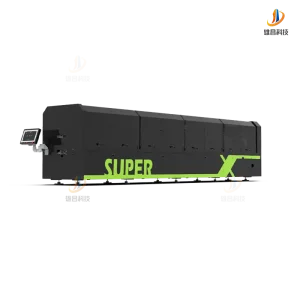
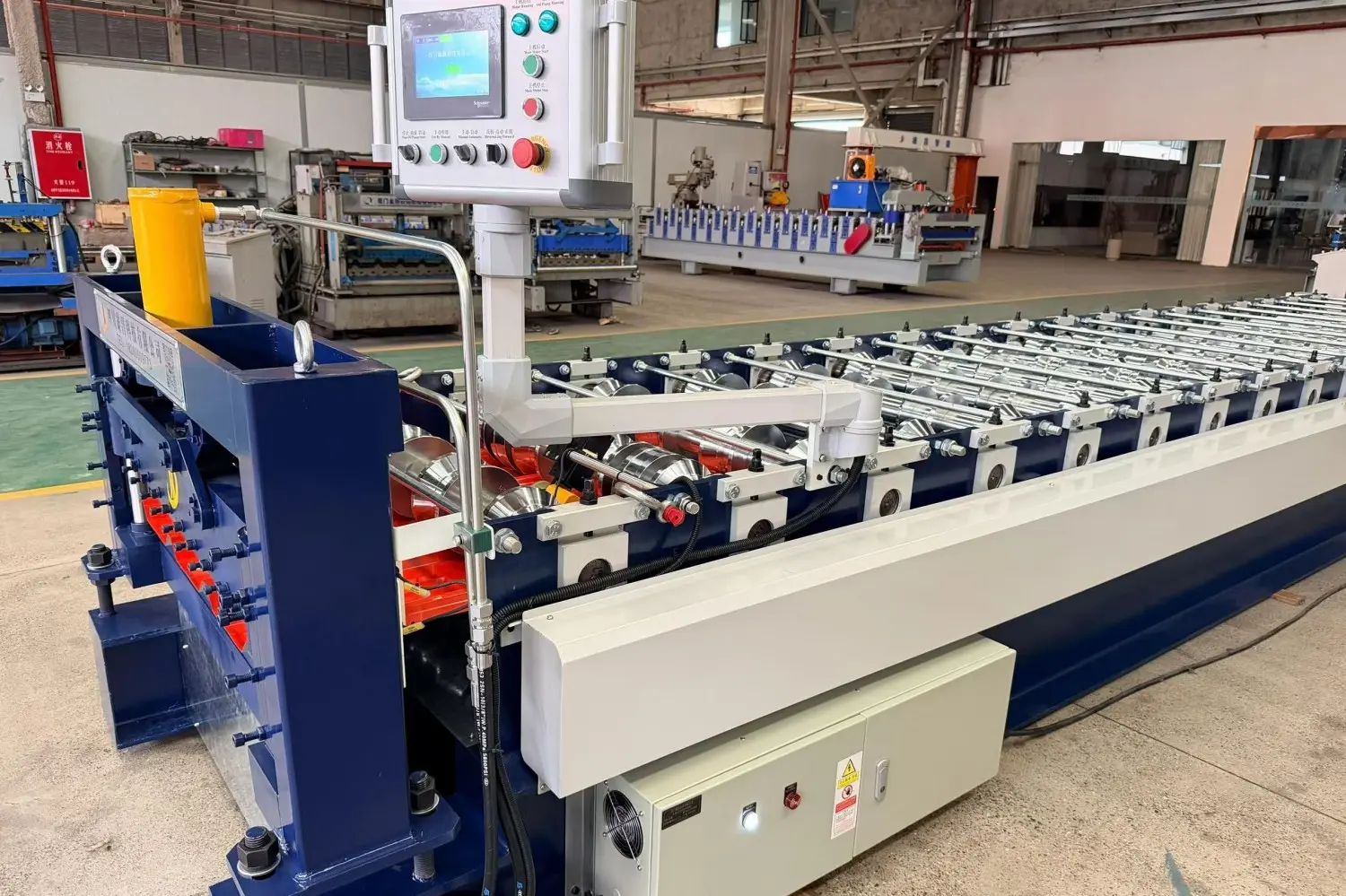
Explore our premium range of precision engineered cold roll forming systems, designed for absolute efficiency and structural accuracy.
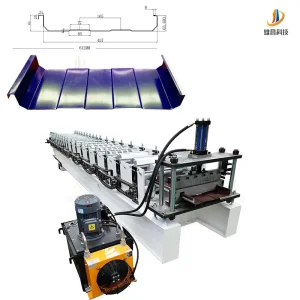
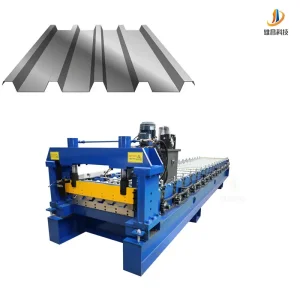
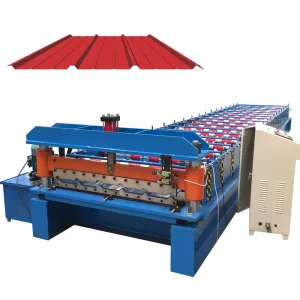
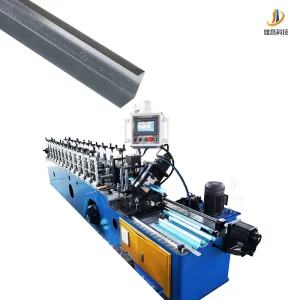
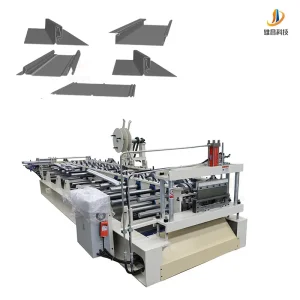
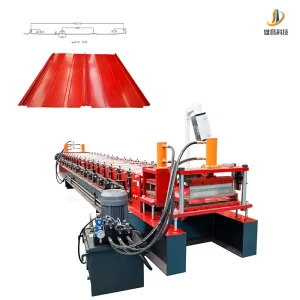
In contemporary civil engineering and commercial construction, the roof is no longer viewed merely as a barrier against atmospheric conditions. It is engineered to perform as an integrated, low-maintenance structural component. Among various metal roofing paradigms, standing seam roofing systems stand out as the pinnacle of structural protection and weatherproofing.
The production of these high-performance panel profiles relies on advanced roll forming machines. As architectural designs become more complex and build schedules accelerate, the demand for original design manufacturer (ODM) solutions has risen. An ODM Standing Seam Panel Former Factory does not simply compile stock machinery; it engineers bespoke systems designed to process specific material grades, yield strengths, and profile geometries.
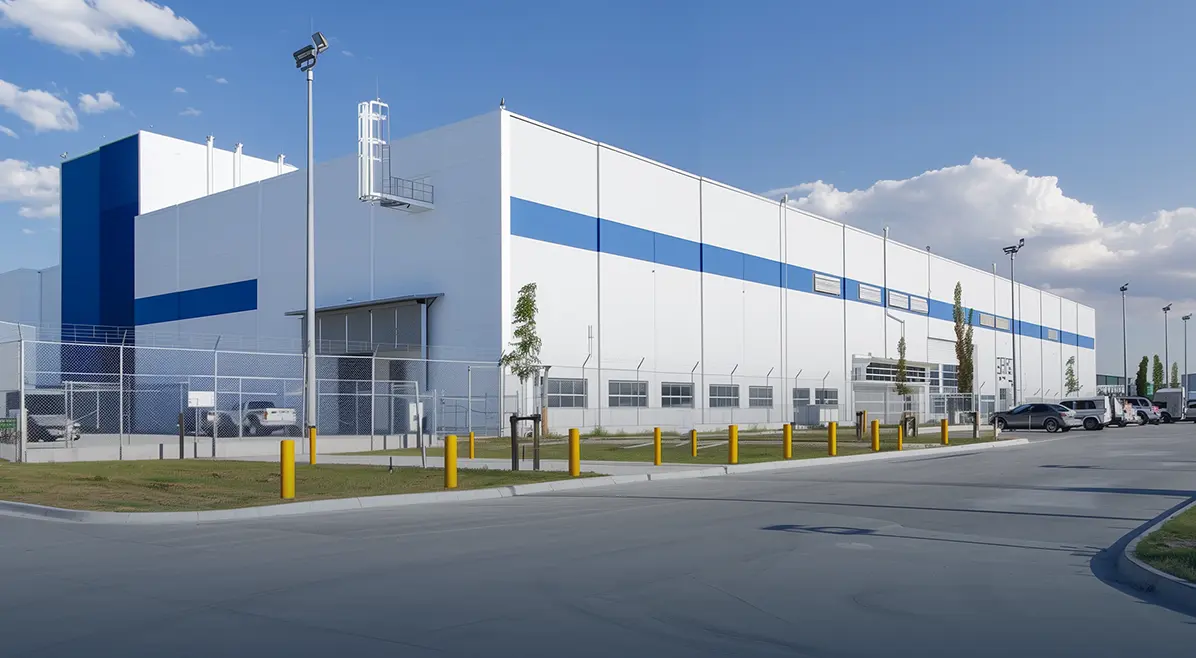
As an established expert in the metal forming machinery industry, XC (Xiongchang) provides fully integrated roll forming solutions. Our portfolio encompasses core production machines for roofing, flooring, doors, and structural steel framing components, as well as the complete auxiliary line equipment essential for high-throughput operations.
From raw decoiler feeding configurations and straightening systems to high-speed hydraulic punching and precise post-shearing units, our equipment is built to withstand rigorous industrial run times.
XC integrates robust metallurgical engineering, precise CAD/CAM roll-pass design, and advanced automation components to construct reliable forming mills.
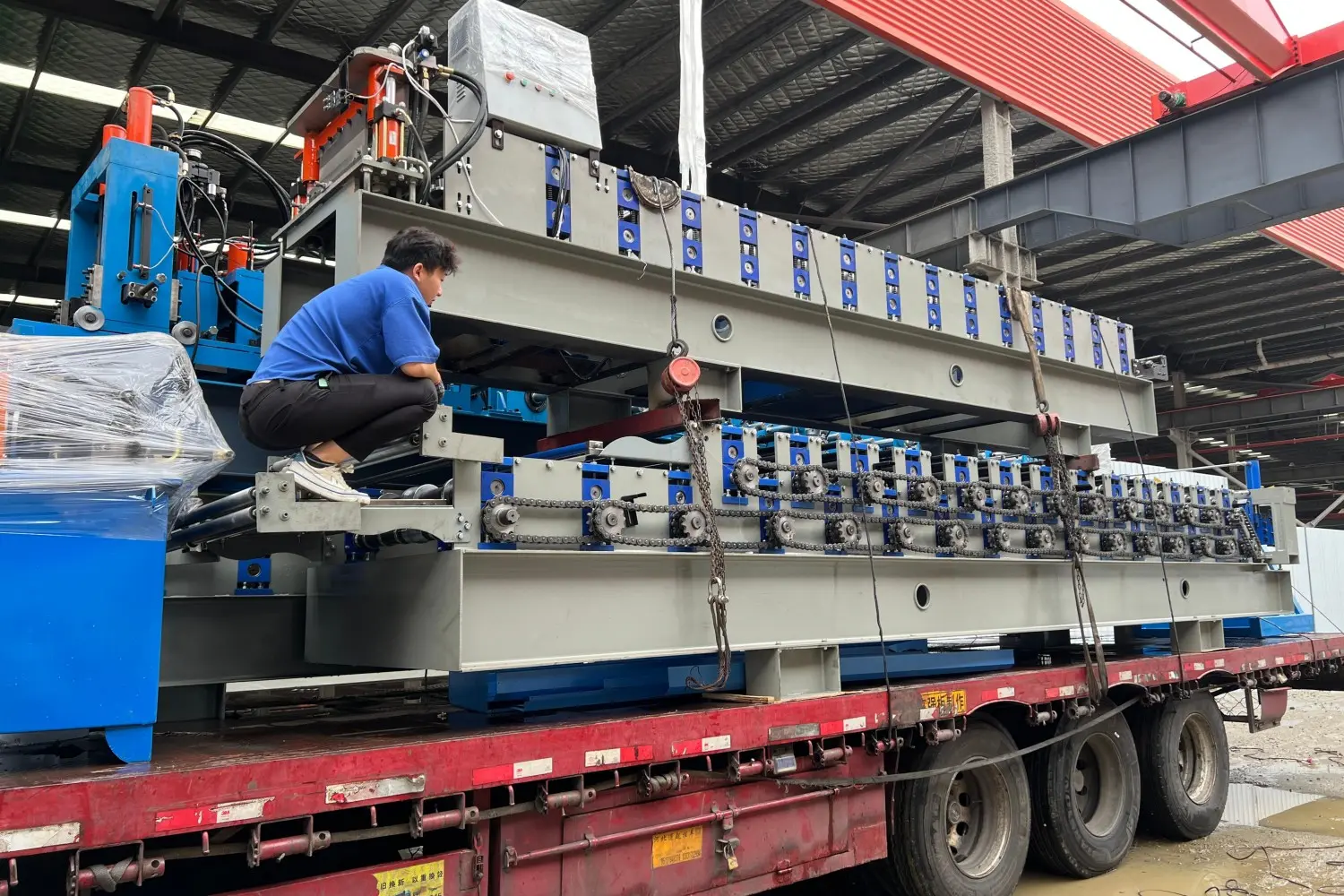
Our manufacturing paradigm relies on advanced CNC machining centers and coordinate measuring machines (CMM) to ensure that every roller shaft and profile forming die matches design specifications. Working with varying yield strengths of steel requires micro-level control over roller tolerances to eliminate issues like camber, twist, and oil-canning in the final panels.
Engineering robust roll forming machinery across three strategic building systems sectors.
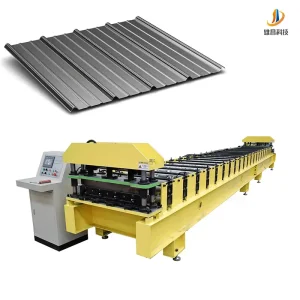
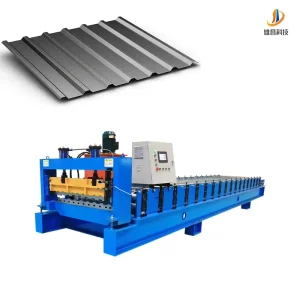
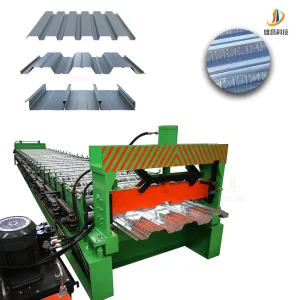
Includes high-speed roof panel, wall cladding, and structural floor deck roll forming machines engineered to process high-tensile steel coils.
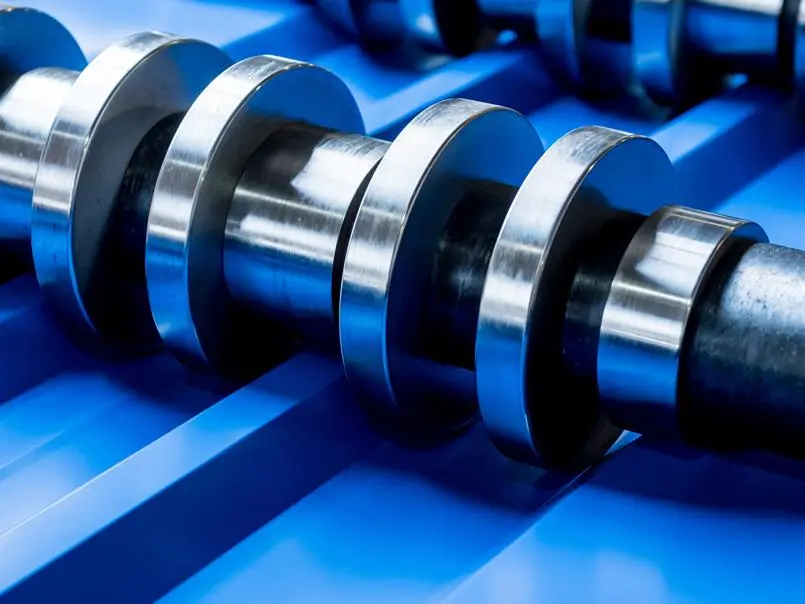
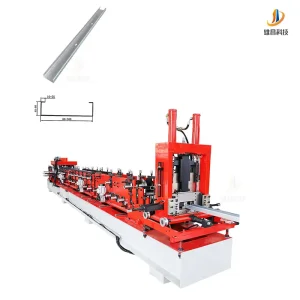
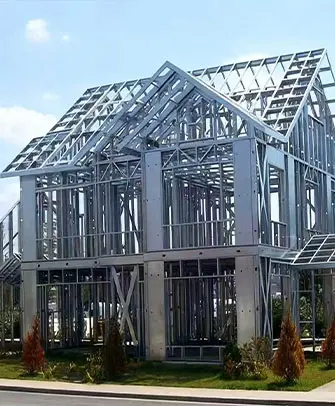
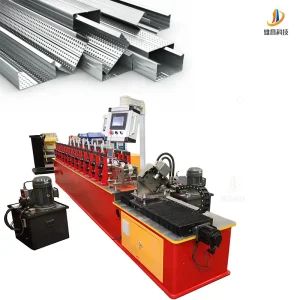
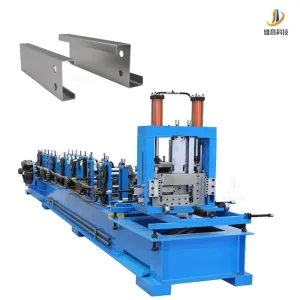
Industrial C/Z purlin roll forming systems with automated size changeover and light gauge steel stud & track framing equipment.
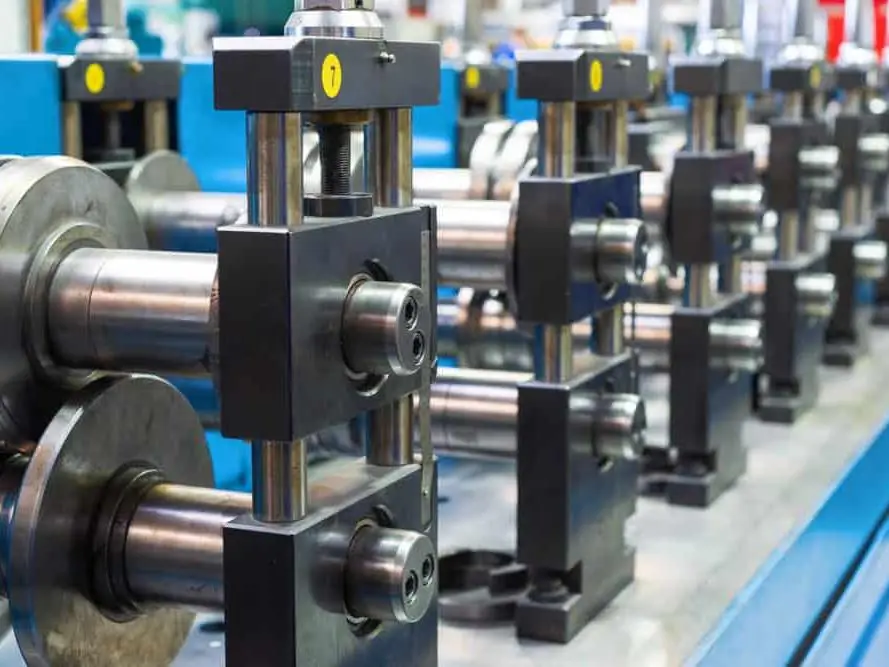
High-precision rain gutter profile machinery, commercial downspout formers, and heavy-duty industrial door frame roll formers.
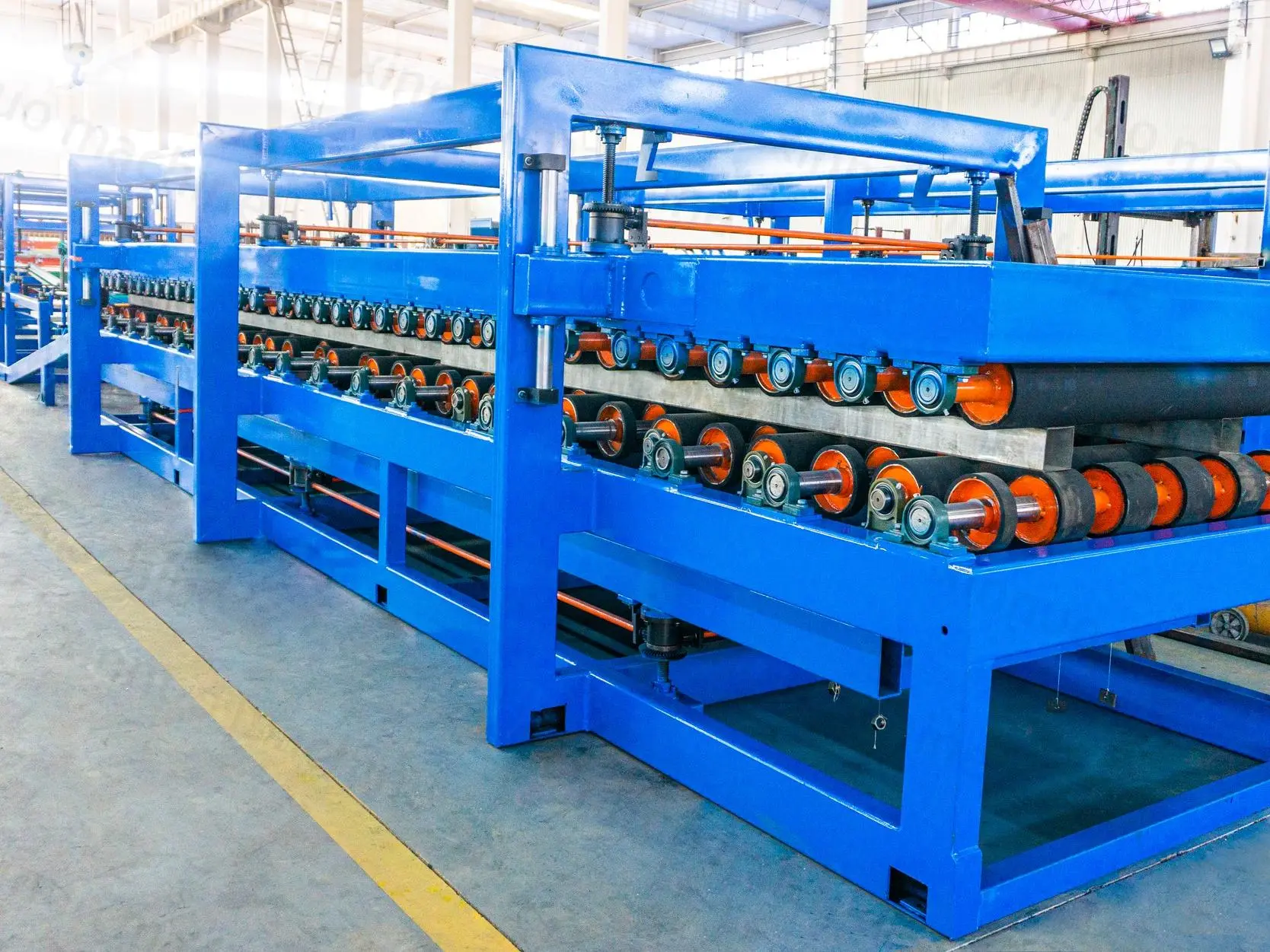
When global buyers procure equipment from a standing seam panel former factory in China, they gain access to a highly integrated industrial ecosystem. China's roll forming machinery sector benefits from localized supply chains that streamline components sourcing, heat treatment, and precision machining.
XC utilizes these supply chain advantages to manufacture competitive, industrial-grade equipment without compromising component quality. By pairing localized engineering expertise with a global components strategy (such as Schneider electronics, Yuken hydraulics, and SKF bearings), we build durable machinery suitable for heavy-duty operational environments.
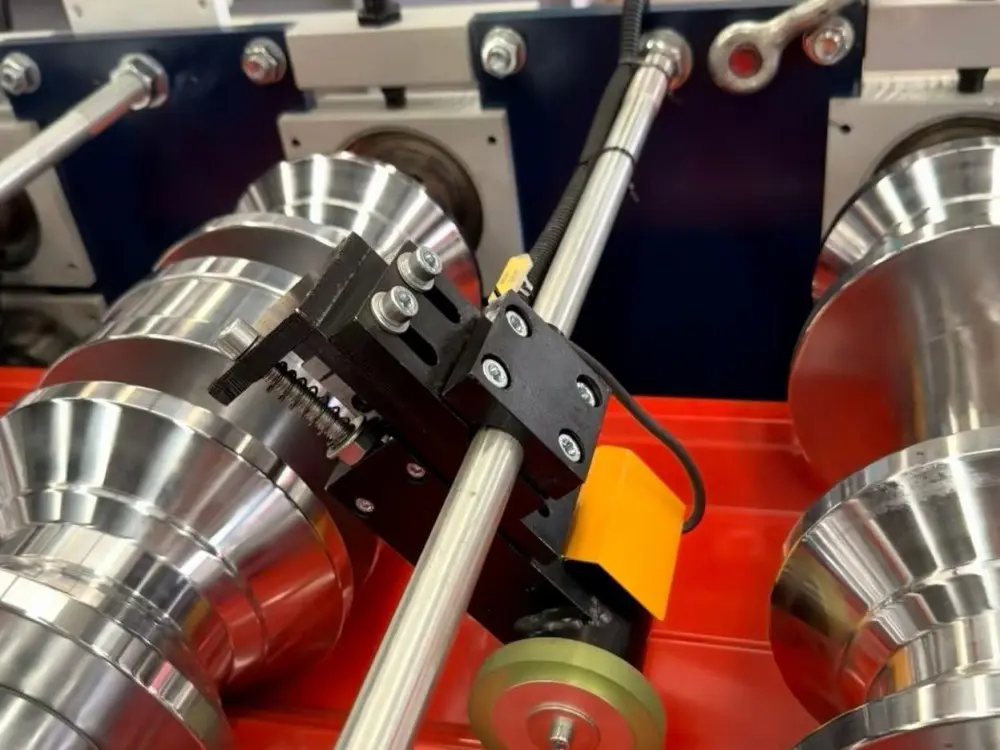
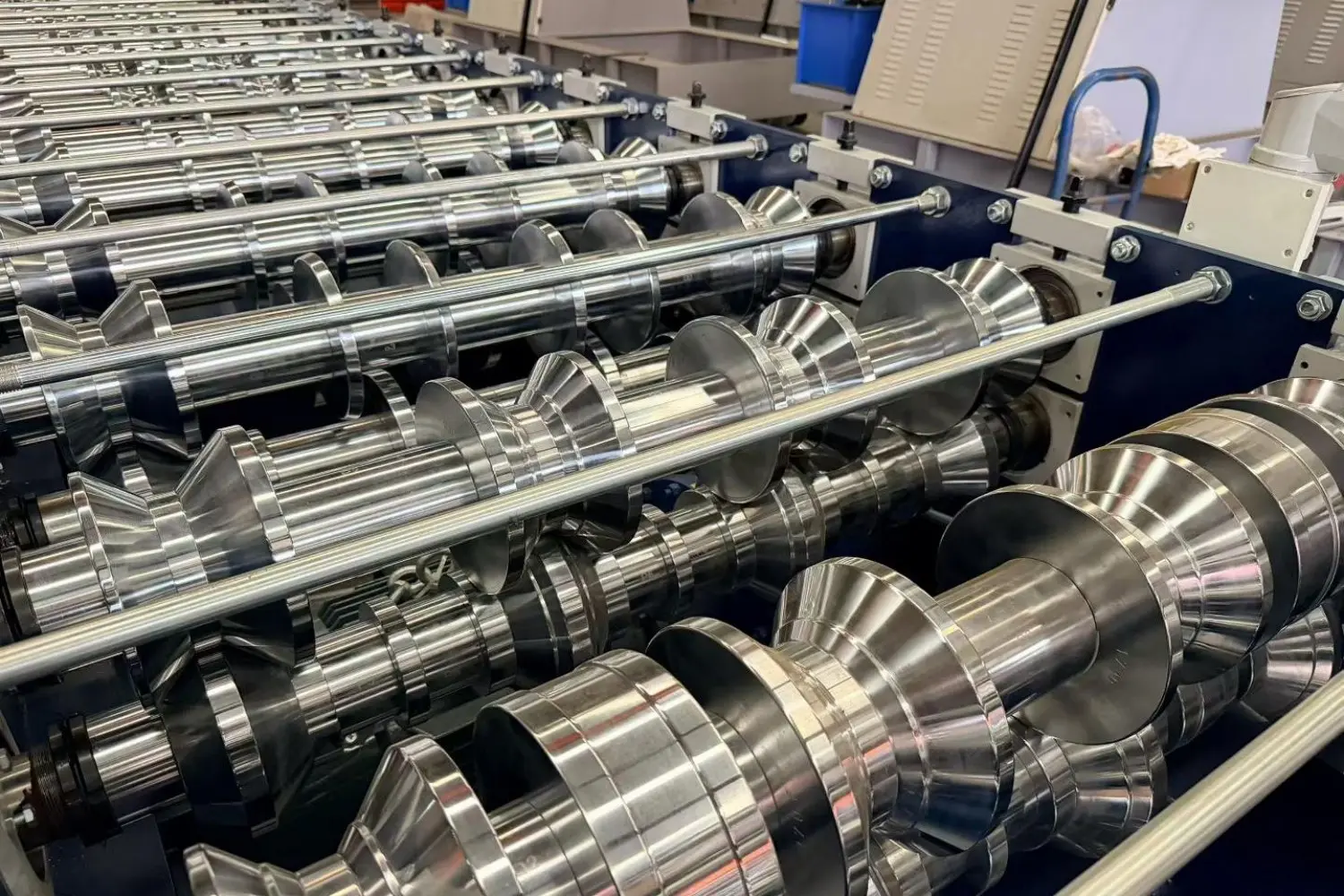
We implement structured quality control systems to verify the performance and durability of every roll former. The roll forming process involves complex plastic deformation of sheet metal; variations in material thickness or yield strength can lead to profile deviations if the machine is not calibrated.
XC's testing laboratories utilize advanced measurement equipment to verify that our machines conform to international tolerances.
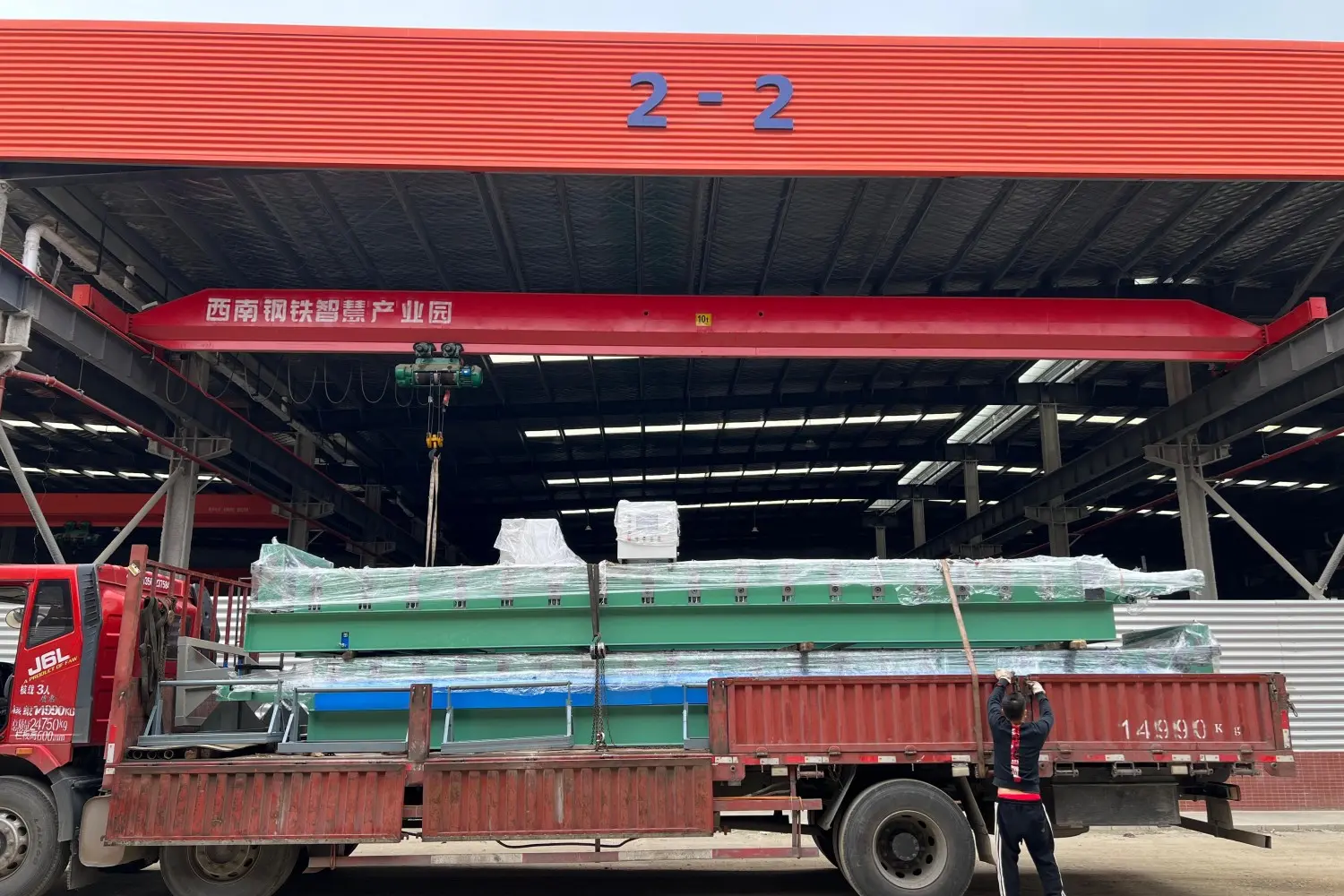
Each machine undergoes continuous test runs under load conditions before shipment, utilizing target materials (such as Prepainted Galvanized Steel - PPGI, Aluzinc, and Aluminum) to verify profile conformity.
Our commitment to customer success extends beyond machine delivery. XC provides comprehensive engineering support throughout the equipment lifecycle to ensure consistent factory output and minimal downtime.
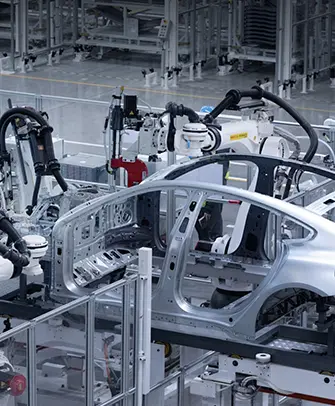
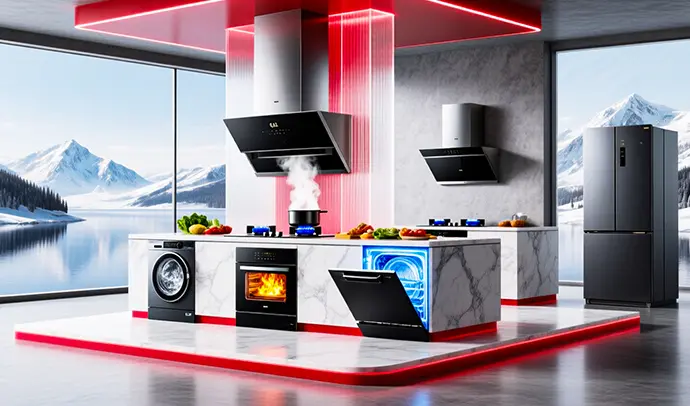
Our standing seam panel formers and custom metal forming systems are used across diverse structural engineering sectors worldwide.

With over two decades of design and manufacturing experience in cold roll forming systems, XC combines engineering expertise with a customer-centric service model. We design our machines to deliver consistent, long-term performance under demanding operating conditions.
Custom engineering services to adapt our machinery to your local power grids, material specifications, and profile requirements.
Constructed with solid, heat-treated steel frames and chrome-plated rollers for long-term dimensional stability.
Experienced engineering support team available for on-site commissioning, training, and troubleshooting worldwide.
Market insights and engineering trends shaping the future of metal architectural systems.
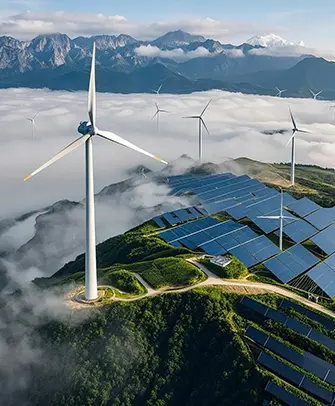
The expansion of logistics networks and cold storage facilities has increased demand for long-span metal roof structures. Standing seam profiles are often preferred for these large-scale facilities due to their durability and support for building-integrated photovoltaic (BIPV) solar arrays.
Modern architectural specifications increasingly call for thin-gauge, high-tensile steel alloys. This shift requires roll forming lines with precise motor synchronizations, advanced tension leveling systems, and durable roller toolings to prevent material tearing or profile distortions.
Energy efficiency mandates are driving the development of composite standing seam panels with integrated insulation. To meet this demand, our ODM factories design lines that can form the outer metal skin while integrating directly with downstream insulation injection systems.
Key technical details and considerations for standing seam panel formers.
Complete your production ecosystem with our auxiliary purlin, framing, and roof-deck roll forming mills.
 Xiongchang