Explore our industrial-grade standing seam roof systems, load-bearing metal floor decks, and custom light-gauge structural framing solutions.
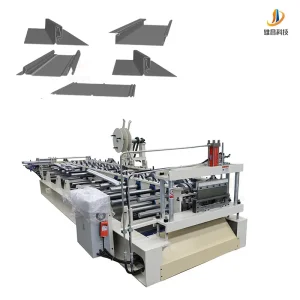
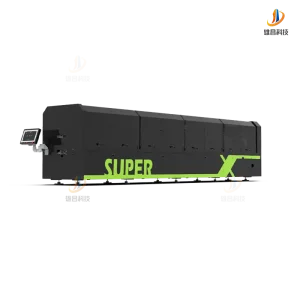
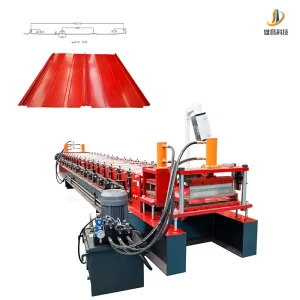
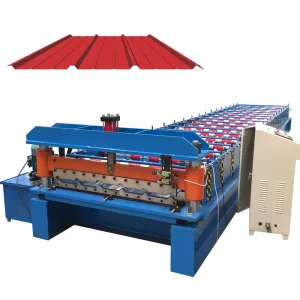
The modern architectural envelope industry is undergoing a paradigm shift towards higher durability, thermal efficiency, and architectural flexibility. Standing seam metal roofing (SSMR) has emerged as the premier standard for commercial, industrial, and high-end residential building envelopes. By utilizing interlocking seams that stand raised above the roof plane, these systems mitigate the risks of water intrusion associated with traditional through-fastened panels.
Globally, the market demand for standing seam forming machines is driven by stringent energy efficiency directives (such as LEED, BREEAM, and international green building codes) and the structural requirements of high-wind and heavy snow load zones. Industrial applications demand field-forming capabilities (mobile containerized machines) that roll-form continuous panels from coil directly on-site, eliminating horizontal lap seams and reducing logistics bottlenecks for ultra-long span roofs (often exceeding 100 meters).
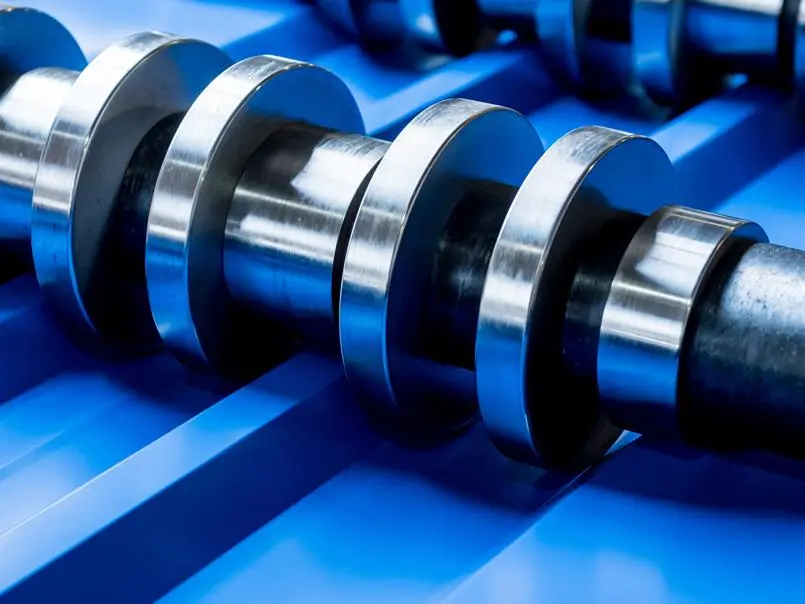
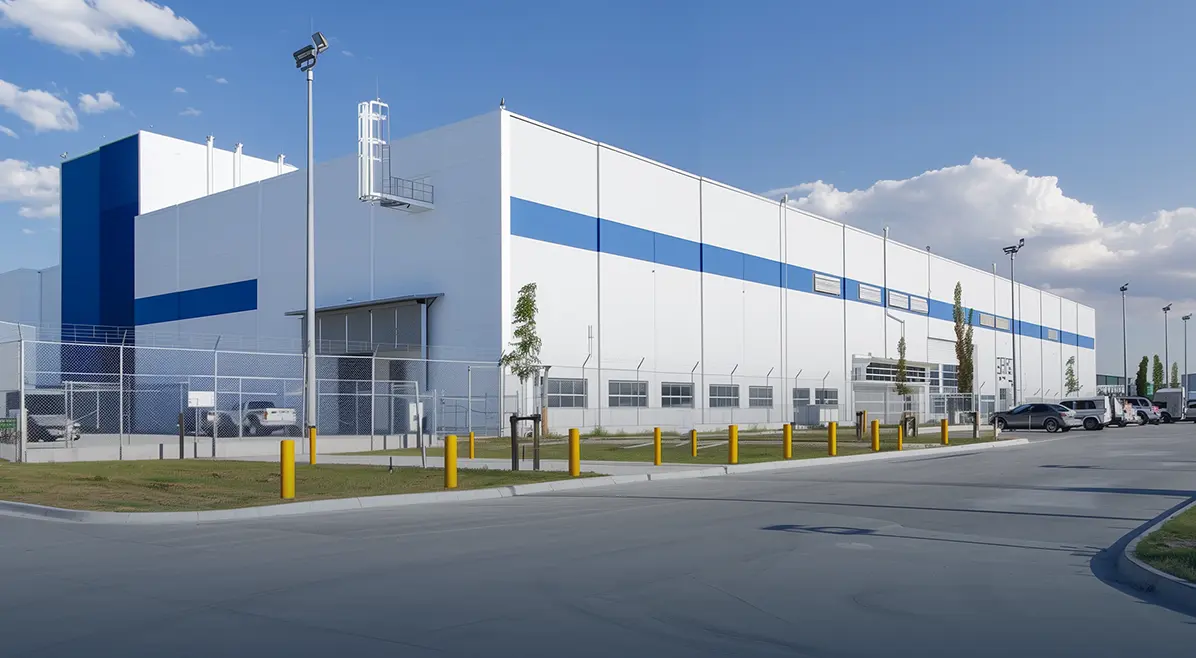
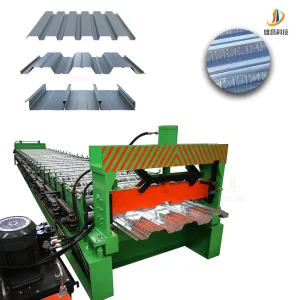
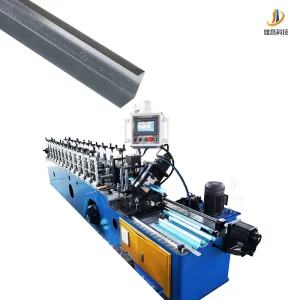
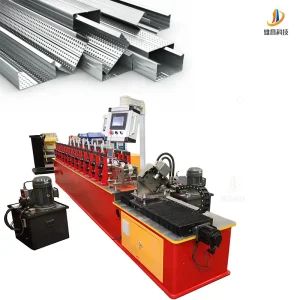
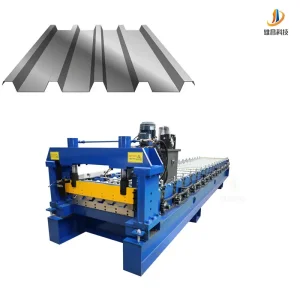
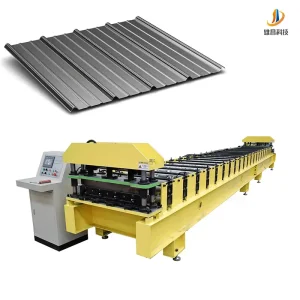
As a global pioneer in cold roll forming engineering, XC (Xiongchang) delivers end-to-end industrial solutions. We design, manufacture, and export highly integrated roll forming production lines. Our systems cover structural roof panels, industrial floor deck profiles, precision drywall partitions, C/Z framing members, and complete auxiliary automated processing lines.
We work closely with global infrastructure EPCs, machinery importers, and metal profile manufacturers to deliver customized high-speed forming technology that minimizes setup times, guarantees profile geometry precision within strict tolerances, and reduces operational maintenance overhead.
Engineered for durability. Programmed for absolute structural consistency.
Our heavy investment in CNC machining centers, automated roller grinding, and laser cutting lines ensures that all structural components achieve tolerances down to ±0.02mm. Rollers are manufactured from premium alloy steels (GCr15, Cr12MoV) followed by vacuum heat treatment and hard chrome plating for long-term wear resistance.
We design tooling and cartridge-based cassette quick-change systems that allow operators to switch between different profile configurations (e.g., varying widths of Snap-Lock or Mechanical Lock standing seam panels) in under 30 minutes. This eliminates line downtime and maximizes B2B return on investment.
Equipped with advanced PLC control panels from industry giants such as Siemens, Mitsubishi, and Delta. Our control interfaces offer multi-language inputs, automated length measurement, and batch programming. Standard configuration includes hydraulic post-cutting systems for clean, burr-free cuts.
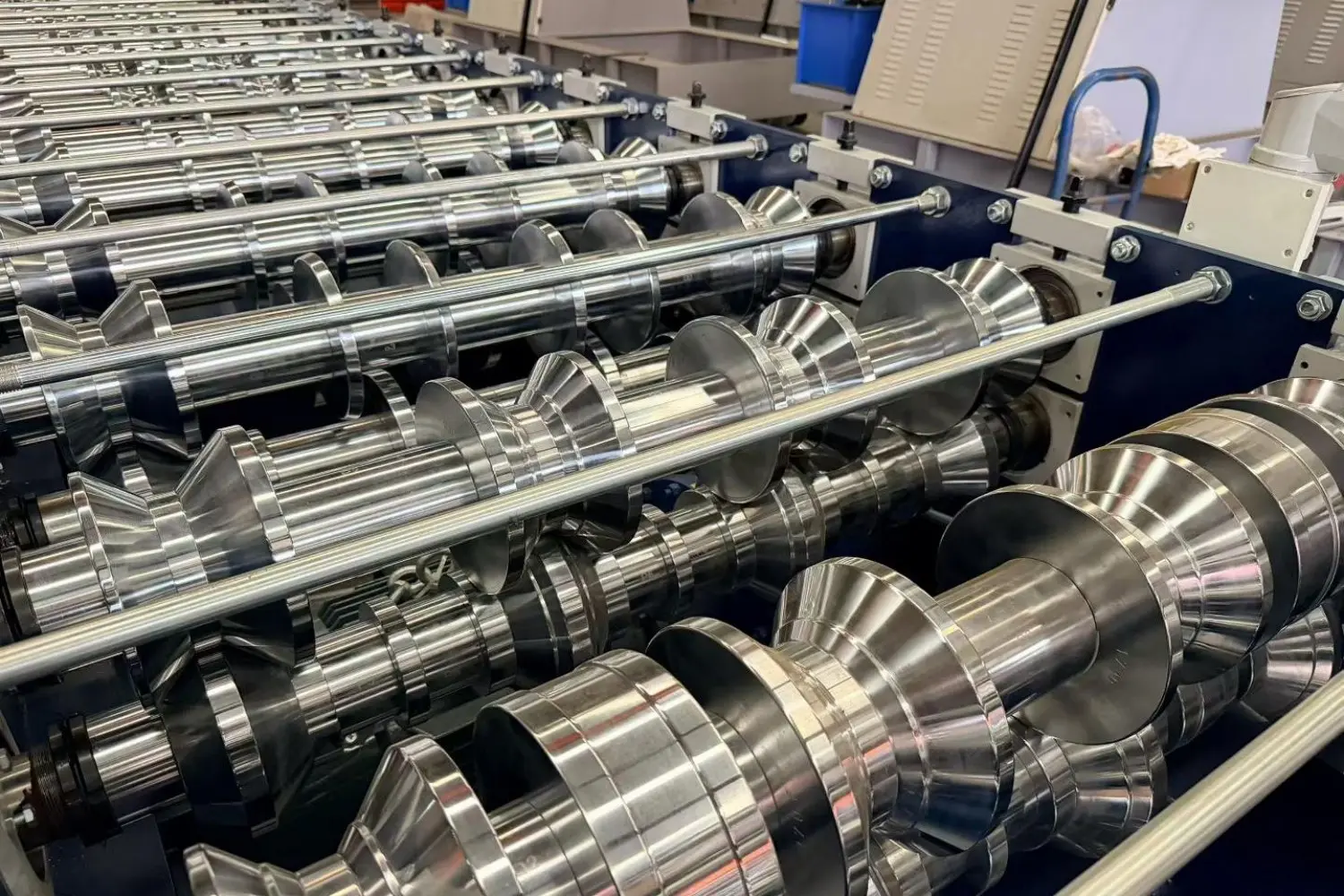
At XC, every machine starts with dynamic 3D simulation testing. Using industry-grade design suites like COPRA, our design engineers map out the exact stresses exerted on the raw sheet metal through every single roll forming station. This eliminates issues of edge stretching, oil-canning, and pocket waves, resulting in structurally sound profiles every time.
High-quality components, complete supply-chain integration, and global engineering expertise.
Our localized supply chain in China allows us to source premium materials—from high-strength structural base plates to custom alloy casting parts—at highly competitive prices. We pass these cost benefits to our global partners without compromising component quality.
With an expansive 50,000 square meter factory space and dedicated manufacturing teams, we operate multiple assembly bays concurrently. This parallel production system enables us to fulfill large-scale machinery orders within short delivery cycles.
All XC machines are built in strict compliance with CE safety standards, UL requirements for control panels, and ISO 9001:2015 quality management procedures. Our equipment stands ready for installation in regions with the most stringent industrial codes.
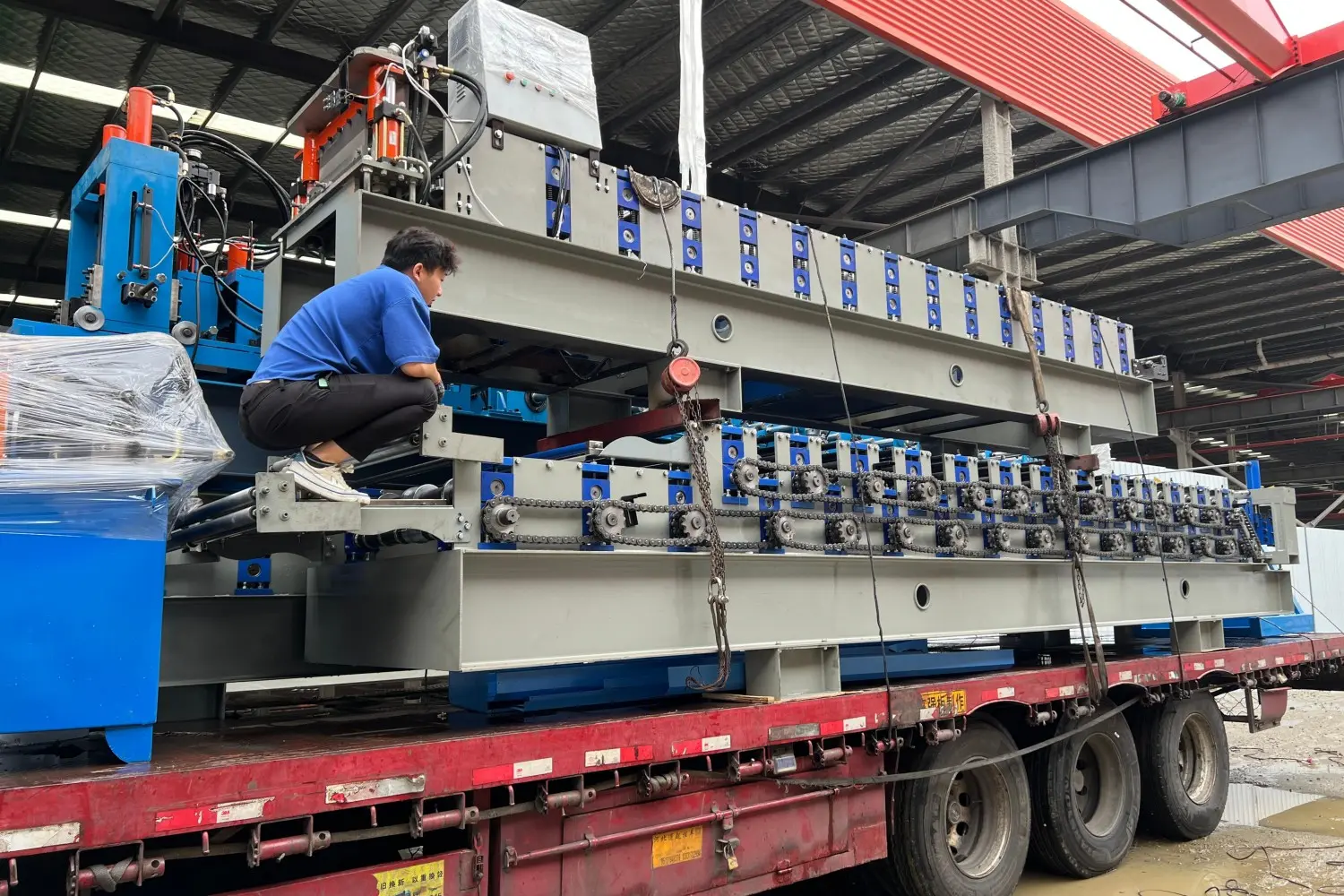
We perform rigorous pre-delivery testing. Each standing seam or purlin machine is run continuously for a minimum of 48 hours using the customer's specified coil profiles before leaving our facility. We verify product profile geometry, dimension consistency, and automated control responsiveness under load.
Where our roll forming machinery delivers high performance day in and day out.
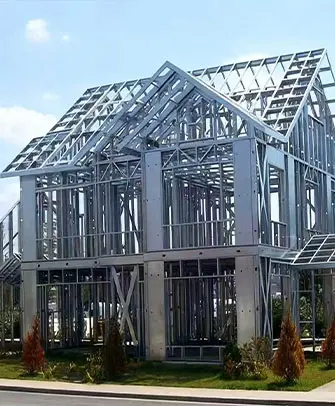
Providing seamless, leakage-proof standing seam roofs, insulated wall cladding panels, and robust metal flooring decks for commercial complexes, high-speed rail terminals, airports, and sports arenas.
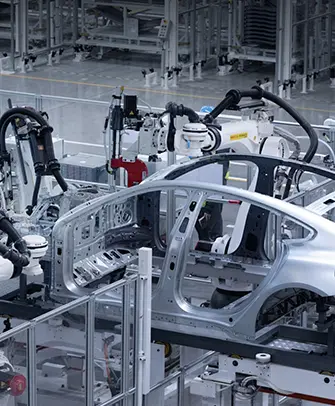
Custom lines producing high-precision structural rails, bumper profiles, storage shelving columns, highway guardrails, and heavy-duty transportation structural framing.
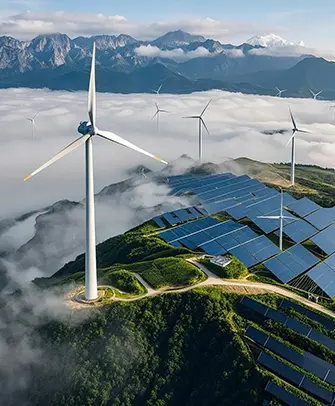
Producing optimized mounting struts, tracker tubes, and support rails for solar PV arrays, designed to withstand extreme wind loads and corrosive outdoor environments.
The roll forming industry is transitioning from mechanical setups to intelligent, software-driven operations. Smart roll formers now come integrated with IoT connectivity, allowing factory managers to monitor production speed, material usage, and machine diagnostics in real time from remote interfaces.
Additionally, the demand for mobile standing seam roll forming—where the entire machine is enclosed in a standard 20ft shipping container and lifted directly to the roof level—is growing rapidly. This eliminates the risk of damage during transport of pre-formed panels and allows contractors to roll panels of virtually infinite lengths.
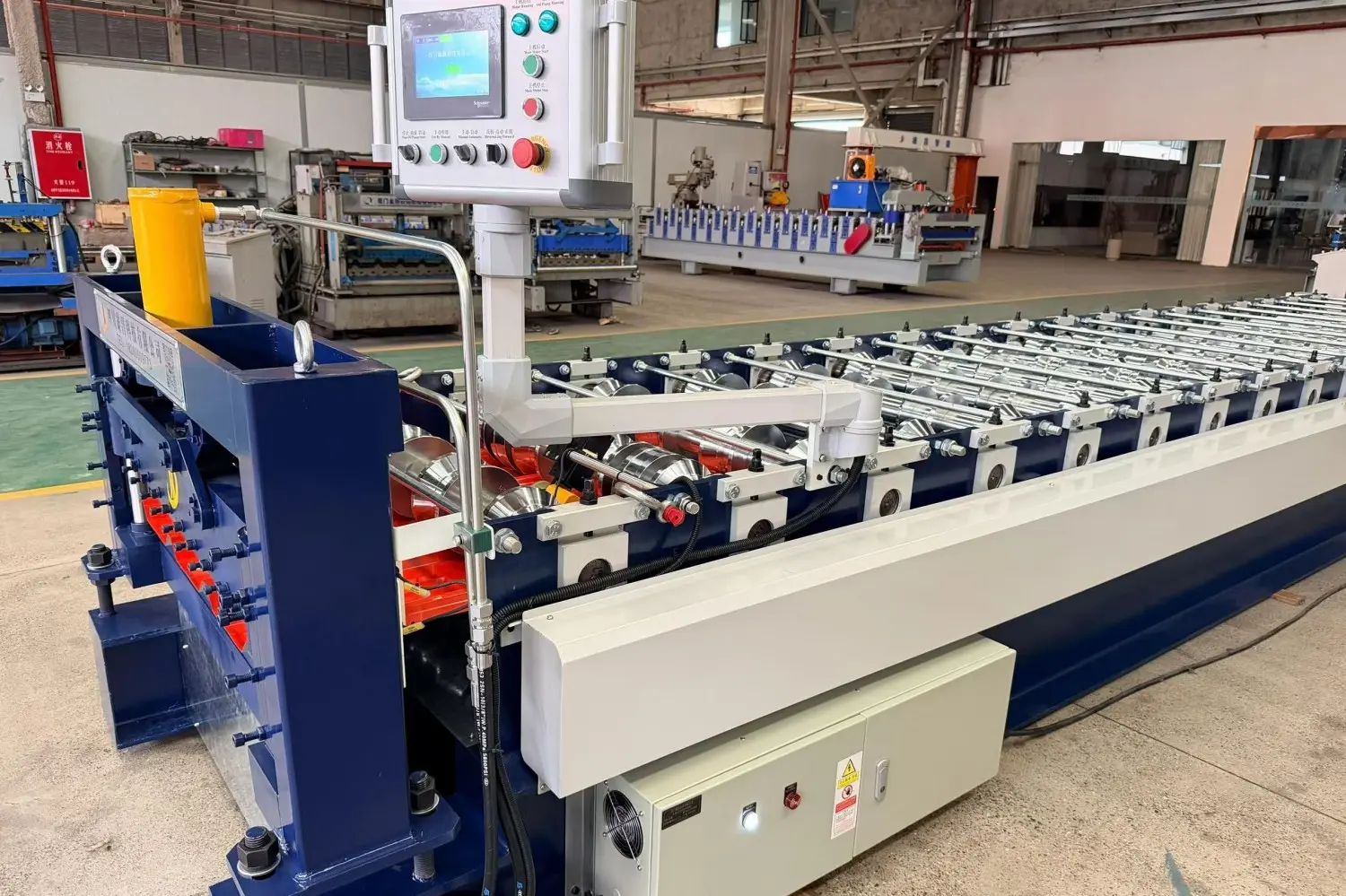
Crucial technical parameters procurement managers should verify before purchasing a custom standing seam machine.
More forming stations mean gradual stress distribution, avoiding cracks in structural paint and preserving raw material coatings.
Specify Cr12 or GCr15 steel with vacuum quenching to 58-62 HRC. Beware of cheap, low-grade #45 steel rollers that wear down quickly.
High-torque gearboxes and heavy-duty chains prevent torsion errors and ensure consistent operational speed under full-width load.
Standardize on open-architecture PLCs with global support networks so spare parts can be sourced locally in case of emergency.
Common questions from procurement and operations managers regarding machinery specifications, shipping, and customization.
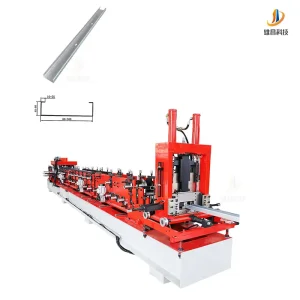
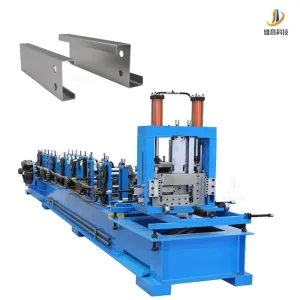
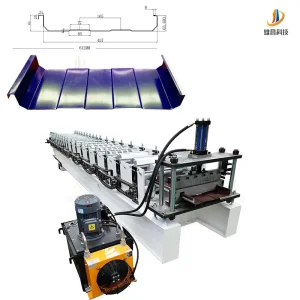
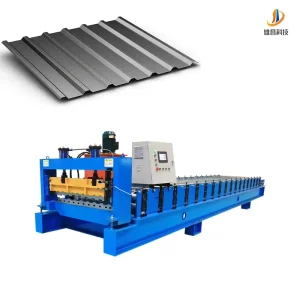
Further industrial-grade roll formers for structural framing, purlins, and specialized wall panels.
 Xiongchang