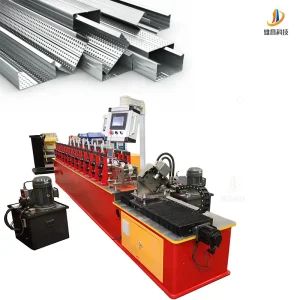
Explore our core engineering catalog featuring high-precision roll forming equipment designed for residential, commercial, and industrial roofing solutions.
As an established expert in the field, XC (Xiongchang) provides integrated roll forming solutions. Our portfolio encompasses core production machines for roofing, flooring, doors, and structural components, as well as the complete auxiliary line equipment essential for efficient operation.
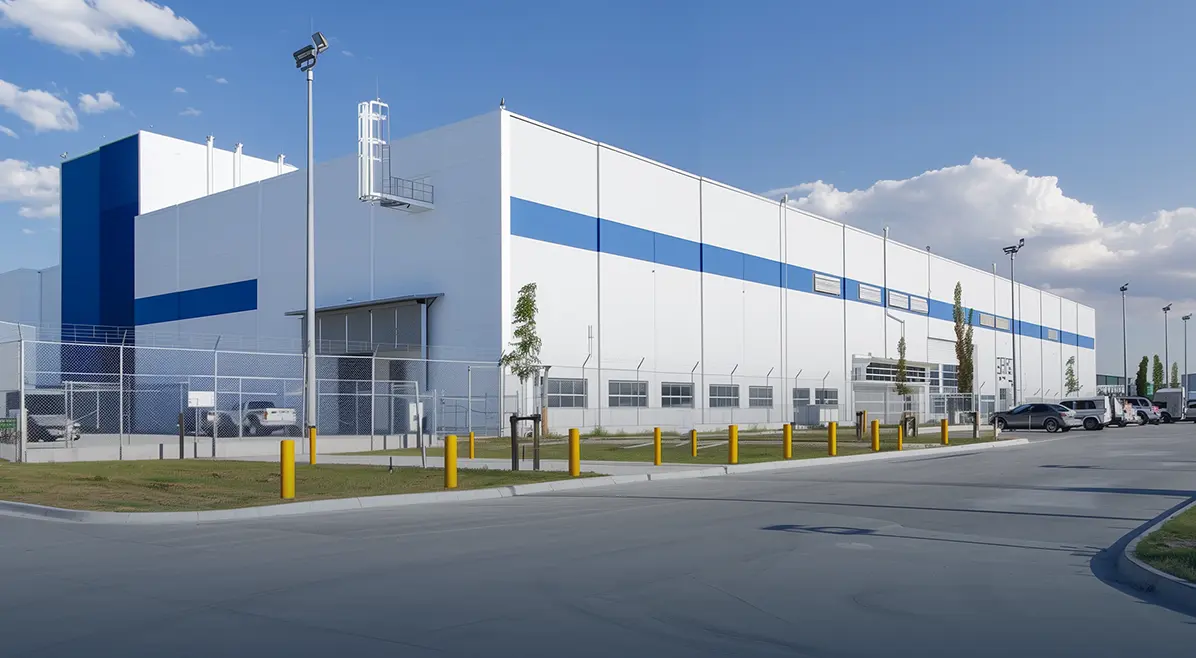
An in-depth structural analysis of modern metallurgical engineering, wind uplift certification, and the evolution of digitalized roll forming systems.
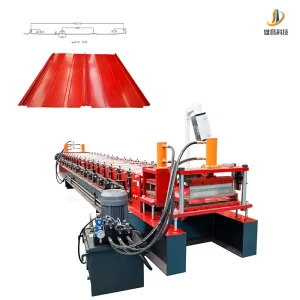
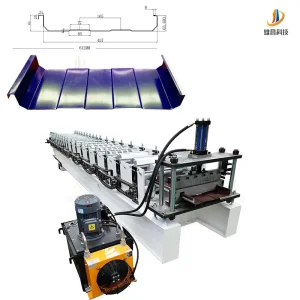
Modern commercial infrastructure demands rigorous architectural standards. Standing seam systems, especially mechanical lock seam panels, provide unmatched resistance to high-velocity hurricane zones (HVHZ). The manufacturing equipment must enforce precise folding angles and zero-tolerance dimensional consistency to comply with ASTM E1592 and FM 4471 structural protocols.
Today's structural projects utilize a variety of advanced raw materials—ranging from traditional prepainted galvanized steel (GI) and Galvalume (GL) to highly architectural zinc, copper, and structural aluminum alloys. Our roll forming systems integrate responsive tooling and high-precision calibrating devices to handle varying yields without causing superficial scratching or micro-cracks in the protective coatings.
Transitioning from mechanical manual line setups to intelligent, cloud-monitored manufacturing units is crucial. High-end standing seam machinery now comes standard with integrated Ethernet interfaces, smart PLC systems (Siemens/Mitsubishi), and variable frequency drive (VFD) controls. Real-time diagnosis of feed speed, roll torque, and hydraulic cutting pressure optimizes raw material usage and reduces scrap rates.
Roll forming is essentially a continuous bending operation where a metal strip is sequentially deformed through a series of contoured rolls until the desired profile is obtained. In standing seam profiles, the primary engineering challenge lies in compensating for material "springback" and preventing cosmetic distortion on the side ribs. Since different batches of coils exhibit slight changes in yield strength and thickness, the roll tooling configuration must allow for precise adjustments.
XC (XiongChang) addresses this by incorporating hard-chrome plated tooling manufactured via CNC precision grinding. We use high-grade tool steel (such as Cr12 or Cr12MoV), heat-treated to HRC 58-62, ensuring minimal wear over millions of linear meters. The incorporation of forming stations with gradual progression limits internal stresses, preventing the oil-canning phenomenon commonly found in sub-standard roof panel profiles.
Delivering high-end manufacturing precision and automated roll forming ecosystems to fulfill strict international industrial demands.
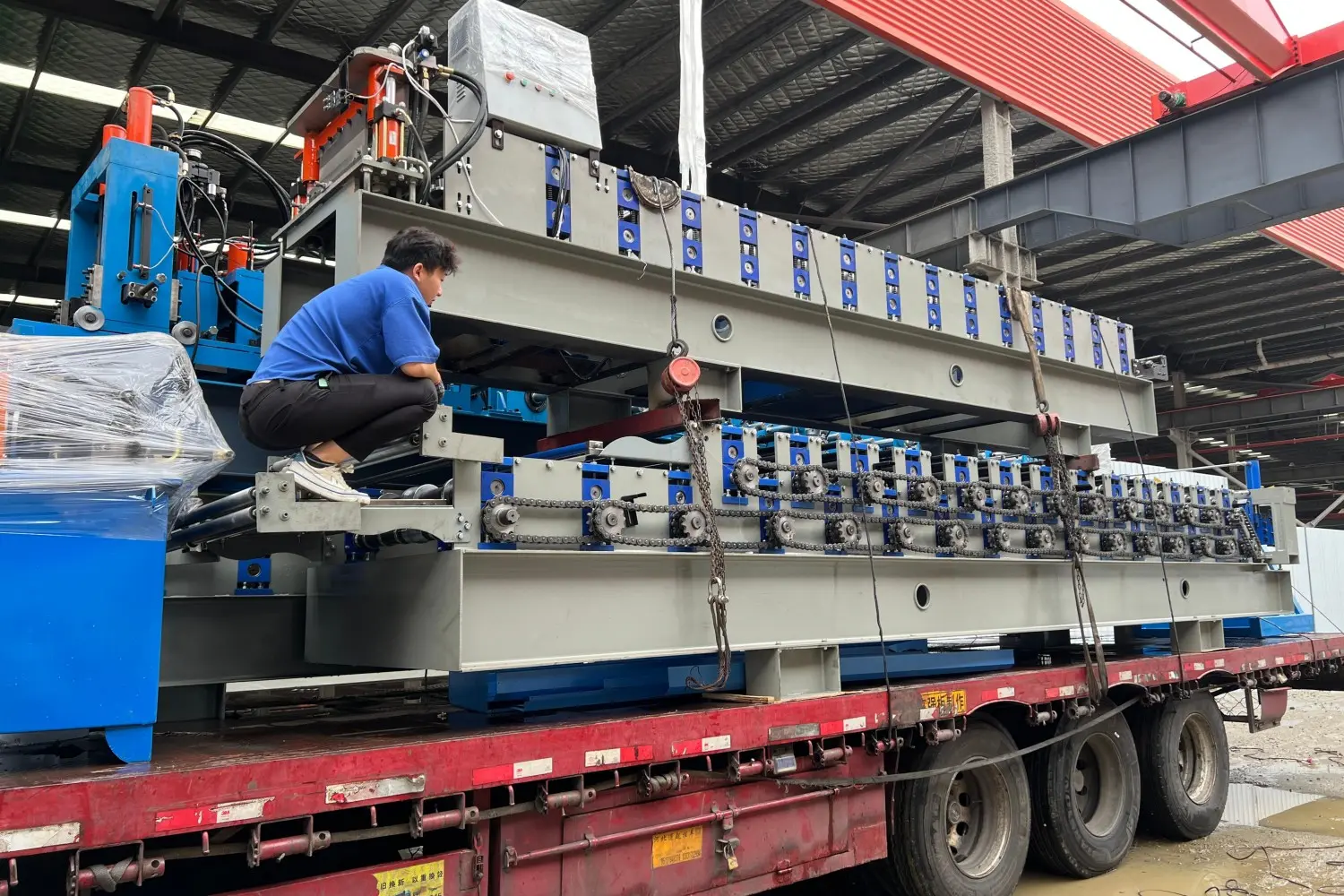
With our dedication on a robust technical force and advanced industrial equipment, We XC aimed to provide integrated and automated systems across our production, to fulfill diverse industrial requirements, try our best in guaranteeing the highest standards of quality and performance in every machine we build.
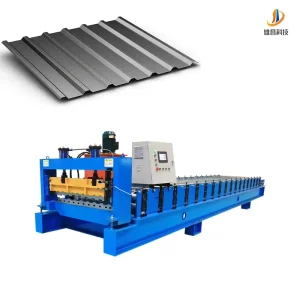
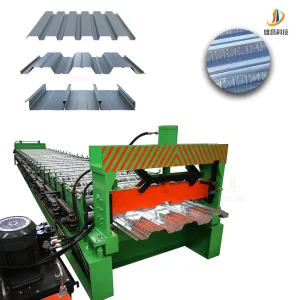
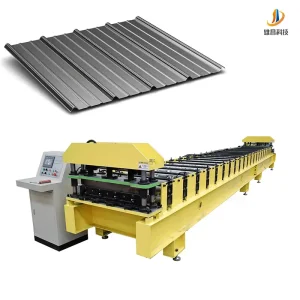
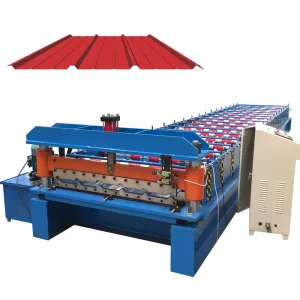
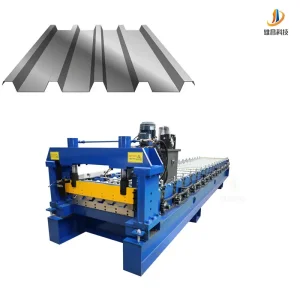
Complete lines for Roof Panel, Wall Panel, and Floor Deck Roll Forming Machines, ensuring high weather-tightness and load-bearing performance.
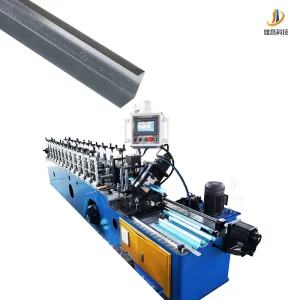
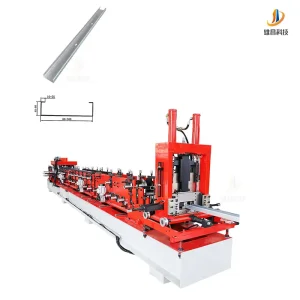
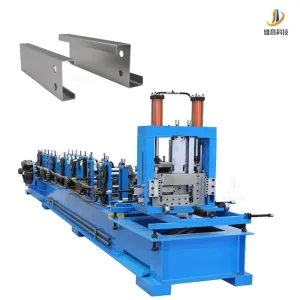
Precision systems including C/Z Purlin Roll Forming Machines, and Stud & Track Roll Forming Machines designed for lightweight structural frames.
Custom designs for Gutter Roll Forming Machines, Door Frame Roll Forming Machines, and auxiliary metal forming equipment.
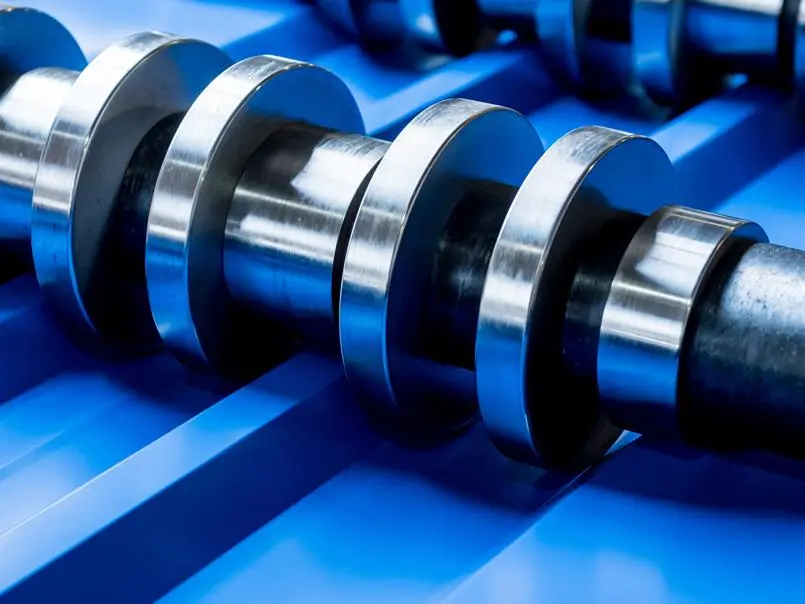
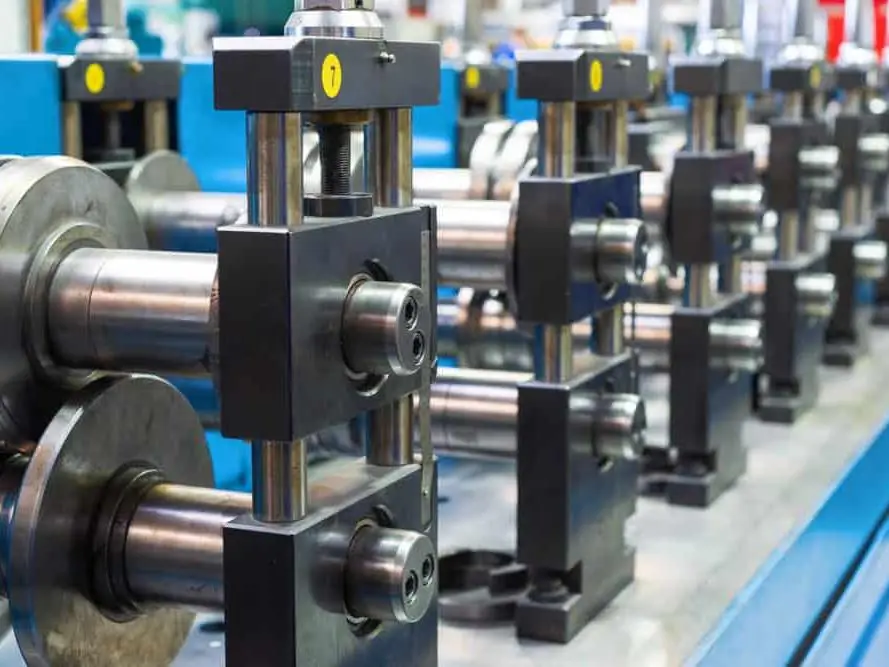
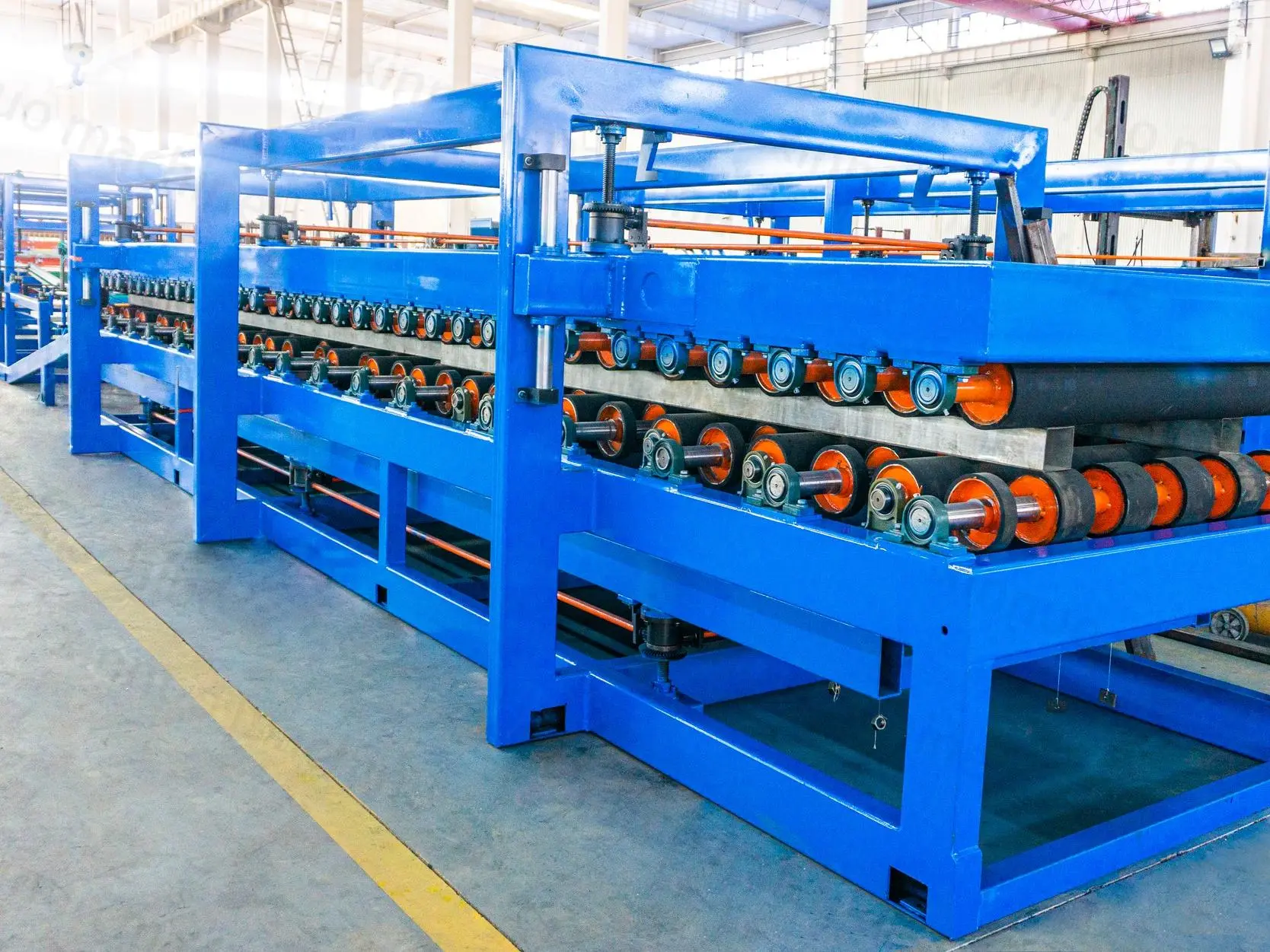
A multi-tiered testing protocol and direct operational support system designed to guarantee plant productivity from day one.
XC has a complete suite of detection and testing instruments, to rigorously verify product strength, durability, and reliability. We adhere to strict, standardized quality control protocols throughout the manufacturing process, ensuring all output consistently meets specified customer specifications.
Every roll forming line is set up and test-run with real raw material coils in our workshop prior to dispatch. Structural thickness, speed stability, profile accuracy, and hydraulic interface responses are documented, offering complete traceability and peace of mind.
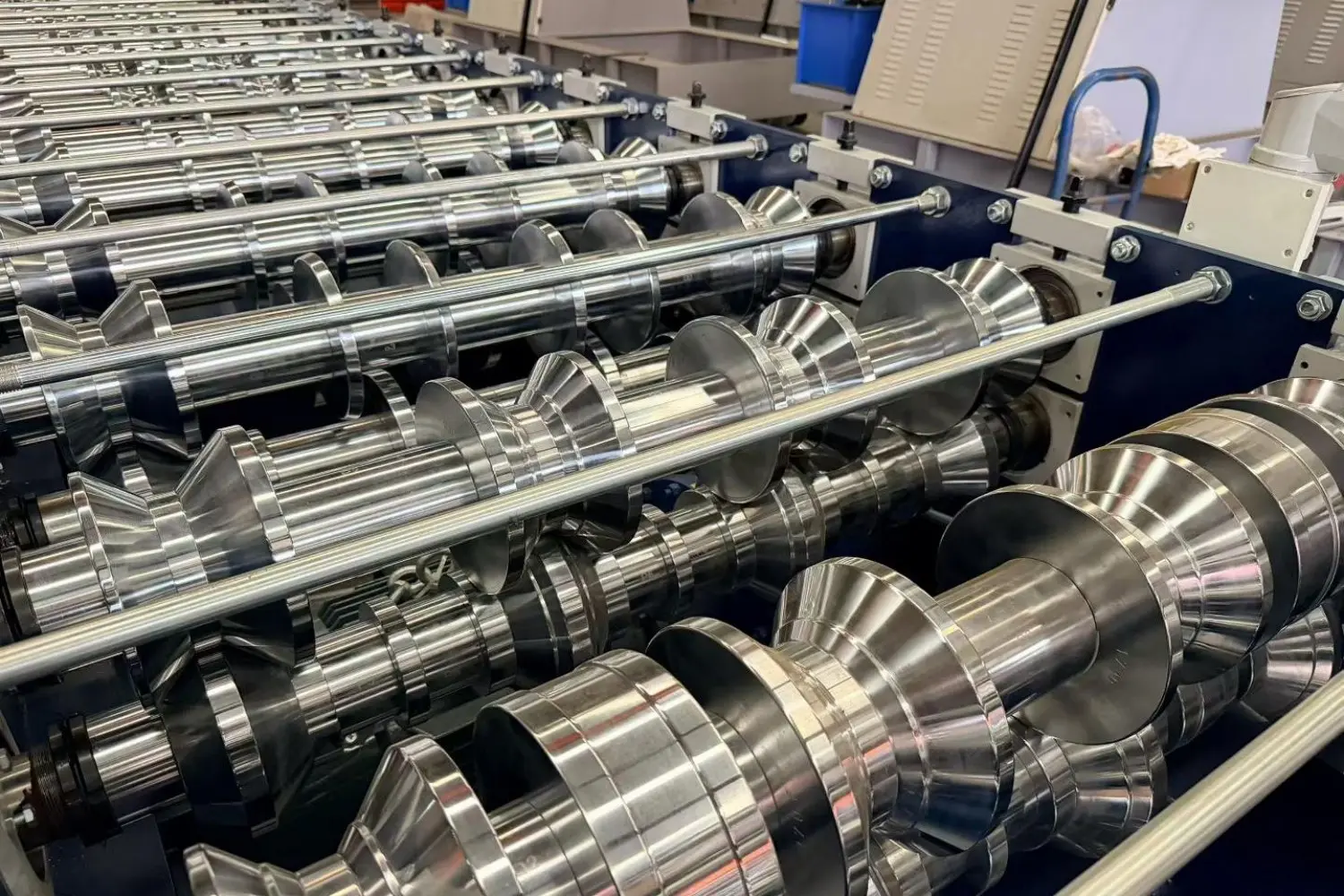
From design to installation, XC provides comprehensive lifecycle support. We offer professional installation, commissioning, and operational training to ensure optimal setup and productivity.
Our dedicated after-sales support team delivers ongoing technical assistance and maintenance services, helping customers achieve sustained, peak operational performance. Whether you require remote PLC software updates or on-site mechanical wear-and-tear component swaps, XC engineers remain at your disposal globally.
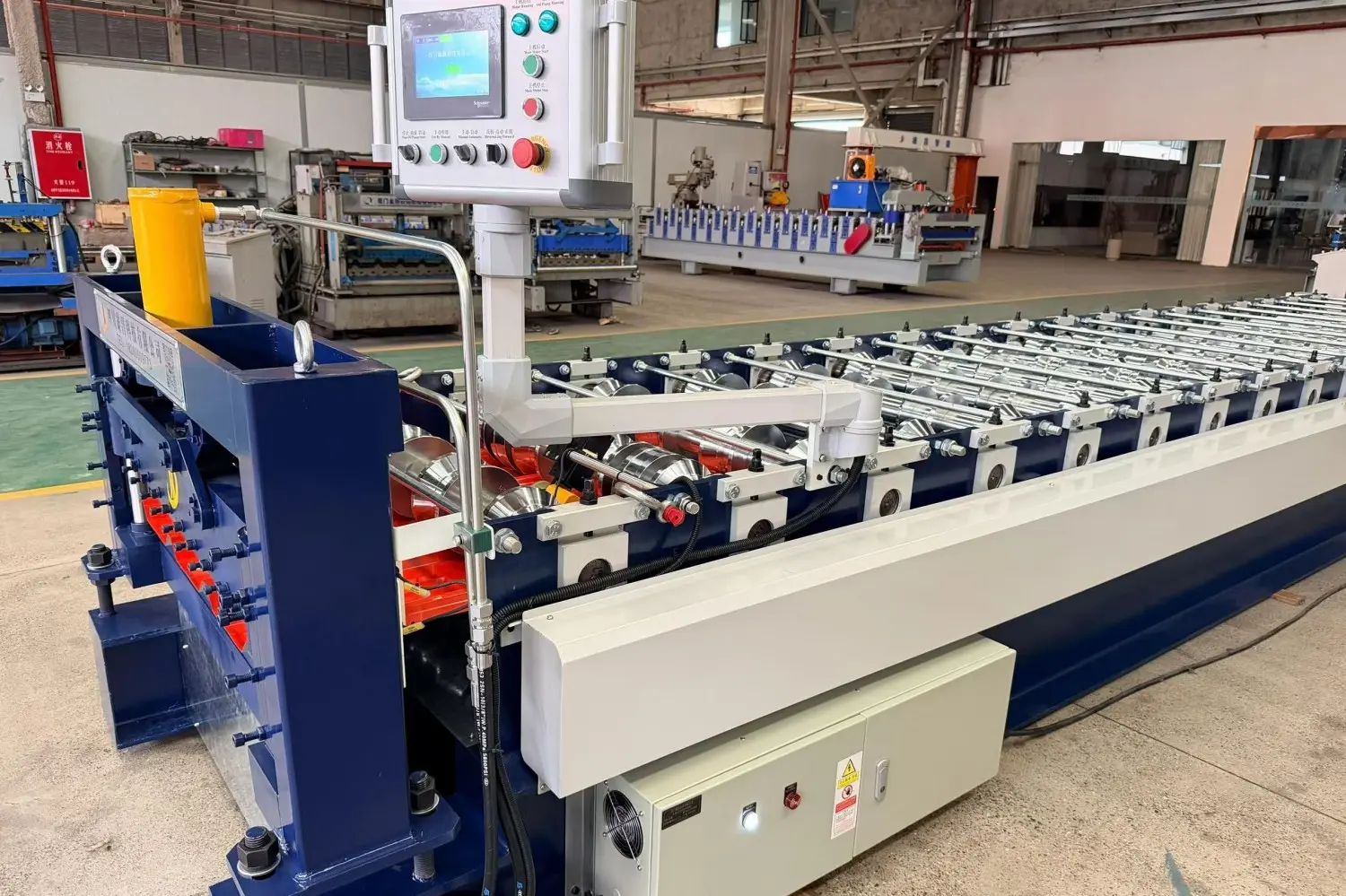
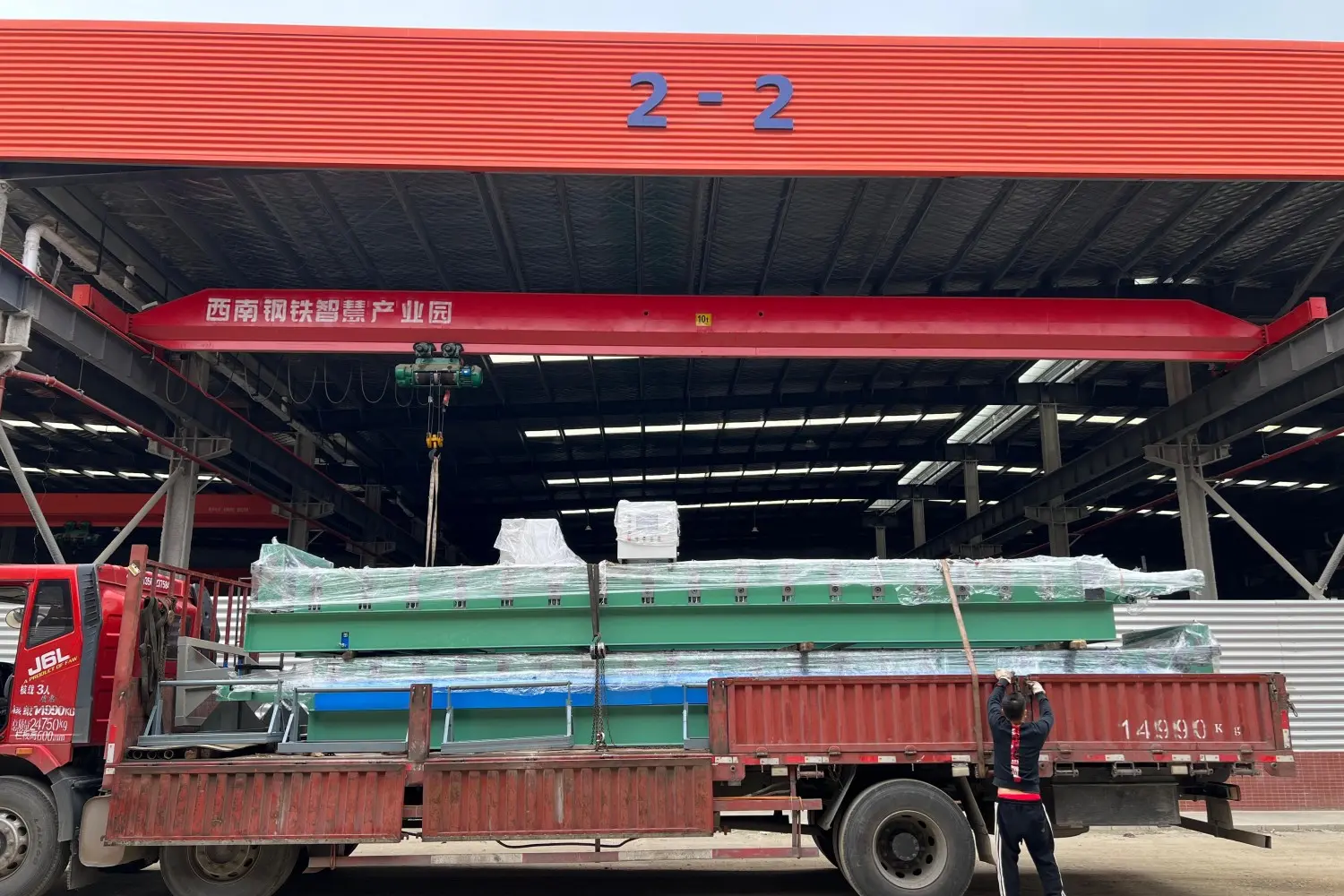
With years of industry expertise, we have established a strong reputation for quality and customer-centric service. Our professional team provides tailored, personalized support for both standard and customized technical needs.
This commitment has fostered a loyal client base across construction, manufacturing, and engineering sectors, with our machines contributing to projects ranging from residential complexes to large-scale commercial and infrastructure developments.
Addressing the critical supply-chain challenges, compliance regulations, and localization support expected by Tier-1 contractors.
When global construction firms invest in heavy metal-forming equipment, the decision extends far beyond the initial capital expenditure. Procurement departments must audit the manufacturing partner's capacity across three key vectors:
Our solutions aren’t limited to isolated forming units. We deliver complete production lines that integrate uncoilers, levelers, high-speed pre-punching presses, forming systems, and custom discharge tables. This continuous workflow increases throughput while minimizing manual material handling, improving safety standards, and lowering operational costs.
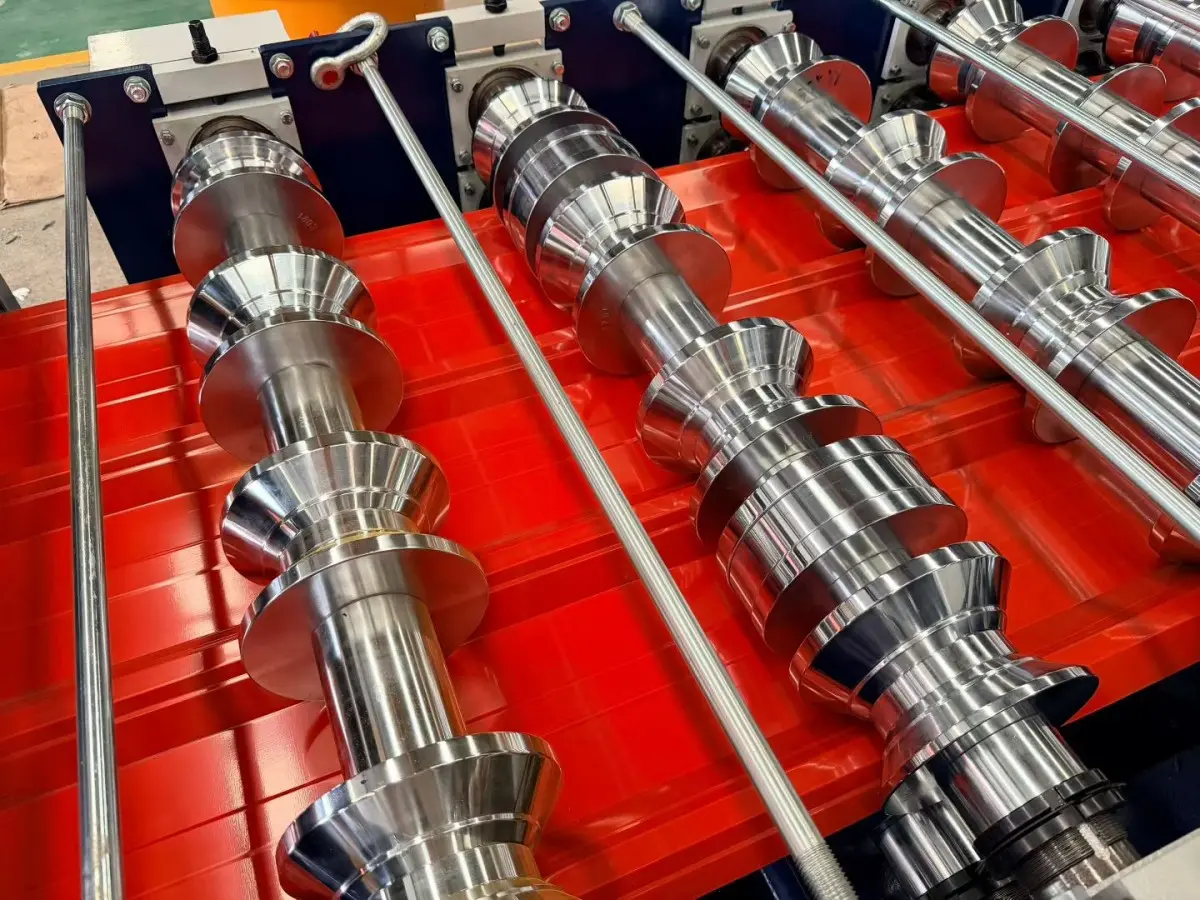
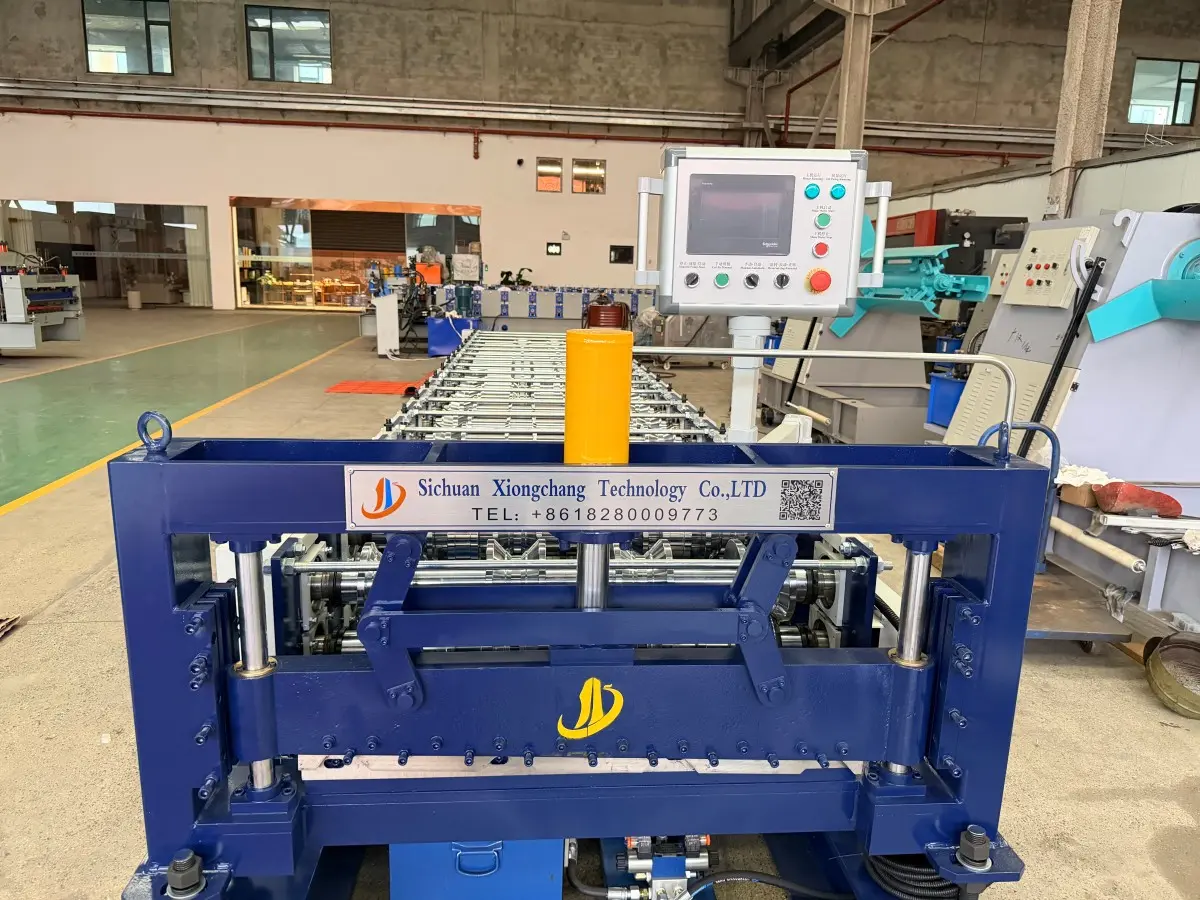
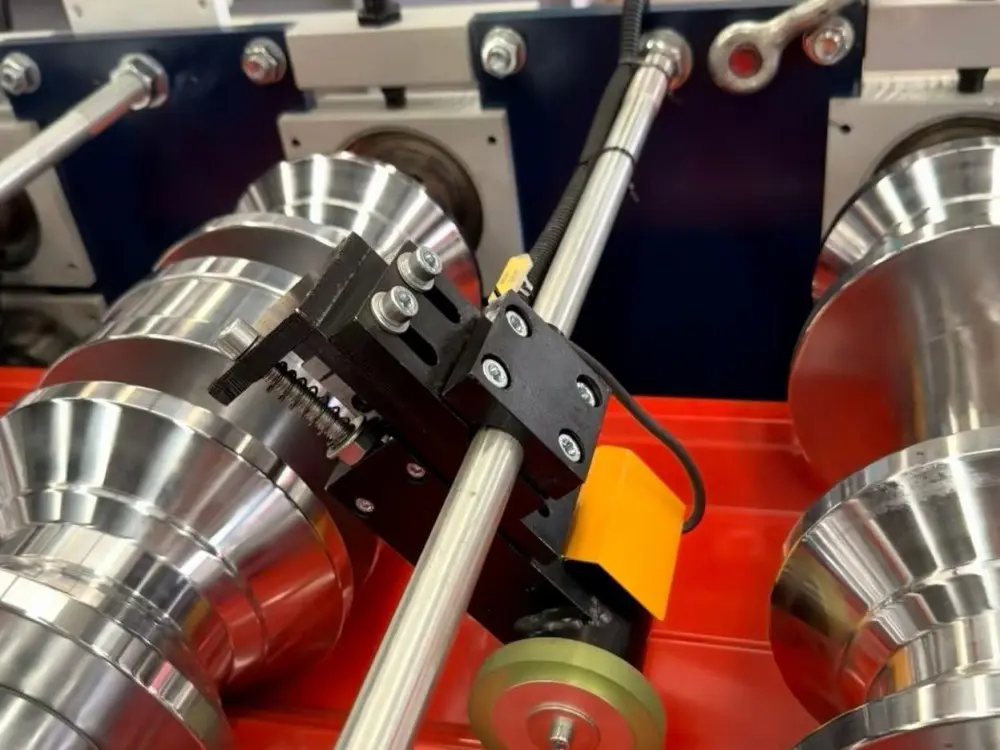
A comparison of structural durability, engineering innovation, and customer-focused service frameworks.
Leveraging over twenty years of metal forming leadership, developing advanced machinery that adapts to changing structural standards.
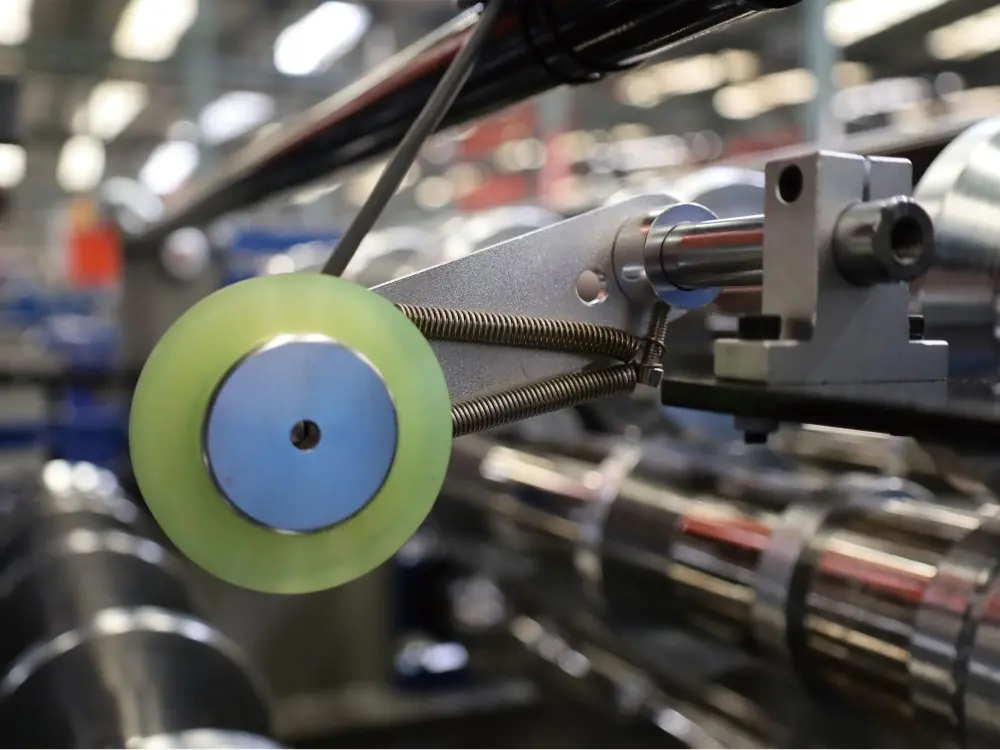
Utilizing robust welded steel chassis, solid chrome toolings, and high-performance motors to ensure a long operational lifespan.
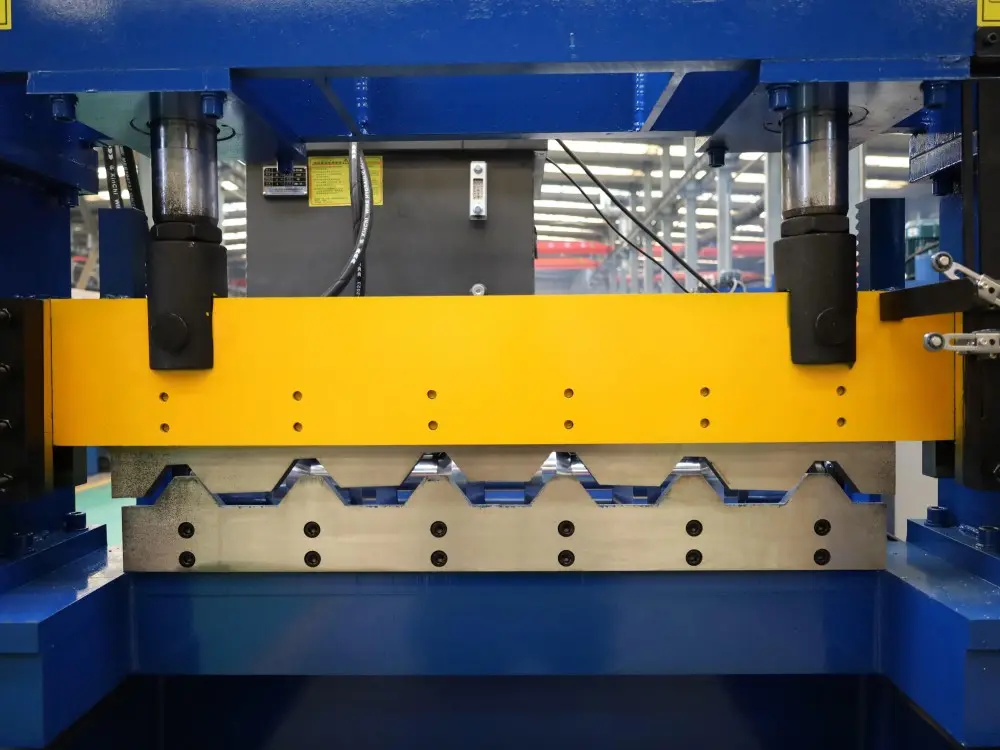
Providing expert consultation, setup training, and responsive technical service to optimize performance across all plants.
As the construction sector targets carbon neutrality, the raw materials used in roofing systems are evolving. High-recycled-content aluminum and green steel alloys exhibit distinct yield behaviors and springback characteristics. XC’s engineering laboratory is currently developing adaptive roll forming software. This system dynamically measures material resistance during forming, automatically adjusting the tooling clearances via servo controls. This real-time calibration minimizes material waste and ensures consistent profiles, regardless of variations in the coil batch.
Serving global industries, from architectural building envelopes to automotive and new energy infrastructure.
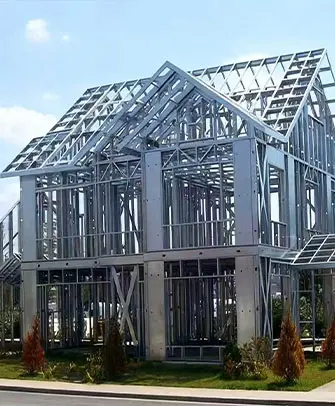
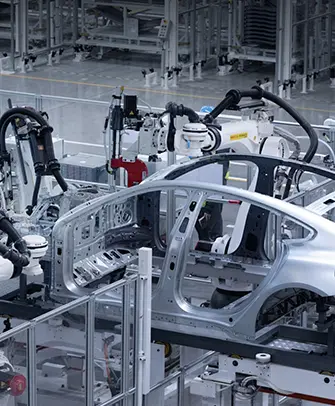

Find direct, technical answers to common questions about roll forming design, material handling, and custom configurations.
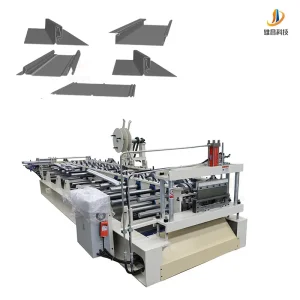
Snap-lock profiles feature male and female ribs that snap together without mechanical seaming tools during installation. These profiles are ideal for residential and light commercial roofs with steeper slopes, offering fast installation. In contrast, mechanical lock standing seam systems require a mechanical seamer to fold the seam joints by 90 degrees (single lock) or 180 degrees (double lock). This mechanical seal provides superior wind uplift resistance and watertightness, making it the preferred choice for low-slope, heavy-duty commercial and industrial roofing in high-wind zones.
The tooling's metallurgical composition directly impacts its resistance to friction-induced wear and deformation. Premium systems use high-grade tool steel (such as Cr12MoV or D2) that has undergone vacuum heat treatment and precision grinding. Coating the rollers with hard chrome (typically 0.05mm thickness) further reduces surface friction, preventing galling when running prepainted coils. This design extends tooling life, maintains profile accuracy, and prevents micro-cracks in protective metal coatings.
Yes, modern lines can be equipped with width-adjustable systems. Handwheel-driven or fully automated servo systems allow operators to adjust the forming width in minutes. This configuration allows you to run panels of different widths (e.g., 300mm to 500mm) on a single machine, reducing capital costs and factory floor requirements.
Oil-canning refers to the visible waviness in the flat areas of metal panels. XC addresses this through engineered strain-relieving designs. Our systems feature precision tension leveling before the coil enters the forming stations. We also design gradual progression angles that minimize localized stress, and integrate longitudinal stiffening ribs (such as V-ribs or pencil beads) to increase flat-span rigidity.
Explore our high-performance structural systems, custom framing machines, and specialized industrial metal forming units.
 Xiongchang