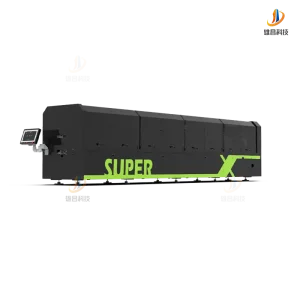
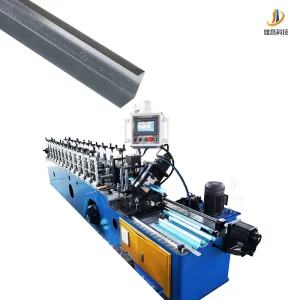
Explore our top-tier manufacturing lines engineered for architectural precision and durability.
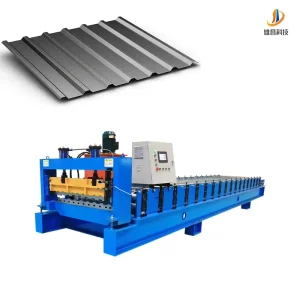
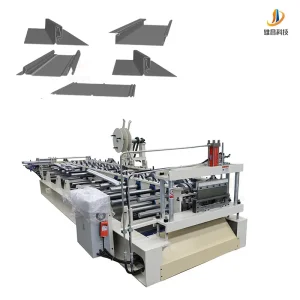
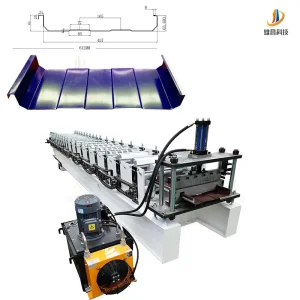
In contemporary metal architecture, building envelope integrity dictates structural lifespan. The Snap Lock Metal Roof Making Machine represents a paradigm shift in manufacturing engineering, transitioning from traditional labor-intensive mechanical seaming to self-locking profile automation. By utilizing high-precision cold roll forming mechanics, these systems produce panels with nested male and female joints that click securely under hydraulic assembly pressure.
Our research and manufacturing practice concentrates on eliminating physical fasteners exposed to climatic elements. By integrating continuous roll-pass forming with precise alignment tolerances, we ensure structural engineers obtain consistent profiles capable of managing significant thermal expansion and contraction cycles. This optimization translates directly to lower maintenance costs and superior resistance against wind uplift.
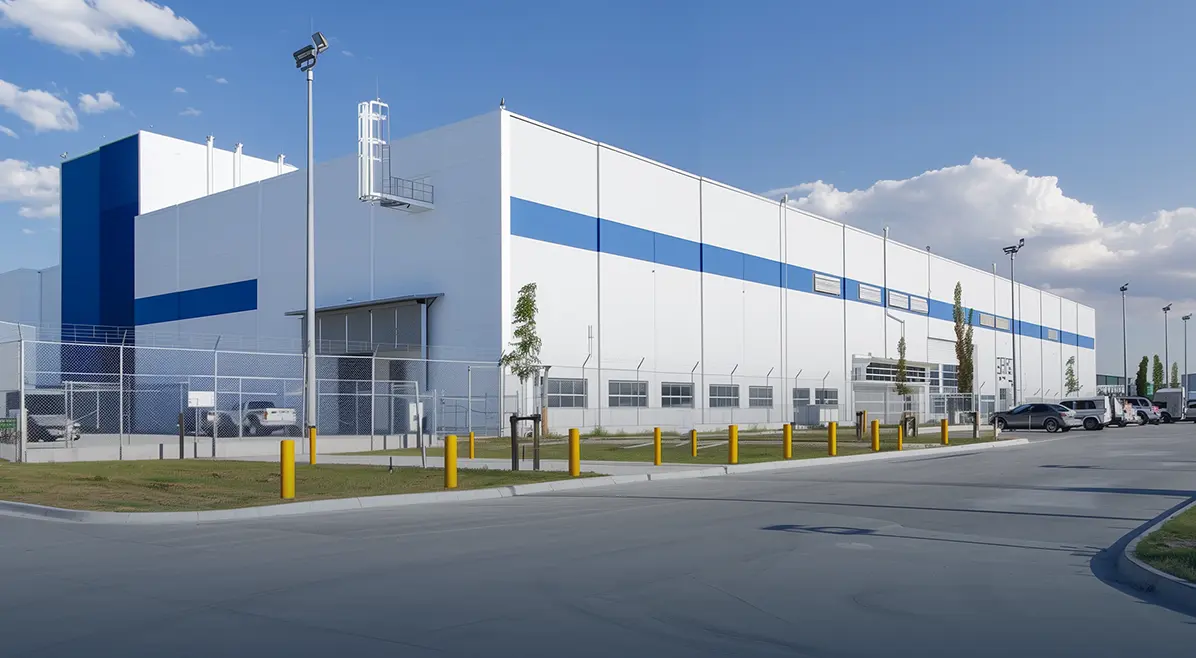
Leveraging two decades of fabrication mastery to configure custom roll forming lines built for industrial load ratings.
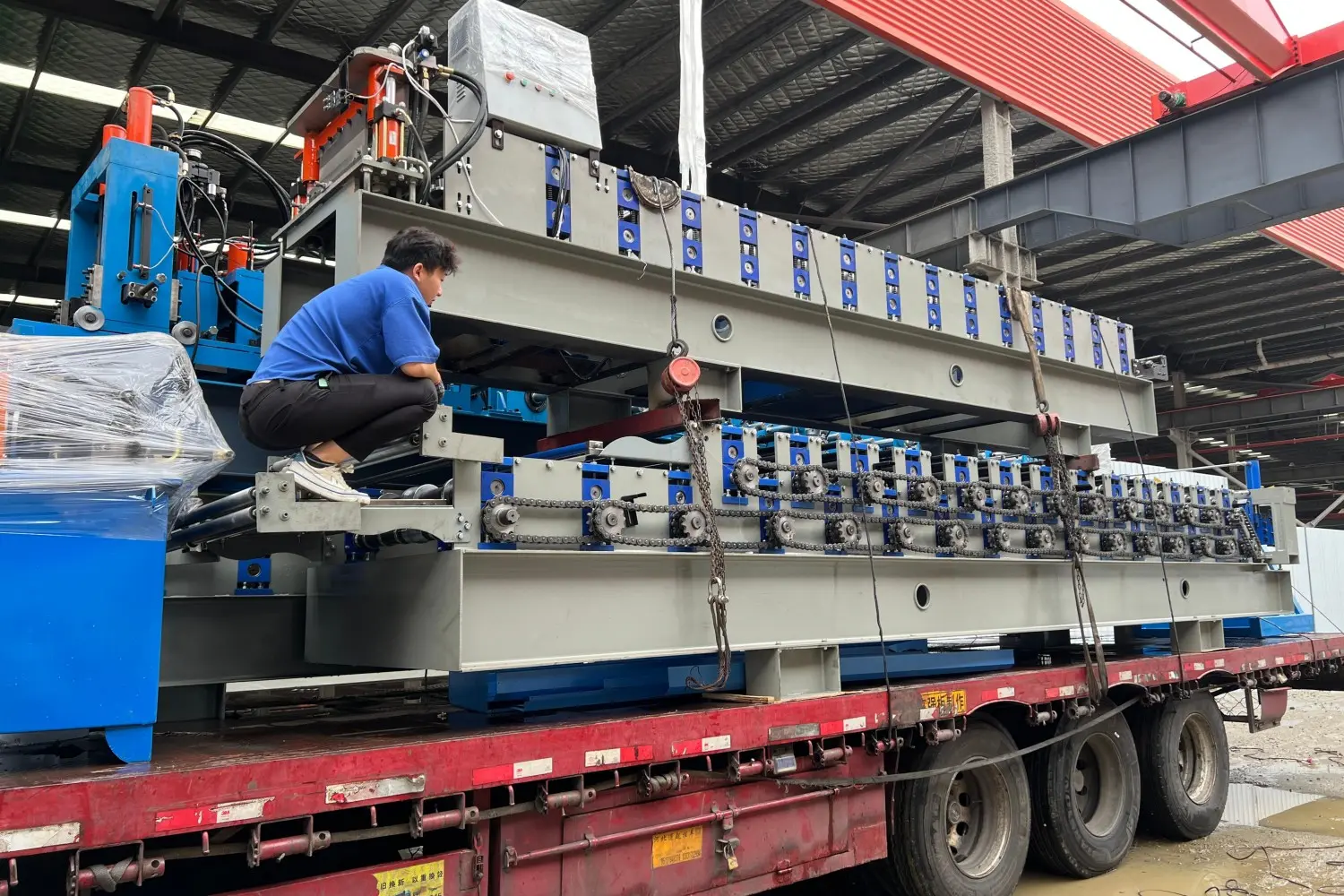
At XC (XiongChang), our engineering philosophy focuses on automation and rigidity. Each snap lock machinery configuration features multi-station roll tooling designed using specialized COPRA software. This ensures material stresses are calculated incrementally, eliminating micro-cracking in the galvanized or zinc coatings of the coil during the bending process.
Our production lines feature Siemens PLC controllers and premium hydraulic stations to maintain accurate cut-to-length processes (±0.5mm tolerance threshold). Standard operations leverage structural frames engineered from solid plate castings rather than hollow tubing, delivering vibration damping crucial for continuous high-speed runs.
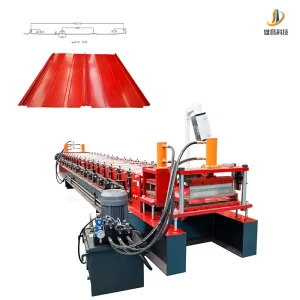
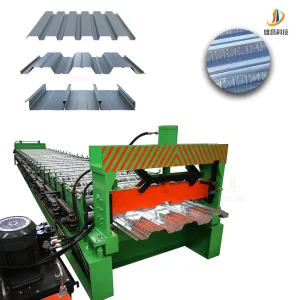
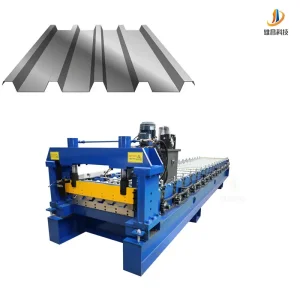
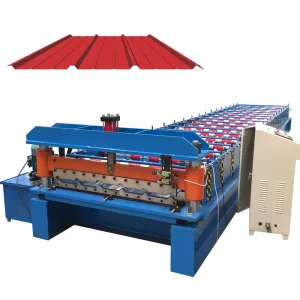
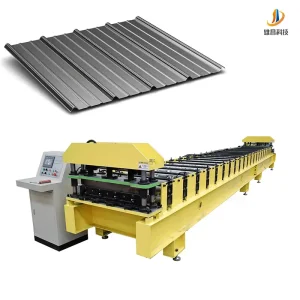
Explore Technical SpecsRoof Panel, Wall Panel, and Floor Deck Roll Forming Machines optimized for structural rigidity and fast assembly.
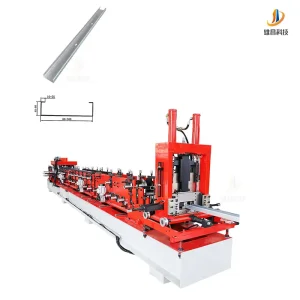
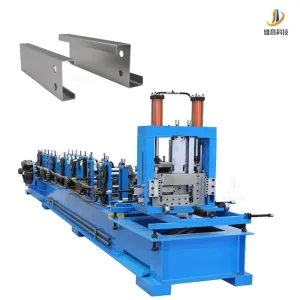
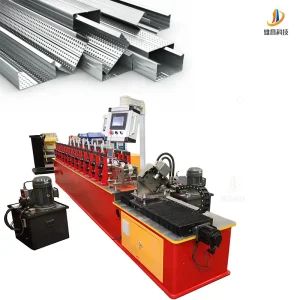
C/Z Purlin Roll Forming Machines, and Stud & Track Roll Formers designed for high-tensile material profiles.
High-speed Gutter and customized Door Frame Roll Forming Machinery constructed to meet custom engineering tolerances.
Precision roll forming machinery must perform consistently under continuous production shifts. To maintain reliability, we employ full-process testing metrics before shipping any mechanical assembly.
Our quality controllers conduct raw steel stress-strain measurements, dynamic roller alignment analyses, and hydraulic pressure cycling checks. Once assembled, every snap-lock and standing seam roll former is tested with customer-specified metal coils to verify precise mating geometry, profile flatness, and cut-length precision.
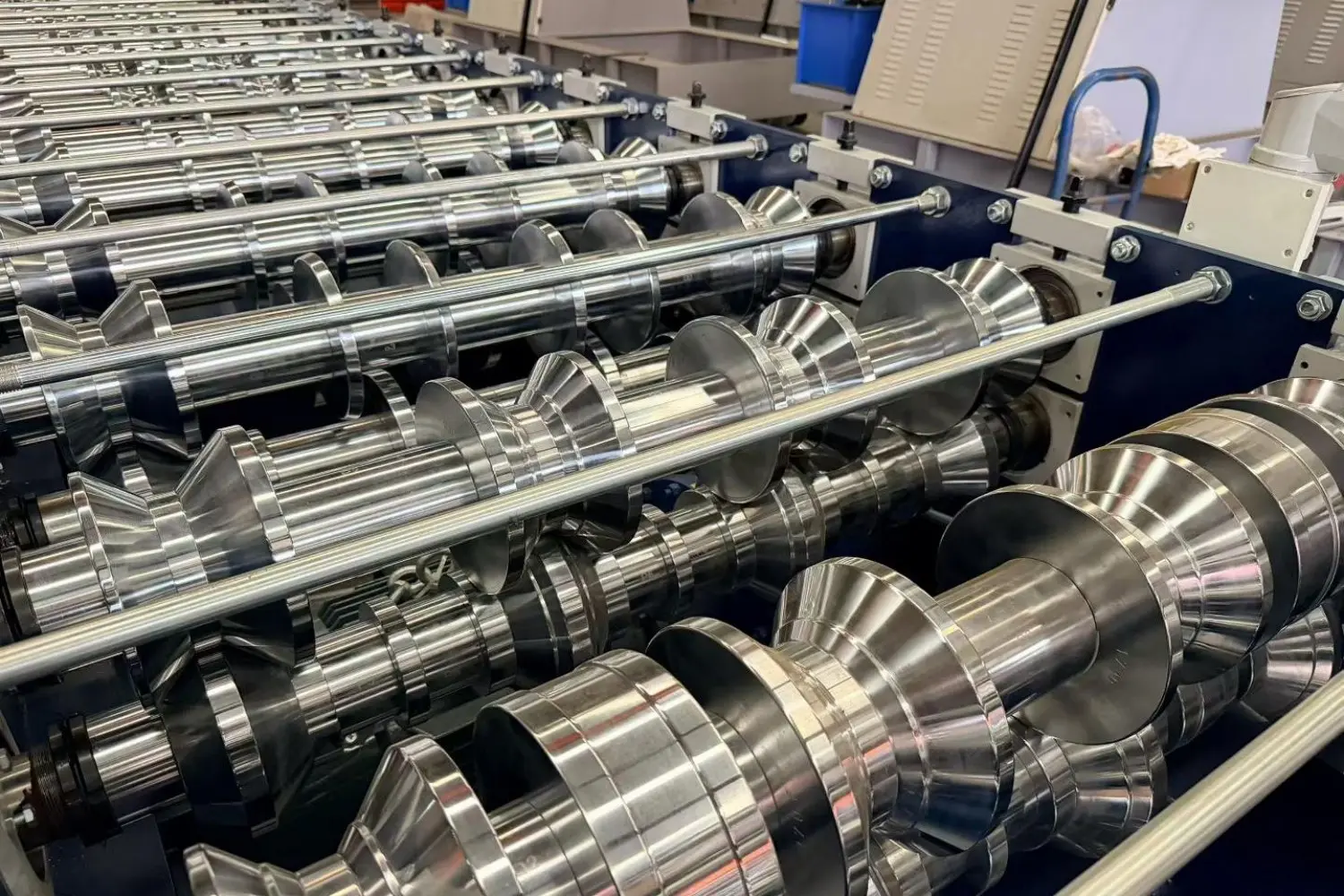
How Xiongchang optimizes mechanical design, metallurgical tooling, and electronics integration at scale.
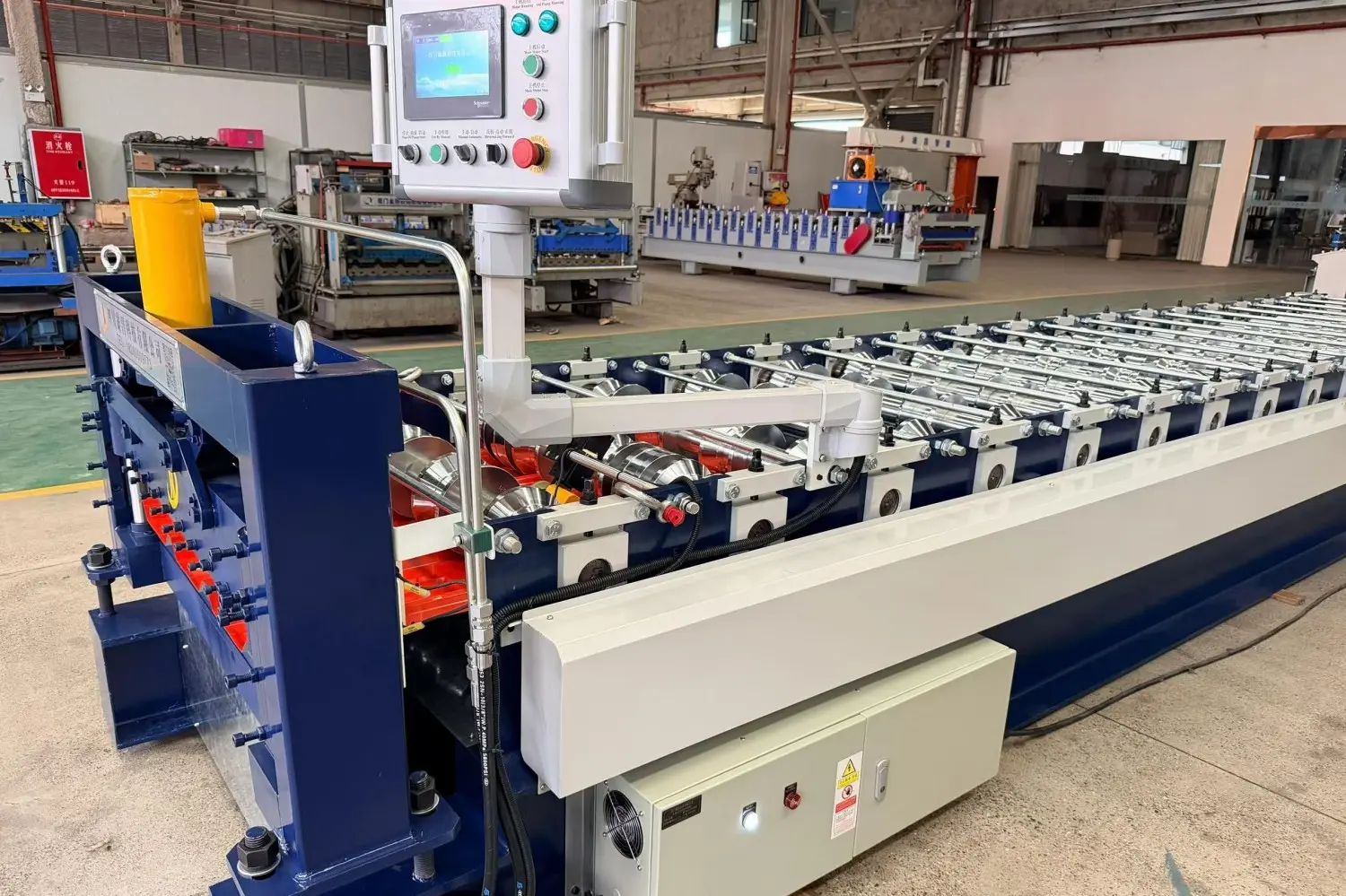
Partnering with a specialized Chinese manufacturer like XC Xiongchang provides significant advantages for global industrial buyers. China’s concentrated industrial supply chain enables sourcing high-performance components (including Siemens controls, Yaskawa drives, and Schneider switchgear) alongside precision cast tooling without high logistics costs.
Our in-house design capabilities handle complex sheet metal profiling geometries. We use automated multi-axis CNC machines to shape the rollers, ensuring consistent roll forming passes. As a result, our machines process diverse materials—including PPGI, hot-dip galvanized steel, and structural aluminum—with minimal scratching and precise dimensional control.
Review the structural design metrics of our custom and standard snap lock production models.
| Specification Parameter | Standard Series Configuration | Advanced Custom Series (ODM) |
|---|---|---|
| Material Processing Thickness | 0.4 mm – 0.6 mm | 0.3 mm – 0.8 mm (Optional High-Tensile Upgrade) |
| Bending & Roll Pass Stations | 16 – 18 Stations (Material Dependent) | 20 – 24 Stations (Stabilized High-Speed Configurations) |
| Roller Hardness Treatment | Cr12 Steel, Quenched HRC 56–58 | Cr12MoV, Vacuum Heat Treated HRC 60–62 (Hard Chrome Plated) |
| Maximum Line Feed Speed | 12 – 15 meters / min (including cutting cycle) | 20 – 25 meters / min (Continuous High-Speed Flying Cut) |
| Drive Control Integration | Chain Drive / Gearbox System | Individual Cardan Joint Drive / Direct Precision Gear Reducer |
| Cutting Tolerances (Length) | ± 1.0 mm (At 10m Panel Length) | ± 0.5 mm (Advanced Encoder Optimization) |
From architectural projects to commercial logistics centers, the snap-lock profile provides high wind resistance and weatherproofing. Our roll forming systems deliver reliable structural elements for various industrial contexts.
Technical guidelines to evaluate machine design, metallurgy, and control systems before capital investment.
Ensure the rollers are hard-chrome plated or treated with protective coatings to prevent surface micro-scratches on pre-painted coils during continuous high-pressure forming steps.
Cardan-joint drives deliver consistent torque across individual roll passes, minimizing profile distortion compared to standard single chain-driven assemblies.
Open-architecture PLC interfaces with remote diagnostic access allow fast parameter adjustment, line speed tuning, and easy troubleshooting.
Answers to key engineering questions regarding profile tolerances, material selection, and production efficiency.
Snap lock panels feature interlocking male and female seams that snap together without manual seaming tools, speeding up roof installation. Mechanical lock panels require a hand seamer to fold the seams at 90 or 180 degrees, which is more labor-intensive but offers superior wind resistance in high-uplift zones.
Our roll passes incorporate over-bending angles determined by raw material yield strength calculations. Standard steel coil grades require specific roller clearance configurations to ensure consistent final profiles despite thickness variations.
Yes, our dual-width or slide-adjustable roll formers allow fast reconfiguration. Operators can adjust the width manually using a hand crank or automatically via a touchscreen PLC control system.
Post-cutting shears cut the profiles after forming, ensuring smooth panel ends without edge distortion. While pre-cutting can save material, it often deforms the leading and trailing edges of the panels.
Varying coating thicknesses (like high-build PVDF or polyester coatings) require precise roll gap calibration. If the roller clearances are set too tight, the protective paint layer may peel or tear.
Key maintenance steps include lubricating the main drive chains/gears, cleaning dust and debris from the roller surfaces, and checking the fluid levels and hydraulic filters on the main shear station.
Complete your manufacturing configuration with our selection of industrial profiling machines.
 Xiongchang