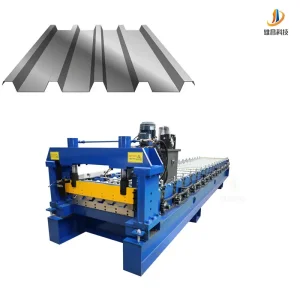
Explore our industrial roll forming machinery designed to optimize throughput and guarantee dimensional precision.
INTEGRATED ROLL FORMING SPECIALIST
As an established expert in the field, XC (Xiongchang) provides integrated roll forming solutions. Our portfolio encompasses core production machines for roofing, flooring, doors, and structural components, as well as the complete auxiliary line equipment essential for efficient operation.
We leverage advanced design methodologies and dynamic mechanical simulations to manufacture roll formers capable of handling high-tensile steel alloys. From structural framing to sophisticated building envelope components, our systems are optimized for reliable continuous duty cycles.
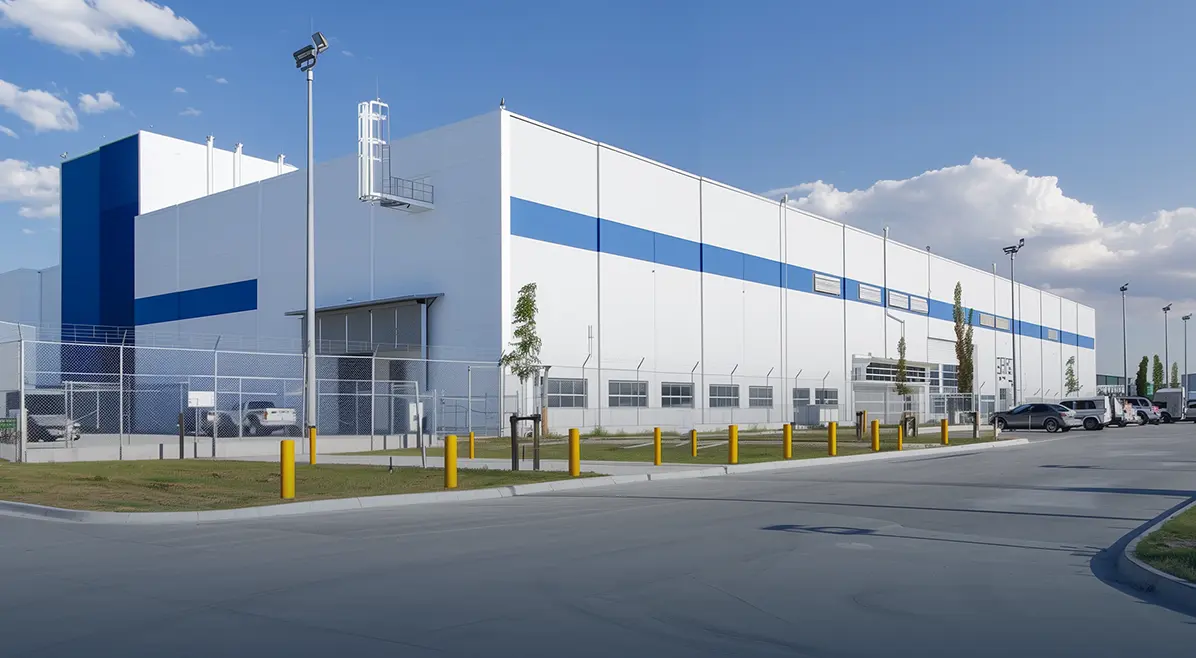
How ODM roll forming technology guarantees structural precision, low maintenance, and optimized yield for international builders.
In modern industrial fabrication, metal roofing panel performance relies on the precision of the underlying manufacturing equipment. The term ODM (Original Design Manufacturer) indicates that a manufacturer designs and builds equipment according to functional parameters, material tolerances, and structural profiles defined by operational requirements. XC (XiongChang) integrates two decades of metallurgical research, mechanical engineering, and automated PLC control systems to deliver reliable metal forming systems.
We maintain a specialized team of technical personnel and engineers who focus on delivering tailored solutions. Our continuous investment in high-precision, automated manufacturing equipment ensures component alignment and tooling profile reliability. For over twenty years, XC (XiongChang) has worked to deliver long-term production value to clients worldwide.
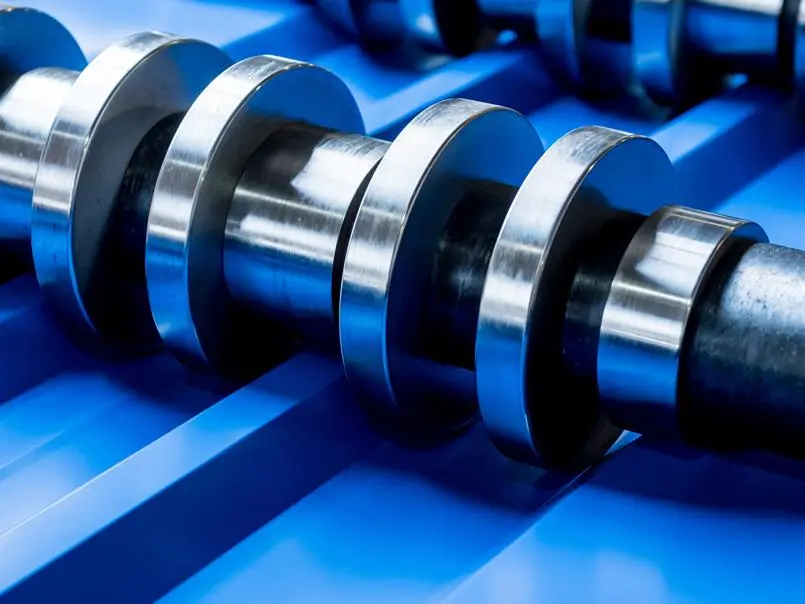
The core of any roll former is its station tooling. The design process at XC starts with structural simulation using COPRA software. This allows us to calculate potential material stress accumulation, sheet edge stretching, and springback characteristics. Each tooling roller is precision-machined using CNC lathes, heat-treated via vacuum quenching to HRC 58-62, and finished with hard-chrome plating. This ensures consistent panel geometry and prevents surface scratches on pre-painted galvanized steel (PPGI) or galvalume (Al-Zn) coils.
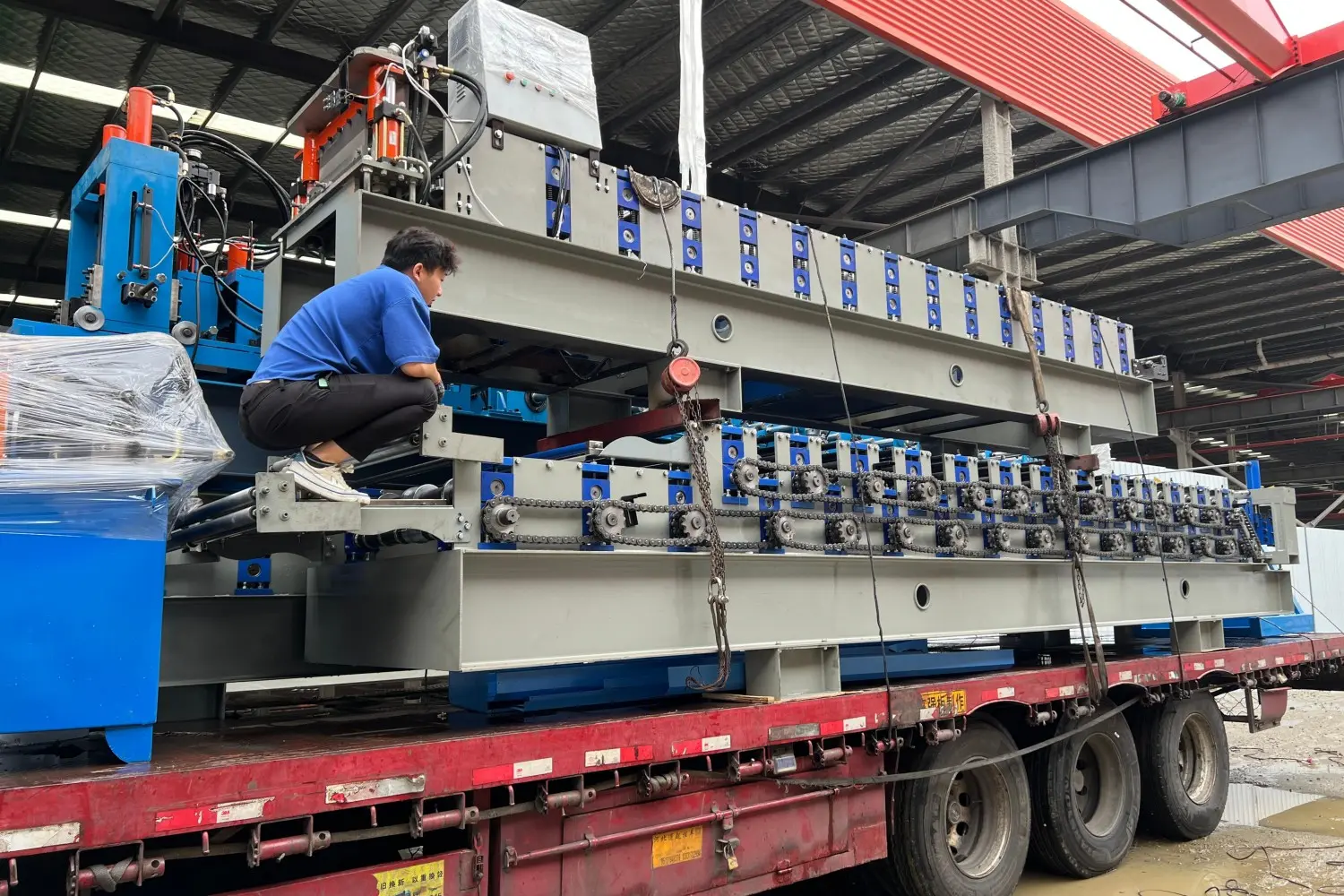
Our commitment to technical innovation and advanced industrial production systems allows us to supply automated cold roll forming lines for demanding structural applications. By utilizing CNC machining centers and coordinate measuring machines, we ensure the structural alignment of all roll forming shafts, bearings, and base plates.
This systematic control results in machines that maintain profile geometry over extended production runs. Our manufacturing lines feature automatic decoilers with hydraulic expansions, variable-speed frequency drives, heavy-duty guide assemblies, and high-speed flying shear units designed to maximize output while maintaining cut tolerances within +/- 1.0mm.
Comprehensive profile configurations for modern building envelope and structural projects.
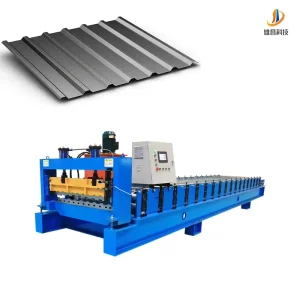
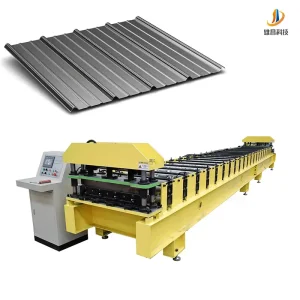
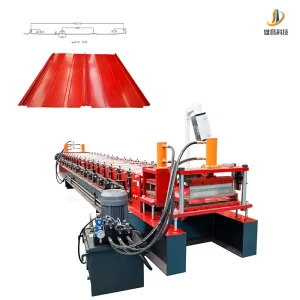
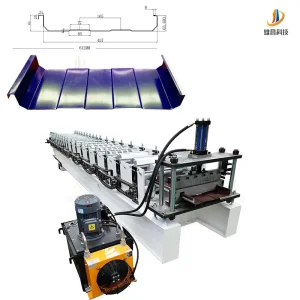
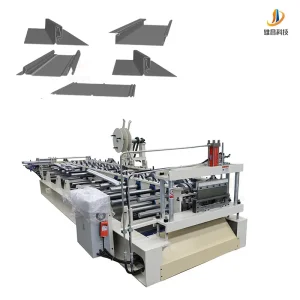
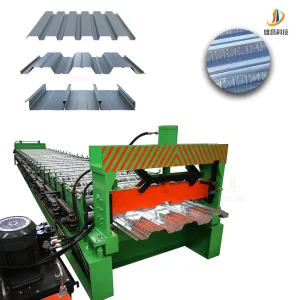
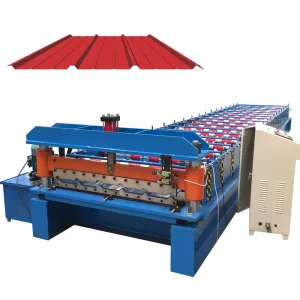
High-speed Roof Panel, Wall Panel, and Floor Deck Roll Forming Machines designed for water-tight structural performance.
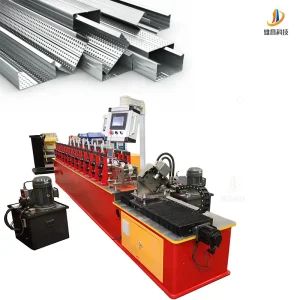
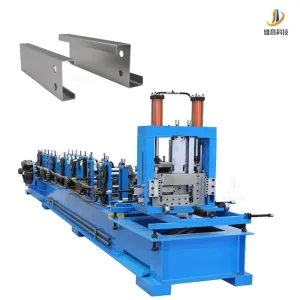
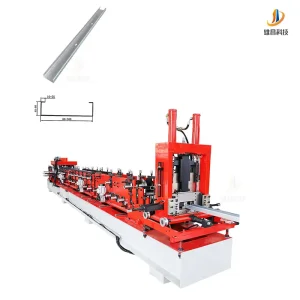
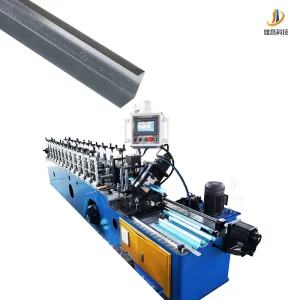
Fully automated C/Z Purlin Roll Forming Machines, and Stud & Track Roll Forming lines with rapid gauge adjustment capabilities.
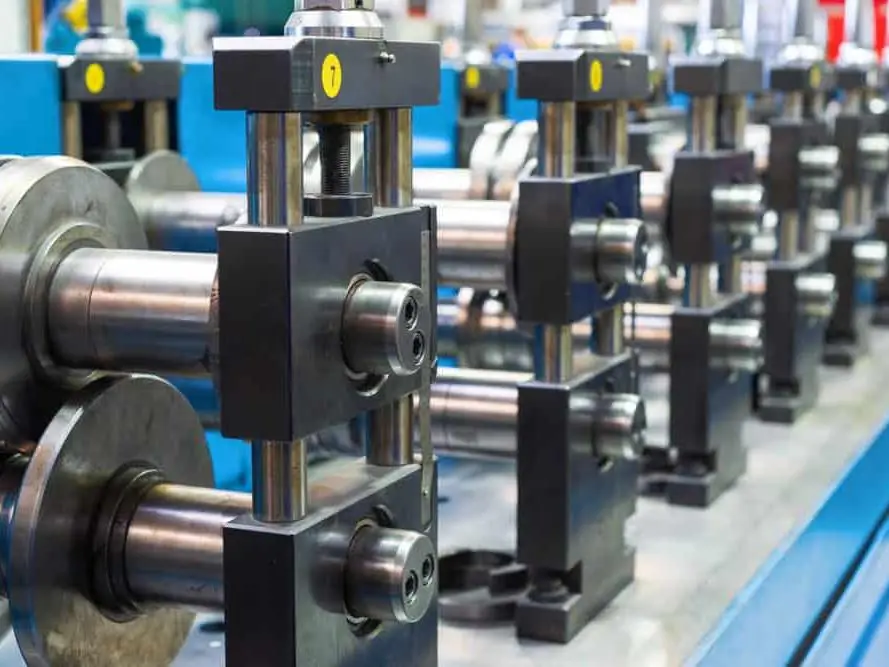
Custom engineered Gutter forming machines, Downspout lines, and Door Frame Roll Forming Systems for custom architectural specifications.
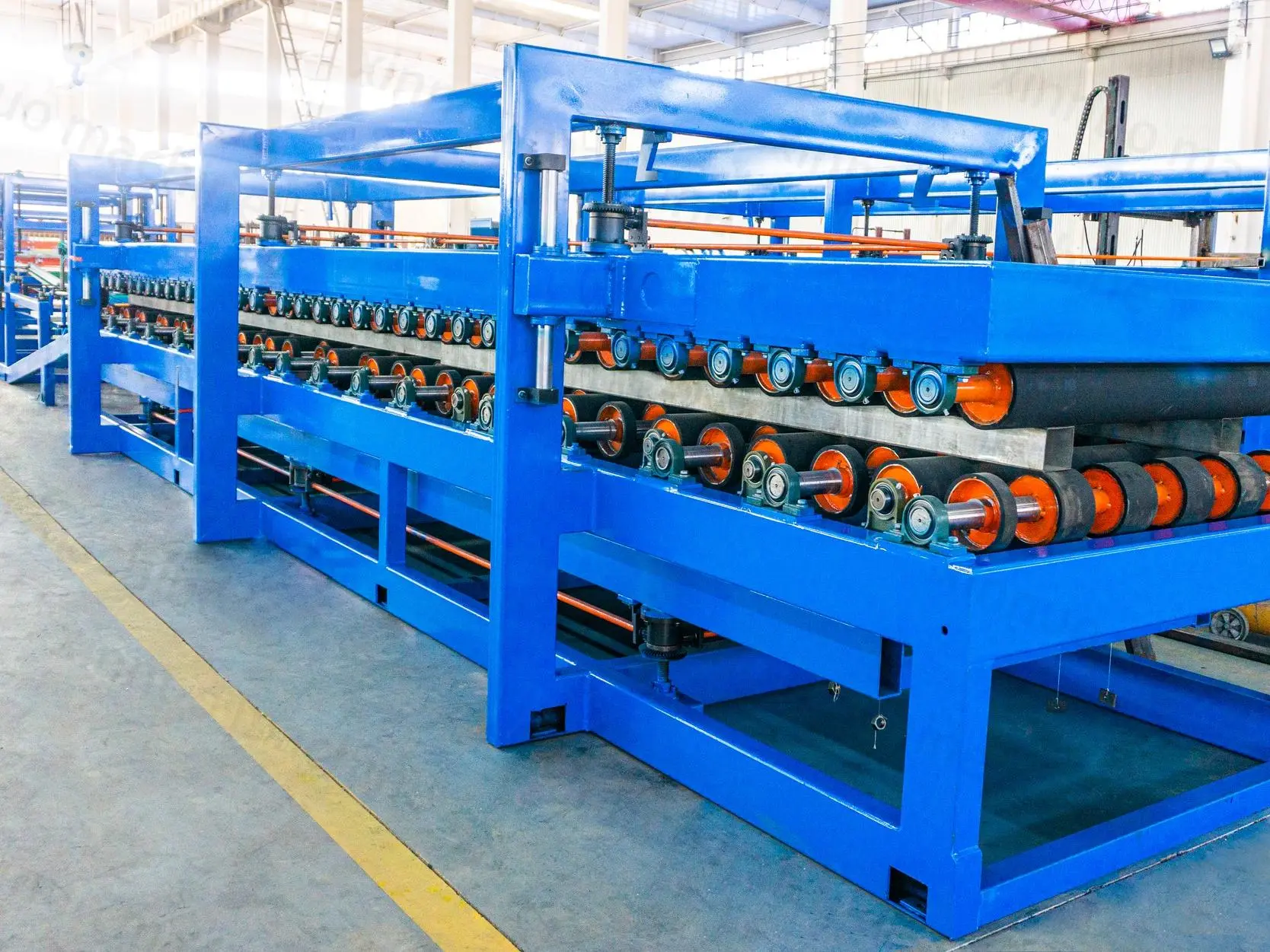
Partnering with a leading China-based ODM roofing panel machine manufacturer offers significant strategic advantages. Our facility is located in an industrial manufacturing zone, providing direct access to raw material suppliers and high-grade structural steel producers. This geographical placement streamlines the procurement of key components, including solid shaft stocks, precision roller blanks, and heavy-duty steel plate structures.
Our centralized production model combines all stages of manufacture, including raw material selection, metallurgical testing, structural machining, induction hardening, assembly, control integration, and testing, in a single location. This integration reduces transportation delays and lowers overall manufacturing costs. The resulting efficiency allows us to re-invest in precision machining tooling and advanced QA systems, providing competitive value for global buyers.
Furthermore, our proximity to major international shipping ports allows for efficient logistics coordination. We manage export packaging, custom wooden casing, rust-preventative treatment, and container load planning to ensure machinery arrives at our customers' facilities ready for installation.
XC maintains an array of verification and testing instruments to evaluate product strength, durability, and reliability. We implement structured quality control processes throughout the manufacturing lifecycle to ensure all output meets engineering drawings and customer requirements.
Prior to shipment, each machine undergoes continuous dry run testing followed by live forming trials using customer-specified coil specifications. We measure formed panel thickness, profile depth, coverage width, and diagonal dimensions to ensure compliance with architectural drawings. We also inspect electrical cabinets, hydraulic fittings, and safety interlocks before granting shipping authorization.
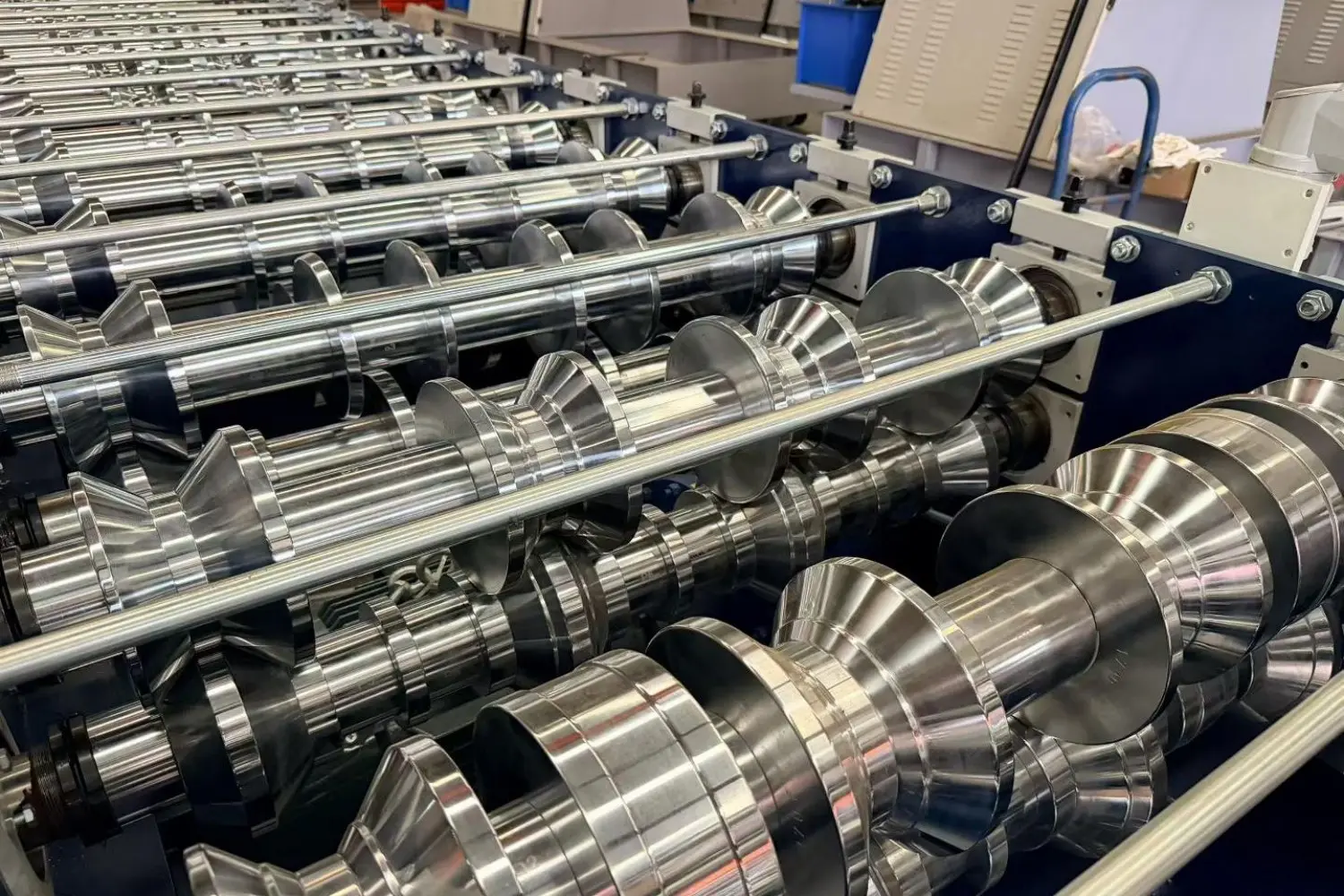
How we address local grid voltages, safety certifications, and technical support requirements across continents.
B2B industrial procurement requires attention to local regulatory codes, electrical voltages, and factory safety standards. Standard equipment configurations often fail to meet the regional compliance frameworks required by enterprise builders in North America, the European Union, or Australia. XC resolves these challenges through localized customization:
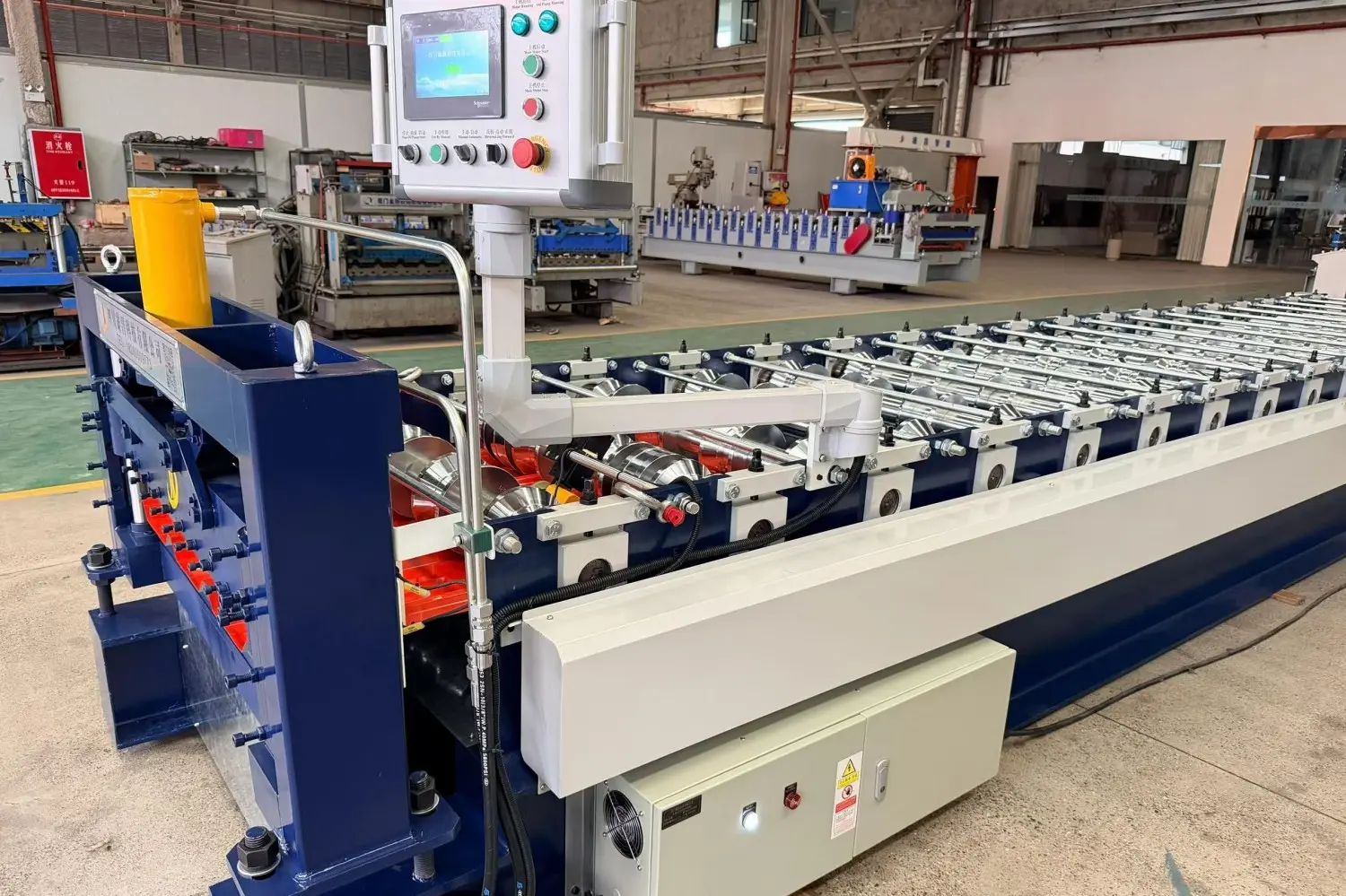
From initial design to field installation, XC provides lifecycle support. We provide installation, commissioning, and operational training to ensure proper machinery setup and productivity.
Our after-sales support team provides ongoing technical assistance and maintenance services to help customers maintain operational performance. We offer remote telemetry troubleshooting on PLC control cabinets, allowing our software engineers to diagnose sensors, resolve code faults, and update parameters without requiring on-site visits.
With years of experience, we have built a reputation for product quality and customer support. Our engineering team provides support for standard profiles as well as customized technical requests.
This commitment has supported a growing client base across the construction, manufacturing, and engineering sectors. XC roll forming machinery contributes to diverse projects ranging from residential housing developments to large-scale commercial structures and infrastructure installations.
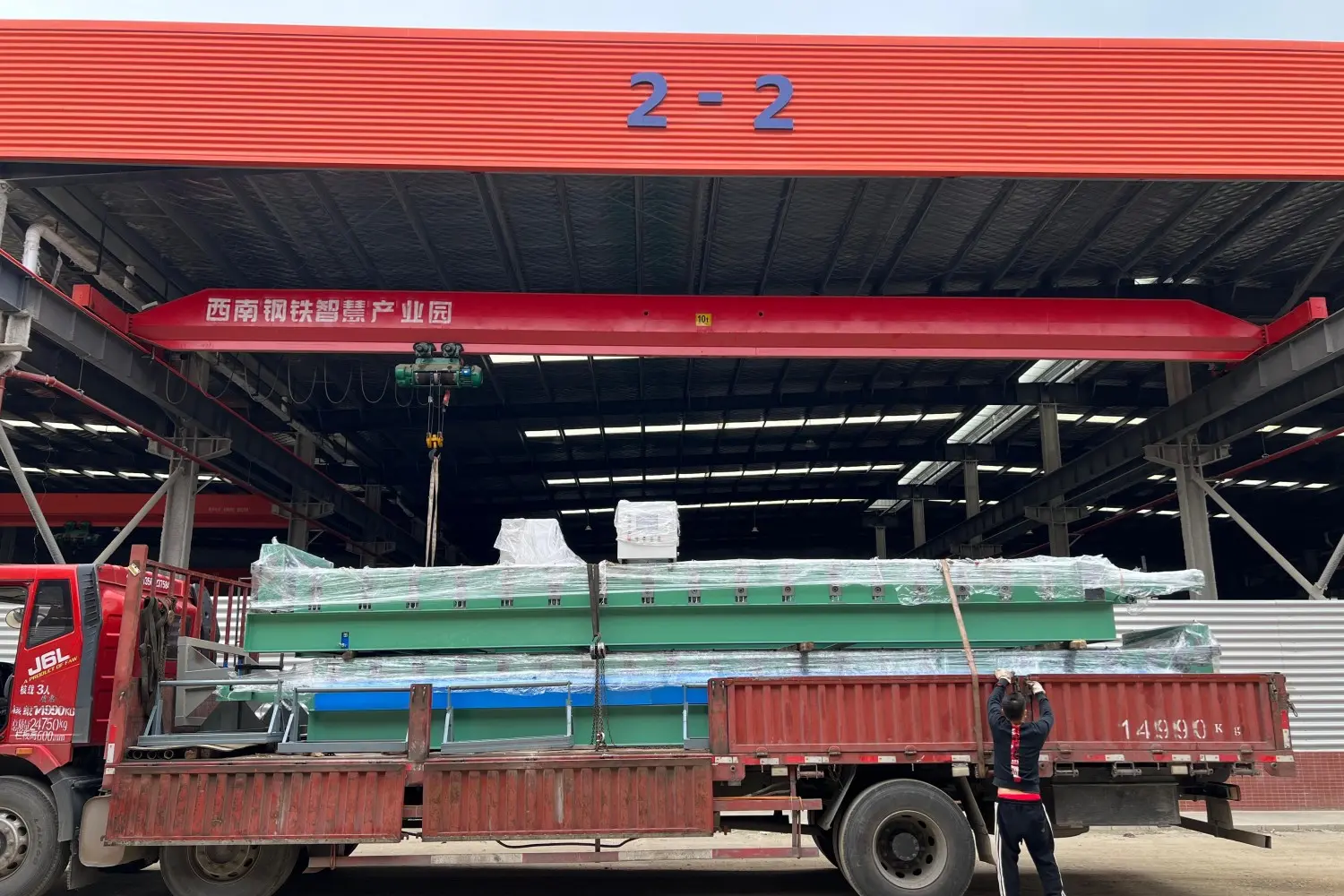
Delivering cold roll forming systems that balance structural engineering, process automation, and long-term durability.
We design and assemble complete production lines, including mechanical press tooling, rotary punching units, post-cut shears, and material stacking systems.
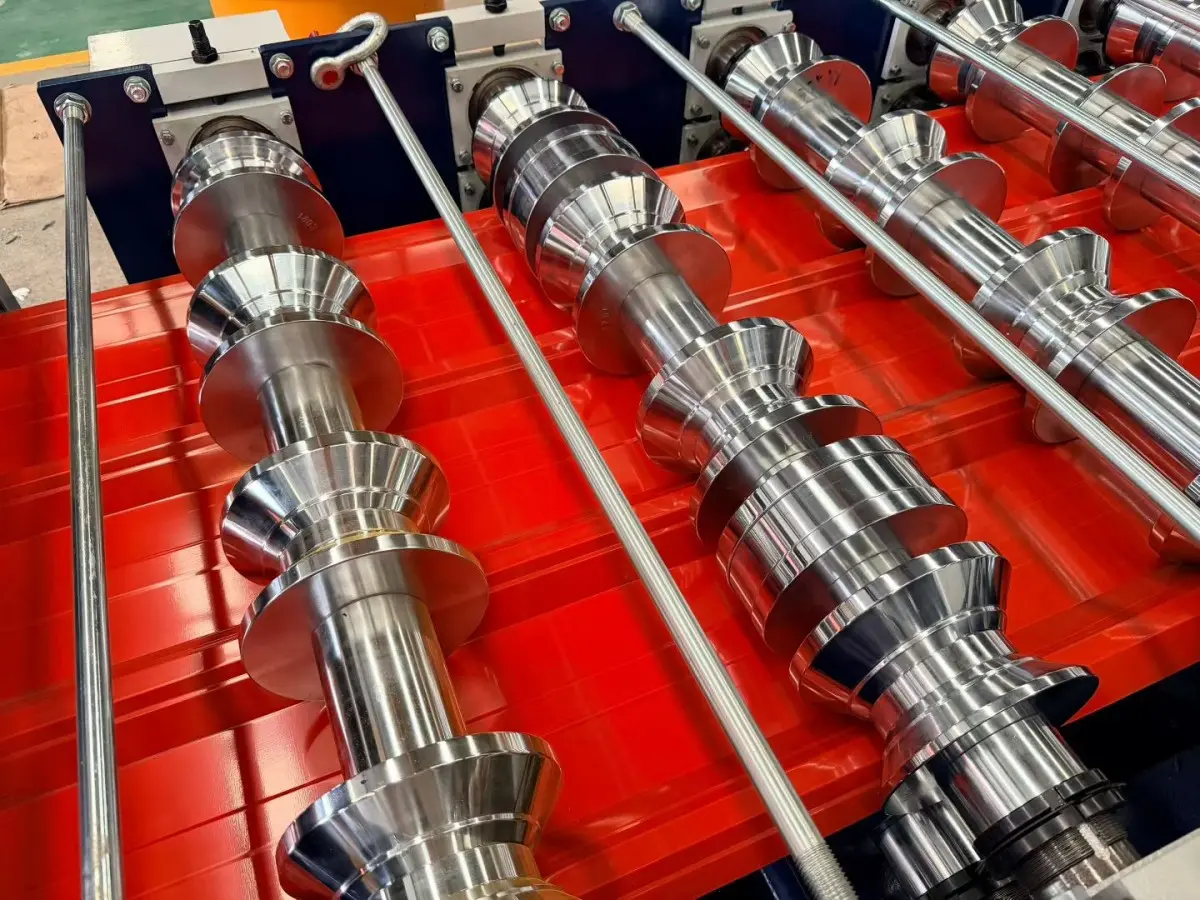
We supply machinery and provide on-site commissioning, preventative maintenance services, and replacement components to keep lines operating efficiently.
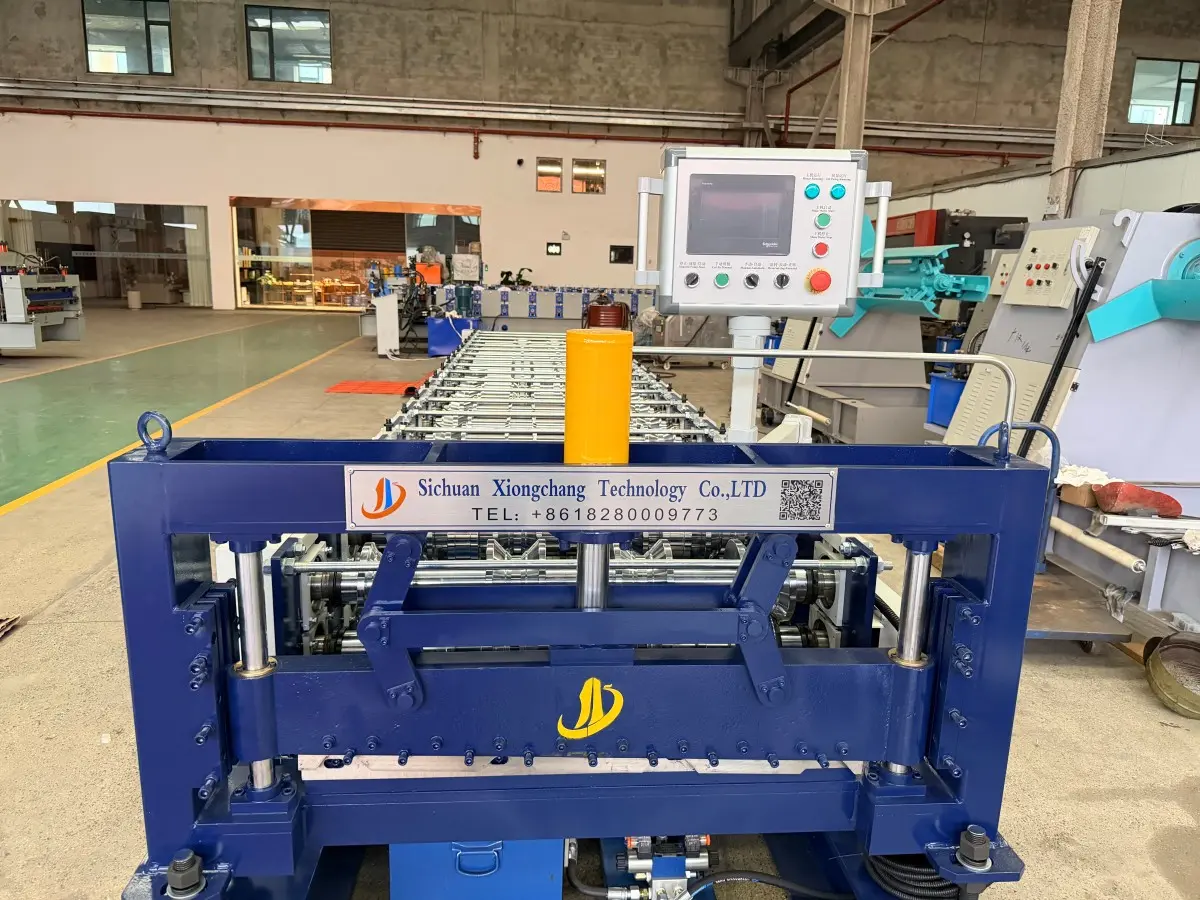
Our design process utilizes finite element analysis to simulate material flow, reducing internal stresses and maintaining panel geometry across varying coil qualities.
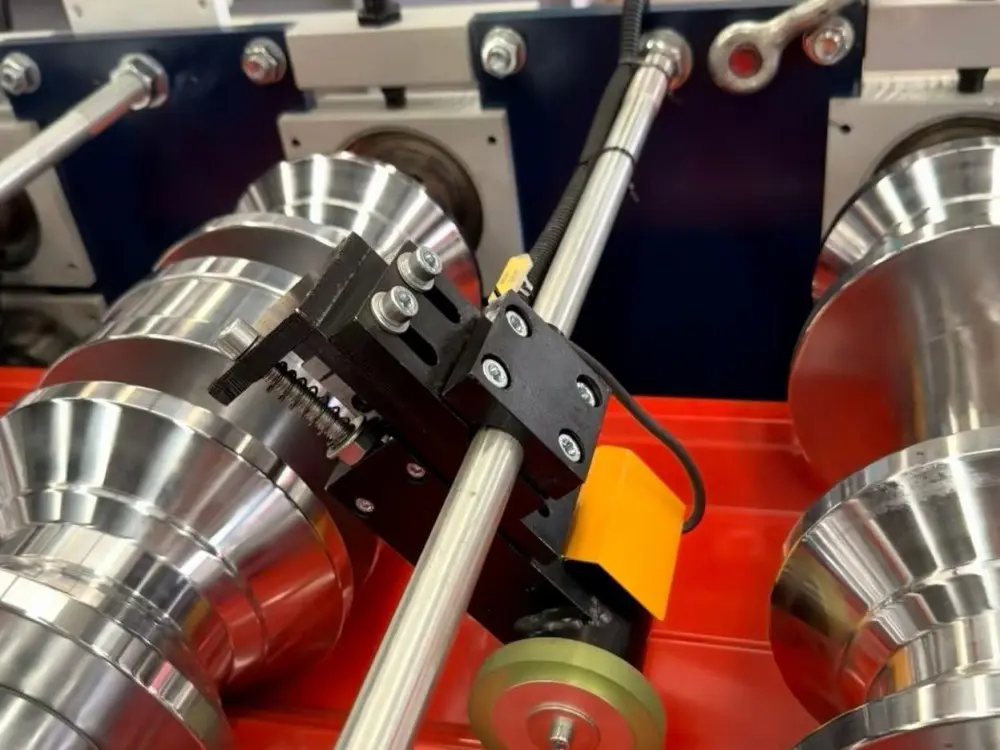
Solid steel shafts, heavy-duty gearboxes, and thick steel frame plates are designed to withstand continuous production demands without alignment drift.
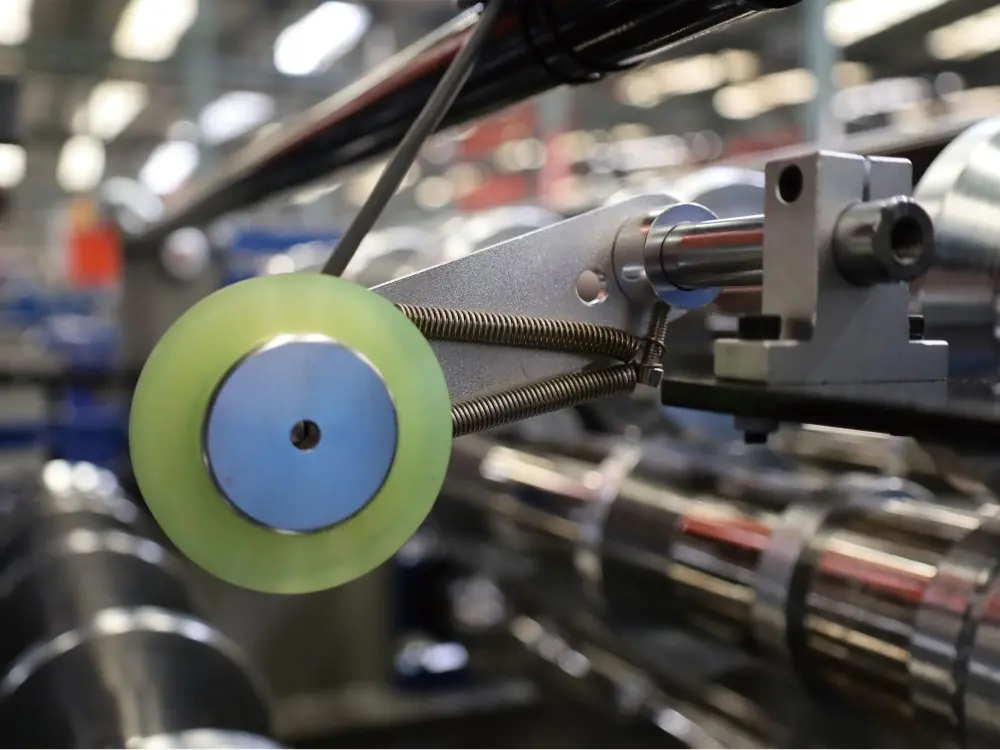
We configure layout planning, electrical panel integration, and dispatch field technicians for on-site commissioning to support a fast ramp-up.
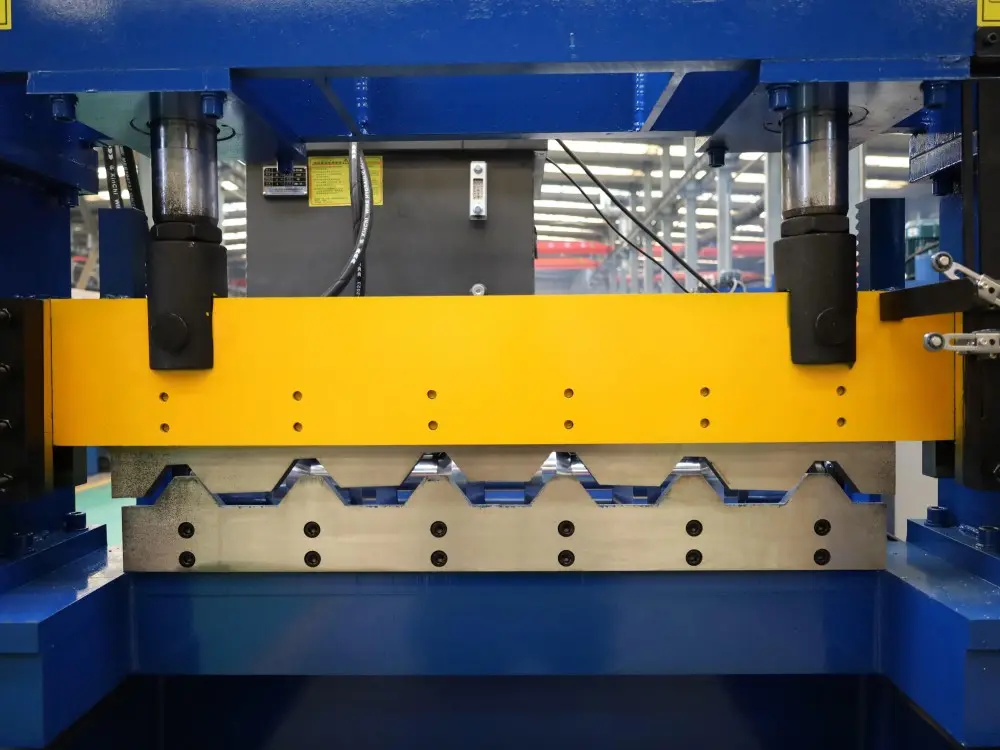
Our roll forming systems serve a diverse global client base, providing profiles for infrastructure, residential building, and transportation.
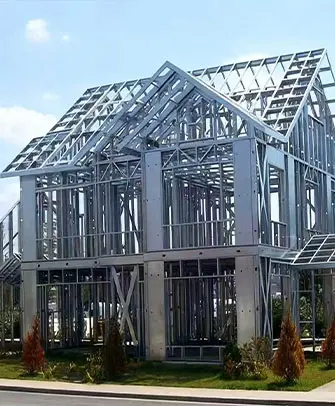
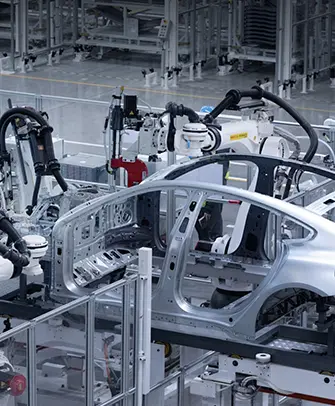

Technological shifts driving higher yield, material flexibility, and automation in cold roll forming.
Traditional manufacturing lines designed for a single profile limit production flexibility. Current B2B procurement trends show increasing demand for interchangeable cassette roll formers. By mounting forming stations on sub-plates, operators can change tooling sets in less than 45 minutes using overhead cranes, rather than adjusting individual rollers. For purlin manufacturing, PLC-driven servo motors adjust width parameters within minutes to process flanges ranging from 100mm to 300mm.
Modern building codes use high-yield steel (up to G550 grade) to reduce overall building weight. Forming high-tensile material increases the risk of edge cracking, springback, and uneven oil canning. Advanced ODM systems mitigate these issues through sequential forming steps. By distributing bend angles across up to 24 forming stations, the metal sheet is shaped gradually to manage internal stresses and prevent material thinning.
Traditional shear systems require stopping the forming sequence to cut panels to length, which limits line speed to 10-15 meters per minute. High-output lines use flying shear assemblies driven by rotary encoders and servo tracks. The cutter carriage matches the line speed, shears the panel, and returns to start, allowing continuous run speeds up to 35 meters per minute while maintaining dimensional accuracy.
Technical answers to common questions about customization, mechanical tolerances, and international operation.
Our standard machines maintain cutting length tolerances within ±1.0 mm, cover width tolerances within ±0.5 mm, and sheet wave heights within structural tolerances. These parameters are managed via closed-loop encoder feedback integrated with the central PLC.
We polish each roller station and apply a hard chrome coating (>0.05 mm thickness) to prevent surface scuffing. For painted materials, we design key stations with rollers containing polyoxymethylene (POM) inserts or install continuous protective film laminators at the machine entry guide.
We configure electrical cabinets to match your facility's local grid voltage (e.g., 220V, 380V, 440V, 480V, 3-Phase, 50/60 Hz). Control circuits use standard 24V DC components for safety and maintenance simplicity.
For variable C/Z purlin lines, profile adjustments are completed via HMI controls in 3 to 5 minutes. For roofing panel formers, changing profiles using quick-change cassette assemblies takes approximately 30 to 45 minutes.
We ship key wear items (such as blade inserts, limit switches, and hydraulic seals) alongside the main equipment. For subsequent needs, replacement parts are shipped via air courier, and we provide remote troubleshooting support through online PLC access.
Engineered to handle high-tensile steel alloys, structural purlins, and custom building deck panels.
 Xiongchang