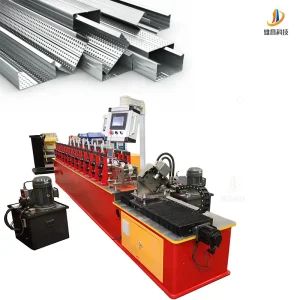
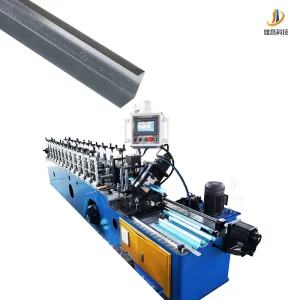
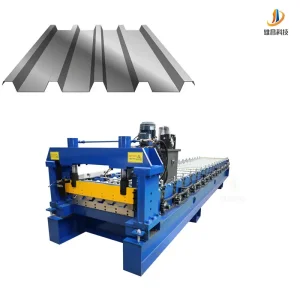
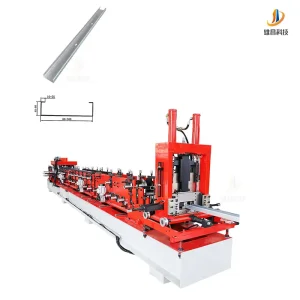
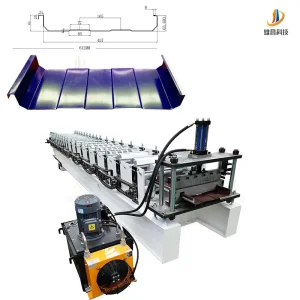
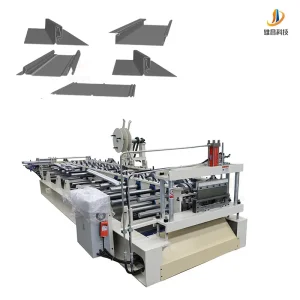
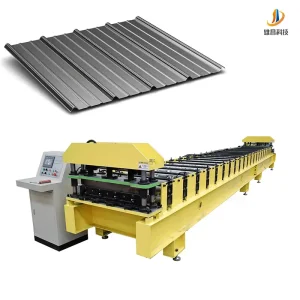
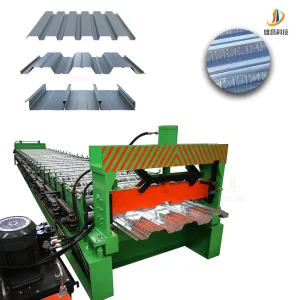
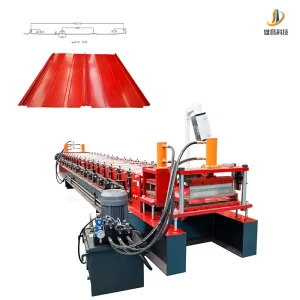
Explore our state-of-the-art cold roll forming equipment portfolio, designed to optimize your manufacturing capabilities and accelerate production speed.
The global demand for high-strength, lightweight, and aesthetically diverse metal roofing panels has driven manufacturers to seek highly sophisticated mechanical systems. ODM Roof Tile Roll Forming Machines represent the pinnacle of this technological evolution. By integrating precise metallurgical molding systems, CNC controls, and high-speed hydraulic pressing, modern metal tile formers allow global manufacturers to produce glazed tile, corrugated panels, and standing seam systems with extreme dimensional accuracy.
Unlike standard trapezoidal or corrugated profile roll formers, a roof tile machine must create horizontal stepped crimps. This process requires precise synchronization between the continuous roll forming passes and the static or flying step-pressing die. The sequence involves uncoiling the sheet metal, flat-guiding, sequential profiling, stepping (crimping to create the classic tile look), and post-cutting.
"The geometric precision of the final product hinges entirely on step tooling alignment. An error of just 0.1mm in roll tooling alignment can trigger stress fractures or paint coating damage along the tile's stepped crest, compromising the panel's anti-corrosion layer and reducing the structural lifespan from 50 years to under 10."
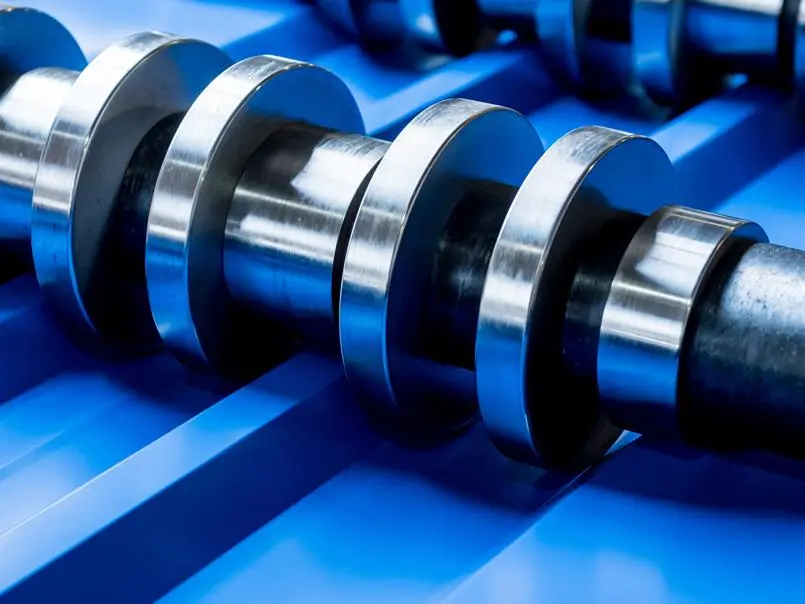
To eliminate these issues, leading Chinese factories utilize premium roller materials, typically Cr12MoV (D2) or GCr15 bearing steel, which undergo precise vacuum heat treatments and hard chrome plating. This ensures the rollers maintain an optimal surface hardness of HRC 58-62, guaranteeing smooth sheet feed-through without scuffing the delicate PVDF or SMP paint coatings of standard galvanized steel coils.
China has consolidated its position as the premier global manufacturing hub for industrial machinery. When sourcing an ODM roll forming machine, utilizing a manufacturer from China offers structural cost advantages combined with advanced technical quality.
For global enterprises, procuring a machine from an overseas manufacturer requires strict adherence to localized engineering and safety certifications. In North America and Europe, machinery must meet rigid regulatory frameworks:
Electrical & Mechanical Compliance: Control panels must adhere to CE directives or be UL508A certified for US/Canadian markets. Standardizing components to local grid requirements (such as 480V 60Hz 3-phase in the US or 400V 50Hz in the EU) prevents motor overheating and avoids regional compliance violations. Additionally, integrating safety features like emergency E-stops, safety light curtains, and protective wire-mesh enclosures is essential to pass local OSHA or HSE safety inspections.
Localization of Software & Interoperability: Human-Machine Interfaces (HMIs) should support multiple languages (English, Spanish, French, German) with clean UX/UI and PLC diagnostic programs. Built-in remote assistance modems allow factory engineers to perform remote debugging and software updates over secure VPN networks, dramatically reducing potential production downtime.
The cold roll forming industry is transitioning toward Industry 4.0 automation. Key engineering shifts include:
XC (Xiongchang) provides fully integrated roll forming solutions. Our comprehensive portfolio encompasses core production machines for roofing, flooring, doors, and structural components.
 Request Technical Catalog
For over two decades, XC (XiongChang) has been a trusted leader in the design and manufacture of high-precision cold roll forming equipment.
We deploy automated production lines to achieve manufacturing precision, ensuring every component meets high standards.
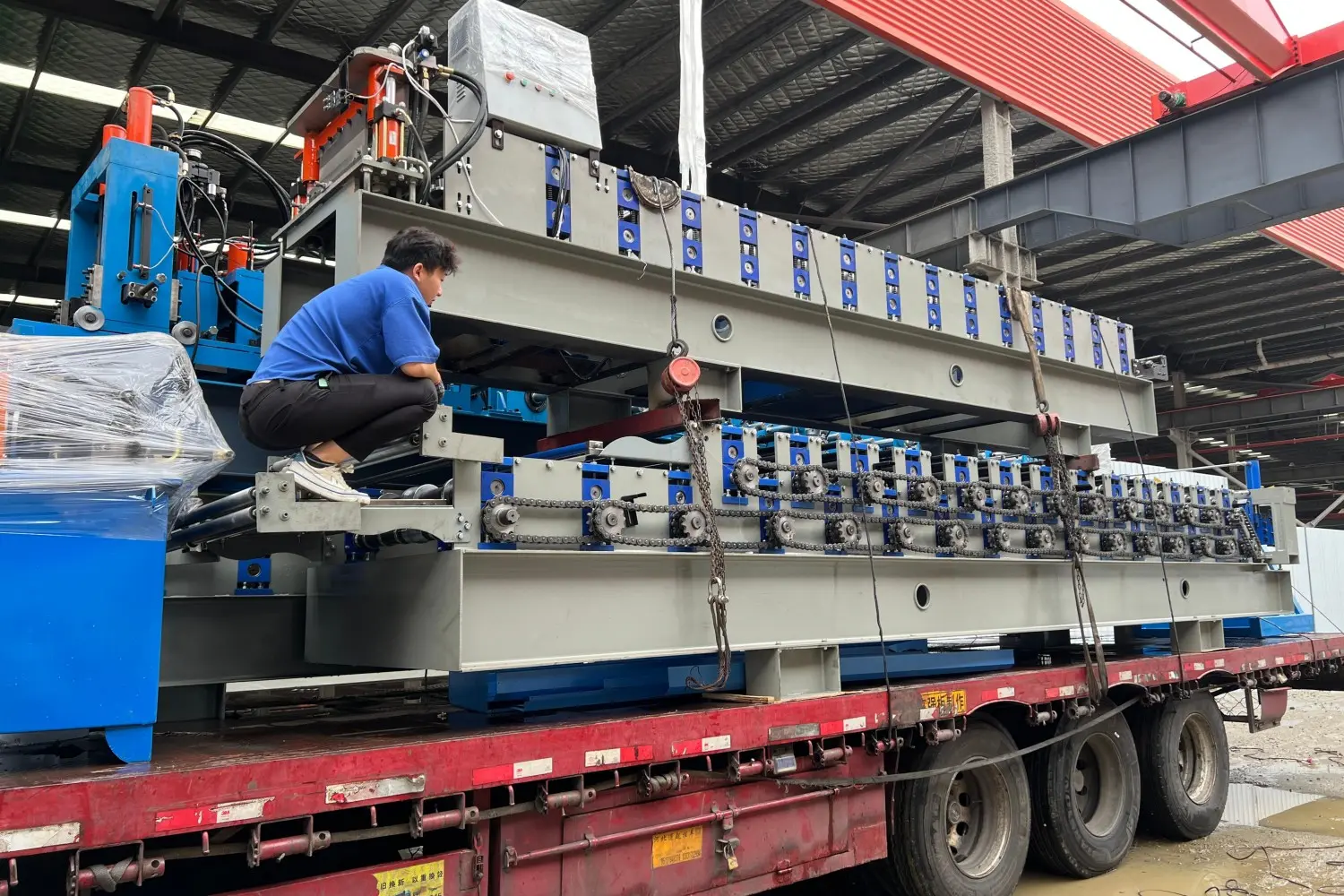
Providing specialized systems across our production to fulfill diverse structural requirements, ensuring precision in every built profile.
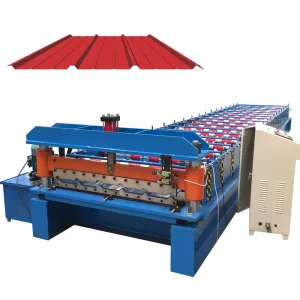
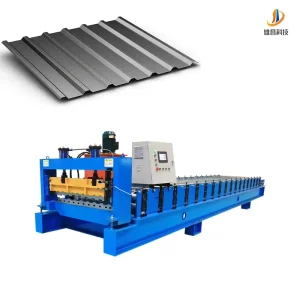
Roof Panel, Wall Panel, and Floor Deck Roll Forming Machines engineered for durable structural finishes.
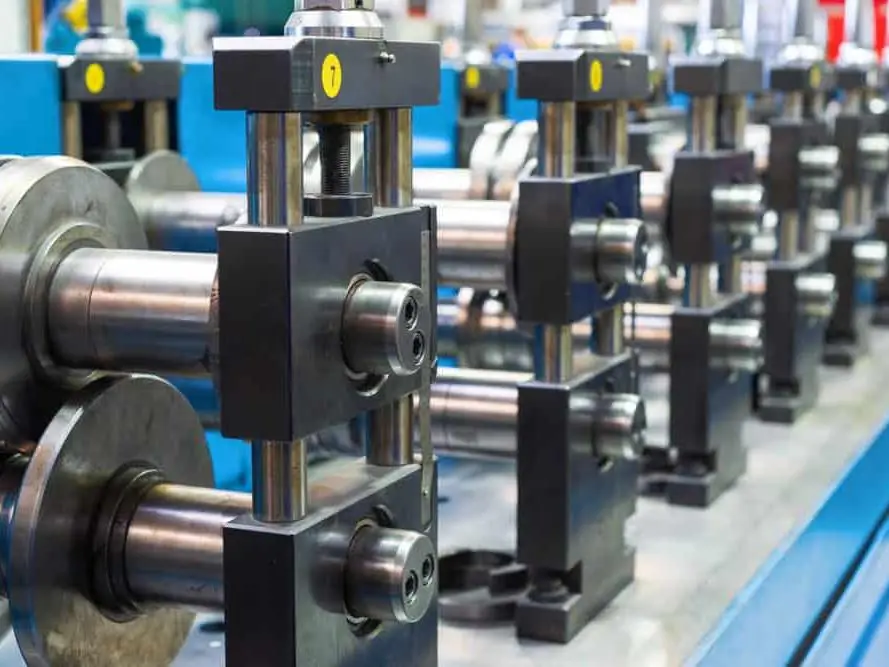
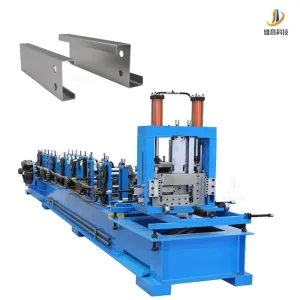
C/Z Purlin Roll Forming Machines, and Stud & Track Roll Forming Machines designed for optimized structural frame load integration.
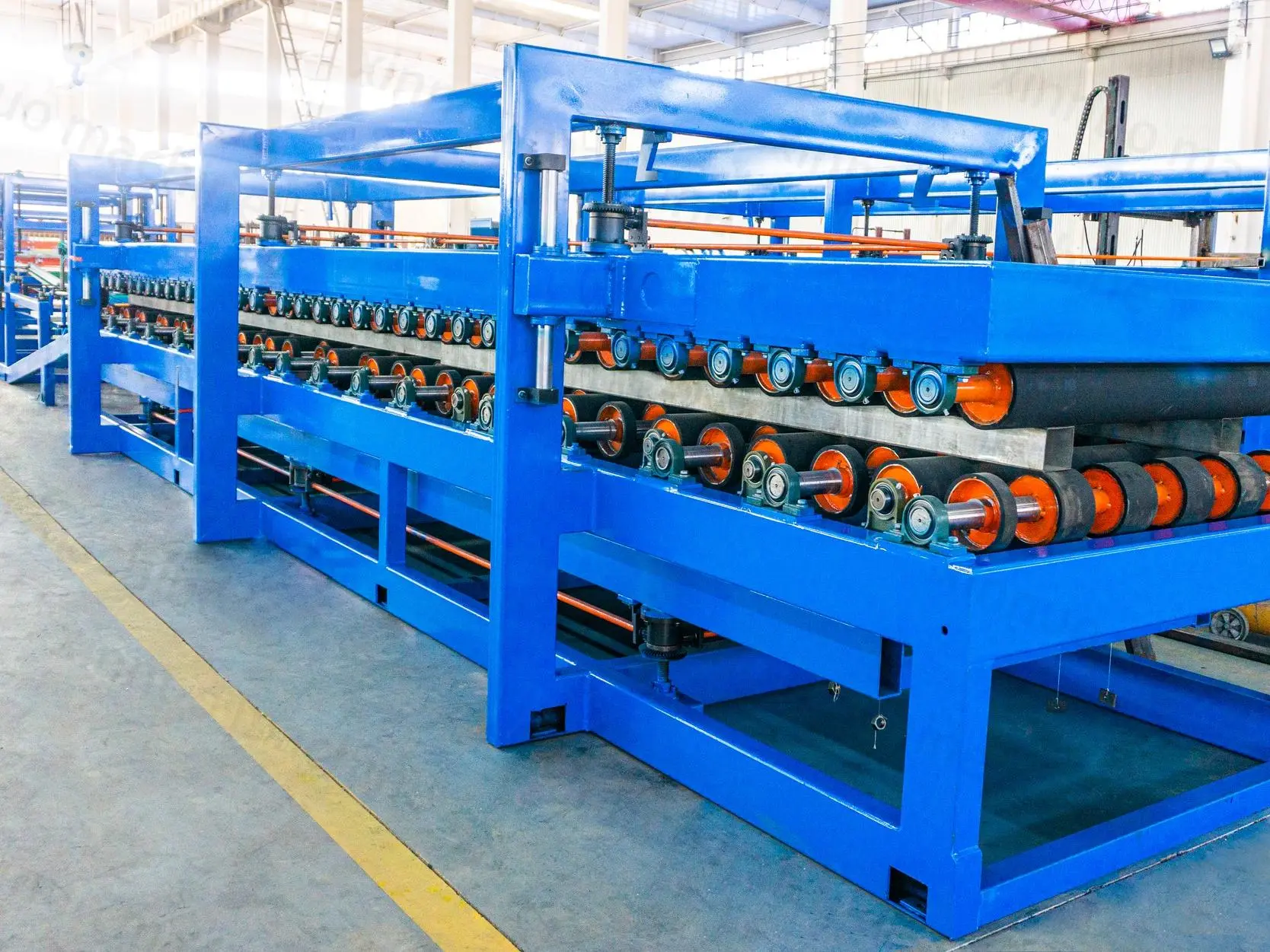
Precision Gutter Roll Forming Machines and Door Frame Roll Forming Machines matching tight architectural tolerances.
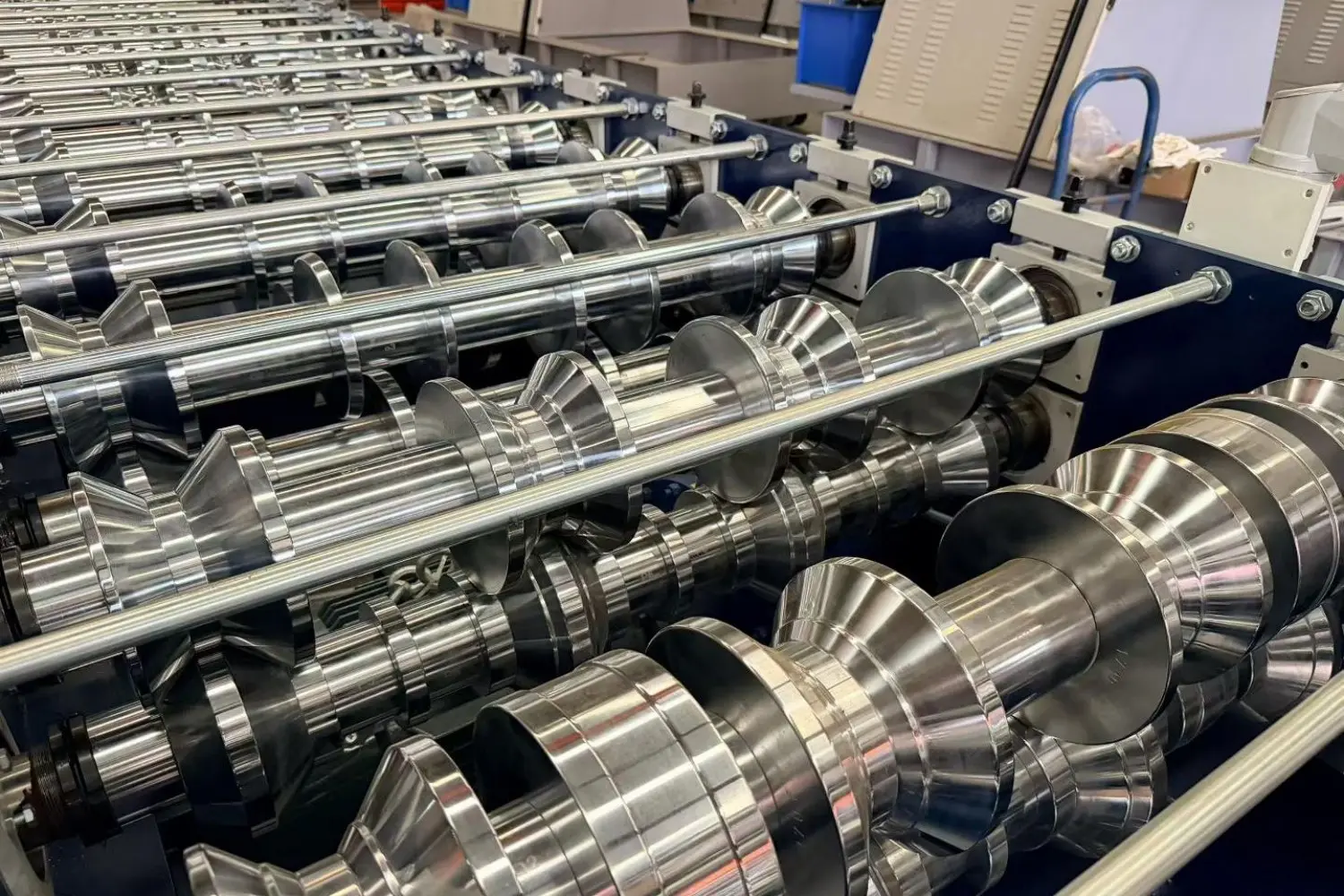
XC maintains a complete suite of detection and testing instruments to rigorously verify the strength, durability, and reliability of each roll forming machine.
We adhere to strict, standardized quality control protocols throughout the manufacturing process, ensuring all outputs consistently meet specified customer specifications and global performance standards.
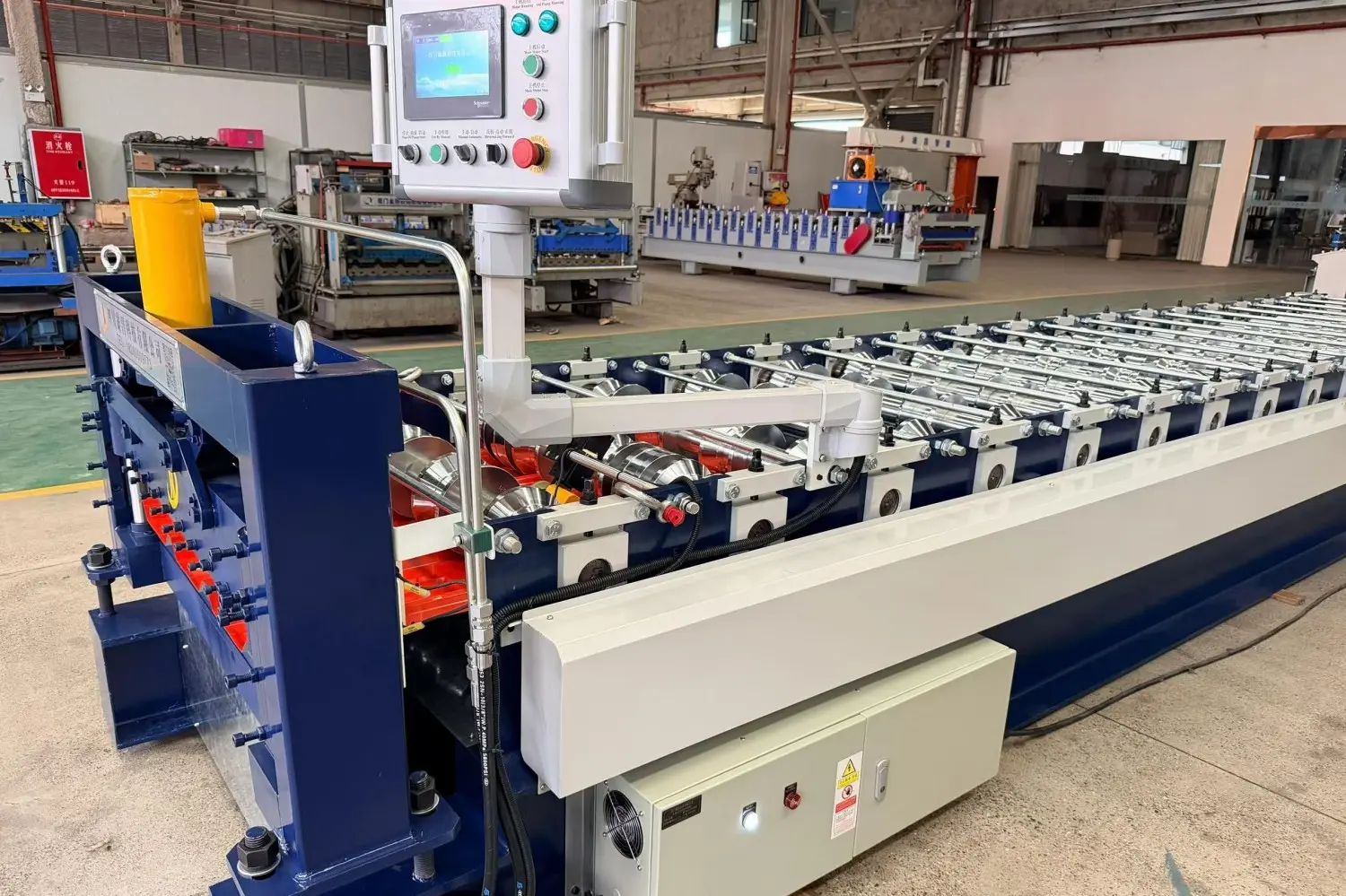
From initial design validation and roll profile optimization to site installation, XC provides comprehensive lifecycle support.
Our dedicated technical teams provide operational training, system commissioning, and ongoing preventive maintenance consultation to ensure your equipment achieves peak production rates and sustained efficiency.
Empowering structural construction, manufacturing, and transportation projects worldwide with stable, high-performance roll forming technology.
Our roll forming systems serve a diverse global client base, contributing to projects ranging from residential housing complexes to massive commercial airports, industrial facilities, and logistical centers.
Whether designing customized profiles or providing automated factory setups, our engineering department ensures the equipment adapts perfectly to local operational challenges.
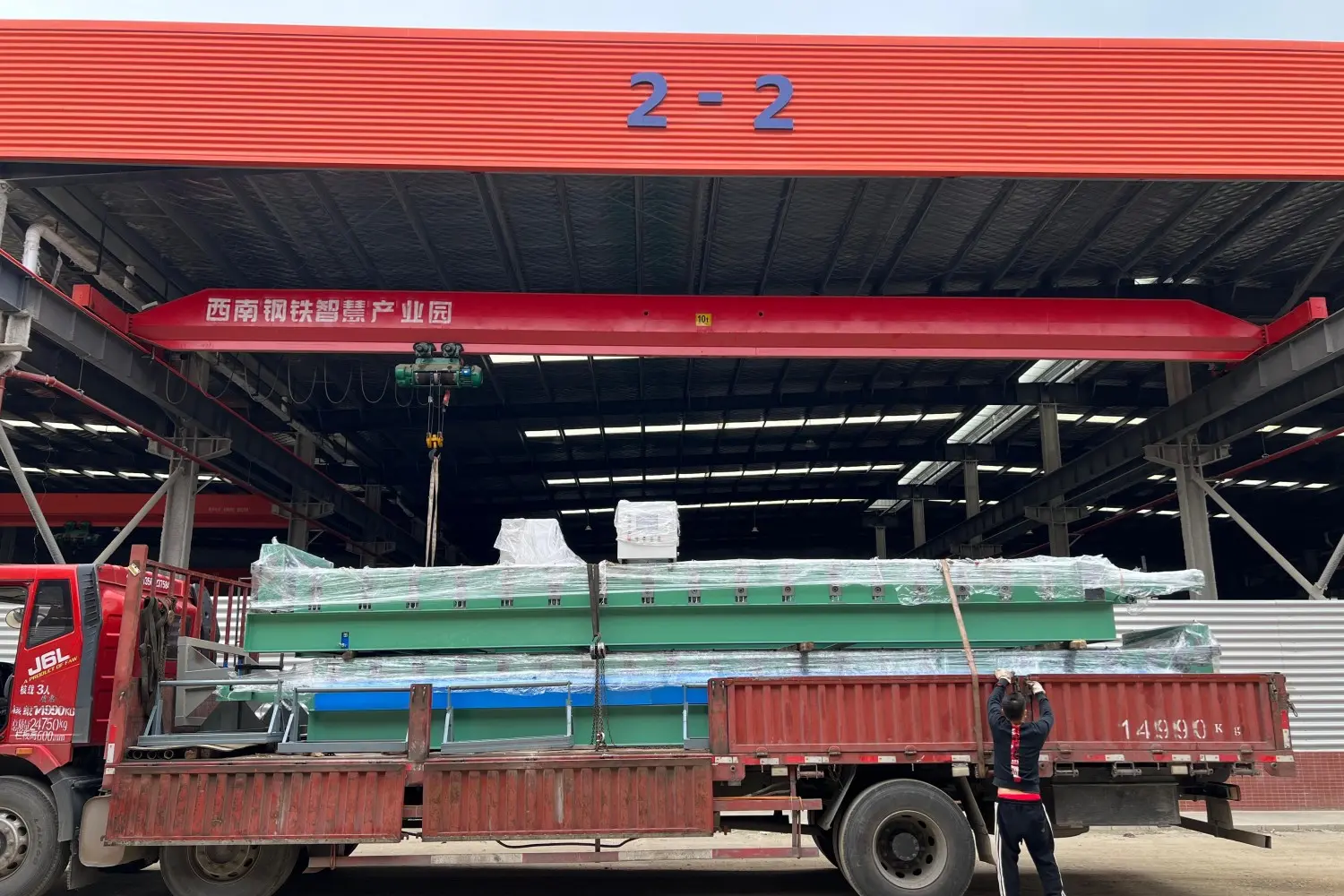
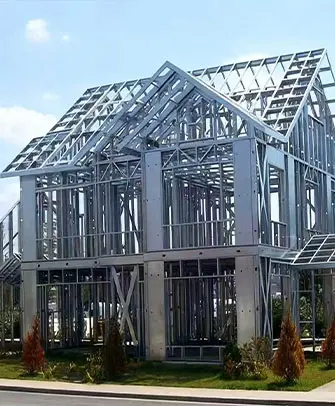
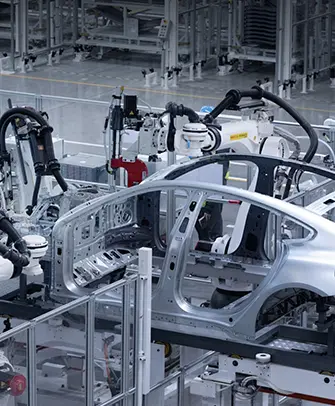
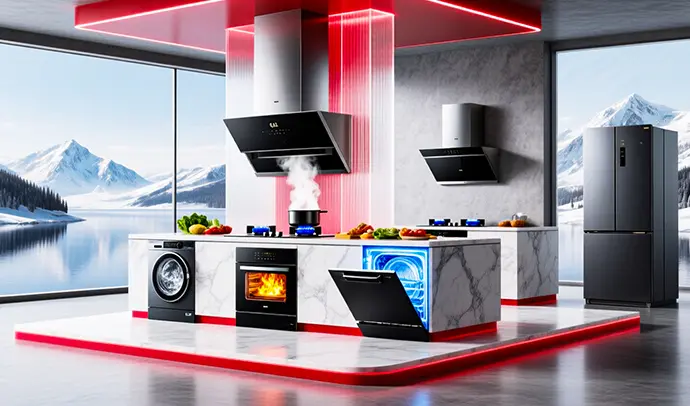


Solid engineering foundation, dynamic design processes, and robust global technical support.
Over two decades of engineering leadership allows us to customize complex cold roll forming lines that process high-yield strength steel profiles with micron-level tolerances.
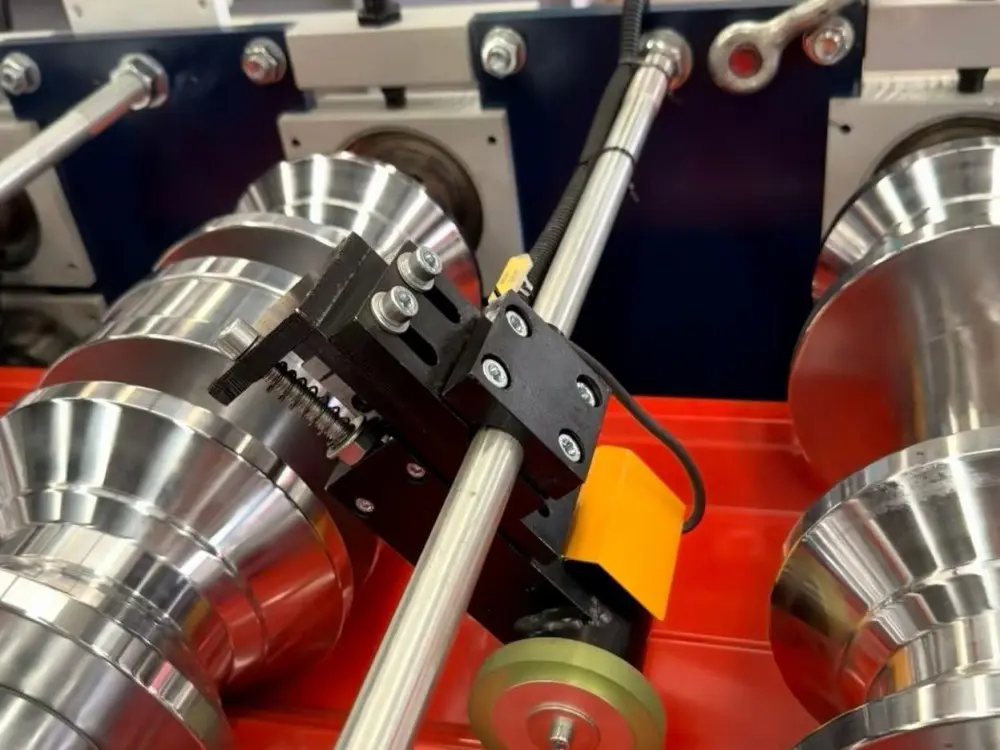
Solid plate framing, precision chrome-coated rollers, and thermal-treated components reduce line vibrations and roll wear, extending continuous runtime.
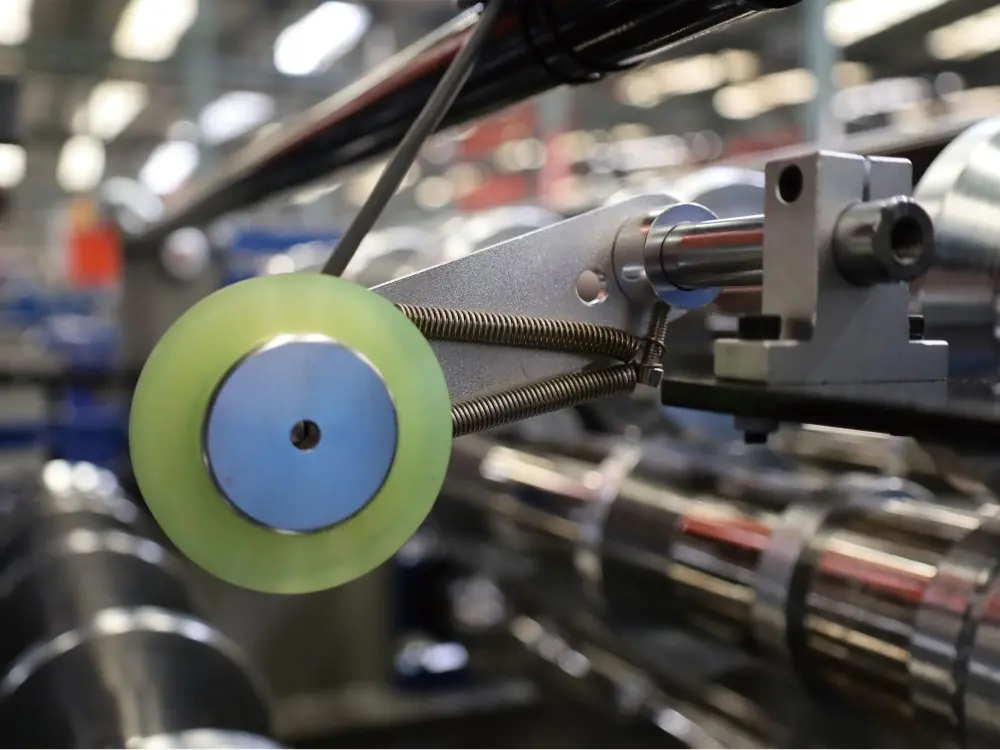
We focus on after-sales technical training, quick parts turnaround, and remote troubleshooting to keep your production runs active 24/7.
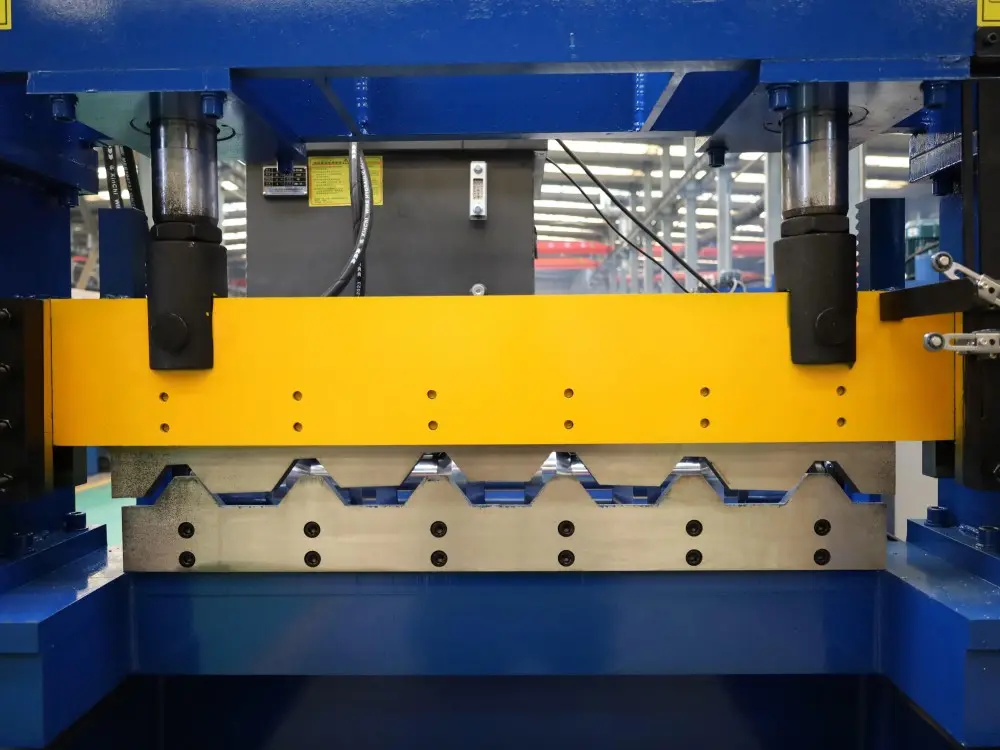
Exemplifying extreme machining precision and rigorous material testing phases.
Understanding how sheet metal behaves under localized mechanical stress is crucial to prevent profile deviations. By designing roller profiles using COPRA software and simulating stresses, we ensure minimal distortion in high-strength materials (G550 MPa).
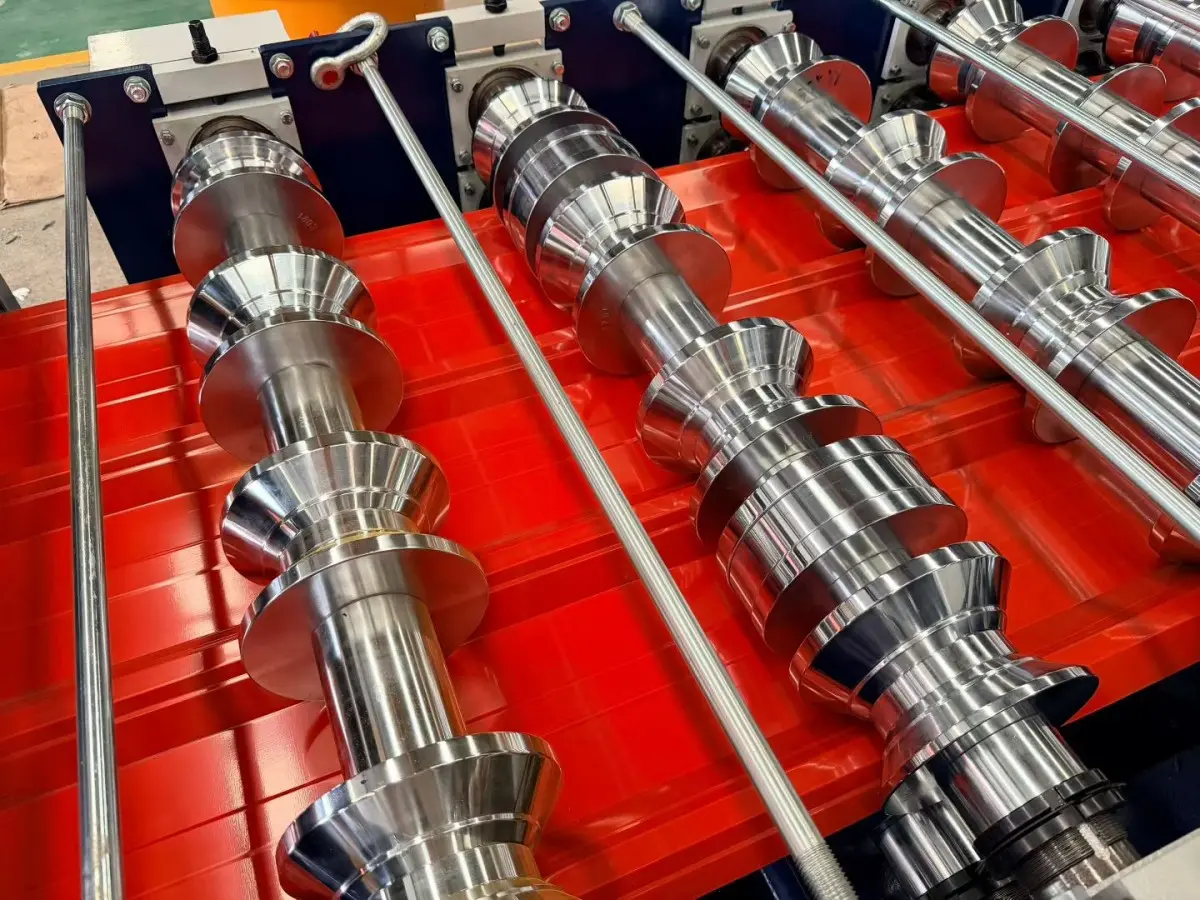
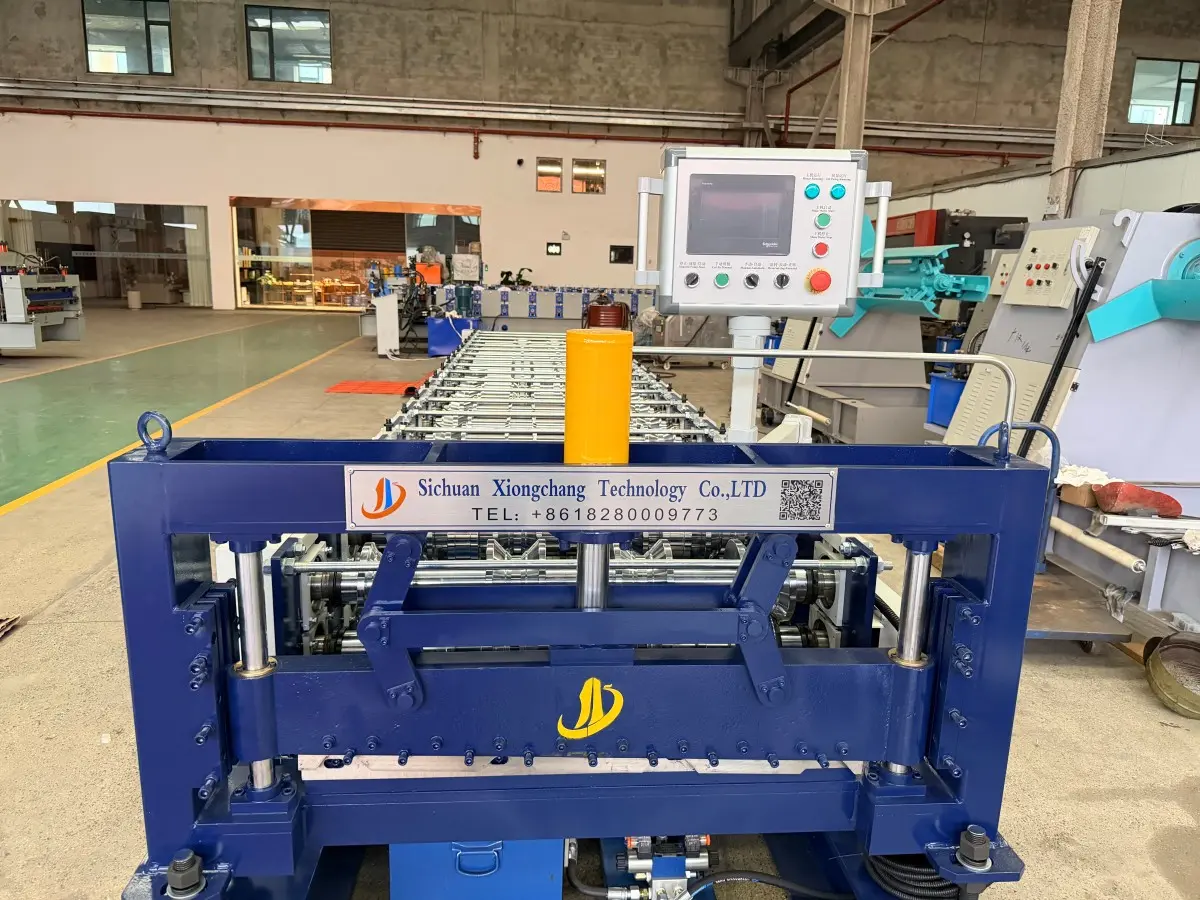
Before dispatch, every system undergoes extensive test runs. We run raw materials to check for profile accuracy, flatness, step crimp depth, and shearing quality. This rigorous process minimizes integration times when the machinery arrives at your plant.
Answers to critical questions asked by procurement teams, plant engineers, and operations managers.
Review our complete selection of standing seam, deck, panel, and purlin roll forming lines, designed for high output and ease of operation.
 Xiongchang