Explore our premium grade cold roll forming machinery designed for structural panels, metal envelope systems, and custom construction profiles.
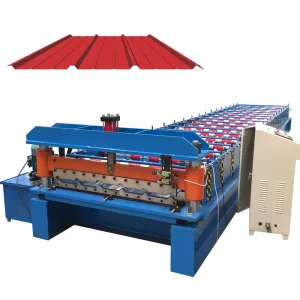
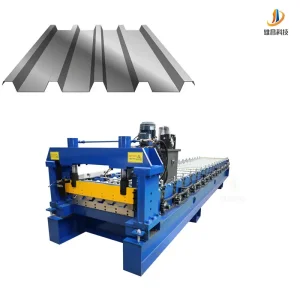
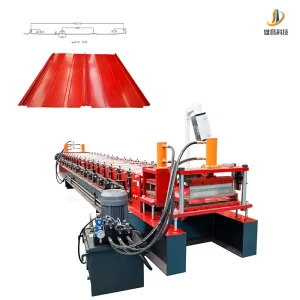
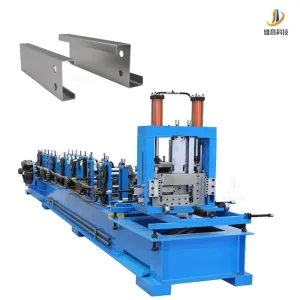
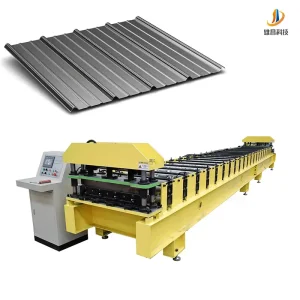
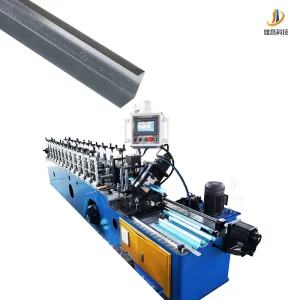
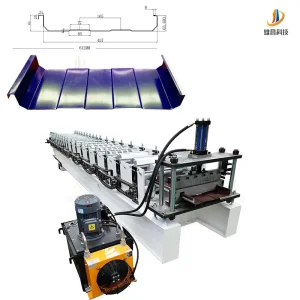
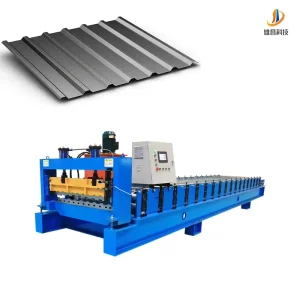
A roof ridge cap is the vital structural component placed along the ridge line of a sloped roof. Its main function is to bridge the gap between two roof slopes, ensuring a water-resistant seal that prevents leaks and blocks debris. Designing and manufacturing machines for this component requires precise engineering. Standard machinery often fails due to variations in regional building styles, sheet materials, and climate conditions.
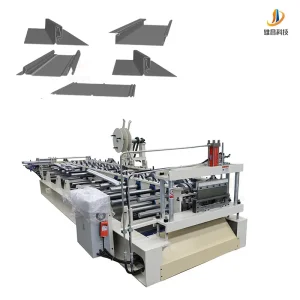
Our ODM Roof Ridge Roll Forming Machines are engineered to address these challenges. By using advanced multi-station forming rollers, automated pre-cut/post-cut dies, and variable-angle geometry control, our lines produce ridge caps with consistent material thickness and paint protection. Whether fabricating standard V-type ridge caps, round-ridge designs, or complex ventilated profiles, our technology provides the structural integrity and aesthetic finish required for modern commercial, industrial, and residential projects.
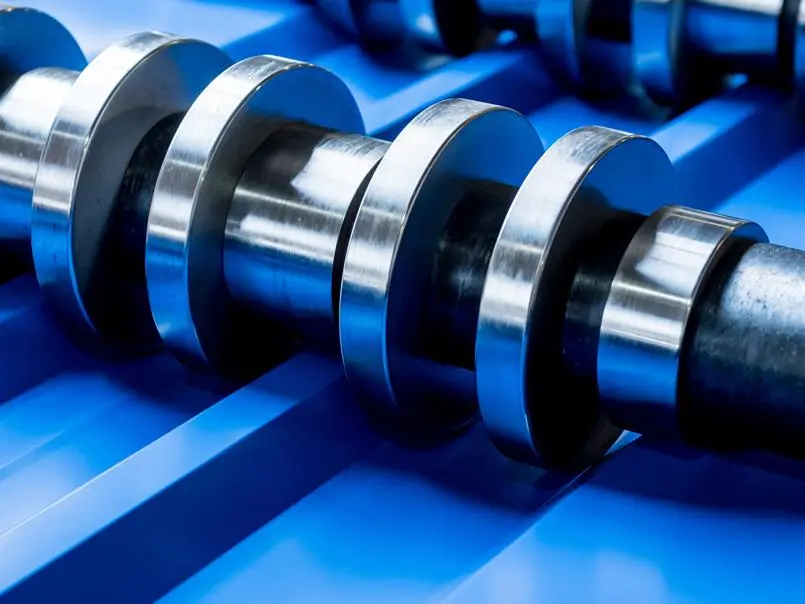
XC (Xiongchang) is an established expert in the field, providing integrated cold roll forming solutions for building envelopes, structural steel framing, and custom profile fabrication.
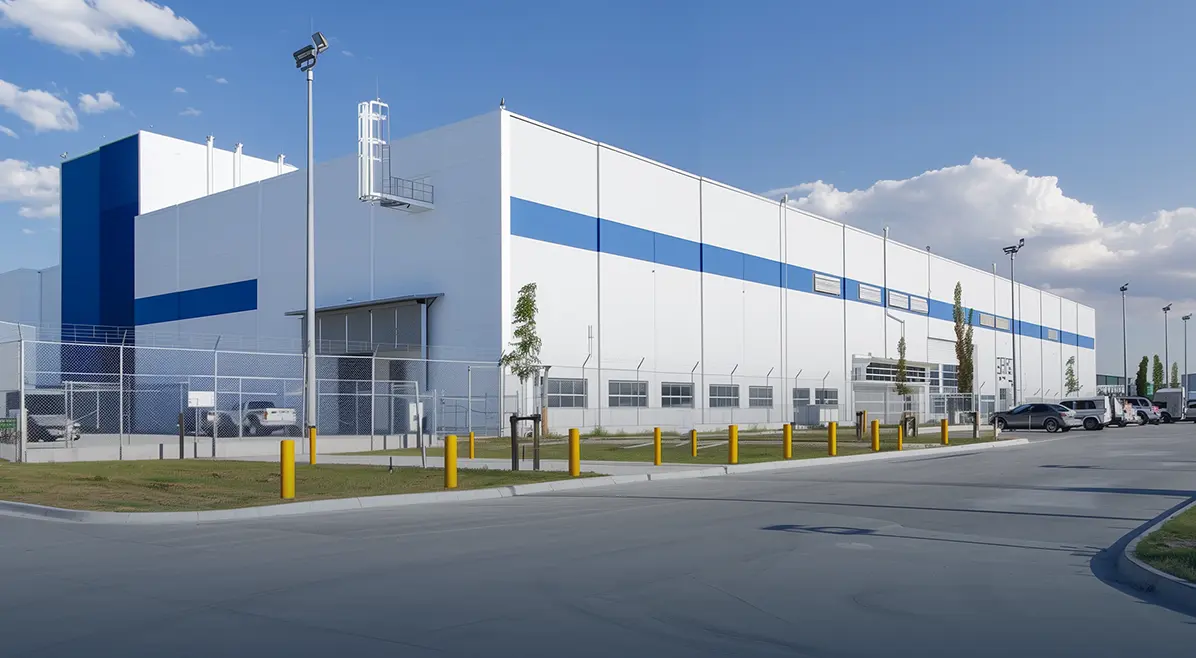
Over two decades of production experience enables XC to design and manufacture reliable cold roll forming systems. Our setup features automated production lines that deliver high precision and consistency across every manufacturing cycle.
We work with structural engineers, metal suppliers, and infrastructure developers worldwide. XC maintains a dedicated team of engineers and technical personnel to design, test, and deploy customized configurations. Our portfolio spans building envelope machines, heavy-duty purlin tooling, and specialized architectural profiles, helping clients achieve higher production speeds and lower reject rates.
A closer look at the mechanical engineering, material processing, and automation systems that define our industrial machinery.
We use COPRA roll forming software to design step-by-step deformation profiles. This layout limits structural stress, preventing surface scratching and micro-cracking in color-coated steel or high-tensile galvanized materials.
Our machines feature high-pressure hydraulic post-shear systems equipped with Cr12MoV cutting dies. This enables clean, burr-free cuts on roof ridges at maximum throughput speeds without distorting the profile.
We use Siemens and Mitsubishi PLC systems with user-friendly touchscreens. The system integrates batch parameters, length control, and error detection, allowing operators to run production with minimal manual adjustment.
| Feature / Metric | Standard Market Specification | XC XiongChang High-End Configuration |
|---|---|---|
| Roller Shaft Material | #45 Carbon Steel (untreated) | Solid 40Cr steel, quenched, tempered, and hard-chrome plated (0.05mm layer) |
| Feeding Thickness Range | 0.4 mm - 0.6 mm | 0.3 mm - 0.8 mm (support for high-strength steel up to G550) |
| Forming Speed | 8 - 12 meters per minute | 15 - 25 meters per minute (servo-motor-driven configurations) |
| Tolerance Limits | ± 2.0 mm (length deviation) | ± 1.0 mm (high-speed positioning via encoder integration) |
| Transmission Type | Single chain drive | Precision double-chain transmission or heavy-duty gearboxes |
Manufacturing high-performance roll forming machines depends on access to key raw materials, precision heat treatment facilities, and skilled technicians. Operating from our 50,000-square-meter facility in China, XC benefits from localized supply chain integrations that lower manufacturing costs while maintaining high quality standards.
Our raw material sourcing connects us directly with premium domestic steel plants. This ensures consistent metallurgical properties for our structural framing components, roller shafts, and casting parts. In addition, our high-volume production schedules allow us to maintain a large stock of spare parts, hydraulic stations, and electrical components. We can manufacture and configure customized ODM systems with shorter lead times than Western competitors.
How we meet the quality and regulatory standards of global engineering groups, construction companies, and commercial contractors.
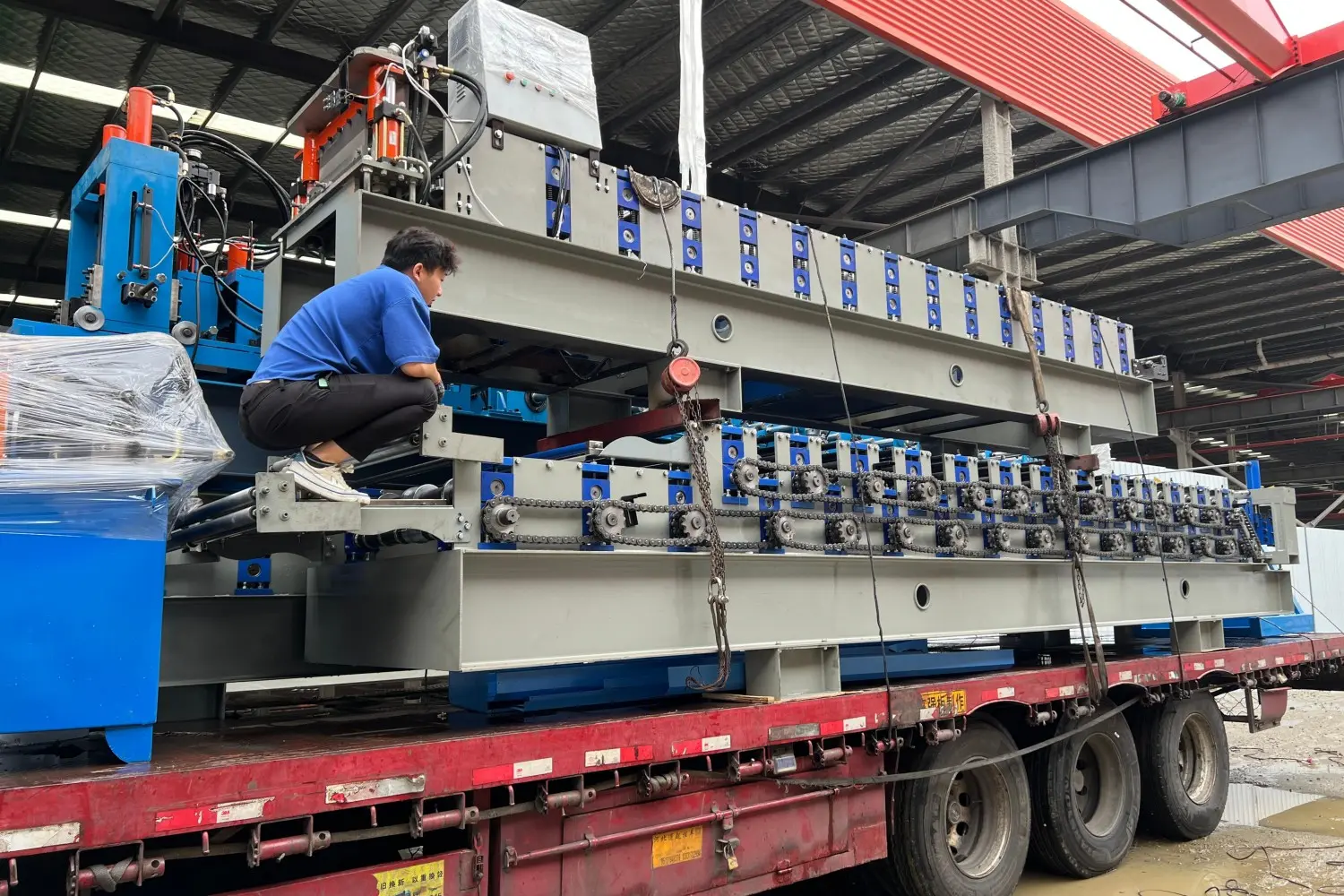
Every machine undergoes a full Factory Acceptance Test (FAT) prior to shipment, running the client's actual coils. We provide detailed video recordings and physical profile samples to verify tolerances. Upon arrival, Site Acceptance Tests (SAT) verify structural alignment.
We build our electrical cabinets and hydraulic units to meet CE, UL, and CSA standards. This includes installing emergency stop lines, optical safety barriers, and thermal overload protection to comply with regional workplace safety guidelines.
We supply a comprehensive kit of wear parts (including cutting blades, limit switches, and hydraulic seals) with each shipment. Additionally, our global technical support team offers online diagnostics and on-site engineering visits when needed.
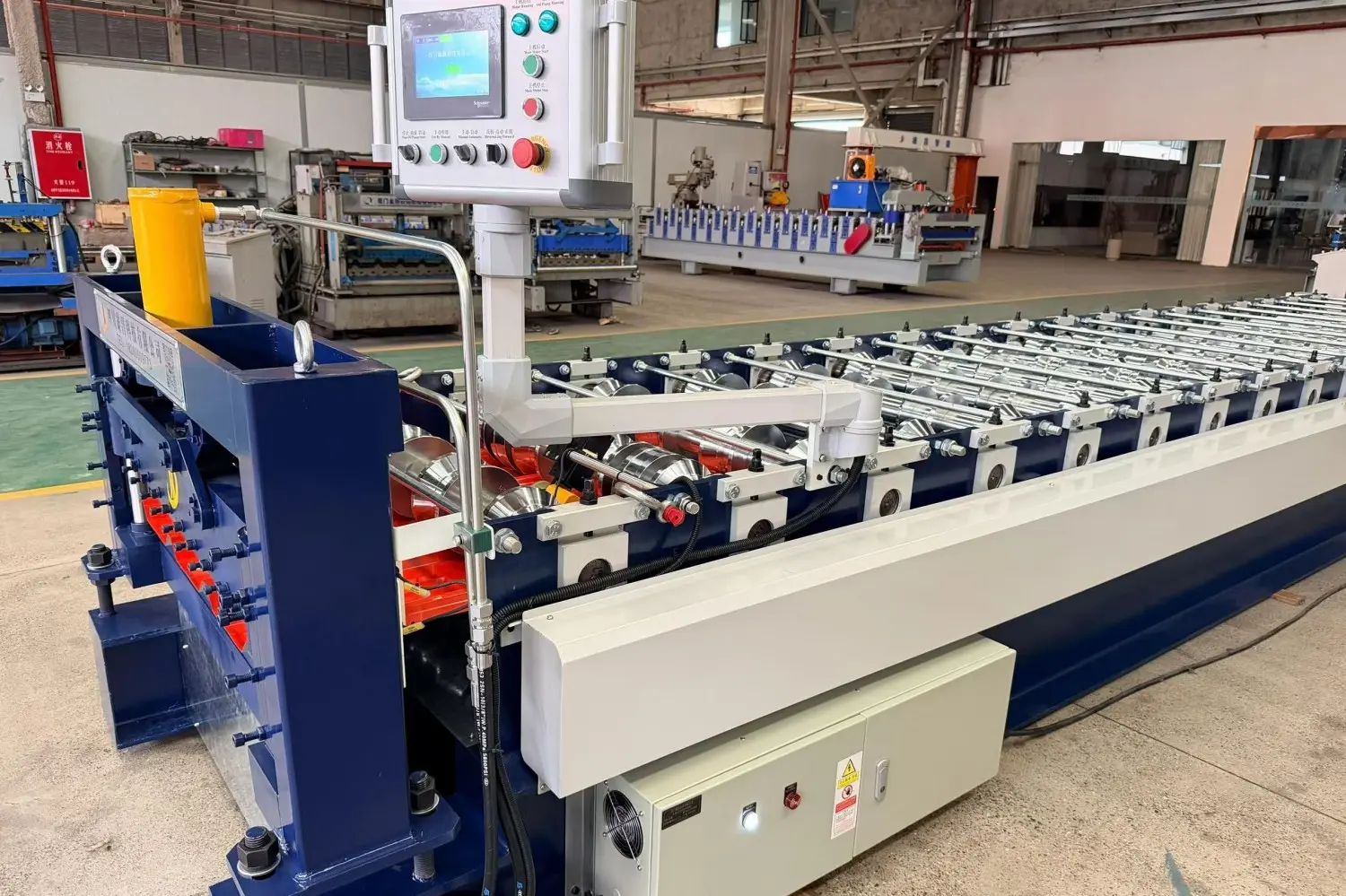
XC maintains testing labs to check raw material hardness, weld penetration, and shaft alignment. Our quality control team measures tolerances down to the micron using digital coordinate devices.
This attention to detail ensures that the rollers bend sheets uniformly without thinning the zinc protection or damaging color coats. This level of quality control is essential for producing durable panels and components that can withstand long-term exposure to harsh environmental conditions.
Key technological shifts that improve production efficiency, material yield, and overall manufacturing flexibility.
Modern roll forming lines feature cloud-connected IoT systems. Sensors monitor motor temperatures, hydraulic pressure, and vibration patterns, allowing operators to schedule maintenance before components fail.
With builders shifting to thinner, high-strength materials (like G550 galvanized steel), machines require specialized roller structures to handle springback and keep the final profiles dimensionally stable.
To reduce changeover times for different ridge cap designs, manufacturers are moving to cassette-based roller blocks. This allows operators to swap out the entire profiling line in under 30 minutes.
Different regions require specific roofing designs to withstand local weather conditions and comply with local building regulations.
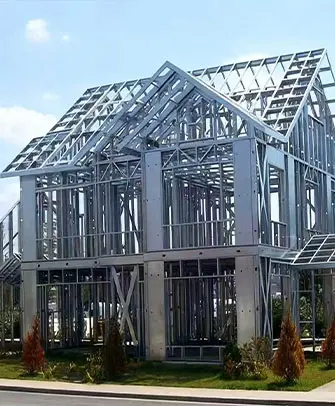
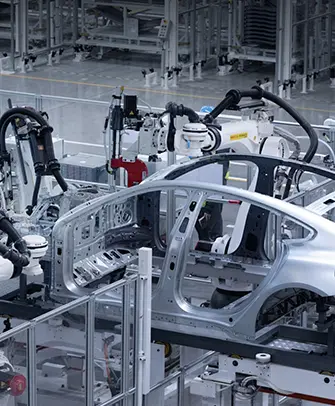
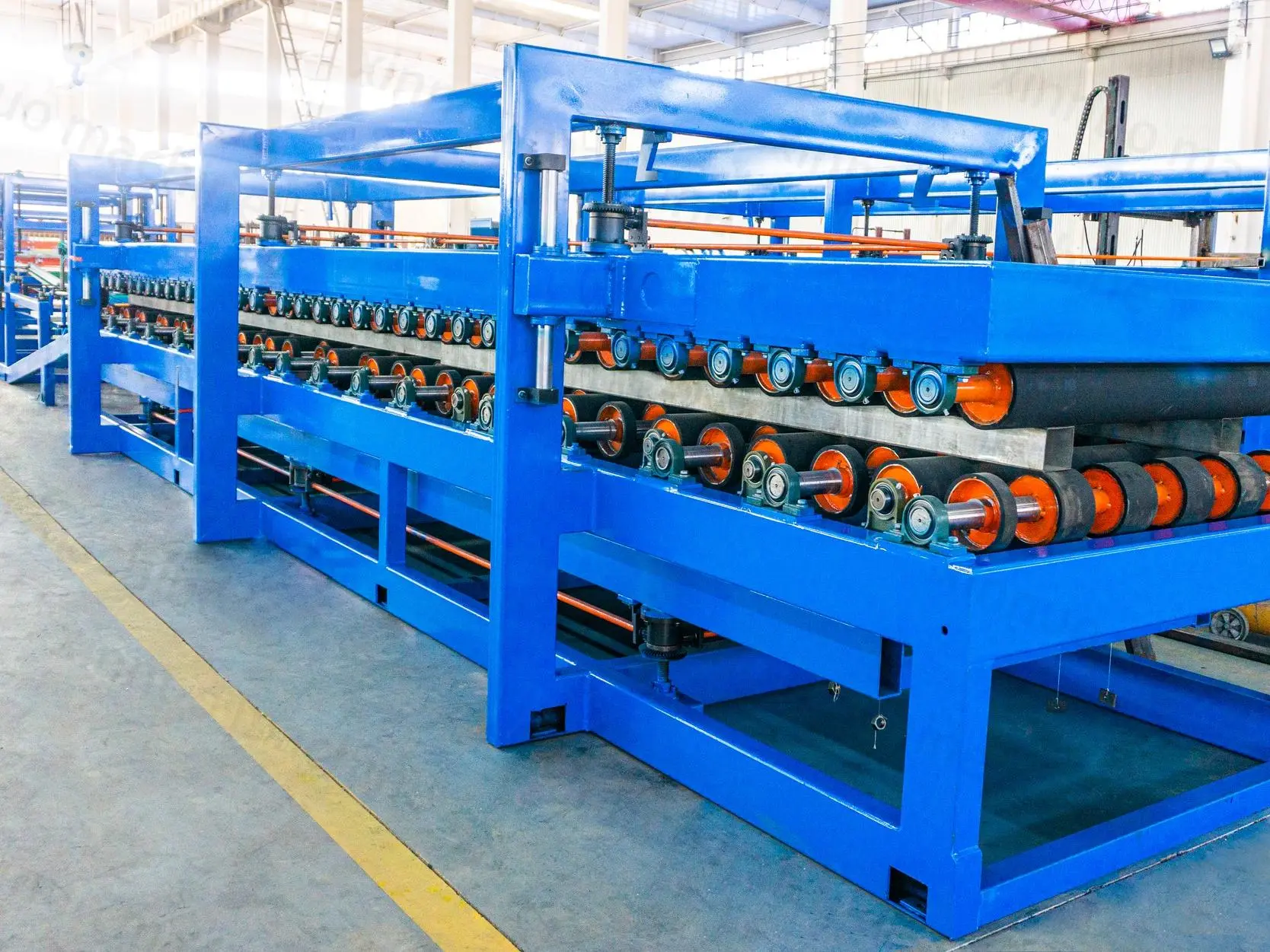
XC provides an extensive range of precision cold roll forming systems to meet varied customer applications, ensuring durable, reliable, and high-performance end-products.
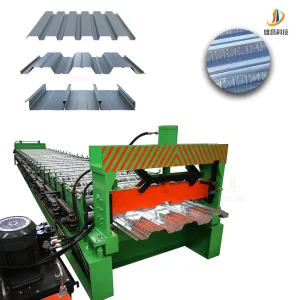
Roof Panel, Wall Panel, and Floor Deck Roll Forming Machines.
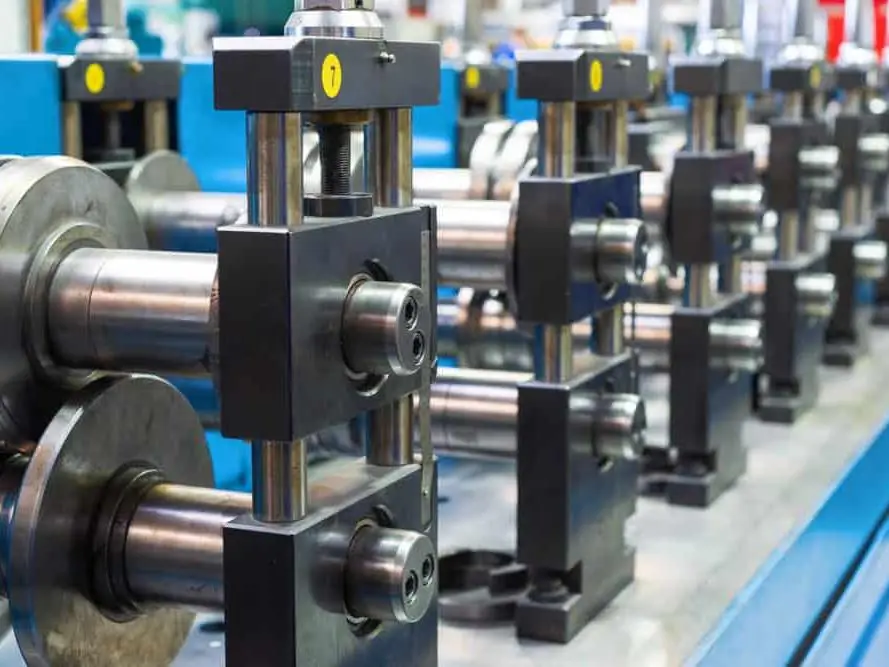
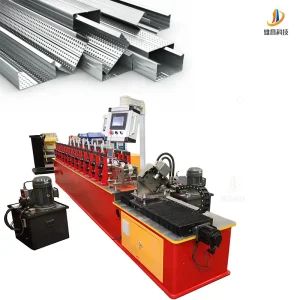
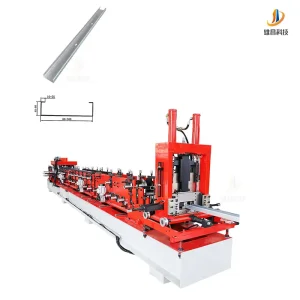
C/Z Purlin Roll Forming Machines, and Stud & Track Roll Forming Machines.
Gutter Roll Forming Machines and Door Frame Roll Forming Machines.
Technical answers to common questions about purchasing, customizing, and operating ridge roll forming lines.
Standard machines are designed for a single profile shape. To produce multiple profiles, we can design the line with dual-level forming decks, or build a cassette system where different roller groups share the same base frame and motor drive. This approach saves floor space and lowers equipment costs.
We mirror-polish our rollers and coat them with a layer of hard chrome. For highly sensitive pre-painted sheets, we can install a protective film applicator at the entry guide, and add polyurethane rollers in transition zones to prevent direct metal-on-metal friction.
Yes. We customize the motor systems and PLC units to match local grid parameters (e.g., 380V/50Hz/3P, 415V/50Hz/3P, or 480V/60Hz/3P). We configure all electrical systems with components from brands like Schneider or ABB to match regional wiring and isolation standards.
Standard design profiles require 45 to 60 days to manufacture and test. Complex profiles, dual-deck machines, or lines featuring high-speed flying-shear systems typically require 75 to 90 days. We use this time to conduct rigorous factory testing and verify profile accuracy before packing the machinery for transit.
We clean all unpainted steel parts and coat them with rust-preventative oil. The machine frames are secured to the container floor using heavy-duty steel wire ropes, while the PLC and motor cabinets are wrapped in waterproof vacuum film to protect them from humidity and saltwater exposure during ocean transit.
Submit your profile drawings, material thickness requirements, and desired production volumes. Our engineering department will analyze your design and provide a detailed equipment proposal within 48 hours.
Request Engineering ProposalExplore our structural roll forming machinery, purlin manufacturing stations, and floor deck forming platforms.
 Xiongchang