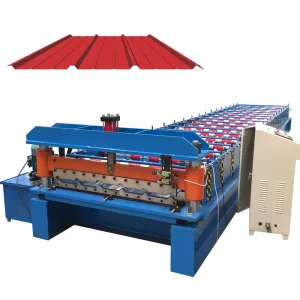
Explore our industrial grade equipment portfolio engineered for maximum durability, precision engineering, and long term operational capability.
Understanding the technical paradigms, materials engineering, and structural configuration of roll forming machinery.
In modern structural design and industrial architecture, rolling shutter doors play a vital role. From security grilles and fire-rated doors to thermal insulated windproof industrial doors, the structural integrity of rolling shutters depends on the precision and technical layout of the roll forming equipment. As a leading ODM rolling shutter making machine manufacturer, XC (XiongChang) is dedicated to manufacturing machinery that meets exact tolerances, uses advanced alloys, and delivers high speed, reliable production.
Cold roll forming is a continuous high-volume manufacturing method that shapes flat sheet metal into specific profiles. Designing a high-performance rolling shutter forming line requires a complete understanding of materials science, mechanical geometry, and automatic control system integration. To maintain stability at high production speeds, factors such as springback variations in high-strength steels, roller tooling wear, and dynamic hydraulic cutting must be accounted for.
Rolling shutters are commonly manufactured from hot-dip galvanized steel, pre-painted steel, aluminum alloy, or stainless steel. When selecting materials, yield strength and tensile strength determine the geometry of the profile. Standard structural designs include:
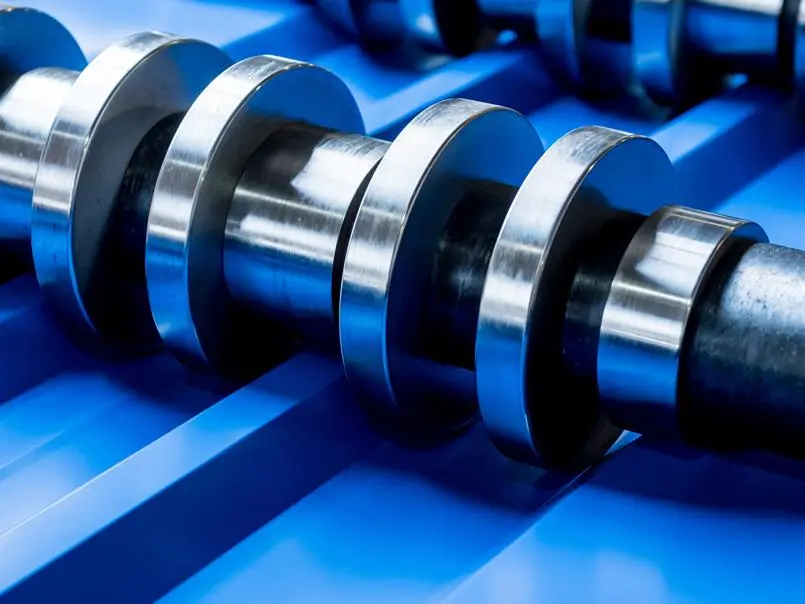
As an established expert in the cold roll forming field, XC provides integrated roll forming solutions worldwide. Our portfolio encompasses core production machines for roofing, flooring, doors, structural components, and full auxiliary line equipment essential for efficient manufacturing.
With a 50,000 m² modern fabrication yard, a staff of experienced metallurgical engineers, and active installations in over 80 countries, XC combines deep industry expertise with a client-focused commitment. We design and build machines to deliver long-term reliability and precise material processing.
View Product CatalogWhy industrial buyers choose Chinese OEM/ODM roll forming machinery for critical operations.
China's manufacturing sector has evolved from low-cost production to advanced precision engineering. XC's state-of-the-art facilities leverage China's industrial infrastructure to provide high-quality machinery at competitive price points.
Our facility in China benefits from a complete raw material and component supply chain. High-grade structural steel, precision-engineered bearings, hydraulic control valves, and advanced CNC machining centers are sourced locally, reducing lead times and production costs.
Our dedicated team of R&D engineers utilizes CAD, SolidWorks, and COPRA roll design software. We customize our machines to meet specific profile requirements, regional power standards, and factory floor layouts.
Our lean manufacturing processes lower production costs without compromising structural reliability. We use high-grade materials, such as Cr12MoV tool steel for rollers and solid steel plates for machine frames, ensuring long-term performance.
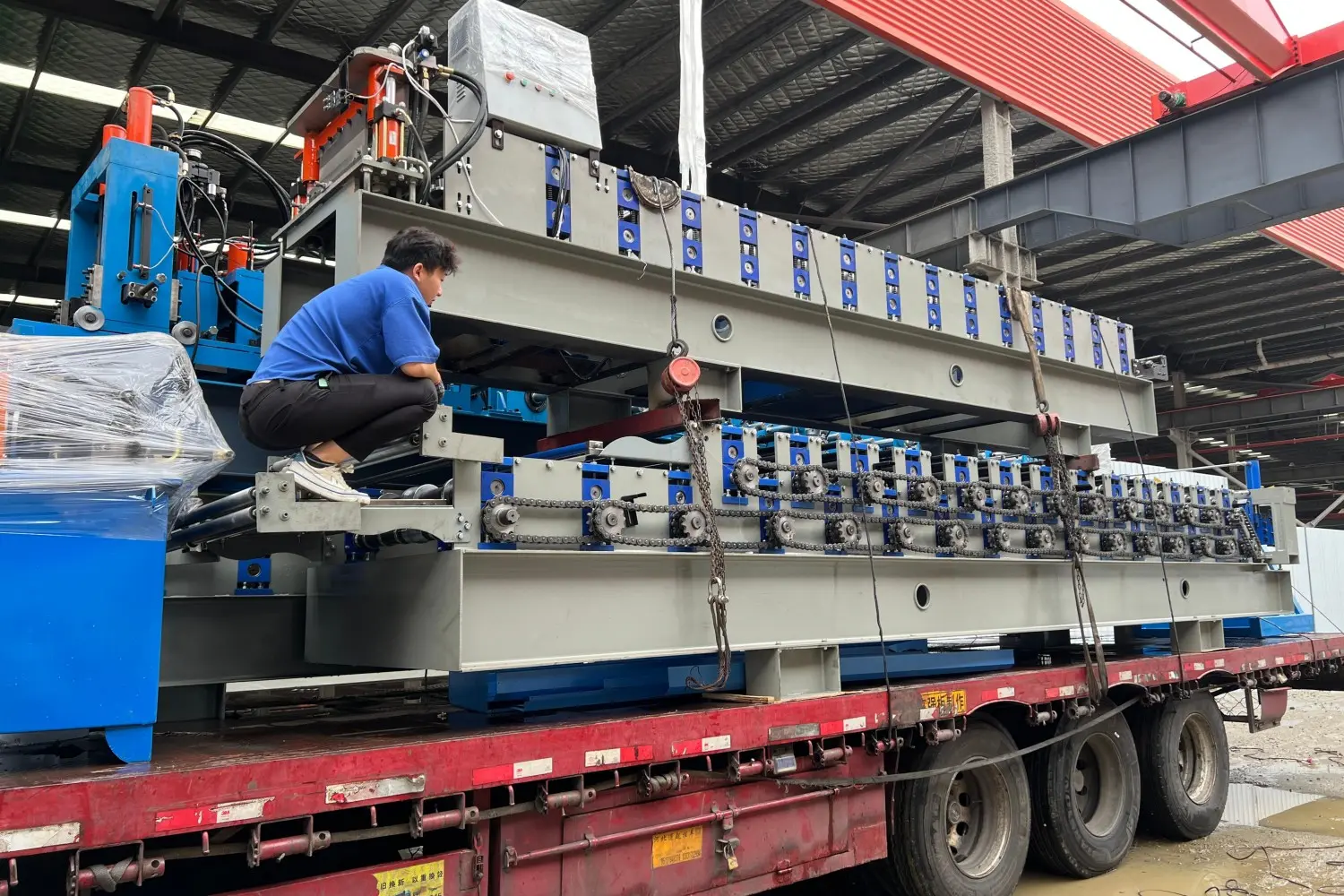
At XC, we support our equipment with a strong technical force and advanced manufacturing facilities. We design and build integrated, automated systems to meet diverse industrial requirements and maintain quality standards across our production line.
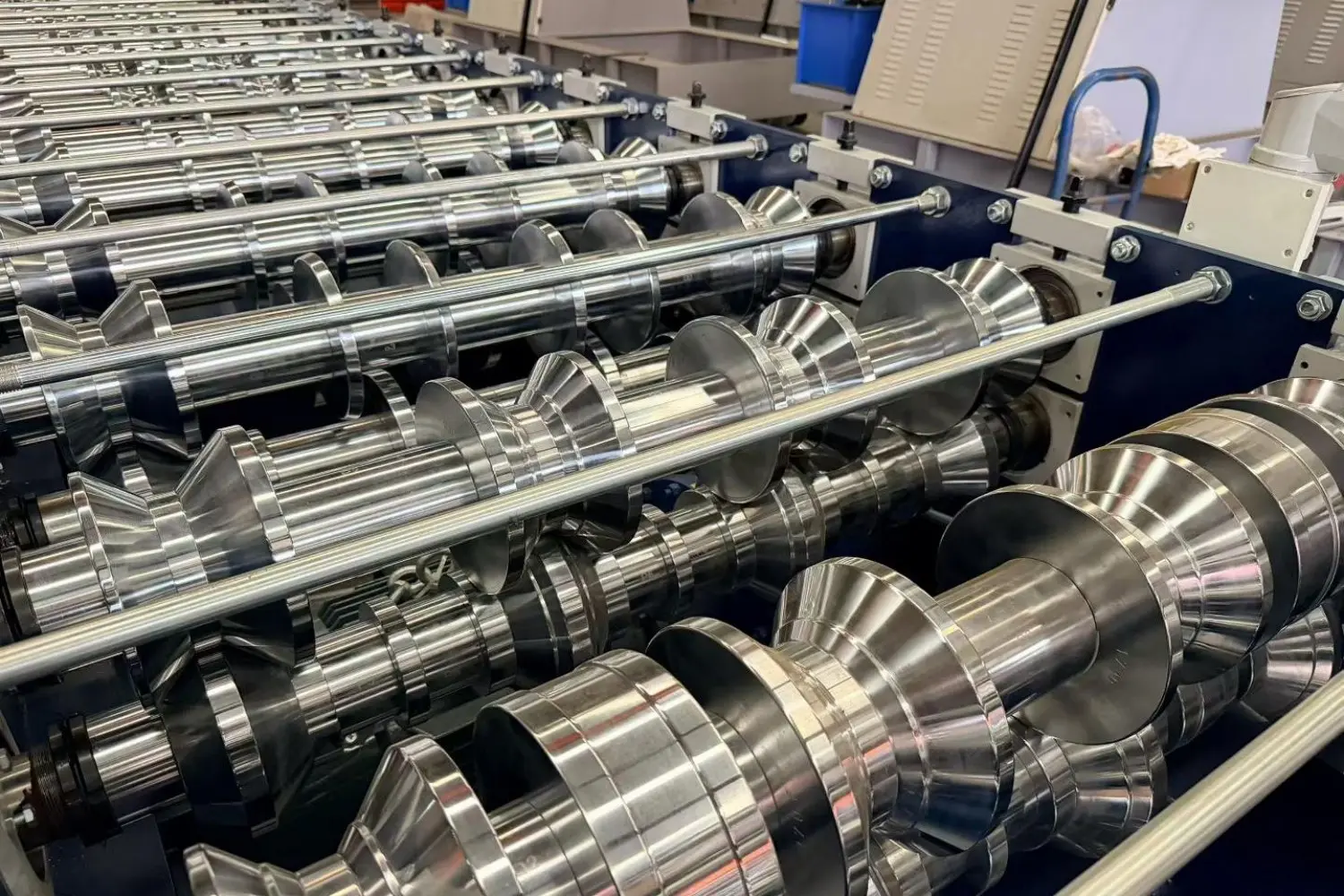
Our rolling shutter making machines are engineered with precision component structures to ensure reliable performance:
Providing precision metal forming systems for diverse industrial and structural applications.
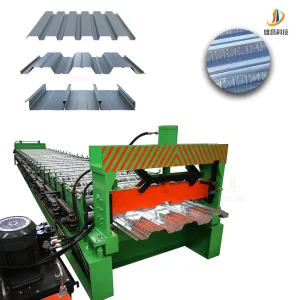
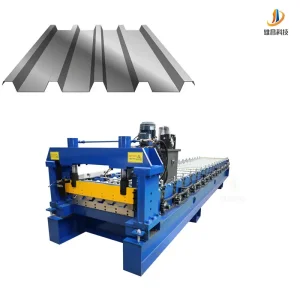
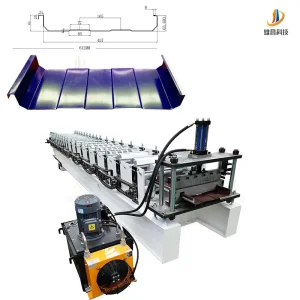
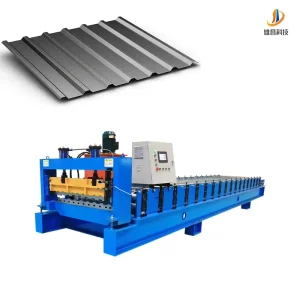
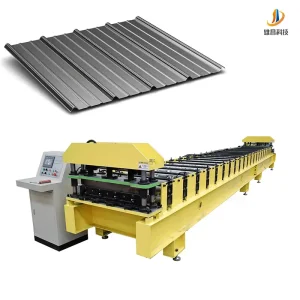
High-speed lines for Roof Panels, Wall Cladding, and Floor Decks designed to process heavy-gauge galvanized materials.
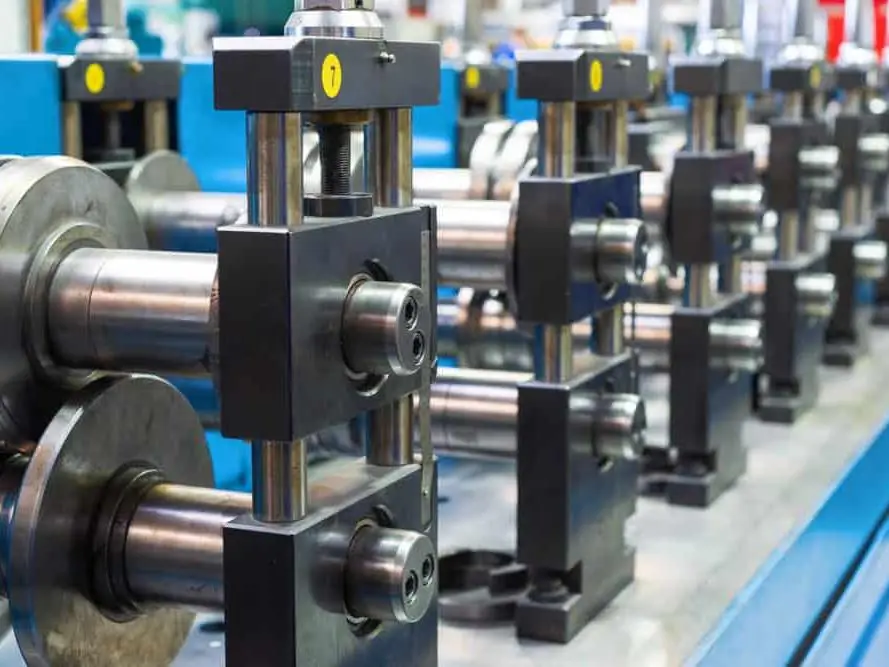
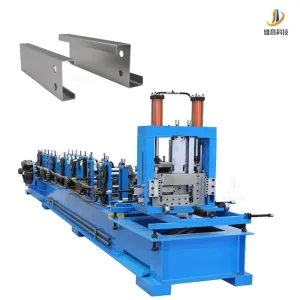
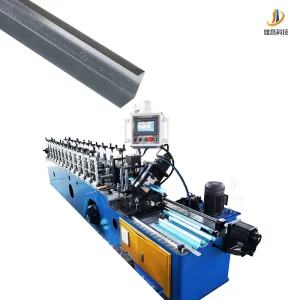
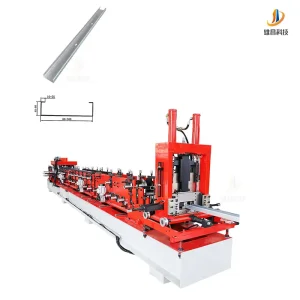
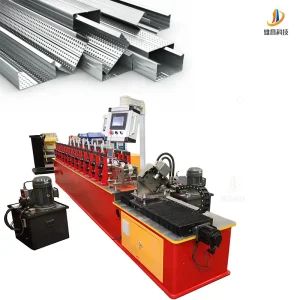
Fully automatic C/Z Purlin machines with size-switching capability, and high-precision Stud & Track forming machinery.
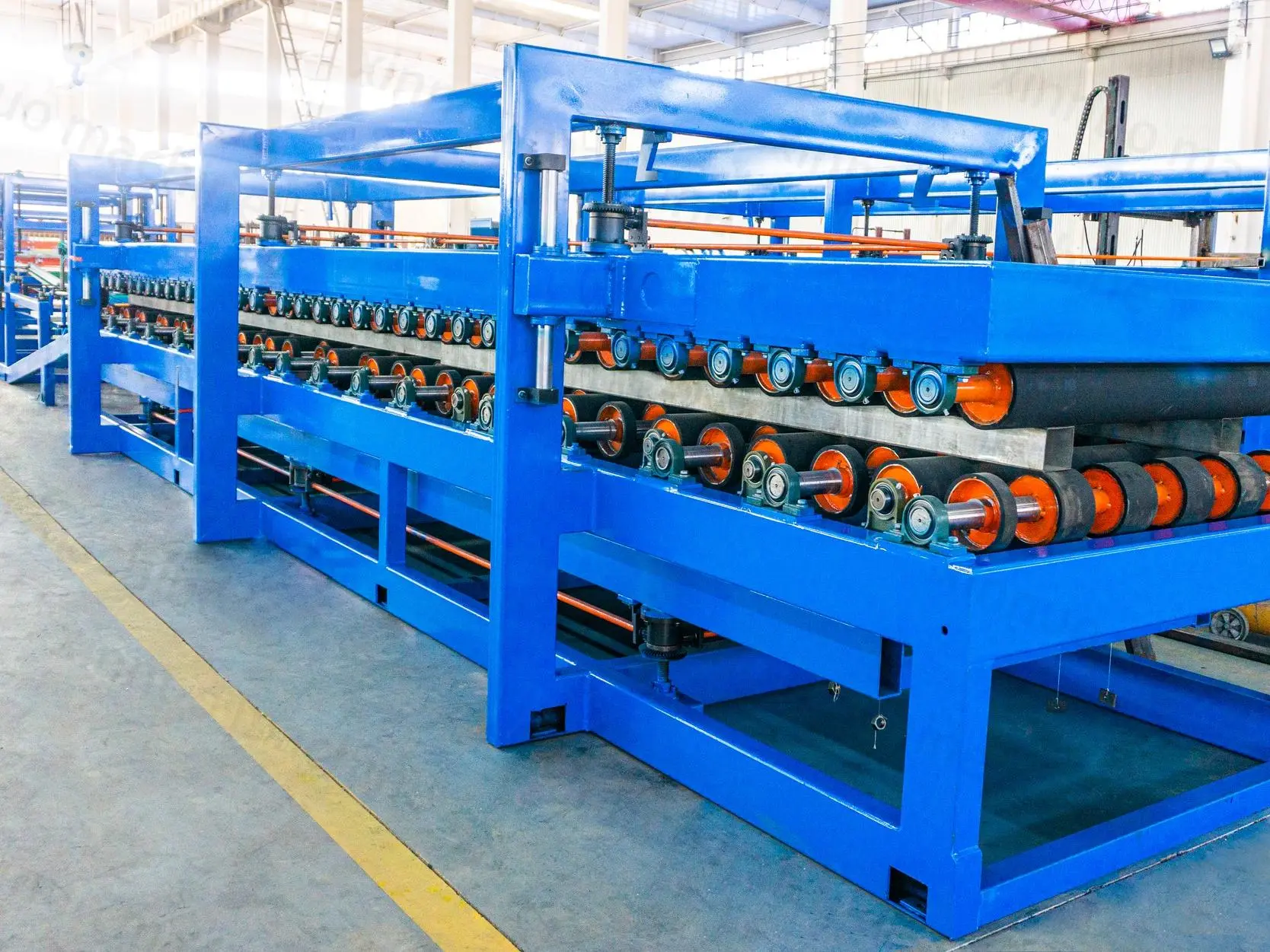
Custom roll forming equipment for rainwater gutters, metal door frames, and rolling shutter profiles.
The transition toward high-speed, automated, and energy-efficient metal forming lines.
The global market for rolling shutter machinery is moving toward automation, energy efficiency, and high precision. Factories require faster production speeds, lower material waste, and rapid tooling changeovers.
Our design processes incorporate these industry developments. We offer energy-saving hydraulic variable-displacement pump systems, quick-change cassette assemblies that allow product profile changeovers in under 30 minutes, and IoT-enabled remote diagnostics modules.
| Feature / Parameter | Standard Rolling Shutter Line | High-Speed Industrial Shutter Line | PU Foam Insulated Shutter Line |
|---|---|---|---|
| Profile Material | Pre-painted Steel / GI (0.5 - 1.0 mm) | High-Strength Steel (0.8 - 1.5 mm) | Aluminum / Steel (0.3 - 0.6 mm) |
| Forming Speed | 10 - 15 m/min | 20 - 25 m/min | 8 - 12 m/min (limited by PU foaming) |
| Roller Stations | 14 - 18 Stations | 20 - 24 Stations | 26 - 32 Stations |
| Control Systems | PLC with Button Panel | Siemens PLC with HMI Touchscreen | Siemens PLC Integrated with Foaming Unit |
| Cutting Mechanism | Hydraulic Post-Cut | Non-Stop Flying Shear | Pneumatic/Hydraulic Flying Saw |
XC utilizes testing and inspection instruments to verify structural strength, dimensional accuracy, and runout tolerances. Our manufacturing process follows defined quality control protocols to ensure all machinery meets customer specifications.
From initial design validation to final on-site installation, XC provides lifecycle support. We provide installation, commissioning guidance, and operator training to help verify setup and productivity.
Our dedicated after-sales support team delivers ongoing technical assistance, troubleshooting, and replacement parts service to assist in maintaining operational uptime.
How rolling shutter systems are integrated into infrastructure and commercial designs.
The performance requirements for rolling shutters depend on the regional installation environment:
Commercial shops and retail centers require compact, low-noise rolling grilles and shutters. Aluminum profiles with micro-perforations balance security with visibility and ventilation.
Logistics terminals require wind-resistant rolling shutters. Double-skin insulated slats with wind-locks prevent displacement from wind pressure, protecting stored cargo.
Manufacturing plants require specialized fire-rated rolling shutters. Our machinery is designed to roll form specialized fire-retardant slats, providing critical zoning during thermal events.
Key technical criteria to evaluate when importing roll forming machinery.
Procuring heavy machinery internationally requires evaluation of design specifications and certification compliance. When importing an ODM rolling shutter making machine, key factors to consider include:
Expert technical answers regarding design, manufacturing, and operational maintenance.
View our other cold roll forming solutions manufactured to international standards.
 Xiongchang