Explore our engineering capabilities across critical architectural and structural roll forming machinery segments.
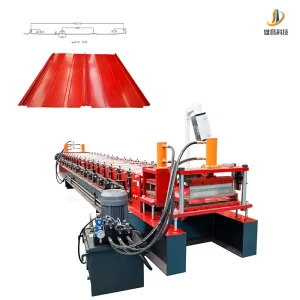
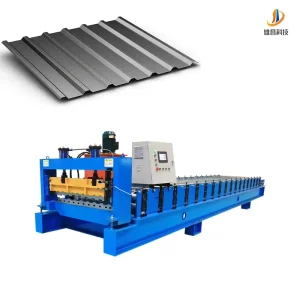
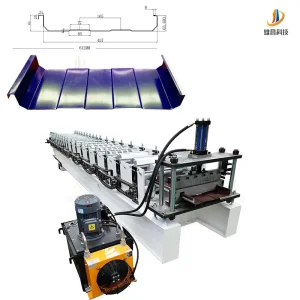
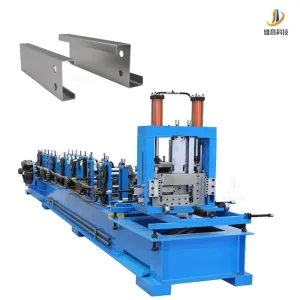
How Modern Smart Factories Optimize Roller Shutter Slat Geometries for Maximum Structural Integrity and Acoustic Mitigation.
In modern commercial architecture and high-security storage facilities, rolling shutter systems have evolved far beyond basic barrier functions. Today's building envelopes require rolling shutters that provide exceptional structural wind load resistance, advanced thermal insulation (thermal break configurations), high-speed operational durability, and certified burglar resistance class (RC) ratings. To satisfy these complex requirements, rolling shutter slat manufacturing relies heavily on state-of-the-art cold roll forming lines. Finding a top-tier ODM rolling shutter forming machine company is crucial for manufacturers targeting high-precision outputs and cost-effective operations.
A professional cold roll forming line for rolling shutters performs continuous bending of thin-gauge sheet metal (typically galvanized steel, prepainted steel, or aluminum coils) through a progressive series of forming rollers. Precision engineering is required to form complex double-walled interlocking slats, which are often simultaneously filled with high-density polyurethane (PU) foam. This process requires exact tool configuration, synchronized motor control, and in-line foaming management to prevent surface deformation.
As a global leader in sheet metal processing equipment, XC (Xiongchang) delivers fully integrated roll forming systems. Our solutions cover core production lines for roofing panels, structural framing, floor deckings, fireproof doors, and heavy-duty rolling shutters. Additionally, we provide custom auxiliary line components, including hydraulic decoilers, straighteners, servo-driven fly-punching presses, in-line PU foam injection units, and intelligent stackers.
By designing and manufacturing all mechanical components and automation systems in-house, XC ensures every line works seamlessly. This eliminates integration issues often experienced when sourcing from multiple vendors.
VIEW MORE SOLUTIONS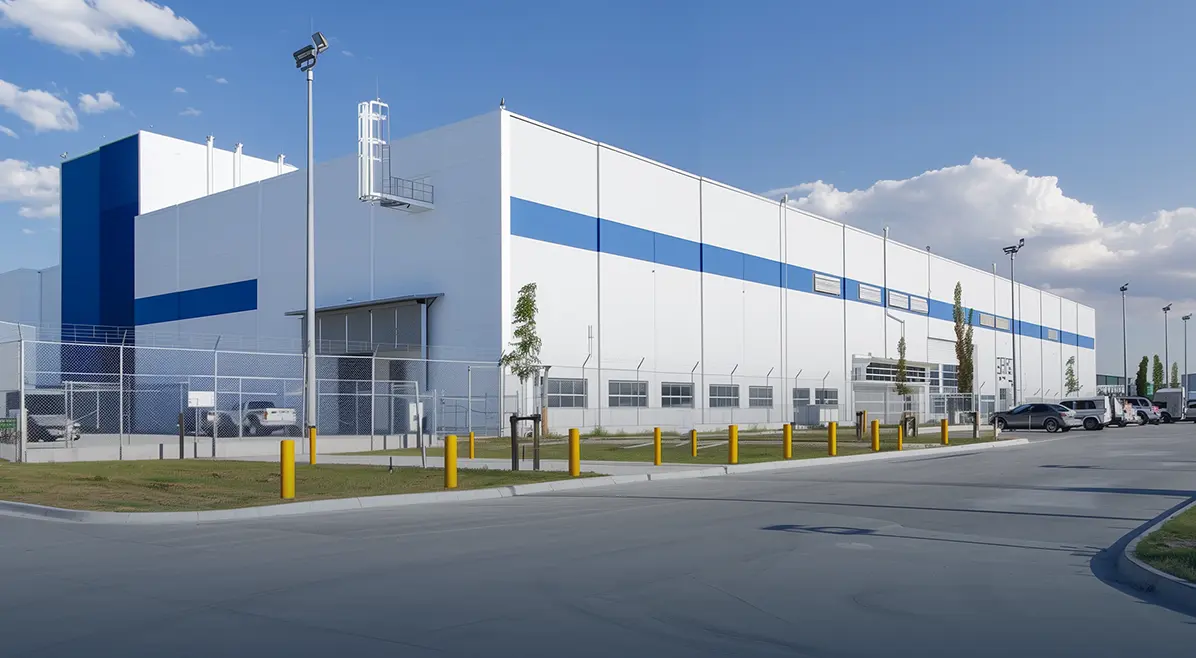
How XC Xiongchang engineers precision into every roller, shaft, and control panel.
We machine our roll tooling in-house using multi-axis CNC lathes and grinders, maintaining dimensional tolerances within ±0.02mm to prevent oil-canning and profile twisting.
Rollers are constructed from high-quality Cr12 / Cr12MoV / D2 tool steel and undergo vacuum quenching and hard chrome plating, achieving surface hardness ratings above HRC 60 for prolonged operation.
Every shaft is ultrasonically tested for micro-fractures, and completed roll forming stations are dynamic-load tested for 48 hours to ensure long-term mechanical reliability.
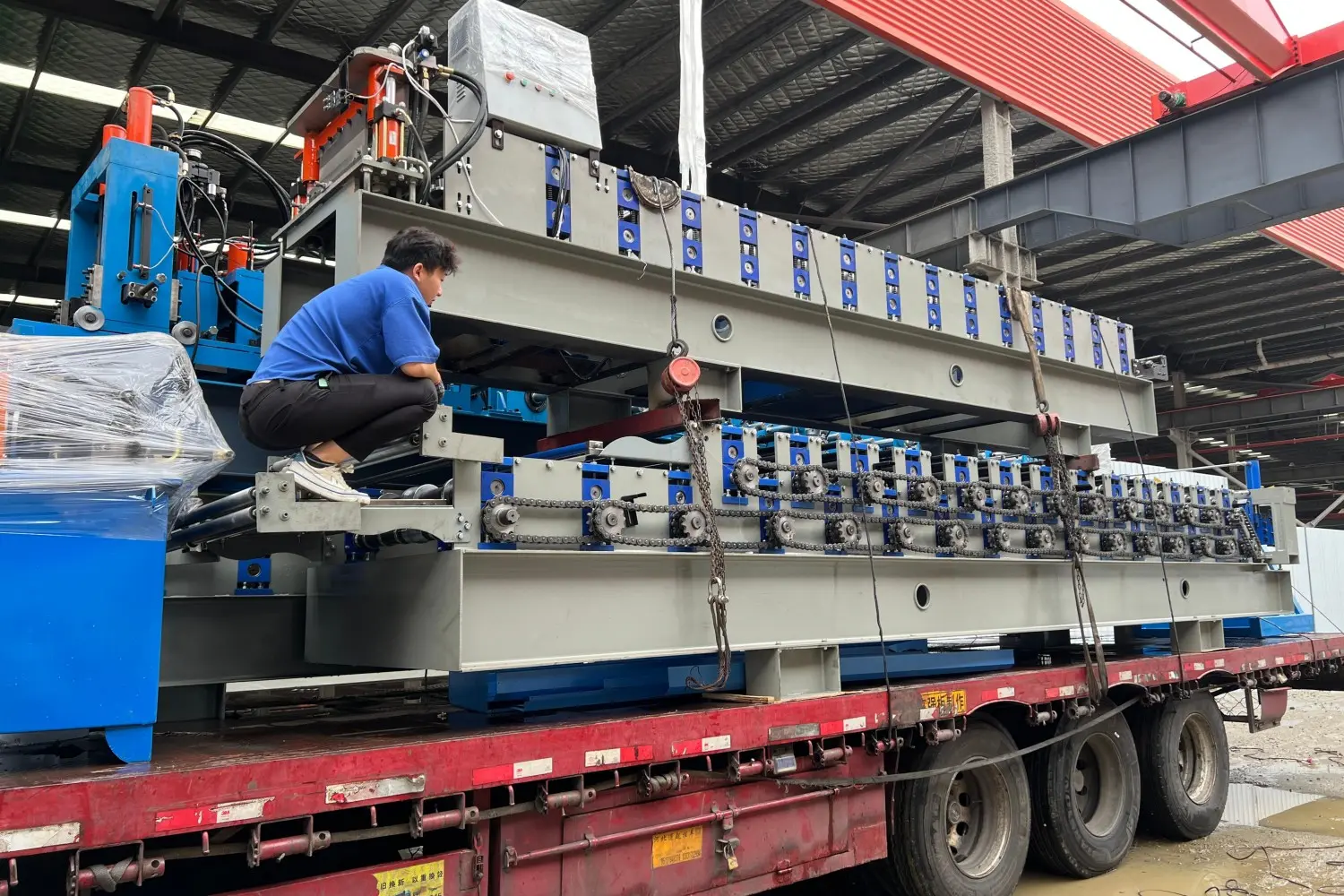
XC's rolling shutter forming lines feature advanced automation systems, using PLC controllers (such as Siemens, Mitsubishi, or Delta) synchronized with high-precision servo drive systems. This integration ensures highly accurate profiling, cutting, and stacking, allowing for continuous, high-speed output (up to 20-30 meters per minute depending on thickness and foam specifications).
For insulated shutter slats, our synchronous PU foaming injection systems operate in tandem with the forming speed. The double-belt conveyor heating system ensures optimal curing of the polyurethane foam, producing lightweight, structural slats with excellent thermal insulation and structural stability.
Combining complete supply chain integration with advanced, cost-effective engineering talent.
For international industrial buyers, buying a rolling shutter forming machine from a Chinese factory like XC provides significant strategic advantages. These advantages go beyond lower initial equipment costs, spanning across the entire engineering lifecycle:
Our facility is situated in a leading industrial machinery cluster, giving us direct access to high-quality steel raw materials, reliable heat treatment providers, and premium electronic components, which reduces lead times.
With a large team of CAD designers and electrical technicians, we can customize roller designs to match local wind load regulations and specific thickness requirements without extending delivery schedules.
We perform full Factory Acceptance Testing (FAT) with the buyer's specified coil materials. This process ensures the machine is ready for immediate deployment and operation upon arrival at your facility.
Customizing sheet metal profiles for residential, commercial, logistical, and structural infrastructure projects.
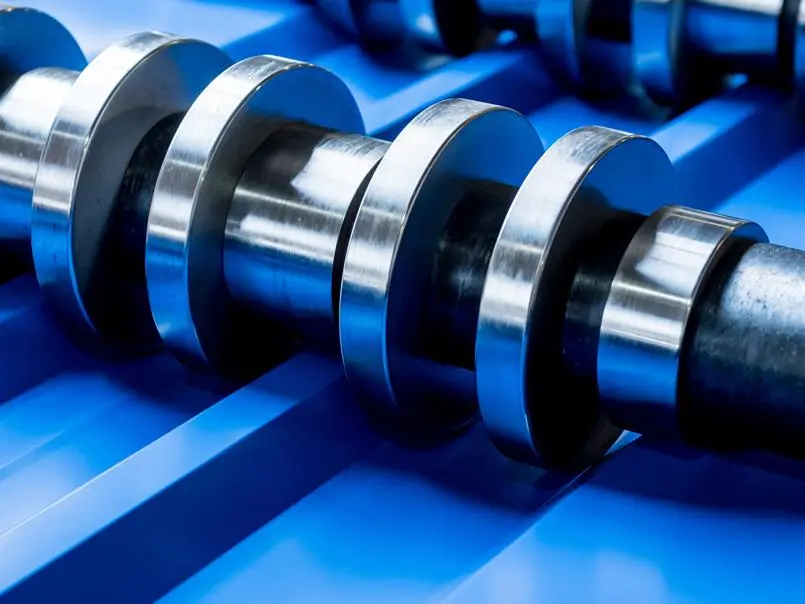
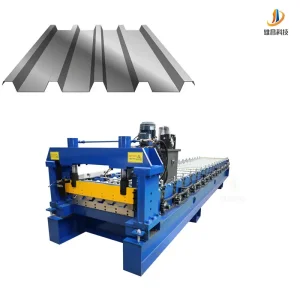
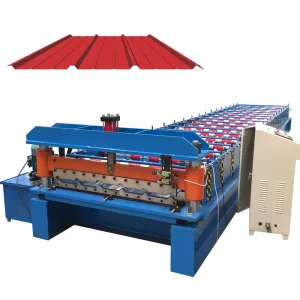
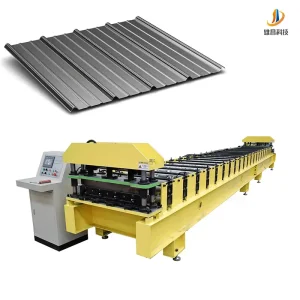
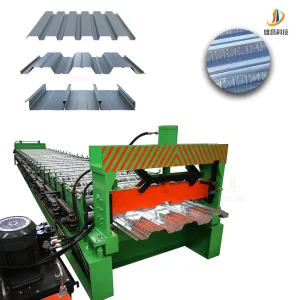
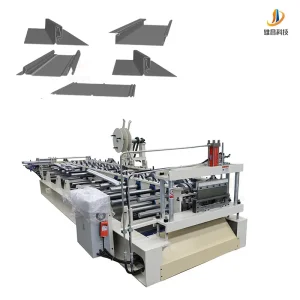
Highly automated roll forming lines for standing seam roofs, insulated wall cladding, and high-load structural floor decks, designed for rapid construction of energy-efficient buildings.
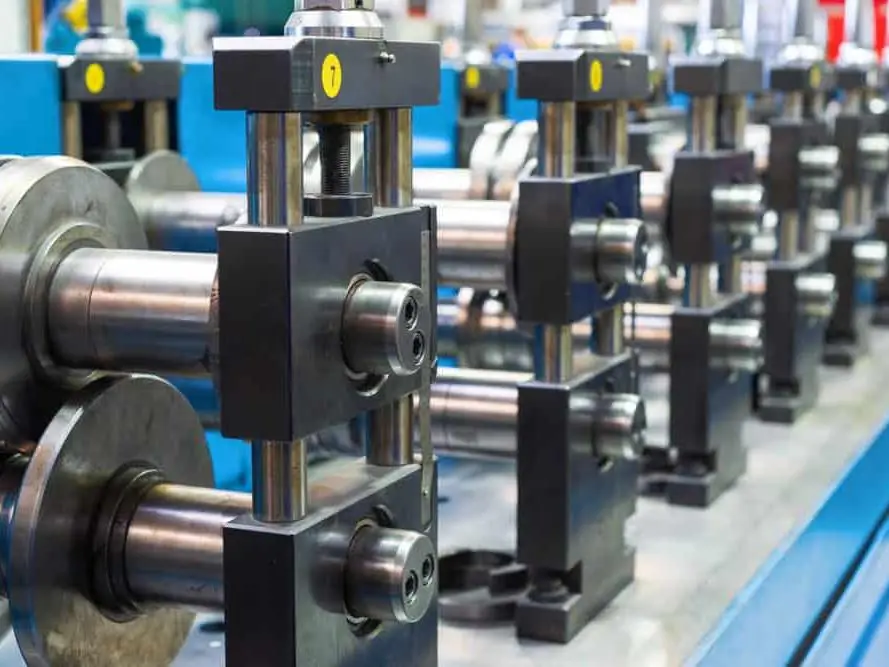
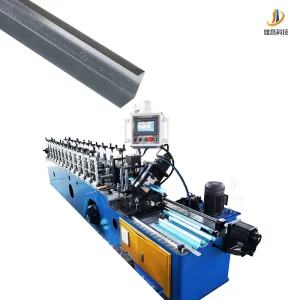
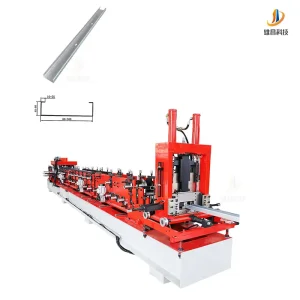
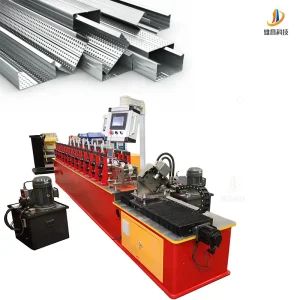
Automated, adjustable C/Z purlin forming lines and light gauge steel framing systems (Stud and Track) that allow for fast changes to profile widths to support modern prefabrication.
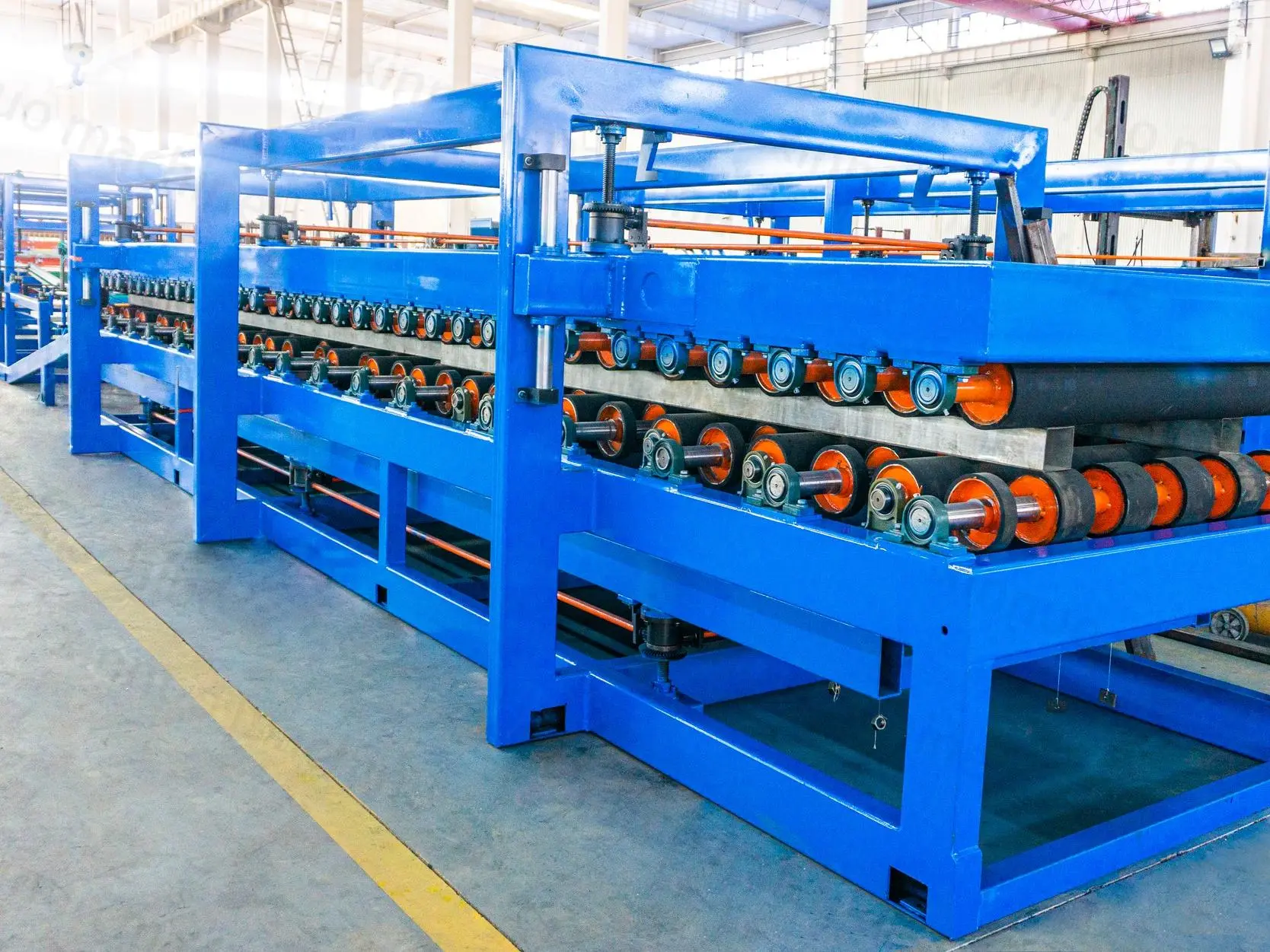
Custom lines engineered for producing high-accuracy rainwater gutters, commercial downspouts, agricultural paneling, and architectural door frame assemblies.
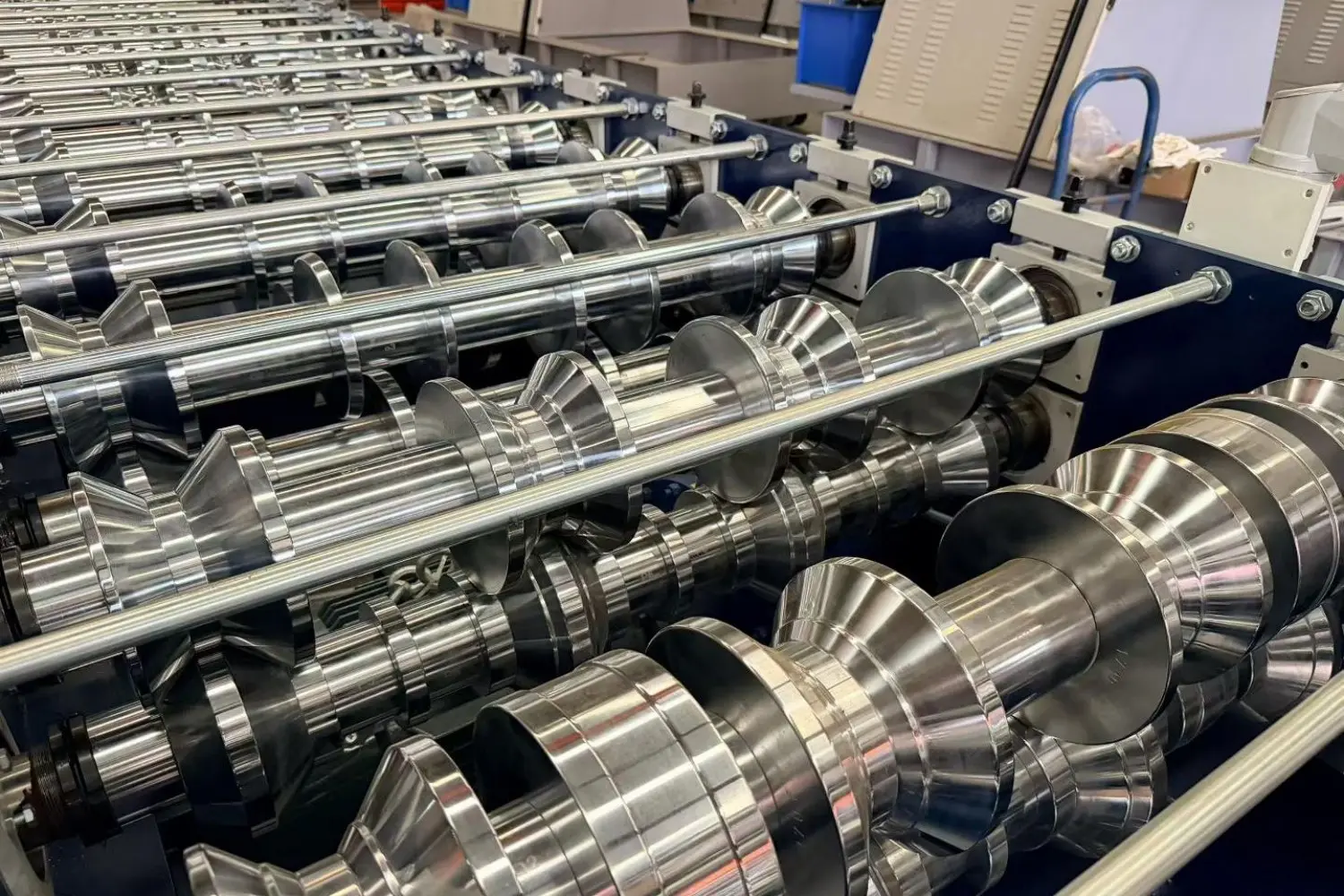
At XC, quality control is integrated into every step of production. Our QA protocols span from initial raw material selection to dynamic testing. We use laser-tracker alignment systems to verify that all station housings are straight within ±0.05mm.
Completed roll forming lines undergo rigorous continuous running tests using high-strength steel coils. This process confirms hydraulic cutting tolerances, verifies automated length measurements, and tests the electrical thermal protection circuits under simulated production loads.
Investing in a custom roll forming line requires reliable, long-term technical support. XC provides comprehensive after-sales services, including factory layout planning, remote PLC diagnostics, and on-site engineering support for installation and operator training.
Additionally, we supply clear documentation and electrical schematics, along with a comprehensive package of critical wear parts (such as cutting blades, limit switches, and heaters). This ensures your production runs smoothly with minimal downtime.
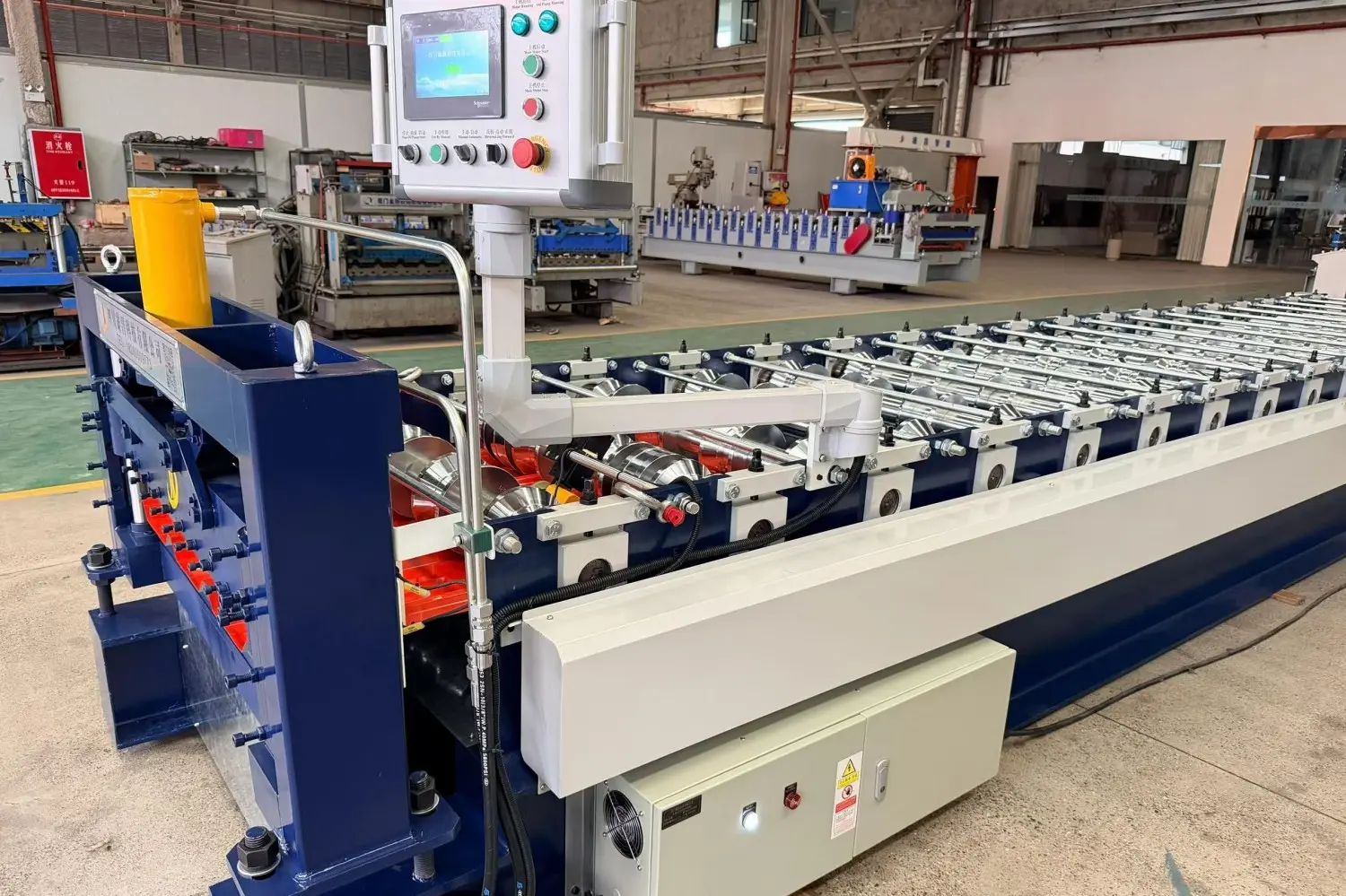
A detailed comparison of our standard and high-speed automated production lines.
| Performance Metrics | Standard Duty Shutter Slat Line | High-Speed Automated PU Foam Line | Industrial Heavy-Duty Line (Steel) |
|---|---|---|---|
| Compatible Materials | Prepainted Steel, Al, 0.4 - 0.8 mm | Al, Prepainted Galvanized, 0.3 - 0.6 mm | Galvanized Carbon Steel, 1.0 - 2.0 mm |
| Profiling Speed | 10 - 15 m / min | 20 - 30 m / min | 8 - 12 m / min |
| Tooling Material | GCr15 Steel (HRC 58-62) | Cr12MoV / D2 Tool Steel | Cr12MoV, Vacuum Quenched |
| Shear Mechanism | Hydraulic stop-to-cut | Servo-driven high-speed fly shear | Hydraulic post-profile cut |
| Control Systems | PLC with Touchscreen interface | Siemens / Mitsubishi High-Speed Control | Industrial PLC, fully integrated |
| Optional Modules | Basic manual Decoiler | Auto PU injection, Embossing station | In-line Punching unit, Auto-stacker |
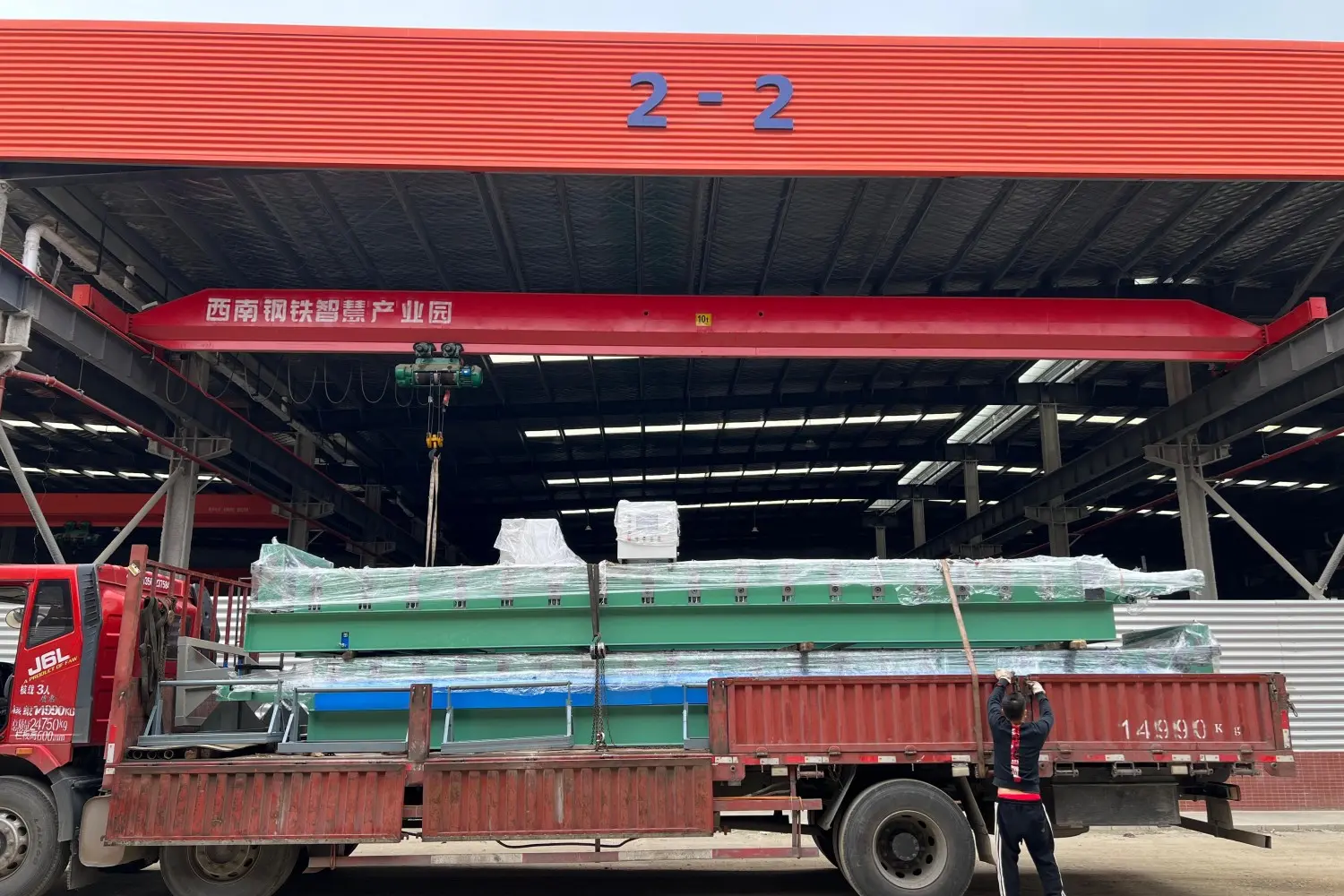
1. Quick-Change Cassette Systems: Modern factories require high flexibility. Cassette systems allow operators to swap out the entire roll forming toolset in under 30 minutes, enabling rapid transitions between different shutter slat sizes and profiles.
2. Smart Control and IoT Integration: Modern roll forming lines are increasingly equipped with IoT modules that monitor motor currents, temperatures, and running speeds in real-time, enabling predictive maintenance and reducing unexpected downtime.
3. Advanced Eco-Friendly Foaming: The industry is shifting toward water-blown polyurethane systems that do not use ozone-depleting gases, meeting strict environmental regulations in North America and Western Europe.
Expert answers to critical technical and logistical questions on rolling shutter forming systems.
Explore our structural cladding, decking, and architectural panel forming systems.
 Xiongchang