Explore our comprehensive portfolio of advanced cold roll forming machines, engineered for durability, speed, and exact profiles.
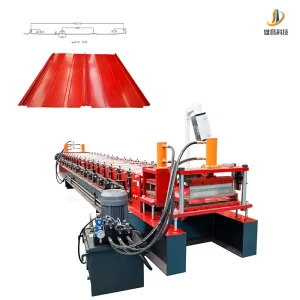
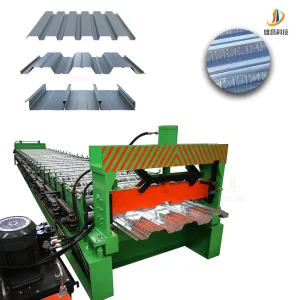
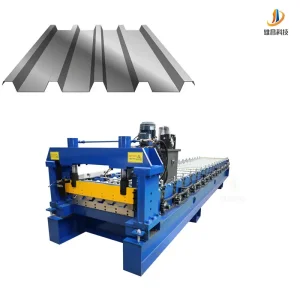
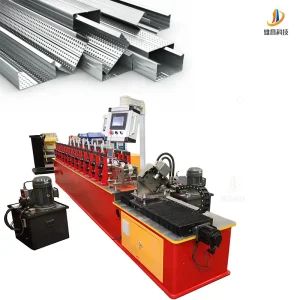
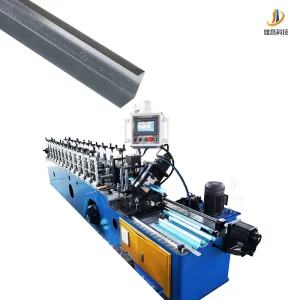
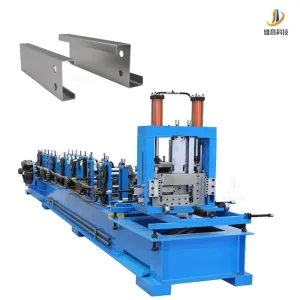
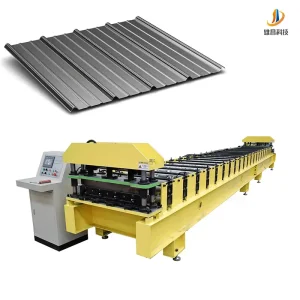
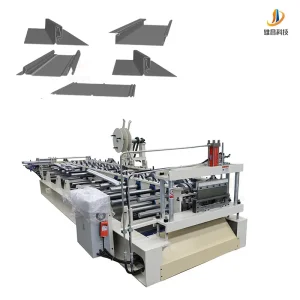
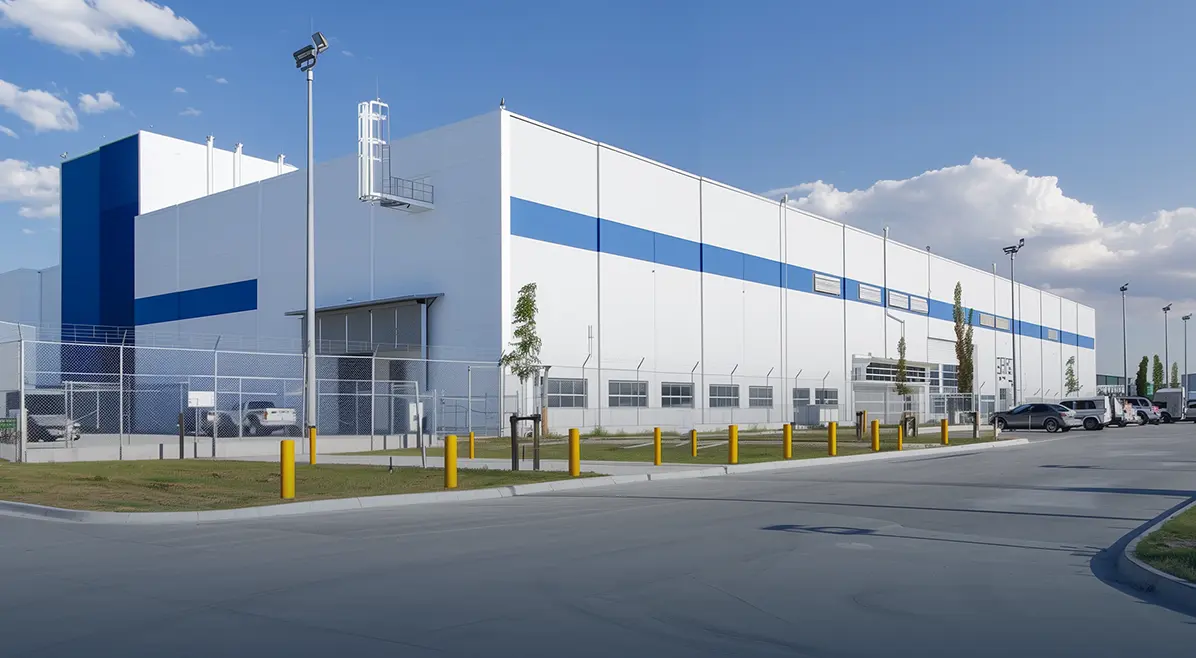
Engineered for high-volume manufacturers where reliability, precise sizing, and surface integrity are paramount.
We utilize advanced design software (such as German COPRA) and finite element analysis (FEA) to simulate metal deformation phases. This eliminates internal stresses, prevents sheet scratching, and avoids edge-waving before physical machining begins.
Our structural parts and roller stations are shaped by precision CNC lathes and grinding machinery. Rollers undergo heat treatment, quenching, tempering, and hard chrome plating to maintain dimensional stability over decades of operation.
Equipped with Siemens or Mitsubishi PLC systems, Yaskawa servo motors, and touch-screen HMIs. Program parameter adjustments, speed monitoring, error diagnosis, and piece-count targets are managed from a central interface.
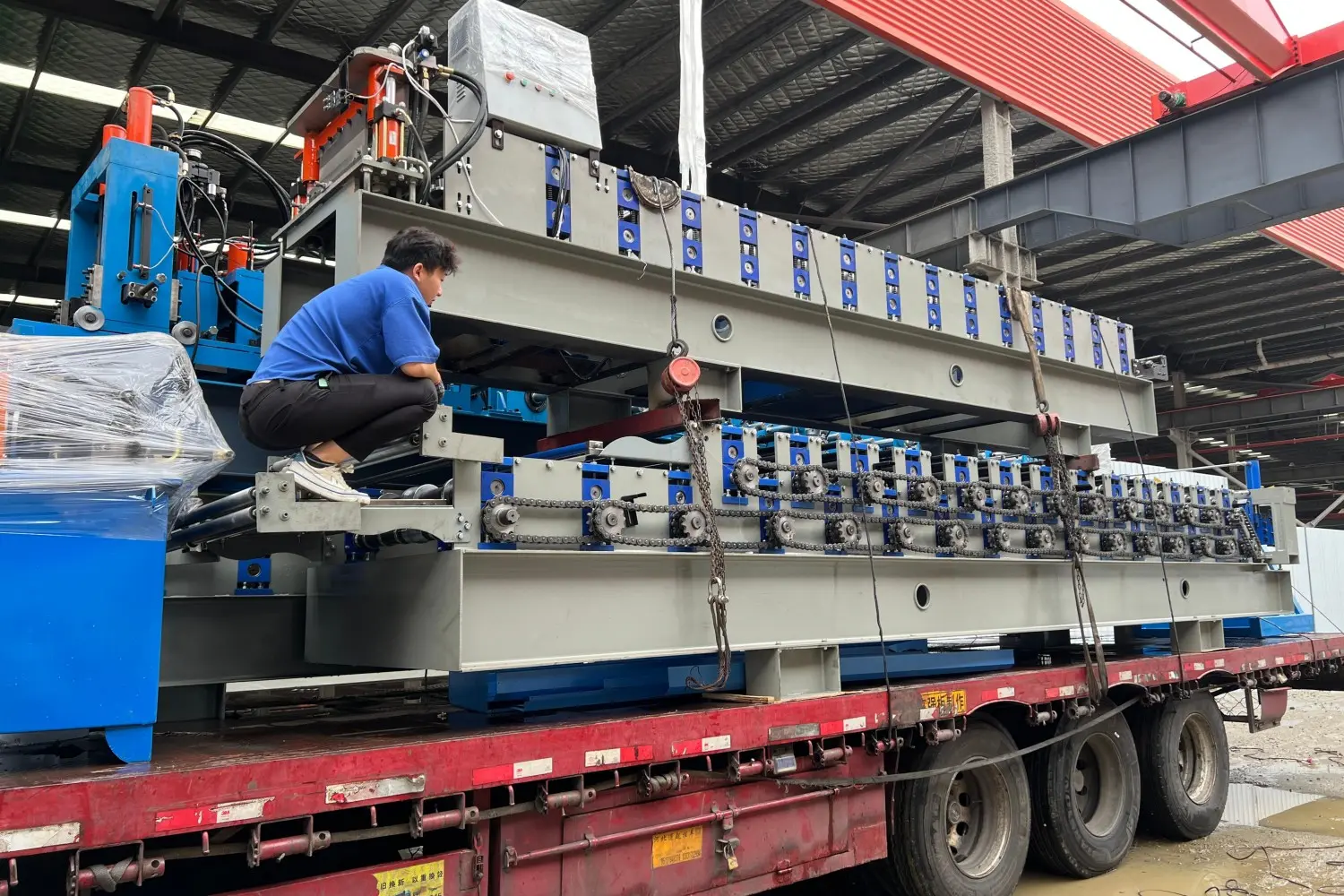
Providing custom roll forming equipment for residential metal roofing, agricultural structural framing, and industrial complexes.
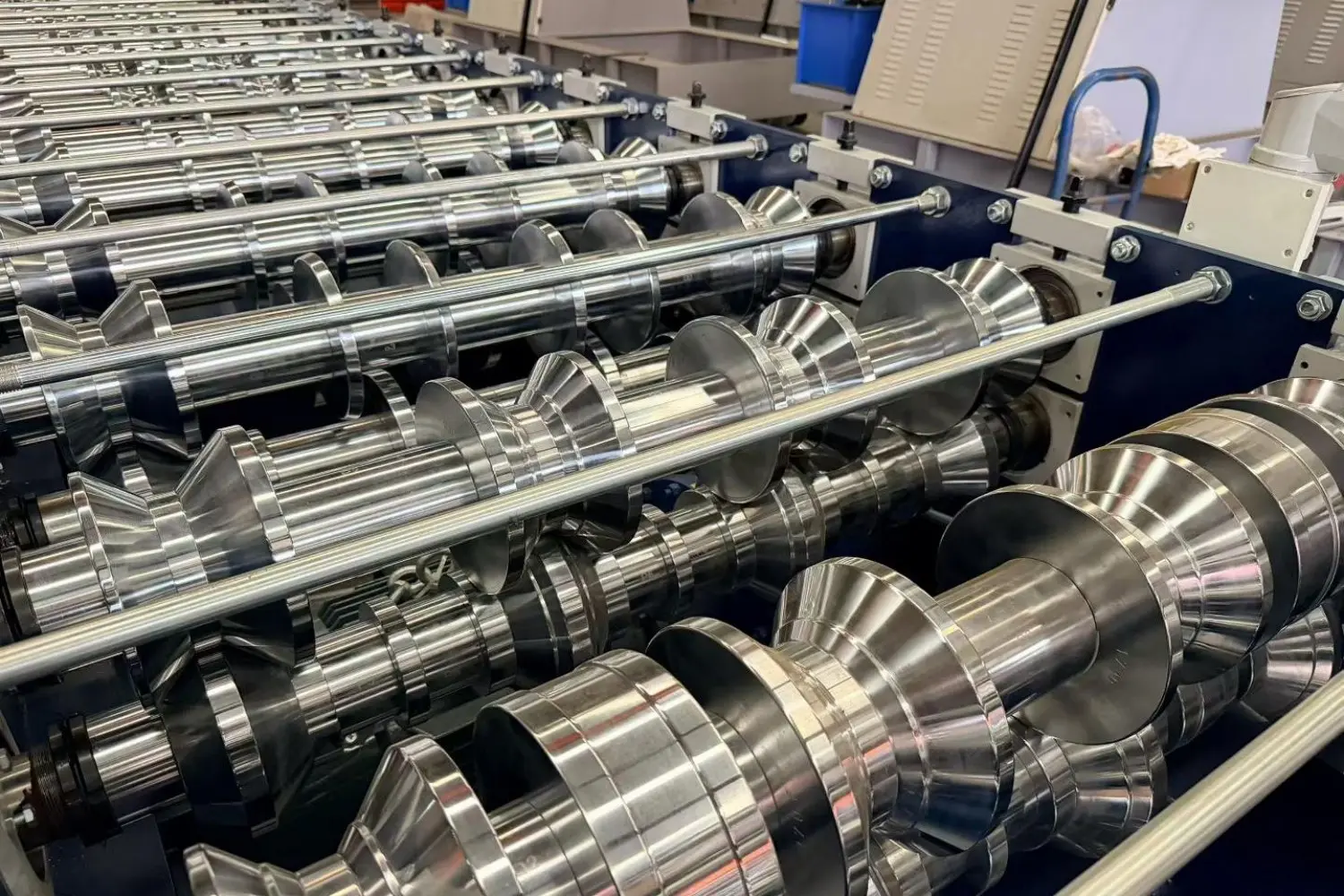
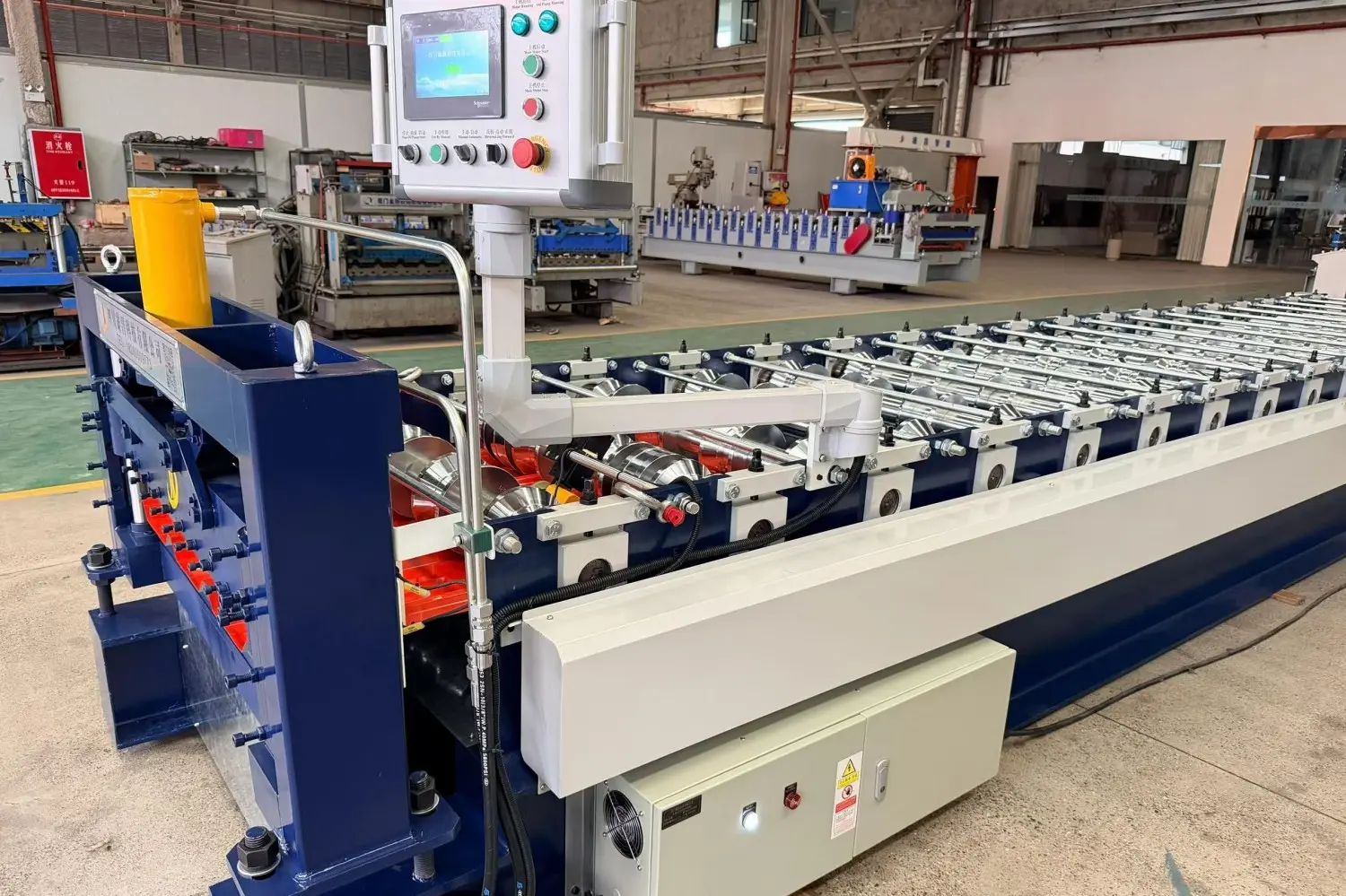
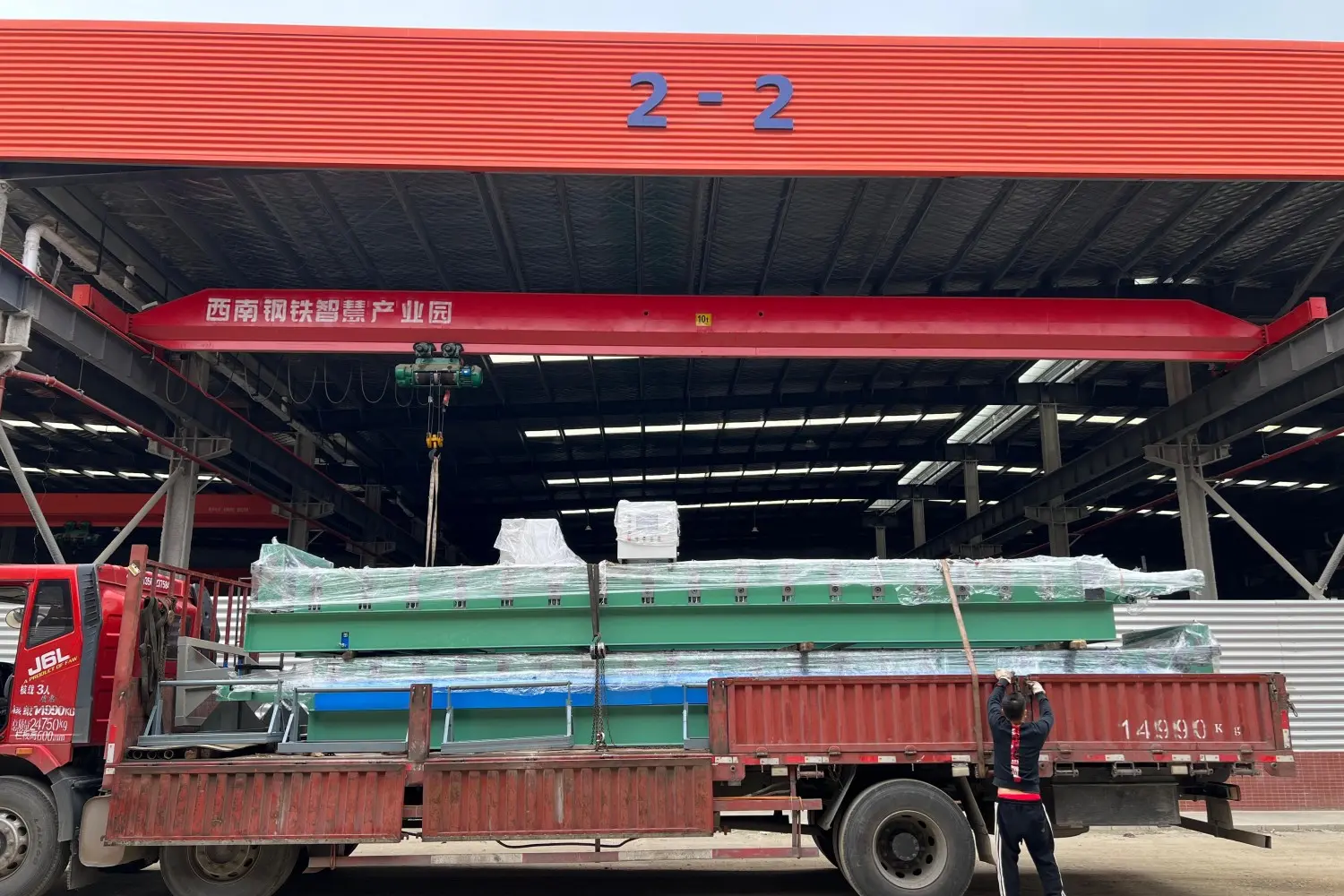
Driving processing efficiency and structural reliability for infrastructure, steel plants, and component manufacturers.
Consult with our technical engineers to design your custom ODM rib or structural profile from scratch using advanced simulation software.
Request Technical CallbackCombining heavy-duty engineering with long-term cost benefits for corporate sourcing divisions worldwide.
Over 20 years of research and development ensures that every profile layout, roll pass, and deformation angle is calculated to minimize wear on components and maximize material yields.
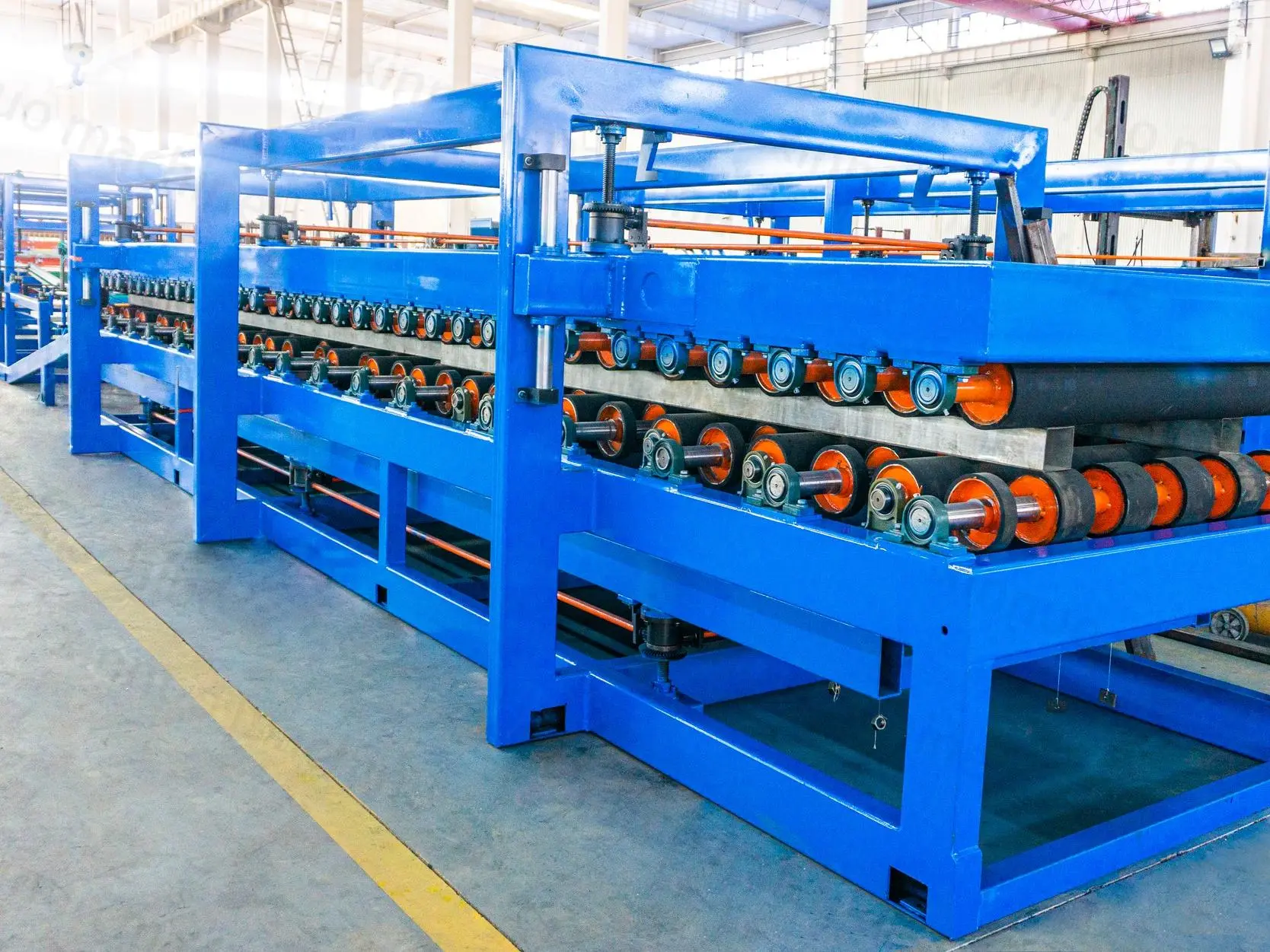
Featuring thick solid steel side plates, hard chrome coated steel rollers, and heavy-duty structural frames. Our machines are built to run 24/7 in demanding plant environments.
Providing on-site commissioning, installation crews, custom profile designs, and continuous engineering support. We ensure minimal startup times and maximum output quality.
Supplying roll forming lines for structural framing, transport, appliance enclosures, and new energy infrastructure.
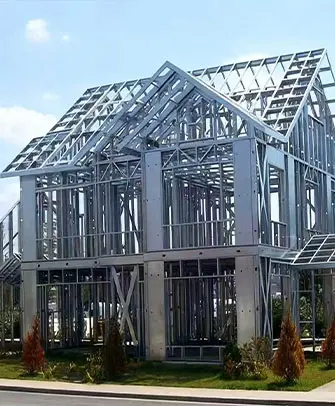
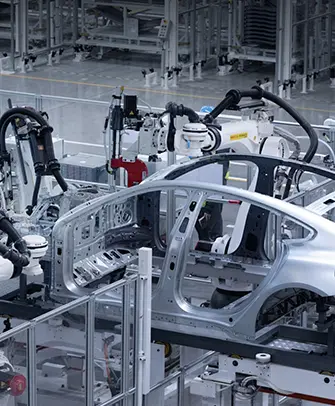



We configure tooling sets to process pre-painted, galvanized, and high-strength hot-rolled coils.
A comprehensive procurement guide detailing the performance indicators, material handling capability, and efficiency considerations.
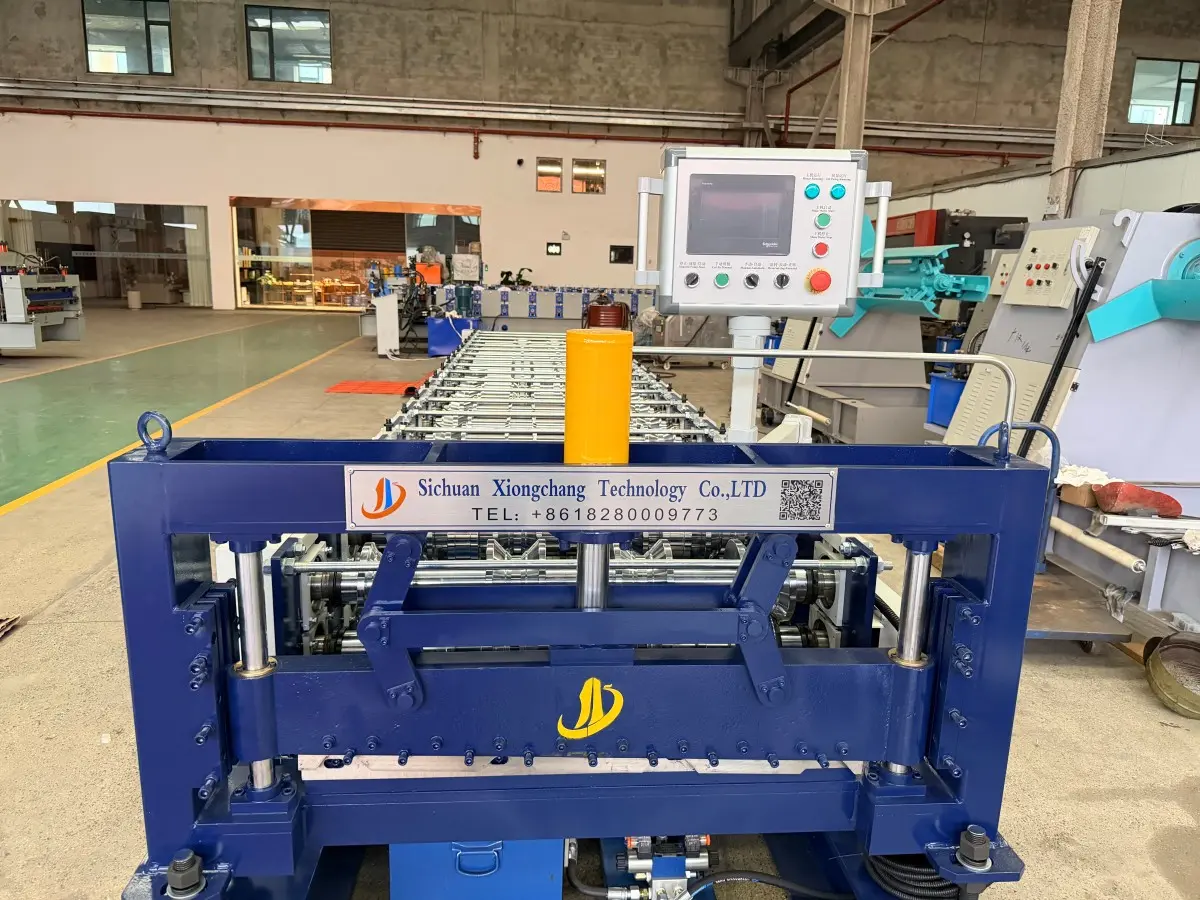
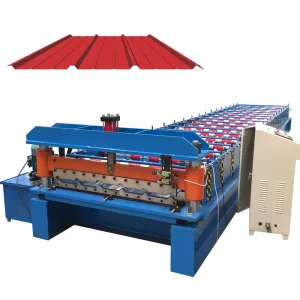
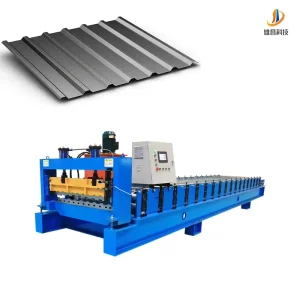
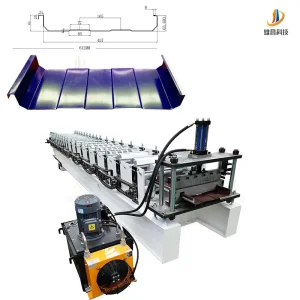
When procurement departments evaluate an **ODM Rib Panel Roll Forming Machine**, they consider more than initial capital cost. Total Cost of Ownership (TCO), continuous operational efficiency, profile precision, and long-term durability are critical factors. For global enterprises building large commercial developments, industrial warehouses, or agricultural facilities, the rib panel (commonly known as AG panel or Tuff Rib panel) is a key architectural component. Sourcing high-performing roll forming equipment ensures high production output and minimizes scrap rates.
A key differentiator of premium roll forming machinery is its ability to handle raw materials with varying yield strengths and thicknesses. Low-tier roll formers often fail when moving from standard structural steel to high-tensile steel (e.g., G550, with a yield strength of 550 MPa). High-tensile sheets require gradual deformation profiles and robust bending stations to avoid springback and micro-fractures along the rib radii. XC’s roll forming stations are engineered with optimal roll passes to handle steel thicknesses from 0.2mm to 0.8mm, distributing forming forces evenly.
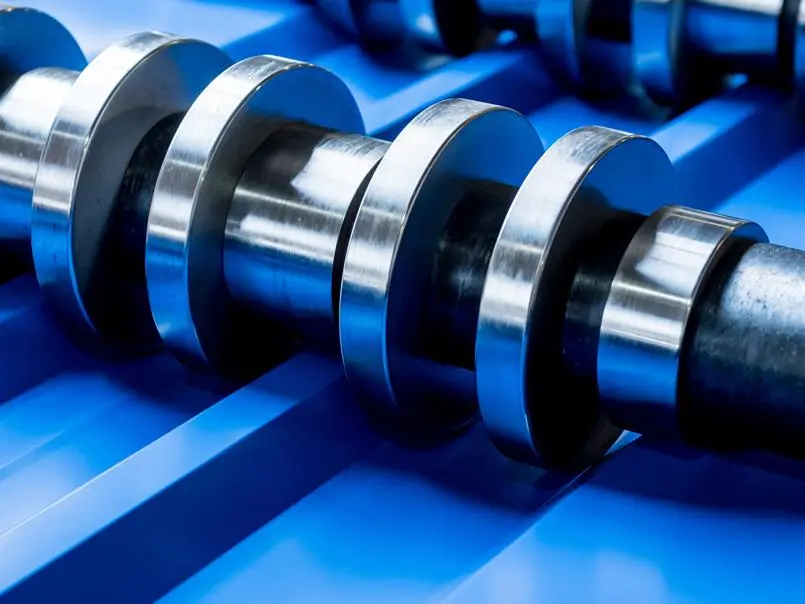
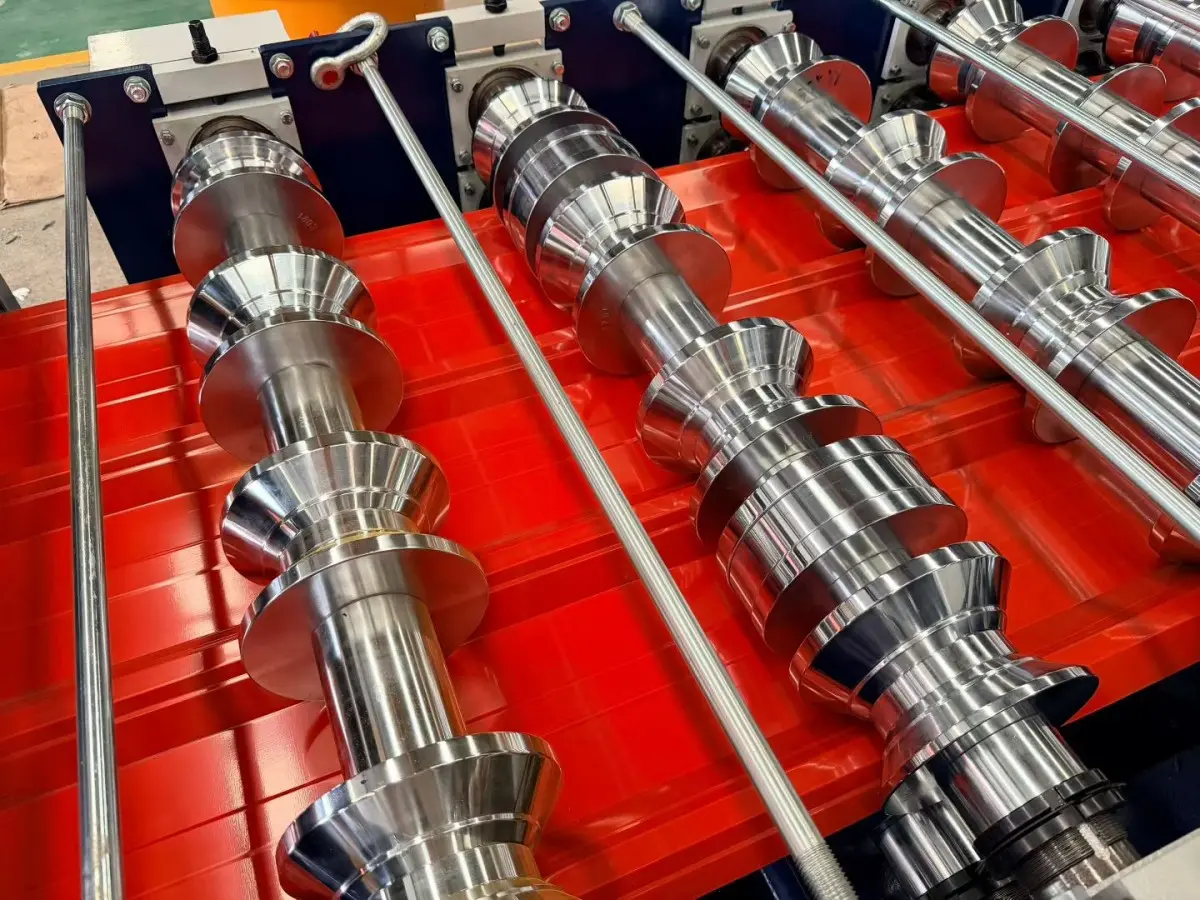
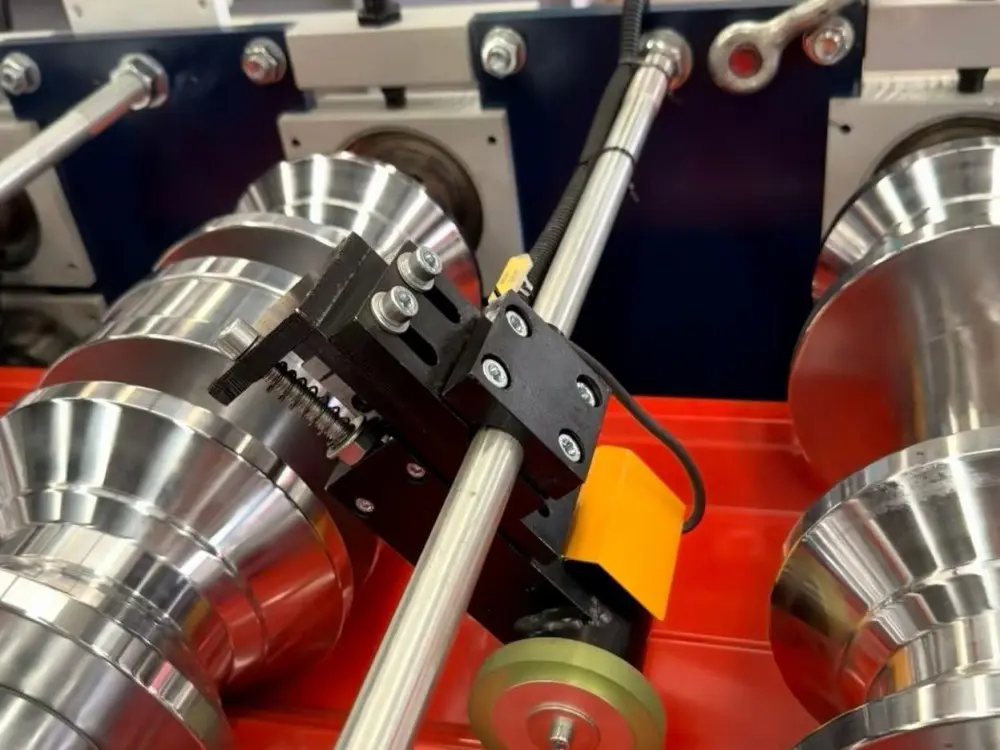
The roller tooling is the core of any cold forming machine. Standard carbon steels wear quickly when processing abrasive pre-painted or zinc-coated sheets, causing profile deviations and surface scratches. Our factory utilizes high-grade Cr12 (equivalent to D2 tool steel) or GCr15 bearing steel for our rollers. Through vacuum heat treatment and precision cylindrical grinding, the rollers achieve a surface hardness of HRC 58-62, followed by hard chrome electroplating. This protects the rollers against wear and prevents coating transfer from galvanized or painted coils.
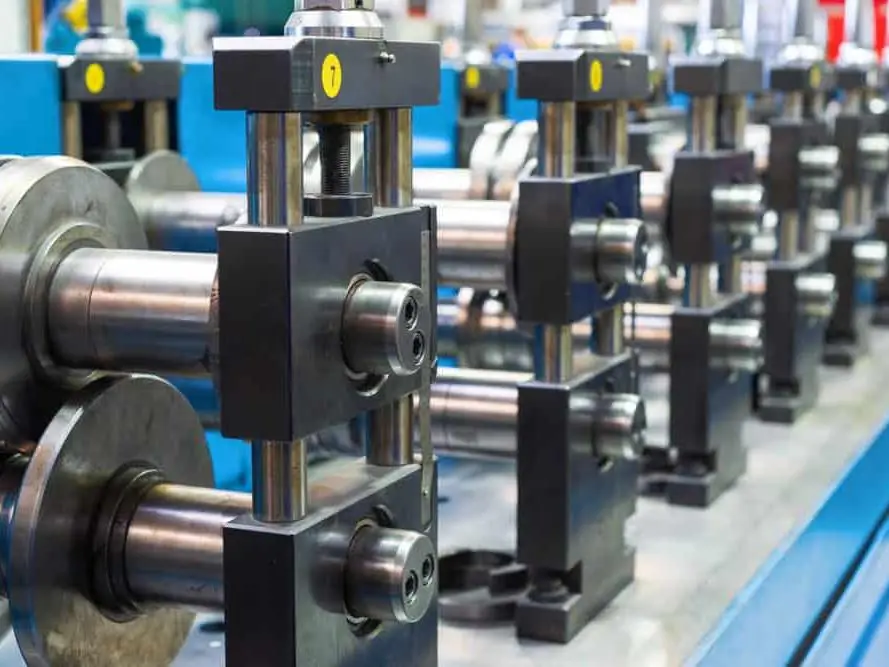
Shaft deflection is a common cause of dimensional instability. XC uses heavy-duty solid steel shafts (typically 70mm to 80mm in diameter, depending on the profile width) that are rough machined, quenched and tempered, and finished with precision grinding. Supported by dual-row tapered roller bearings, the shafts maintain parallel alignment under high clamping pressures, ensuring the profile remains consistent from the first millimeter to the end of the coil.
Analyzing how industrial clustering, modern manufacturing processes, and logistics help XC provide high-quality equipment.
China's metal processing machinery sector has transitioned from high-volume assembly to advanced manufacturing. Operating within this industrial cluster allows XC (Xiongchang) to utilize robust raw-material networks, heat-treatment facilities, and logistics systems to deliver cost-effective, high-quality cold roll forming solutions.
We source heavy-duty steel plates, precision bearings, hydraulic valves, and electrical control systems directly from regional hubs, ensuring quick turnaround times and stable components.
Our 50,000 sqm production facility features laser interferometers and 3D coordinate measuring machines (CMM) to verify tool dimensions and validate machine bases before shipment.
Located near major deep-water ports, we ship our roll forming systems in protective, moisture-resistant packaging with heavy structural bracing to prevent damage during transit.
Our Industry 4.0 production facility integrates computerized planning systems with automated manufacturing. This ensures that every weldment, mounting plate, and keyway is machined with high precision. By standardizing component manufacturing, we reduce custom build cycles and offer interchangeable spare parts, ensuring long-term maintainability.
The next generation of roll forming equipment: intelligent control, automated positioning, and predictive maintenance.
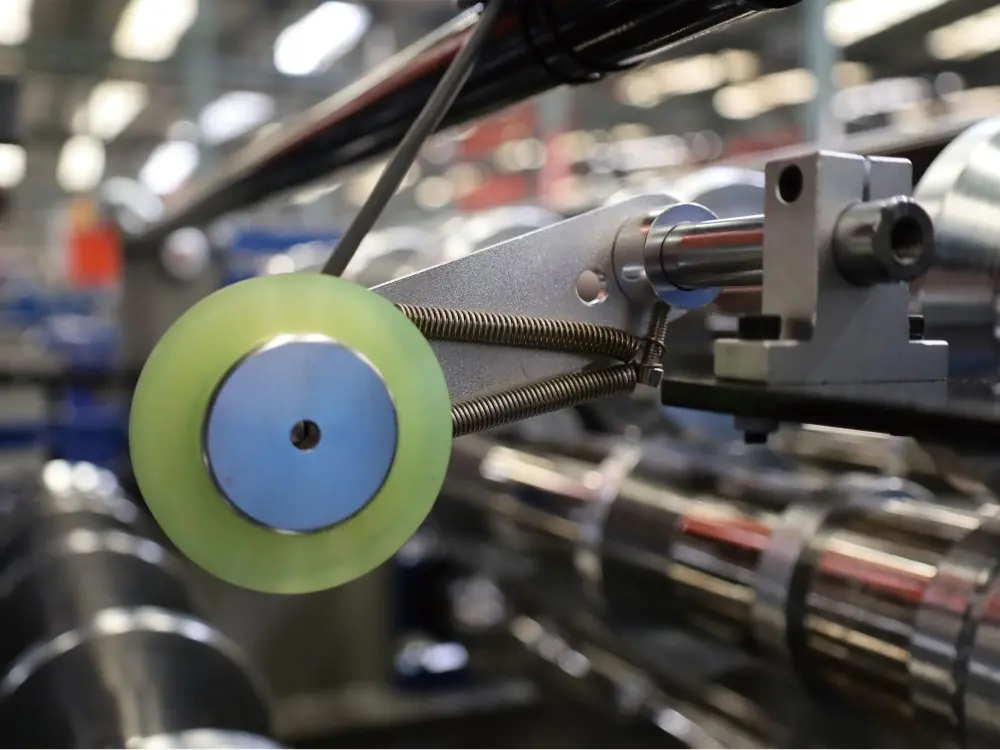
Integrating vibration sensors on main bearings and heat sensors on hydraulic units to transmit performance data via MQTT protocols, enabling predictive maintenance schedules.
Developing inline laser scanners that measure web dimensions post-forming. If deviations from springback occur, the control system auto-adjusts corrective forming stations.
Transitioning to motorized cassette-swaps where roller assemblies slide out on rails. Operators can change between AG, PBR, and IBR profiles in under 30 minutes.
How high-speed automated roll forming systems support global agricultural, commercial, and energy projects.
Cold roll formed profiles are widely used in modern construction, energy, and transportation. High-speed roll forming lines are essential for maintaining production efficiency on large infrastructure developments.
Ensuring compliance with local standards and providing reliable field support for global operators.
Exporting machinery to regions like North America, the European Union, Australia, and the Middle East requires strict compliance with local safety and electrical standards. XC ensures all control cabinets, motor configurations, and hydraulic units meet international requirements:
All electrical panels are configured with CE-certified or UL-compliant components, using low-voltage control circuits, overload protective breakers, and emergency stop circuits.
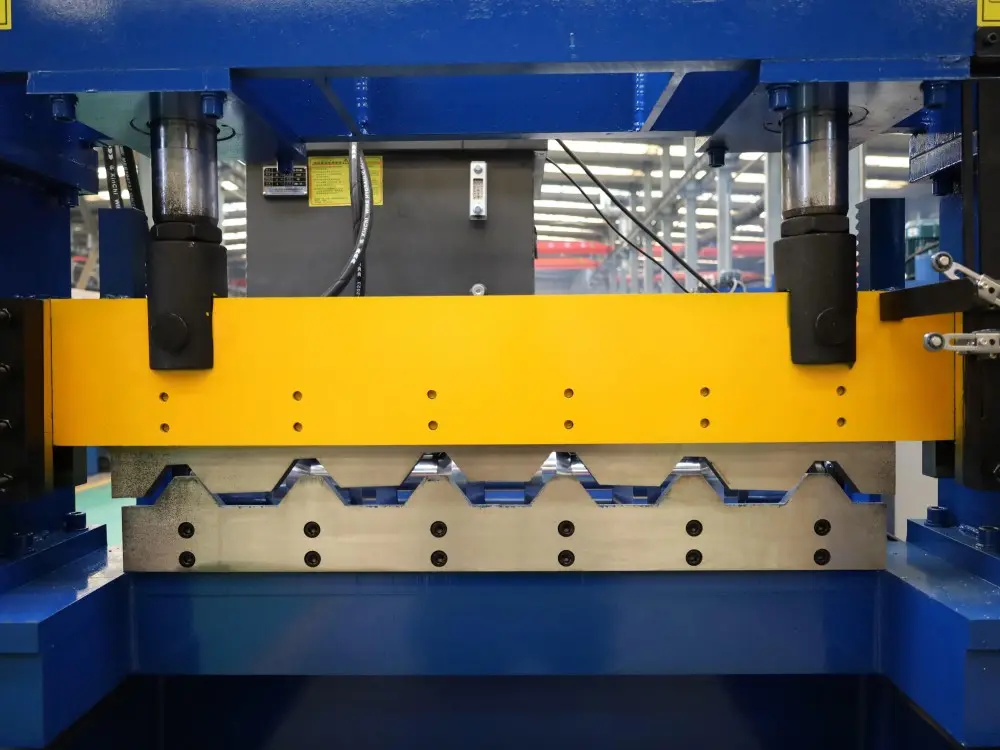
Machines are equipped with physical cage guards, photo-electric light curtains, and safety interlocks on the hydraulic cutting frame to prevent operator injury.
We dispatch field service technicians for installation, level tuning, and calibration. We also provide hands-on training for local operations and maintenance crews.
Get answers to common technical, metallurgical, and shipping questions from our engineering team.
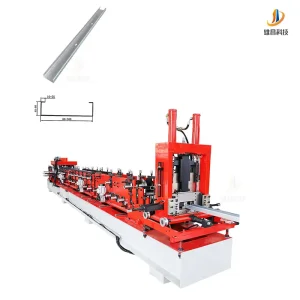
Explore our complete product lineup, including purlin, framing, decking, and specialized custom profiles.
 Xiongchang