Engineered for durability, speed, and dimensional stability. Discover our specialized high-performance forming systems.
As an established expert in the cold metal forming industry, XC (Xiongchang) designs and builds integrated, highly precise roll forming solutions. Our extensive portfolio encompasses core production machinery for steel roofing, heavy-duty floor decking, structural components, and doors, alongside essential auxiliary processing units.
From dynamic decoiling systems to precision profile shaping and automated hydraulic tracking shears, we support global operations with absolute engineering precision.
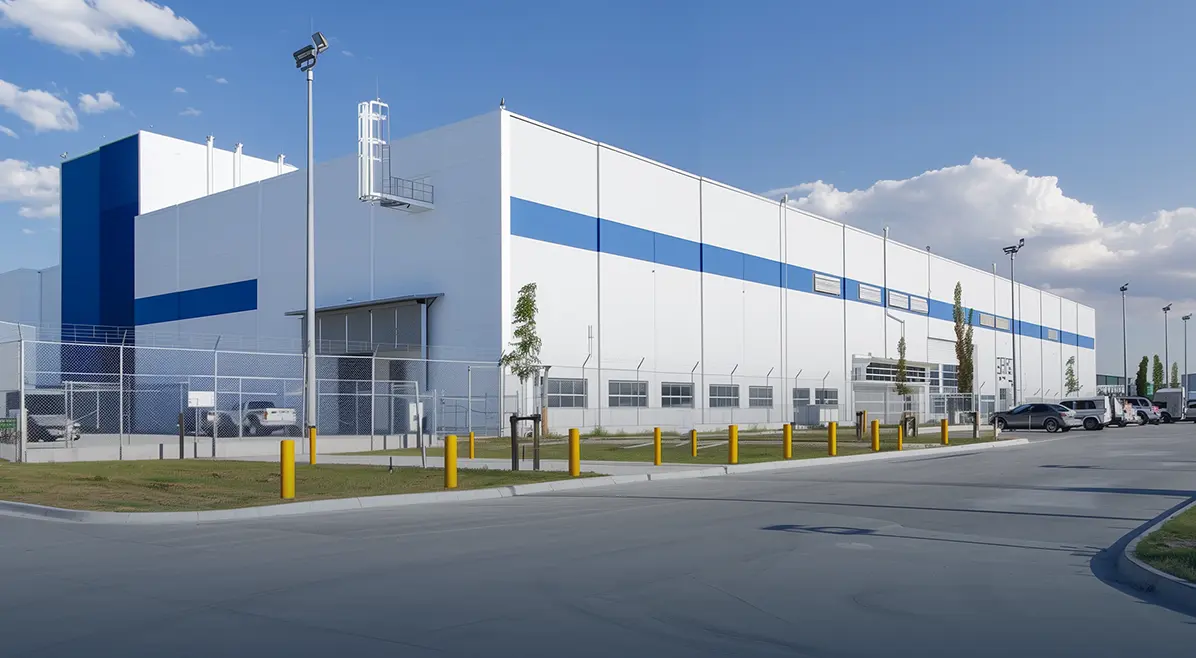
Maximizing output consistency while eliminating manufacturing deviations through advanced materials and software integration.
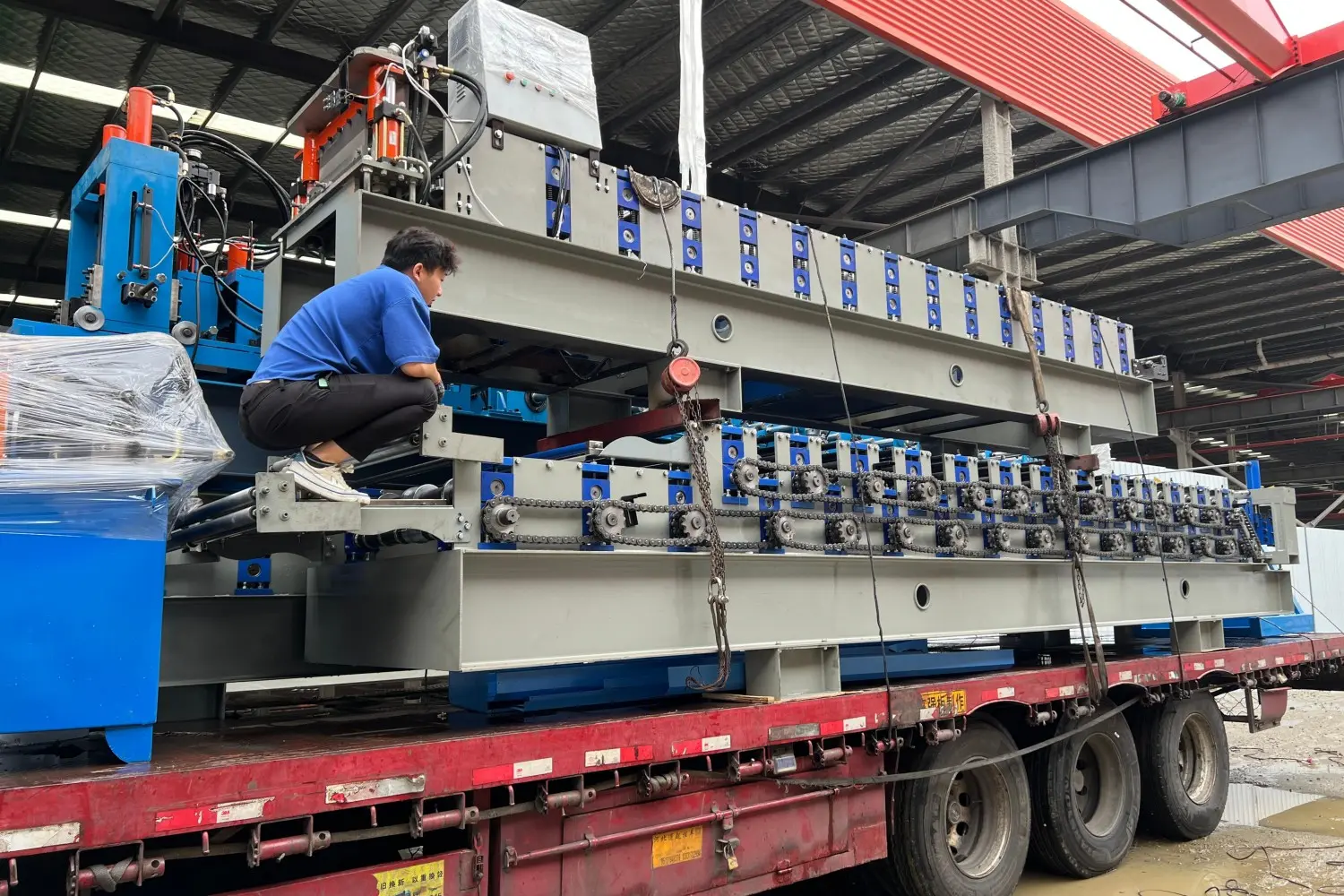
We employ a highly specialized team of engineers and technical personnel committed to translating complex architecture designs into high-speed cold roll forming realities. Our heavy investment in state-of-the-art multi-axis CNC processing centers guarantees that every roller, shaft, and tool set achieves a tolerance limit of within ±0.05mm.
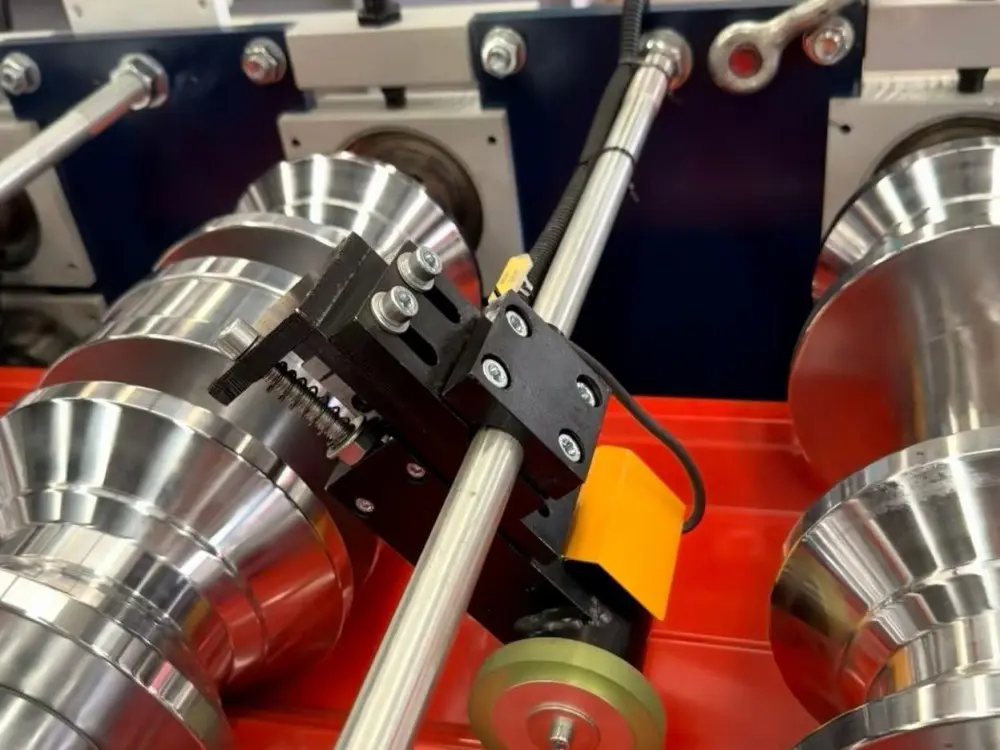
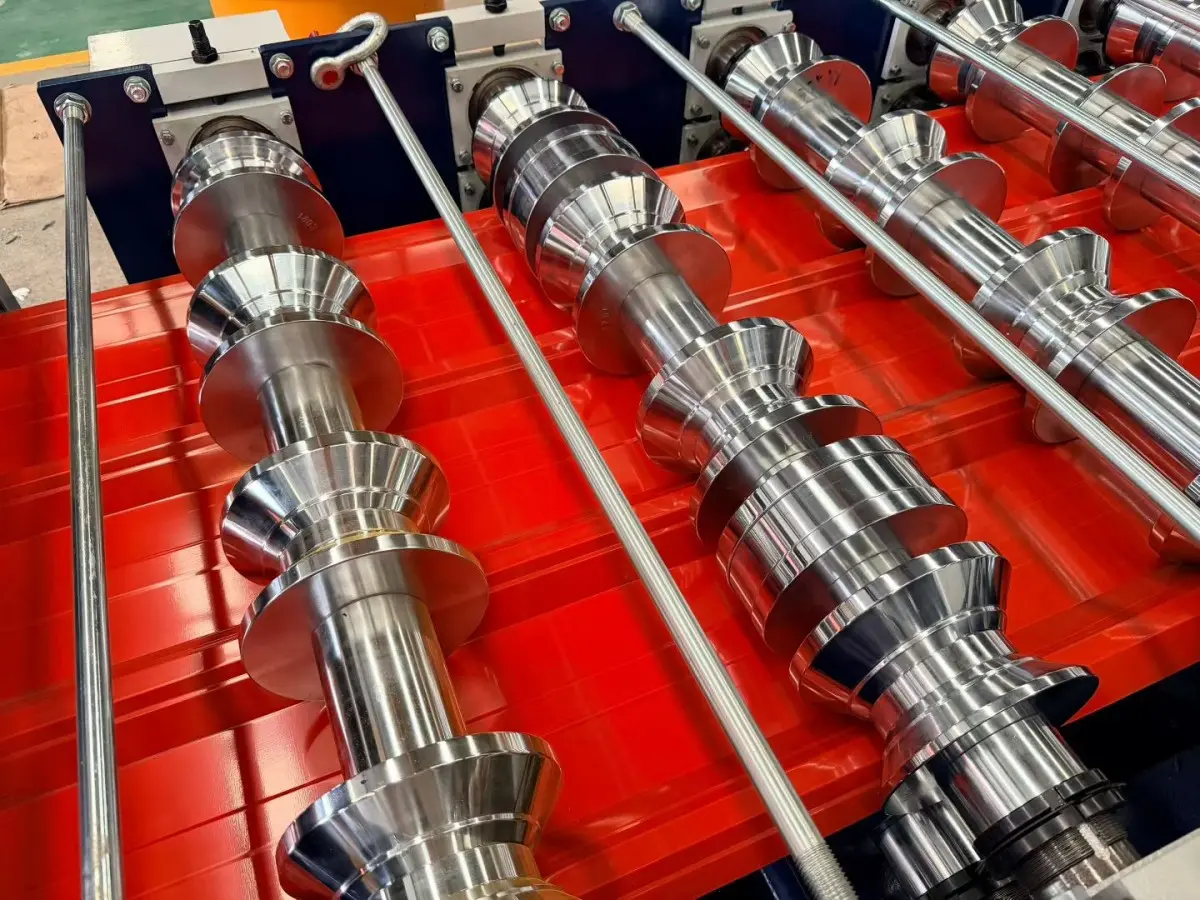
Our machines incorporate premium grade Cr12MoV tool steel for rollers, undergoing vacuum hardening treatment to reach HRC 58-62. This drastically reduces wear when processing high-tensile materials, ensuring stable output year after year.
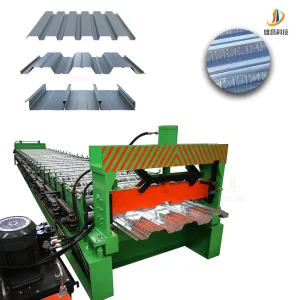
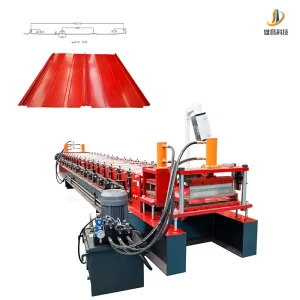
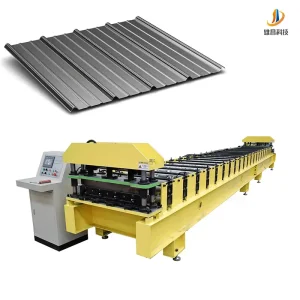
Designed to roll precise roof panels, wall panels, and floor deck sheets matching ASTM and EN tolerances. Ideal for commercial structural envelopes.
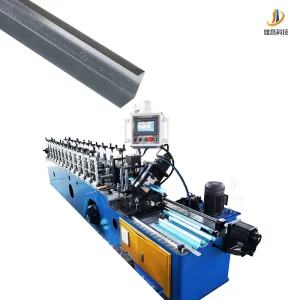
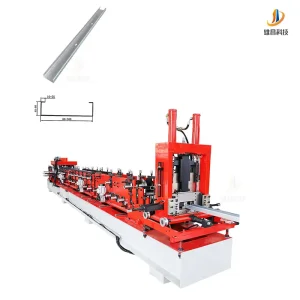
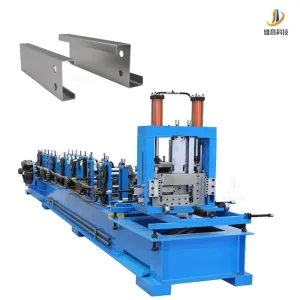
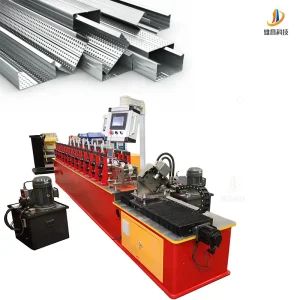
Advanced C/Z purlin forming systems with post-cutting and multi-hole punching units, alongside high-speed LGS framing stud and track roll formers.
Integrated solutions for downspouts, seamless gutter profiles, and complex door frame channels engineered for rapid setup and long production cycles.
An authoritative analysis of R Panel configurations, structural performance under wind loads, and line control optimization.
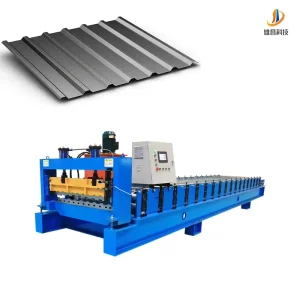
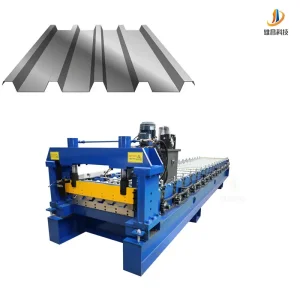
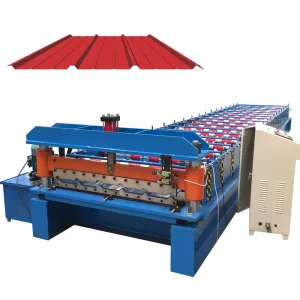
The R Panel is one of the most widely used structural profiles in metal building construction, featuring high ribs (typically 1-1/4 inches high) spaced 12 inches on center. The profile includes intermediate minor ribs for added rigidity. Its sibling, the PBR Panel (Purling Bearing R Panel), features an extended leg on one side of the panel, providing a full bearing edge at the lap joint to prevent water leakage and facilitate faster alignment during installation.
Manufacturing high-quality R Panels requires precise strain distribution. Because the 1-1/4" deep ribs demand localized sheet stretching, incorrect roller staging can result in "oil canning"—a wavy distortion along the panel flat. Our ODM R Panel Roofing Sheet Machines utilize 18 to 22 forming passes to transition the sheet smoothly. This gradual deformation prevents the material (usually 22 to 29 gauge GI, PPGI, or Aluzinc) from exceeding its elastic limit at the rib corners.
By integrating precise finite element analysis during the design phase, our rollers apply equal pressure to the center and outer edges of the steel strip, eliminating lateral edge tension. Our machines are designed to run structural steel with yield strengths ranging from G300 up to G550 (Grade 80) without structural spring-back.
In the commercial sector, developers choose R and PBR profiles for agricultural buildings, industrial warehouses, and logistical storage hubs due to their exceptional span capabilities. A properly roll-formed R Panel can span up to 5 feet over purlins under heavy wind loads, reducing the overall quantity of structural steel required in the building frame.
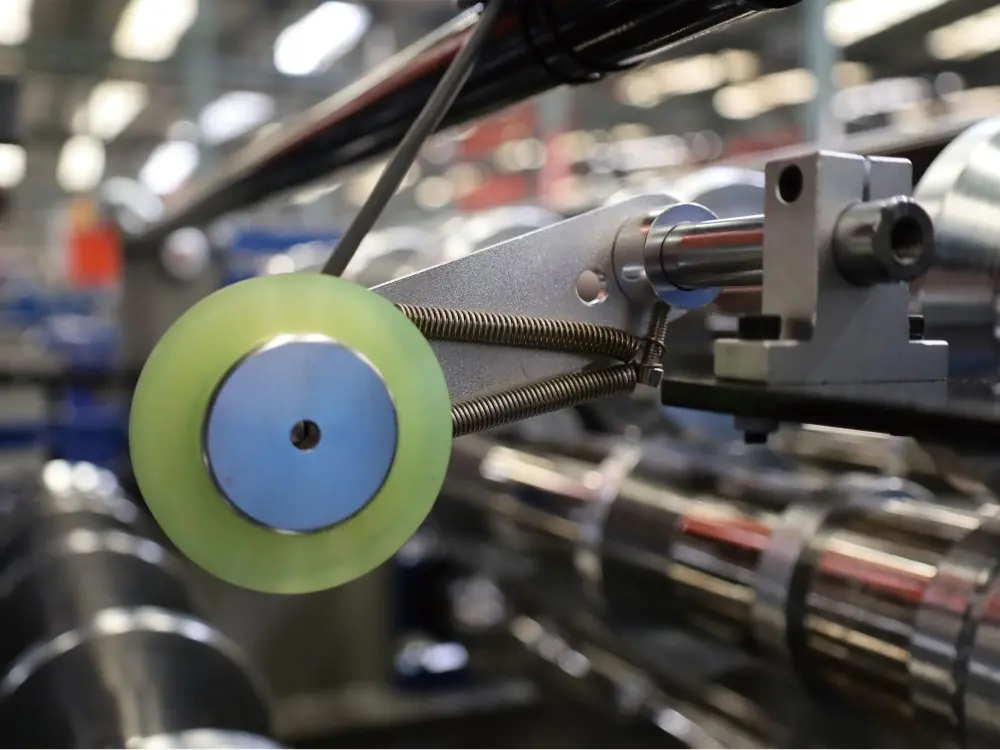
From a manufacturing standpoint, this requires machines that can maintain high throughput speeds (up to 25 meters per minute) while keeping length accuracy within ±1mm. Our high-speed line achieves this through real-time feedback loop encoders coupled with dynamic PLC hydraulic flying-shear assemblies.
| Parameter | Standard Industrial Specification | XC ODM Custom Value Range |
|---|---|---|
| Forming Stations | 14 - 18 Stations | 18 - 24 Stations (Optimized for G550 high-tensile steel) |
| Roller Material | 45# Steel, Hard Chrome Plated | Cr12MoV D2 Tool Steel, Vacuum Heat Quenched (HRC 58-62) |
| Shaft Diameter | Φ 75mm - 80mm | Φ 85mm - 90mm Solid Steel Shaft (Eliminates shaft deflection) |
| Forming Speed | 10 - 15 m/min | 18 - 25 m/min (High-speed line with servo-motor tracking) |
| Control System | Standard PLC Control | Siemens/Mitsubishi PLC with Multi-language HMI Touchscreen |
To ensure our roll forming machinery maintains its precision in heavy-duty production environments, XC employs comprehensive testing protocols. Every manufacturing batch undergoes ultrasonic shaft flaw detection, dial gauge shaft run-out checks, and actual raw material profile verification using specialized testing instruments.
Each machine must undergo a continuous dry run for 72 hours, followed by a real metal feed test. This protocol ensures the electrical systems, hydraulic seals, and gearboxes operate smoothly before the machine is prepared for shipping.
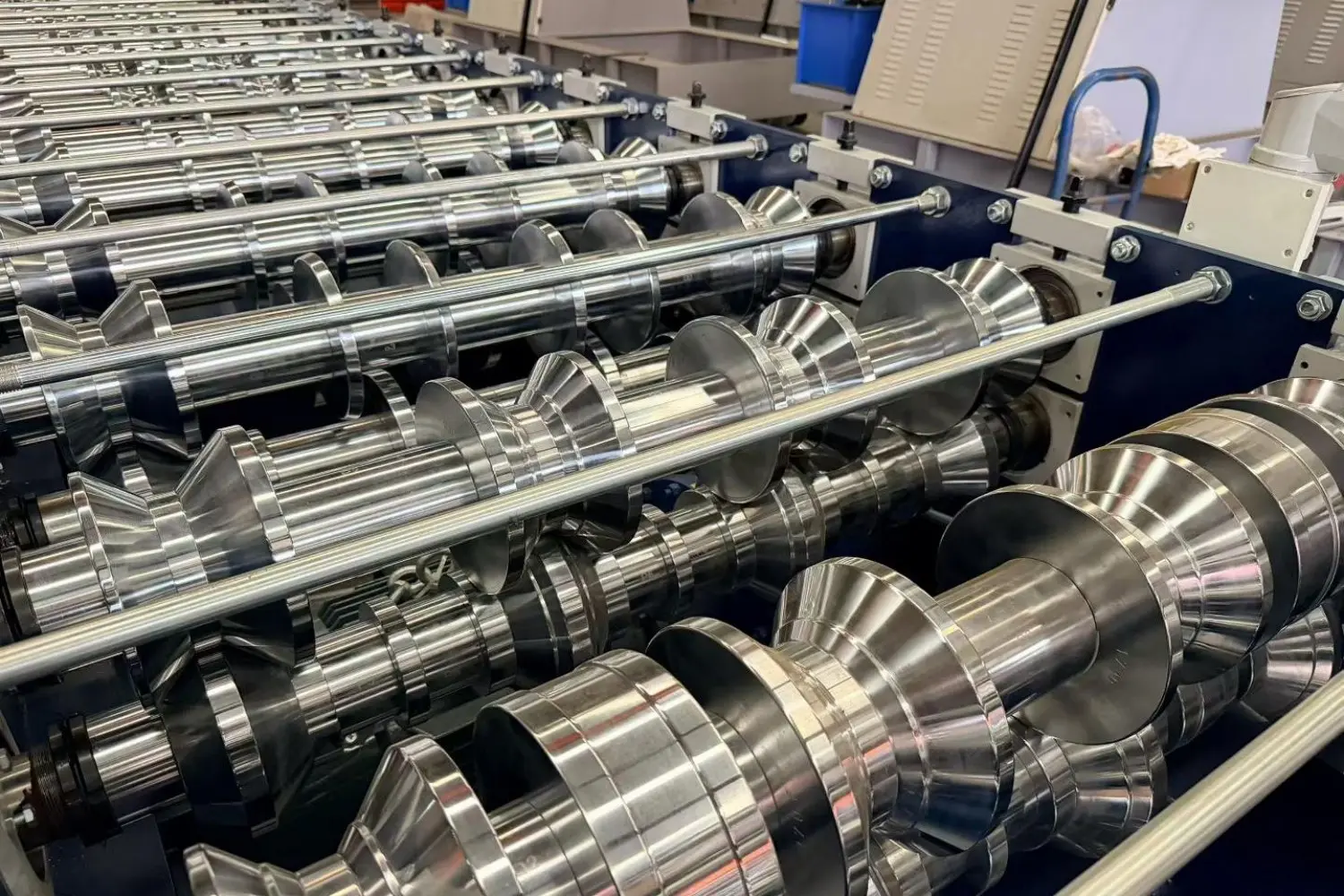
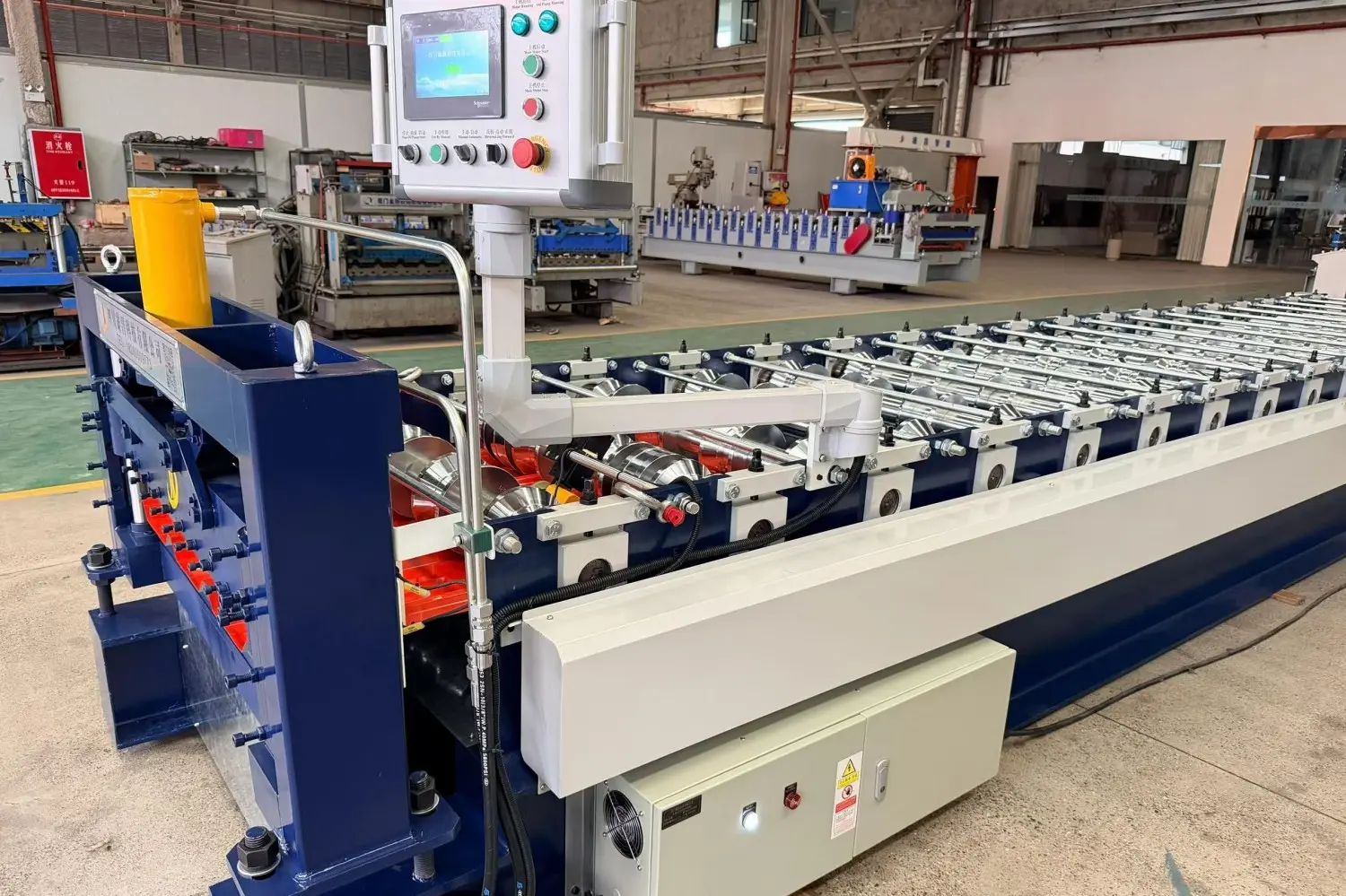
Exporting cold roll forming machinery to regions like North America, Europe, Australia, and South America requires strict compliance with local safety standards. Our electrical enclosures are engineered to meet CE, UL, and CSA standards, utilizing components like Schneider, ABB, and Omron to simplify safety inspections and maintenance.
Whether configuring hydraulic oil cooling radiators for tropical regions or integrating pre-heating systems for sub-zero climates, we customize our machines to deliver reliable performance in your specific working conditions.
Request Technical ConsultationIntegrating Smart Sensors, Cloud Diagnostics, and Dynamic Yield Adjustments into Modern Forming Lines.
Deploying laser monitoring systems at the final forming pass to continuously check panel dimensions, automatically adjusting the calibration rollers to compensate for raw material variation.
Integrating vibration sensors and thermal monitoring on major bearings, allowing the PLC system to alert operators of wear before component failure occurs.
Developing quick-change cassette assemblies that allow manufacturers to switch profiles from R Panel to Corrugated in under 15 minutes, maximizing production flexibility.
We recognize that standard profiles don't always fit local building regulations or regional construction styles. Our engineering team specializes in customizing rib geometry, panel overlap joints, and shear profile shapes to match your specific engineering needs.
Whether designing high-speed dual-level machines to produce both R Panel and Corrugated profiles on a single space-saving footprint, or building extra heavy-duty decoilers to handle 10-ton coils, we customize the equipment around your facility's operational workflow.
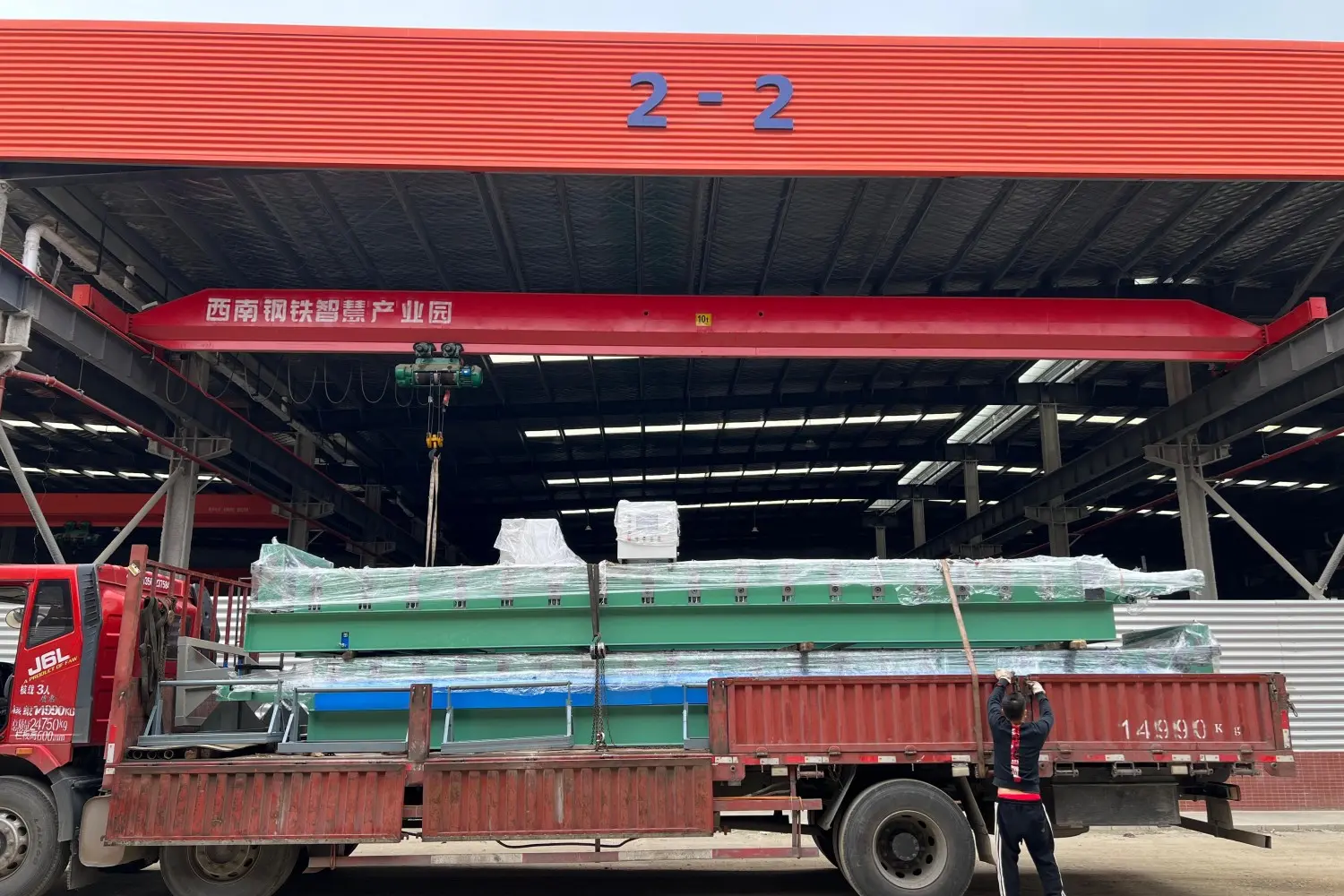
Delivering heavy-duty structural forming systems to construction groups, infrastructure contractors, and steel panel manufacturers globally.
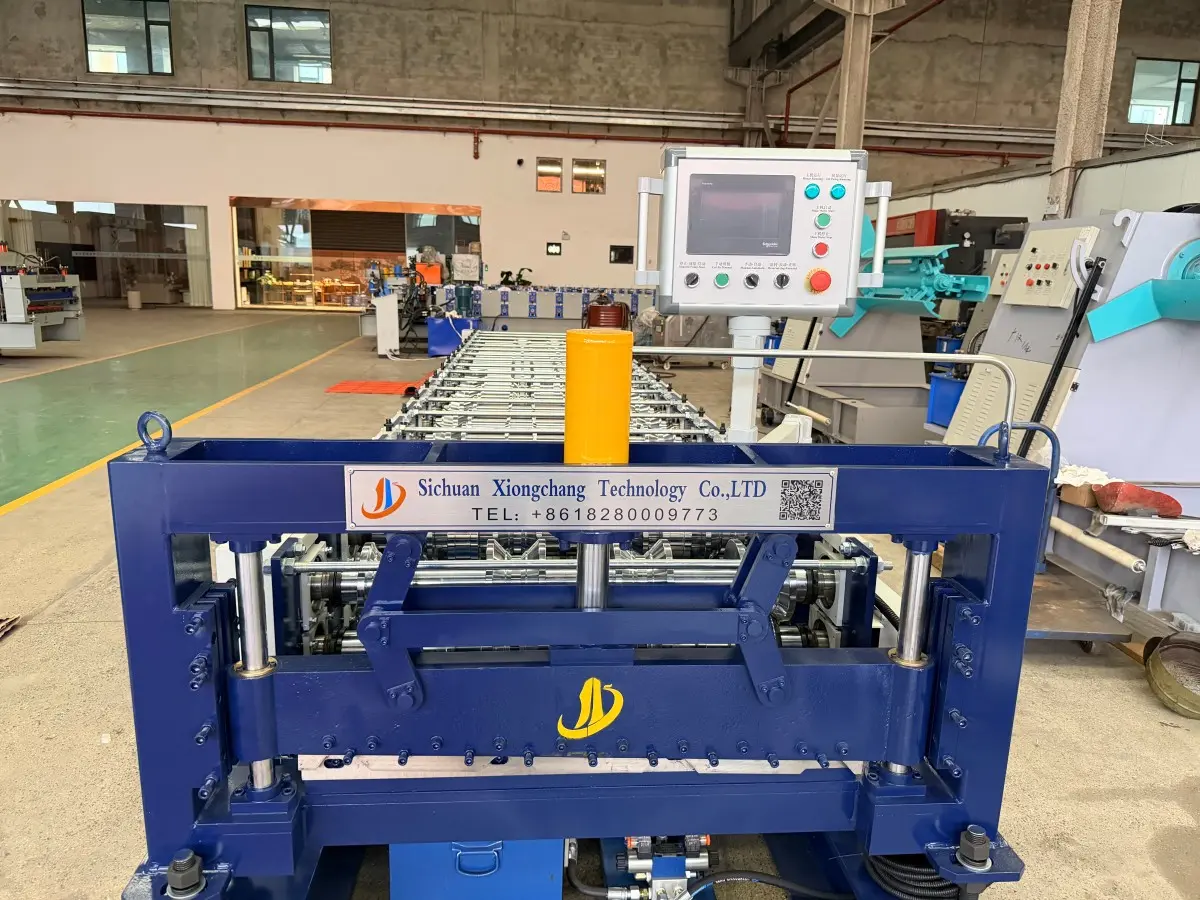
Comprehensive technical support, including profile design analysis, machine installation, software commissioning, and supply of key wear parts.
Supporting complex steel processing operations with robust mechanical designs, quality components, and dedicated technical service.
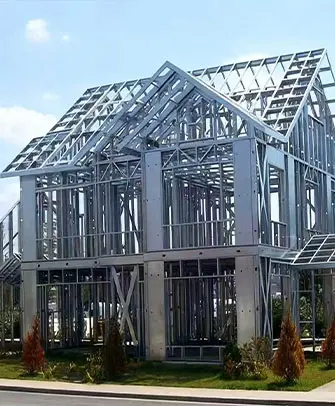 Architecture & Building Materials
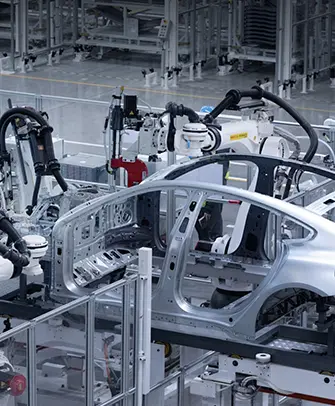 Automobile Manufacturing
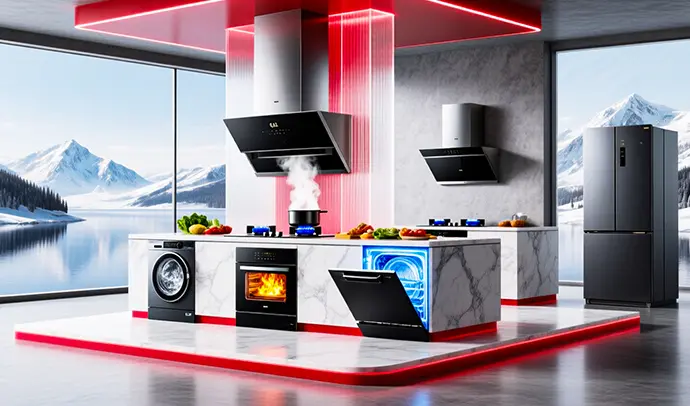 Home Appliances & Kitchen
 Transportation Networks
 New Energy Sectors
Expert technical answers addressing operating parameters, raw material compatibility, and system customization.
R Panels are typically formed using Prepainted Galvanized Iron (PPGI), Galvanized Steel (GI), or Aluzinc (Galvalume) coils. The standard thickness ranges between 0.3mm to 0.7mm (22 to 29 gauge). For structural industrial projects requiring higher wind resistance, G550 (550 MPa yield strength) structural steel is commonly used. Our machines feature custom-designed roller profiles that manage this high yield strength without cracking the protective zinc or paint coatings.
"Oil canning" is a common aesthetic issue caused by uneven stress across the sheet. We address this by: 1) Increasing the number of forming stations (up to 20+ passes) to deform the steel gradually. 2) Utilizing intermediate rib rollers to form minor longitudinal stiffening ribs. 3) Incorporating manual entry guide adjusters and hard-chrome plated finish rollers to equalize strip tension from center to edge.
The primary difference is the overlap profile leg. The PBR panel profile features a "purlin bearing leg" on one edge, which rests directly against the structural purlins. This leg provides a support seat for the overlapping joint, which improves wind uplift resistance, prevents fastener shear, and simplifies panel alignment during installation compared to standard R Panels.
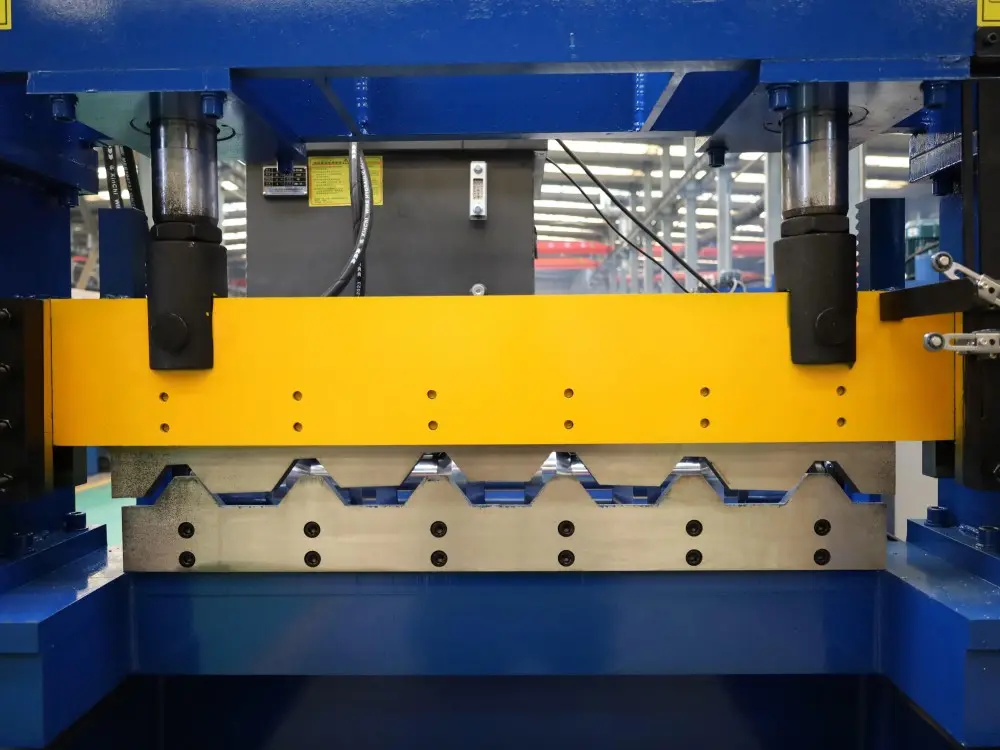
We supply hydraulic post-cutting assemblies paired with custom profile blades matching the exact shape of the R Panel. To minimize end deformation (distortion of the rib shape during cut), the blade is guided by a heavy-duty slide plate. The cutting sequence is controlled by the PLC, which matches the blade's travel to the panel's speed for flying-shear setups, or temporarily halts the line for start-stop shearing, achieving a length tolerance of within ±1.0mm.
Yes. While the profile shape is fixed by the roller design, our roll forming machines feature adjustable side plates and shaft bearings. Operators can quickly adjust the roller gap using side-mounted leveling screws. For automated high-volume plants, we can integrate motorized adjustment systems that adjust the roll gaps based on thickness values selected in the HMI panel.
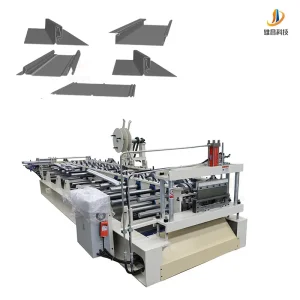
Expand your manufacturing capabilities with our specialized standing seam, lock joint, and light gauge steel framing lines.
 Xiongchang