Explore our range of precision-engineered building envelope, structural framing, and specialized roll forming systems.
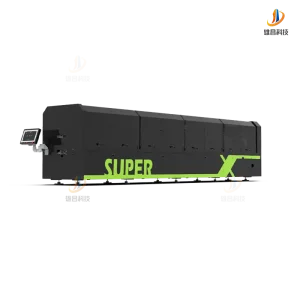
The global construction industry is undergoing a structural transition from traditional wet-construction methods to off-site, industrialized manufacturing. At the heart of this revolution is Light Gauge Steel (LGS) framing technology. As structural requirements become more demanding, and labor costs continue to rise across major industrial markets, prefabricated house framing machines have evolved from basic roll formers into highly complex, software-driven fabrication systems. Modern construction relies heavily on the dimensional consistency, high speed, and waste-reducing properties of advanced cold-formed steel engineering.
In this dynamic environment, selecting a qualified ODM prefabricated house framing machine company is no longer just an equipment purchase—it is a long-term strategic partnership. Leading manufacturers must integrate advanced CAD/CAM software suites, high-precision punching heads, dynamic sizing operations, and robust hydraulic control systems to meet the rigorous tolerances demanded by off-site construction projects.
Modern roll forming machines utilize direct CAD-to-machine integrations (e.g., Vertex BD, Tekla). This workflow translates design files directly into precise physical actions, controlling punch sequences, tooling cuts, and length adjustments with minimal human intervention.
To accommodate complex architectural configurations, machinery must incorporate continuous inline multi-punch arrays. These stations stamp service holes, dimples, web notches, and chamfered structural connections dynamically during the rolling process.
High productivity demands flexible manufacturing systems. Advanced cold roll forming lines integrate servo-controlled automatic width-adjustment, allowing seamless transitions between different stud sizes without manual roller reconfigurations.
For engineering firms, industrial developers, and prefab modular construction operations, sourcing LGS roll formers involves evaluating long-term operational costs and manufacturing reliability. Industrial-grade structural projects require equipment that runs continuously while maintaining precise dimensional integrity. Key requirements include:
Machinery must process high-tensile galvanized structural steels (ranging from G300 to G550) without experiencing tooling wear or micro-cracking in bend zones. Precise adjustment of tensioners and roll tooling profiles is required to handle varying material specs.
Modular off-site construction leaves zero room for dimensional error. High-end roll forming lines must maintain dimensional tolerances within ±0.5 mm for cutting and punching over the entire member length to prevent alignment issues during assembly.
International buyers demand electrical and mechanical components that comply with local regulatory standards, including CE marking for Europe, UL listings for North America, and CSA certifications for Canada, ensuring smooth installation and operation.
Xiongchang (XC) leverages advanced Chinese manufacturing clusters to deliver highly reliable industrial equipment. Our operations combine material sourcing, specialized engineering talent, and automated assembly techniques. This configuration allows us to manufacture custom roll forming solutions that balance cost efficiency with long-term mechanical reliability.
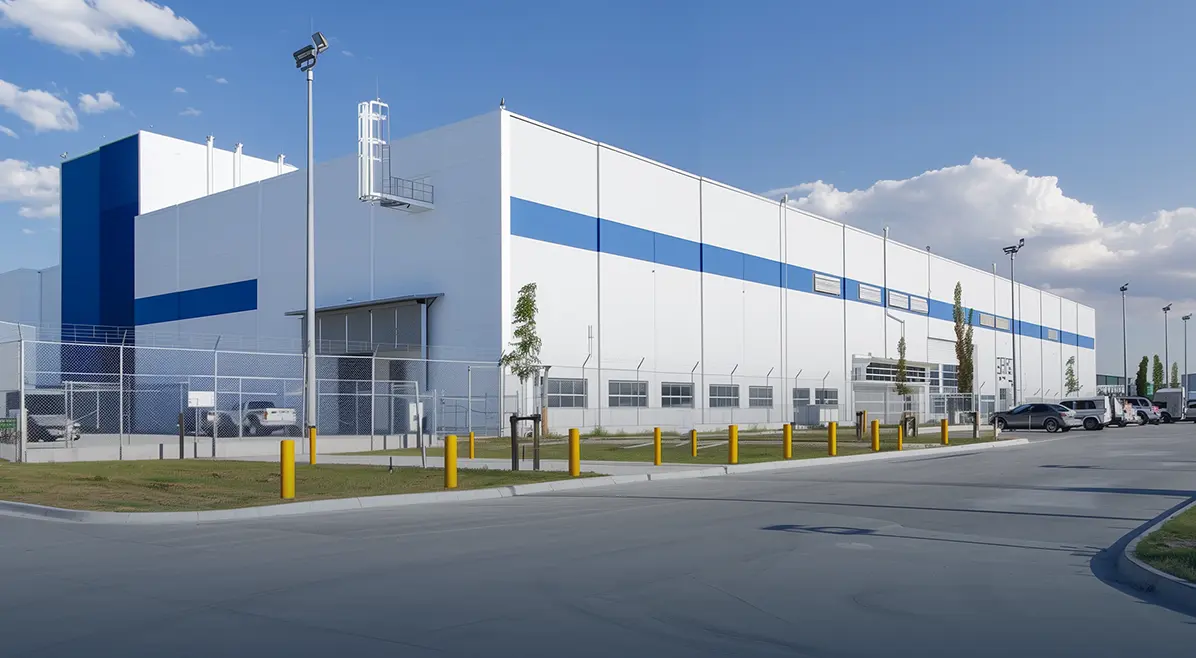
Our 50,000㎡ factory operates automated fabrication lines that support in-house tooling machining, heat treatment, and precision assembly. Managing these key processes internally helps maintain consistent quality standards and keeps delivery timelines predictable.
We use high-quality Cr12MoV and SKD11 tool steels for all rolling dies, which undergo vacuum quenching and CNC machining. This ensures long-term wear resistance and consistent profile geometry even when processing heavy-gauge galvanized materials.
Before shipping, every framing machine is run under full load conditions using customer-specified steel coils. We verify profile geometry, punch placement accuracy, and control software response during these trials to ensure immediate operational readiness at startup.
For over two decades, XC (XiongChang) has designed and manufactured cold roll forming equipment. We combine technical expertise with a customer-focused approach, ensuring every system delivers consistent performance and long-term value.
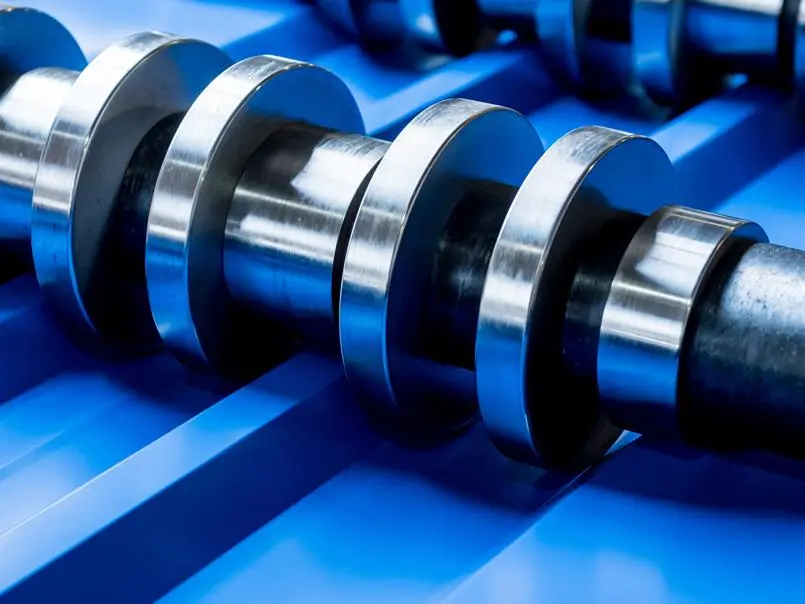
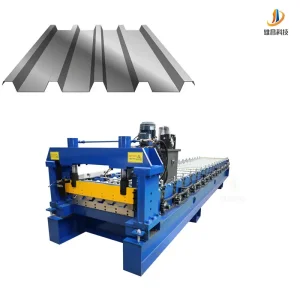
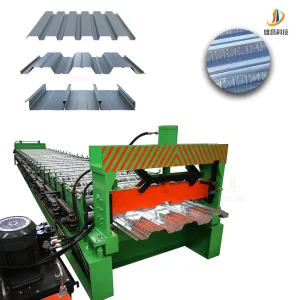
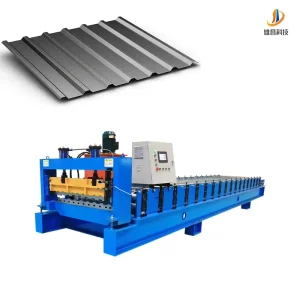
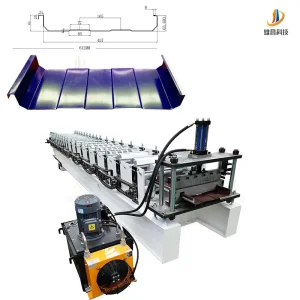
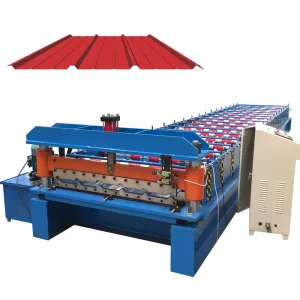
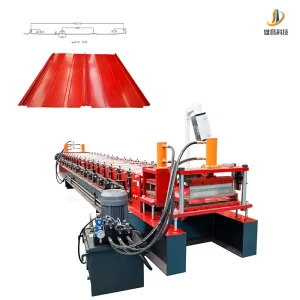
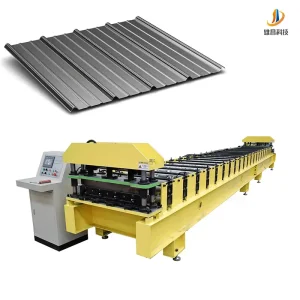
We supply specialized production lines for high-load building components, including Roof Panel, Wall Panel, and Floor Deck Roll Forming Machines, engineered to produce durable external envelopes.
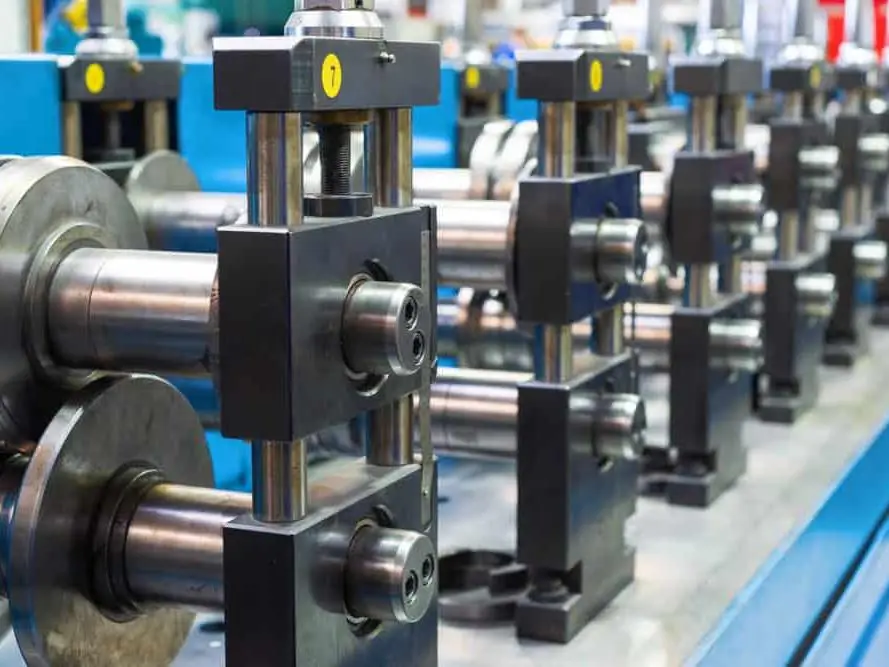
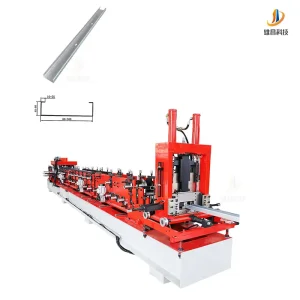
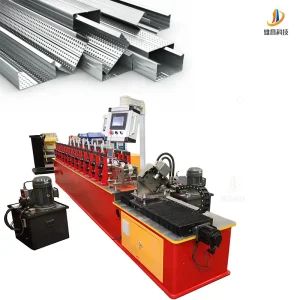
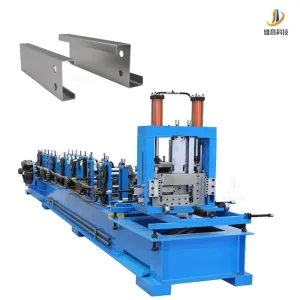
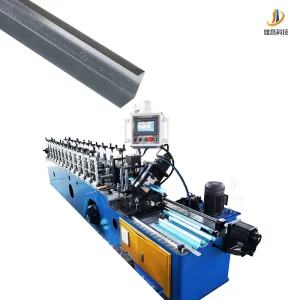
Our LGS product line includes automated C/Z Purlin Roll Forming Machines and Stud & Track Roll Former configurations, designed to supply critical load-bearing assemblies for modern structures.
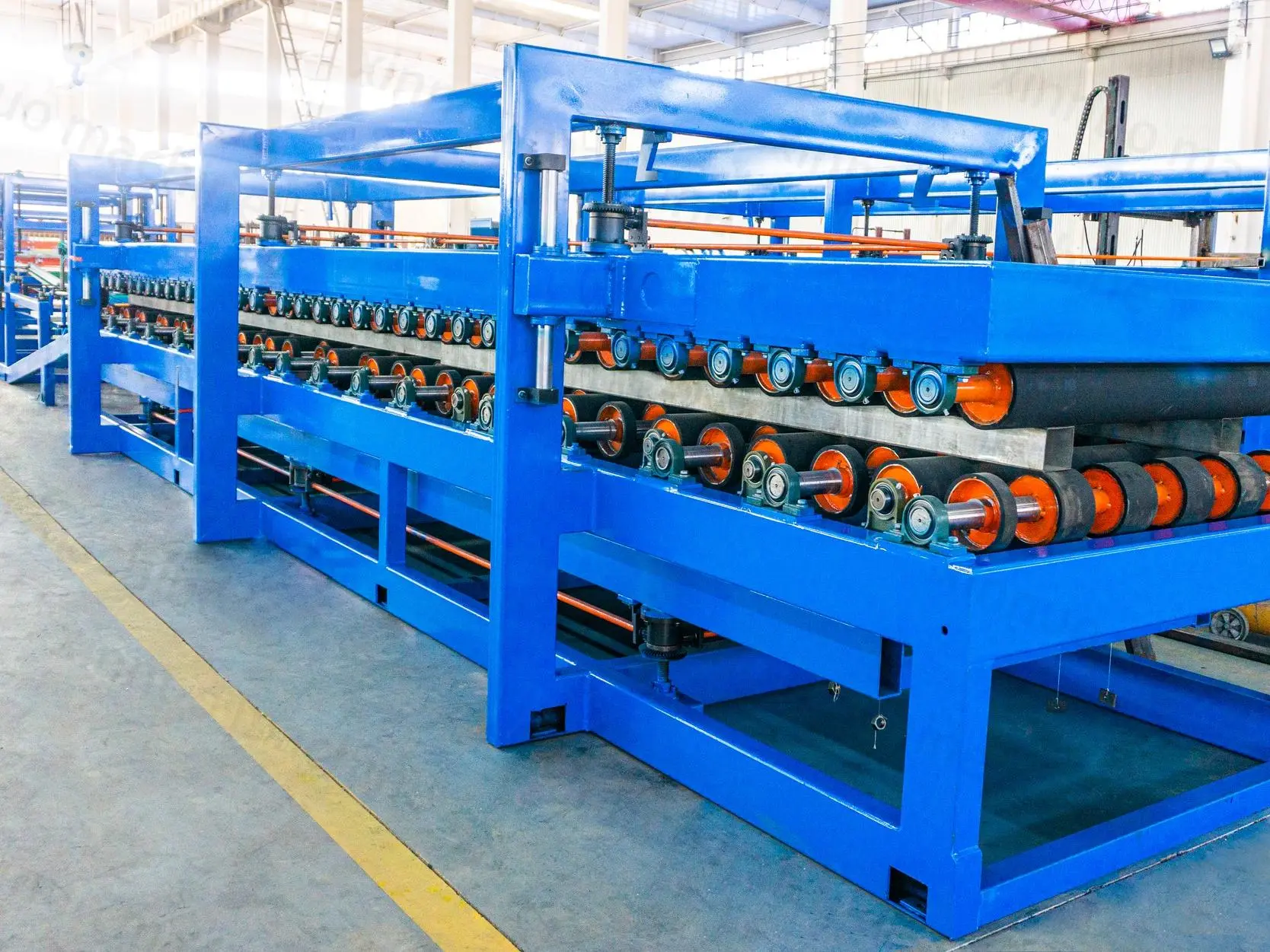
We engineer auxiliary lines to support integrated building envelope production, including high-speed Gutter Roll Forming Machines and complex Door Frame Roll Forming profiles.
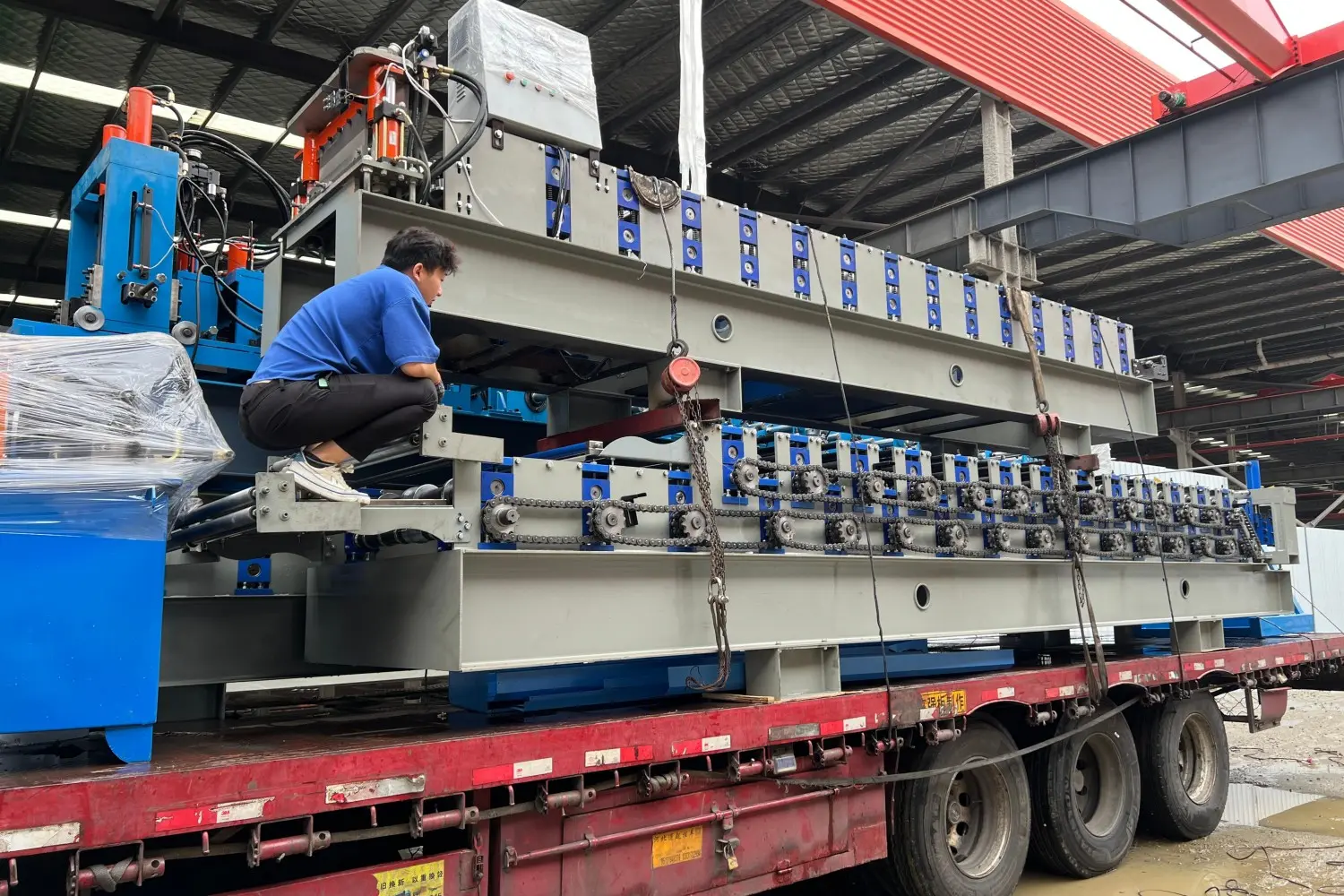
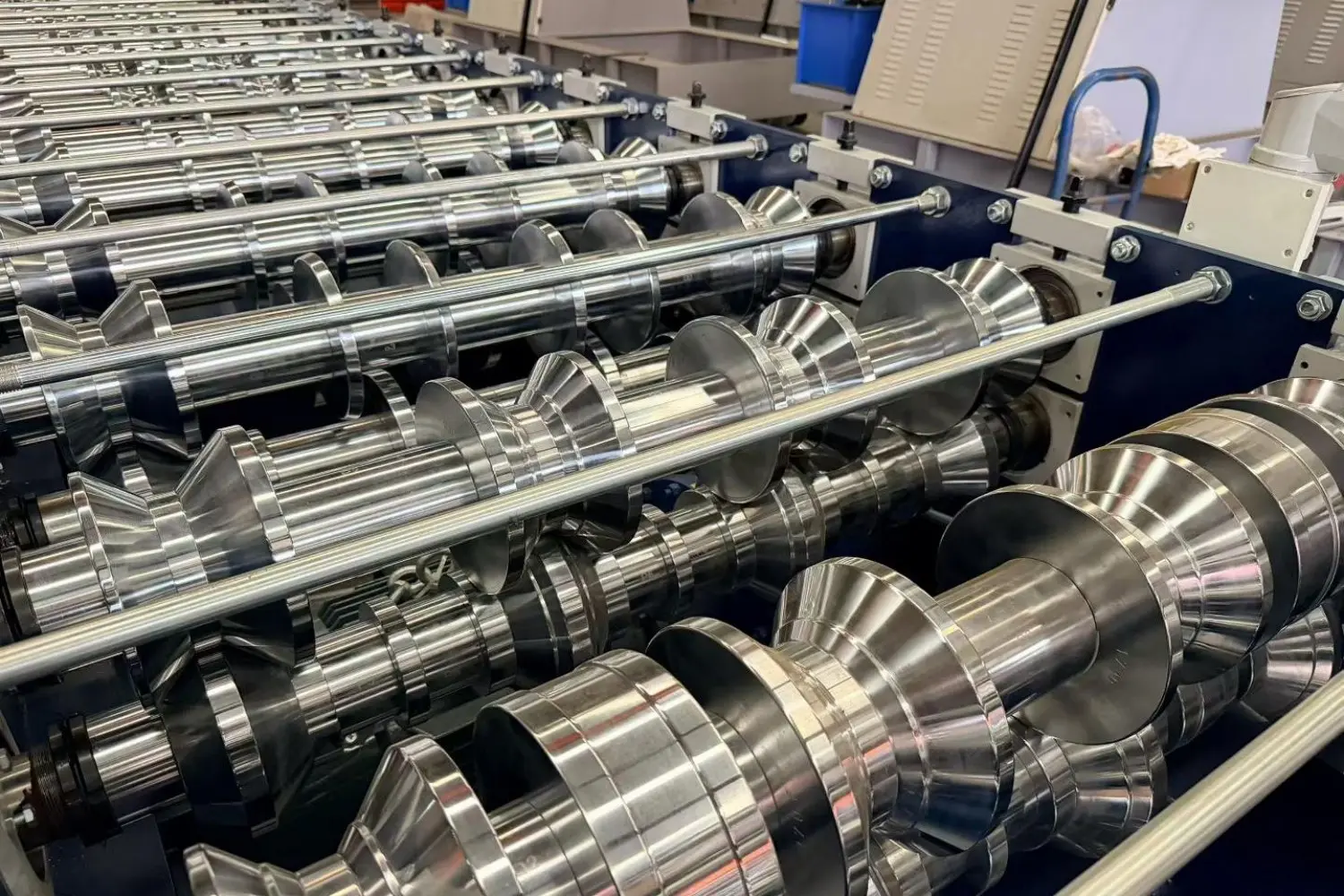
XC maintains testing and inspection systems to verify product structural strength, profile accuracy, and operational reliability. We follow standardized quality control procedures during fabrication to ensure every machine meets specified performance standards.
We provide full lifecycle support from design through installation. Our services include professional installation, system commissioning, and operator training to help achieve efficient startup and productivity. Our support team remains available for technical assistance and spare parts supply throughout the equipment's operational life.
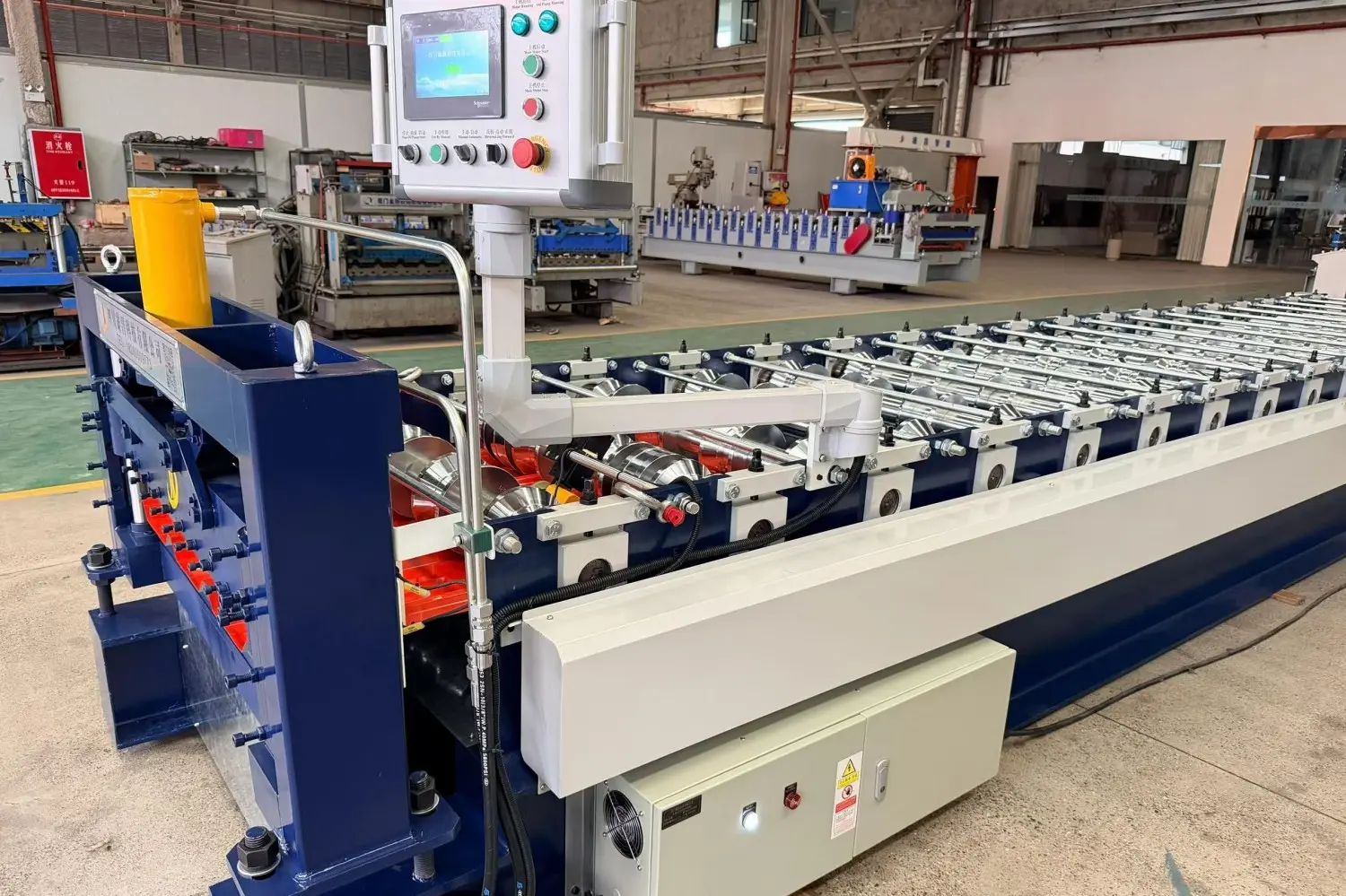
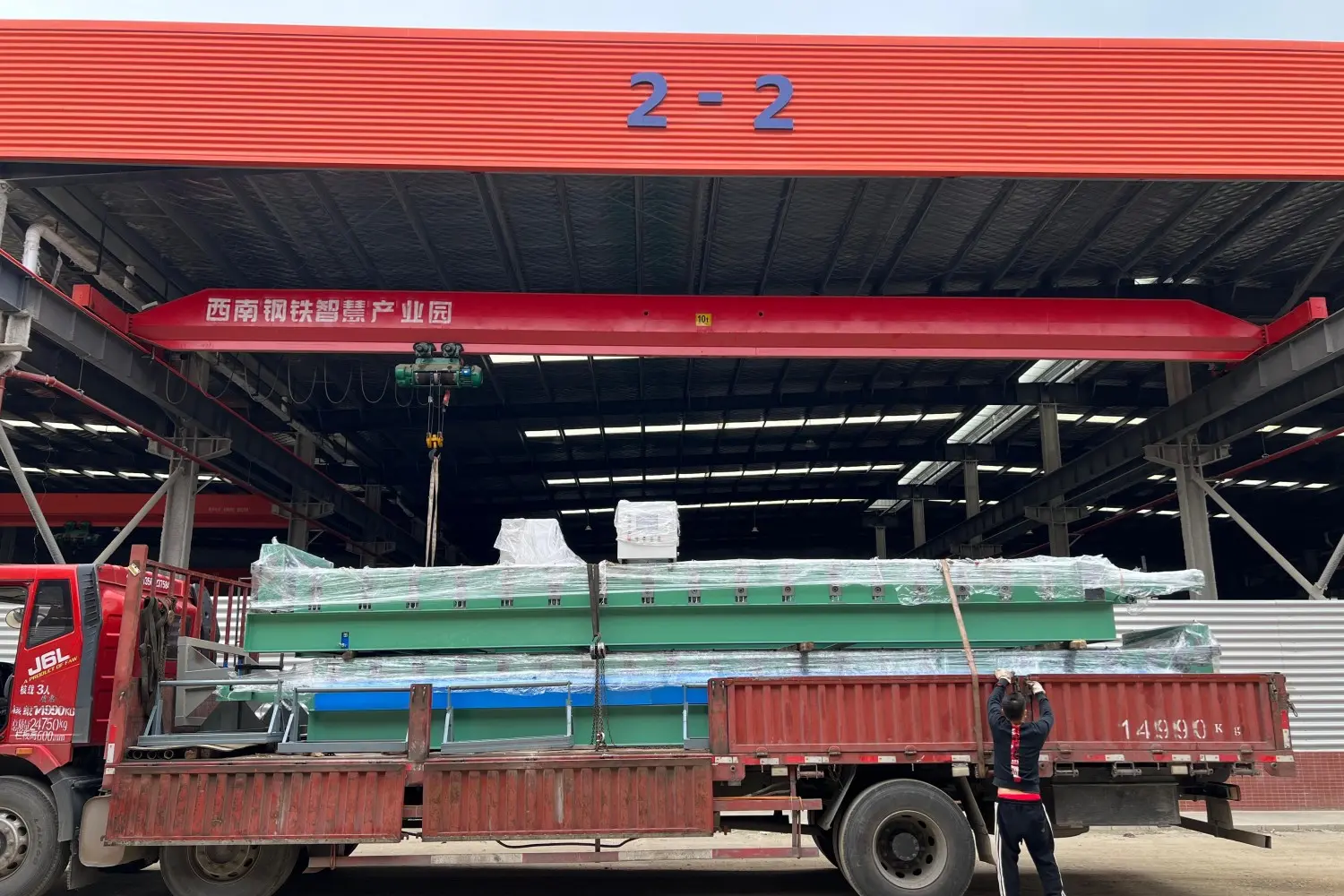
Our roll forming systems serve a diverse global customer base, supplying equipment for applications ranging from high-density residential developments to large-scale industrial structures and transportation infrastructure.
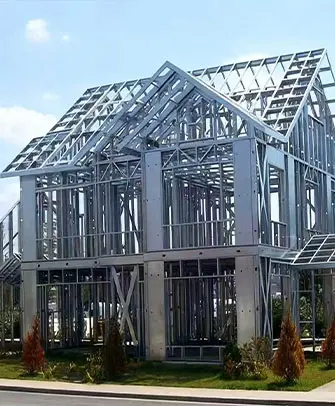
Provides high-volume production of studs, tracks, and floor joists for multi-story residential framing, facilitating rapid assembly and reducing material waste on site.
Fabricates heavy-duty C/Z purlins and industrial wall cladding panels capable of spanning wide bays in commercial warehouses and manufacturing facilities.
Produces specialized steel profiles and floor decking for transportation hubs, passenger platforms, and administrative support structures.
Roll-forms corrosion-resistant, high-strength structural profiles for ground-mount solar arrays and rooftop mounting structures.
Find answers to common technical, commercial, and operational questions about LGS framing and roll forming technology.
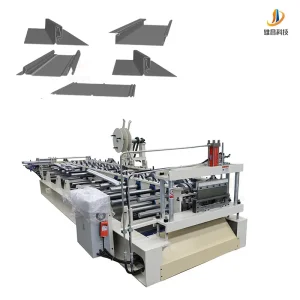
View our technical specifications and build layouts for additional roll forming configurations.
 Xiongchang