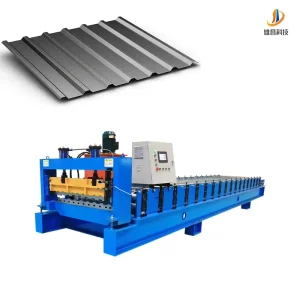
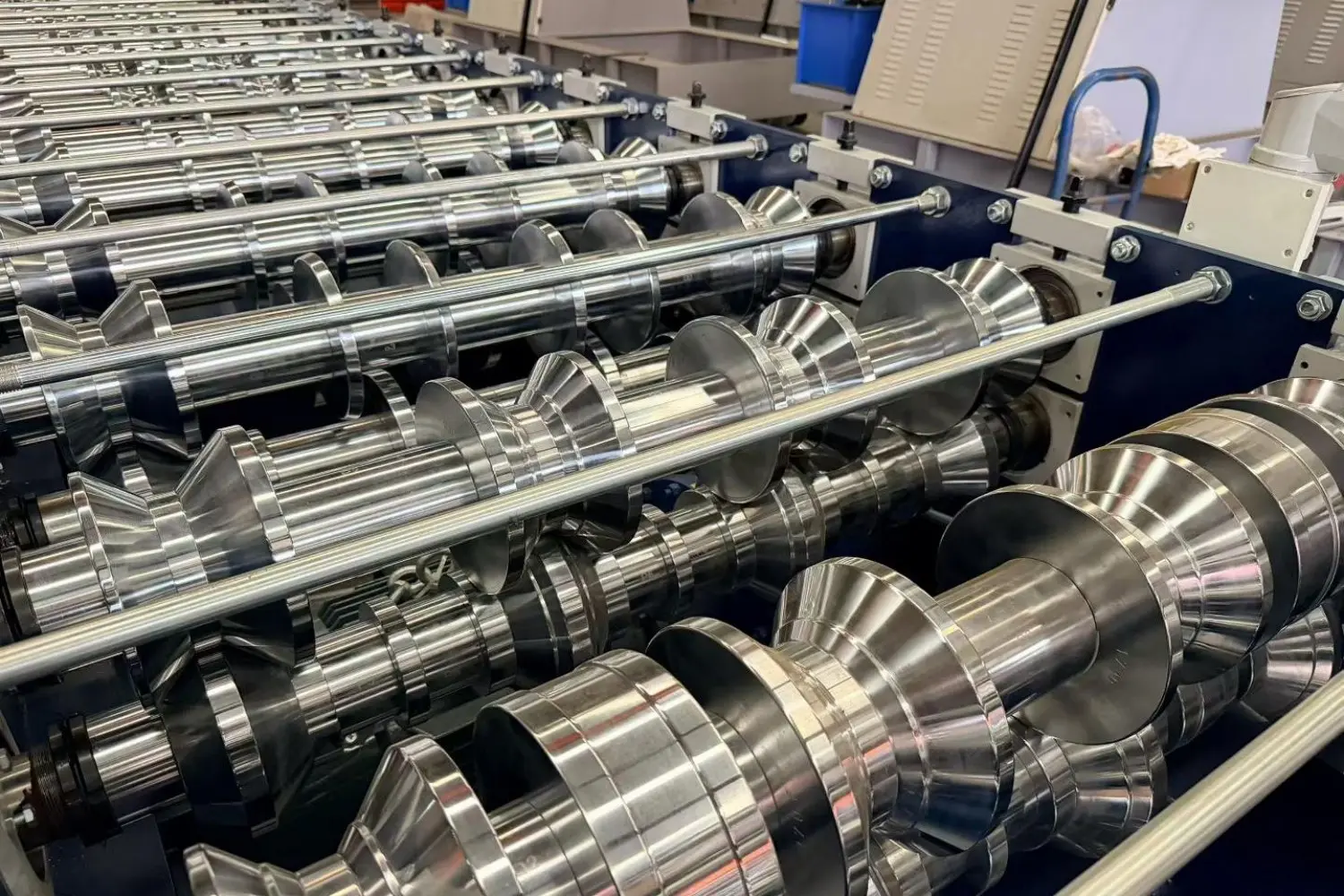
In the global structural manufacturing and construction envelope sectors, the role of heavy-duty cold roll forming machinery is paramount. Cold roll forming is a continuous bending operation where a long strip of metal (typically coiled steel, pre-painted galvanized iron [PPGI], Galvalume, or high-tensile carbon steel) is passed through consecutive sets of rollers. Each station performs incremental bending of the material until the desired cross-sectional profile is achieved.
Unlike hot rolling or press-braking, cold roll forming maintains uniform material thickness and increases the yield strength of the steel through localized work hardening. Achieving dimensional consistency (with tolerances restricted to ±0.5 mm or lower) requires advanced design methodologies, including Finite Element Analysis (FEA) and professional CAD/CAM simulation software like COPRA. The mechanical configuration of rollers, station quantity, shaft diameters, and hydraulic shearing technologies directly dictate the functional life and performance of the profile.
As global infrastructure demands rise, manufacturers are transitioning to automated, multi-profile systems that can dynamically adjust to different widths, web heights, and flange dimensions. High-volume procurement officers, manufacturing companies, and infrastructure planners require equipment built on sound mechanical engineering, robust control loops, and comprehensive material-flow calculations.
XC (Xiongchang) is an established expert in the design, engineering, and manufacturing of integrated cold roll forming solutions. Over the past twenty years, we have scaled our production facilities to deliver core production machines for roofing, flooring, doors, structural framing, and auxiliary automated handling lines.
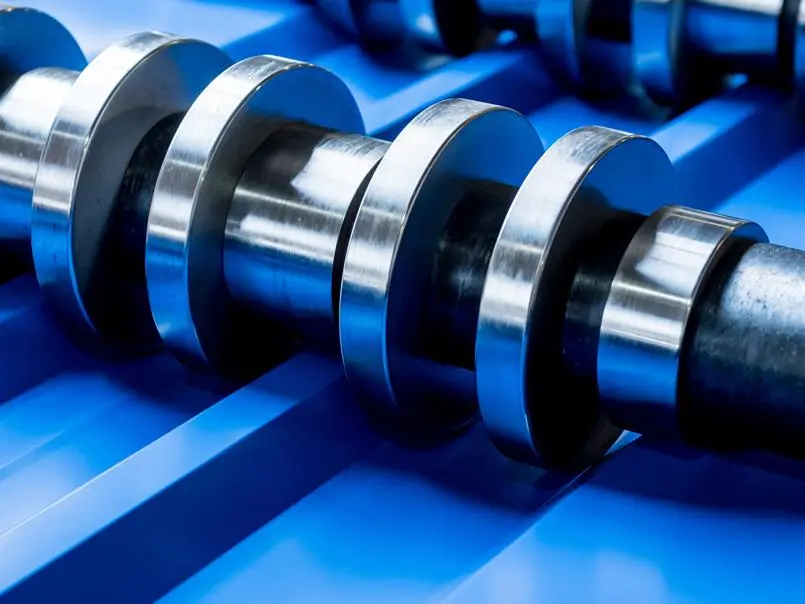
Our manufacturing philosophy centers on delivering highly durable, reliable, and high-performance machinery. From initial design using structural modeling to precision CNC machining of tool steel rollers, every phase of production is managed in-house to guarantee structural integrity. Our heavy-duty machines are built with solid cast iron or thick steel plate frame structures, high-grade alloy steel shafts (40Cr, quenched and tempered), and rollers that undergo vacuum heat treatment and hard chrome plating for wear resistance.
By integrating advanced automated controls, our lines achieve high linear output speeds (up to 40-60 meters per minute for structural profiles) while maintaining profile accuracy. XC's system architecture features high-response closed-loop PLC configurations, ensuring seamless operational control across decoilers, feeding guides, roll stations, and post-shearing assemblies.
EXPLORE OUR PRODUCTION CAPABILITIES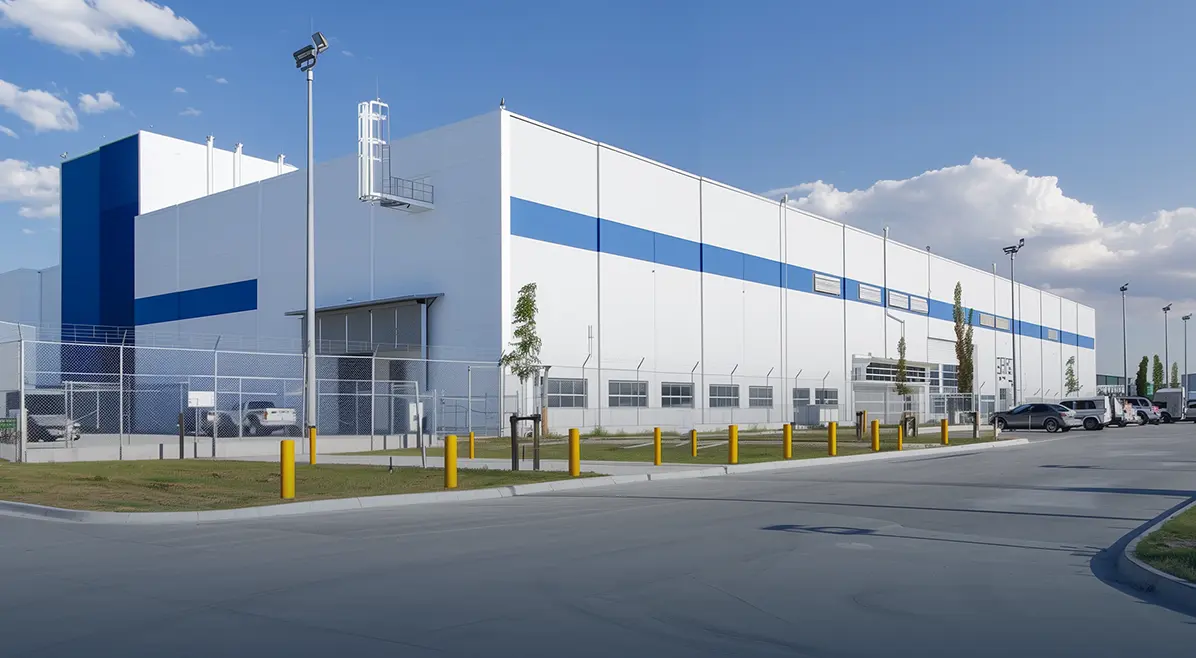
At XC, we design complete manufacturing systems, not just standalone machines. Our systems encompass decoilers, leveling devices, guiding systems, roll forming stations, punching units, cutting mechanisms, and exit racks. This end-to-end control minimizes material waste, reduces labor costs, and increases production speed.
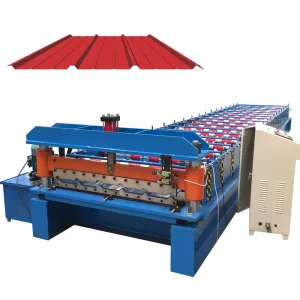
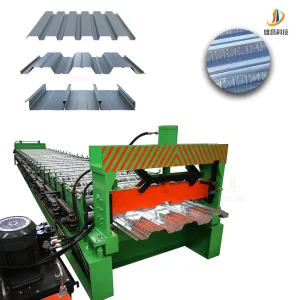
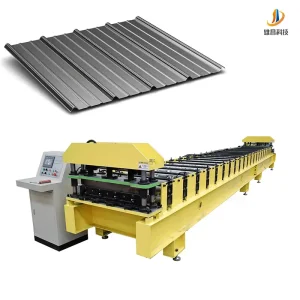
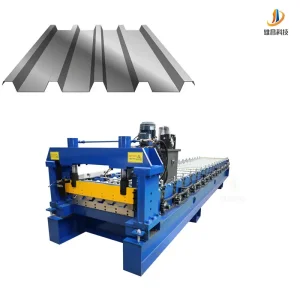
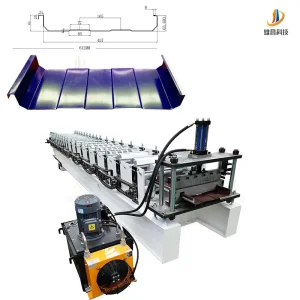
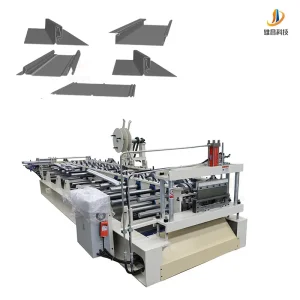
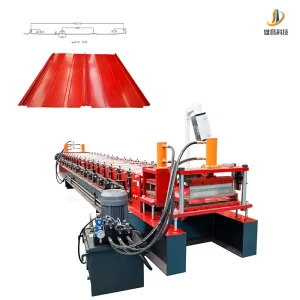
High-speed Roof Panel, Wall Panel, and Heavy-Gauge Floor Deck roll forming systems designed to run galvanized, PPGI, and Galvalume steel without surface scratching.
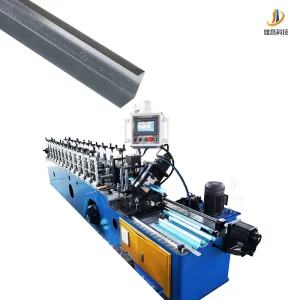
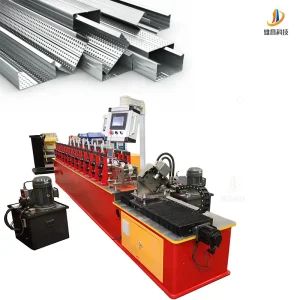
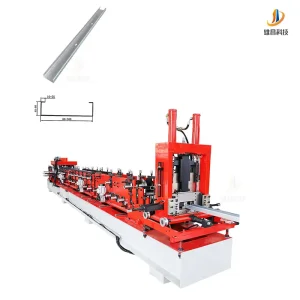
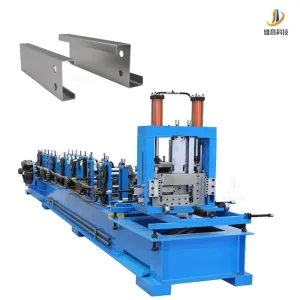
Fully automated, size-changing CZ Purlin and Stud & Track (LGS) systems. Width adjustments are motorized and managed via HMI panels, completing dimension changes in minutes.
Custom roll forming equipment for downspouts, gutter systems, dynamic shutter profiles, and fire-rated door frames, built to meet custom architectural designs.
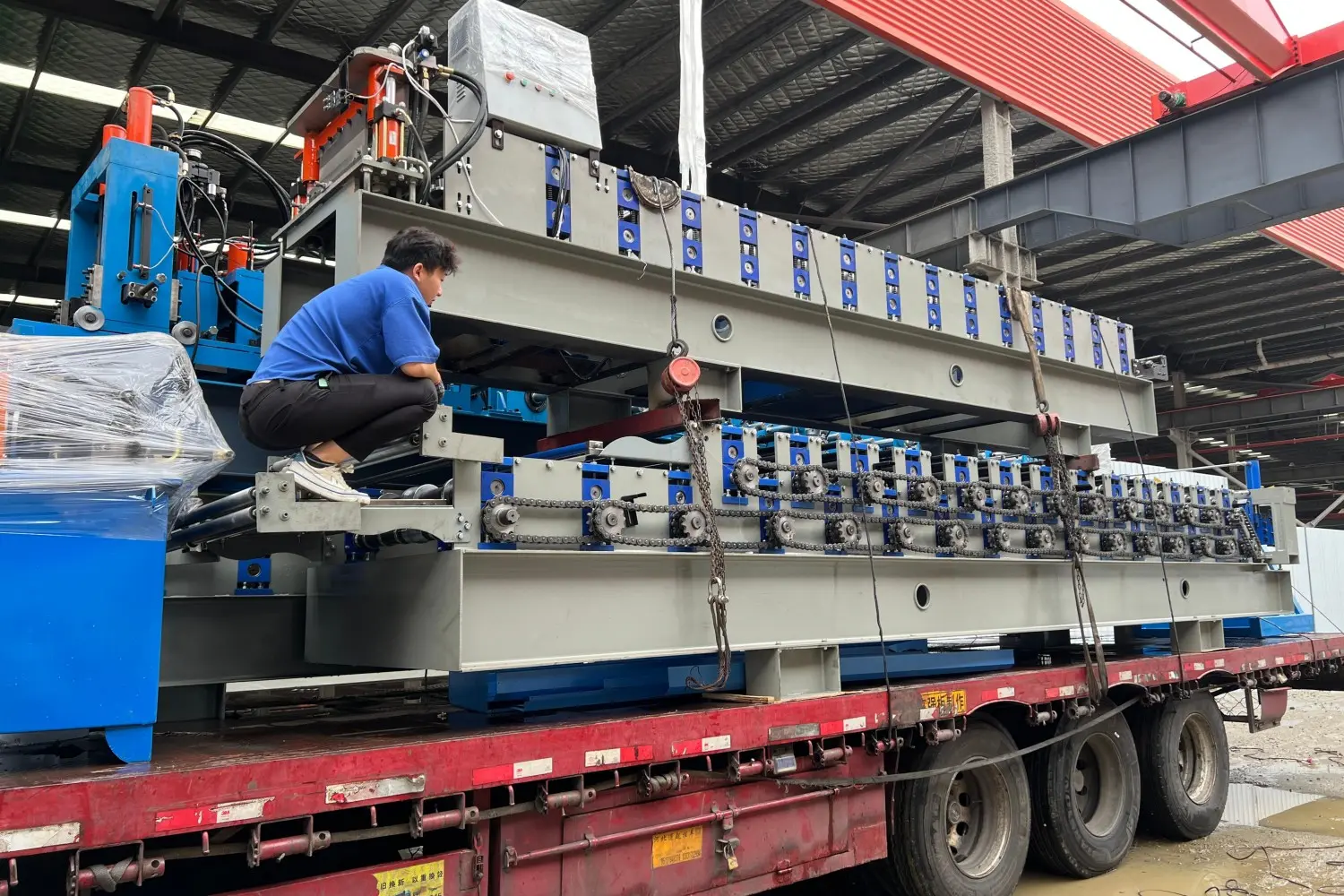
Our core engineering advantage lies in our rolling-station configurations and profile simulation. By modeling structural profiles before machining, we calculate exactly how different steel grades (from soft commercial steel to ultra-high-strength G550 structural steels) will spring back during the roll forming process. This minimizes the risk of twisting, camber, and wave edges.
Additionally, our factory utilizes CNC machining centers to produce roller sets. Tolerances are kept within microns, ensuring that even over millions of running meters, the profile dimensions remain stable and fully compatible with overlapping building requirements.
Sourcing roll forming equipment from China presents significant cost, logistical, and technical advantages, provided the manufacturer operates a vertically integrated production model. The Pearl River Delta and Yangtze River Delta industrial clusters offer access to high-grade raw materials, specialized heat treatment facilities, and advanced electrical components. This clustering reduces lead times for complex, custom ODM equipment.
At XC, we leverage this industrial ecosystem while maintaining strict control over our inputs. We source our structural steels and alloy tool steels directly from top-tier Chinese state mills (such as Baosteel and Ansteel). Every batch of material arrives with mechanical test certs confirming chemical composition and yield strengths.
Additionally, the close proximity of our component vendors allows us to customize control enclosures (integrating Siemens, Schneider, Omron, or Delta components) based on customer-specific plant environments. By maintaining key manufacturing steps—such as shaft turning, roller tempering, frame stress-relieving, and painting—within our 50,000㎡ facility, we control our production schedule and protect against external disruptions.
Reliability is a critical factor for structural metal forming machinery. Under high-speed continuous loads, minor shaft deflections or roller misalignments can cause cumulative errors, resulting in panels that twist, warp, or fail to overlap correctly at the construction site.
XC implements a multi-stage Quality Assurance (QA) program that begins during design engineering and continues through commissioning:
The purchase of industrial capital equipment marks the beginning of a long-term technical relationship. XC offers a structured range of lifecycle services to ensure our roll forming machinery maintains high productivity.
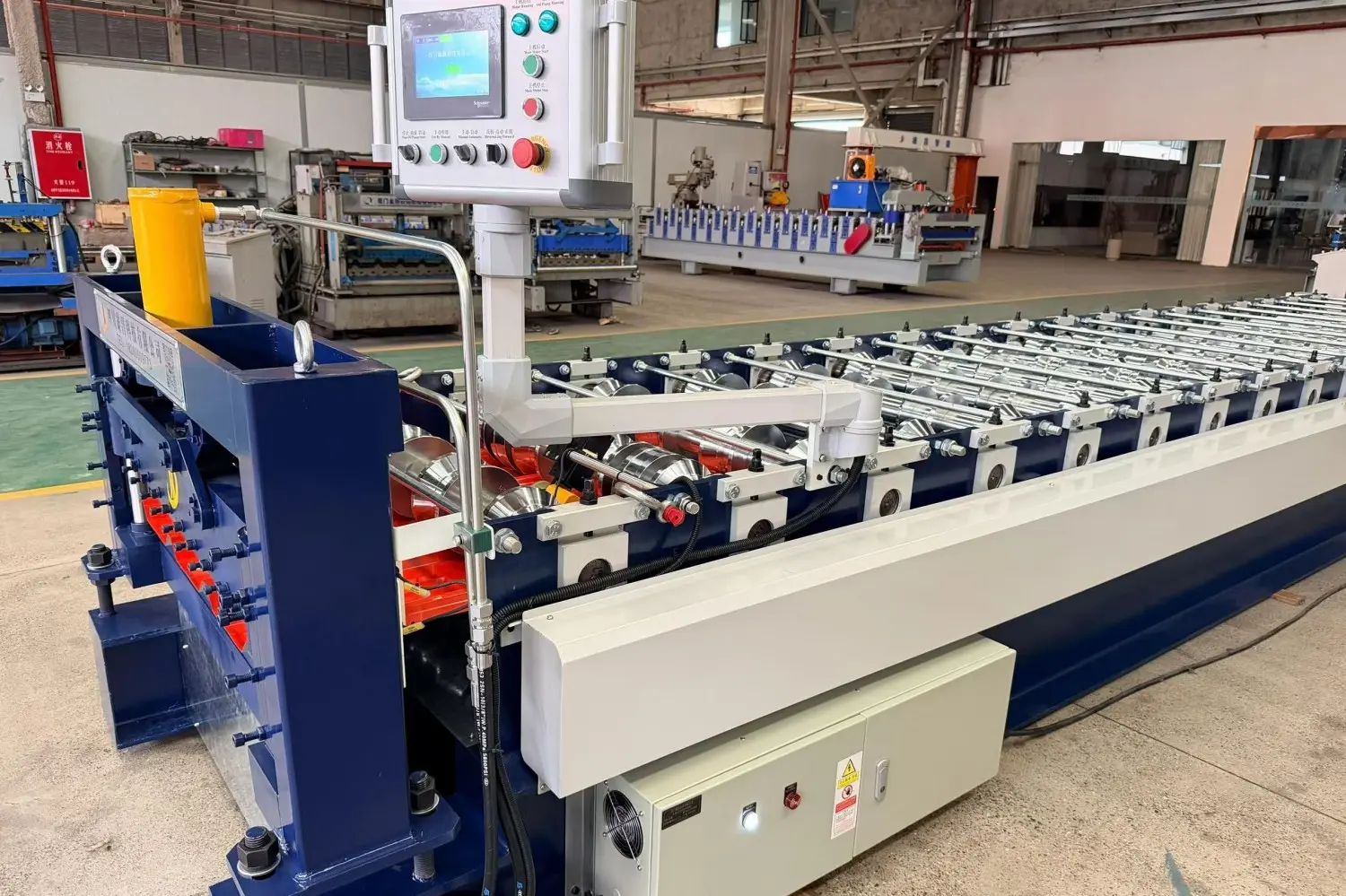
When a machine arrives at a facility, our field service engineers provide on-site commissioning, electrical system calibration, mechanical alignment verification, and operator training. This training covers routine maintenance, hydraulic system tuning, and error resolution on the HMI console.
For global operations, we offer remote diagnostic support via integrated PLC ethernet links. If an operator encounters profile errors, our factory team can access the machine's control loops, review sensor inputs, and optimize shearing parameters remotely. We also stock replacement parts, including rollers, cutters, valves, limit switches, and encoders, ready for rapid dispatch.
XC cold roll forming systems are utilized across various industrial sectors worldwide. Because cold-formed steel profiles offer a high strength-to-weight ratio, they are standard components in modern construction, transport logistics, and clean energy storage.
Producing standing seam roofing, architectural wall cladding, insulated metal panels, purlins, and steel framing for residential, commercial, and industrial structures.
Manufacturing custom structural profiles, chassis components, side-impact beams, and panel frames for heavy trucks, trailers, and public transport systems.
Providing high-yield strength steel racking, torque tubes, and structural mounting rails for utility-scale solar photovoltaic arrays and wind energy enclosures.
 Xiongchang