Explore our high-performance collection of industrial cold roll formers and structural sheet metal processing lines engineered for global construction operations.
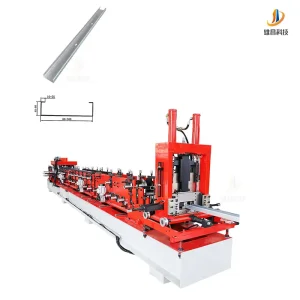
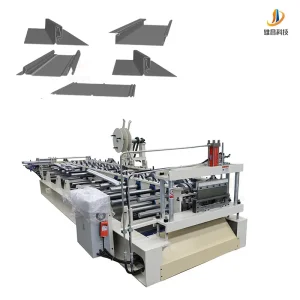
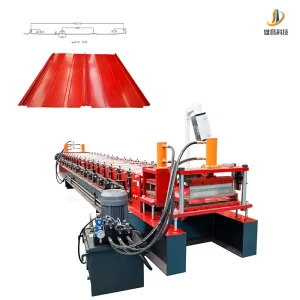
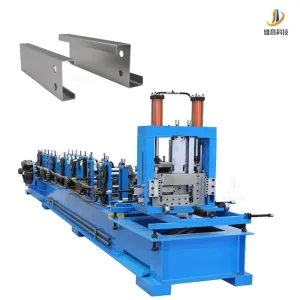
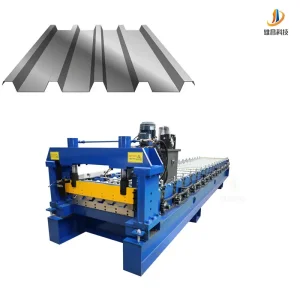
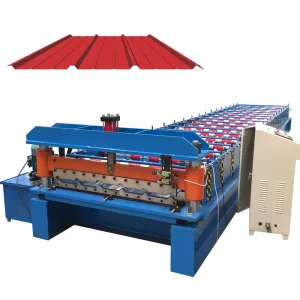
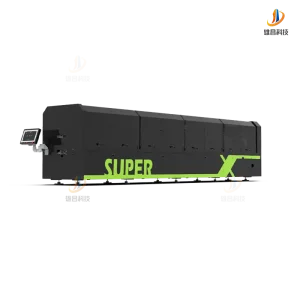
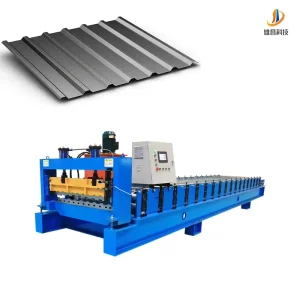
As an established expert in the field, XC (Xiongchang) provides integrated cold roll forming solutions. Our extensive portfolio encompasses core production machines for roofing, flooring, doors, and structural components, as well as complete auxiliary line equipment essential for high-yield, high-precision industrial operations.
By leveraging advanced engineering and robust manufacturing practices, we customize every system to meet the rigorous tolerances demanded by global EPC contractors, metal panel manufacturers, and industrial builders.
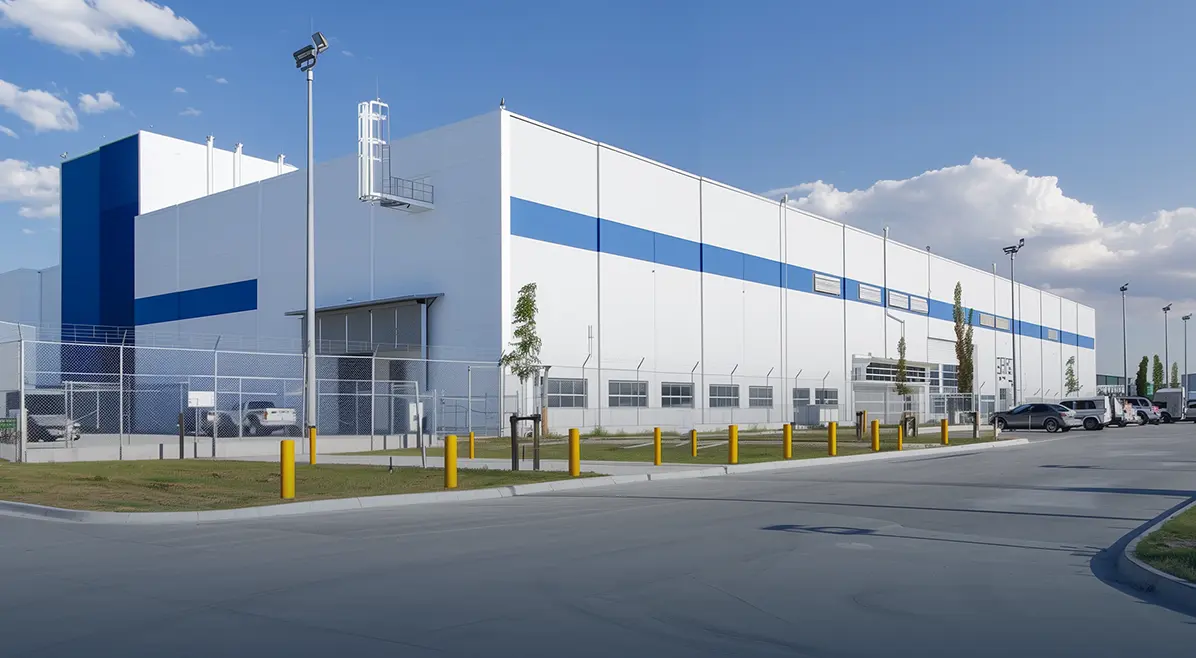
XC's manufacturing footprint and market presence reflect our commitment to engineering longevity and customer success across five continents.
How XC Xiongchang delivers high-yield roll forming machinery through advanced engineering, precision tooling, and stringent quality control protocols.
Our dedicated team of over 50 mechanical engineers utilizes COPRA roll design software to map stresses, sheet deformation, and rolling patterns, preventing structural oil-canning and edge-wave defects on finished profiles.
We invest in advanced CNC machining centers and high-precision cylindrical grinders. This ensures that every roll tooling shaft, die component, and profile spacer satisfies tolerances down to ±0.02 mm.
Our ISO-certified inspection laboratory checks structural hardness (HRC), profile depth, and surface treatment metrics. We run rigorous factory acceptance testing (FAT) before wrapping and shipment.
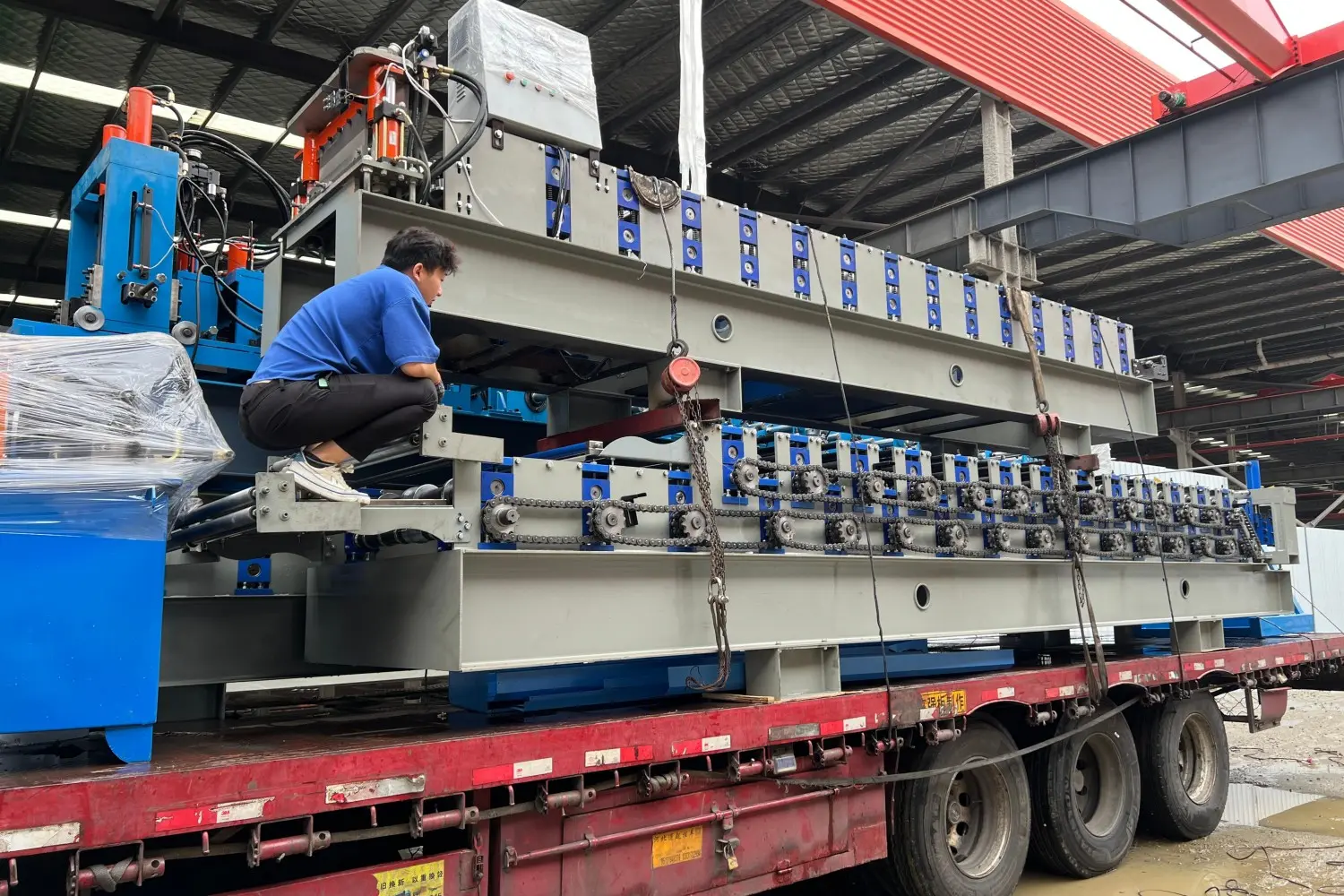
Our commitment to custom roll forming systems means integrating advanced automation across all machine frameworks. Whether processing standard galvanized steel, high-tensile steel, or fragile pre-painted aluminum, our machinery ensures consistent shape control and eliminates coating scratches.
Through heavy-duty solid cast iron frames, synchronized PLC hydraulic cutting systems, and high-frequency hardened roller tooling, XC machines are built to endure decades of continuous, high-speed shifts.
An In-Depth Engineering Review of Mechanical Lock Standing Seam Profiles, Chinese Production Dynamics, Global Procurement Standards, and Custom Manufacturing Solutions.
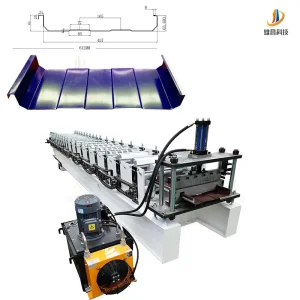
In structural roof design, the building envelope must withstand intense wind loads, precipitation, and thermal movement. Traditional screw-down metal panels are vulnerable to thermal elongation, causing fastener holes to widen over time. The Mechanical Lock Standing Seam Panel solves this by using hidden clips that allow the panel to float freely during heating and cooling cycles.
Mechanical lock profiles differ from snap-lock configurations because they require an active mechanical action to lock the seam. Using specialized electric or manual seaming equipment, the installer folds the interlocking male and female ribs. The joint is typically folded into a Single Lock (90-degree fold) or a Double Lock (180-degree fold). The 90-degree seam provides reliable water barrier attributes for roofs with steeper pitches. In contrast, the 180-degree double lock seam provides hermetic sealing suitable for low-slope architectural roofs (slopes as low as 1:24 or 0.5:12). It is highly resistant to water infiltration from ponding, heavy rain, and ice dams.
Purchasing machinery from Chinese roll forming companies like XC offers clear advantages in supply chain integration, engineering efficiency, and cost effectiveness. Chinese industrial hubs contain vast steel mills, tooling centers, heat treatment plants, and component logistics networks in close proximity.
The roll forming industry is transitioning toward digital automation and portability. Advanced engineering companies focus on key industry shifts:
Mechanical lock standing seam panels are selected for projects in harsh environmental conditions:
Coastal Zones: High-humidity coastal regions experience strong wind forces. Double-locked seams prevent panel detachment under severe wind loads. Using rust-resistant coatings, such as PVDF-painted aluminum or copper, ensures long-term durability in marine environments.
High Snow Load Regions: Standard panel fasteners can fail under the pressure of sliding snow. Mechanical lock standing seam systems remain secure, allowing snow to slide off without damaging the panels or the underlying roof deck.
Solar Panel Integration: Standing seam roofs allow solar brackets to clamp directly onto the raised seams without penetrating the metal. This maintains a weather-tight seal while providing secure anchoring for PV systems.
We deliver complete production lines that integrate decoiling, flattening, forming, cutting, and automation into a single, cohesive workflow.
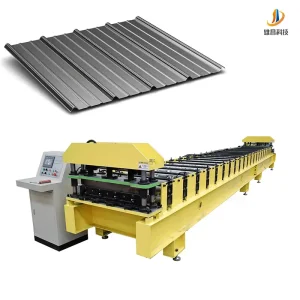
High-speed lines producing standing seam roofing, architectural wall cladding, and insulated sandwich panel skins with high accuracy.
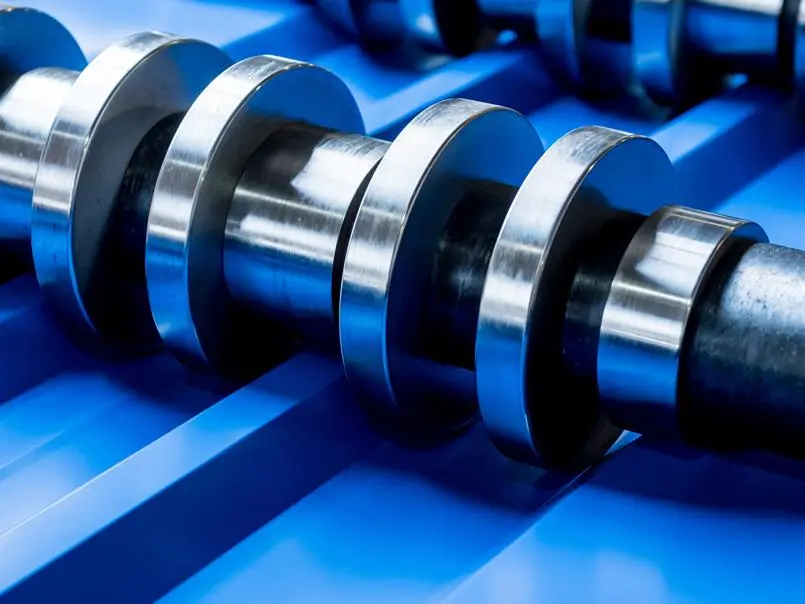
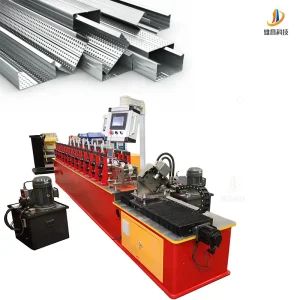
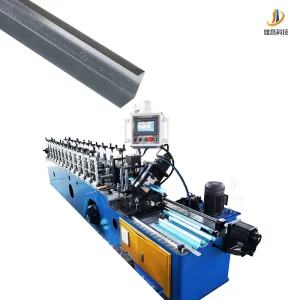
Heavy-duty C/Z purlin machinery and light gauge steel (LGS) stud and track framing machines with integrated punching systems.
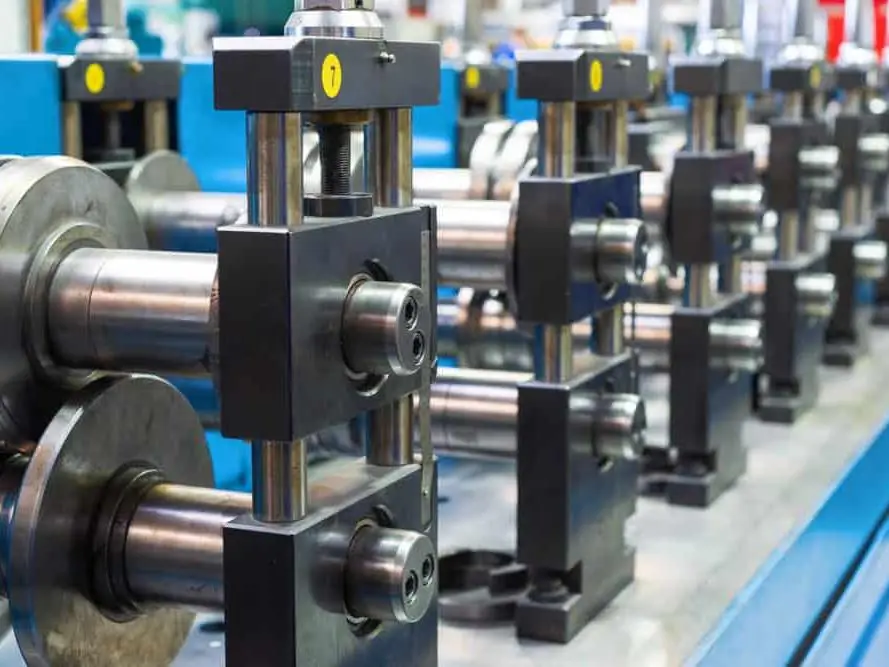
Custom metal forming solutions, including rain gutters, garage door profiles, and roller shutters, configured to match client specifications.
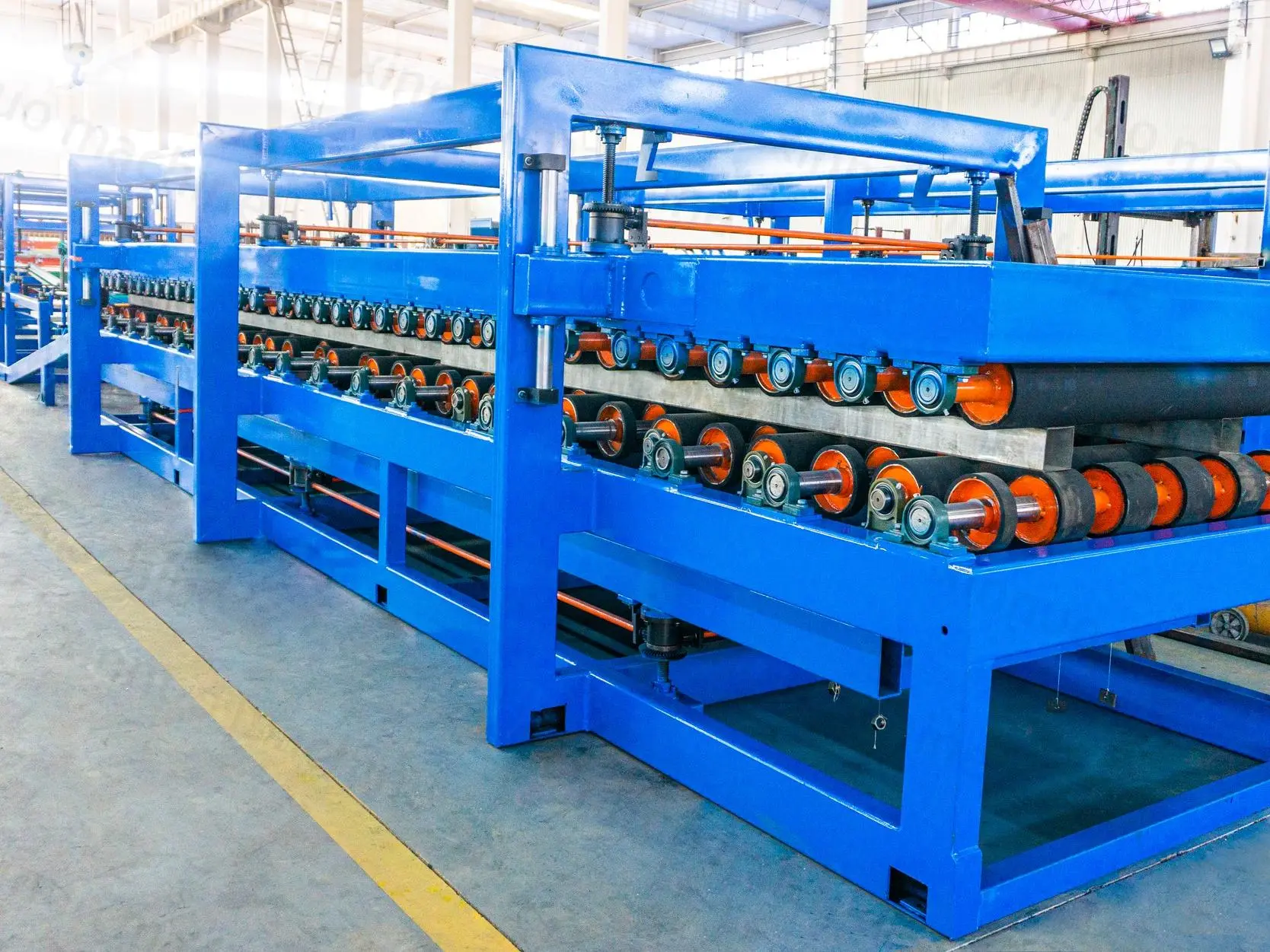
At XC, we use specialized measuring and testing instruments to verify the strength, durability, and tolerances of our machinery. Every component undergoes rigorous inspection, from checking chemical compositions to dimensional verification via laser scanners.
Our quality control program follows standardized testing steps. We conduct full factory acceptance runs with client-supplied metal coils prior to shipping to ensure all parts meet specified design tolerances.
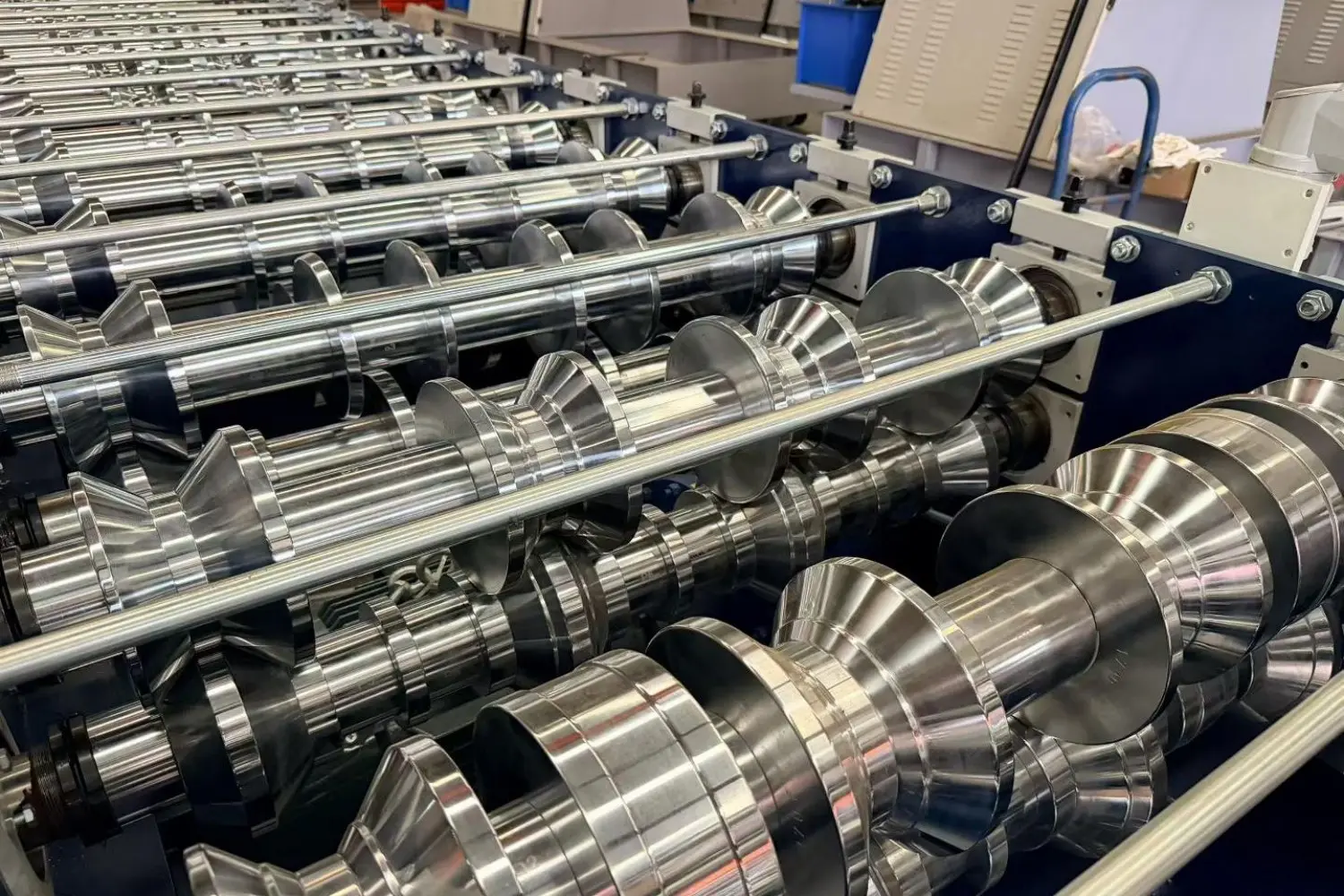
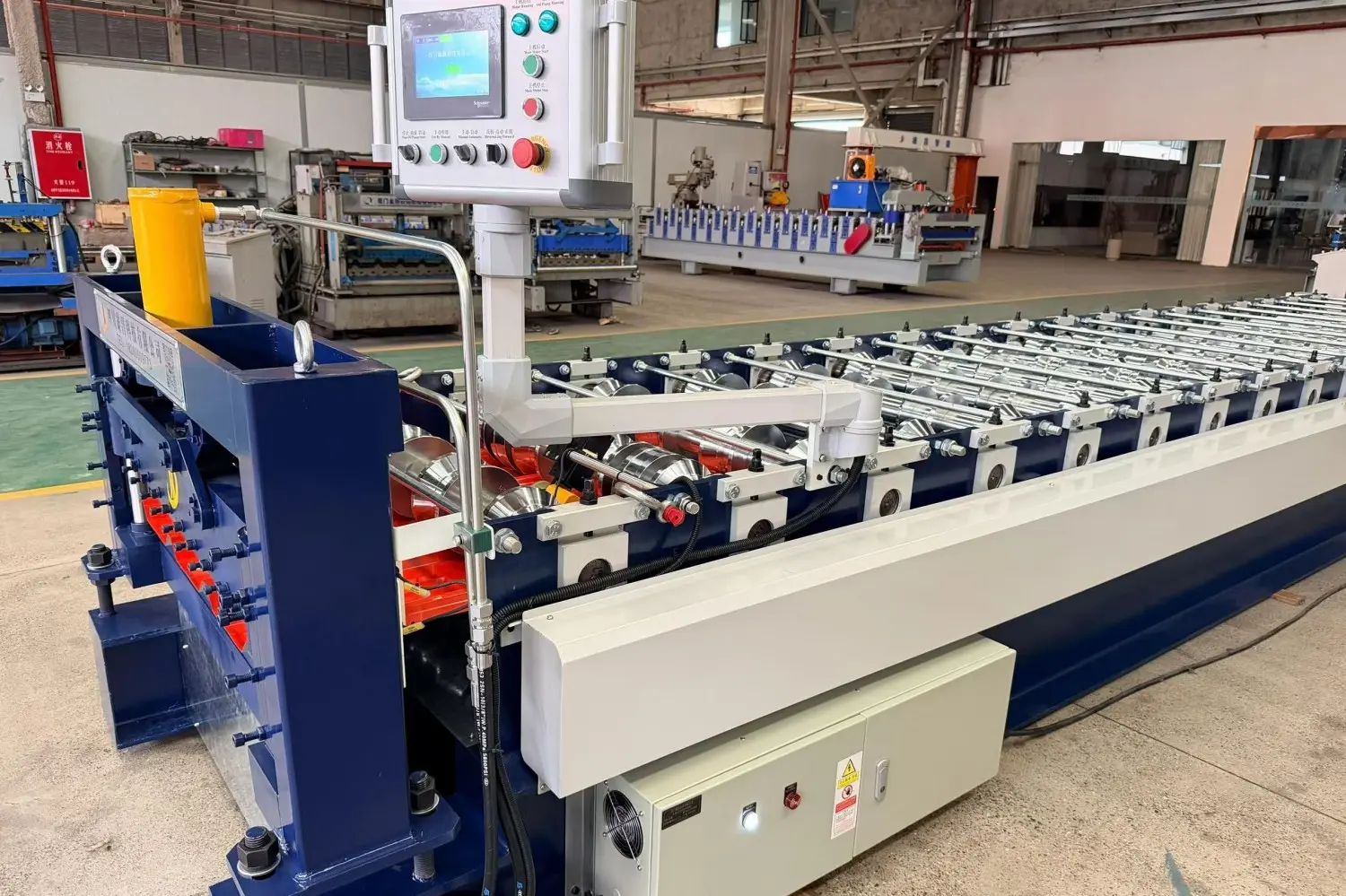
XC provides lifecycle support for all machinery, from initial design review through field installation. We offer on-site assembly, electrical commissioning, and operator training to help teams achieve full production efficiency.
Our after-sales department provides technical support and replacement parts, minimizing potential downtime and keeping your lines running efficiently.
Our roll forming lines serve a variety of commercial and industrial sectors, including construction, manufacturing, and agricultural infrastructure. XC equipment contributes to major infrastructure developments, industrial logistics parks, and residential building projects.
We work closely with structural engineers and plant operators to develop custom equipment configurations that meet regional building codes and material requirements.
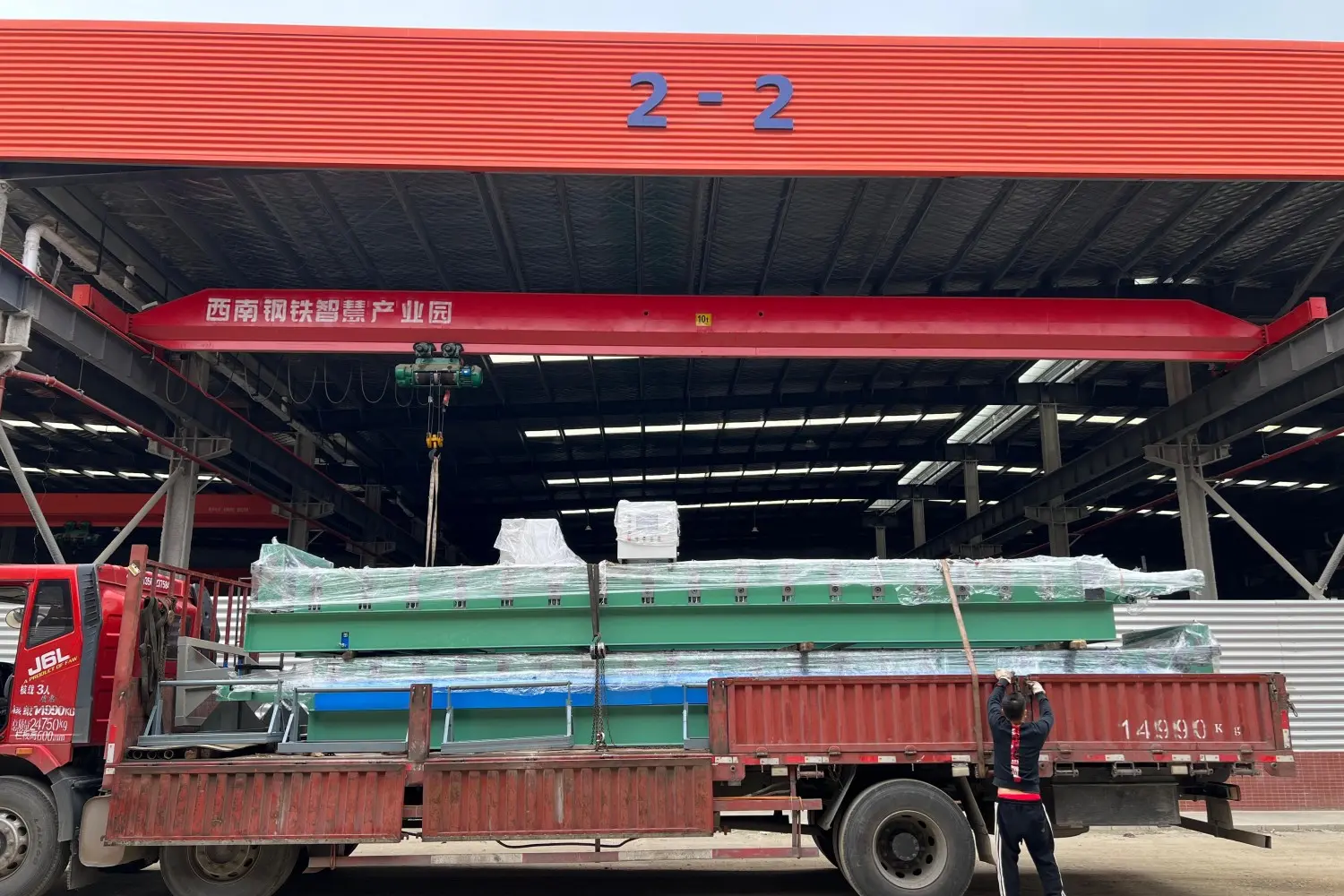
XC designs and manufactures industrial cold roll formers tailored to modern construction workflows.
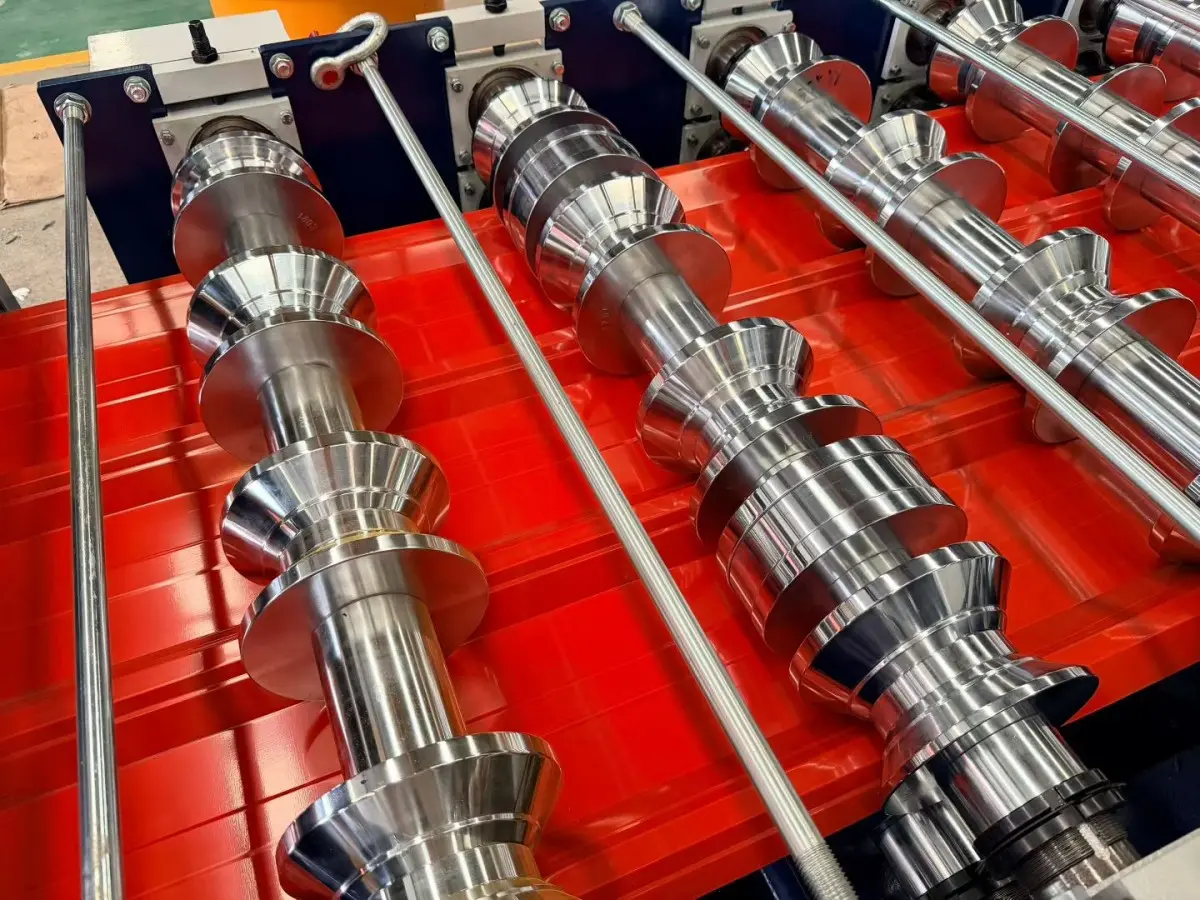
Heavy-duty roll forming systems engineered for continuous material processing.
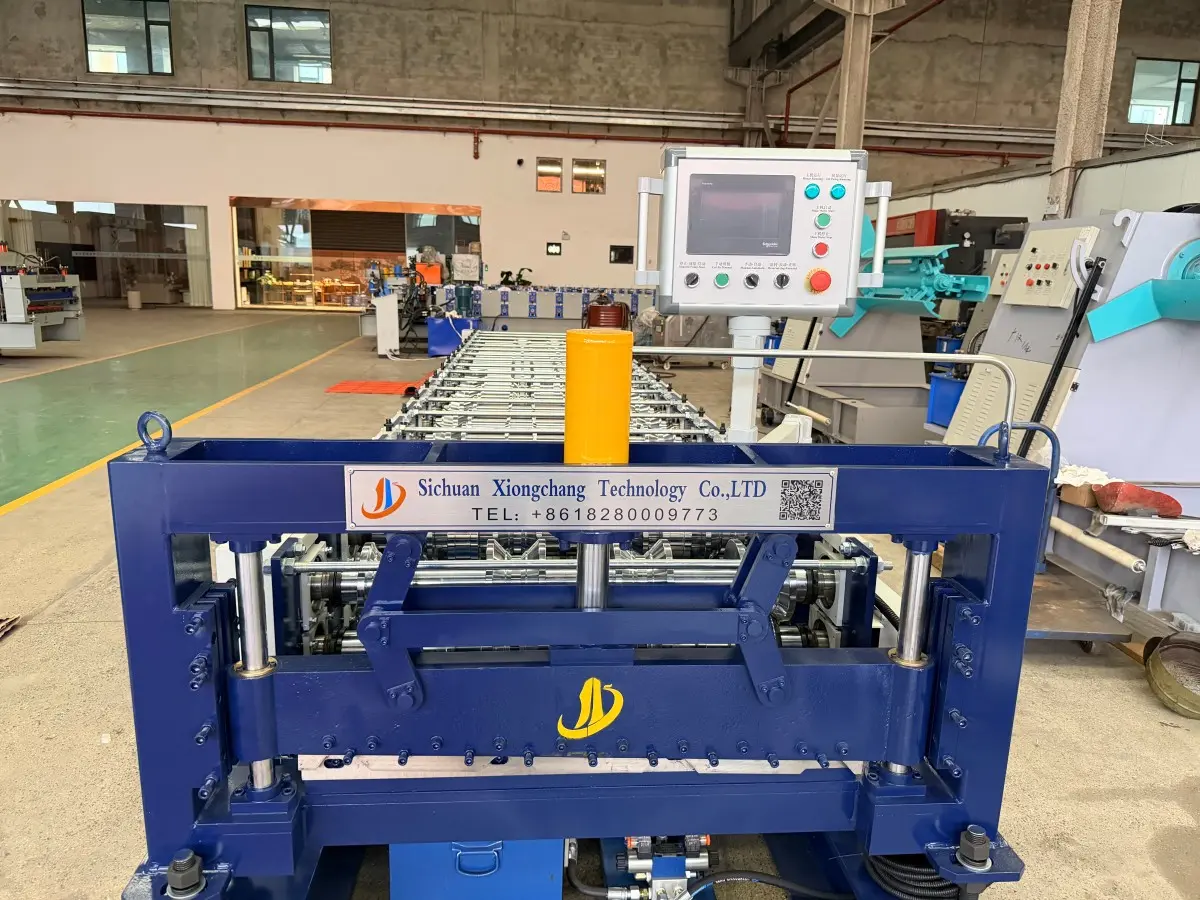
Comprehensive support services to maintain long-term production efficiency.
A look at the design practices and material specifications that support the reliability of our machinery.
Over two decades of roll forming development, helping us design machines that prevent oil-canning and maintain profile accuracy.
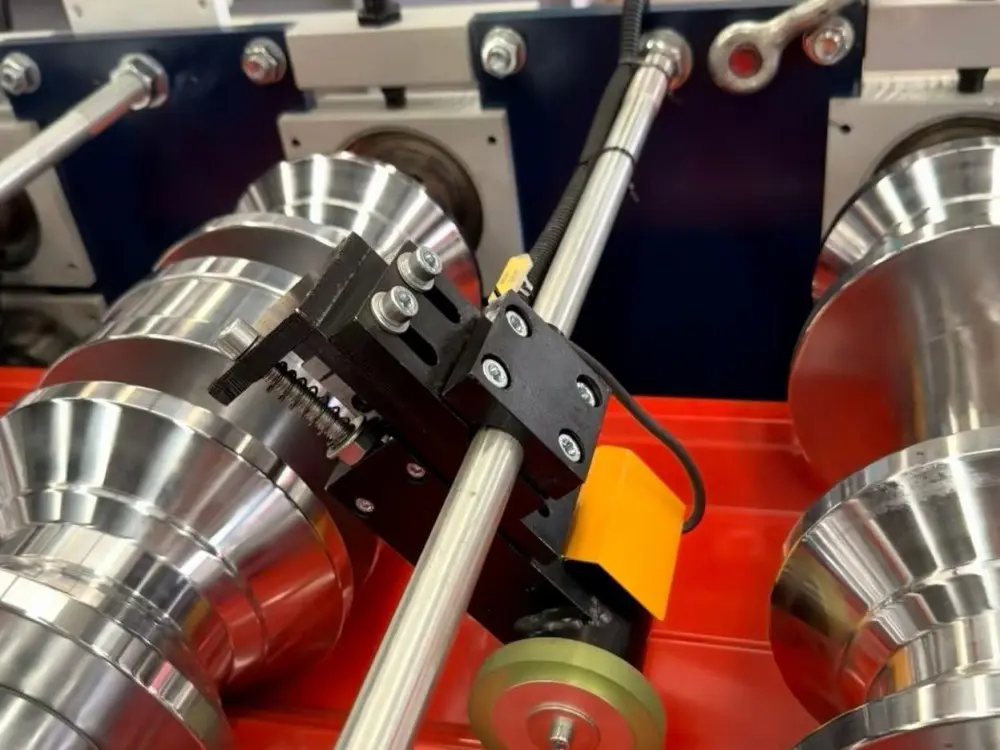
Heavy steel plates, chrome-plated rollers, and planetary gear drives provide the structural strength needed for multi-shift industrial use.
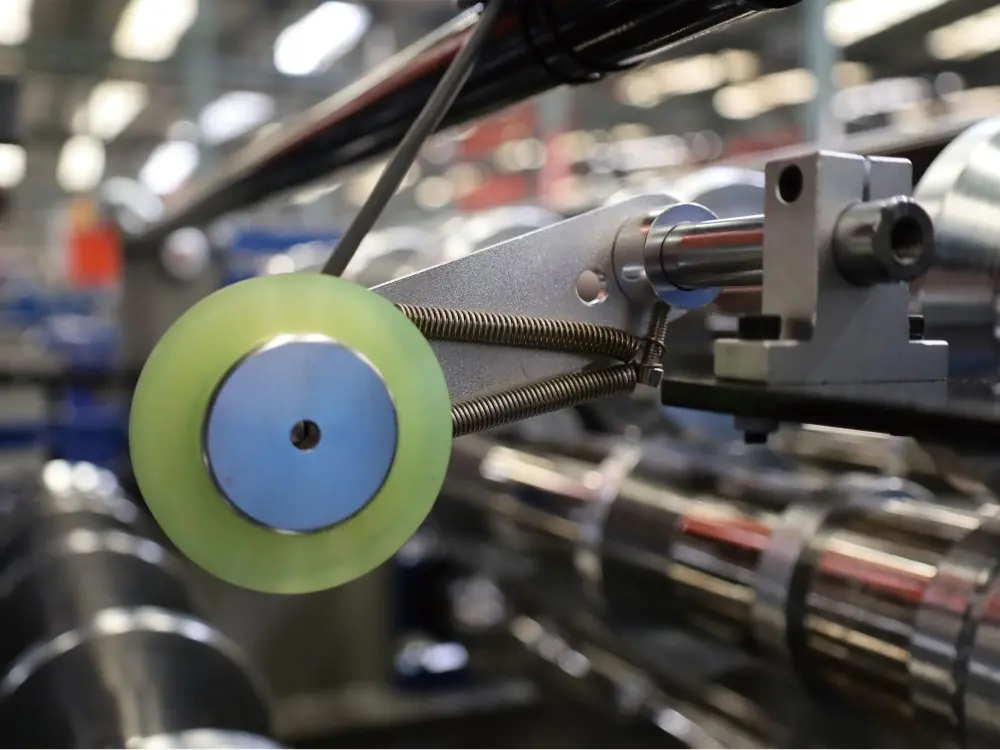
We assist clients from profiling design through factory installation and long-term maintenance support.
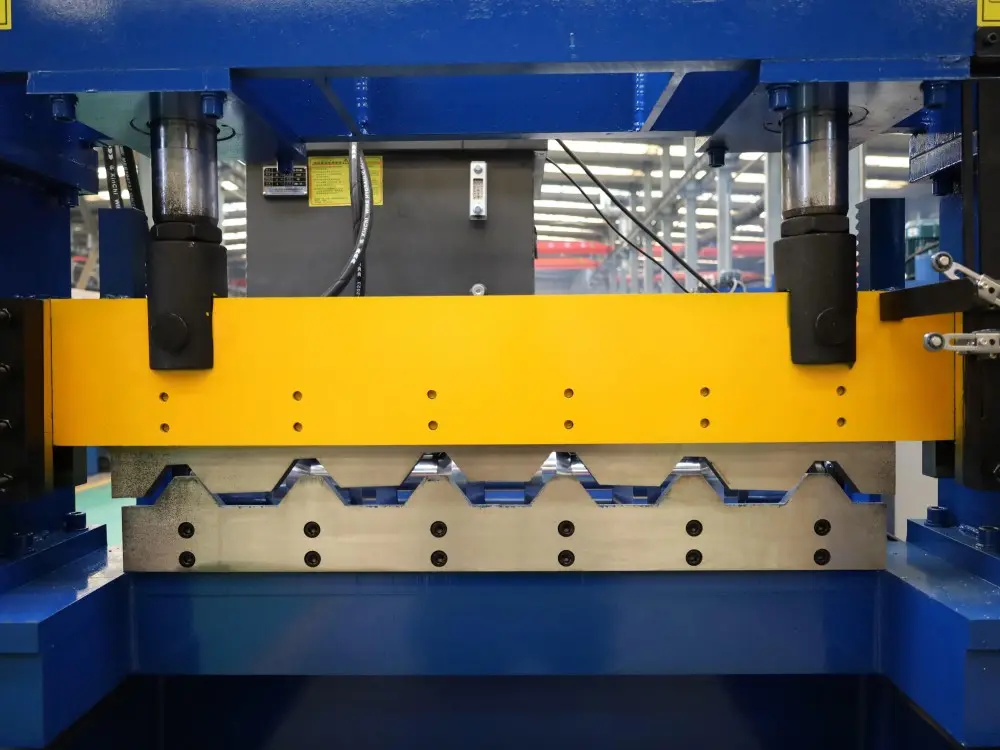
XC machinery is used to manufacture structural components and building materials for major sectors globally.
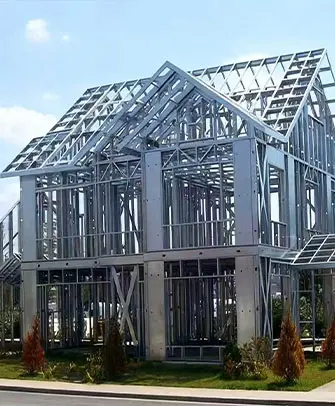
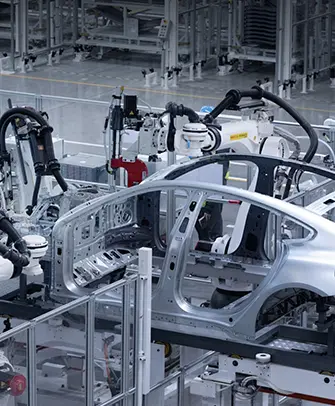
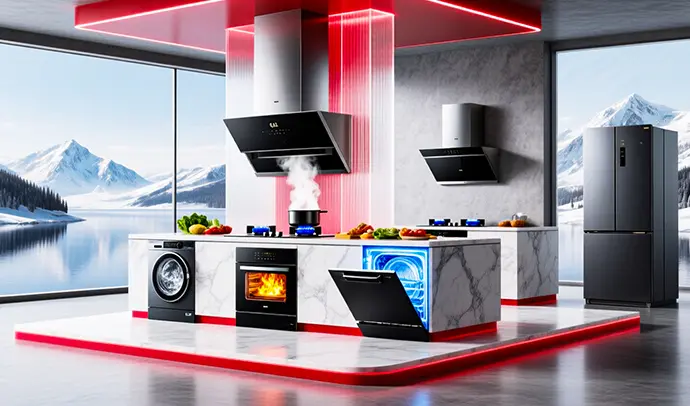

Technical answers regarding mechanical lock former design, operation, and international specifications.
Mechanical lock panels must be folded together by a mechanical seaming tool (creating a 90-degree single lock or 180-degree double lock joint), which provides higher wind uplift resistance and watertightness. Snap lock panels snap together during installation, which reduces assembly time but is generally restricted to higher-slope roofs.
Yes, our adjustable roll formers can adapt panel widths via manual adjustments or automated servo-driven PLC controls. Panel heights are generally fixed by the design of the roller tooling passes, though some specialized systems support interchangeable cartridges.
Our machines are engineered to form galvanized steel (0.4 mm to 0.8 mm), pre-painted steel, aluminum (up to 1.0 mm), and copper. The roll tooling is designed to accommodate different yield strengths without damaging decorative surface coatings.
We integrate high-resolution encoders (such as Omron) with digital PLC controllers (Siemens/Mitsubishi) to monitor sheet speed. This configuration achieves cutting length tolerances within ±1.0 mm, reducing material waste on site.
We use Cr12MoV or GCr15 bearing steel for the forming rollers. These rollers undergo precision CNC machining, vacuum heat treatment to HRC 58-62, and hard chrome plating to minimize wear and prevent rust.
Yes, we customize electrical systems to match your local power supply, whether it is 220V/60Hz/3Ph, 380V/50Hz/3Ph, 415V/50Hz/3Ph, or 480V/60Hz/3Ph. All controls are wired according to CE or UL standards.
Standard profile machines typically require 45 to 60 days to complete. Complex, multi-profile lines or automated servo-driven lines require 75 to 90 days, which includes design verification and factory testing.
We apply anti-rust oil to all unpainted steel components and wrap the machinery in heavy-duty plastic shrink wrap. Crucial electronic units are boxed, and the machine structure is anchored inside the container with steel wire ropes and wood blocks.
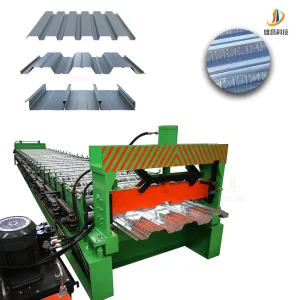
Select from our range of structural profile machinery designed for high-volume metal component manufacturing.
 Xiongchang