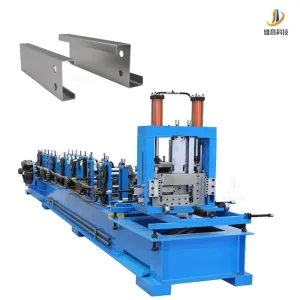
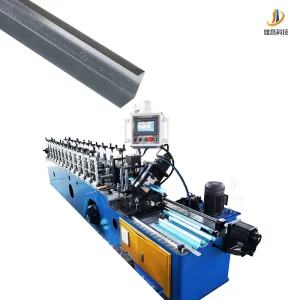
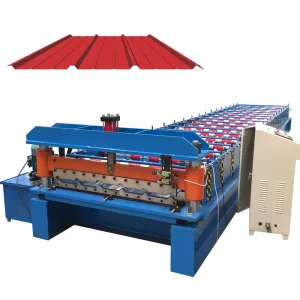
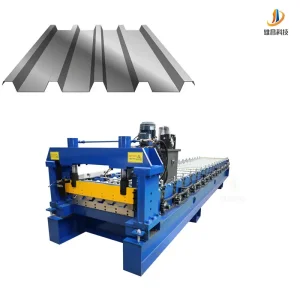
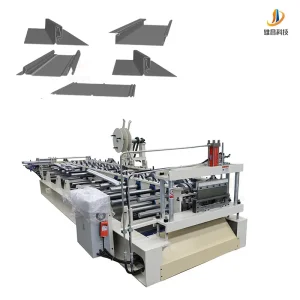
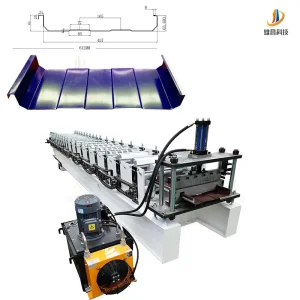
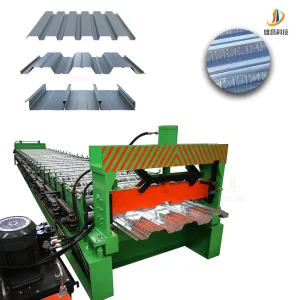
Explore our core engineering catalog, designed to meet rigorous standards of structural framing, paneling, and architectural envelope projects worldwide.
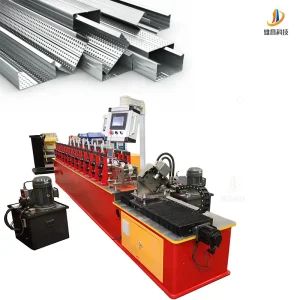
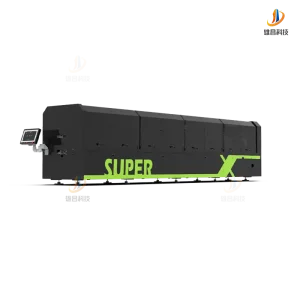
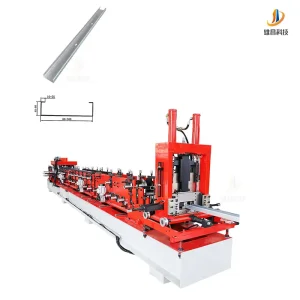
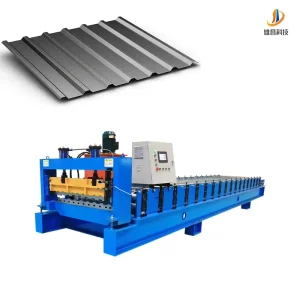
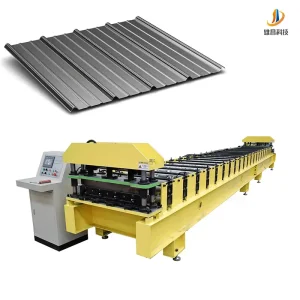
In modern industrial architectural engineering, the Inverted Box Rib (IBR) panel configuration stands as one of the most structurally efficient and widely utilized profile designs. Engineered with distinct square flutes, IBR profiles provide an optimal strength-to-weight ratio, ensuring maximum drainage capacity and superior load-bearing capabilities. For multi-national corporations, project developers, and large-scale manufacturing operations, procuring reliable and highly accurate ODM IBR Sheet Roll Forming Machines is crucial to minimizing material waste, securing product longevity, and maintaining structural integrity across extensive building envelopes.
As a leading engineering and manufacturing entity, XC (XiongChang) specializes in complex roll forming solutions. We design and deliver complete, automated fabrication configurations capable of managing diverse material specifications—from high-tensile galvanised steel to pre-painted aluminum alloys. This comprehensive whitepaper provides an expert analysis of the engineering systems, production workflows, compliance framework, and macro-industrial strategies that position XC as the primary partner for B2B global roll forming sourcing.
The manufacturing complexity of an IBR roll forming line centers on the precise control of material deformation. Standard industrial cold-forming often introduces residual stress, resulting in structural defects such as edge wave, oil-canning, and camber. XC mitigates these engineering issues through rigorous design protocols and advanced machinery simulation.
Our dedicated engineering department utilizes specialized design platforms to construct visual stress maps of the forming process. This ensures the raw coil experiences incremental, uniform deformation across all stations. Our standard production assets feature:
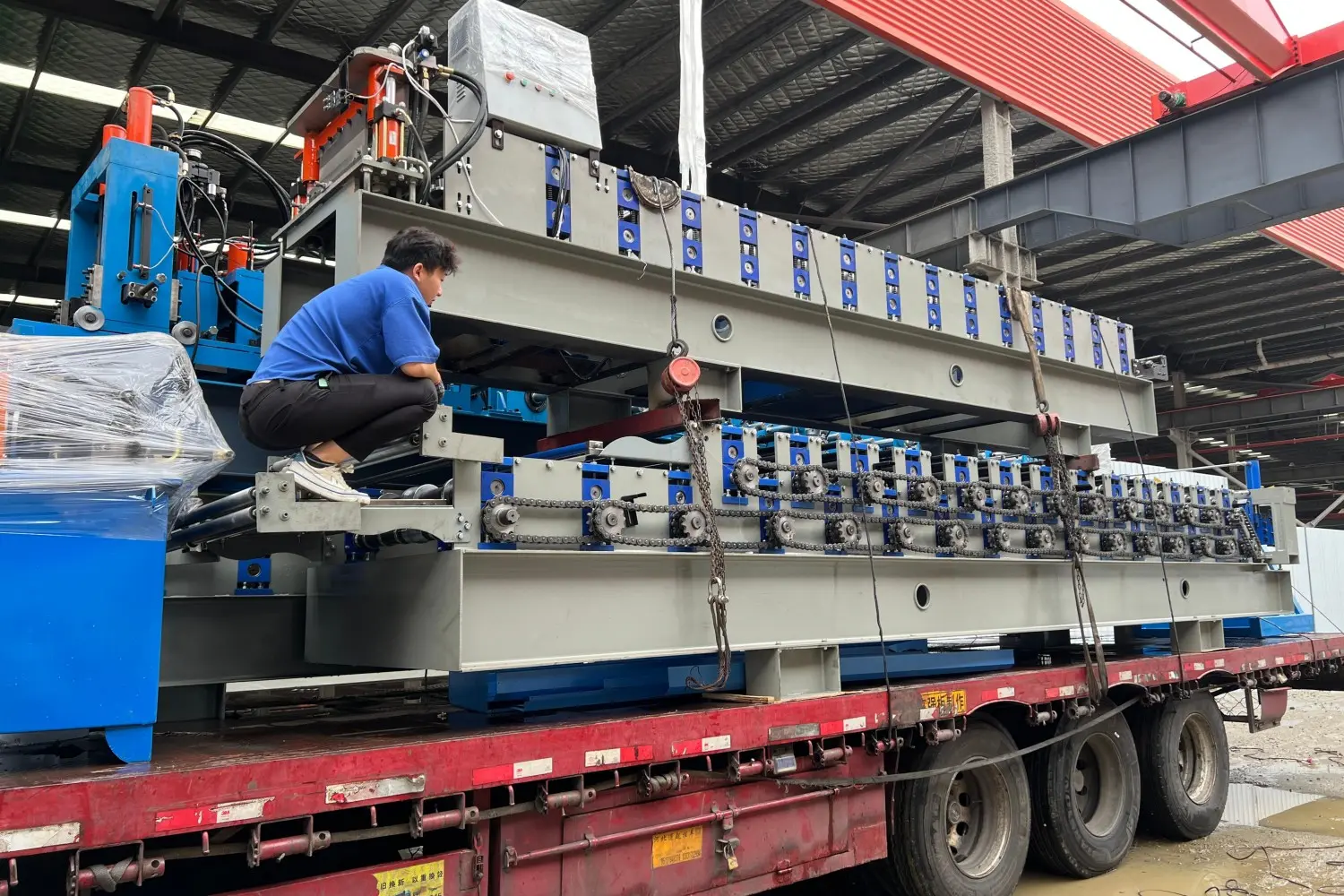
Why industrial procurement specialists and structural engineering firms trust the XC engineering ecosystem.
Equipped with state-of-the-art automated production machinery, we secure strict dimensional tolerances (±0.5mm on sheet length) to facilitate fast and trouble-free installation on building structures.
Optimized to form high-tensile steel (up to G550 yield strength) and thin-gauge materials without damaging paint coatings or surface finishes during high-speed production cycles.
Engineered for high-volume 24/7 industrial environments, utilizing heavy cast-iron or thick steel plate structural frames that absorb mechanical vibrations and resist deformation.
XC’s manufacturing ecosystem, centered in our 50,000㎡ industrial complex, demonstrates the competitive advantages of the Factory 4.0 paradigm. We have consolidated the entire roll forming production process to maintain total quality control. Unlike smaller factories that outsource raw materials, roll design, and heat treatment, XC controls every step in-house.
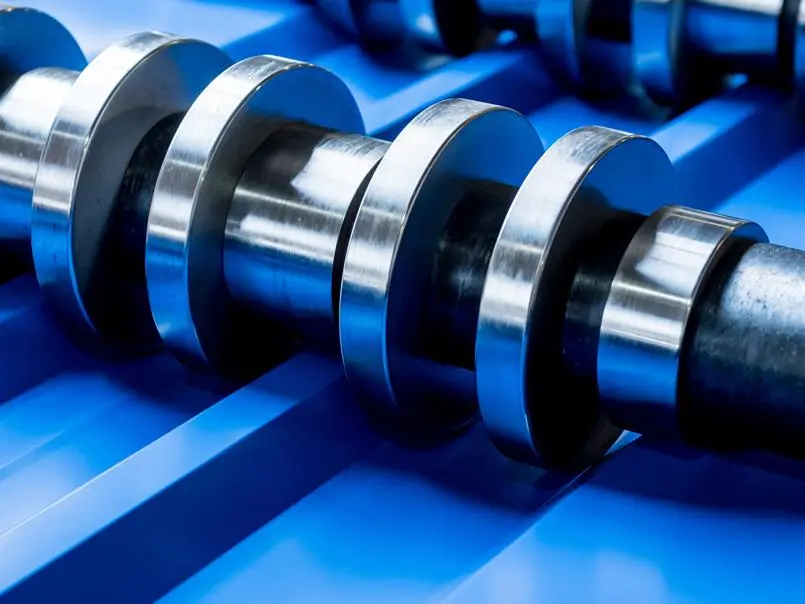
Our raw material procurement contracts with primary domestic steel mills guarantee predictable raw material characteristics. Every steel batch is analyzed for chemical composition and mechanical properties before entering the CNC machining process. High-precision tooling is machined on multi-axis CNC machines to ensure exact contour tracking. Following machining, rollers undergo vacuum heat treatment to achieve uniform hardness (HRC 58-62). By controlling the entire workflow, we insulate buyers from component failure, supply chain delays, and irregular quality.
For international buyers, sourcing high-value equipment requires a thorough Total Cost of Ownership (TCO) evaluation. The initial purchase price is only one part of the calculation. Operational costs, setup times, scrap rates, and component wear determine the machine's true value over time.
XC designs ODM machinery with these commercial factors in mind. Our quick-change tooling designs minimize swap times between profiles, which helps optimize line utilization. Low-maintenance drive components reduce downtime, while integrated diagnostics allow local operators to quickly troubleshoot performance issues. Our equipment helps keep material scrap rates below 1.5% during normal operations, delivering a significant return on investment compared to entry-level alternatives.
Cold roll forming is evolving with the integration of smart sensors, machine-to-machine communications, and automated adjustments. XC is at the forefront of this industrial transformation. Our R&D roadmap focuses on:
Our QA/QC workflows are designed to meet international standards. Before shipment, every machine is set up and tested under load using the buyer's coil material. We perform detailed examinations of the formed profile's dimensions, height, overlap fit, and surface finish, providing full test reports and video documentation.
Additionally, XC offers complete support from engineering design through to field operation. We provide professional on-site commissioning, electrical systems calibration, and hands-on training for client operations staff. We also maintain a complete inventory of spare parts and components to ensure quick replacement support when needed.
XC roll forming systems are utilized across a wide variety of industrial and commercial applications around the globe:
High-strength roofing, wall panels, and floor decking for modern warehouses, airport terminals, and heavy industrial facilities.
Precision roll-formed chassis members, structural columns, and impact-resistant bumper components for vehicle assembly.
Guardrails, drainage systems, electrical enclosures, and custom structural beams for transit and highway networks.
Highly durable mounting rails, brackets, and structural framing for large-scale utility solar installations.
XC systems are designed to integrate seamlessly with regional electrical standards and grid requirements. Every control system can be configured to standard global voltages (such as 380V/50Hz/3P, 415V/50Hz/3P, or 480V/60Hz/3P) and uses top-tier components like Siemens, Schneider, or Mitsubishi. Our machinery complies with CE directives and relevant international safety certifications, helping buyers navigate local customs and safety inspections without delays.
Through remote diagnostics, our technicians can perform PLC program updates and system troubleshooting online. This minimizes the need for on-site engineering visits and helps keep your production line running smoothly.
Quick answers to common engineering and commercial questions from procurement teams.
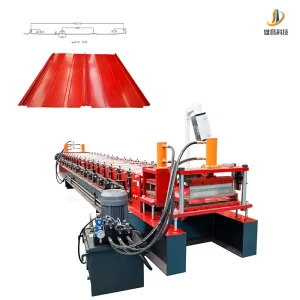
Explore additional high-performance profiling equipment for metal roofing, steel framing, and commercial decking applications.
 Xiongchang