Discover our custom-engineered machinery lines designed for architectural envelope and structural framing applications.
An authoritative assessment of Inverted Box Rib technology, global demand profiles, and mechanical fabrication excellence.
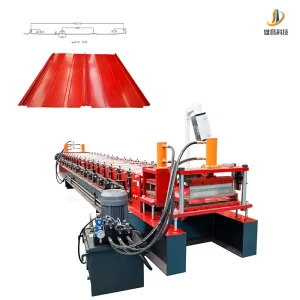
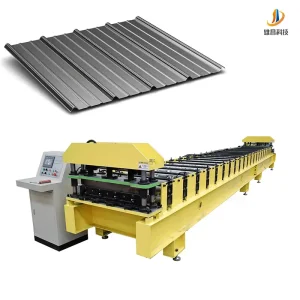
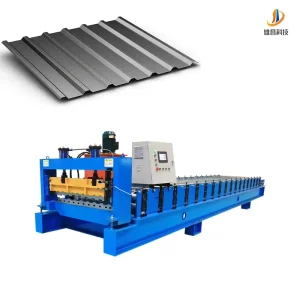
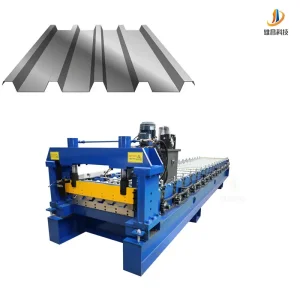
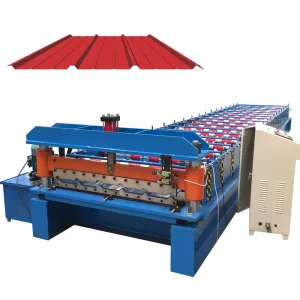
In modern industrial and structural architecture, the IBR (Inverted Box Rib) profile stands as one of the most reliable and widely utilized roof and wall cladding designs. Engineered to deliver high strength-to-weight ratios, superior drainage capabilities, and optimized structural span performance, IBR cladding has become the default structural choice across South Africa, Central and East Africa, South America, and Oceania. This widespread adoption has propelled the demand for high-performance ODM IBR Making Machines, prompting manufacturers to innovate in mechanical precision, metallurgical strength, and automation integration.
As a global pioneer in cold roll forming engineering, XC (Xiongchang) operates at the nexus of metallurgical innovation and structural design. Our integrated manufacturing platforms are optimized for architectural envelopes, structural components, and high-performance automated material processing, ensuring each machine delivers exceptional yield rates and long-term mechanical reliability.
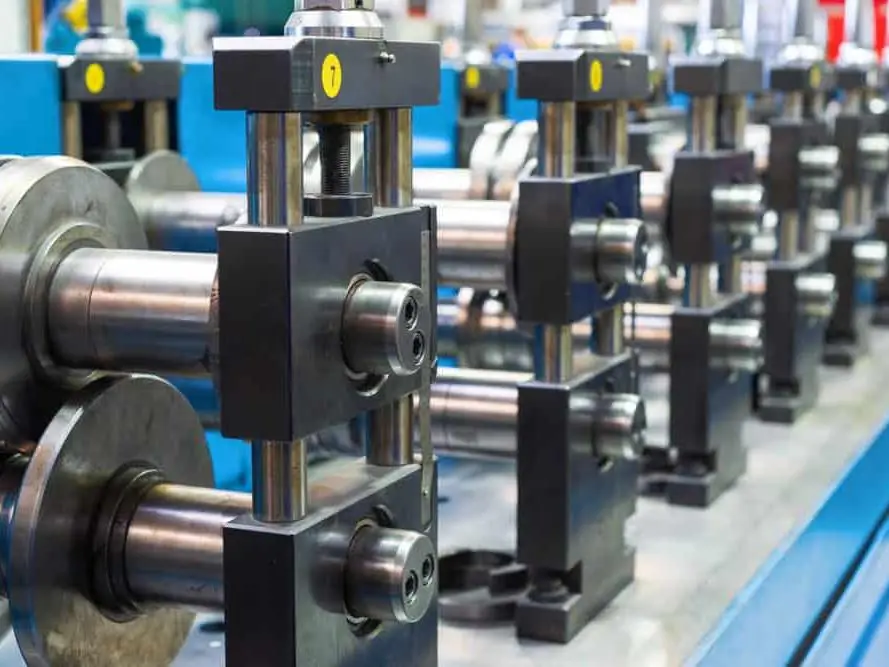
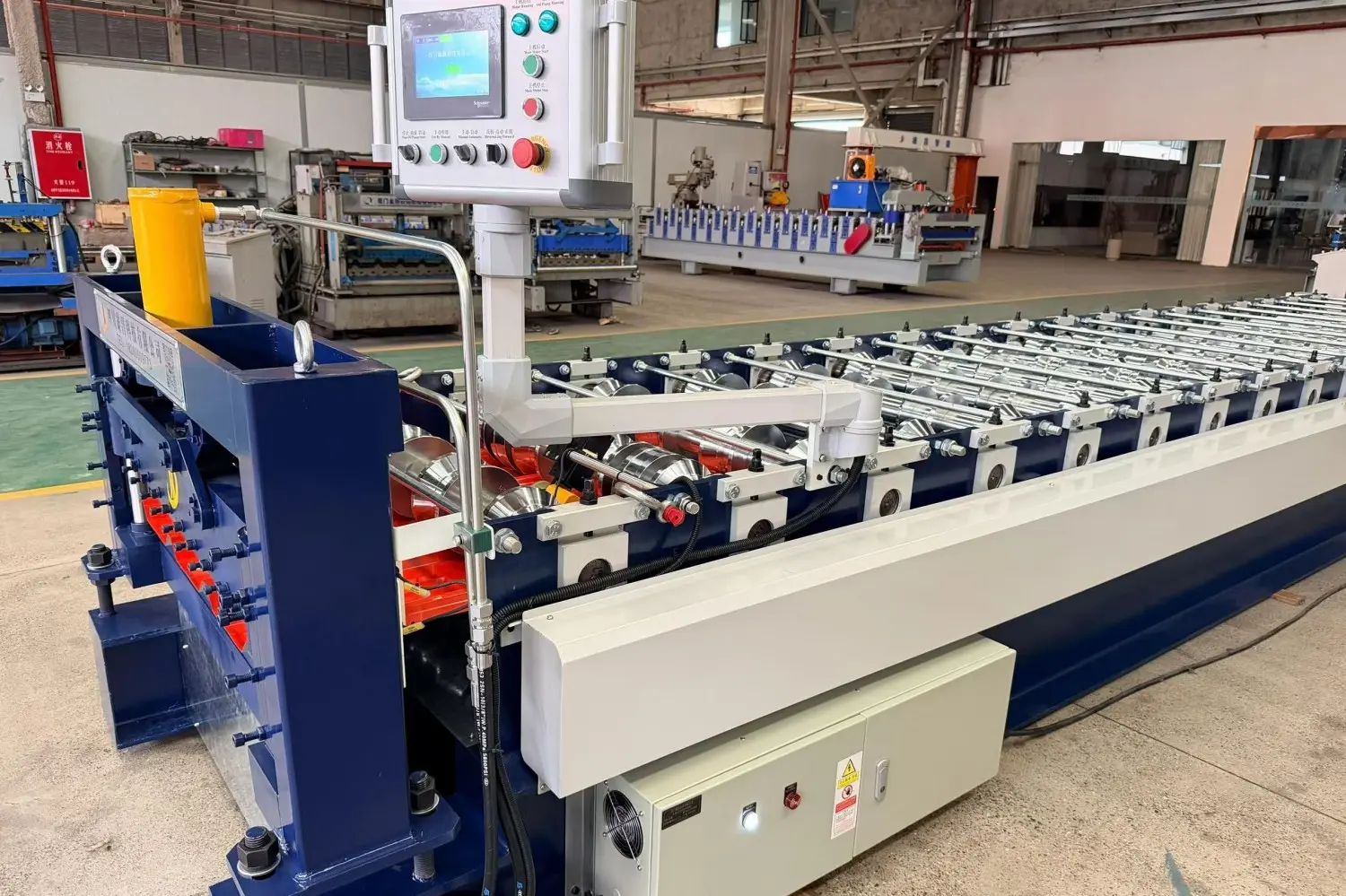
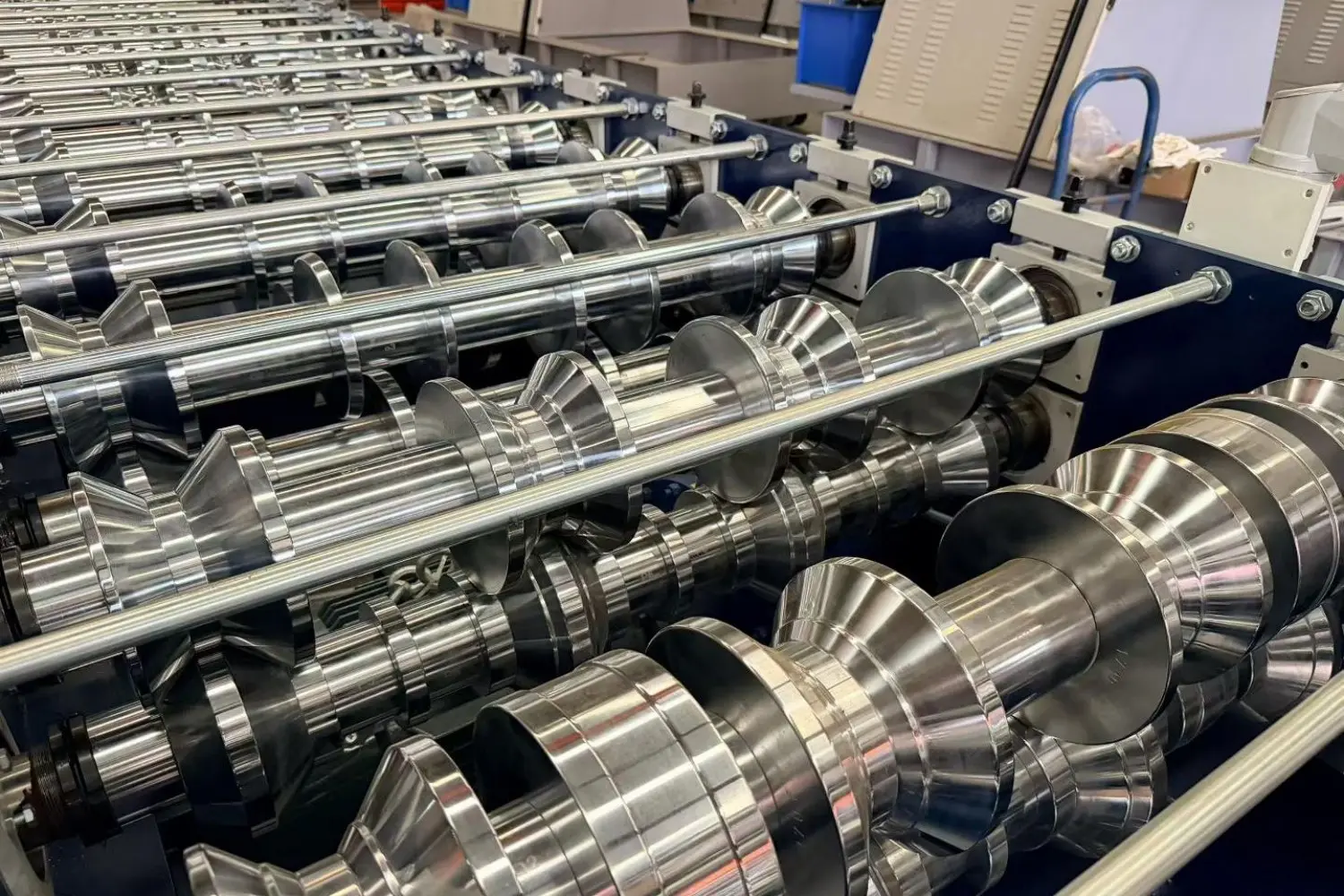
Modern IBR profiles require precise rib sizing to optimize load-carrying capacities. Our roll formers utilize multi-station layouts (up to 22-26 forming stages) to gradually shape high-tensile steel without introducing micro-fractures in the zinc or color-coated layers.
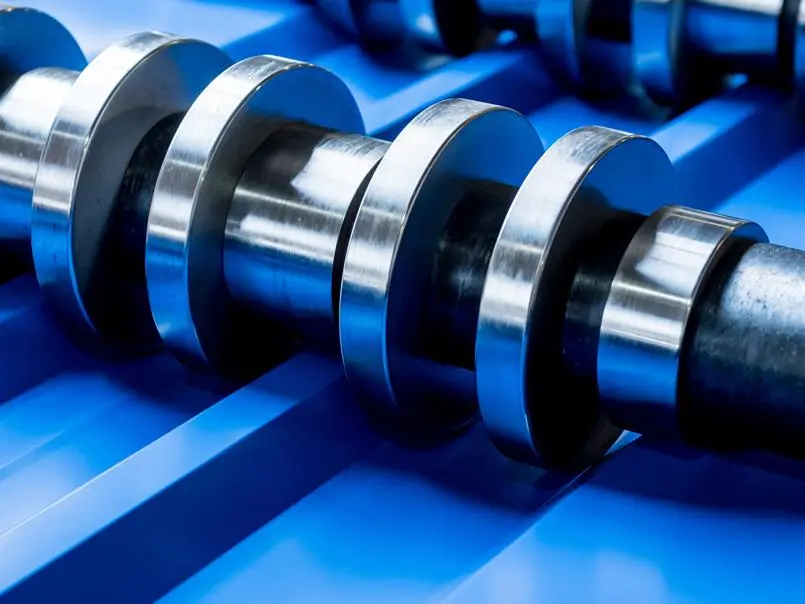
We use premium Cr12/GCr15 forging steel for all forming rollers, finished with CNC precision grinding and hard chrome plating. Our solid shafts, heat-treated to HRC 58-62, ensure maximum rigidity and prevent thermal bowing during long production shifts.
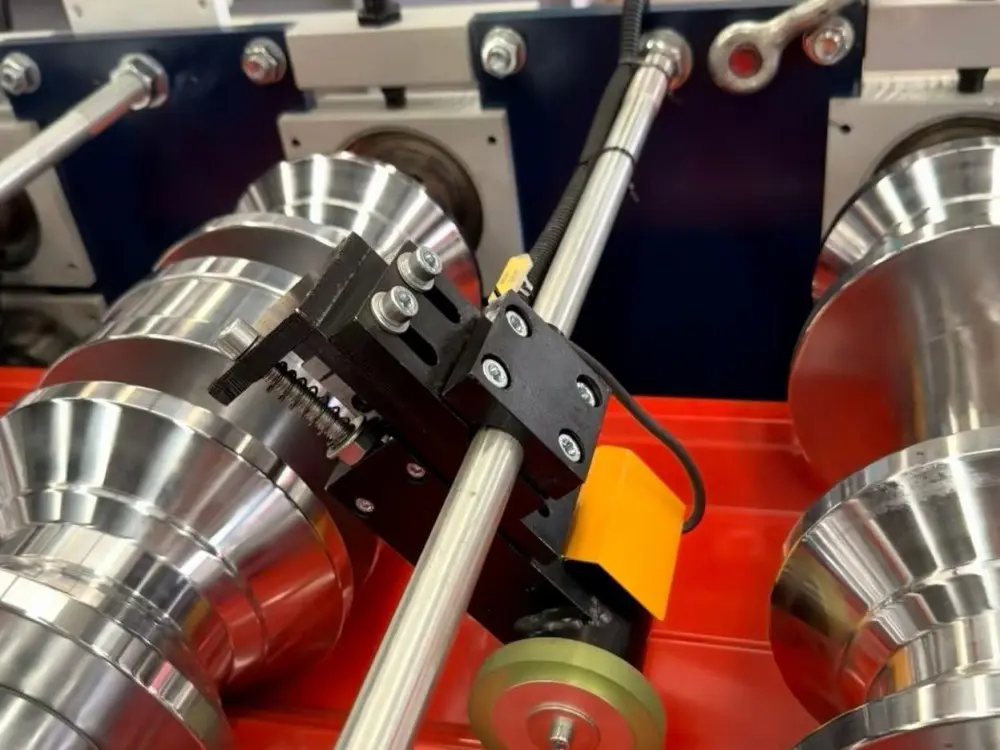
Equipped with high-performance hydraulic post-forming cutting stations, our systems prevent material distortion. Control is managed via closed-loop PLC terminals, ensuring cutting length tolerances within ±1.0mm at line speeds up to 25m/min.
Understanding how IBR technologies scale across regional micro-climates, structural rules, and commercial markets.
The deployment of IBR cladding machines is highly localized, dictated by the environmental conditions of the destination region. In coastal Africa and Latin America, high salinity and heavy rain cycles demand heavy-gauge Galvalume (AZ150) or prepainted steel sheets. In these environments, raw metal sheets must undergo strict rolling tolerances without scratching the thin protective paint coating.
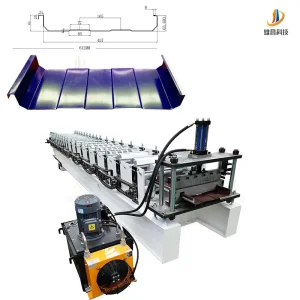
Additionally, structural regulations such as SANS (South African National Standards) or AS/NZS codes demand specific purlin spacing capabilities, meaning the rib height (typically 36mm) and pitch width (normally 686mm cover width from a 925mm input coil) must remain absolute and consistent. XC's custom-engineered IBR Panel Roll Forming Machines adapt to these physical criteria through real-time adjustments, avoiding the common pitfalls of sheet distortion, edge-waving, and oil canning.
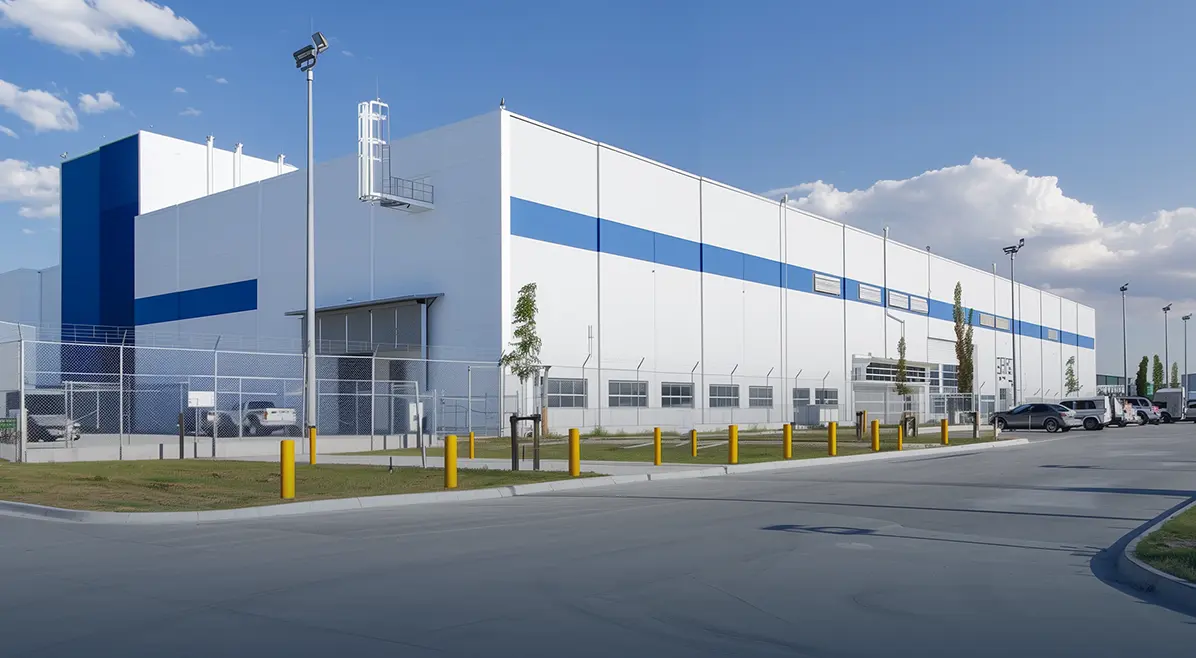
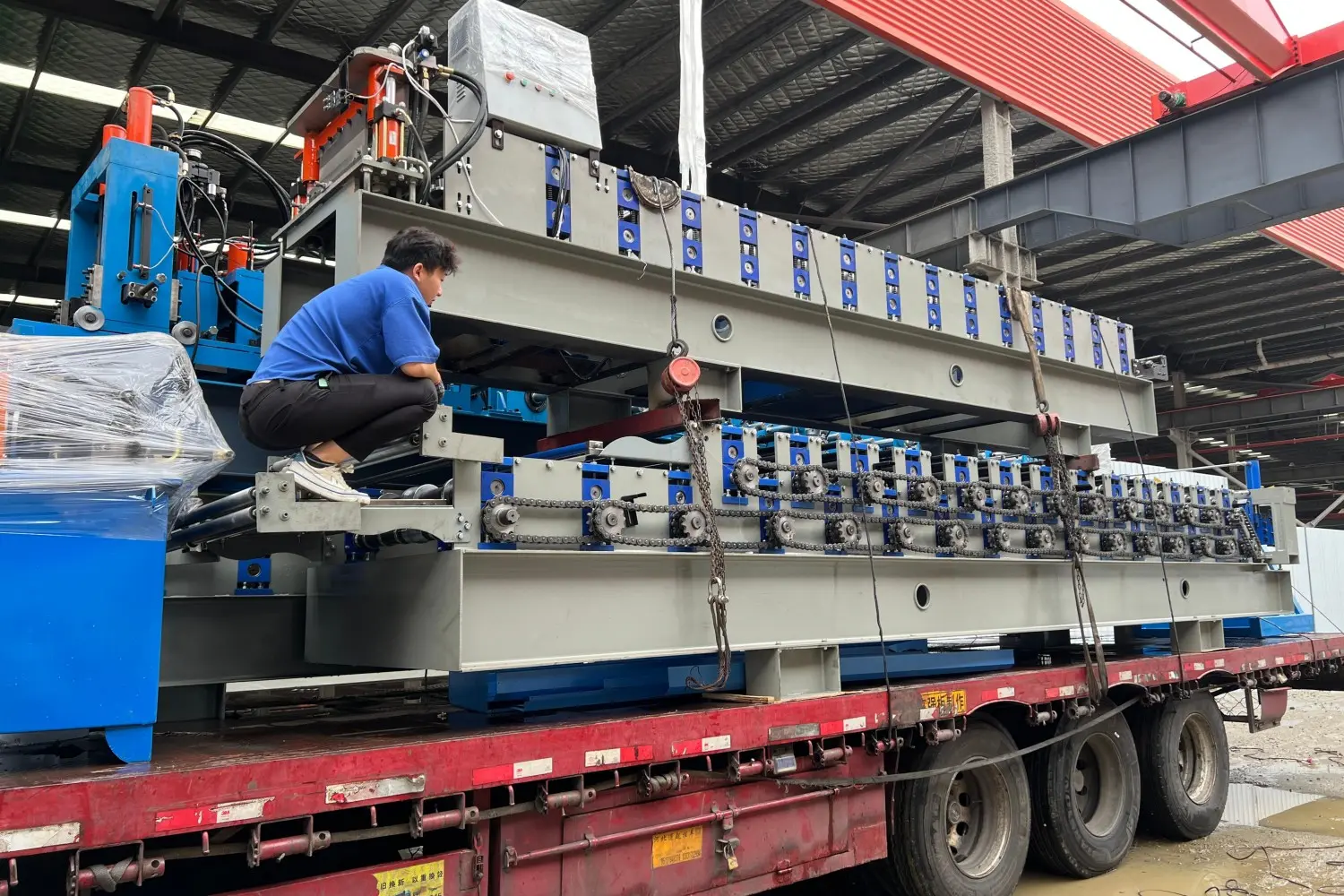
At XC (Xiongchang), our technical strength is backed by a 50,000 square meter state-of-the-art facility featuring automated production lines, heavy-duty machining tooling centers, and specialized CNC grinding machinery. With a dedicated team of engineers and technical personnel, we specialize in delivering comprehensive cold roll forming solutions.
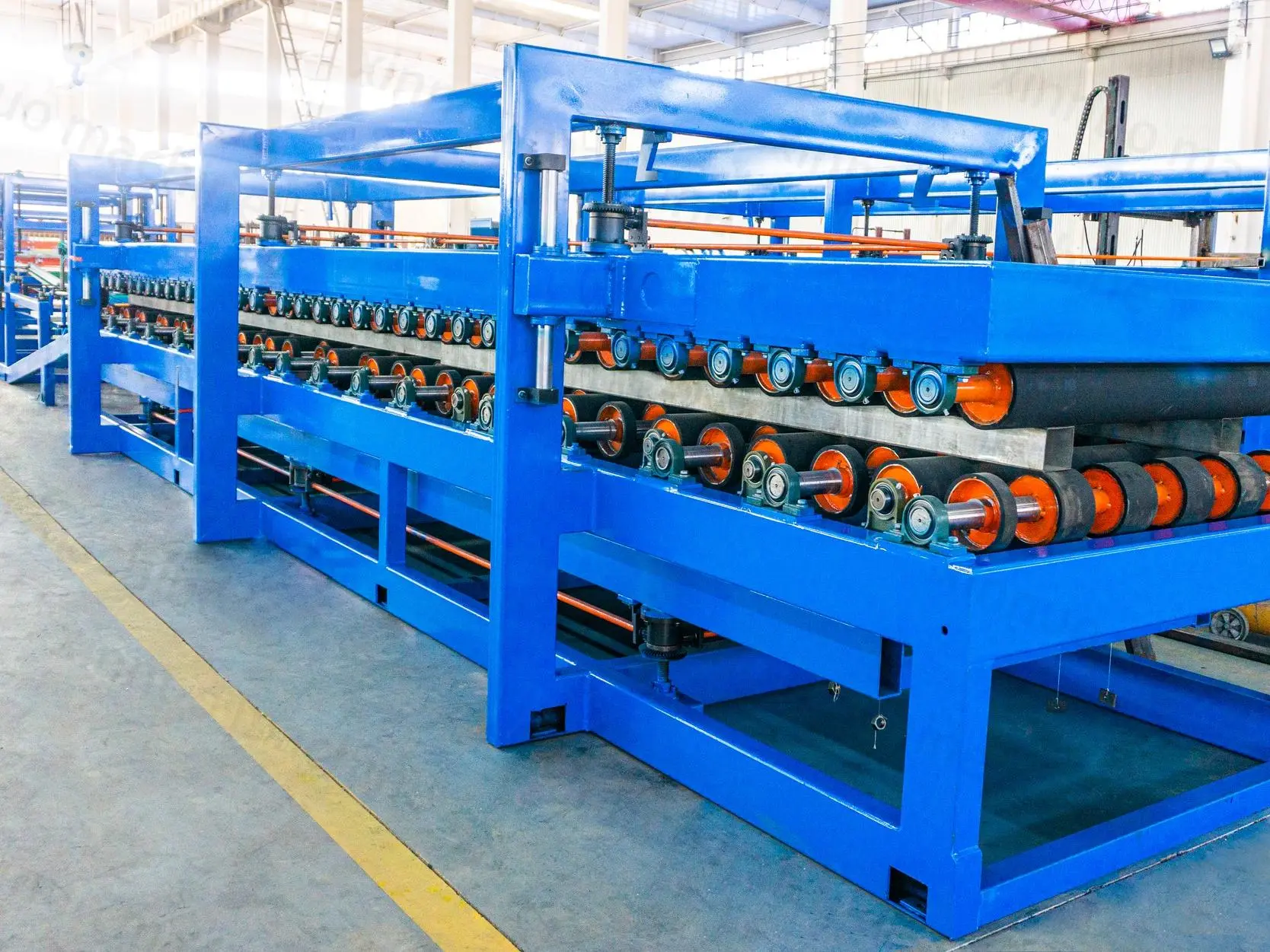
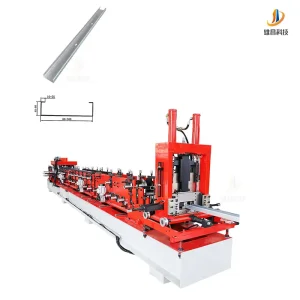
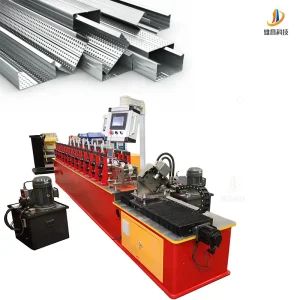
Our core competence lies in custom machine design and advanced automation system integration. Rather than delivering standalone profiling systems, we build integrated manufacturing lines complete with decoiling, straighteners, loopers, pre-punching, roll-forming, profile cutting, and automated stacking setups. This guarantees that whether a customer is shaping high-strength architectural cladding or structural framing components, the final product remains flat, uniform, and dimensionally accurate.
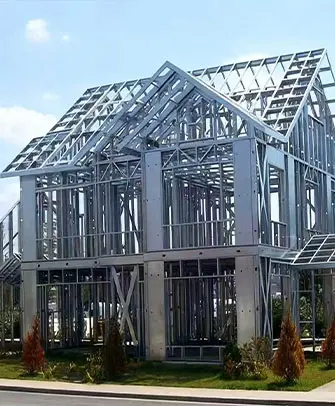
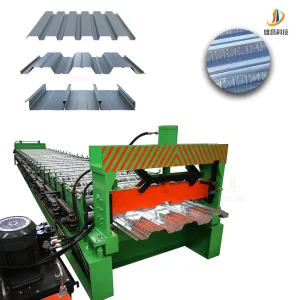
XC designs, engineering, and manufactures custom high-precision cold roll forming setups for three major industries.
Every roll forming system produced at our factory undergoes rigorous testing before shipment. From inspecting chemical compositions and mechanical properties of raw metals to verifying forming stability through trial runs, we leave no room for error. XC operates a full-spectrum inspection department equipped with micro-meters, profile projectors, and 3D digital scanners to confirm tolerances align exactly with technical drawings.
Beyond mechanical excellence, we provide comprehensive end-to-end support services. Our engineers travel globally to oversee system installation, configure electronic control programs, and lead hands-on operator workshops. Whether troubleshooting hydraulic valves or programing automated cutting layouts, our service engineers remain available around the clock to support plant productivity.
Our design roadmap highlights the integration of IoT, active feedback networks, and digital controls.
We run full Finite Element Analysis (FEA) simulations to map localized stress points on steel profiles before milling rollers. This design stage protects against common rolling defects and minimizes initial testing downtime.
Our lines feature Siemens and Mitsubishi PLC modules integrated with Ethernet ports. This layout enables real-time monitoring, off-site software diagnostics, and simple automation updates.
Moving toward zero-waste industrial sites, we are introducing smart scrap-free hydraulic cutting and energy-efficient servo drives to reduce overall power consumption during high-speed runs.
Partnering with an experienced roll forming manufacturer guarantees consistent results, lower maintenance overheads, and high productivity.
Over two decades of dedication to cold forming systems. We adapt profile geometries to match international load limits, custom structural codes, and specific client requirements.
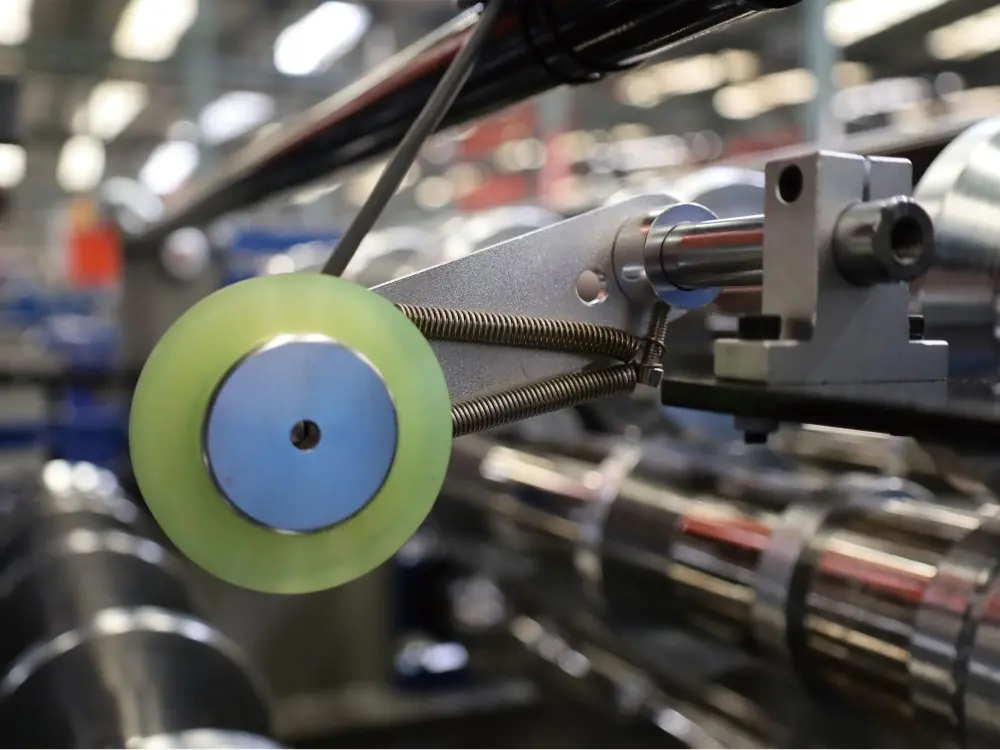
Engineered using robust structural steel bases, solid shaft rollers, and high-tensile components to deliver dependable operation in demanding manufacturing settings.
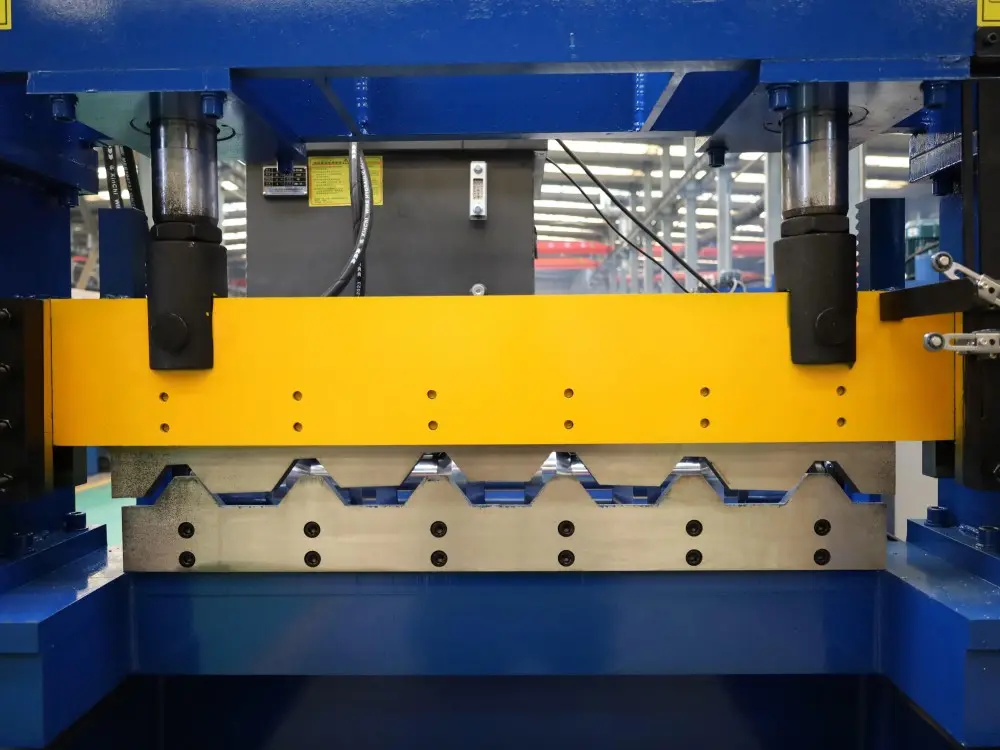
Our job doesn't end when a machine ships. We support you through structural planning, on-site calibration, training, and ongoing spare parts availability.
Our manufacturing installations serve a broad spectrum of sectors worldwide.
Technical and commercial answers to help you evaluate your metal forming investments.
Our standard high-speed automated systems output between 15 to 25 meters per minute, including cutting cycles. Speed is actively managed by a closed-loop system integrated with the hydraulic shear, maintaining clean cuts even at high operational speeds.
We use localized stress relief rollers and dynamic entry guide systems before profiling begins. Additionally, during roll tool design, FEA simulation software guides stage design to limit metal strain and ensure consistent material flow across variations in coil hardness.
Our lines form pre-painted steel (PPGI), galvanized steel (GI), and Aluzinc/Galvalume with yield strengths up to 550 MPa. Standard thickness ranges from 0.3mm to 0.8mm, but we can customize setups for structural applications that require heavier gauges.
All roller housings are bored on a single CNC setup to maintain accurate centerline alignment. High-tensile tie bar structures link the stands, preserving rigidity and preventing profile drift over years of operation.
High-efficiency structural roll formers designed to deliver reliable profiles for commercial build programs.
 Xiongchang