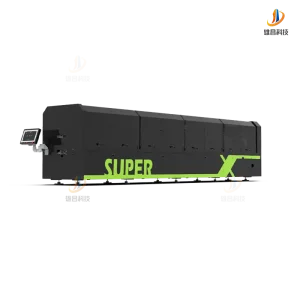
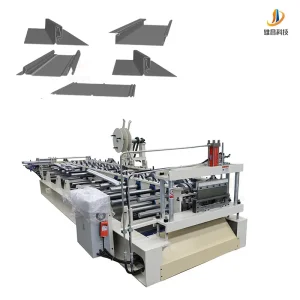
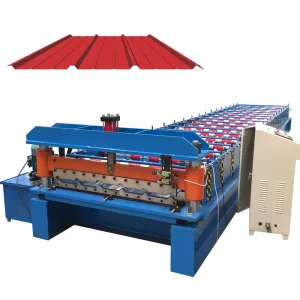
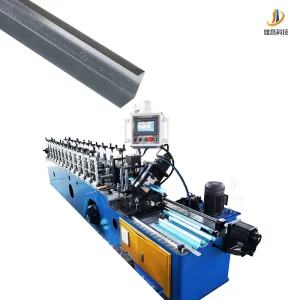
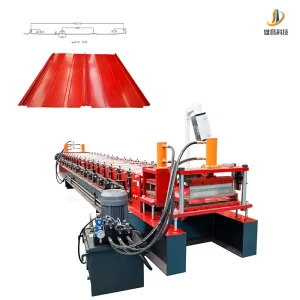
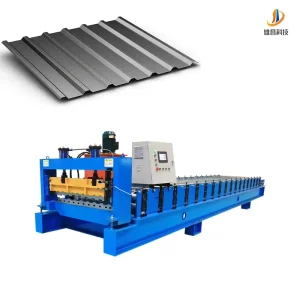
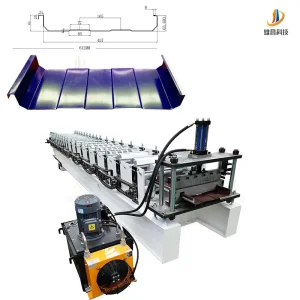
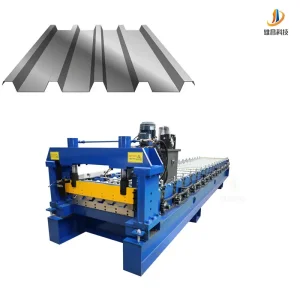
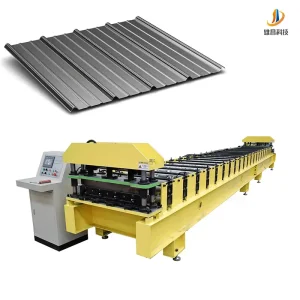
Explore our state-of-the-art metal forming machinery lines configured to deliver absolute structural integrity and outstanding production output.
The global construction sector is undergoing a massive shift towards durable, energy-efficient, and rapid-assembly building materials. Galvanized roofing sheets (GI/GL), characterized by their exceptional corrosion resistance and high tensile strength, have emerged as the primary choice for industrial plants, logistics warehouses, agricultural shelters, and residential developments worldwide. To meet the massive surge in localized demand, the steel fabrication industry relies heavily on Galvanized Roofing Sheet Roll Forming Machines. These machines represent the technological backbone of modern sheet metal processing, turning raw galvanized steel coils into precise profile panels continuously and rapidly.
Across emerging economies in Latin America, Southeast Asia, and Africa, localized roll forming operations have become highly lucrative ventures. Standard structural designs require specific profiles such as sinusoidal (corrugated) waves, trapezoidal IBR panels, and concealed-fastener standing seams. By shifting production from centralized import models to local on-demand manufacturing, enterprises reduce logistics costs, eliminate shipping damage, and offer customized length options directly to builders. In highly developed markets such as North America and Europe, the demand focuses on advanced automation, high-speed output, and compatibility with heavy-gauge materials designed to withstand extreme meteorological conditions.
As an established expert in the field, XC (Xiongchang) provides integrated roll forming solutions. Our comprehensive portfolio encompasses core production machines for roofing, flooring, doors, and structural components, as well as the complete auxiliary line equipment essential for efficient operation. Our machines are engineered to optimize floor space, reduce material waste, and achieve superior dimensional consistency. Whether you are an industrial contractor requiring heavy-duty profiles or an enterprise building localized service centers, XC designs and manufactures machinery customized to your production demands.
With an unwavering dedication to technological innovation, XC continues to invest in cutting-edge research and development. We bridge the gap between heavy mechanical design and modern control engineering, introducing features like automated cassette-change systems, real-time diagnostic software, and high-speed hydraulic shear mechanisms that operate reliably over millions of cycles.
Delivering precision cold roll forming systems to guarantee long-term performance and structurally sound building envelopes.
Developing a high-performance roll forming system requires deep metallurgical expertise, advanced mechanical engineering, and rigorous testing protocols. XC leverages a specialized team of technical personnel and engineers committed to delivering superior products. Our engineering process utilizes sophisticated simulation software to design the profile flower patterns, optimizing the forming progression of the galvanized steel. This prevents wrinkling, stretching, or micro-cracking of the protective zinc coating during roll forming.
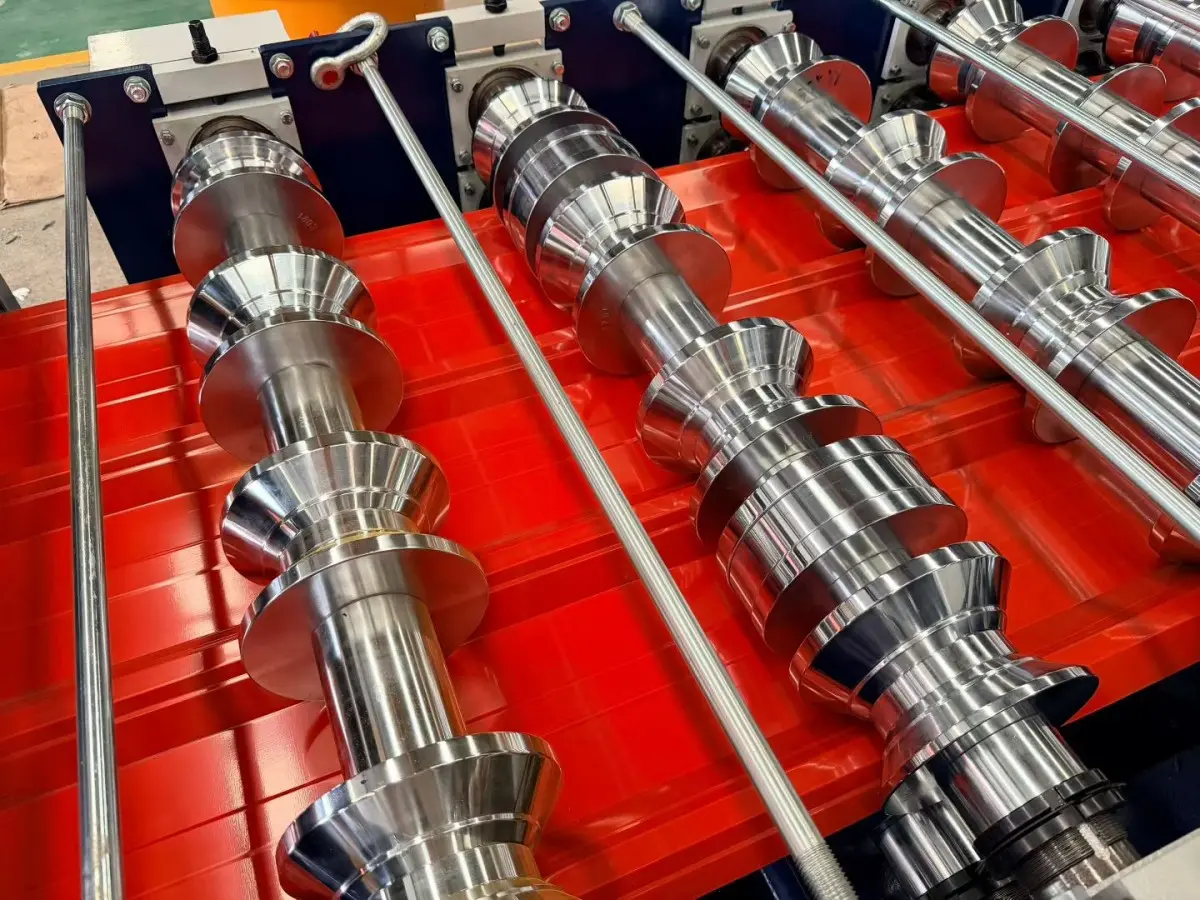
Our substantial investment in state-of-the-art, automated production lines ensures manufacturing precision. The roll tooling is machined using high-precision CNC lathes and heat-treated to achieve optimal hardness (typically HRC 58-62). Crucially, the rollers undergo hard chrome plating, which guarantees a smooth surface finish and prevents wear even when processing abrasive prepainted galvanized iron (PPGI) or high-yield structural steel. Combined with heavy-duty solid steel shafts and cast-iron stands, our structures minimize vibration, ensuring long-term manufacturing stability.
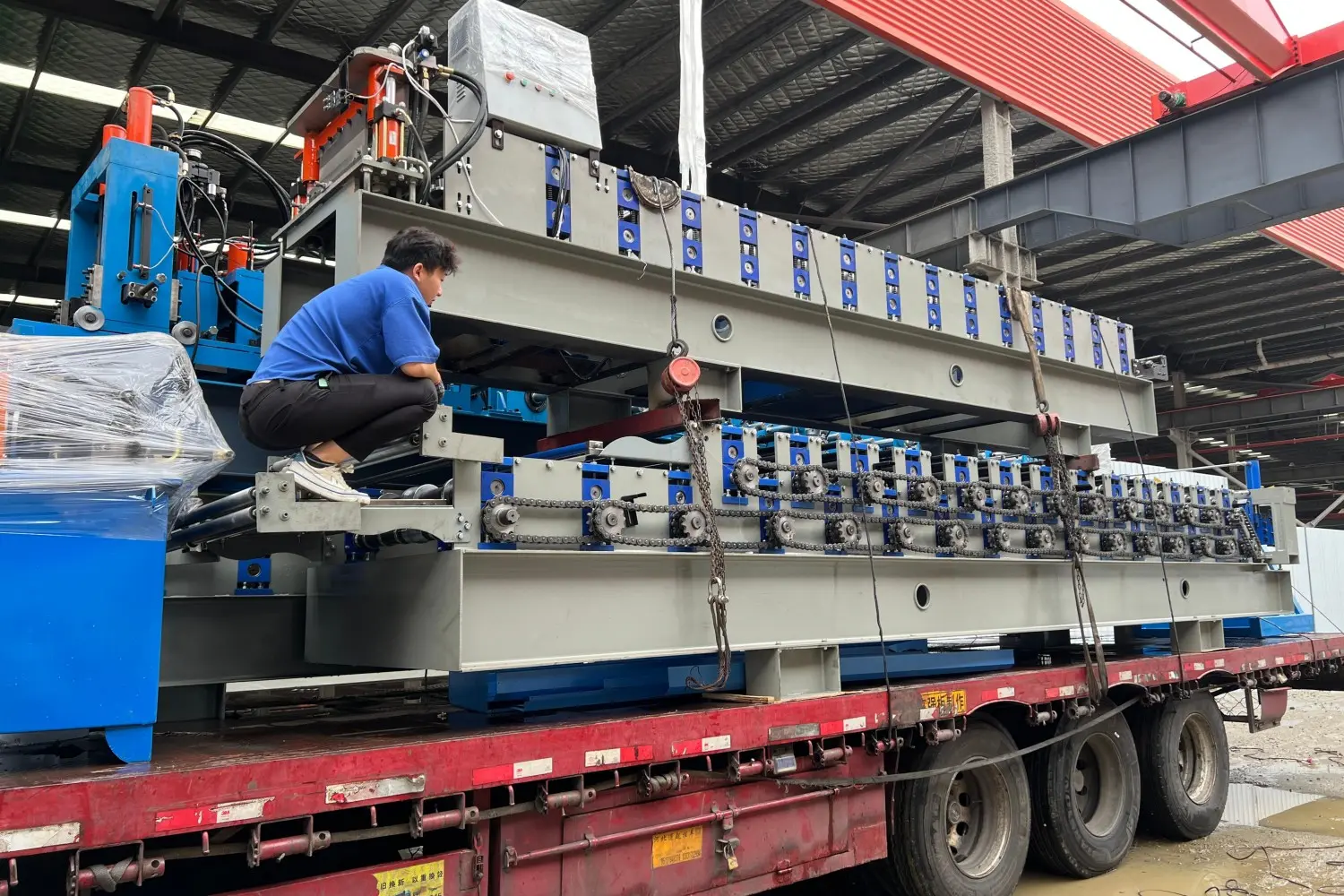
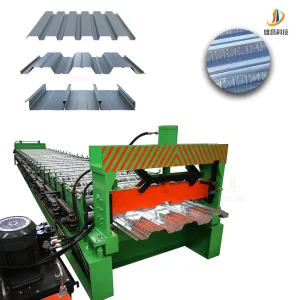
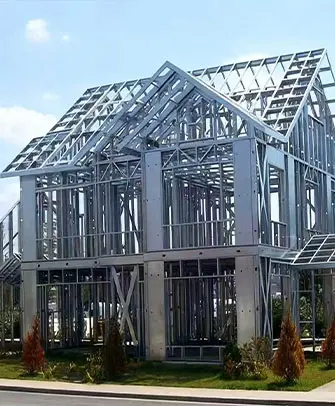
Providing high-efficiency systems for Roof Panels, Wall Panels, and Floor Deck Roll Forming Machines, supporting varied structural and aesthetic architectural configurations.
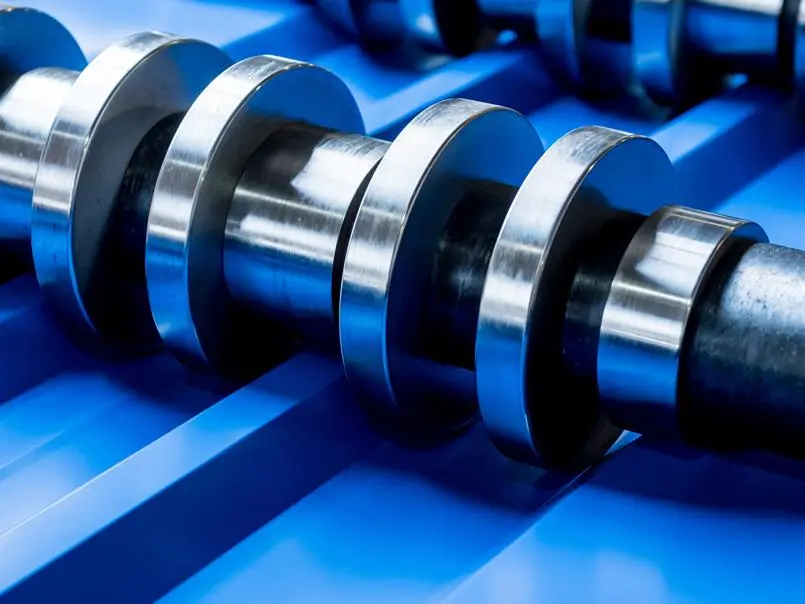
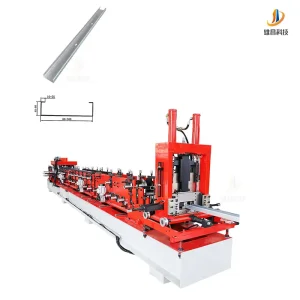
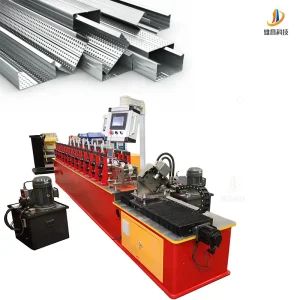
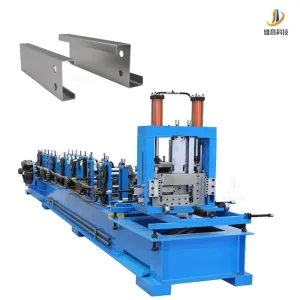
Including flexible C/Z Purlin Roll Forming Machines and Stud & Track Roll Forming lines designed to fabricate structural framing members with minimal setup times.
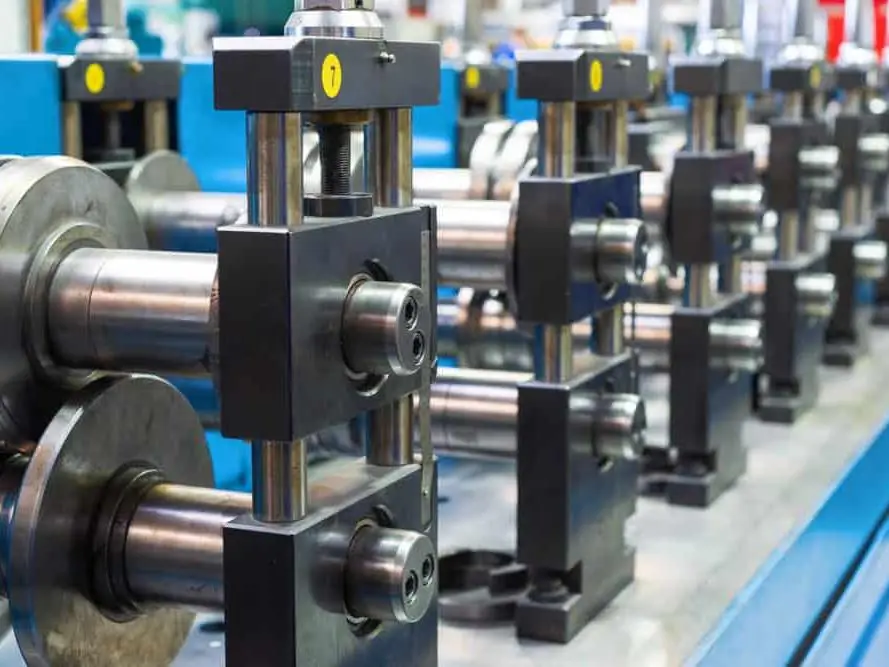
Engineering customized machinery profiles such as Gutter Roll Forming Machines and complex Door Frame Roll Formers to round out complete building supply chains.
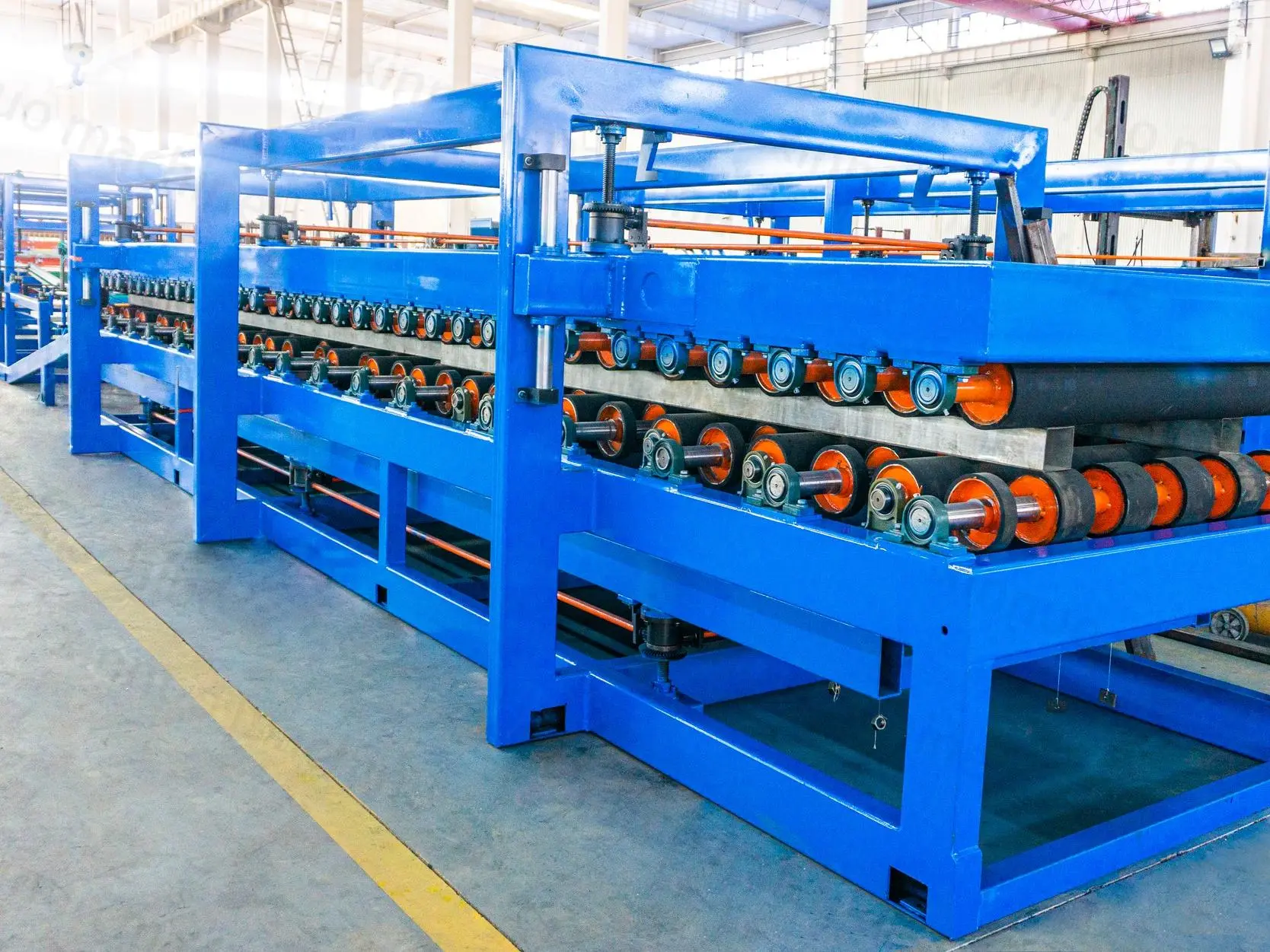
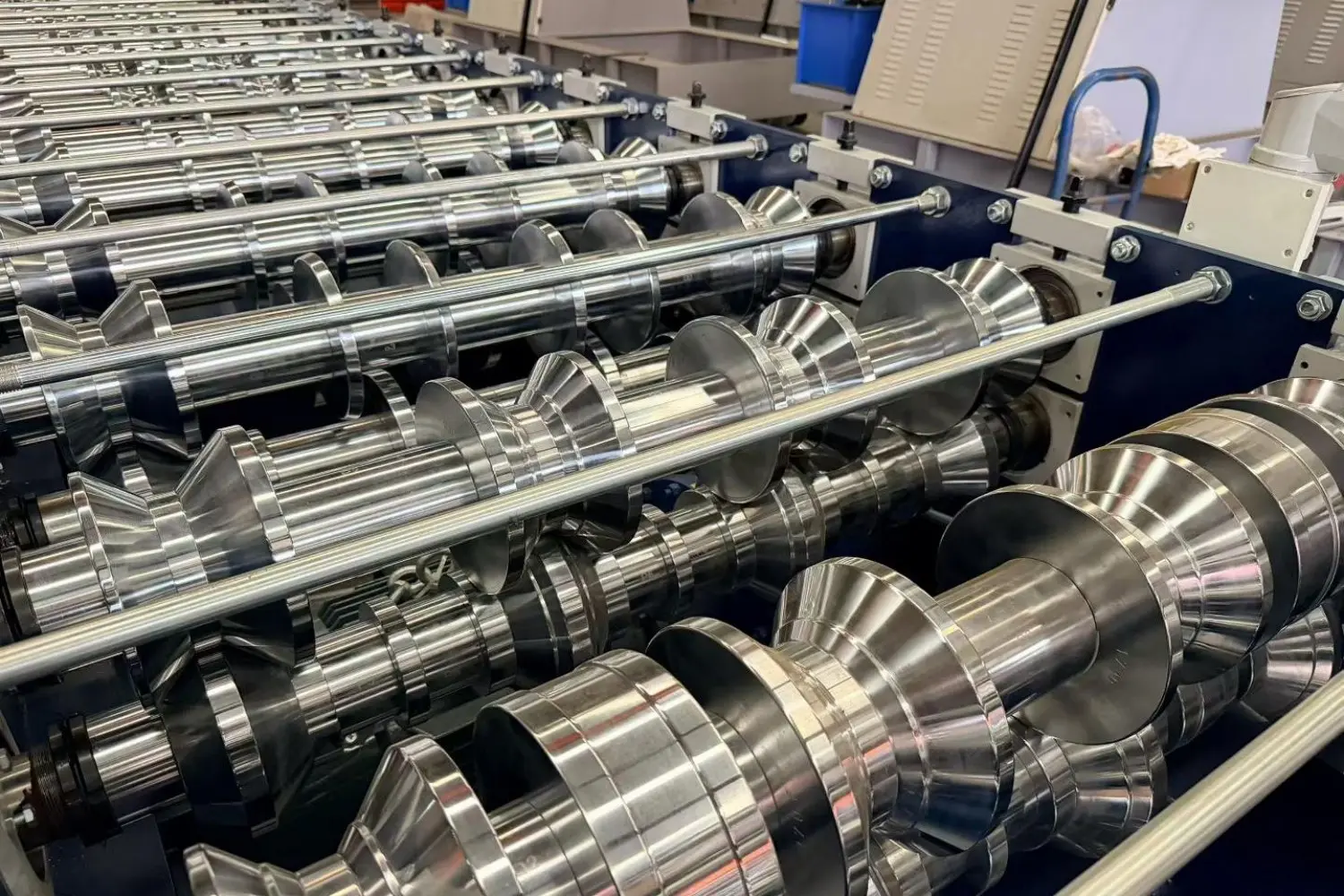
China's dominance in the global roll forming machinery market is driven by exceptional manufacturing efficiency, vertical supply chain integration, and deep engineering experience. Operating from our specialized industrial facility, XC leverages a highly optimized supply chain that sources top-tier raw materials, precision bearings, and robust hydraulic components within a localized industrial zone. This minimizes lead times and allows us to pass cost efficiencies directly on to our partners.
Furthermore, Chinese machinery manufacturing has transitioned from low-cost production to advanced technology. We incorporate electrical systems from leading global brands such as Mitsubishi, Siemens, and Yaskawa, ensuring our control systems integrate seamlessly into any factory's network. This technological density is supported by strict, standardized quality control protocols. XC features a complete suite of detection and testing instruments to verify product strength, durability, and reliability. This ensures that every galvanized roofing sheet roll forming machine meets international tolerance standards before shipment.
Our roll forming systems serve a diverse global client base, adapting to specific structural and meteorological codes.
In regions like South Africa, Kenya, and Nigeria, inverted box rib (IBR) trapezoidal roof sheeting is the standard for commercial buildings. Our machines are designed to run continuously under high temperatures, utilizing robust, dust-proof control cabinets to maintain high output even in harsh environments.
Corrugated galvanized steel (sinusoidal profile) remains highly popular across Brazil, Chile, and Mexico. XC's high-speed roll formers produce precise, uniform sinusoidal waves, allowing local manufacturers to supply residential and agricultural sectors efficiently.
In the US, Canada, and Europe, structural standards require concealed-fastener systems (standing seam) to prevent water ingress and wind uplift. Our ODM roll formers produce snap-lock and mechanical lock standing seam profiles that easily pass stringent local building certification tests.


Historically, changing a profile on a roll forming machine required hours of mechanical disassembly. Today, high-capacity factories utilize cassette quick-change systems. By mounting the rollers on modular cassettes, operators can switch production from trapezoidal to sinusoidal sheets in under 30 minutes, drastically cutting downtime and increasing product variety.
Industrial IoT is reshaping roll forming operations. Modern control panels feed critical telemetric data (including motor current, shaft temperature, and speed variances) directly to cloud platforms. This allows operators to identify machine wear before faults occur, helping factories maintain a highly efficient, predictive maintenance schedule.
With global initiatives pushing for eco-friendly building practices, sheet steel formulations are changing. Roll formers must be able to shape zinc-aluminum-magnesium coatings and organic composite laminates without scratching these advanced protective surfaces. XC is leading this transition by designing specialized, non-marring roller finishes.
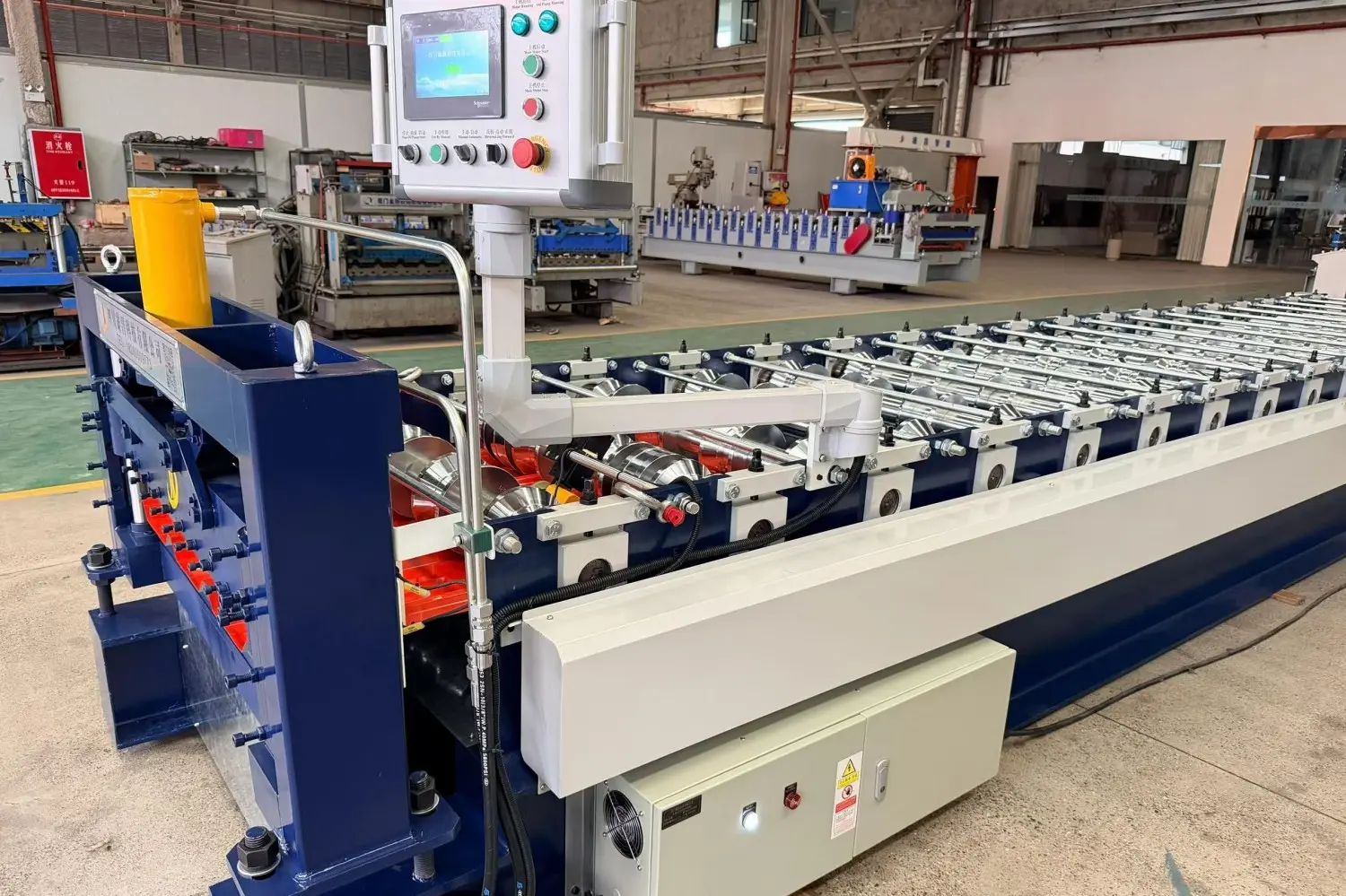
Combining deep technical expertise with a steadfast commitment to client success.
Over 20 years of research, design, and manufacturing experience. We customize roll forming profiles using advanced computer simulation to ensure flawless production quality.
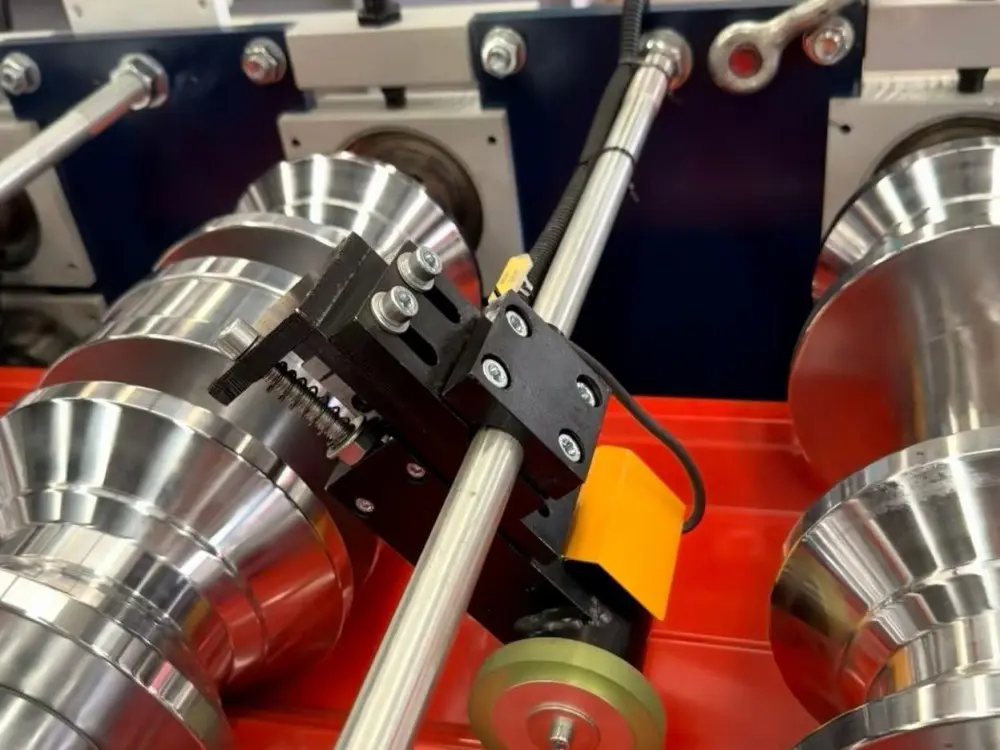
Engineered using high-strength solid shafts, premium bearing brands, and chrome-plated tool steel rollers to withstand decades of intensive manufacturing.
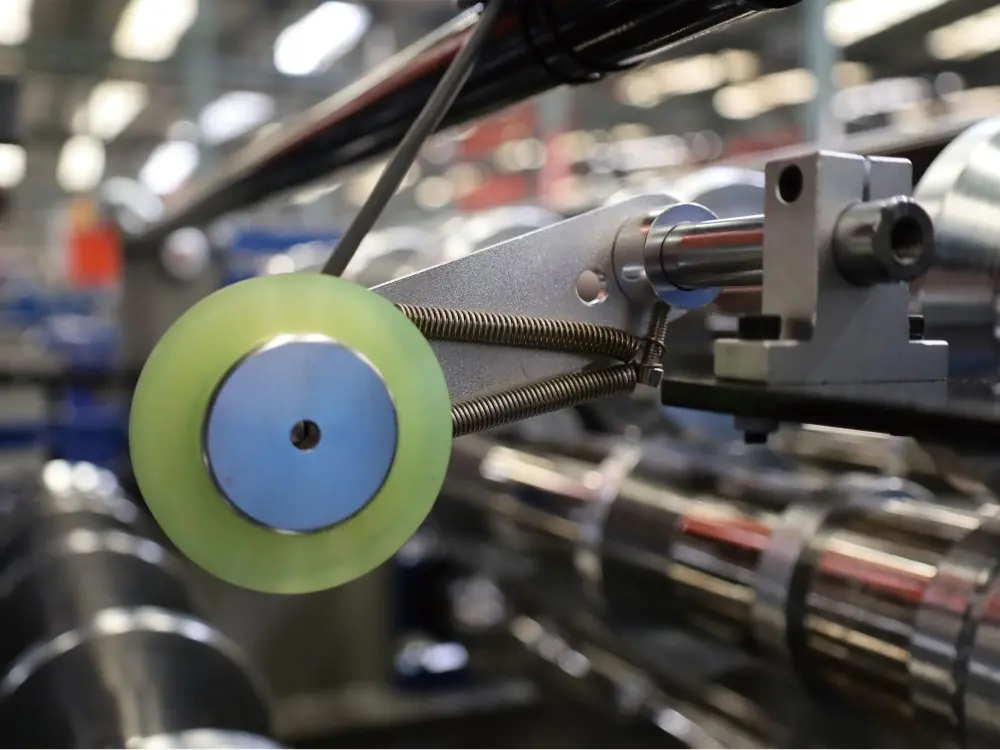
We provide comprehensive lifecycle support, from design layout and factory integration to professional installation, commissioning, and operator training.
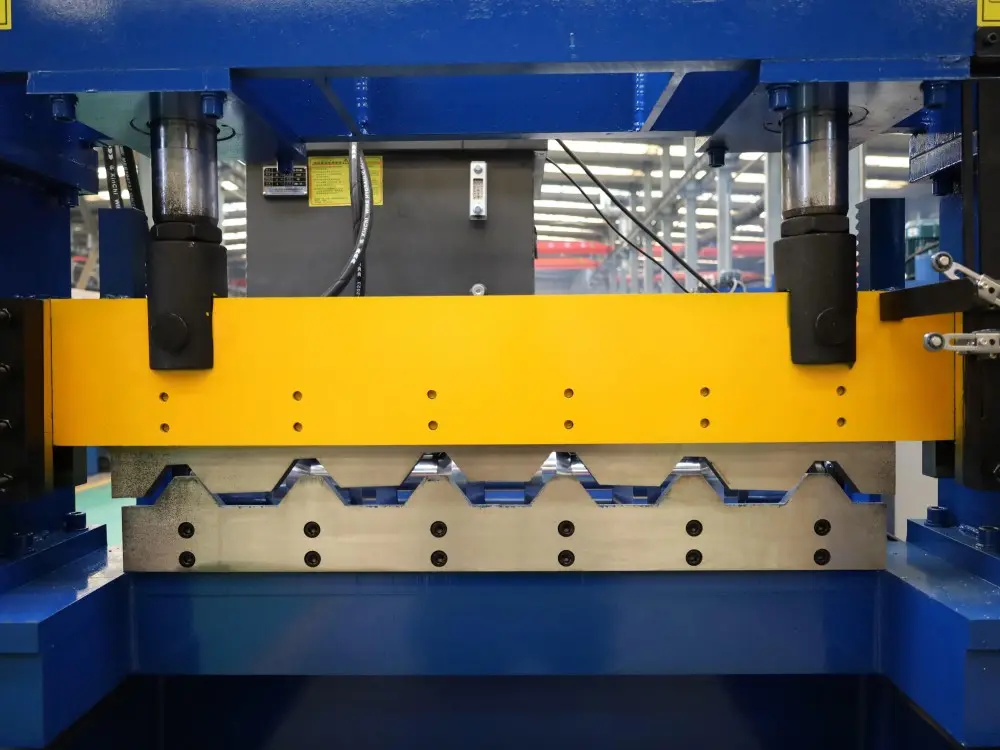
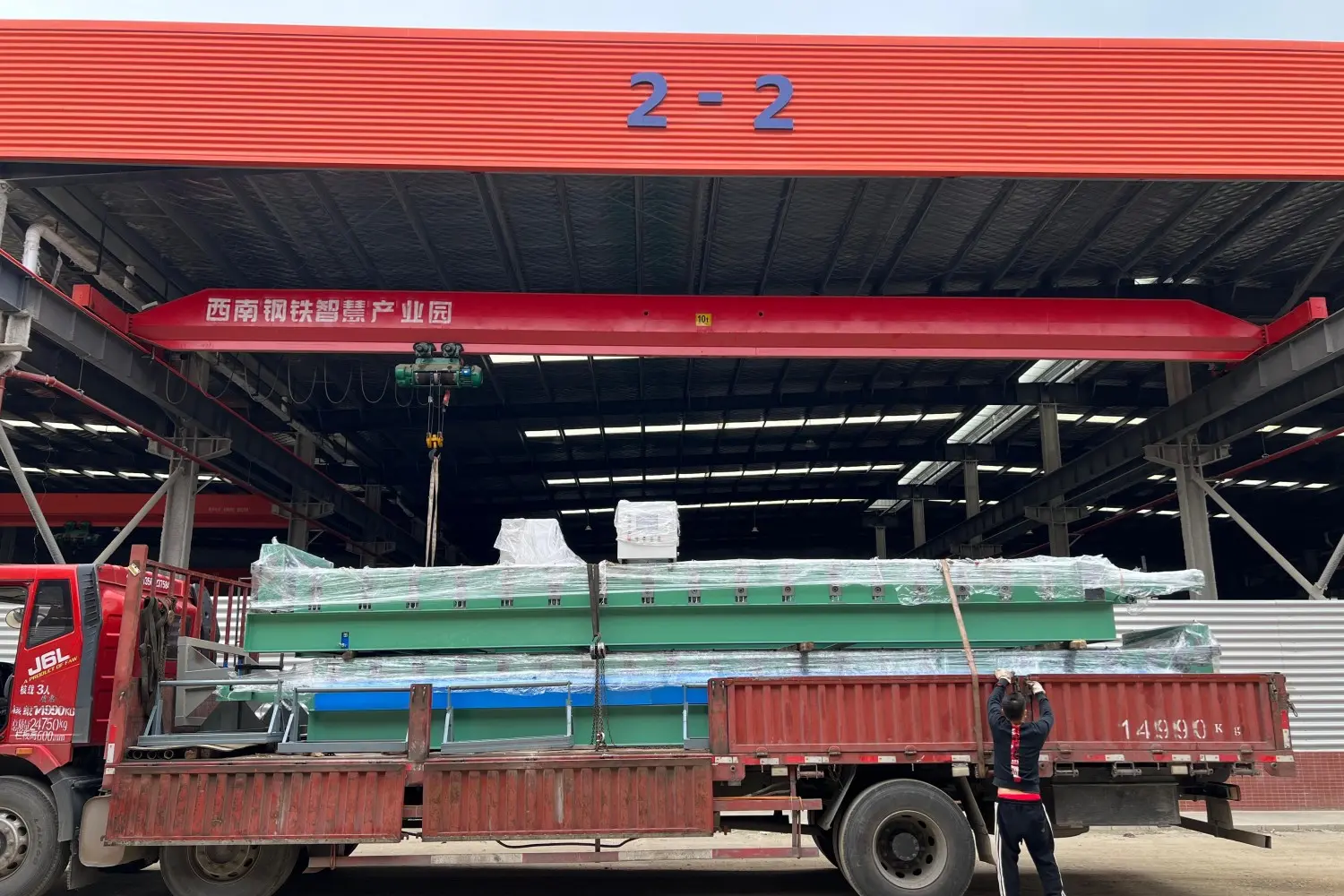
For B2B buyers, purchasing a roll forming machine is a long-term capital investment. Finding a reliable manufacturing partner is essential. When sourcing a roll forming line, keep these core technical specifications in mind:
Get expert answers to the most common technical questions about galvanized roofing roll formers.
Browse our broader range of custom and ODM roll forming machines designed to meet the demands of global construction markets.
 Xiongchang