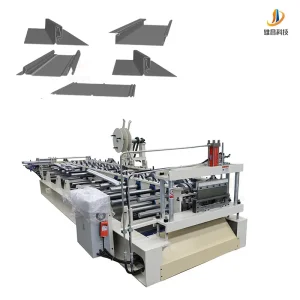
Explore our state-of-the-art cold roll forming machinery designed for premium manufacturing output and flawless performance.
An authoritative analysis of structural transition, modular design trends, and advanced automation.
Across the globe, the construction industry is undergoing a structural paradigm shift. Developers, structural engineers, and EPC contractors are progressively phasing out traditional timber and heavy hot-rolled steel structural systems in favor of Cold-Formed Steel (CFS), commonly known as Light Gauge Steel (LGS). This transition is heavily catalyzed by demanding environmental regulations, the rise of modular prefabrication techniques, and the necessity to counter increasing labor costs.
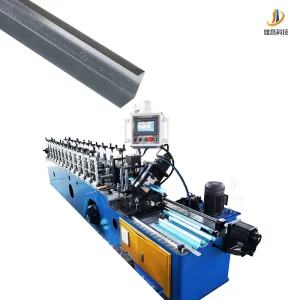
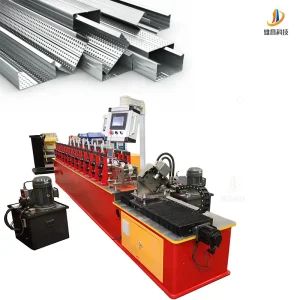
Fully automatic steel framing systems produce highly consistent profiles including C-studs, U-tracks, structural trusses, and customized purlins. Because cold-formed steel offers an exceptionally high strength-to-weight ratio, structural designs can accommodate wider spans while reducing foundational loads by up to 30%. Fully computerized tooling operations eliminate human manufacturing error, resulting in millimetric accuracy that dramatically decreases installation latency during building assembly.
Modern high-capacity LGS roll formers are no longer isolated mechanical setups; they are integrated cyber-physical assets. By utilizing direct CAD-to-Machine integrations (such as Vertex BD or FrameCAD workflows), design data is imported seamlessly into the machine's programmable logic control (PLC) system.
During production, the machine automatically executes punching, dimpling, service hole drilling, shear operations, and variable width profiling. Real-time diagnostic sensors monitor roll tension, material thickness deviations, and hydraulic oil temperatures. These systems allow production lines to scale outputs up to 300 to 500 meters of framing profile per hour while maintaining a tracking error tolerance under ±0.5mm.
As an established expert in the engineering field, XC (Xiongchang) provides integrated roll forming solutions. Our extensive portfolio encompasses core production machines for roofing, flooring, doors, and structural components, as well as the complete auxiliary line equipment essential for efficient manufacturing operation.
For over two decades, XC (XiongChang) has been a trusted leader in the design and manufacture of cold roll forming equipment. We combine deep industry expertise with a steadfast commitment to our clients, ensuring every machine delivers exceptional value and performance.
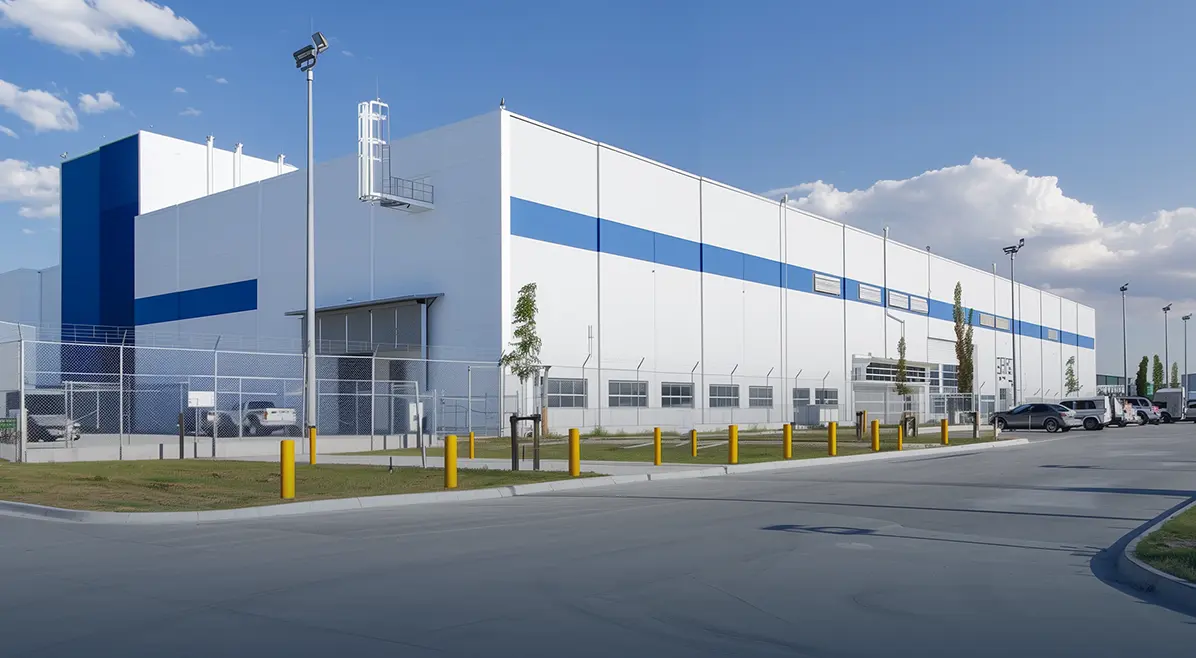
Engineering excellence powered by automated machinery and robust manufacturing setups.
Our dedicated team of industrial engineers and designers specialize in custom profiles, optimizing roll layouts to prevent oil-canning and edge-wave anomalies during the forming cycle.
Heavy investments in automated production lines, multi-axis CNC milling centers, and laser profiling setups ensure that our roller dies and tooling configurations reach absolute dimension accuracy.
We deploy ultrasonic metal flaw detectors, coordinate measuring machines (CMM), and simulated pressure test benches to guarantee structural profile strength, speed stability, and durability.
With our dedication to a robust technical force and advanced industrial equipment, XC is optimized to provide integrated and automated systems across our entire production setup. We fulfill diverse industrial requirements and focus on guaranteeing the highest standards of structural performance for every machine assembly we configure.
All structural elements of the machines, including base frames and roller shafts, undergo heat treatment and stress relief processes. This ensures the frame will not warp or misalign over years of high-volume manufacturing.
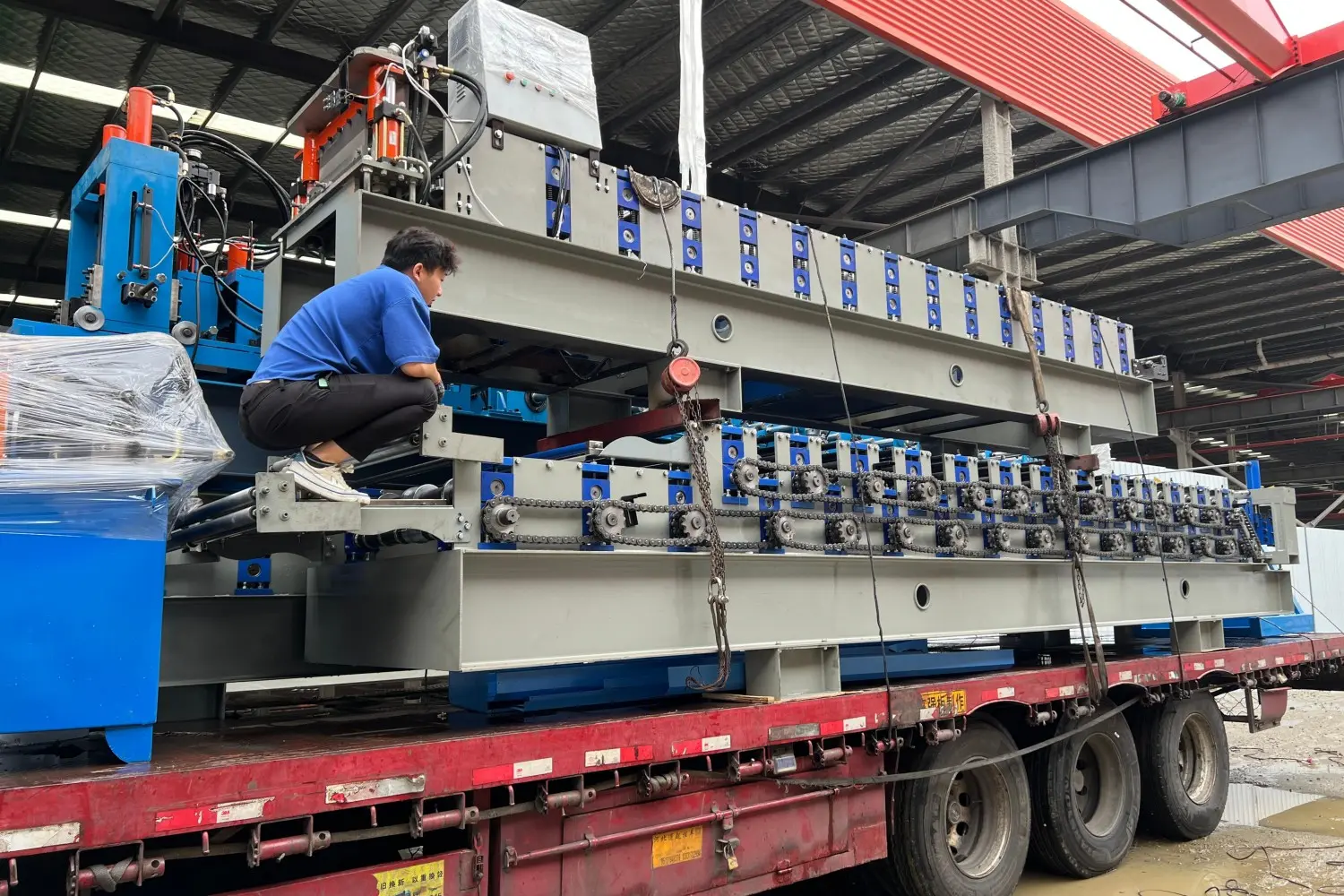
Engineered cold-formed profiling machinery serving multiple structural demands.
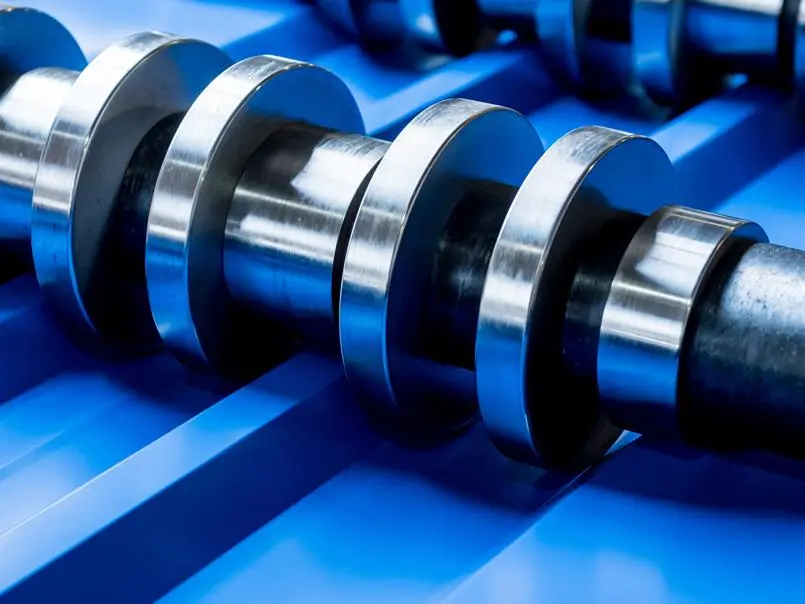
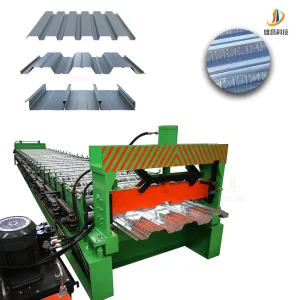
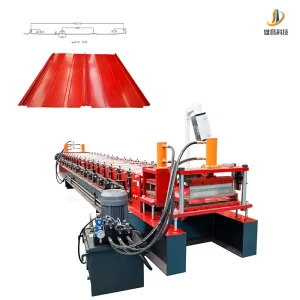
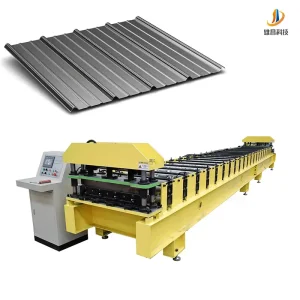
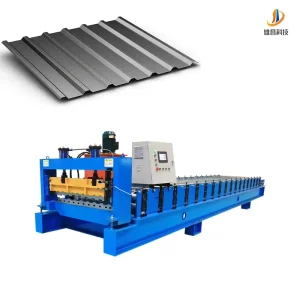
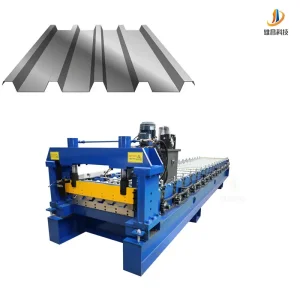
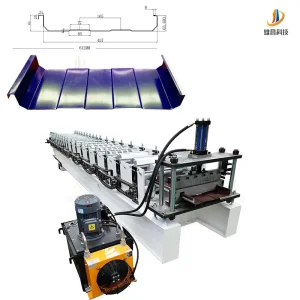
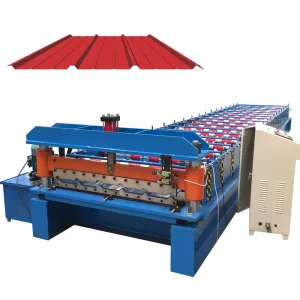
Comprehensive manufacturing tools for Roof Panels, Wall Panels, and industrial Floor Decking Profiles.
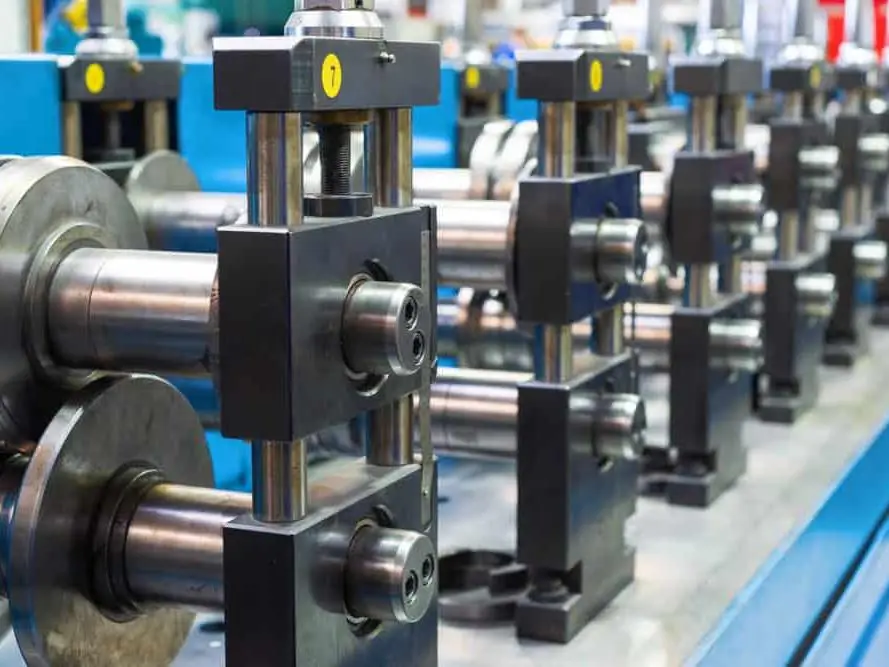
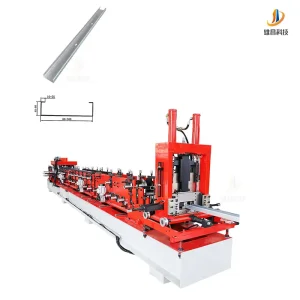
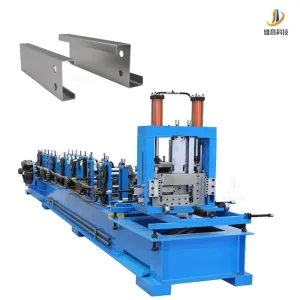
Variable size C/Z Purlin Roll Formers and high-speed Stud & Track Cold Forming Equipment.
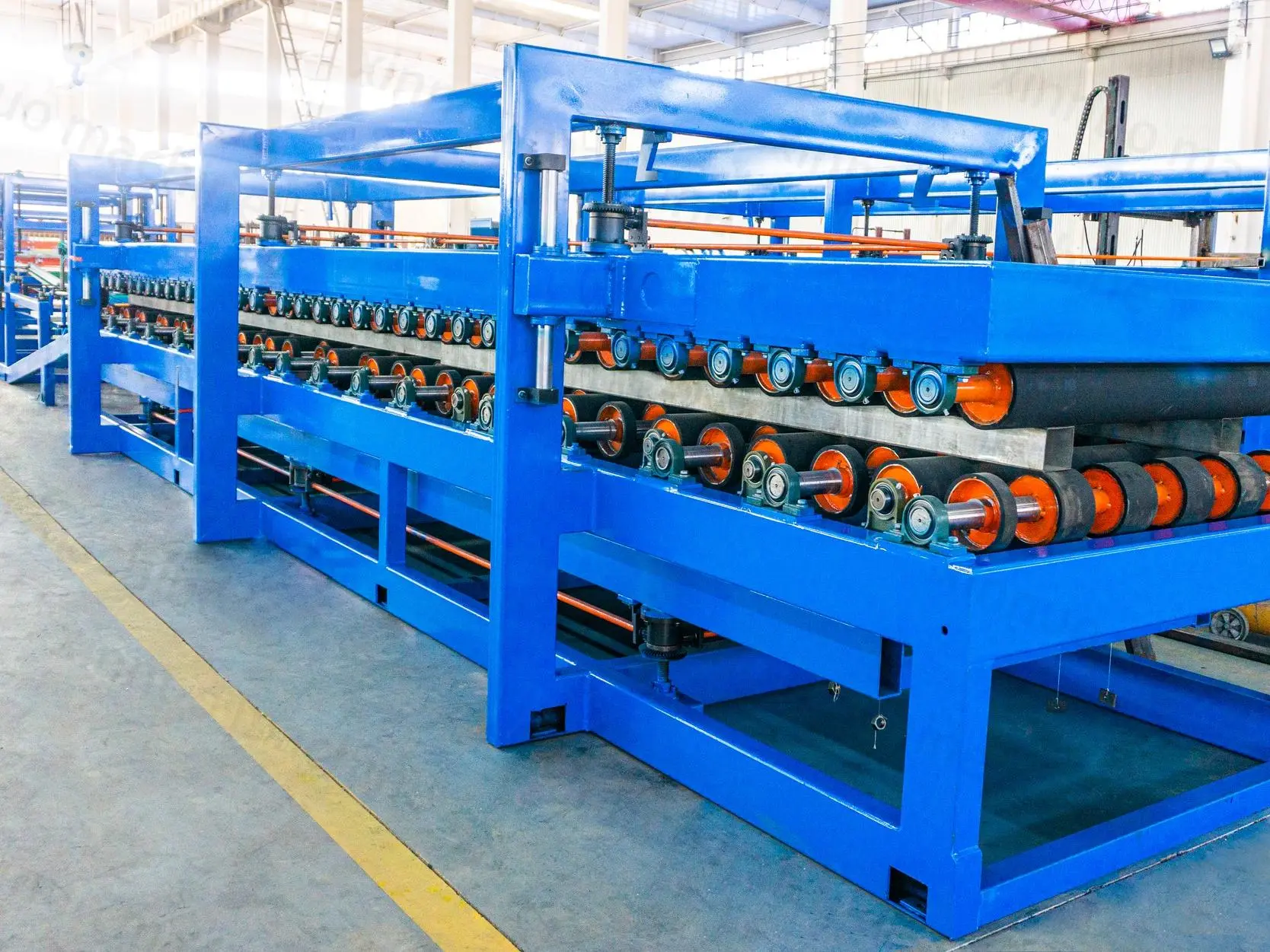
Custom designed machinery for Gutter Roll Formers and robust Door Frame profile lines.
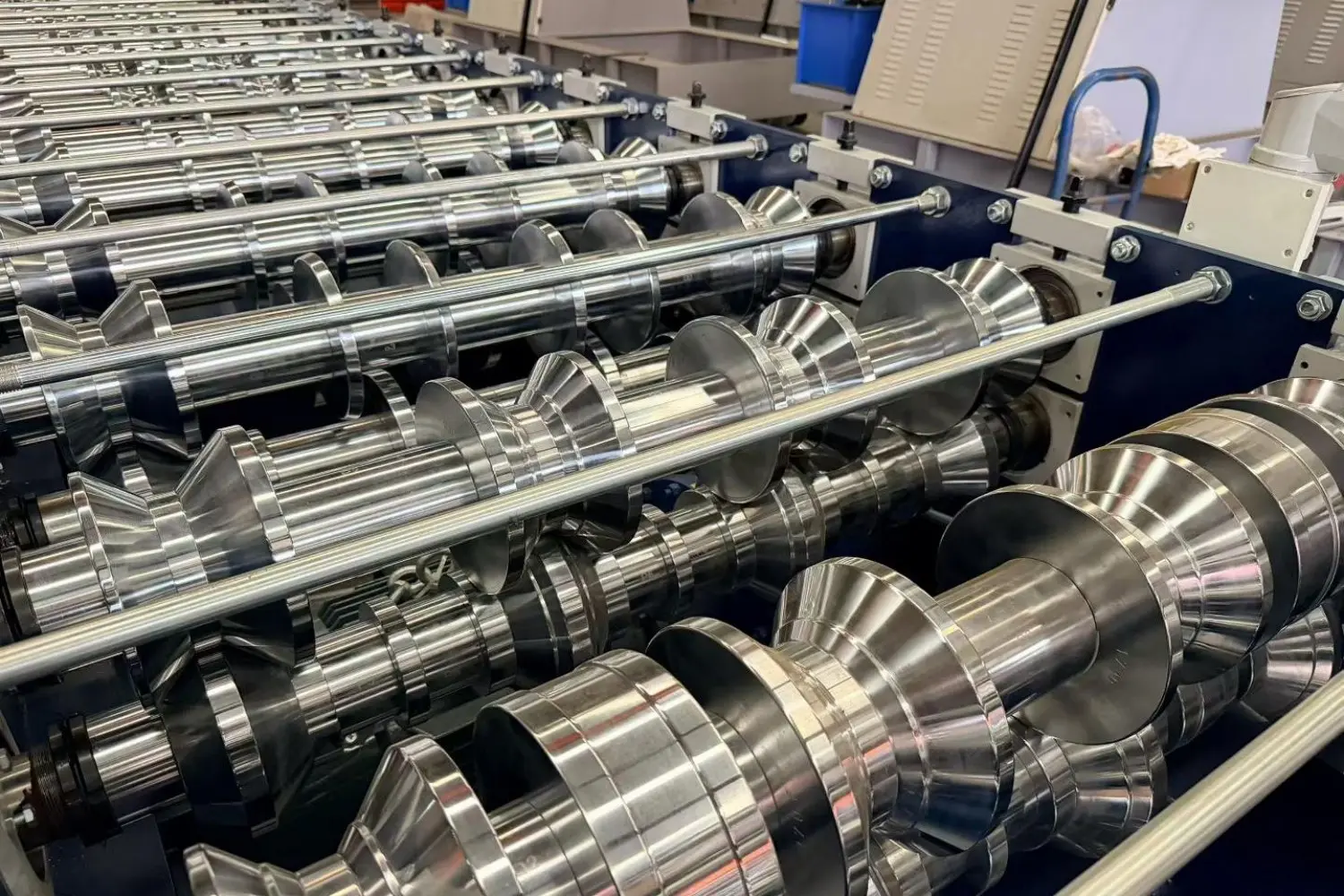
China's machinery sector has developed a highly integrated raw material, engineering, and manufacturing supply chain ecosystem. At XC (Xiongchang), we combine this industrial cluster density with state-of-the-art automation. This allows us to source premium materials—such as high-tensile steel shafts and heat-treated Cr12MoV roller steels—at optimal cost efficiency.
Furthermore, our design cycles benefit from our internal design engineering pool. Unlike Western assemblers who subcontract fabrication, our operations are 100% in-house. This guarantees consistent heat treatment, precise grinding on CNC lathes, and strict adherence to geometric tolerances, providing a distinct performance-to-cost advantage for global procurement agents.
Our high-capacity roll forming units serve multi-tier industrial demands across critical global sectors.
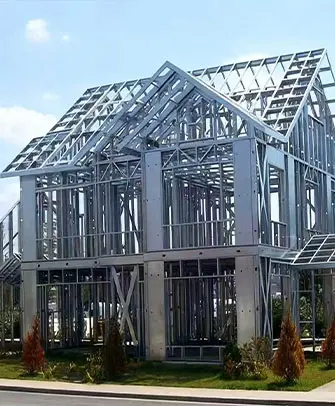
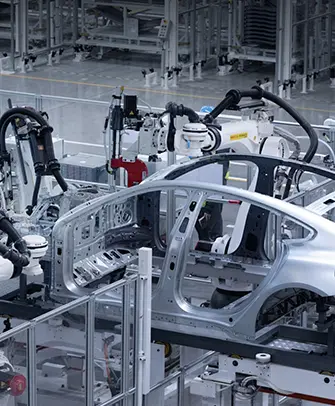

From preliminary design mock-ups to final dynamic on-site commissioning, XC delivers comprehensive lifecycle support. We understand that machinery down-time directly impacts site productivity.
We provide specialized engineer deployment, overseas installation assistance, detailed operating tutorials, and a continuous inventory of replacement wear-parts. Our online support channels are staffed with senior mechanical technicians to ensure your production lines run without interruptions.
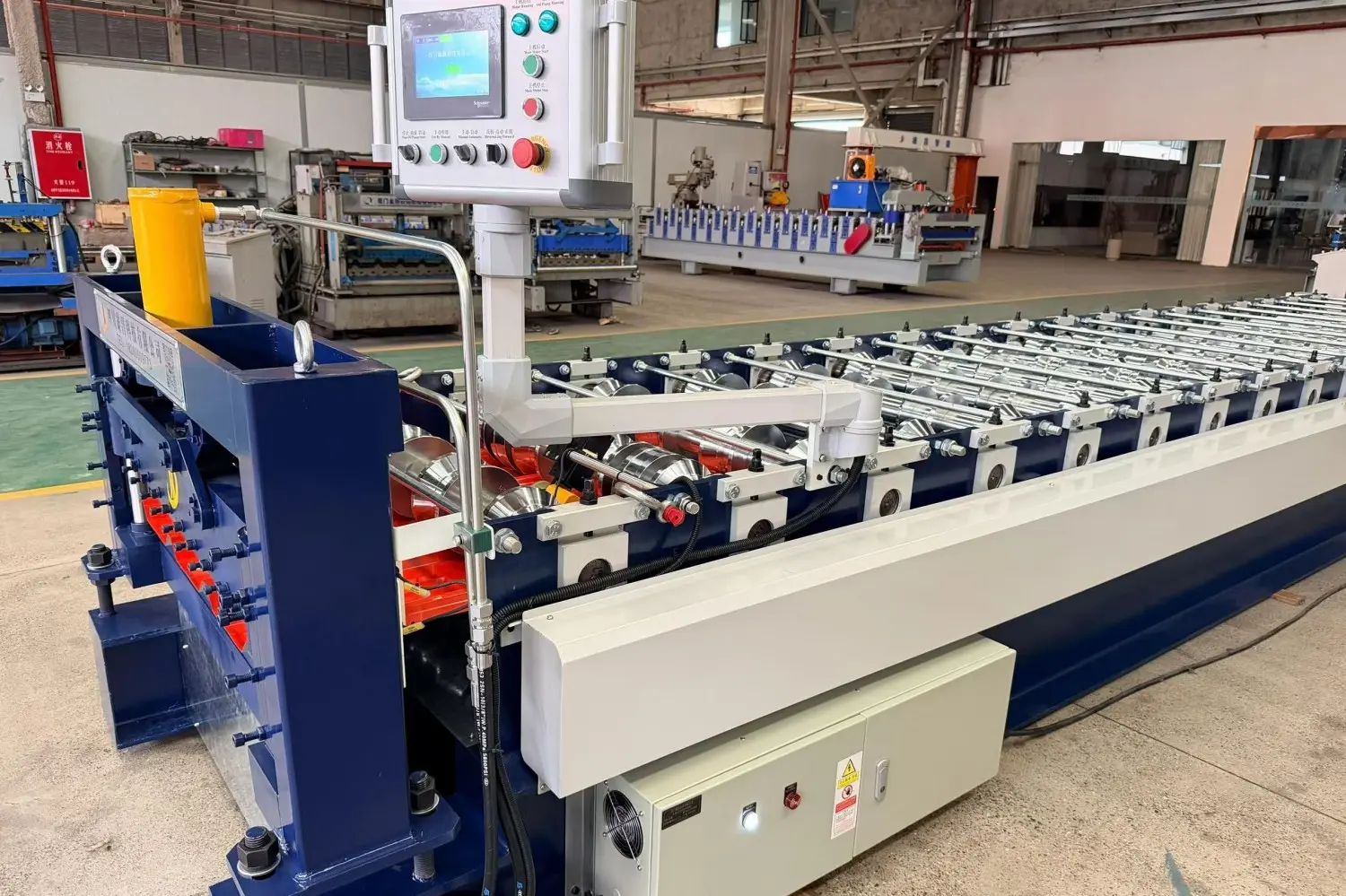
A complete checklist for procurement managers, structural engineers, and factory owners.
When sourcing an ODM fully automatic LGS framing machine, assessing specific engineering and physical attributes is critical to ensure compatibility with local building design codes. Standard configurations should be evaluated on the following technical dimensions:
Technical clarifications on fully automatic steel framing systems and customization capabilities.
Explore our specialized framing and structural component roll formers for commercial and industrial use.
 Xiongchang