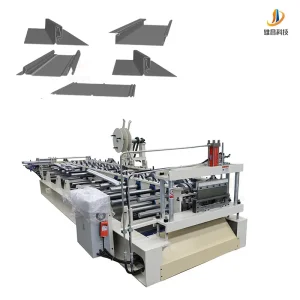
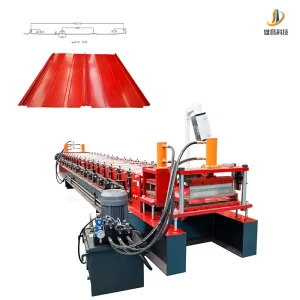
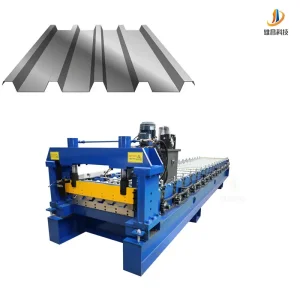
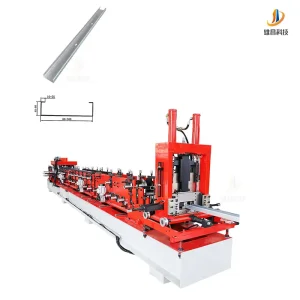
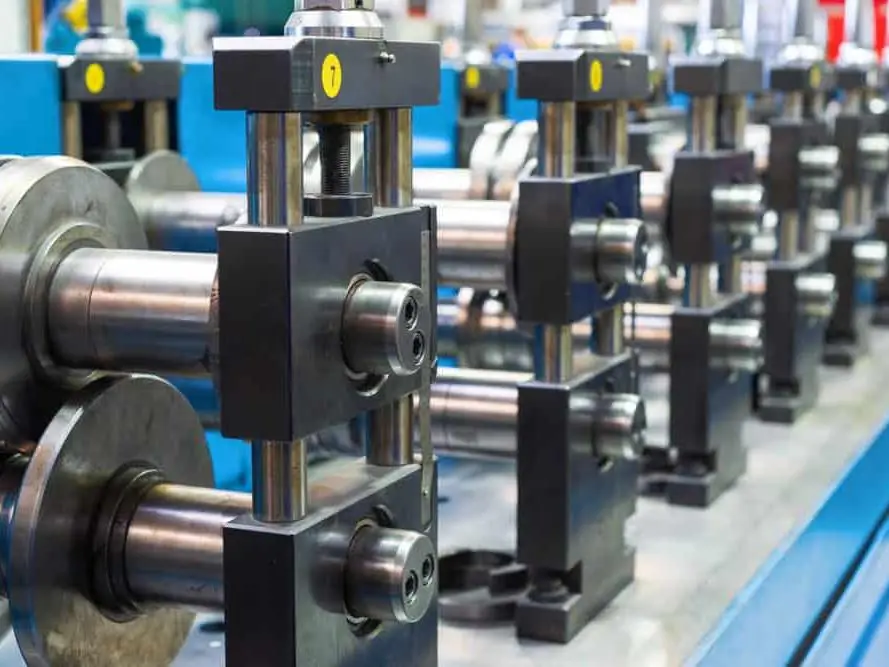
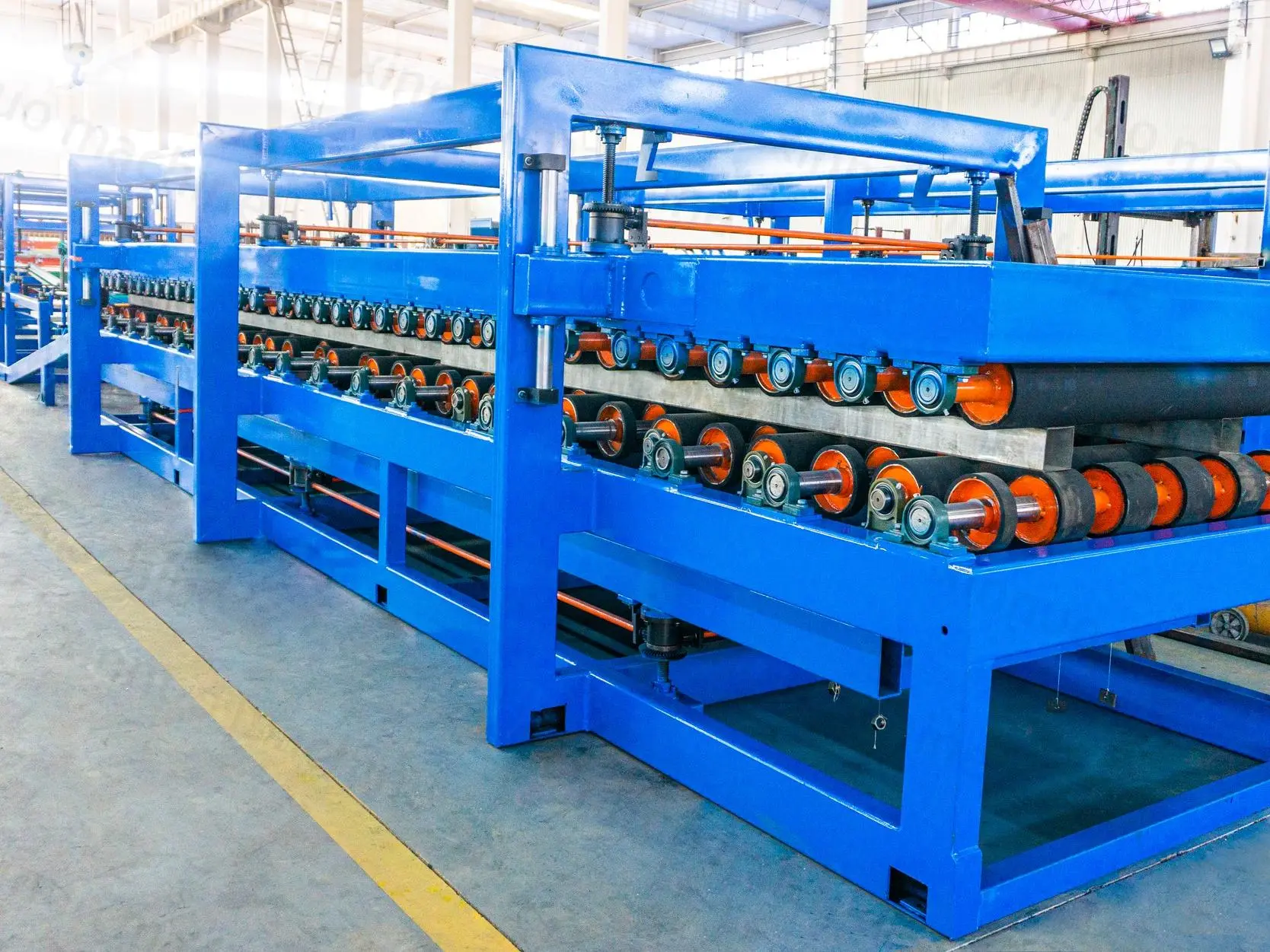
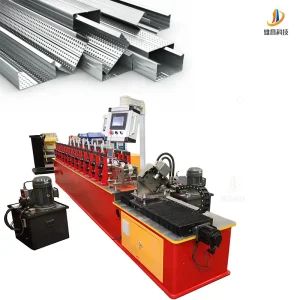
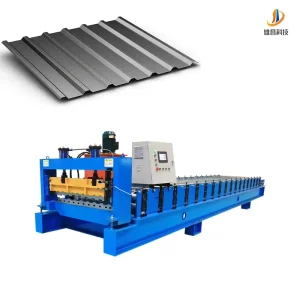
Explore our high-precision structural steel profiling machinery. Engineered with heavy-duty components and advanced automation to deliver peak output stability for modern building envelope and framing infrastructure.
In the modern structural engineering domain, the demand for high-strength, lightweight steel frames has led to the universal adoption of cold-rolled C and Z purlins. Traditionally used as secondary structural framing members to support roof panels and wall claddings, these components are critical in distributing loads evenly across the structural frame of Pre-Engineered Buildings (PEBs), commercial warehouses, data centers, airports, and large-scale industrial complexes.
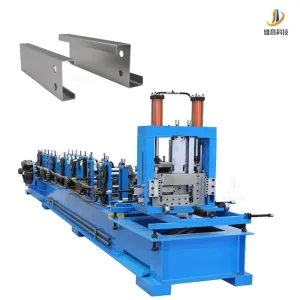
An ODM CZ Purlin Machine represents the absolute pinnacle of flexible production. It is a highly integrated engineering setup that converts galvanized or hot-rolled steel coils into exact structural components. Instead of running separate, dedicated lines for C profiles and Z profiles—which requires massive warehouse space and double the capital expenditure—the modern interchangeable machine utilizes automation to seamlessly adjust profiling rollers within minutes.
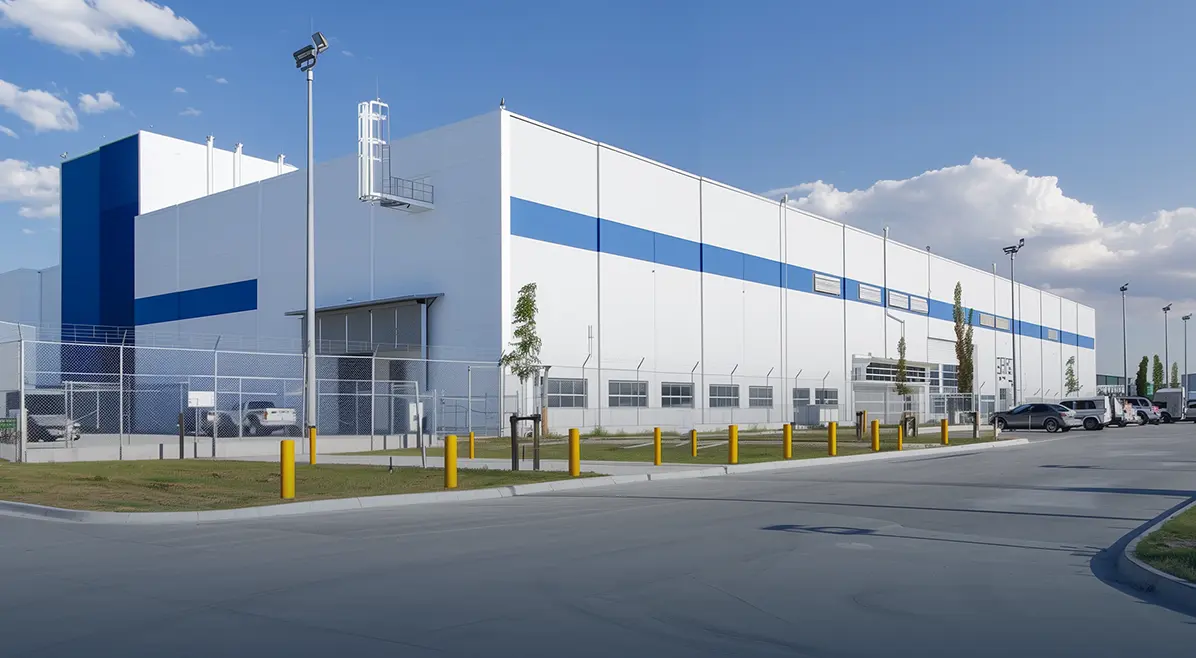
The global market for cold roll forming machinery places immense trust in Chinese manufacturers, specifically engineering leaders like XC (Xiongchang). Our production facility showcases the core advantages that propel Chinese heavy machinery to the forefront of global procurement:
By situating our operations within regional industrial ecosystems, we gain instantaneous access to top-grade steel alloys, precision-machined rollers, state-of-the-art hydraulic actuators, and electronic control systems. This proximity translates to accelerated assembly cycles and uncompromised part traceability.
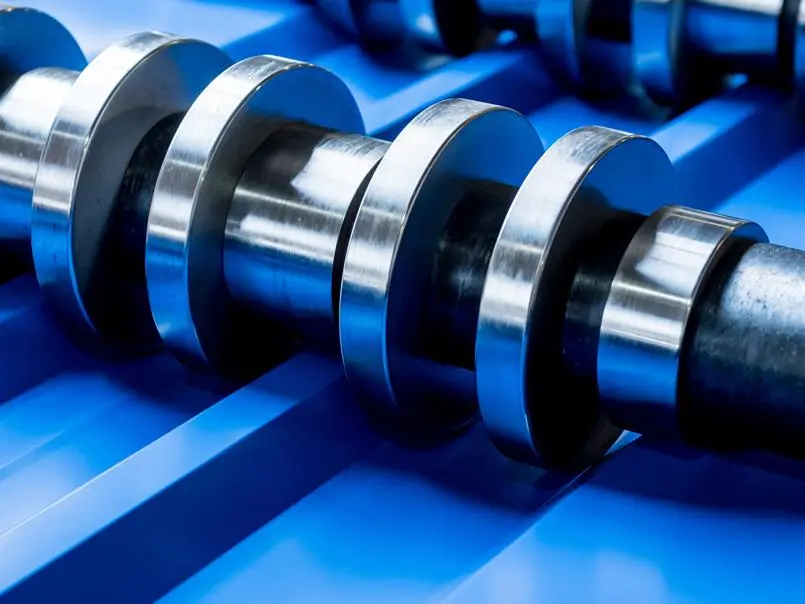
With more than 20 years of continuous sector experience, our dynamic design teams leverage advanced software simulations to model material stress loads. This ensures our rollers prevent profile twisting, springback, and uneven punch tracking across multiple material yield strengths.
We deploy coordinate measuring machines (CMMs) to guarantee roller axis alignment and profile consistency. Our manufacturing process ensures tolerance structures are strictly maintained, meeting and exceeding international standards.
INTEGRATED ROLL FORMING SPECIALIST
As an established expert in the field, XC (Xiongchang) provides integrated roll forming solutions. Our portfolio encompasses core production machines for roofing, flooring, doors, and structural components, as well as the complete auxiliary line equipment essential for efficient operation.
We employ a specialized team of technical personnel and mechanical engineers who are committed to delivering superior products and customized solutions. Our substantial investment in state-of-the-art, automated production lines ensures manufacturing precision and consistency.
With our dedication to a robust technical force and advanced industrial equipment, XC aims to provide integrated and automated systems across our entire product range, fulfilling diverse industrial requirements while guaranteeing the highest standards of structural performance.
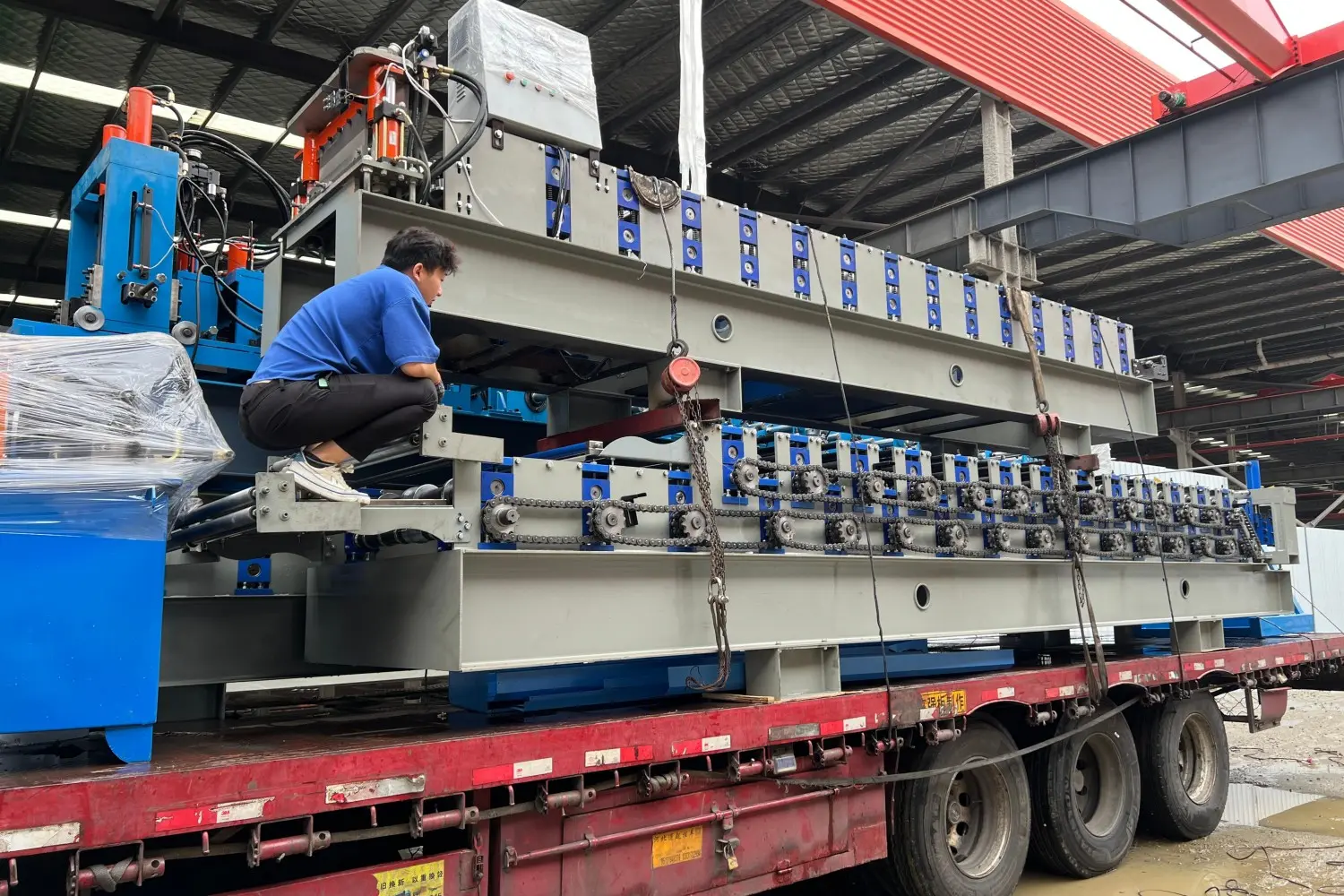
Our engineering output powers infrastructure worldwide. From traditional residential frameworks to next-generation energy grids, our cold roll forming systems are designed to operate under harsh conditions while outputting precise dimensions.
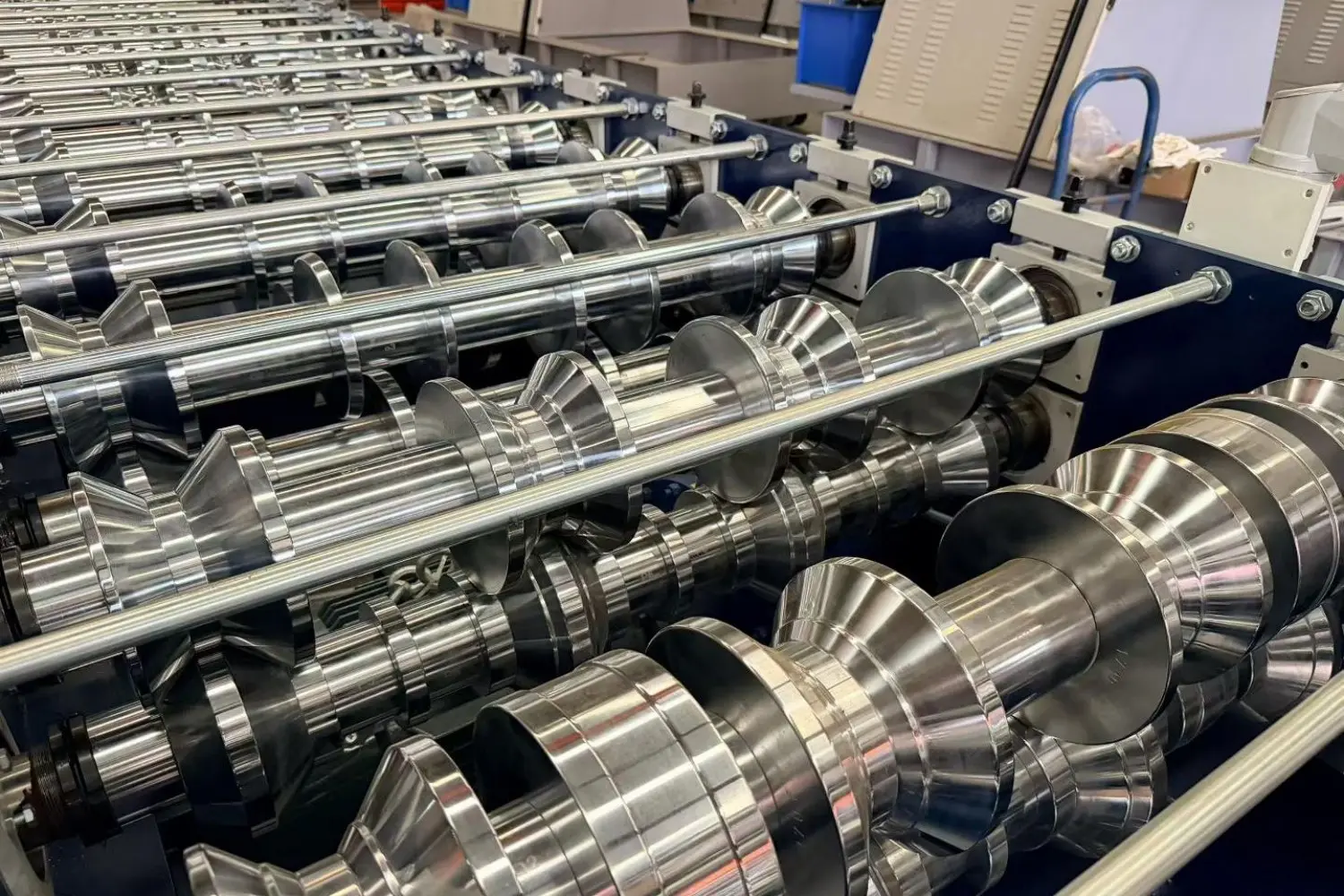
XC deploys a comprehensive suite of measurement, testing, and alignment instruments to rigorously verify the dimensional tolerance, hardness, and wear-resistance of our roll forming systems. We adhere to strict quality control protocols throughout the fabrication cycle, ensuring our machinery operates reliably for decades.
From engineering consultancy to on-site assembly, we provide end-to-end support, including professional site commissioning, operator safety training, and quick parts delivery. Our dedicated technical support specialists assist clients worldwide in maintaining peak operational throughput.
With years of industry expertise, we have established a strong reputation for build quality and customer-focused engineering. Our team provides custom-tailored designs for both standard operations and complex structural requirements.
This commitment has built a loyal client base across the construction, logistics, manufacturing, and energy sectors. Today, our roll forming machines operate in over 50 countries, shaping infrastructure components for residential buildings, commercial centers, and heavy-duty logistics facilities.
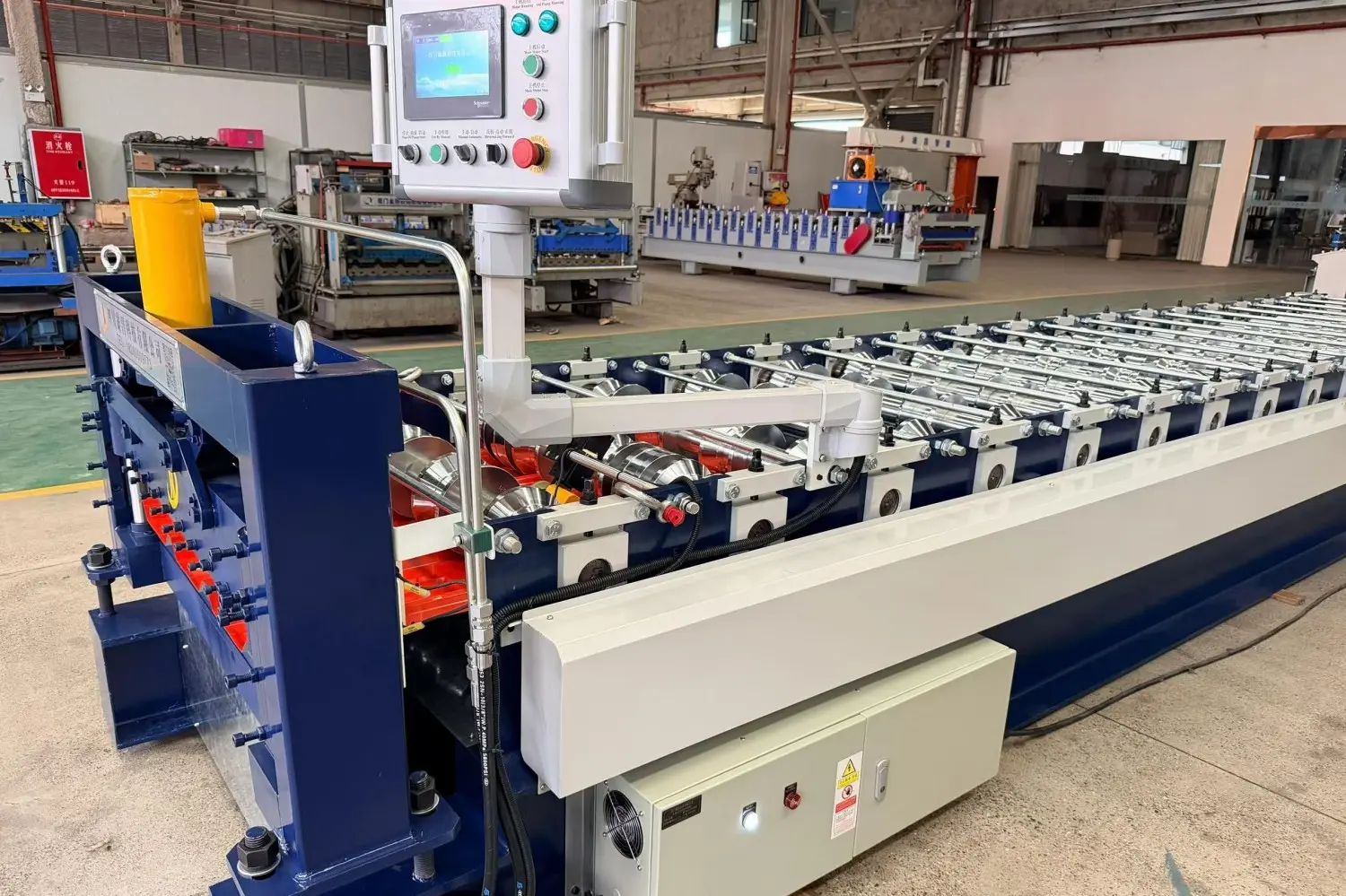
The cold roll forming industry is evolving toward higher automation, integrated diagnostics, and smart manufacturing. Sourcing managers look for more than just low prices—they seek equipment reliability, energy efficiency, and modern software integration:
Modern systems use networked sensors to monitor roller pressures, bearing heat levels, and power use. Sourcing lines with remote telemetry allows engineers to troubleshoot problems and prevent unplanned downtime.
Eco-conscious builders require purlins made with minimal material waste. Modern dynamic nesting software coordinates punching and cutting patterns, keeping scrap rates below 1.5% to maximize material efficiency.
The demand for hybrid structural designs is increasing. Having one machine that switches profile configurations automatically from a single console simplifies operations, reduces floor space needs, and improves plant safety.
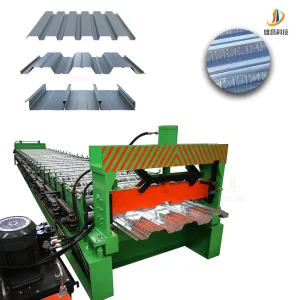
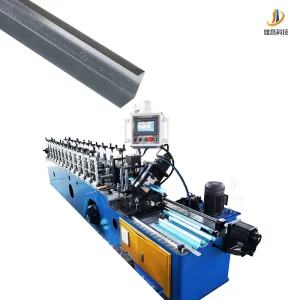
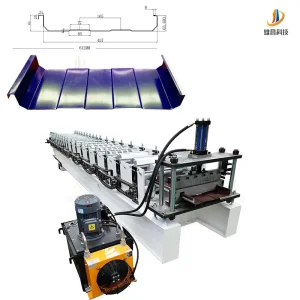
We manufacture structural framing equipment to meet diverse project demands. Explore our products below, including roof panels, light gauge framing, and industrial floor deck systems.
 Xiongchang