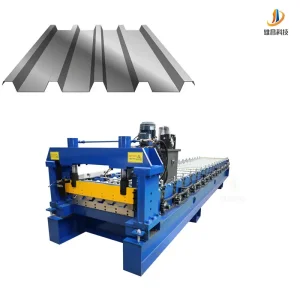
Explore our range of precision-engineered roll forming machines tailored for commercial structural profiling, building envelope systems, and light gauge framing.
The global construction and building materials landscape is undergoing a structural transition toward modular, resilient, and eco-friendly infrastructure. Central to this paradigm shift is the corrugated metal roofing sheet—a staple of commercial warehouses, industrial manufacturing complexes, agricultural storage facilities, and residential housing envelopes alike.
Corrugated profile geometry offers unparalleled load-bearing capabilities, structural integrity, and highly efficient water shedding. To manufacture these profiles at scale while keeping tolerances down to the millimeter requires state-of-the-art cold roll forming lines. Modern manufacturers must address varying regional codes, steel grades (from soft galvanized iron to high-tensile G550 steel), and varying coating thicknesses (Aluzinc, Zinc, and pre-painted colors).
As the demand for fast, reliable infrastructure grows across the Americas, Sub-Saharan Africa, and Southeast Asia, procuring high-speed, automated, and versatile roll formers has become a strategic priority for tier-one steel processing plants and commercial building component distributors.
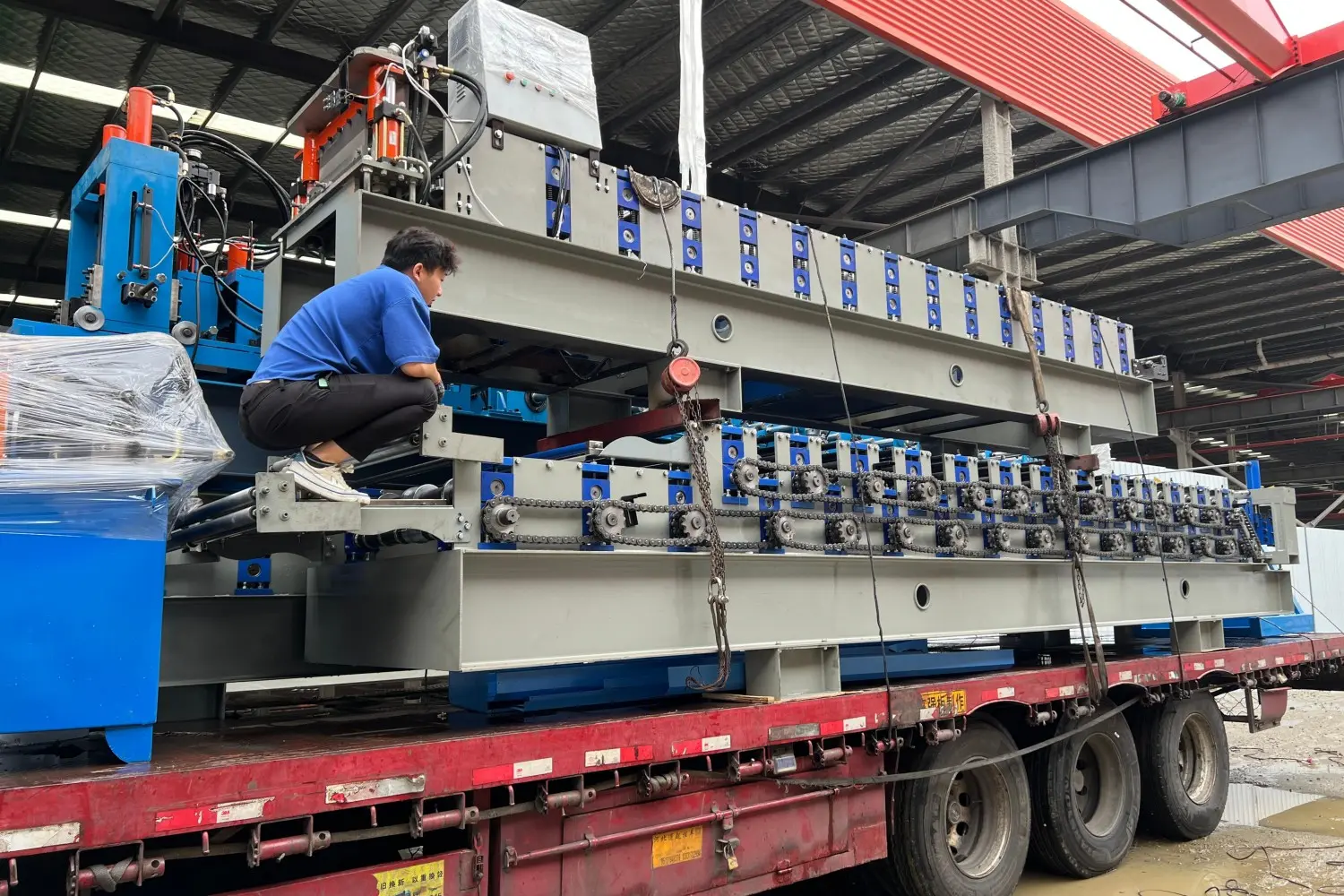
As an established global expert in the cold roll forming field, XC (Xiongchang) provides fully integrated mechanical and electrical engineering solutions. Our comprehensive portfolio encompasses the core production machinery for steel roofing, heavy-duty floor decking, residential wall siding, structural purlins, and steel framing systems, alongside complete secondary and auxiliary line components.
Whether you require single-profile standalone roll formers or fully automated, multi-profile, high-output industrial lines complete with integrated punching, flying shear, and automatic stacking systems, XC delivers custom-engineered assets that maximize run-time and maximize ROI.
Our team of structural and mechanical engineers utilizes software suites like COPRA to design and simulate the roll forming process. This eliminates forming stress early, prevents metal scuffing, avoids edge wave occurrences, and ensures that even complex profile geometries are formed with absolute consistency across varying yield strengths.
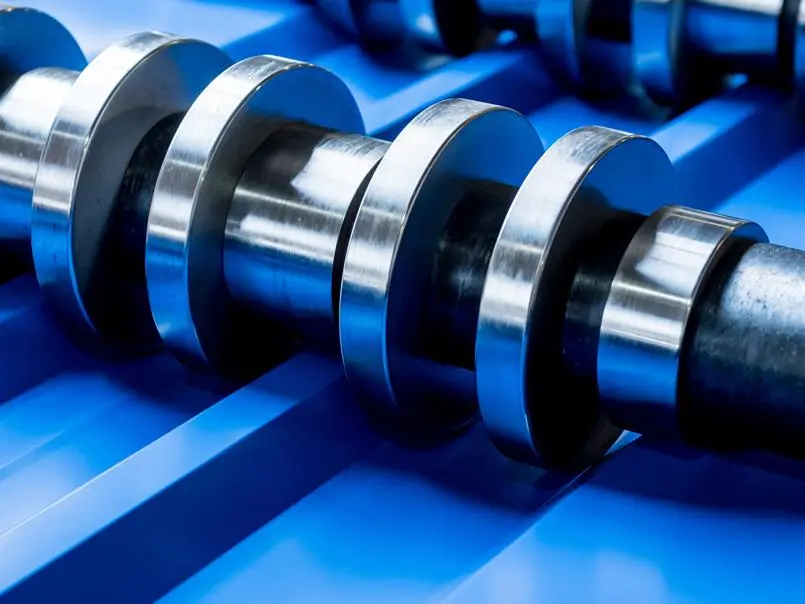
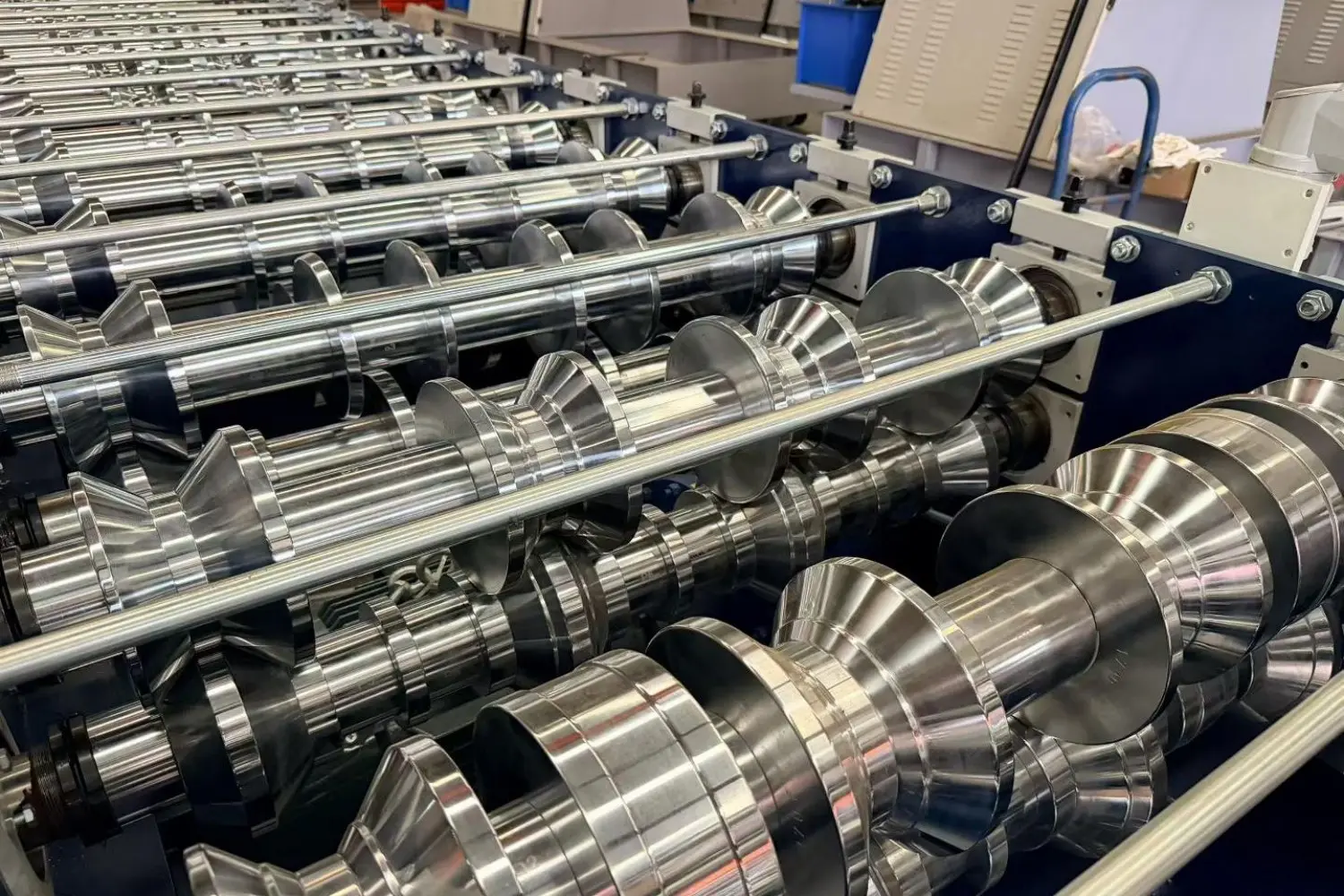
Every roller, shaft, and structural frame is processed in-house using CNC machining centers. Rollers are manufactured using premium forged steel (such as Cr12MoV or GCr15), undergo precision vacuum heat treatment, and are finished with hard-chrome plating to guarantee long service lives and wear resistance under continuous operation.
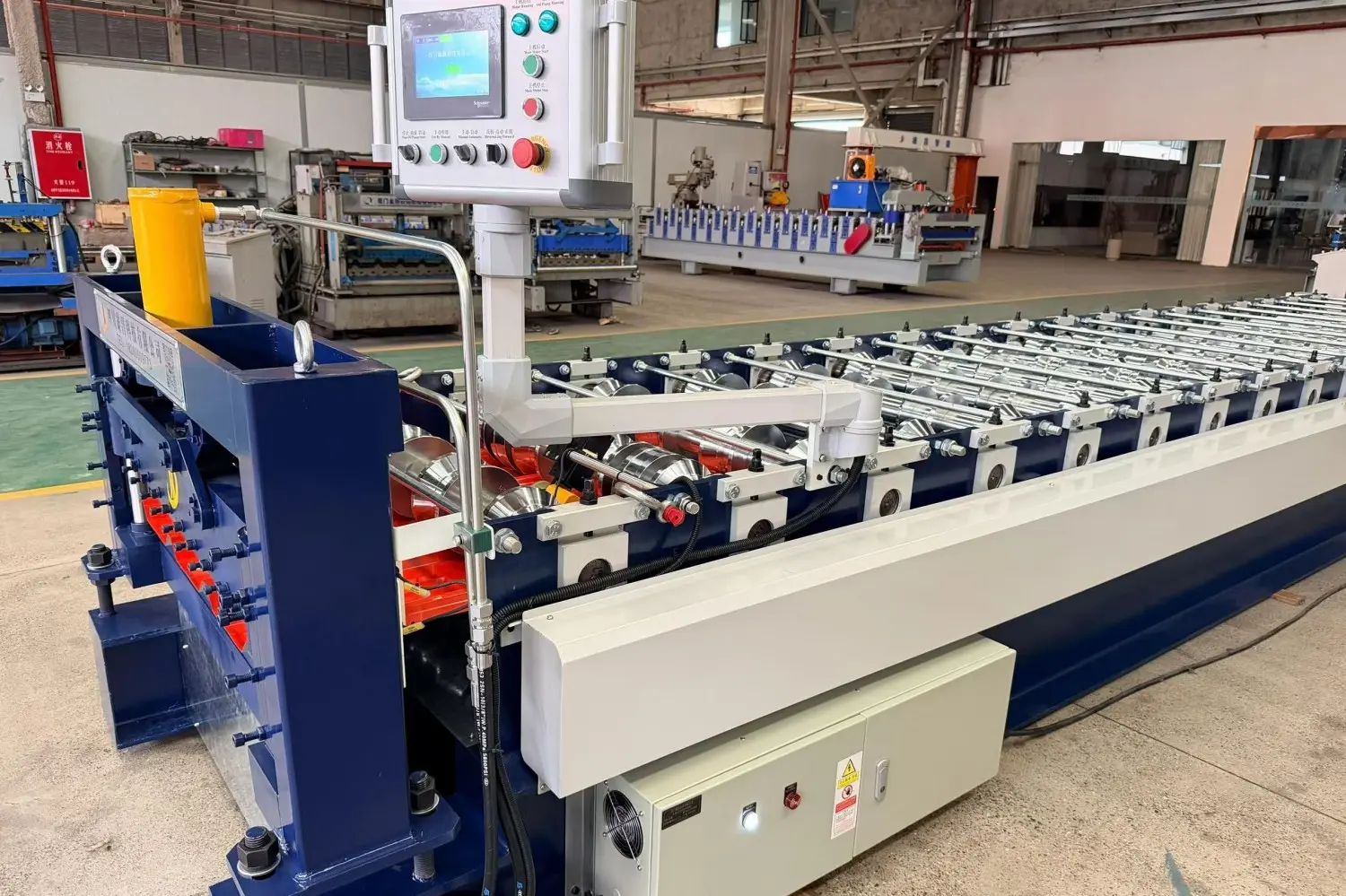
XC roll formers are driven by intelligent PLC control systems (Siemens, Mitsubishi, or Delta). Integrated with multi-language touch screens, variable frequency drives (VFD), and high-precision encoders, our lines offer automated batch programming, precise length measurement tolerances within ±1.0mm, and self-diagnostic features.
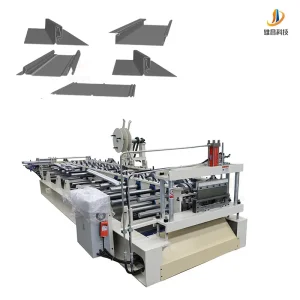
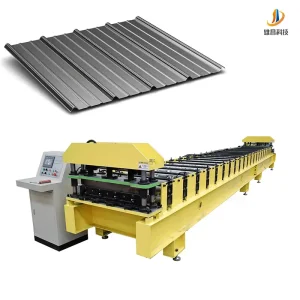
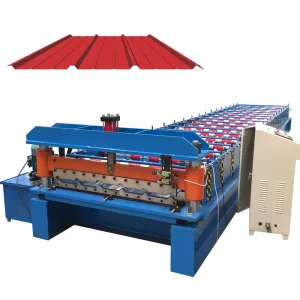
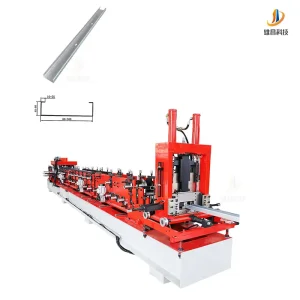
We offer an extensive range of precision cold roll forming systems to meet varied customer applications, including: All our equipment is engineered to produce durable, reliable, and high-performance end-products.
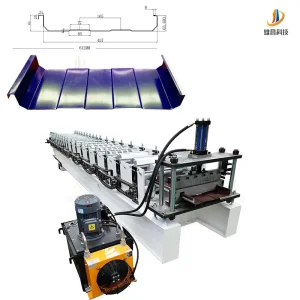
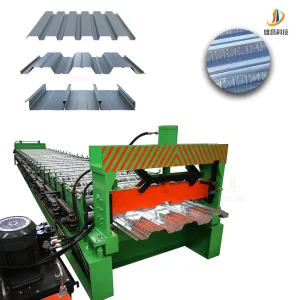
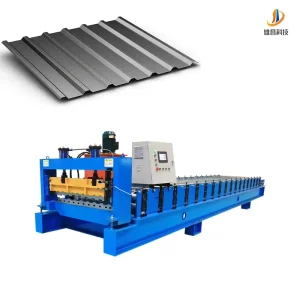
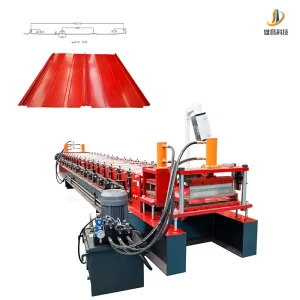
High-speed Roof Panel, Wall Panel, and Floor Deck Roll Forming Machines.
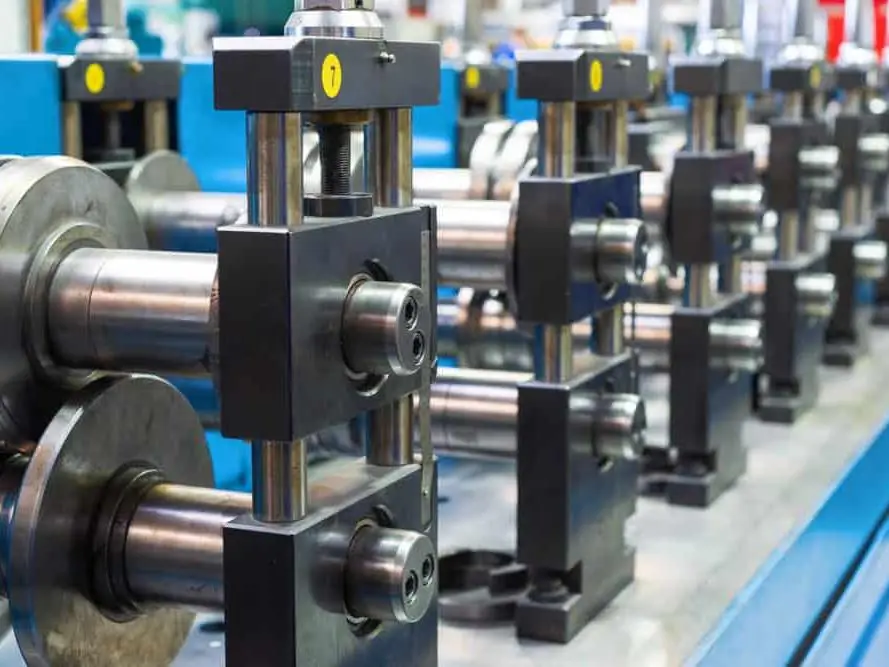
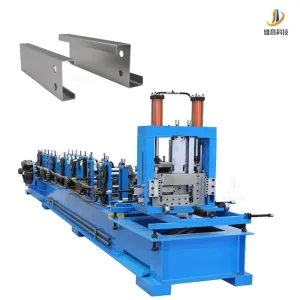
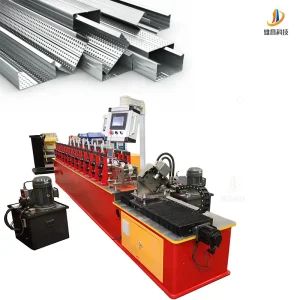
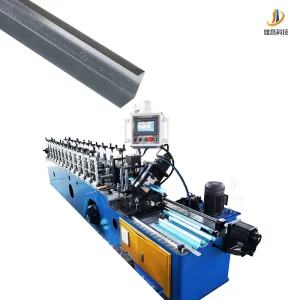
Heavy-duty C/Z Purlin Roll Forming Machines, and Stud & Track Roll Forming Machines.
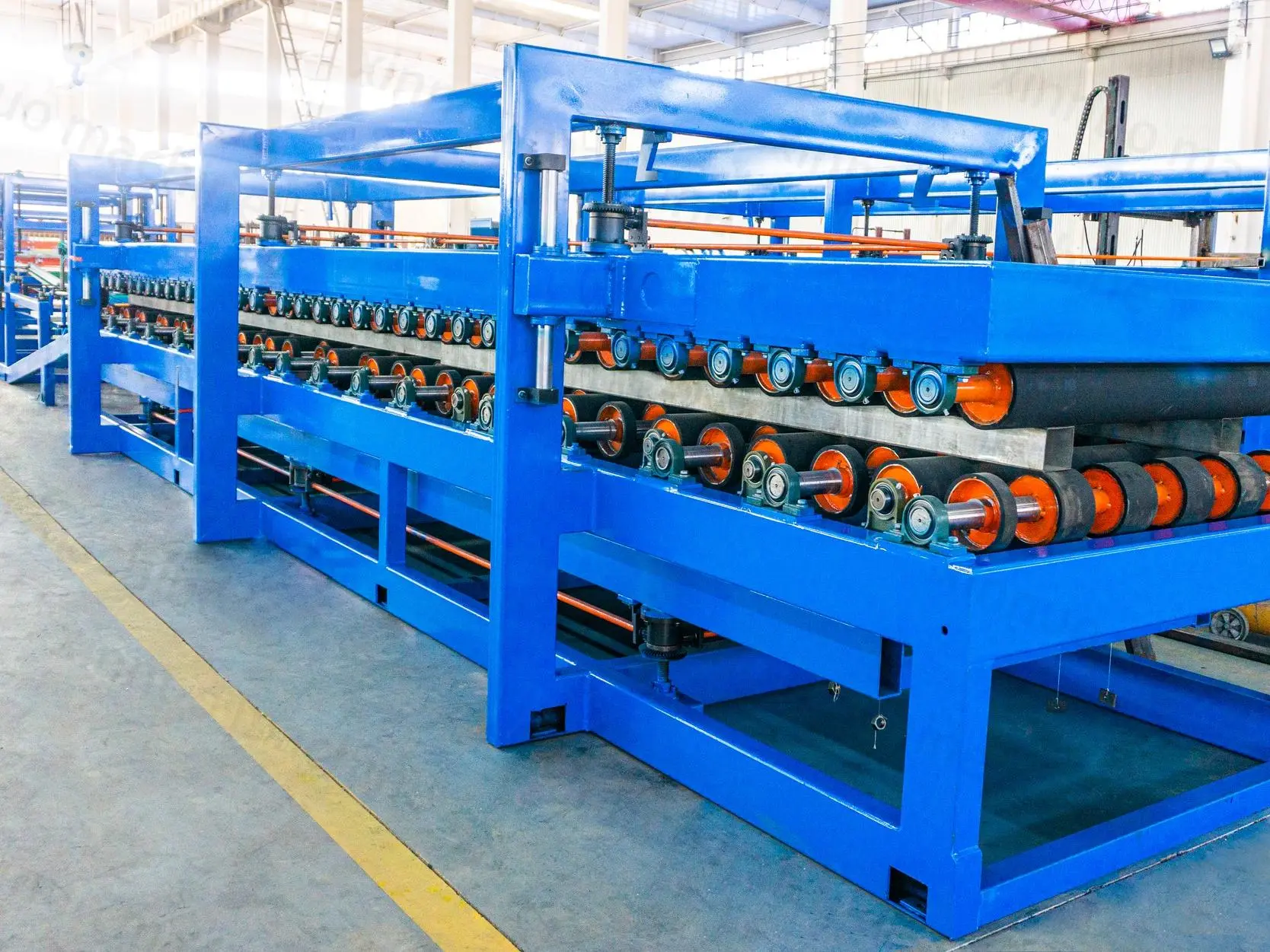
High-precision Gutter Roll Forming Machines and complex Door Frame Roll Forming Lines.
When sourcing roll forming equipment globally, structural steel manufacturers prioritize engineering capability, value, and reliable delivery. Chinese manufacturing factories, led by specialized facilities like XC, offer significant advantages:
Proximity to major steel producers, specialized heat treatment facilities, and top-tier electronics component suppliers allows us to source raw materials and parts efficiently, reducing production times.
Leveraging economies of scale and optimized operational workflows, XC delivers European-grade mechanical tolerances and heavy-duty frame configurations at competitive capital expenditure rates.
These advantages enable global buyers to acquire highly customized machinery tailored for specific profiles without paying prohibitive development fees.
At XC, we recognize that selling a roll forming machine is just the beginning of a long-term partnership. Our commitment to client success is reflected in our comprehensive lifecycle service program:
From housing developments to infrastructure projects, our roll forming machines supply critical metal elements across diverse global sectors.
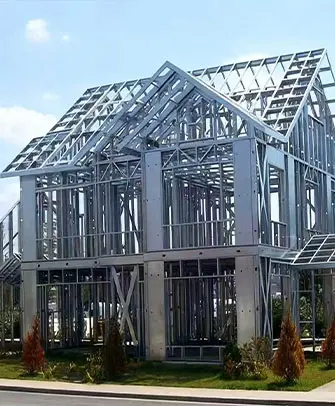
Producing structural framing, architectural wall cladding, sub-girts, and high-performance metal roofing sheets.
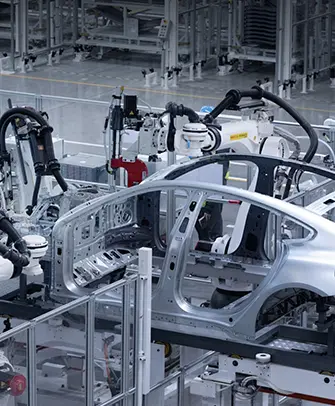
Specialized profiles, vehicle body reinforcement rails, window tracks, and heavy-duty chassis components.
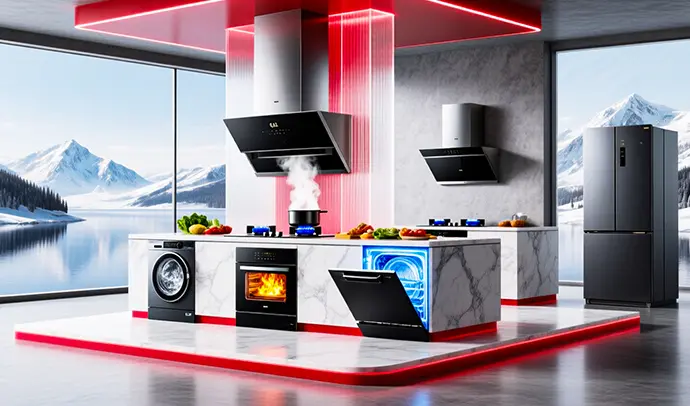
High-precision skin panels, cabinet frames, structural support tracks, and kitchen exhaust duct components.

Guardrails, sound barrier frames, bridge deck reinforcement profiles, and railway electrical support lines.

Heavy-duty galvanized solar struts, photovoltaic racking profiles, and energy storage frame systems.
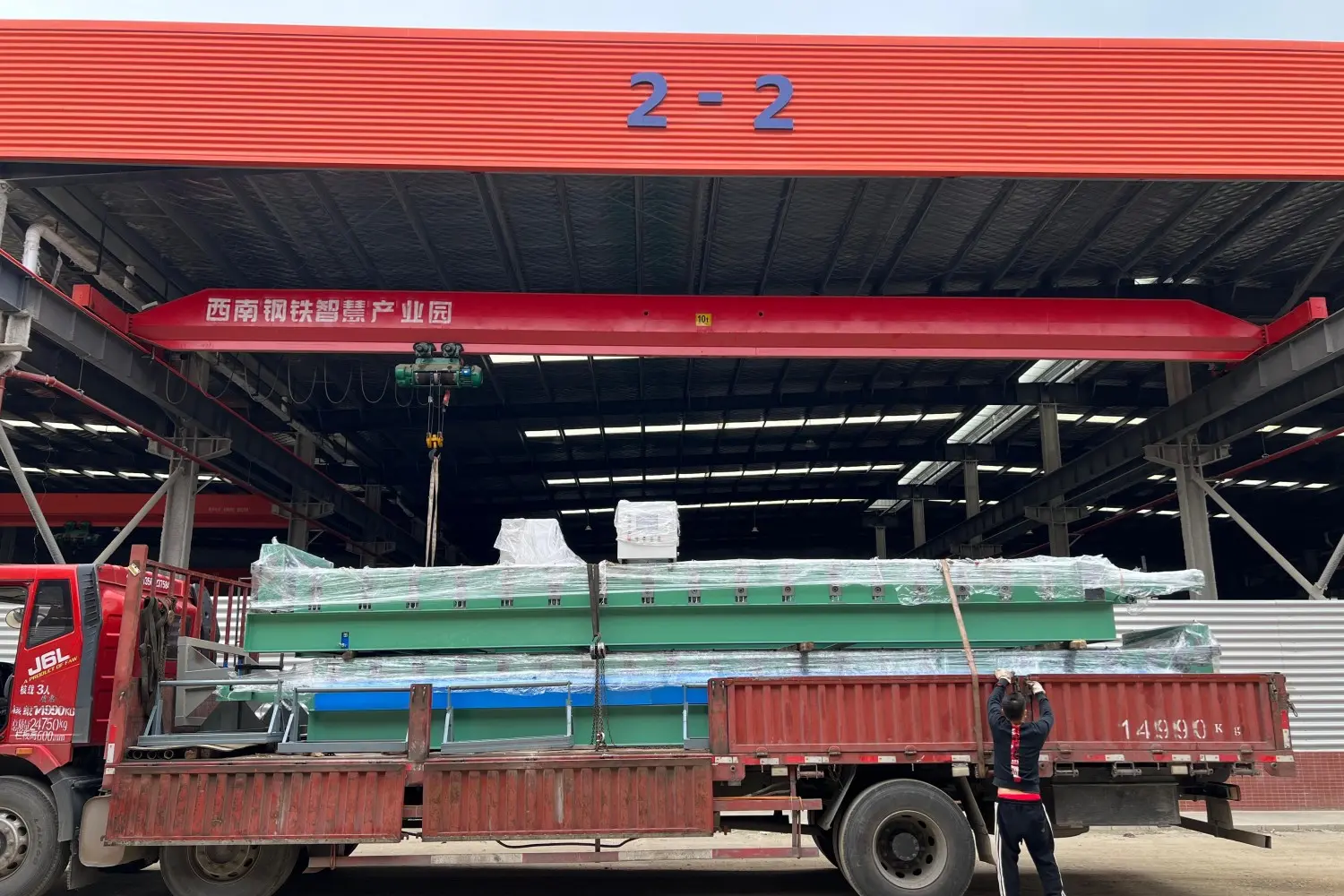
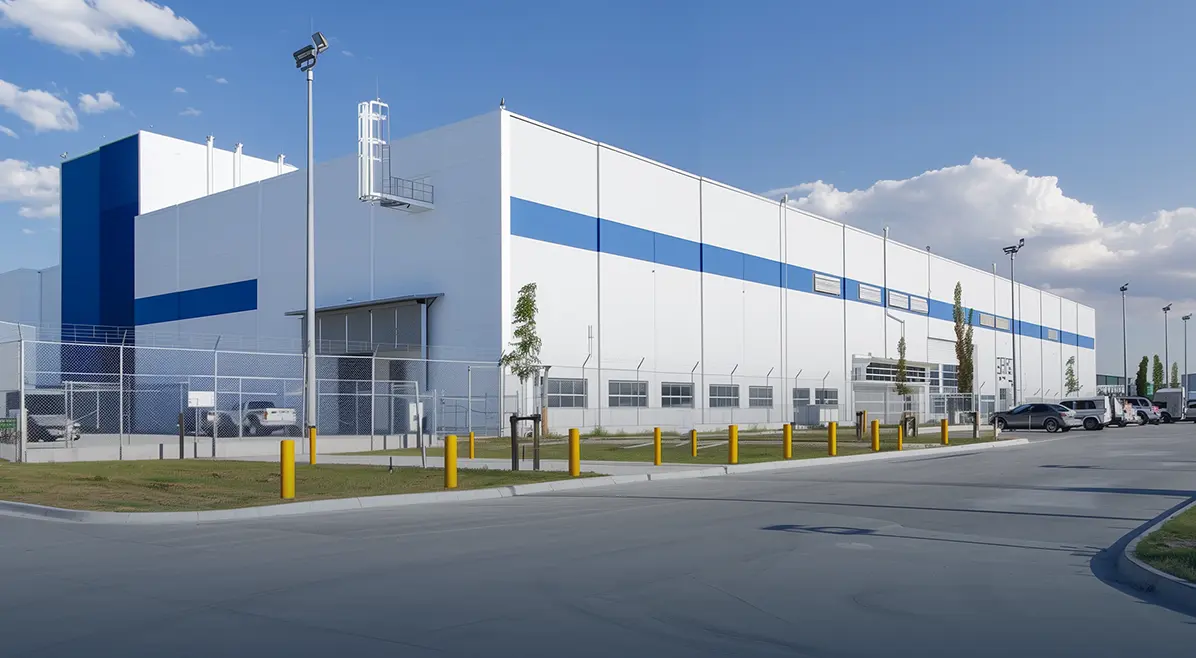
Custom heavy-gauge decking and wall-envelope systems for logistics warehouses and clean room applications.
The roll forming sector is evolving rapidly to meet changing production demands. Industry 4.0 integration, energy-efficient operations, and flexible forming geometries are driving machine designs forward:
As construction demands lighter and stronger profiles, machine tooling design must handle high-strength steel grades without fracturing or structural spring-back.
Dual-profile design options, quick-change rafted cassette frameworks, and programmable width changes reduce switch-over times from hours to minutes.
Servo-driven punching and flying shearing systems minimize scrap generation and cut hydraulic energy consumption by up to 35%.
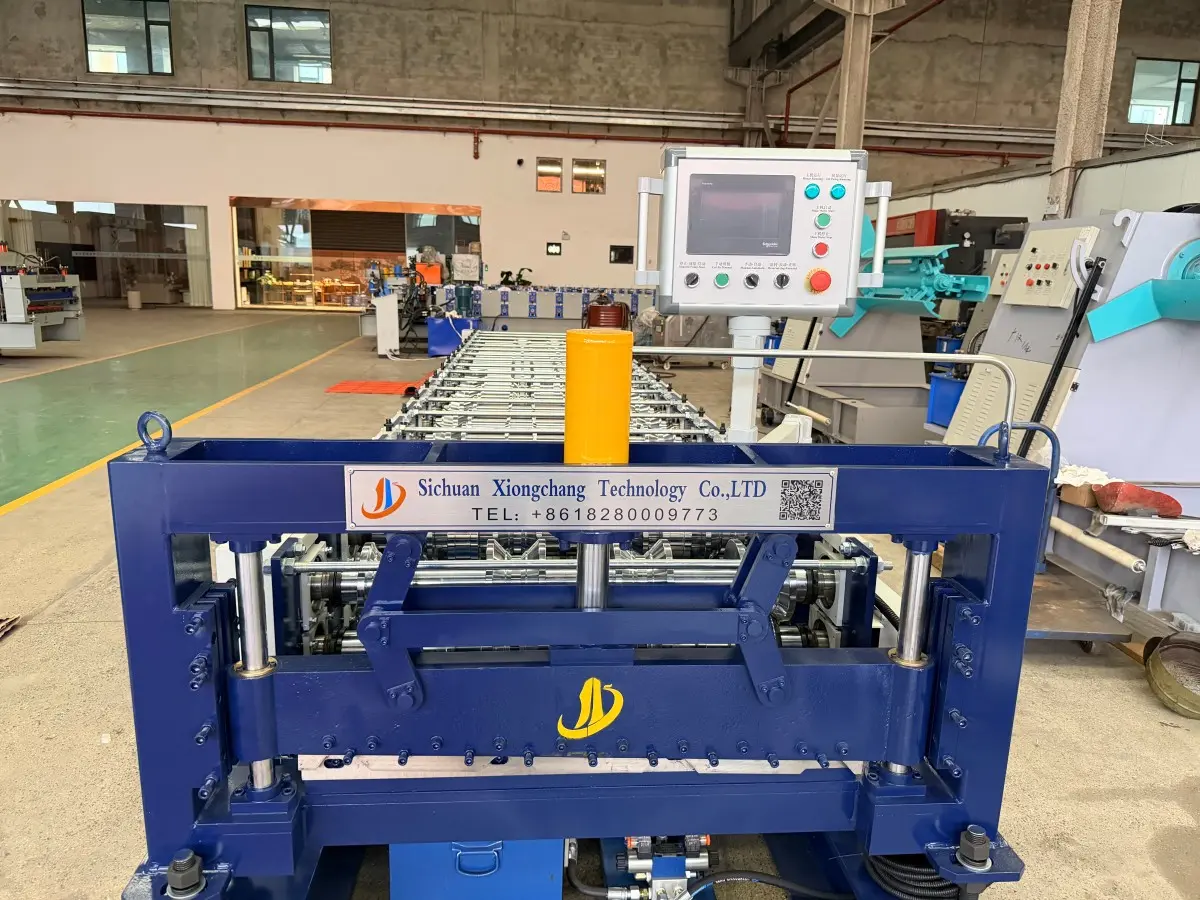
Browse our complete catalog of industrial roll formers, purlin machines, framing components, and specialized sheet metal processing lines.
 Xiongchang