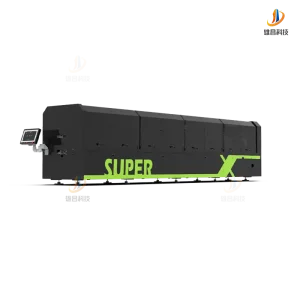
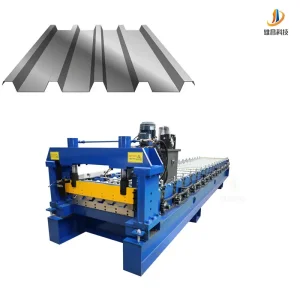
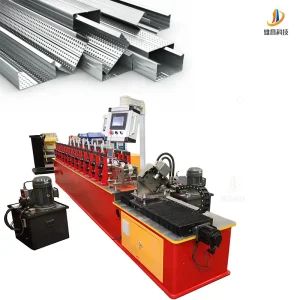
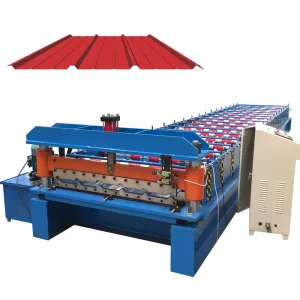
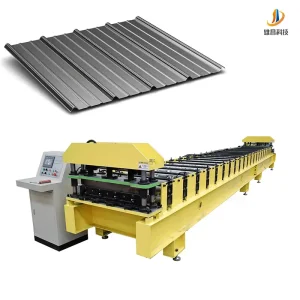
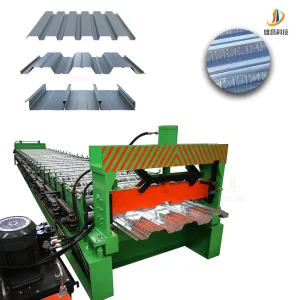
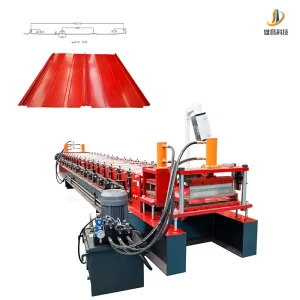
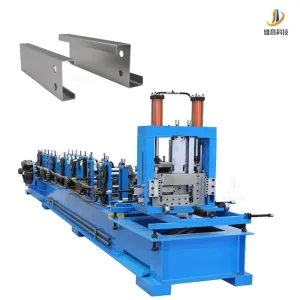
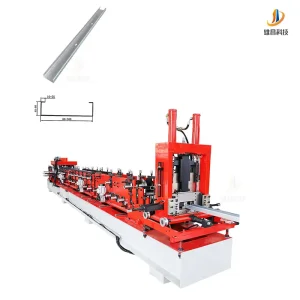
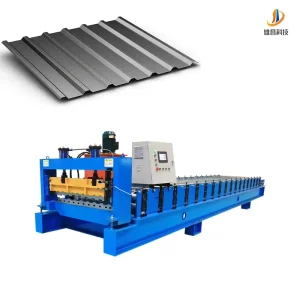
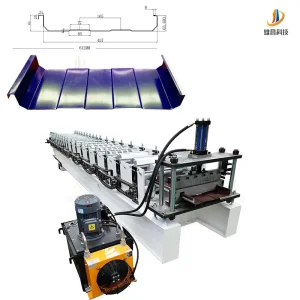
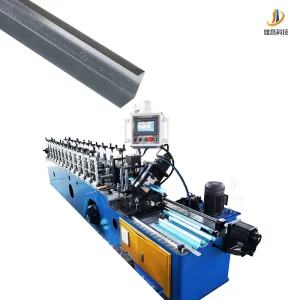
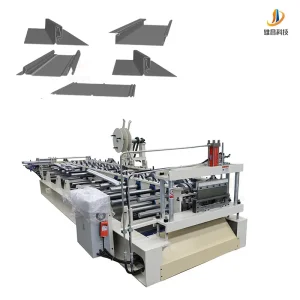
Explore our flagship high-speed profile lines, stud machinery, and customized industrial roll formers.
Corrugated metal cladding systems have evolved from historical rudimentary industrial coverings into highly refined, structural elements capable of architectural expression and rigorous environmental endurance. The modern corrugated panel profile—distinguished by its sinusoidal curves or structural trapezoidal ribs—distributes stress dynamically, offering superior structural load-bearing performance, efficient rain runoff characteristics, and an exceptional strength-to-weight ratio.
As infrastructure developments scale upward globally, manufacturing operations demand unprecedented output speeds, precise sheet geometry, and versatility. Today's manufacturing centers require specialized ODM corrugated roof sheeting machine manufacturers that don't simply assemble rollers, but engineer automated, integrated ecosystems that turn high-tensile carbon steels, prepainted galvanized coils (PPGI), and aluminum-zinc alloys into building blocks of global progress.
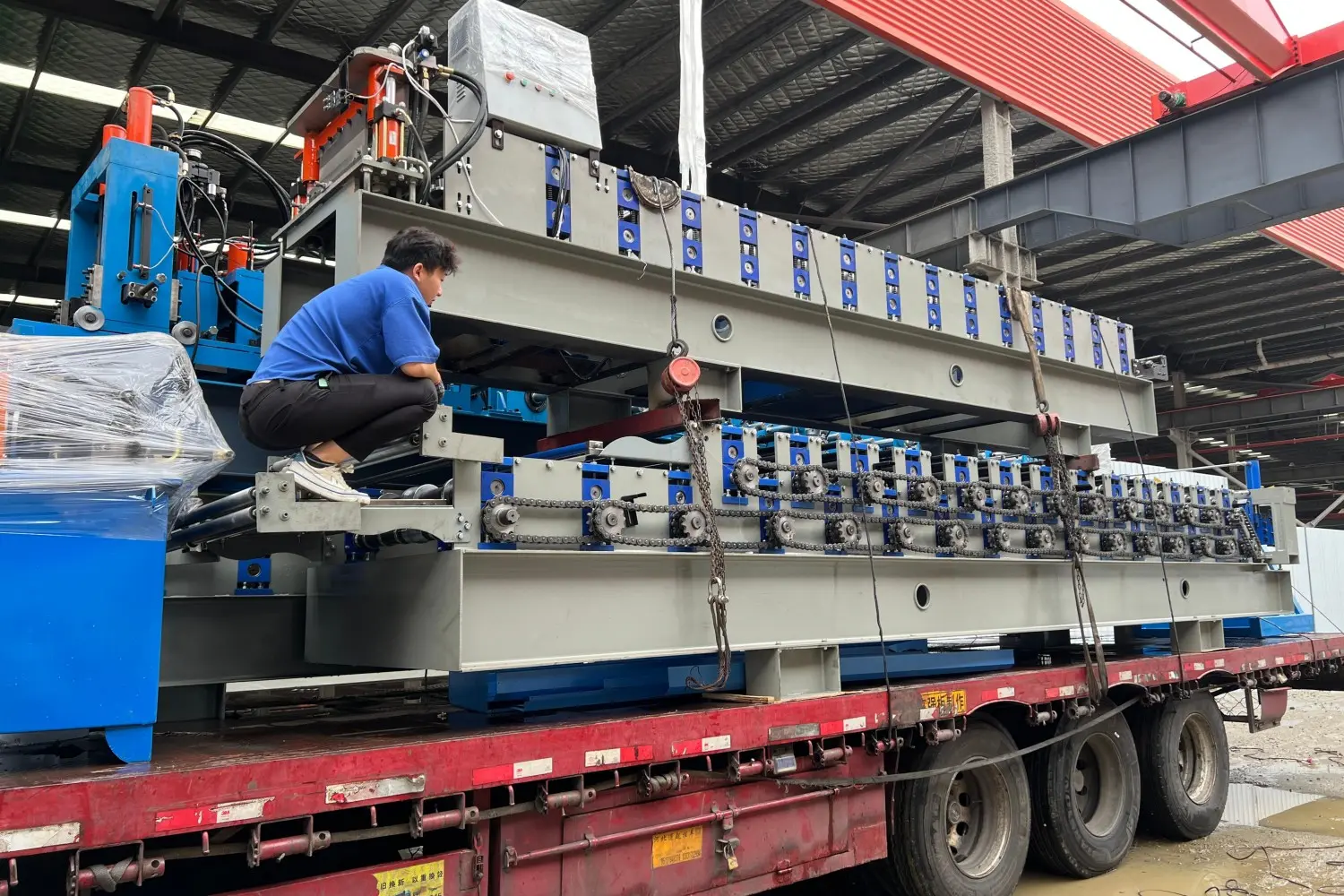
As an established expert in the cold roll forming field, XC (Xiongchang) designs and delivers completely integrated roll forming lines. Our systems are engineered to support the heavy-duty manufacturing of building envelopes, structural steel framing, composite decking, and complex custom profiles. By unifying premium mechanical design with automated control architectures, we supply industrial projects across five continents.
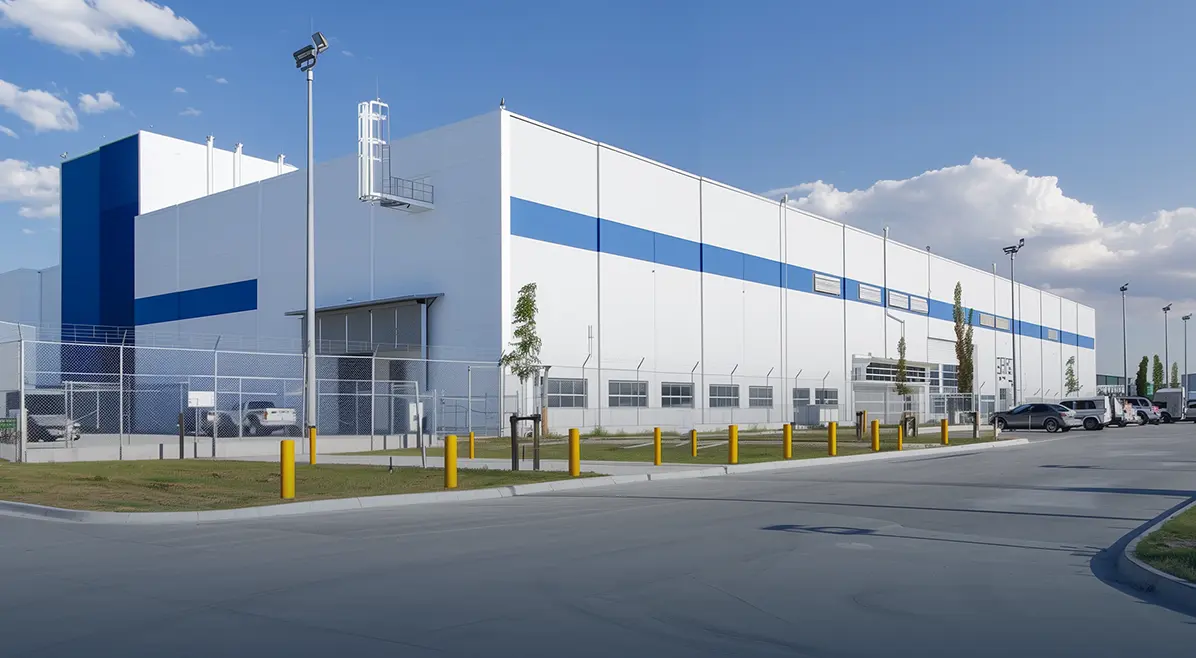
Operating out of a modern 50,000 square meter factory, our teams run a comprehensive testing program that examines every forming station, hydraulic die, and automation controller. Over twenty years of engineering refinement allows us to provide customized solutions to commercial infrastructure developers, structural fabricators, and metal roofing sheet manufacturers around the world.
Connect with Our SpecialistsHow we build mechanical durability and geometric accuracy into every forming line.
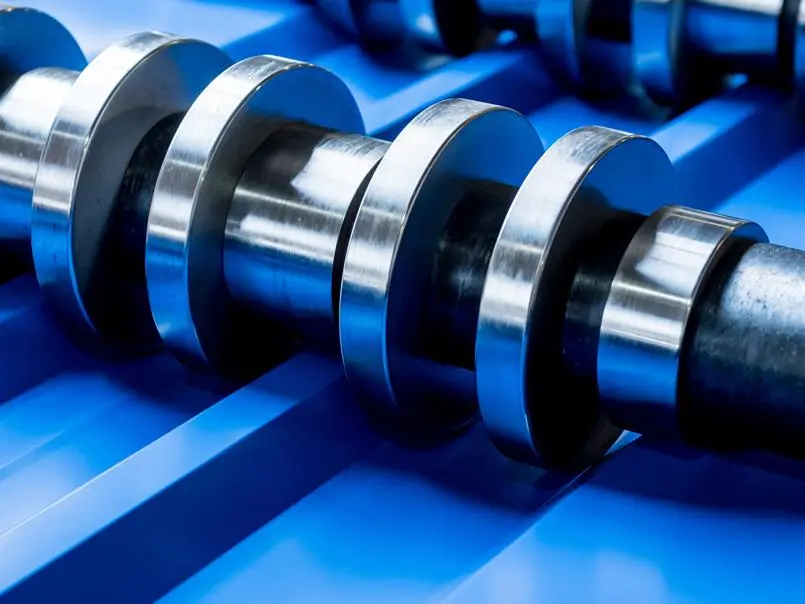
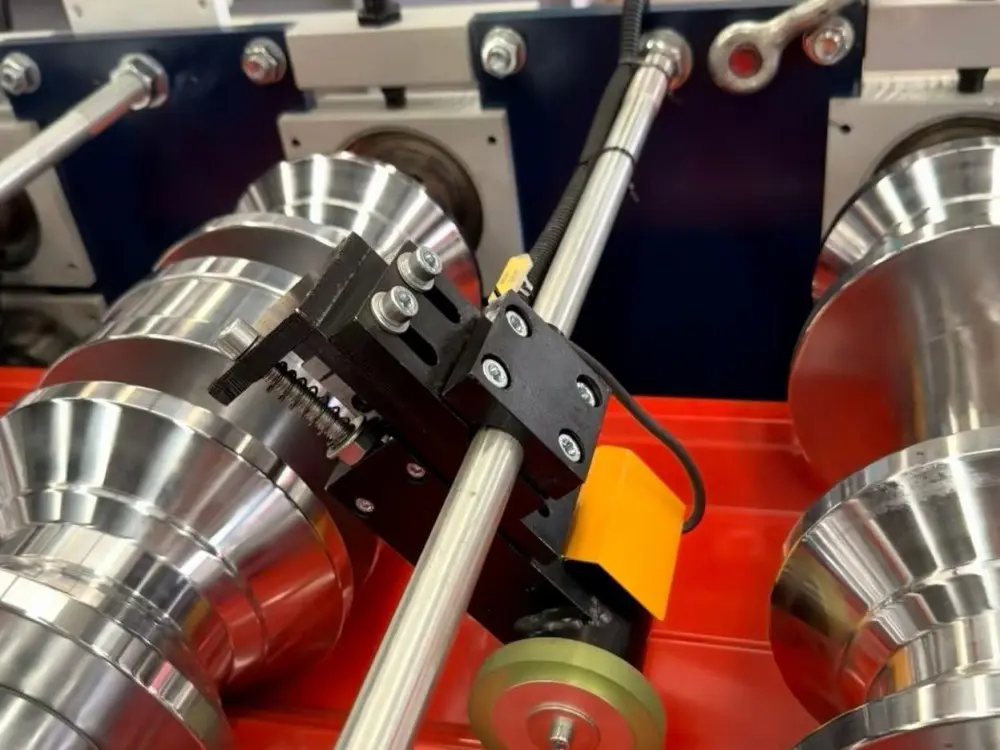
We machine our forming rollers from high-grade alloy steel (Cr12, Cr12MoV, or D2 tool steel) utilizing advanced CNC lathes. Rollers undergo vacuum oil quenching, reaching hardness metrics of HRC 58-62, followed by hard chrome plating to eliminate surface friction and prevent coating scratches on raw coils.
Our frames are welded using high-tensile H-beam steel structures, stress-relieved to prevent deformation over decades of constant dynamic load. Side plates are precision-milled via gantry machining centers, ensuring absolute parallelism of the forming shafts.
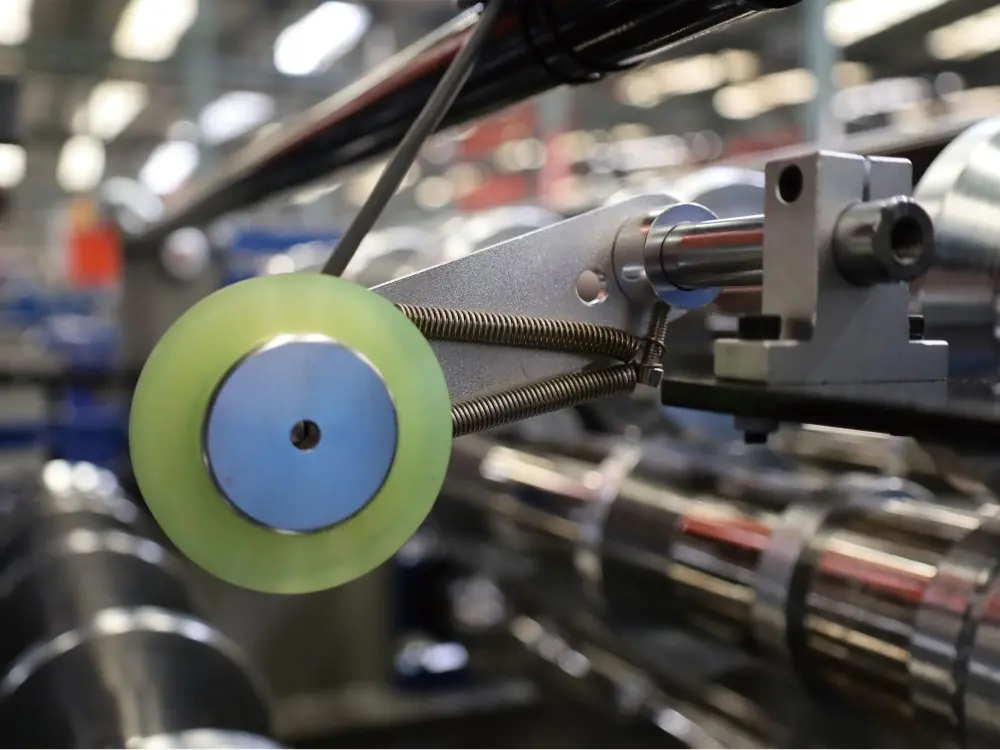
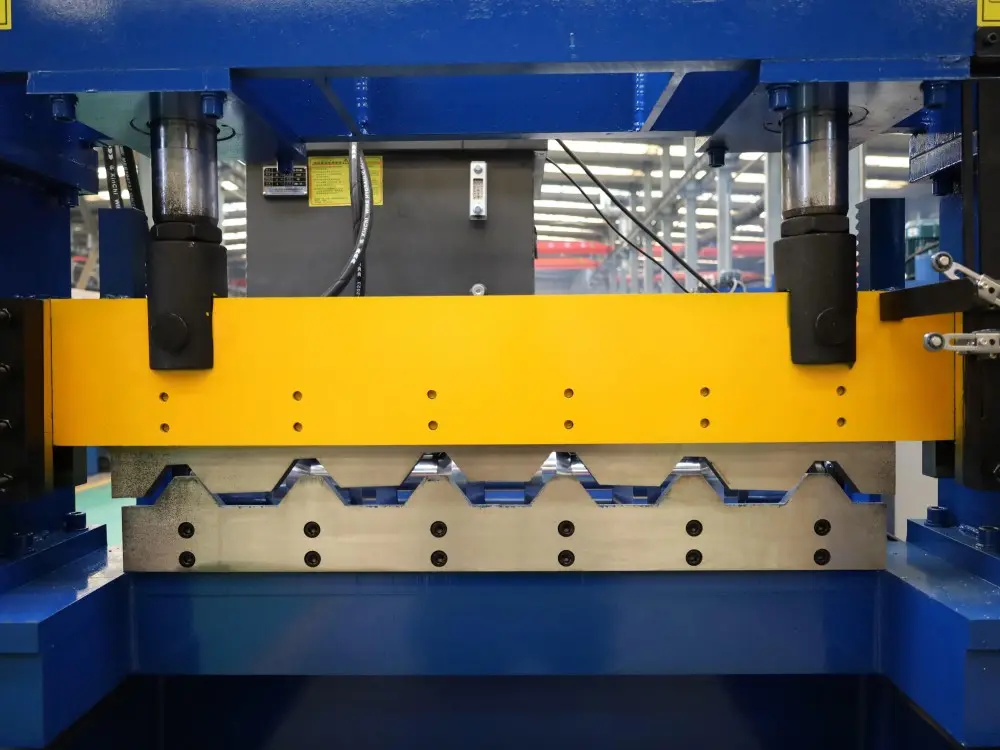
Equipped with Siemens, Mitsubishi, or Delta PLC systems, our lines offer automated, closed-loop tracking. The HMI touch screens allow operators to configure speed, batch count, and custom lengths. Coupled with high-response hydraulic shearing systems, we maintain length tolerances within ±1.0mm.
We provide custom engineering services for specialized roll forming configurations, allowing manufacturers to optimize structural framing systems, load-bearing profiles, and custom facade panels. Below is the structural division of our automated production offerings:
High-efficiency roof panel lines, wall cladding systems, and high-span composite floor deck forming systems configured to work with thick galvanized and painted steel.
Heavy-duty C & Z purlin machines featuring fast web/flange size interchangeability, and high-accuracy light gauge steel stud and track forming machinery.
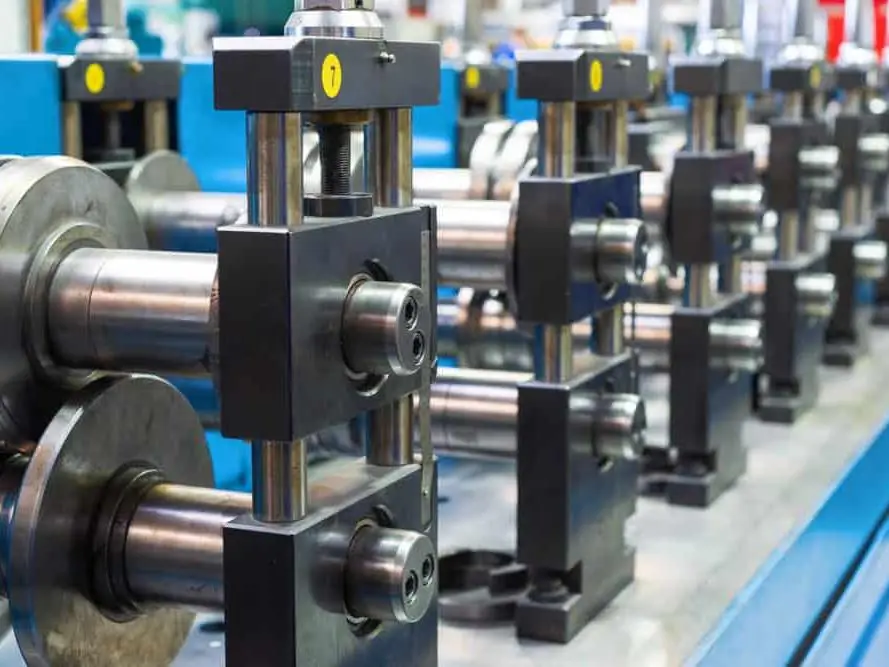
Custom-engineered gutter profile machines, rolling shutter door formers, architectural metal panels, and highly specialized non-standard profile forming systems.
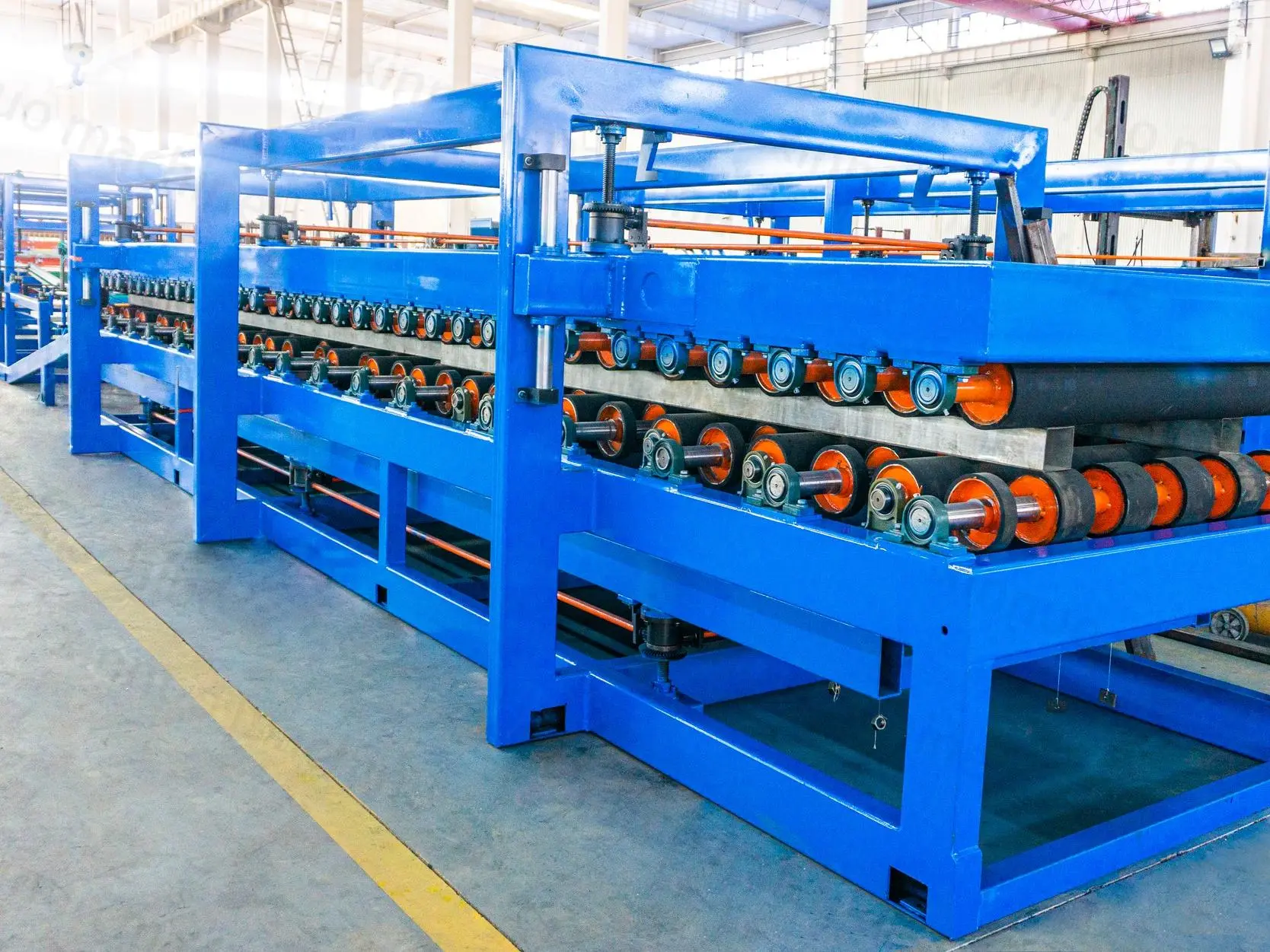
Operational reliability relies on strict testing. At XC, our quality control process tracks raw materials from intake to final shipment. We test steel material certificates, verify shaft dimensions, perform heat treatment hardness tests, and run test batches of profiles to check tolerance limits under high speeds.
During test run phases, we verify that profiles retain their dimensions under varying coil thicknesses and yield strengths (G300 to G550). This process ensures that when your machine is installed on-site, it operates at full capacity with minimal setup time.
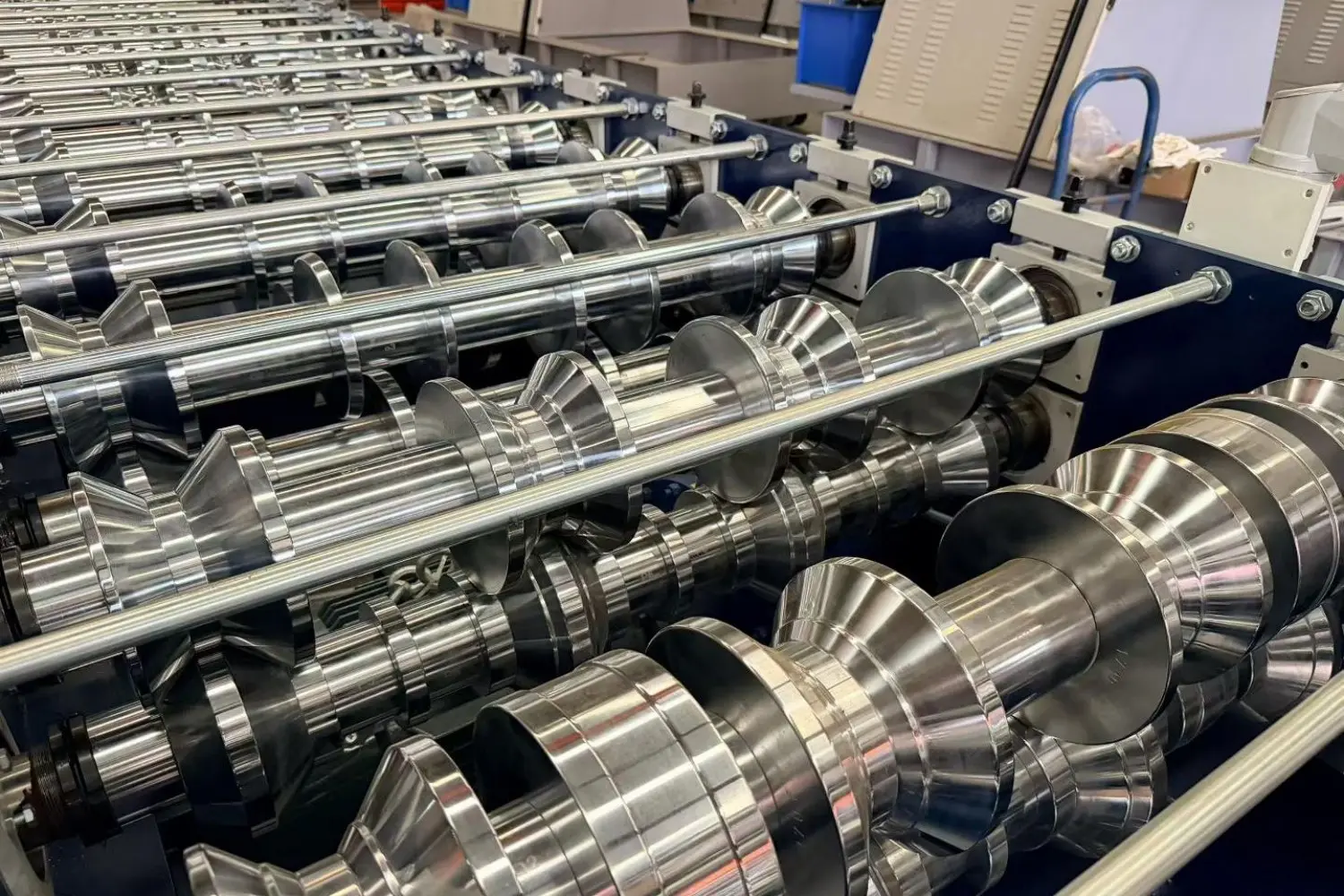
Analyzing key structural trends shaping cold roll forming technology and global sourcing.
Traditional machines require hours of adjustments to switch profiles. Modern procurement specifications prioritize modular cassette designs, which allow operators to swap out tool sets via crane within 20–30 minutes, keeping production lines agile.
Rising material costs drive builders toward thinner, high-tensile steels (such as 0.4mm G550). Formers must feature precision station counts and refined roller flower designs to prevent springback and cracking during profile shaping.
Standard hydraulic start-stop shears reduce production speeds. Servo-driven flying shears cut profiles continuously without stopping the line, raising operating speeds to 45–60 meters per minute.
For industrial procurement directors, purchasing a machine is a long-term capital investment. Global buyers require compliance with mechanical, electrical, and environmental regulations. Safety systems (like physical safety fences and light curtains), CE/UL electrical certification, and energy-efficient hydraulic units help lower operational risks and align with corporate ESG goals.
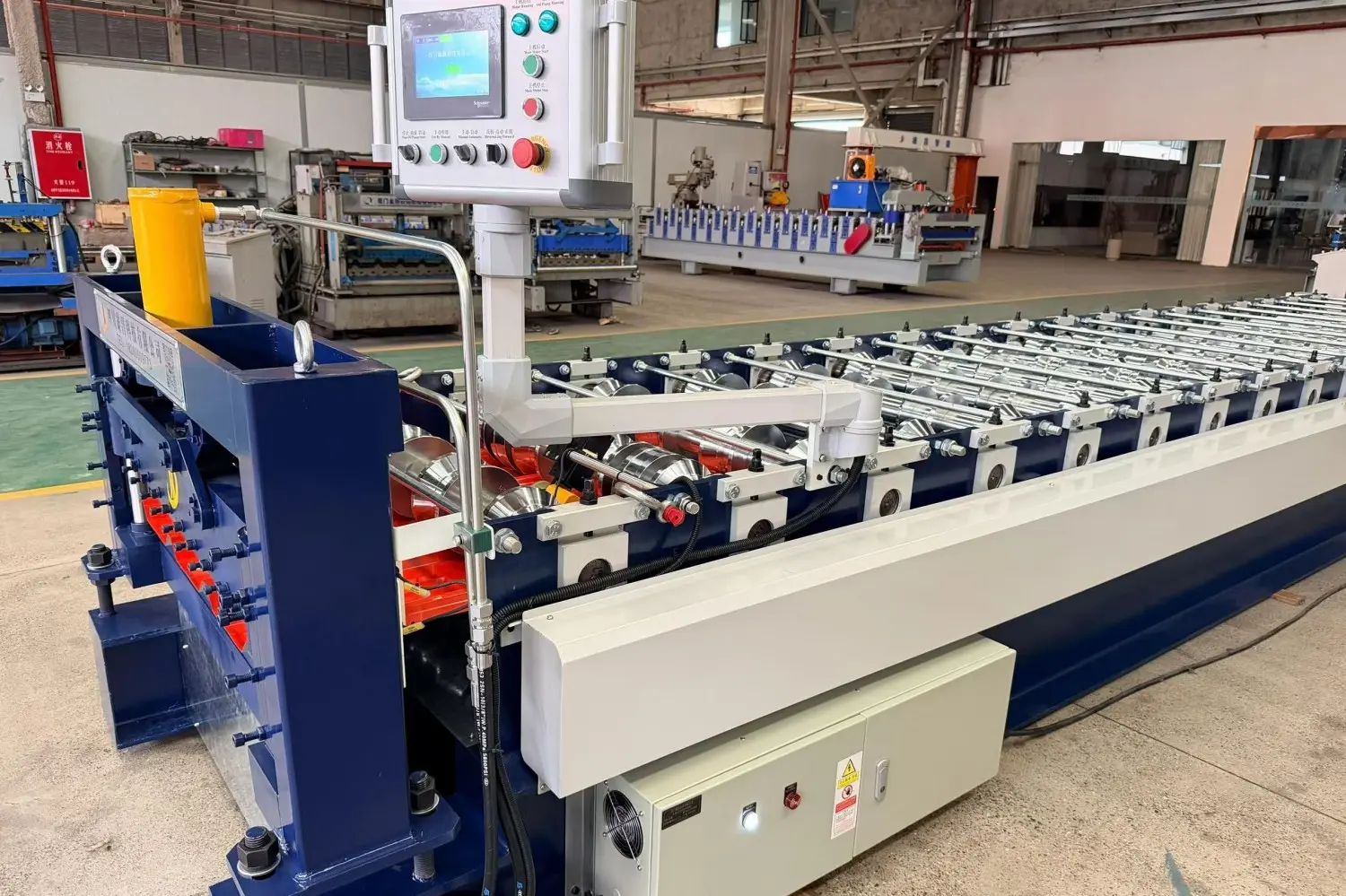
XC provides full lifecycle support, covering the entire transition from early-stage profile modeling to on-site machine commissioning. Our field engineers support installation and training to help operators run systems efficiently from day one.
We offer remote diagnostic services that connect directly to the machine's PLC. This allows us to update program code, troubleshoot sensor configurations, and optimize speed parameters without delay. Additionally, we stock critical spare parts (including cutting blades, limit switches, and hydraulic valves) to minimize unexpected downtime for your business.
Our custom roll forming systems serve diverse manufacturing, infrastructure, and commercial sectors.
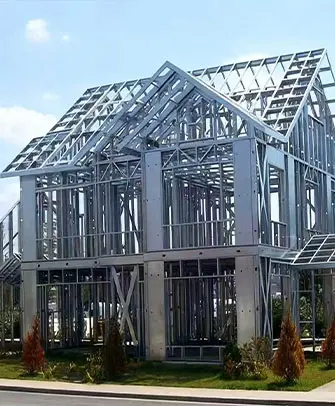
Supplying structural roof sheets, exterior wall panels, and deep floor decking lines for high-rise commercial structures and industrial warehouses.
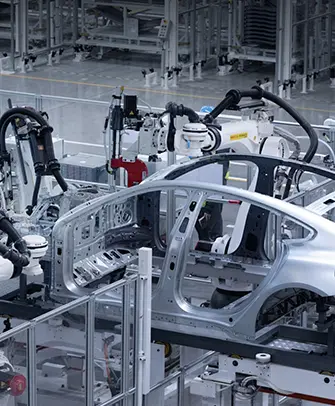
Automated forming systems for structural vehicle framing, bumper reinforcement beams, and custom profile rails.
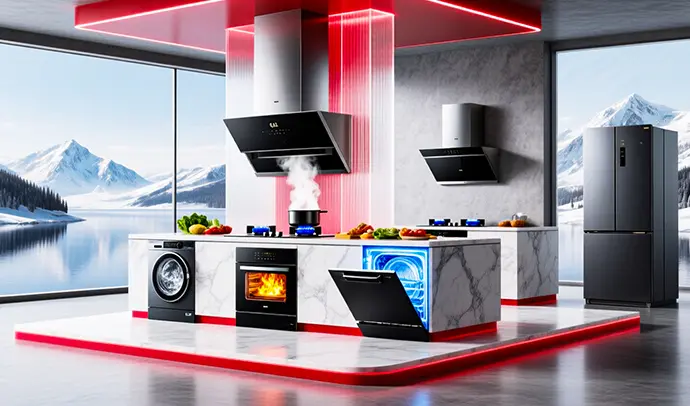
High-precision framing profiles and cabinet panels that require scratch-free finishes and high-speed folding cycles.

Heavy-gauge sheet forming for highway guardrails, railway containers, and airport terminal support frameworks.
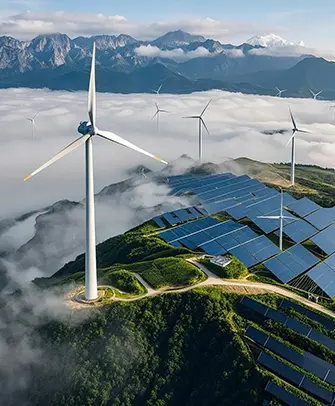
Automated lines for solar mounting struts, tracking system frames, and structural components for wind turbine enclosures.
Custom designs for industrial shelves, storage racks, and custom profiles tailored to meet unique client specifications.
Over two decades of dedication to cold roll forming engineering has built XC's reputation as a reliable manufacturing partner. We bring deep technical experience, premium components, and active customer support to every client project.
Integrating Industry 4.0 automation, IoT diagnostics, and green manufacturing into metal forming.
Varying steel mechanical properties within the same batch can result in profile inaccuracies. Next-generation forming lines utilize real-time thickness and tensile sensors connected to the control loop. If a deviation is detected, motorized forming stations automatically adjust their positions to correct the profile geometry, keeping it within specification.
Modern factory managers demand minimal unplanned downtime. By integrating temperature and vibration sensors on main gearboxes, bearings, and hydraulic stations, our systems track operating health metrics. The PLC monitors these conditions and alerts operators before mechanical components wear out.
Traditional hydraulic pumps run continuously, which wastes energy during loading and packaging intervals. Using servo-driven variable-displacement hydraulic units, modern forming machines draw power only during shearing or punching cycles. This design reduces electricity consumption by up to 40% and lowers oil temperatures to extend seal life.
Answers to common technical questions about custom roll forming lines.
Our roll forming systems process prepainted galvanized steel (PPGI), pre-painted galvalume (PPGL), cold-rolled galvanized steel, and aluminum coils. They handle raw coil yield strengths from standard G300 up to high-tensile G550 MPa, with sheet thicknesses ranging from 0.15mm to 1.2mm depending on your profile design.
We machine our rollers to a smooth surface finish using precision CNC lathes. After quenching, we apply a hard chrome coating (minimum 0.05mm thickness) to the rollers. Additionally, we integrate entry guide rollers and optional protective film laminating devices to protect prepainted coils during forming.
Standard machines operate at speeds of 15–20 meters per minute. High-speed configurations, utilizing servo-driven flying shear assemblies and optimized roller designs, run at speeds of up to 45–60 meters per minute (excluding deep-profile punching operations).
Yes, we design dual-level machines (double-deck roll formers) that stack two distinct profiles on one base frame to save shop space. Alternatively, we offer modular quick-change cassette systems that let operators change tooling sets quickly to produce different profiles on the same line.
Using closed-loop encoder systems and high-response hydraulic cut-off units, we hold cut-to-length tolerances to within ±1.0mm for a standard 6-meter panel. Diagonal dimension differences are controlled to within ±1.5mm to ensure simple installation at the job site.
We supply step-by-step setup guides, detailed wiring schematics, and video tutorials. If on-site commissioning is required, our field engineers travel to your location to set up the system and train your operators. We also offer remote PLC diagnostics to solve software issues online.
Complete your production setup with our high-capacity forming machines and auxiliary equipment.
 Xiongchang