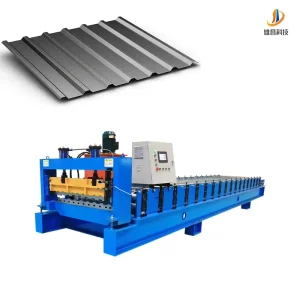
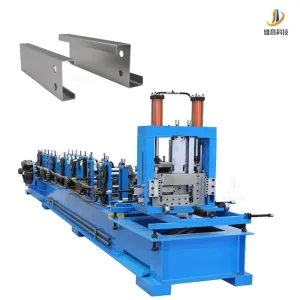
Engineered cold roll forming machines designed to produce high-tolerance composite metal decks, standing seam roofing, and structural purlins.
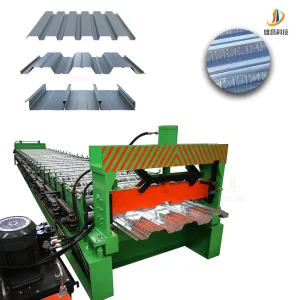
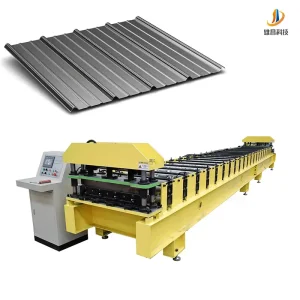
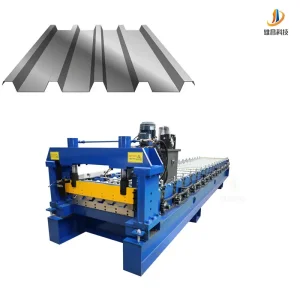
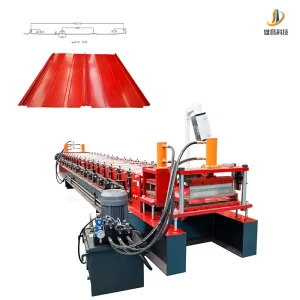
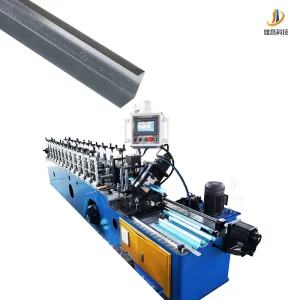
In modern multi-story and high-rise construction, the demand for composite metal decking has witnessed exponential growth. Traditionally, concrete slab installations required extensive timber framework and auxiliary bracing, creating prolonged structural timelines and substantial onsite labor overheads. The introduction of composite metal decks has revolutionized structural engineering, offering a combined permanent formwork and tensile reinforcement element.
Advanced composite floor decks are designed with cold-formed mechanical embossments along the webs and flanges of the steel profile. These interlocking patterns prevent horizontal shear slip between the cured concrete slab and the corrugated metal panel, transforming them into a single unified composite structural system. The result is a lighter floor deck assembly with minimized concrete volume, outstanding load-bearing capacity, and enhanced seismic resistance capabilities.
To sustain these demanding structural parameters, global infrastructure projects require manufacturing machinery that guarantees exact dimensional stability. An ODM Composite Metal Deck Machine must handle variable high-tensile steel grades (ranging from 220 MPa to 550 MPa yield strength) while forming structural rib profiles with absolute consistency across thousands of linear meters.
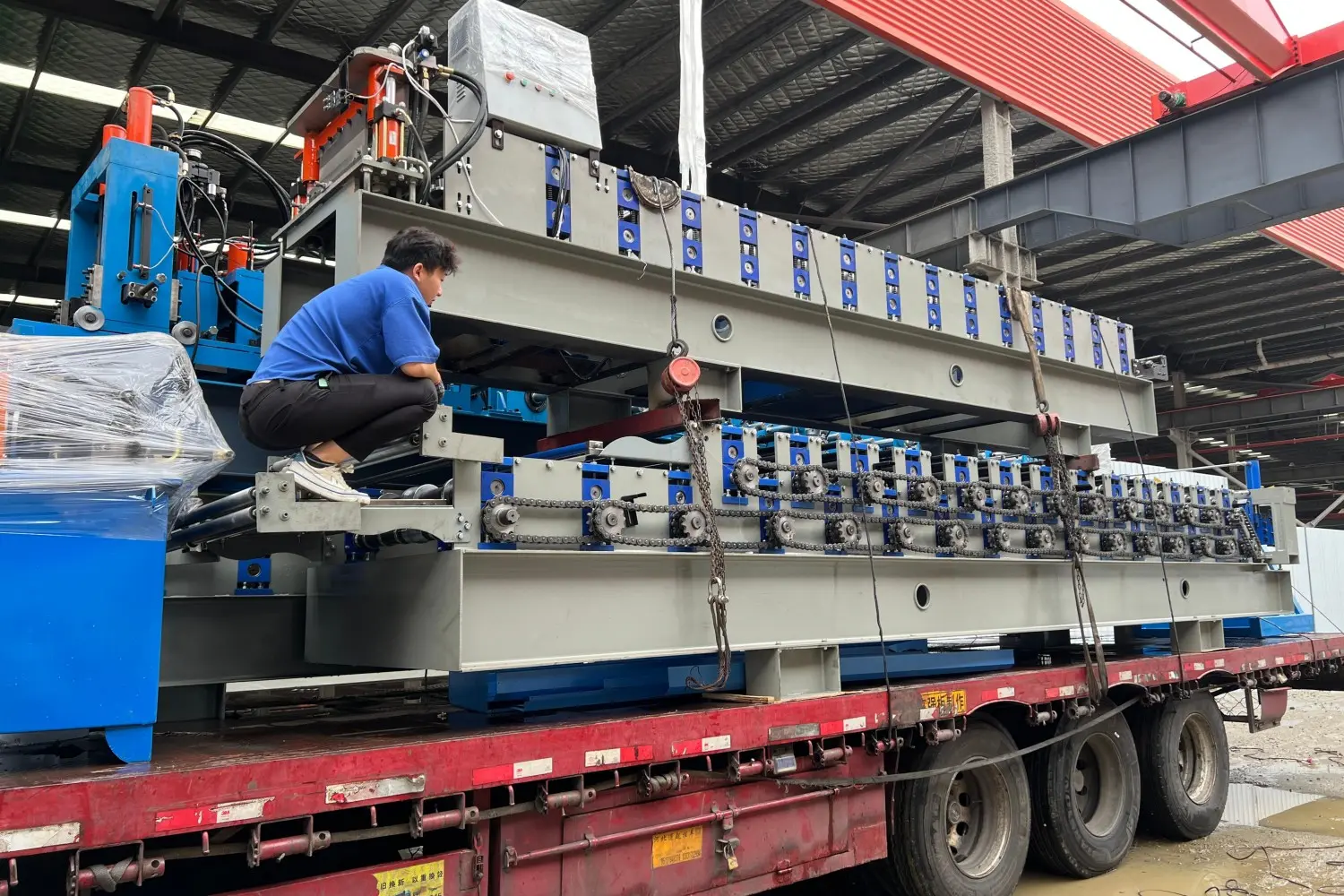
As an established expert in the cold roll forming machinery sector, XC (Xiongchang) provides fully integrated roll forming production lines. Our specialized systems encompass structural roofing and floor decks, heavy C/Z steel purlins, framing studs, and auxiliary components that complete the modern high-volume manufacturing envelope.
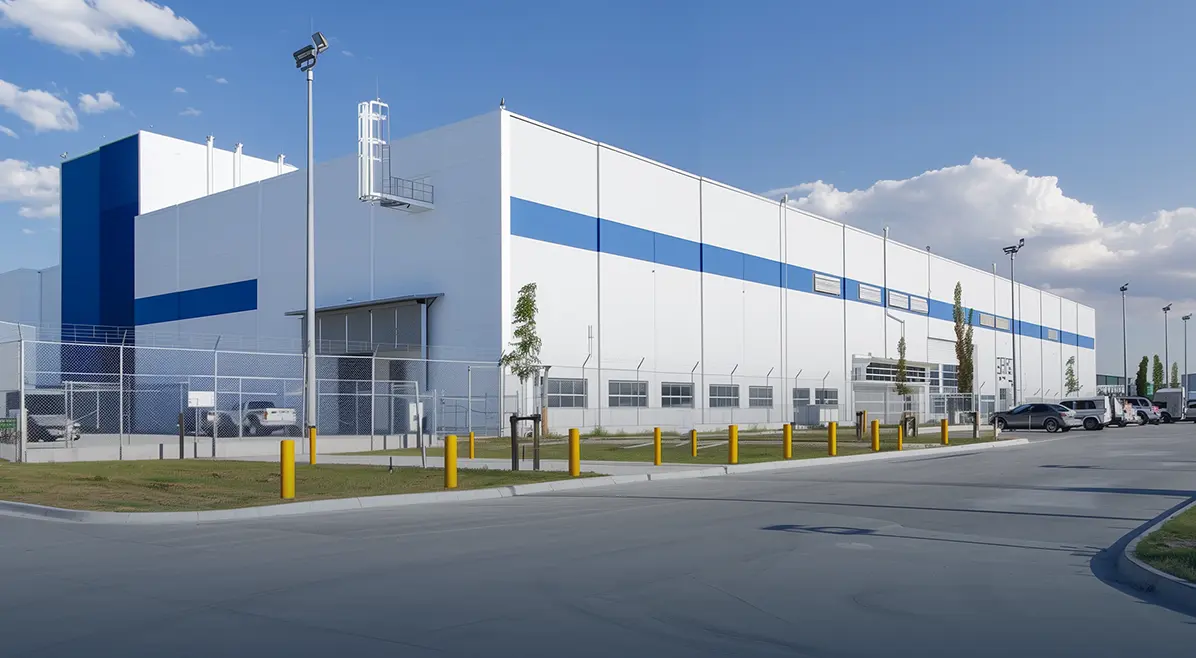
For more than two decades, XC has positioned itself at the intersection of precision engineering and mechanical innovation. Our 50,000 square meter facility houses state-of-the-art CNC machining tools, heat-treatment installations, and rigorous quality inspection labs, enabling us to deliver tailor-made ODM cold-forming solutions that meet strict American, European, and Oceanian standards.
Procuring metal decking machinery for industrial-scale roll forming requires a deep understanding of operational longevity, safety certifications, and material capabilities. Enterprise-level buyers, particularly those managing large steel service centers or civil construction groups, place stringent performance metrics on machinery sourcing:
| Parameter Category | Industry Standard Specifications | XC Xiongchang Premium Target Specification |
|---|---|---|
| Material Yield Strength | 235 MPa - 345 MPa | Up to 550 MPa (High-Tensile Structural Steel) |
| Roll Forming Stations | 18 - 24 Stations | 28 - 36 Stations (Ensures Stress-Free Forming) |
| Cutting System Type | Stop-to-Cut Hydraulic | Non-stop Flying Post-Cut / Pre-Punch Systems |
| Roller Material & Treatment | 45# Carbon Steel (Hard Chrome) | Cr12MoV / D2 Tool Steel (Vacuum Quenched, HRC 58-62) |
| PLC Control System | Basic Localized Controllers | Siemens/Mitsubishi Industrial IoT Closed-Loop Controls |
Ensuring manufacturing consistency across structural profile fabrication requires structured quality protocols and advanced design methodologies.
We deploy specialized design teams using COPRA roll forming software to model roller deformation stages, preventing material strain, edge wave, and flare on finished composite deck profiles.
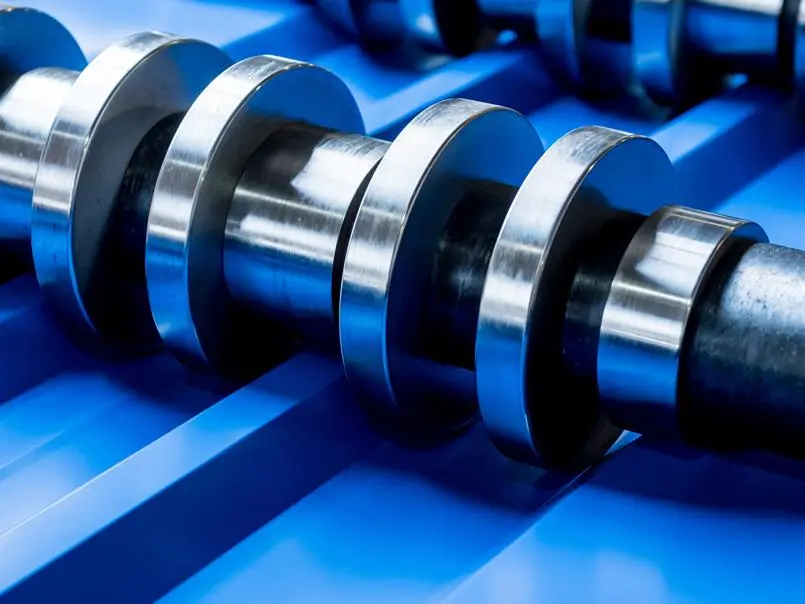
Our tooling undergoes high-precision CNC lathe milling, vacuum heat treatment, and hard-chrome finishing, extending roller lifespan up to 10 years under continuous high-tensile operation.
Equipped with smart touch-screen interfaces and integrated industrial encoders, enabling remote diagnostics, real-time length monitoring, and multi-program batch configurations.
The global mechanical manufacturing landscape faces ongoing supply chain challenges, fluctuating material costs, and logistical disruptions. By leveraging China's advanced Industry 4.0 infrastructure, XC (Xiongchang) has engineered a resilient supply chain that controls quality from raw material sourcing to final testing.
Our raw structural steel sheets and heavy electrical components are sourced directly from global leaders like Baosteel, Siemens, and Schneider. By managing the entire manufacturing process in-house—including casting, precision machining, assembly, electrical wiring, and performance validation—we avoid intermediary markups and delivery delays.
Furthermore, XC implements computerized testing protocols for each production line before shipping. Every machine is subjected to load testing and profile-accuracy evaluation under simulated field conditions, ensuring quick plug-and-play assembly upon arrival at the customer's facility.
Providing precision-built roll forming platforms categorised by their architectural applications.
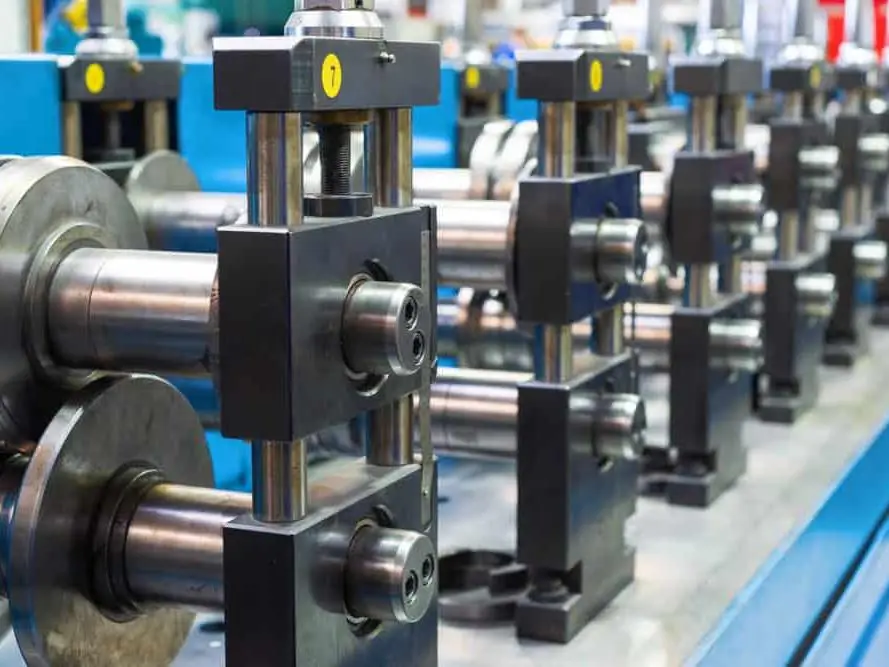
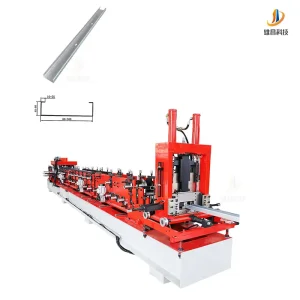
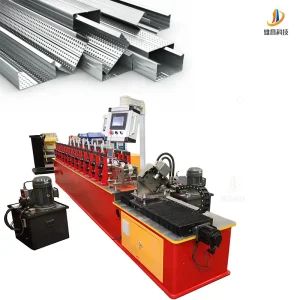
High-efficiency C/Z Purlin Roll Forming Machines, and Light Gauge Steel Stud & Track Roll Formers designed for rapid structural framing assembly.
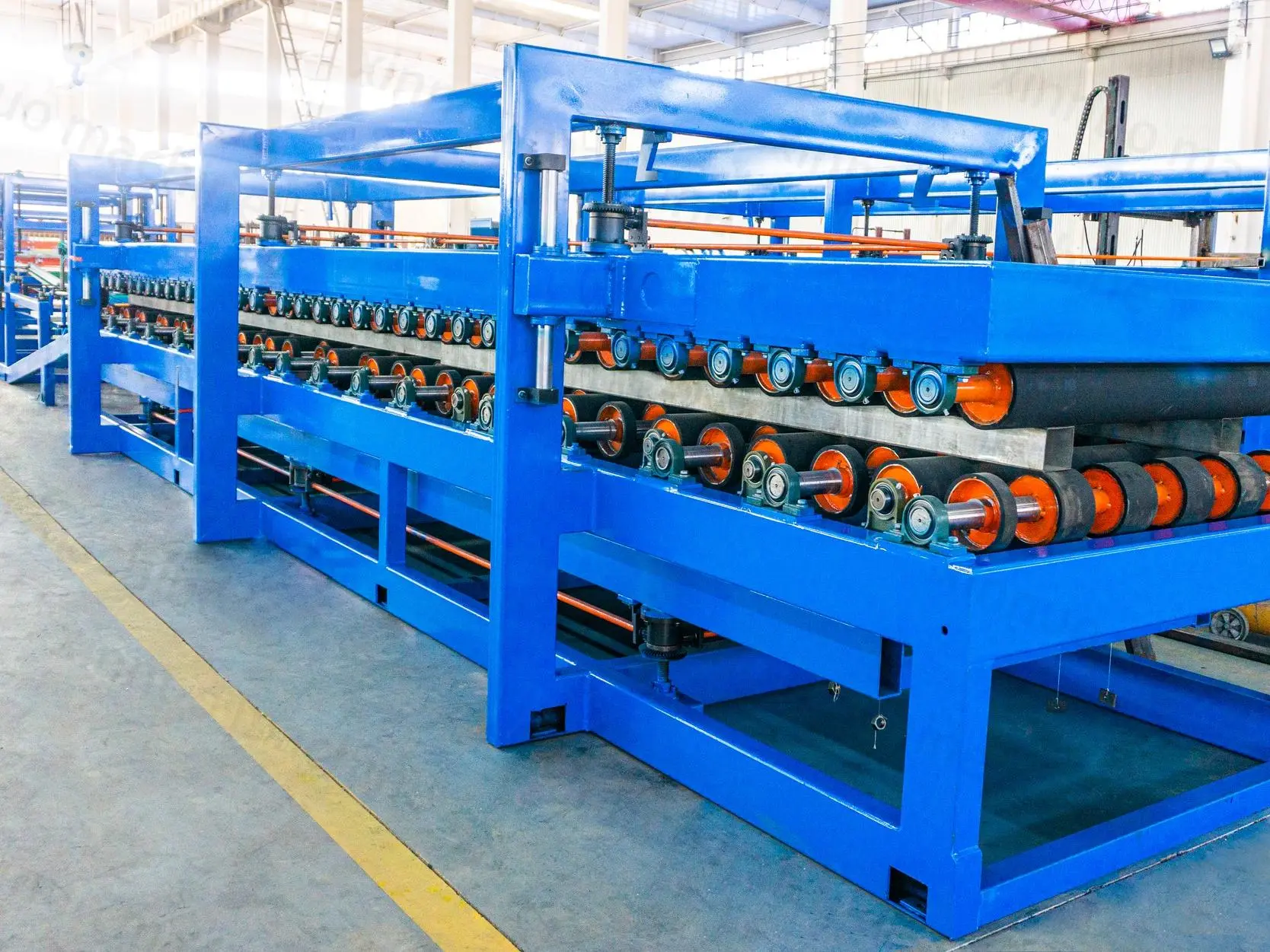
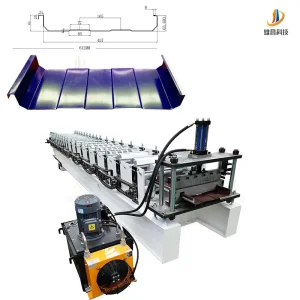
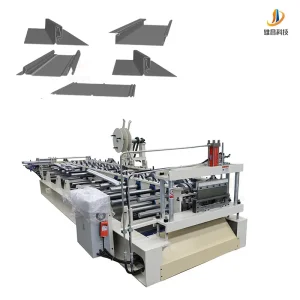
Gutter Roll Forming Machines, custom door frames, and specialized standing seam roofing profile forming equipment for complex construction requirements.
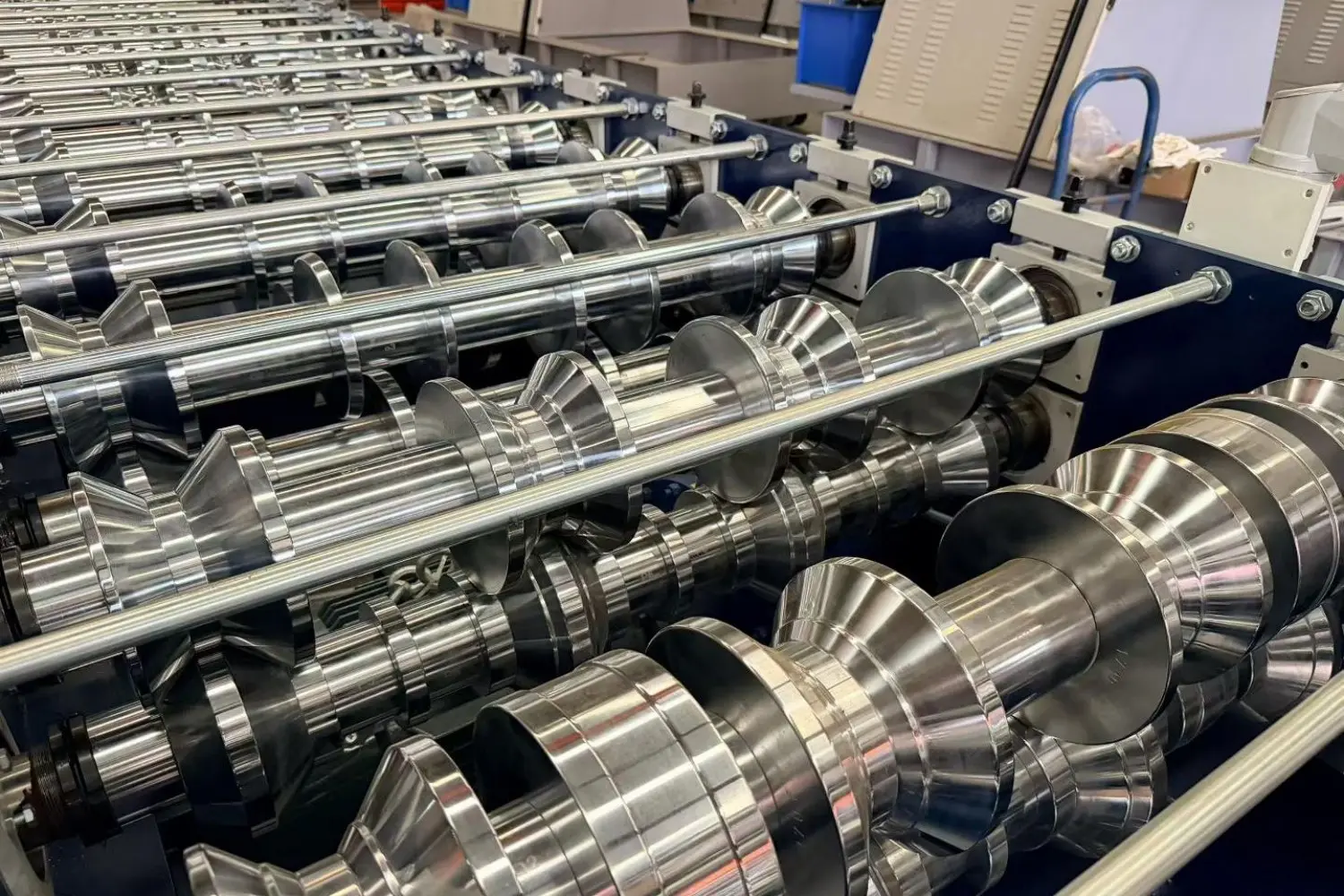
Integrating mechanical stress testing, gauge measurement tools, and thickness calibrators to keep product deviation below international tolerances.
Composite floor decks are implemented differently across various regions depending on building regulations, climate profiles, and seismic conditions:
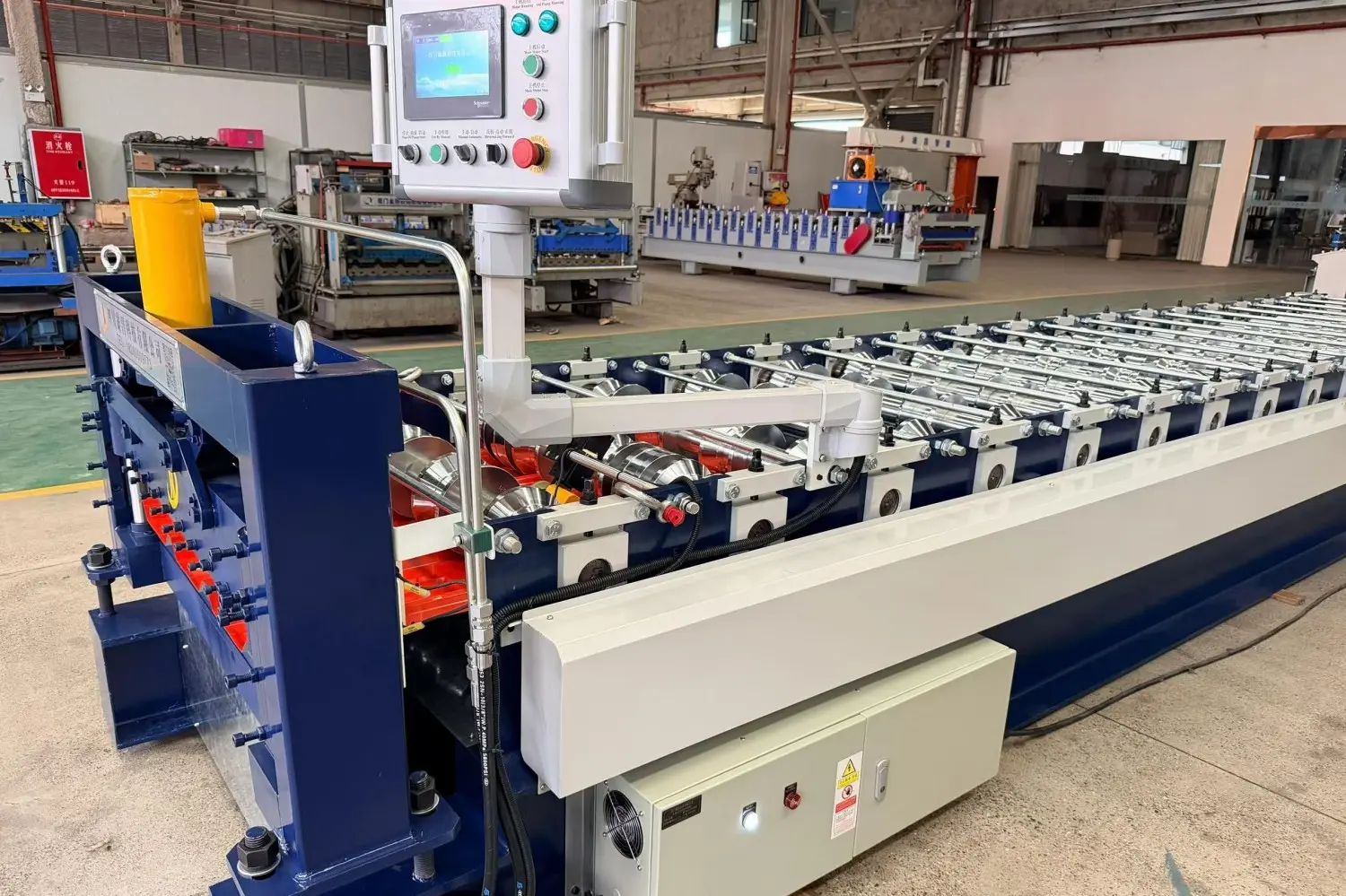
At XC Xiongchang, our client engagement extends far beyond delivery. We provide end-to-end commissioning and lifecycle support protocols to secure your machinery investment:
Consistently delivering robust equipment engineered for heavy-duty industrial roll forming.
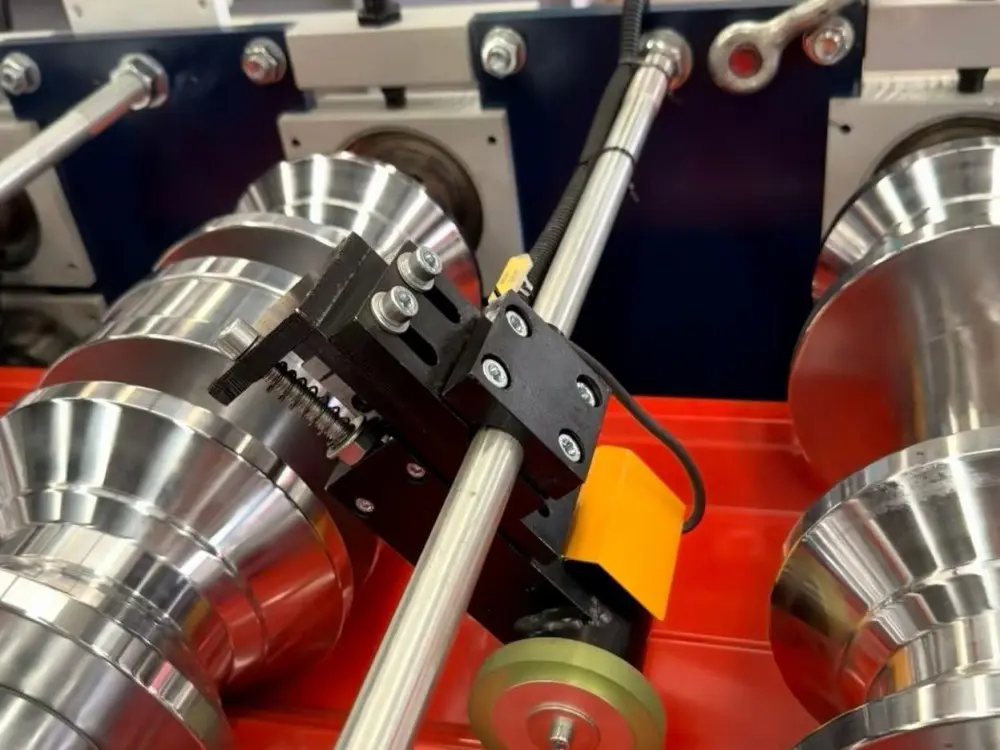
20+ years of constant design optimization using finite element analysis (FEA) software.
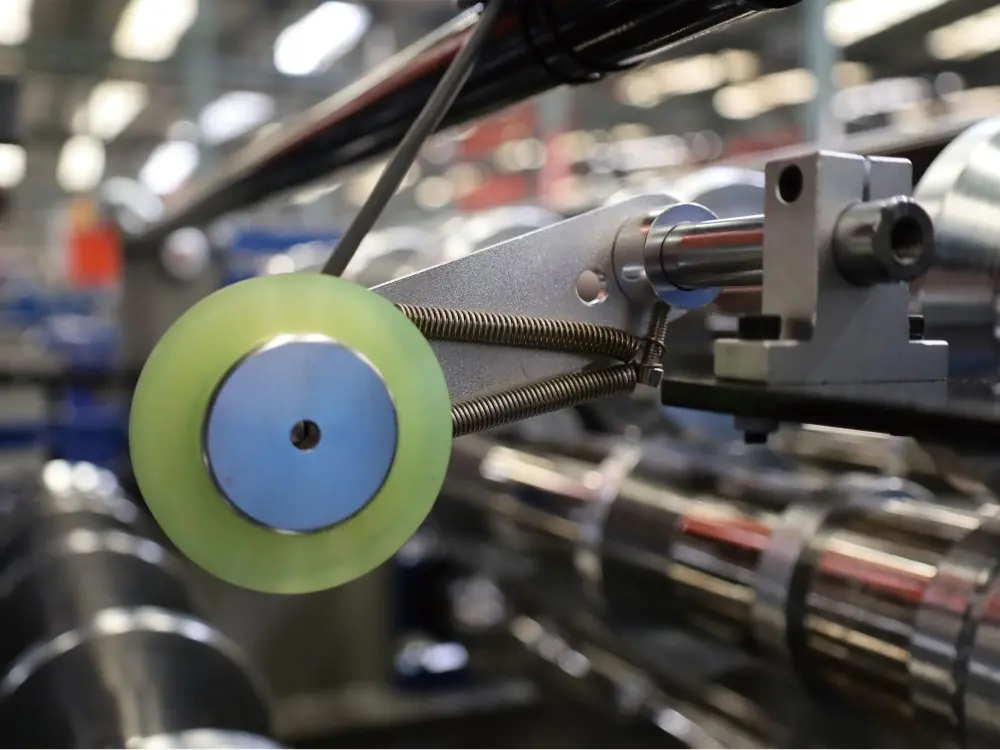
Heavy-duty welded structural H-beam frames ensure zero deformation during high-speed production.
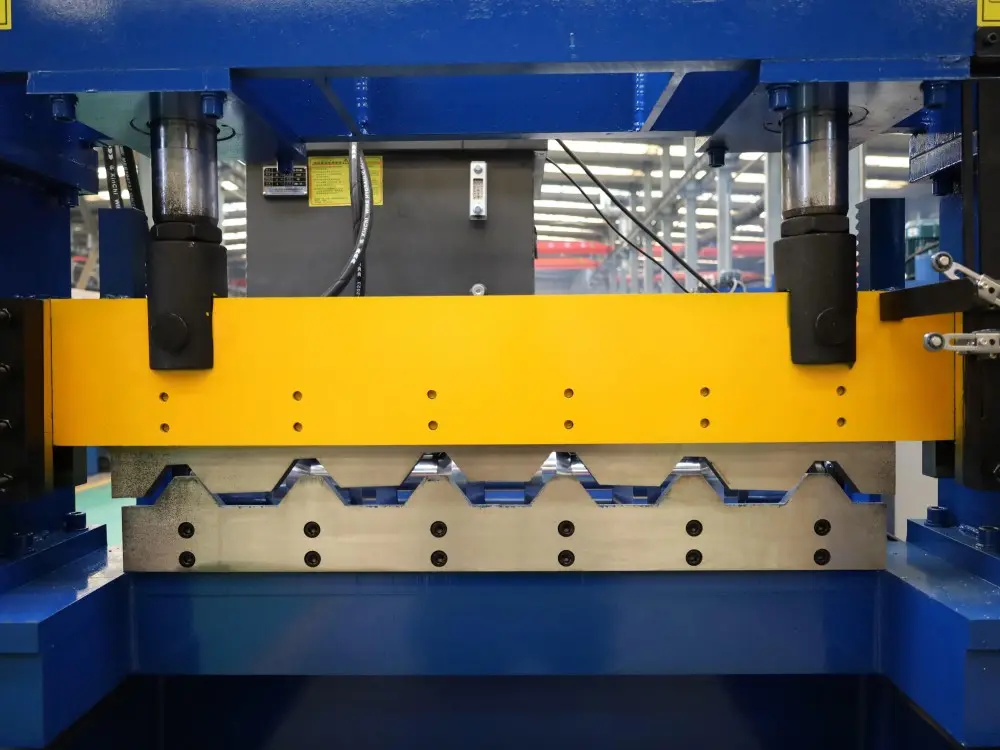
Dedicated 24/7 technical hotline and scheduled preventative maintenance audits.
Our custom cold roll forming equipment serves essential engineering sectors, from civil architecture to new energy infrastructure.
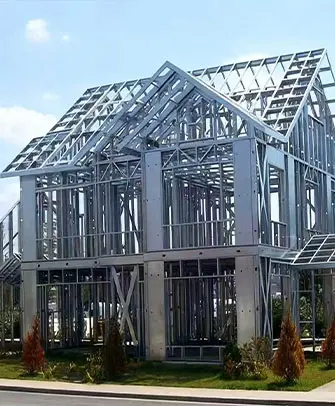


Direct technical guidance compiled by our engineering directors and product design leads.
Browse our complete catalog of industrial roll forming machinery designed for structural frames, panels, and heavy-duty steel purlins.
 Xiongchang