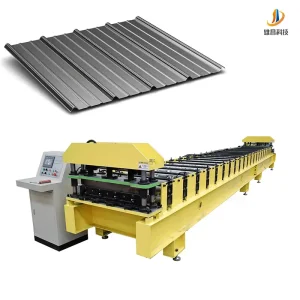
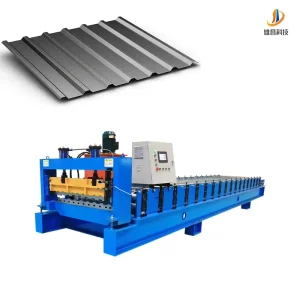
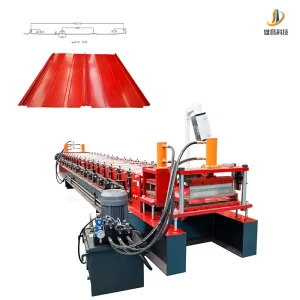
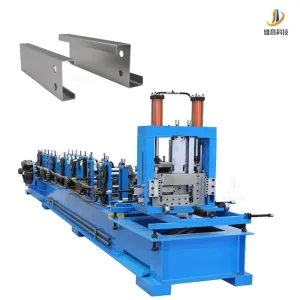
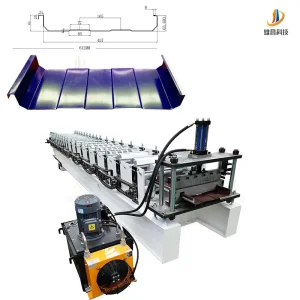
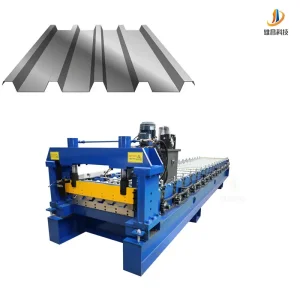
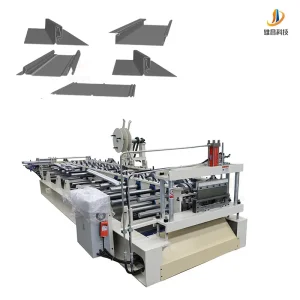
Explore our high-performance manufacturing machinery designed for structural engineering, roof panels, and wall framing.
In modern industrial and commercial architecture, the structural envelope dictates both building performance and operational lifespan. Among various cold-formed profiles, the Box Rib Panel (commonly characterized by its rectangular rib geometry, flat pan space, and integrated anti-capillary grooving) stands out as the standard for high-strength claddings. As a specialized engineering solution, an ODM Box Rib Panel Machine must fabricate these profiles with precise geometrical tolerances, ensuring seamless overlaps, high load-bearing structural limits, and optimal thermal movement compliance.
Across North America, Europe, Southeast Asia, and the Middle East, commercial developers and industrial steel fabricators prioritize procurement strategies focused on machinery longevity, energy optimization, and profile versatility. High-performance factories require machines capable of running multiple thicknesses (typically 0.3mm to 0.8mm) and varying steel grades (up to G550 high-tensile steel) without structural deformation of the finished panel.
Key global procurement considerations include:
INTEGRATED ROLL FORMING SPECIALIST
As an established expert in the field, XC (Xiongchang) provides integrated roll forming solutions. Our portfolio encompasses core production machines for roofing, flooring, doors, and structural components, as well as the complete auxiliary line equipment essential for efficient operation. Over the past twenty years, we have scaled our production technology to meet the most demanding industrial requirements worldwide.
View Advanced Manufacturing Process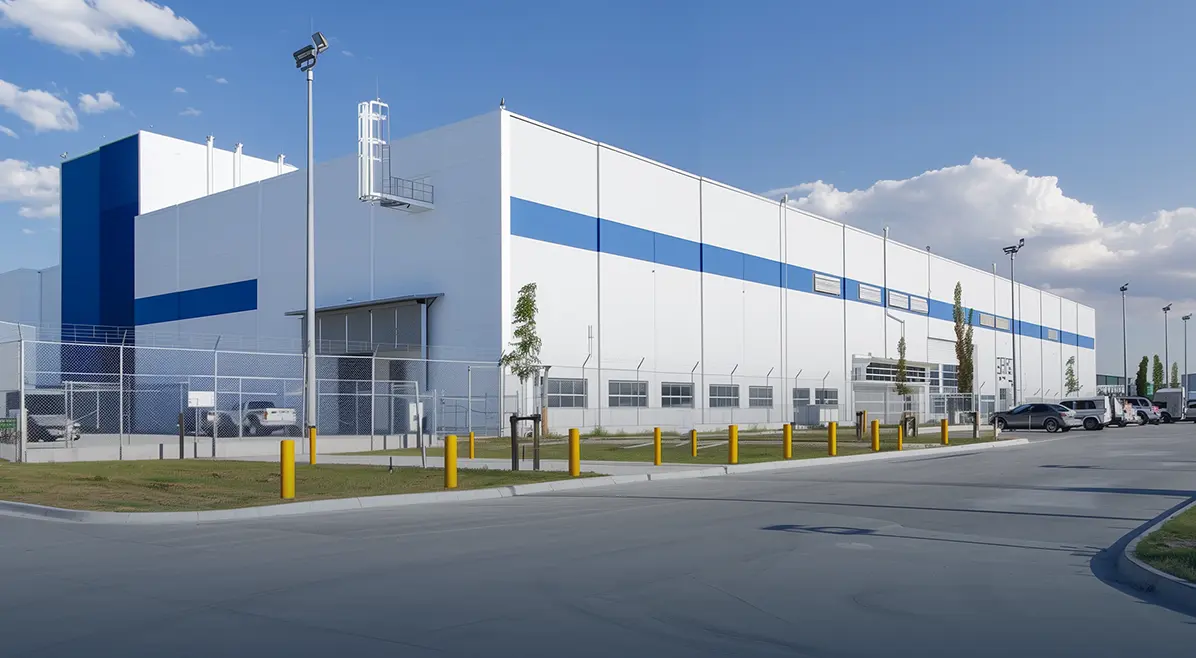
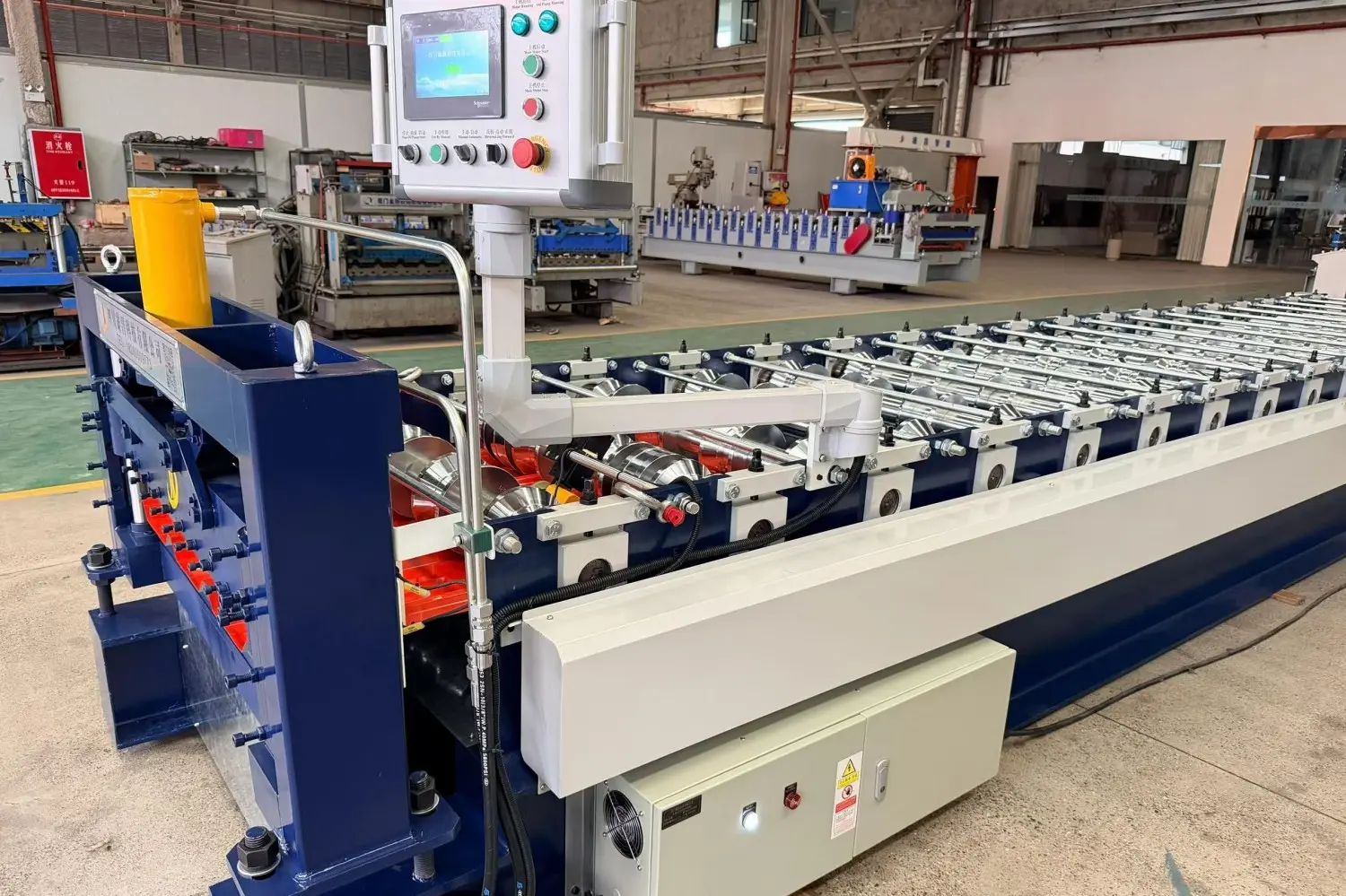
Achieving structural consistency across thousands of linear meters requires robust engineering execution. The engineering blueprint of XC Box Rib Panel machines focuses on eliminating stress distribution mismatch during the forming passes. If metal is forced too rapidly through forming stations, the result is "oil canning" (wavy deformations in the flat areas of the profile).
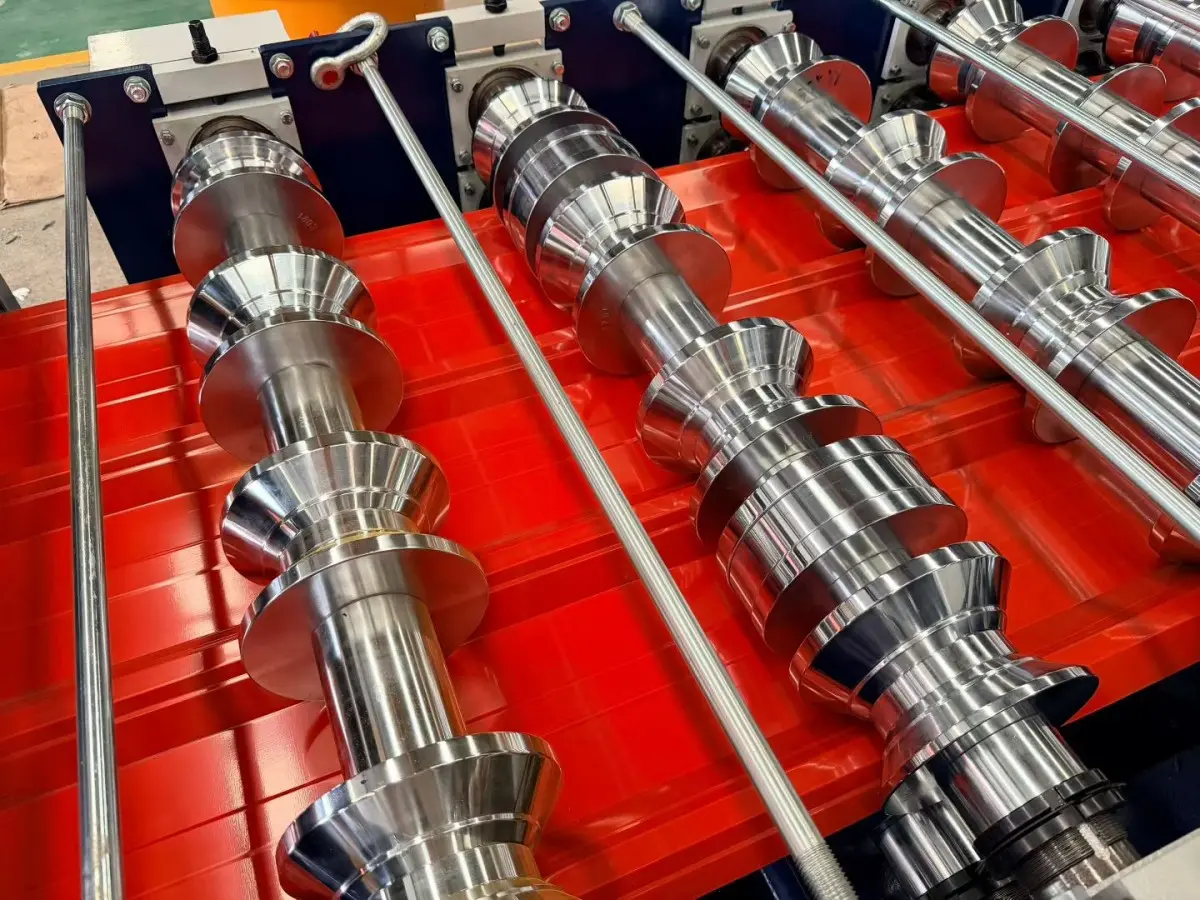
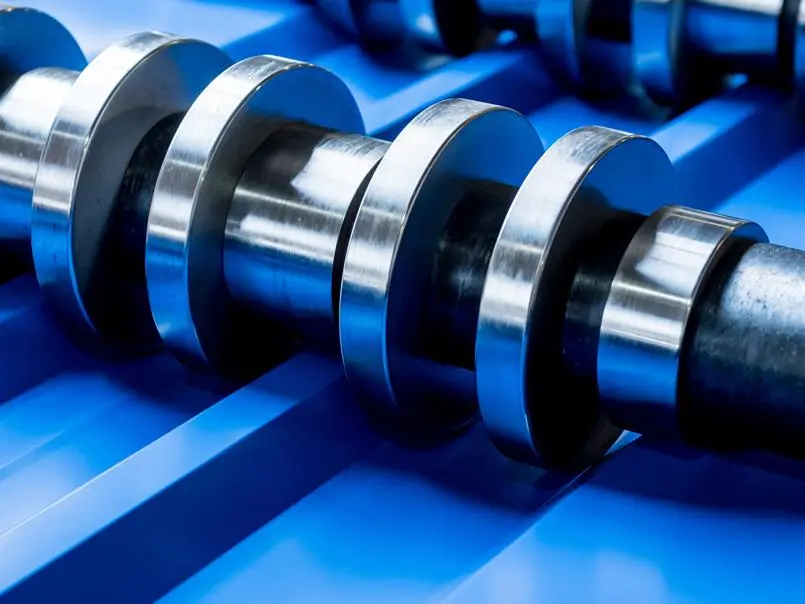
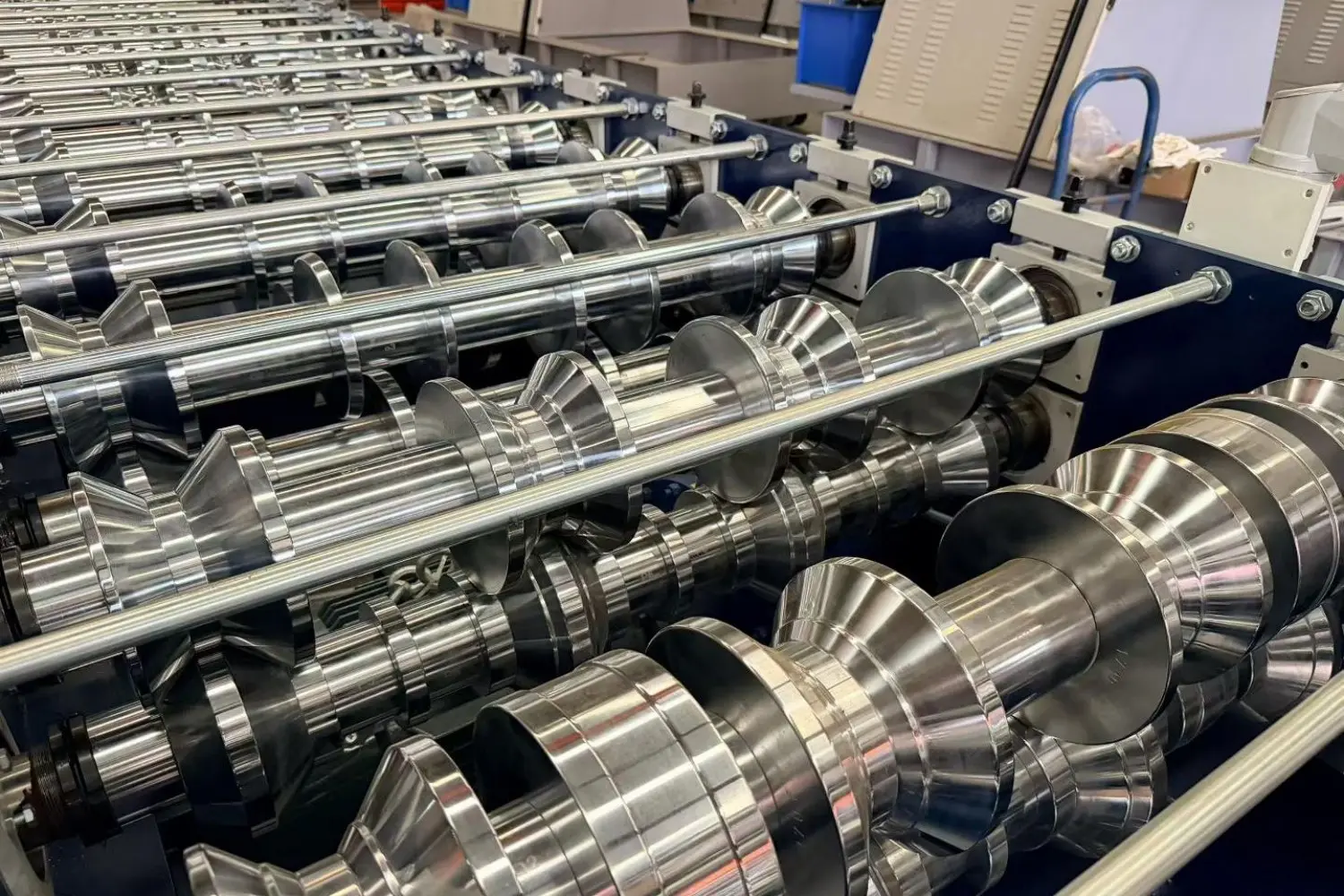
Our rollers are manufactured from premium forge steel (Gr15 / 45# / Cr12), precisely machined on high-precision CNC lathes, and subsequently heat-treated and hard-chrome plated. This process delivers a surface finish with high wear resistance, preventing panel scratches and preserving the integrity of pre-painted coatings during production.
Our multi-station layout features progressive roll forming passes (up to 28 forming stages depending on complexity), distributing deformation stresses equally across all stations to maintain a flat pan between rib elements.
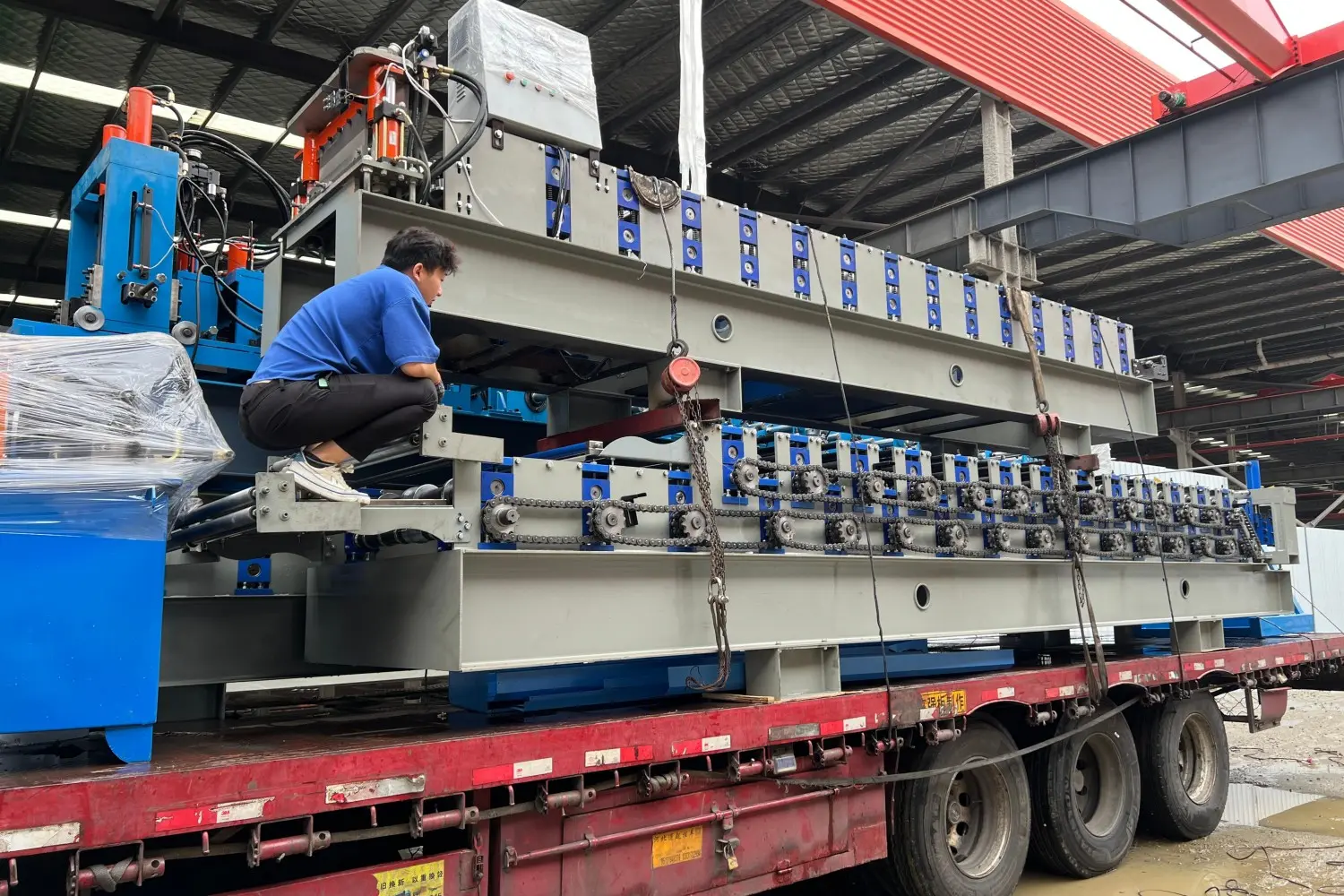
XC (XiongChang) is a comprehensive system provider rather than a standalone machine fabricator. To construct a high-durability building envelope, the roof and wall systems must align with the supporting structural framework. Our design approach focuses on integrating the manufacturing of structural members (such as C/Z Purlins, LGS framing) with the panels themselves.
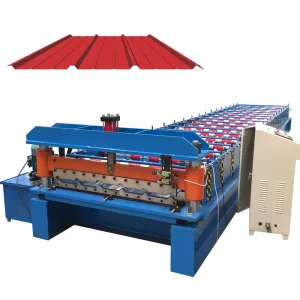
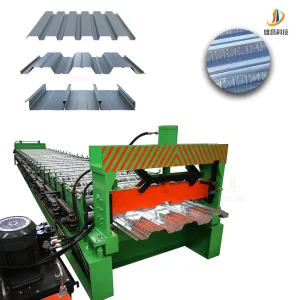
Specialized systems producing high-durability Roof Panels, Wall Panels, and industrial Floor Decking that perform reliably under environmental and structural loads.
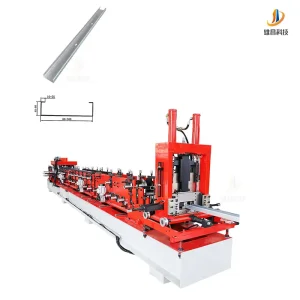
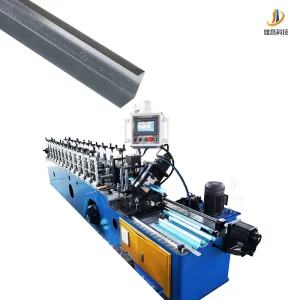
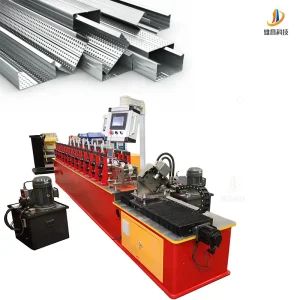
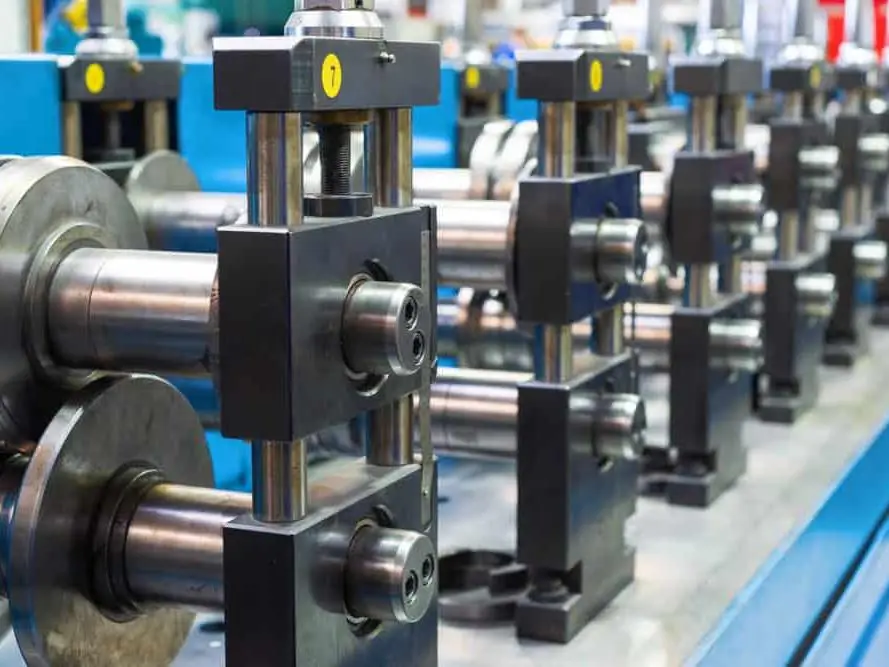
High-efficiency continuous purlin production lines (C/Z Purlin Roll Forming Machines, Stud & Track Roll Forming Machines) supporting major structural grids.
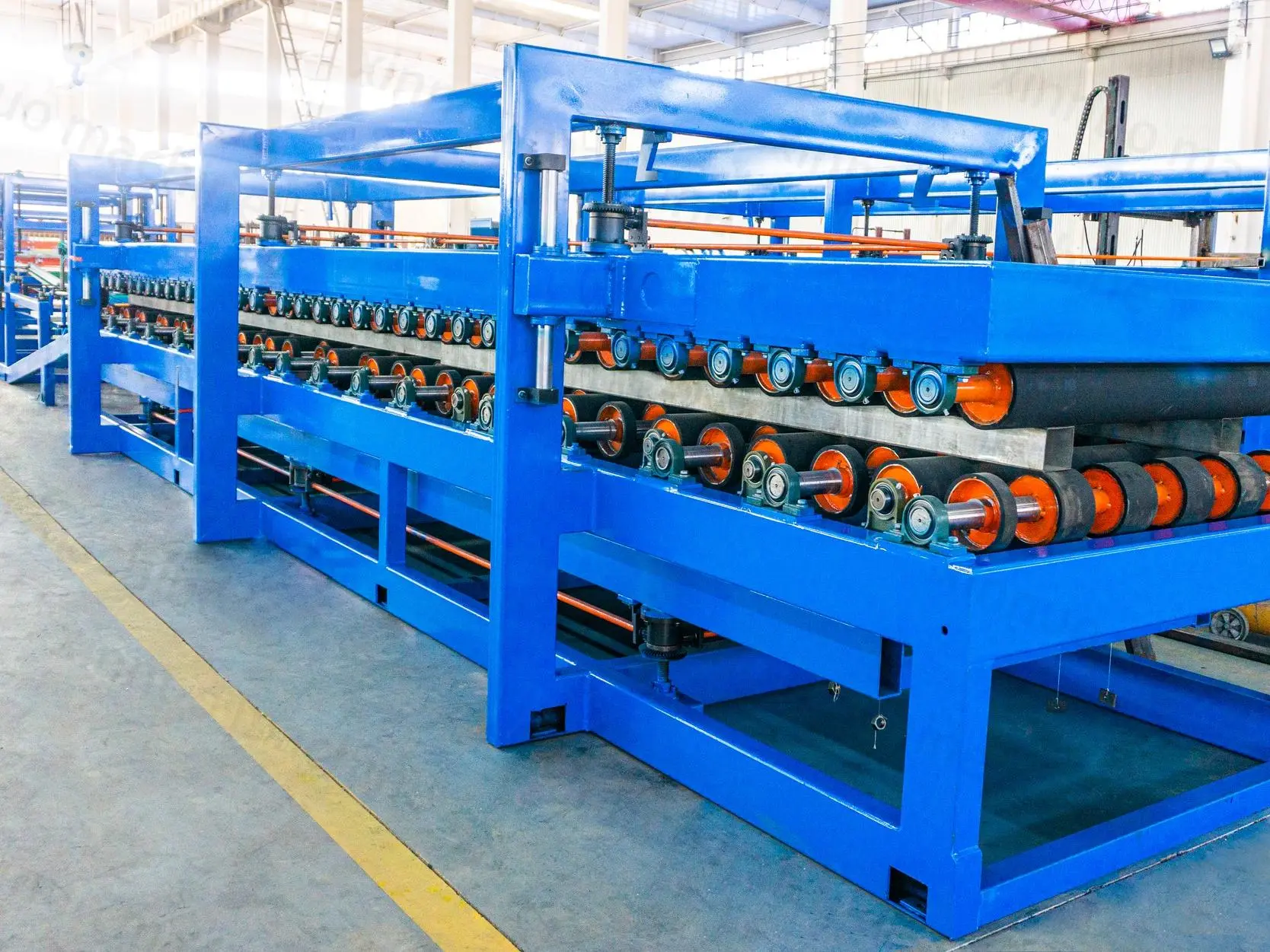
Custom lines producing complementary profile shapes, including high-capacity Gutter forming lines and heavy-gauge Door Frame roll forming machines.
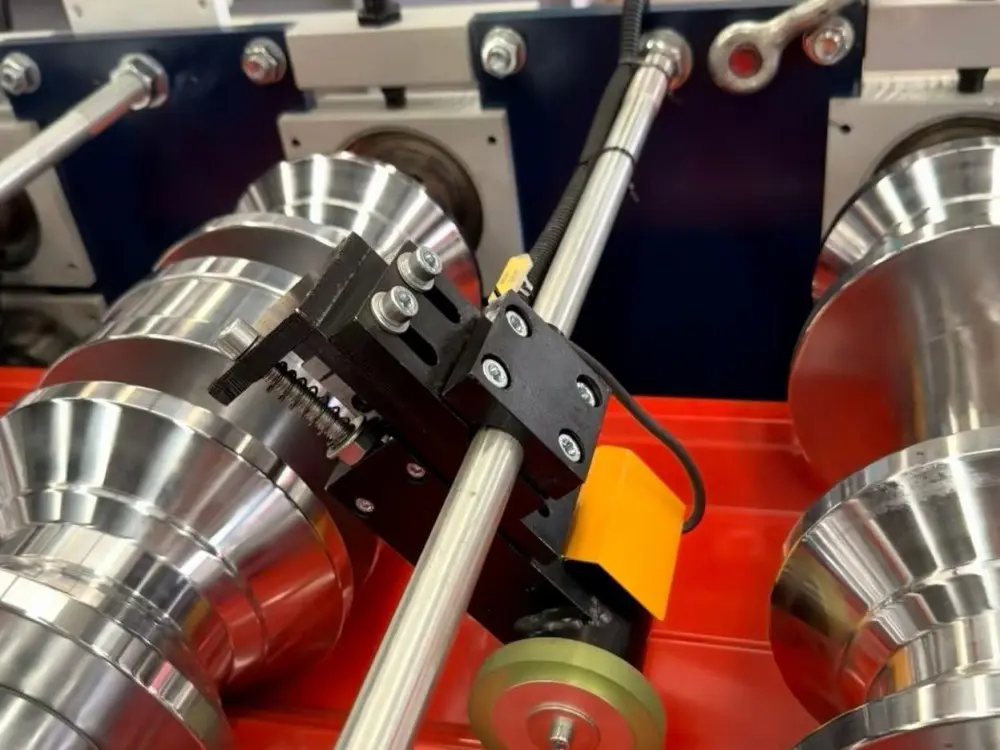
Operational stability depends directly on manufacturing precision. A deviation of just 0.5mm in rib alignment can prevent panels from nesting securely on a roof slope, causing water ingress and structural failures. To address this, XC operates a dedicated testing facility configured with precise dimensional and quality testing instruments.
Every roll forming line is evaluated at our assembly facility before shipment. Our quality testing protocols cover:
XC provides full-process engineering and service support from initial layout design to installation and beyond. Our support services include:
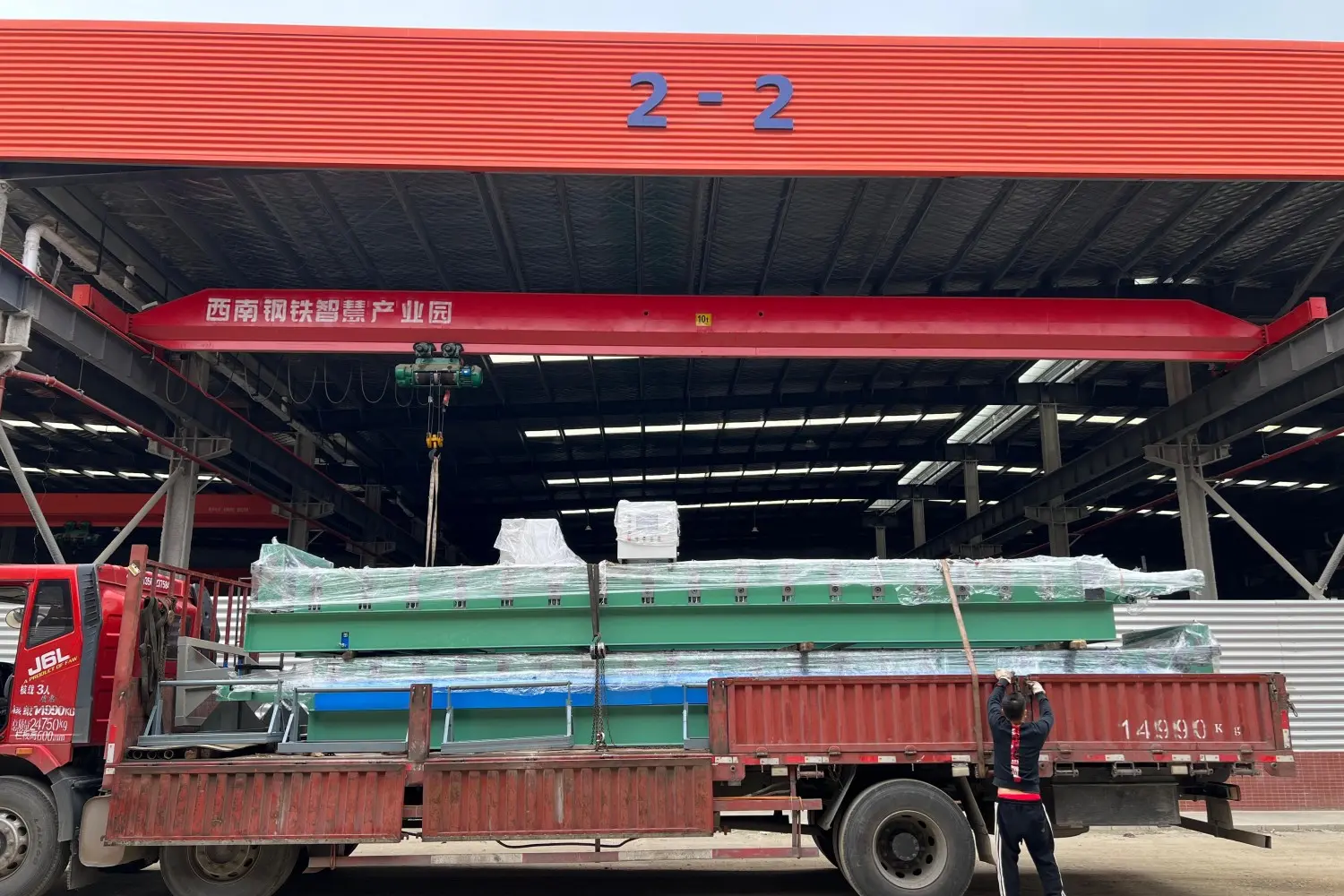
With our experience in developing customized cold-forming lines, XC has built a strong reputation across major construction, engineering, and manufacturing groups. Our lines produce building envelope elements and structural frames for project applications worldwide, including modern logistics centers, manufacturing facilities, agricultural structures, and infrastructure networks.
Delivering high-efficiency roll forming systems built to withstand the demands of heavy-duty industrial environments.
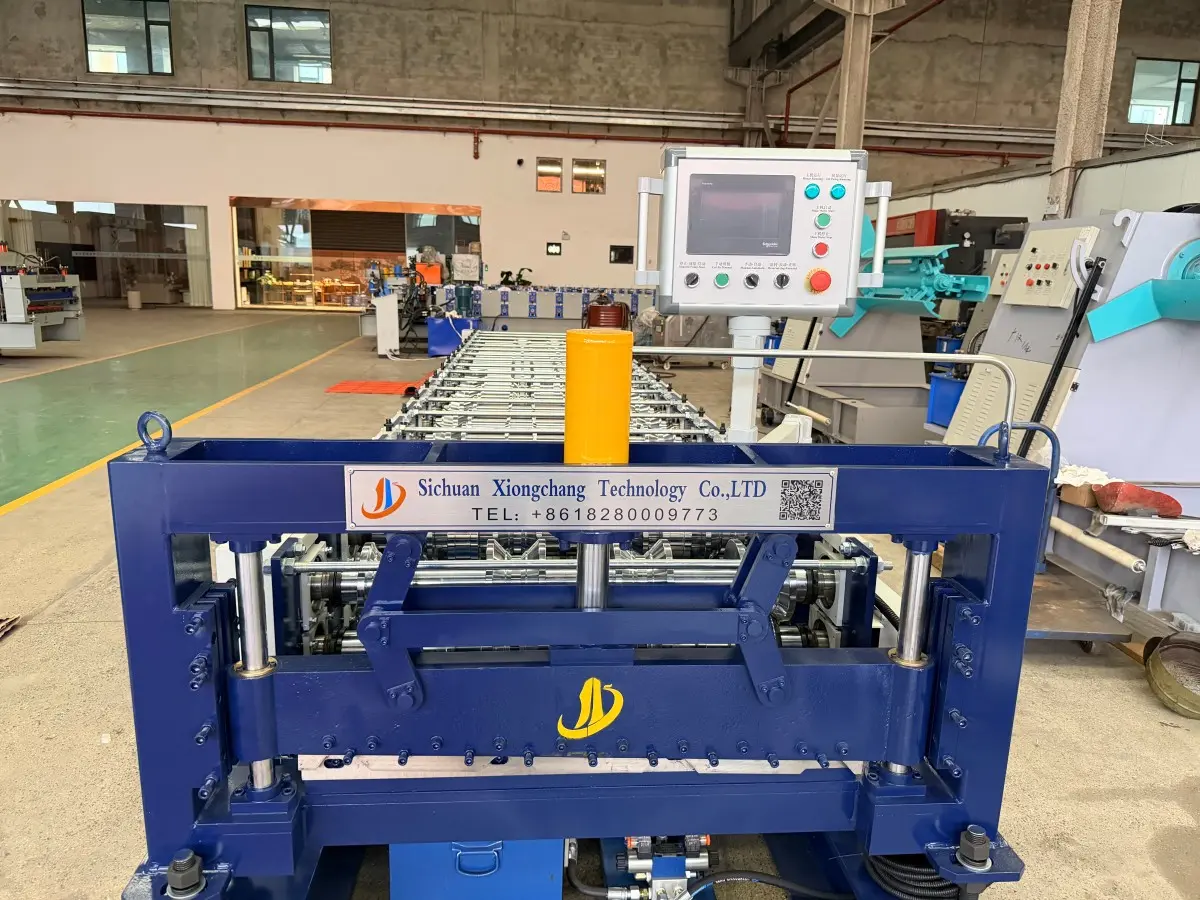
XC (XiongChang) structures its manufacturing processes around high durability and operational reliability. Every roll forming machine is engineered to run continuously under heavy industrial loads, maintaining tight forming tolerances over long production schedules.
Applying advanced CAD modeling, profile stress analysis, and precise manufacturing steps to deliver reliable, high-performance roll forming lines.
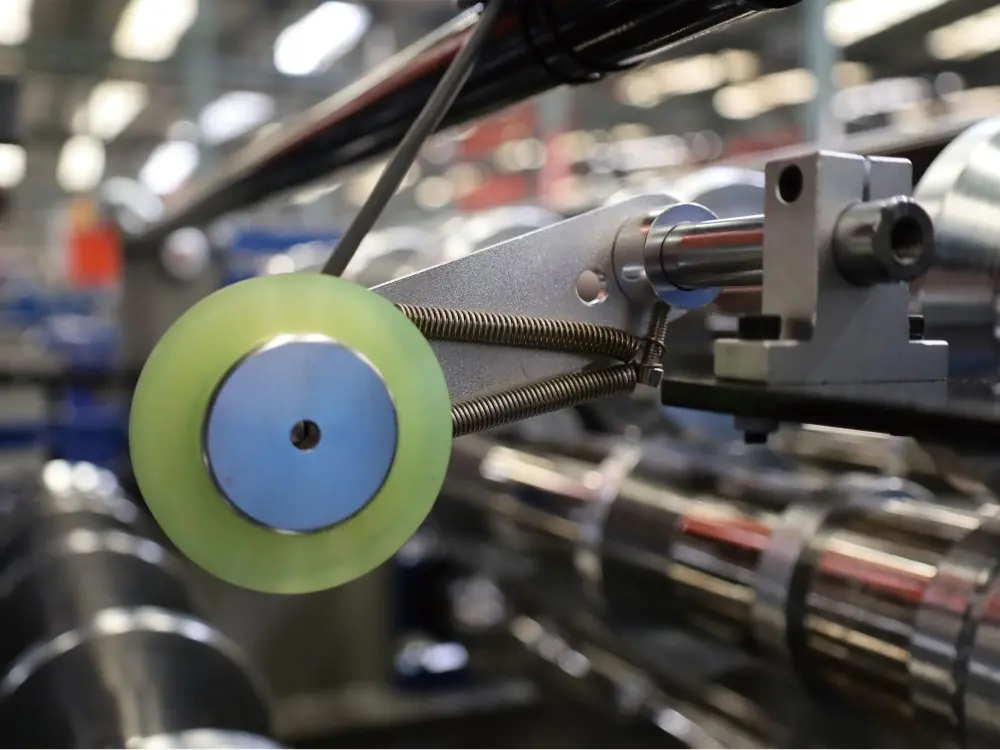
Constructed with rigid cast-iron stands, heat-treated alloy steel rollers, and heavy-gauge framing to ensure mechanical stability and long service life.
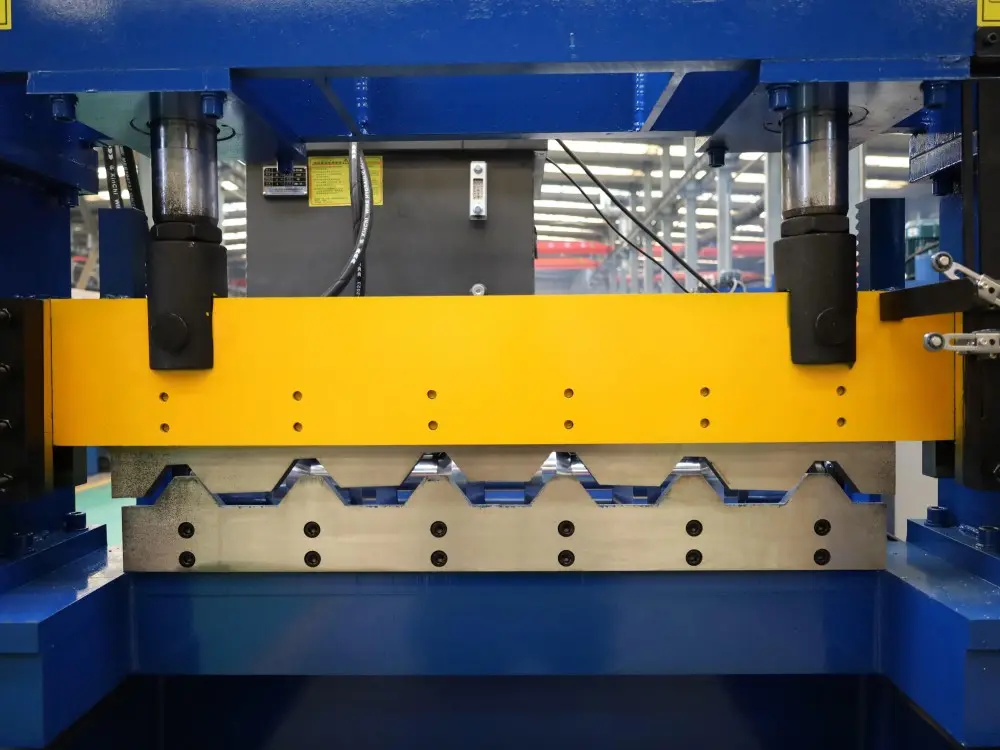
Providing direct engineering contact, rapid spare parts sourcing, and on-site maintenance to keep customer production lines running efficiently.
Our roll forming lines manufacture panels and components used across a range of structural and industrial projects worldwide.
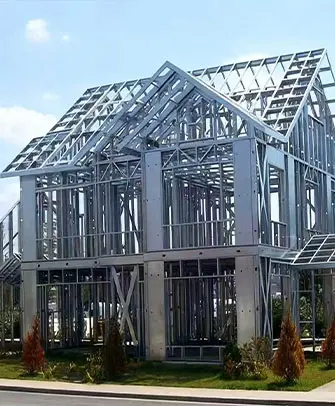 Architecture & Building
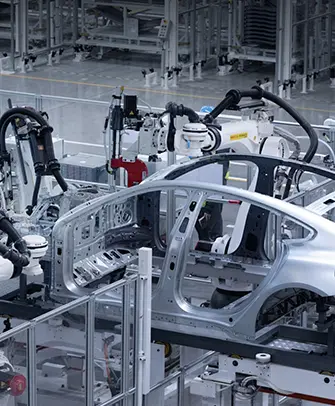 Automobile Manufacturing
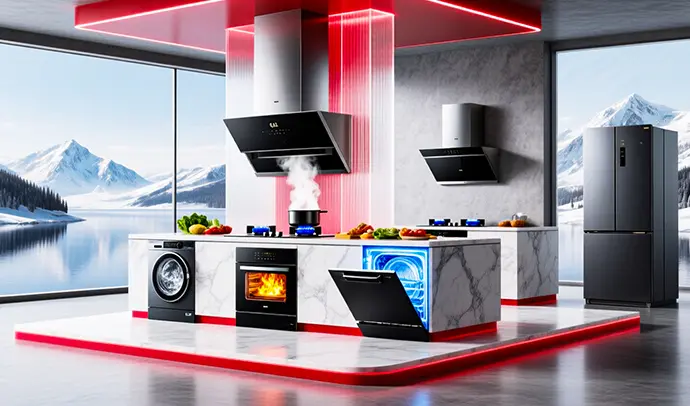 Home Appliances
 Transportation Solutions
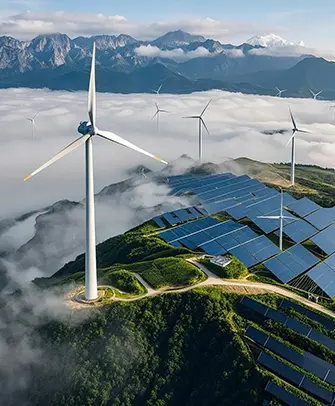 New Energy Systems
 Industrial Manufacturing
Common engineering and procurement questions regarding the customization and operation of box rib roll forming machinery.
Compare our full system configurations designed to supply complete building cladding and framing production lines.
 Xiongchang