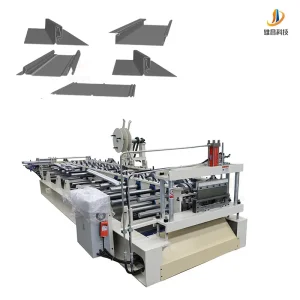
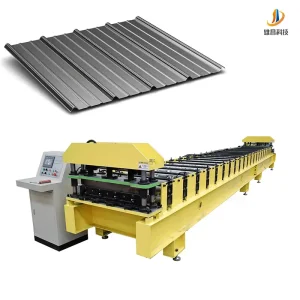
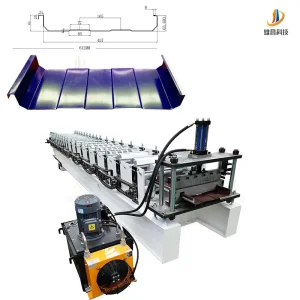
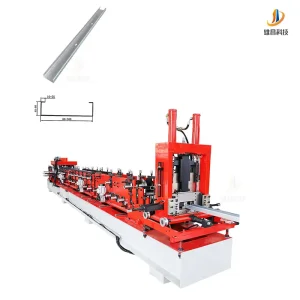
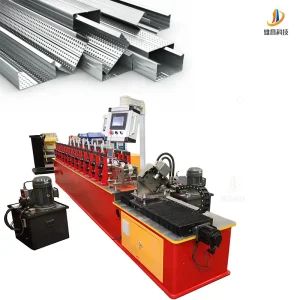
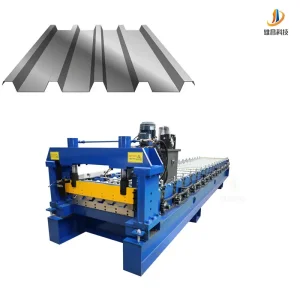
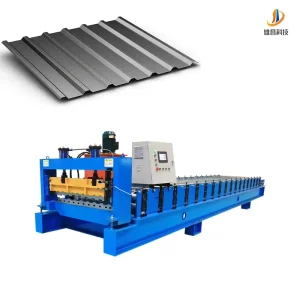
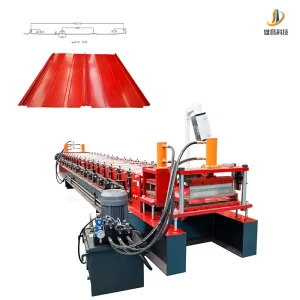
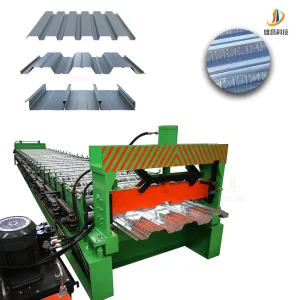
Explore our high-performance equipment lineup engineered for precise metal roofing, floor decking, and structural profiles.
As an established expert in the field, XC (Xiongchang) provides integrated roll forming solutions. Our portfolio encompasses core production machines for roofing, flooring, doors, and structural components, as well as the complete auxiliary line equipment essential for efficient operation.
We combine deep industry expertise with a steadfast commitment to our clients, ensuring every machine delivers exceptional value and performance.
VIEW MORE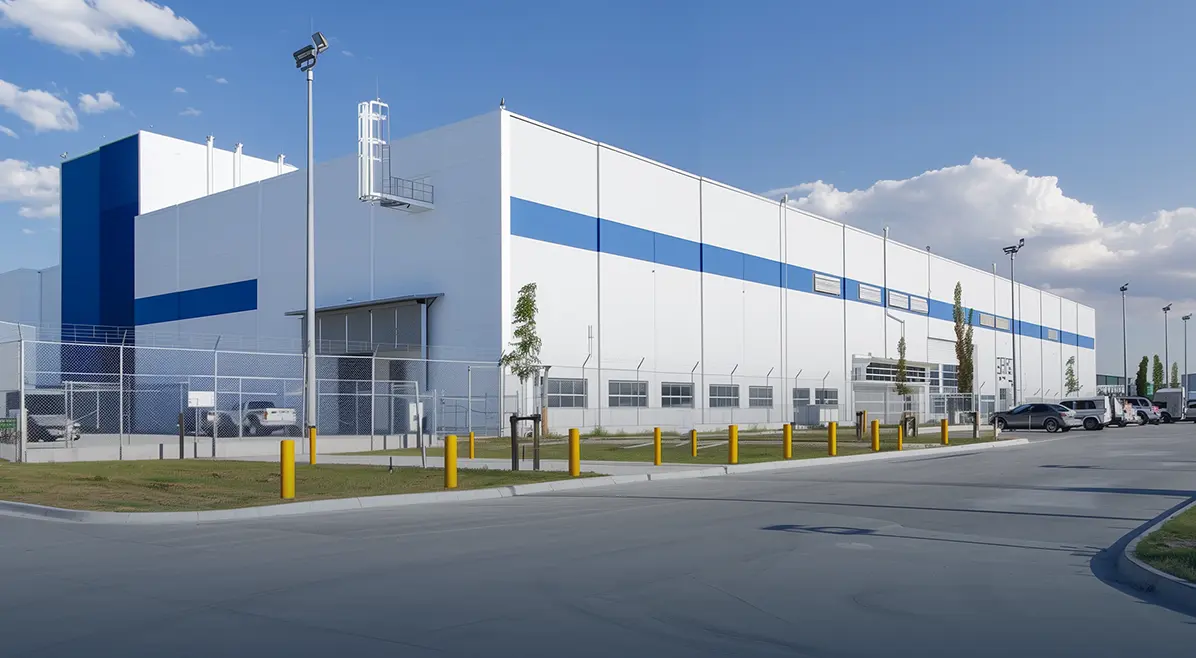
An in-depth analysis of cold roll forming systems, engineering parameters, Chinese supply chain structures, and operational compliance.
Modern architectural structures require advanced roofing profiles that guarantee leak prevention, wind resistance, and structural stability. Among these solutions, the Batten Roll Forming Machine stands as a crucial technology. This guide addresses the engineering specifications, localization standards, and manufacturing dynamics that global buyers must navigate when choosing an Original Design Manufacturer (ODM) partners.
Batten systems, including snap-lock batten, drop-in batten, and traditional cap batten systems, are designed to conceal fasteners while providing high resistance to thermal expansion and contraction. The roll forming process utilizes a series of calibrated rollers to progressively shape flat metal coils (typically galvanized steel, Galvalume, or aluminum) into finished structural panels with precise dimensions.
Engineered machines operate with specialized toolings. Variable speed drivetrains, integrated hydraulic pre-cutters, and state-of-the-art post-cutting stations minimize profile distortion. High-end ODM solutions feature quick-change cassettes or dual-level configurations, allowing factories to run multiple profiles on a single machine footprint, reducing capital expenditure and space requirements.
| Technical Specification | Standard Range | High-Precision Custom Range (ODM) |
|---|---|---|
| Material Thickness | 0.4 mm - 0.7 mm | 0.3 mm - 1.2 mm (High-strength G550) |
| Forming Stations | 14 - 18 Stations | 20 - 28 Stations (Cassette/Quick-Change) |
| Line Speed (Standard) | 10 - 15 m/min | Up to 30 m/min (Servo-Driven System) |
| Roller Material | 45# Steel (Hard Chrome Plated) | Cr12MoV / D2 Steel (Vacuum Quenched, CNC Polished) |
| Control Architecture | Basic PLC + Touchscreen | Siemens/Mitsubishi PLC + Closed-loop Servo System |
China is a leading global supplier of roll forming machinery due to its integrated industrial clusters, advanced metallurgy, and specialized engineering talent. Choosing a Chinese manufacturer like XC (XiongChang) provides several distinct advantages:
Operating roll forming machinery globally requires compliance with safety, environmental, and electrical standards. Industrial manufacturers must ensure equipment is built to match target destination codes:
XC (XiongChang) combines technical personnel and engineers to deliver automated production lines with high manufacturing precision and consistency.
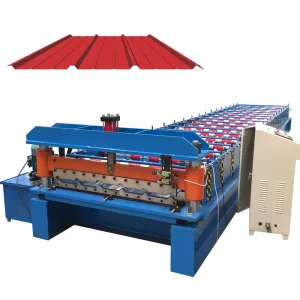
We manufacture specialized Roof Panel, Wall Panel, and Floor Deck Roll Forming Machines, producing high-performance components designed to secure building exteriors against severe environmental conditions.
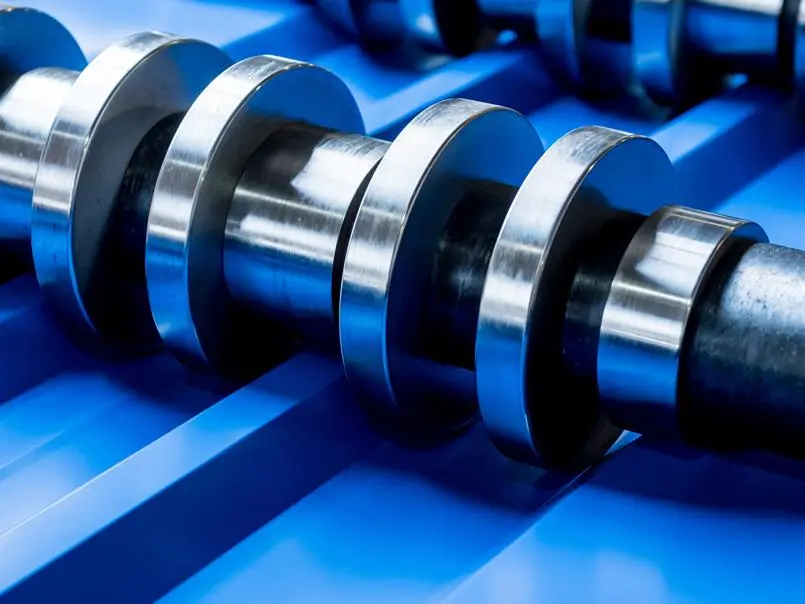
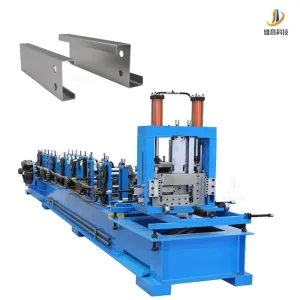
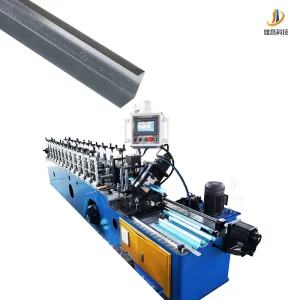
Providing automated systems for C/Z Purlin Roll Forming and Stud & Track systems. Engineered to structural tolerances, ensuring quick installation and load-bearing performance.
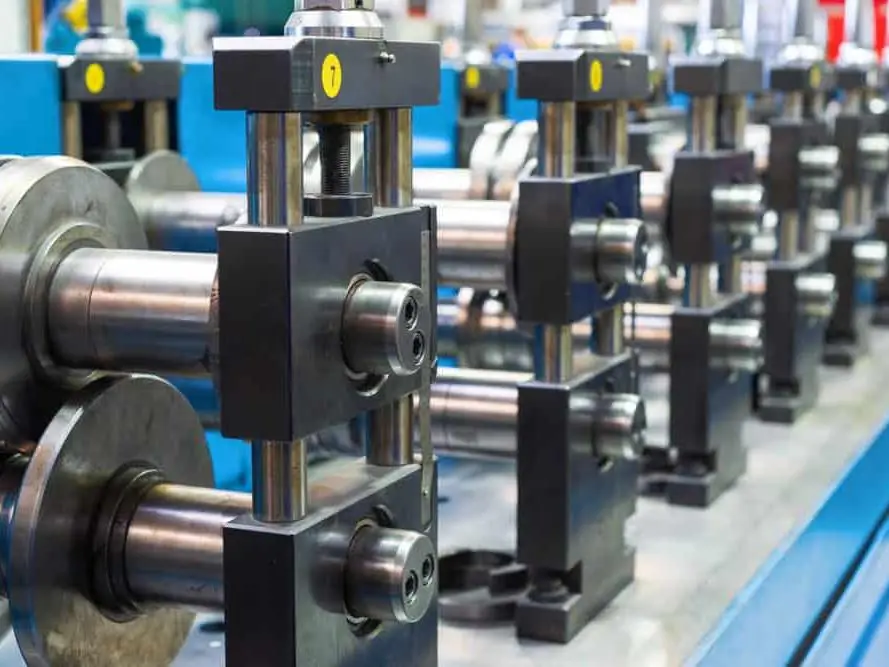
Our custom Gutter Roll Forming Machines and Door Frame production lines enable manufacturing of accessories, providing support for construction applications.
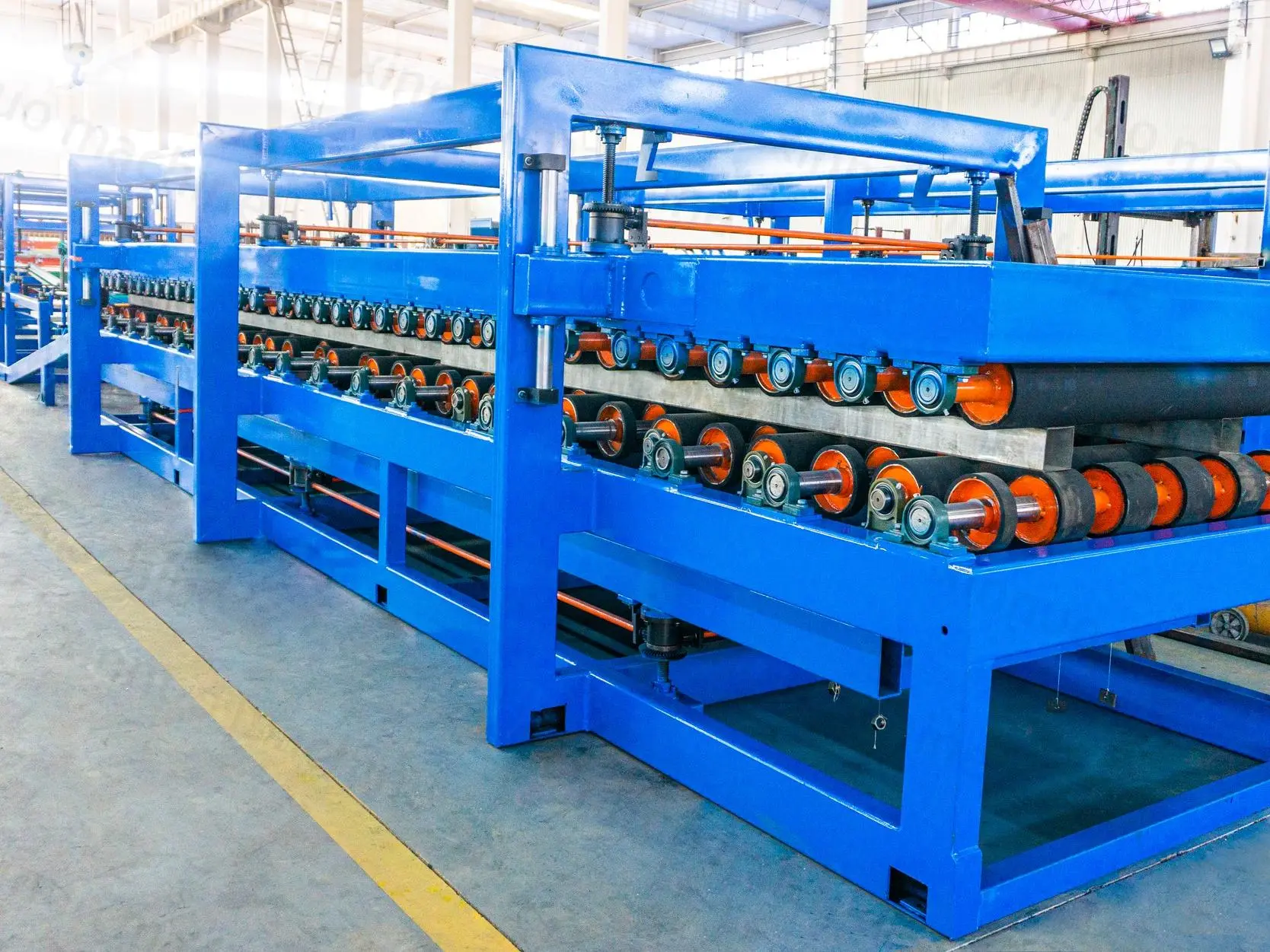
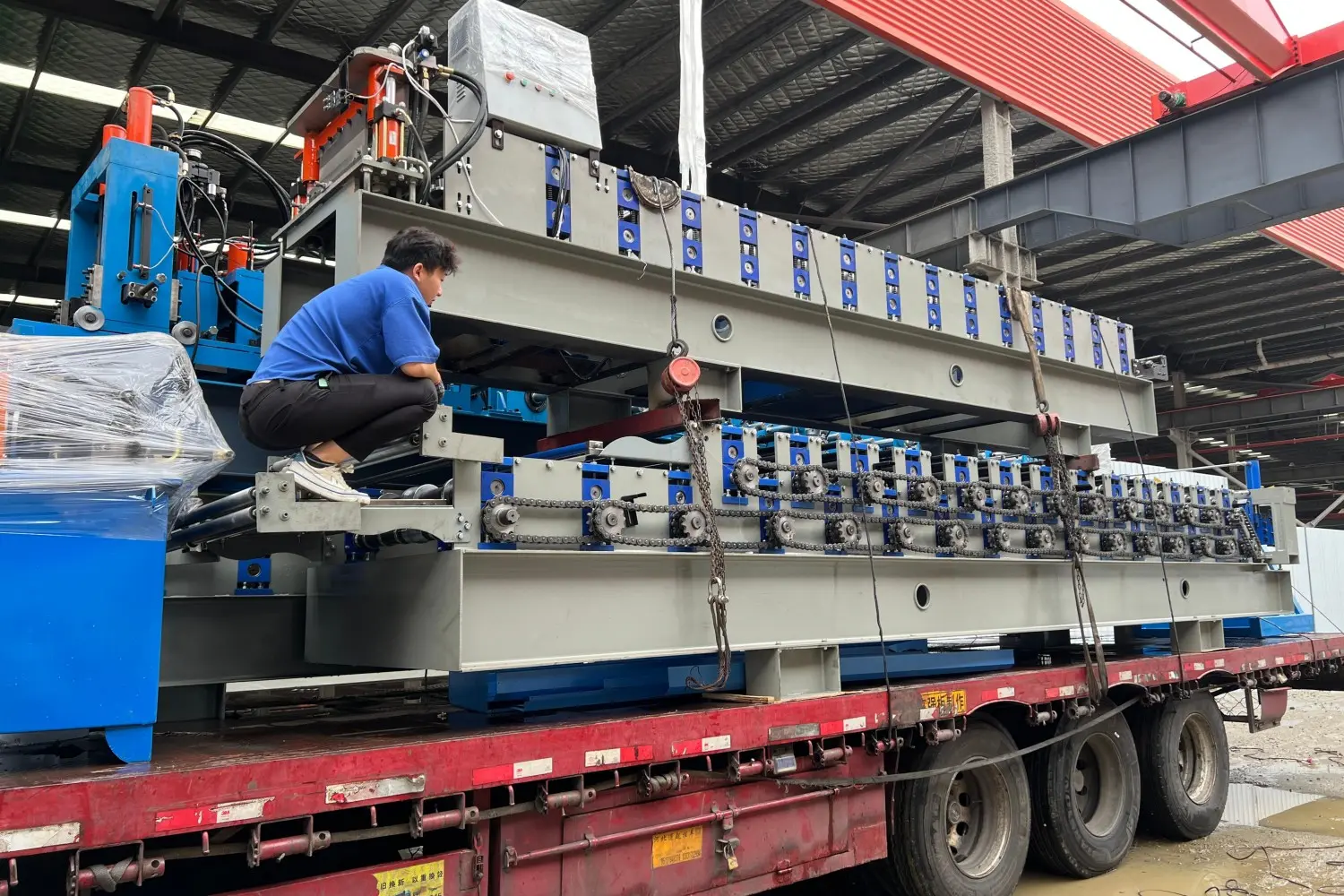
With our dedication on a robust technical force and advanced industrial equipment, We XC aimed to provide integrated and automated systems across our production, to fulfill diverse industrial requirements, try our best in guaranteeing the highest standards of quality and performance in every machine we build.
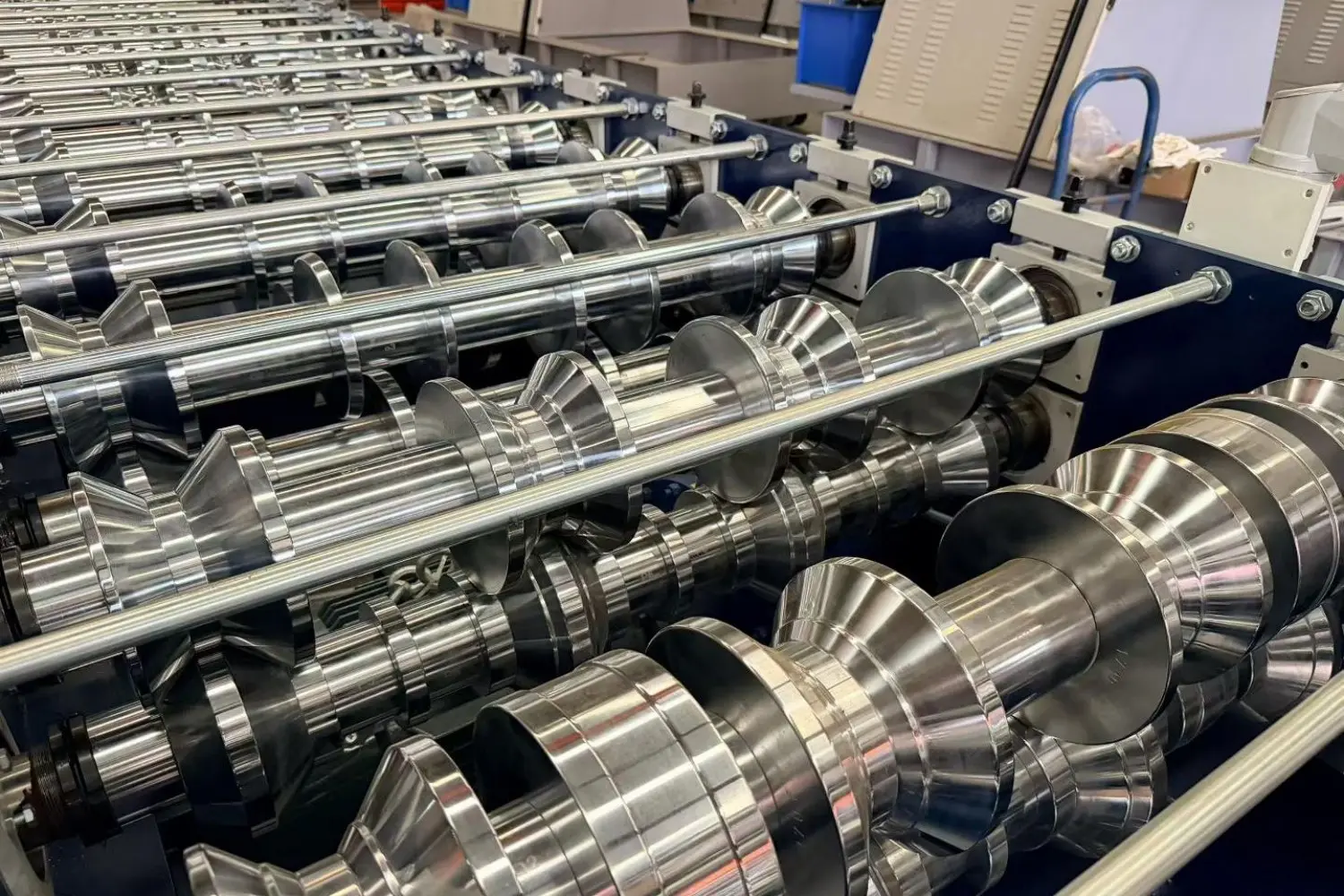
XC has a complete suite of detection and testing instruments , to rigorously verify product strength, durability, and reliability. We adhere to strict, standardized quality control protocols throughout the manufacturing process, ensuring all output consistently meets specified customer specifications.
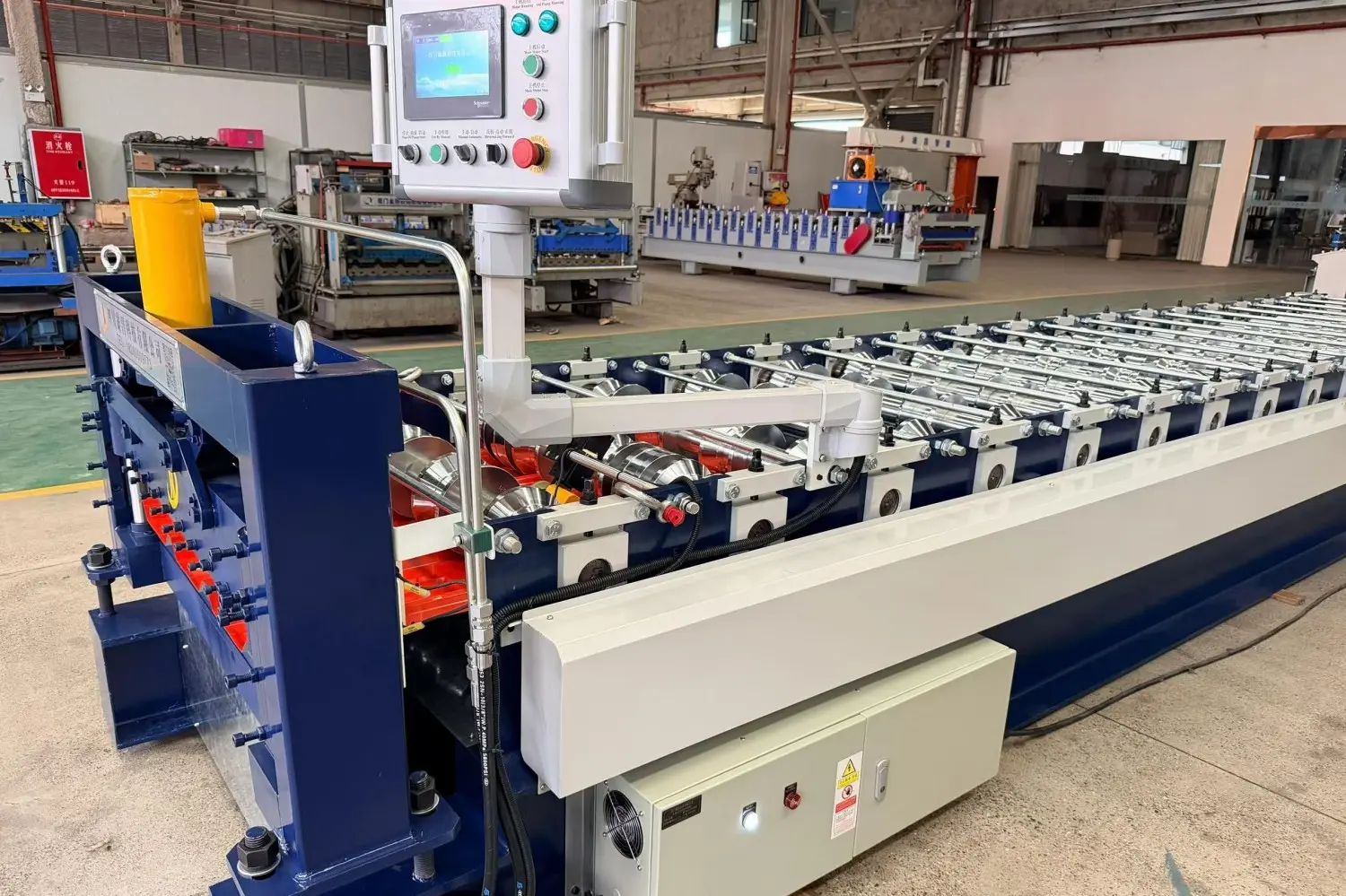
From design to installation, XC provides comprehensive lifecycle support. We offer professional installation, commissioning, and operational training to ensure optimal setup and productivity. Our dedicated after-sales support team delivers ongoing technical assistance and maintenance services, helping customers achieve sustained, peak operational performance.
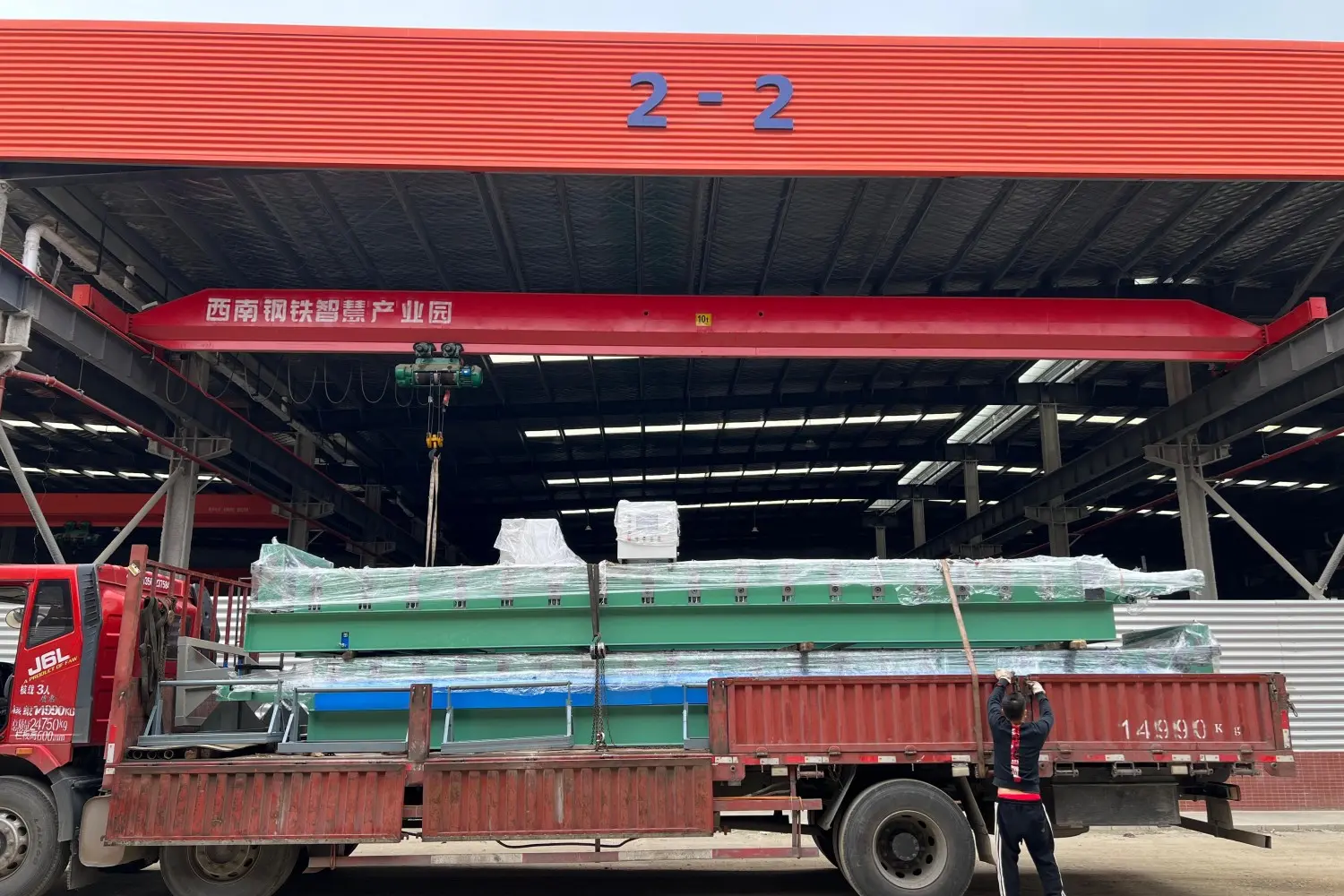
With years of industry expertise, we have established a strong reputation for quality and customer-centric service. Our professional team provides tailored, personalized support for both standard and customized technical needs. This commitment has fostered a loyal client base across construction, manufacturing, and engineering sectors, with our machines contributing to projects ranging from residential complexes to large-scale commercial and infrastructure developments.
XC (XiongChang) is a design and manufacturing partner for industrial projects globally, with systems customized for specific requirements.
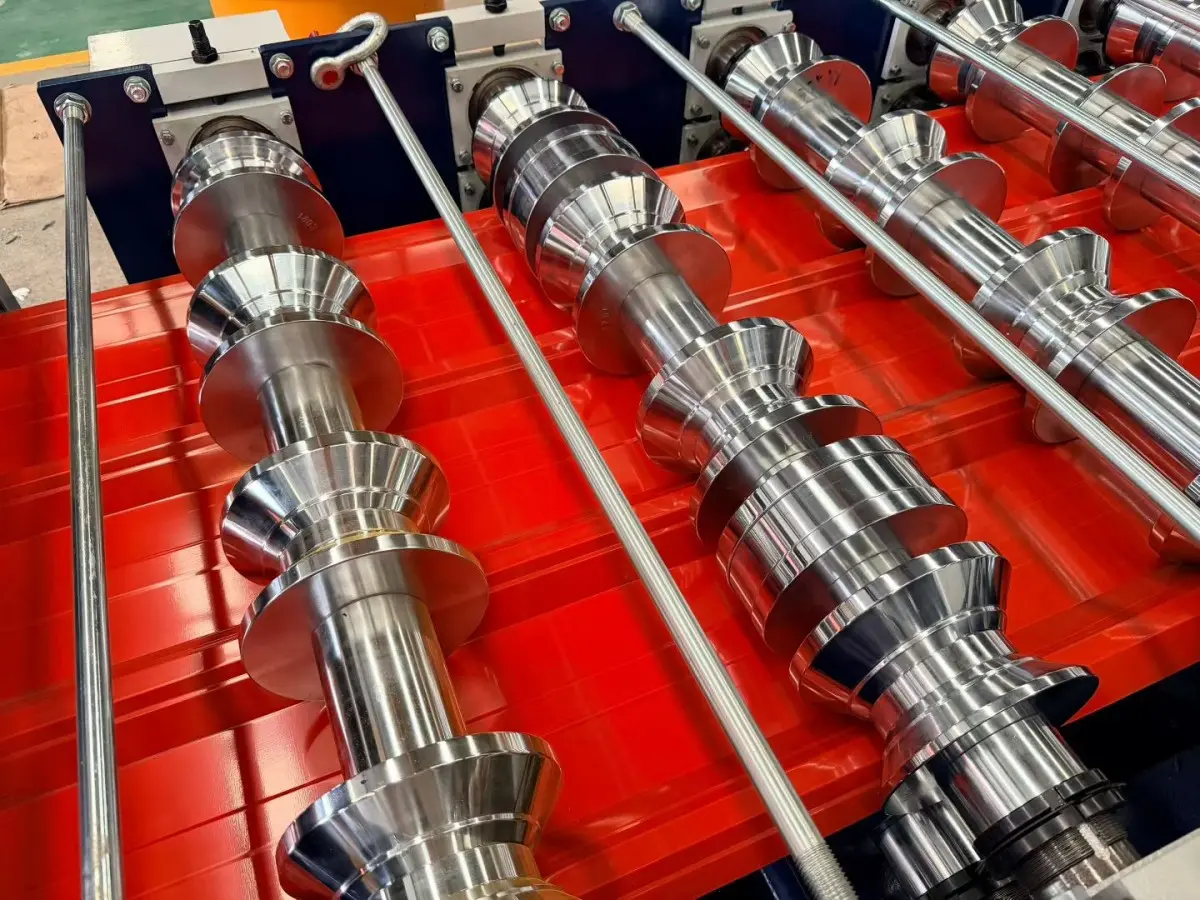
Providing customized profile design services to match specific national architectural profiles, supporting building durability.
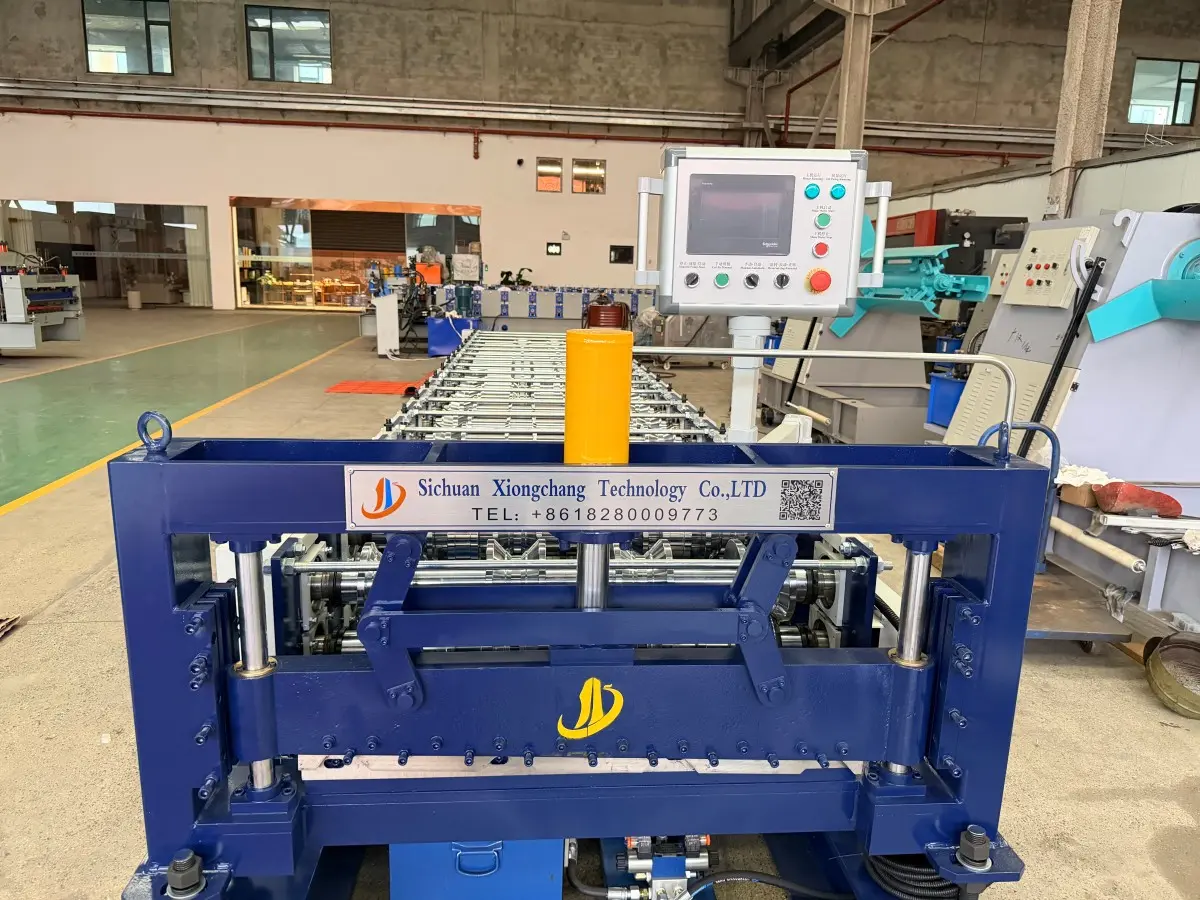
Providing responsive service from pre-sales engineering reviews to post-delivery diagnostics and spare parts supply.
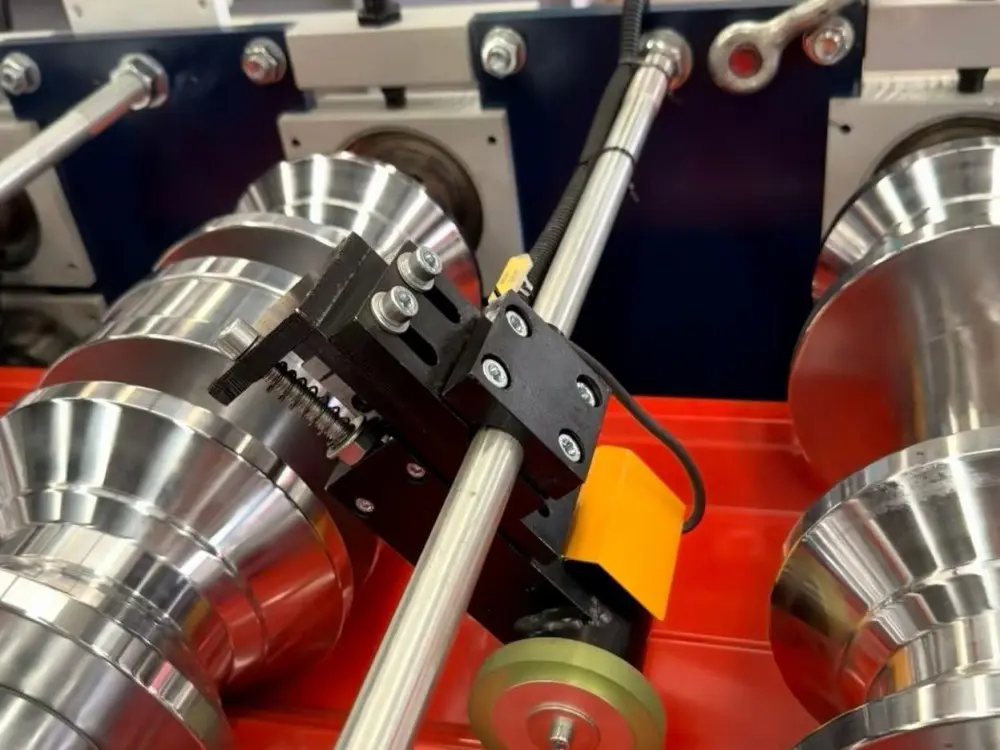
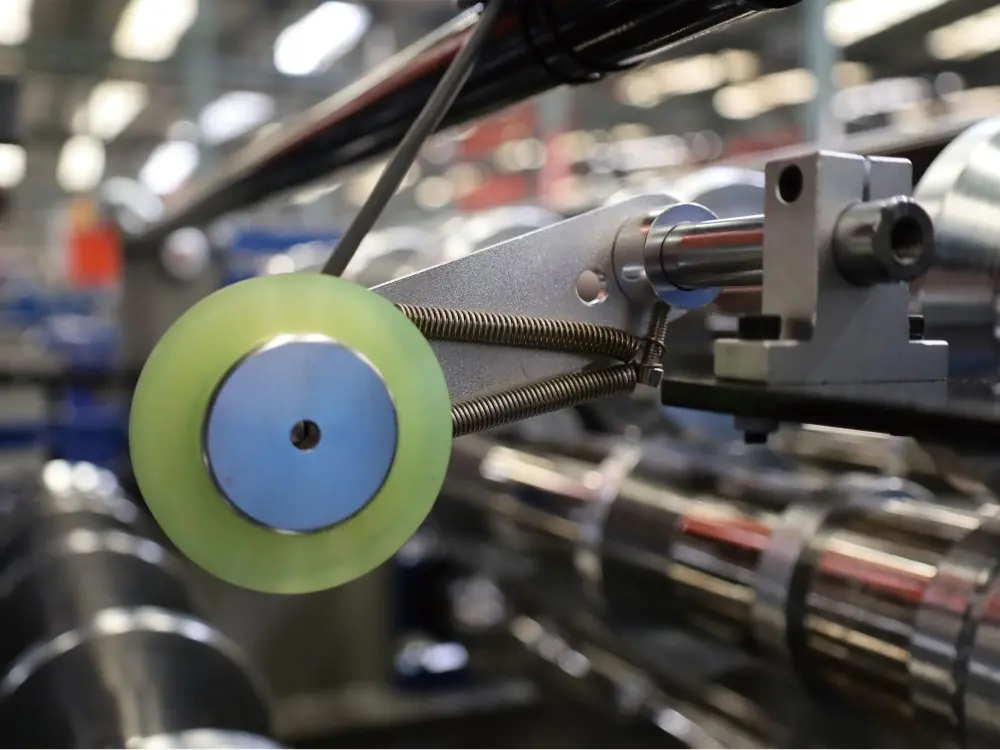
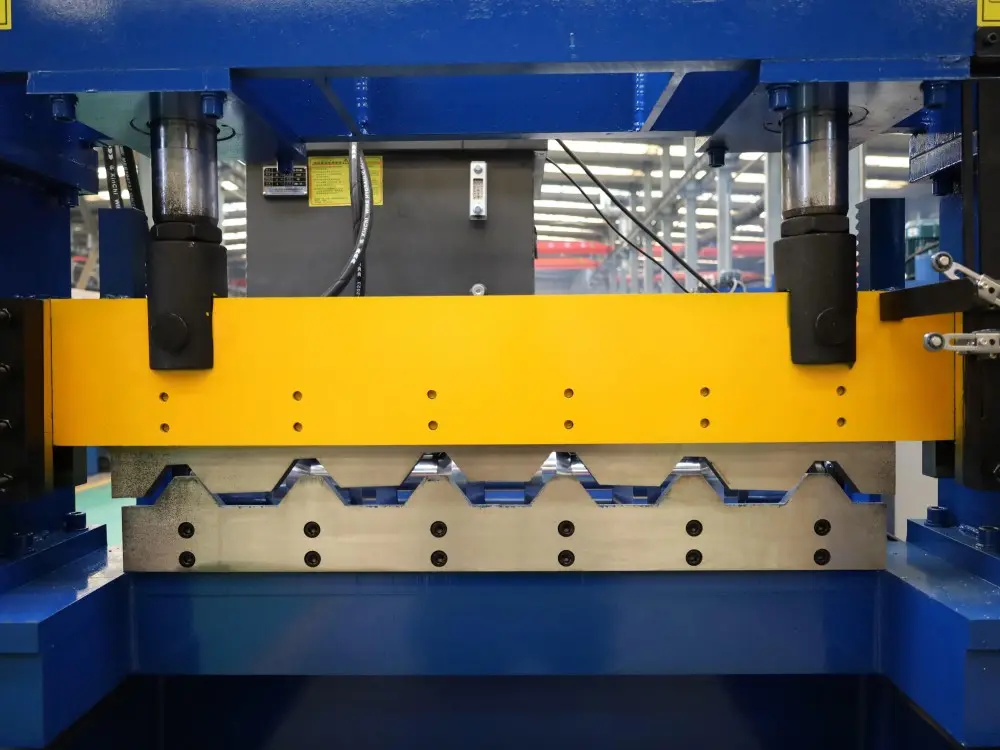
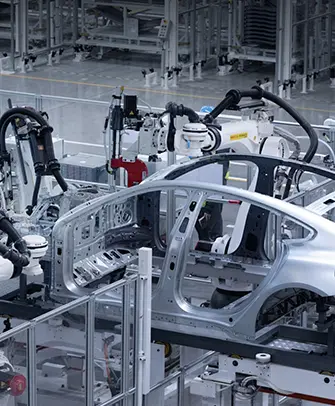
Our roll forming systems serve a diverse global clientele, supporting residential construction, industrial infrastructure, logistics hubs, and renewable energy sectors.
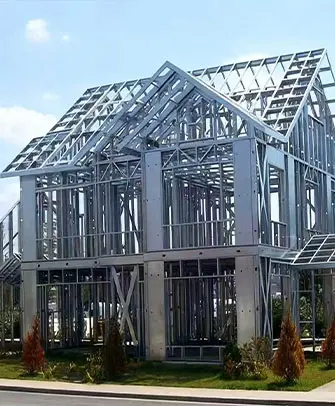


In modern industrial architectural design, batten-style metal roofing panels are utilized for their combination of aesthetics and weather protection. In rainy areas, a high-rise standing seam or snap-lock batten panel provides water tightness. For solar installations, the structural batten profile supports clamp integrations, allowing solar panel brackets to be secured without puncturing the roof envelope, avoiding leak risks.
Expert insights regarding procurement, mechanical customization, and operational efficiency for procurement managers.
Providing specialized cold forming equipment, structural steel purlin mills, and profile systems for global delivery.
 Xiongchang