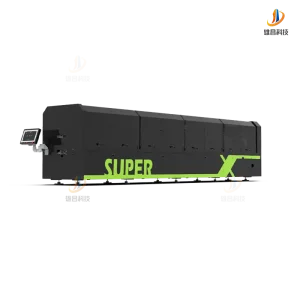
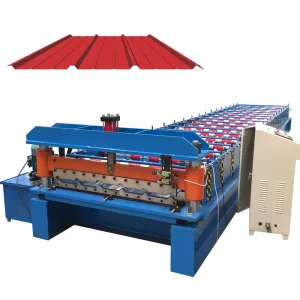
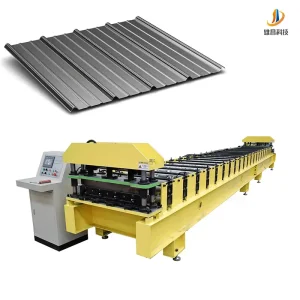
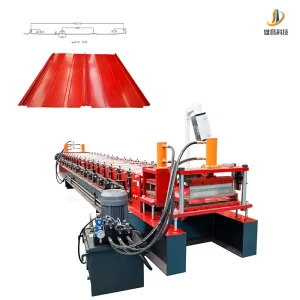
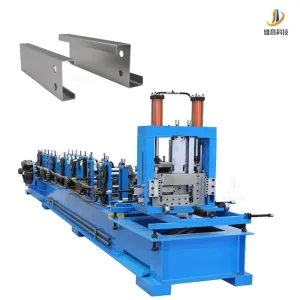
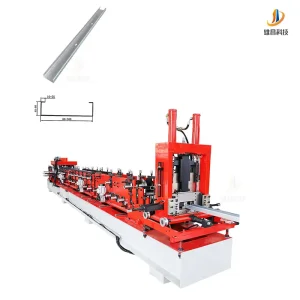
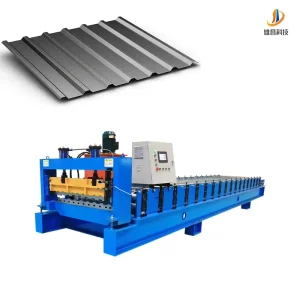
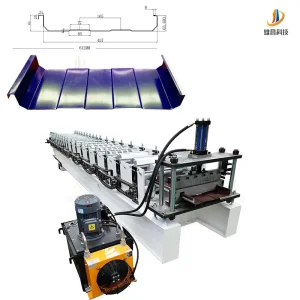
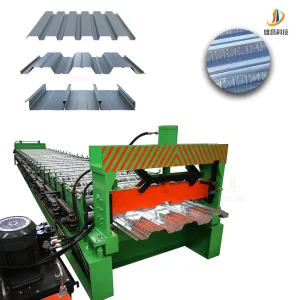
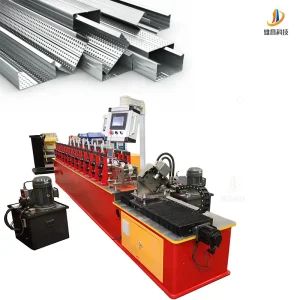
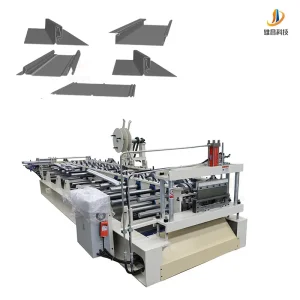
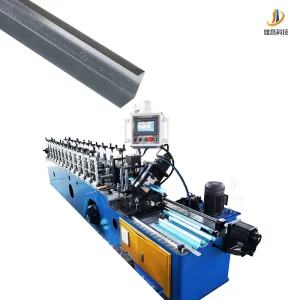
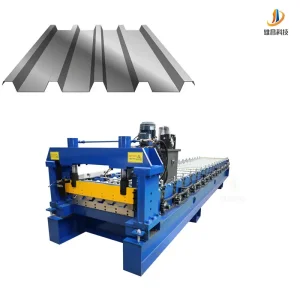
Explore our high-performance custom cold roll forming machine series engineered for architectural and structural systems
In modern industrial fabrication, efficiency and precision are no longer optional. The structural steel and building envelope industries are shifting away from slow, manual mechanical changes toward digital, automated profile adjustments.
Traditional purlin roll formers required manual configuration of spacers, rollers, and cutting dies whenever a dimensional transition (e.g., changing from a C100 purlin to a C300 purlin) was required. This process often took 2 to 4 hours of critical downtime. Modern ODM Automatic Size Change Purlin Machines utilize PLC control systems combined with high-precision linear guides and servo motor actuators. With the click of a button on an HMI touchscreen, operators can transition web, flange, and lip dimensions in less than 3 minutes.
For large-scale steel framing manufacturers, this minimizes inventory buffers, allows for dynamic small-batch production, and maximizes overall equipment effectiveness (OEE). By adopting automated profile control, structural builders can match the rapid cycles required by modern building information modeling (BIM) programs.
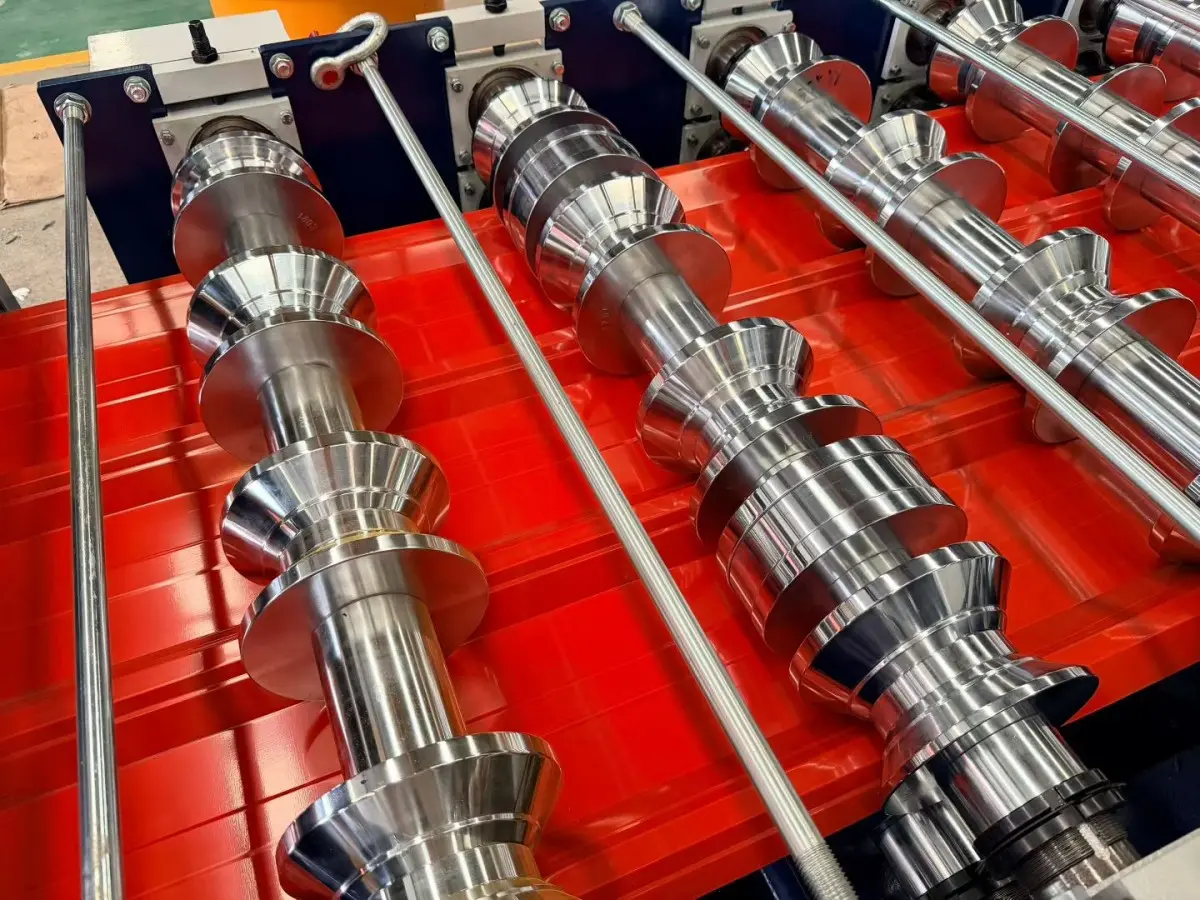
As an established expert in the field, XC (Xiongchang) provides integrated roll forming solutions. Our portfolio encompasses core production machines for roofing, flooring, doors, and structural components, as well as the complete auxiliary line equipment essential for efficient operation.
Our engineering prowess enables us to deliver tailored, robust industrial lines designed for global standards. By fusing continuous innovation with premium components, XC delivers long-term reliable performance to steel fabricators around the world.
VIEW MOREA closer look at the mechanical structure and control algorithms that govern rapid width, height, and gauge modifications.
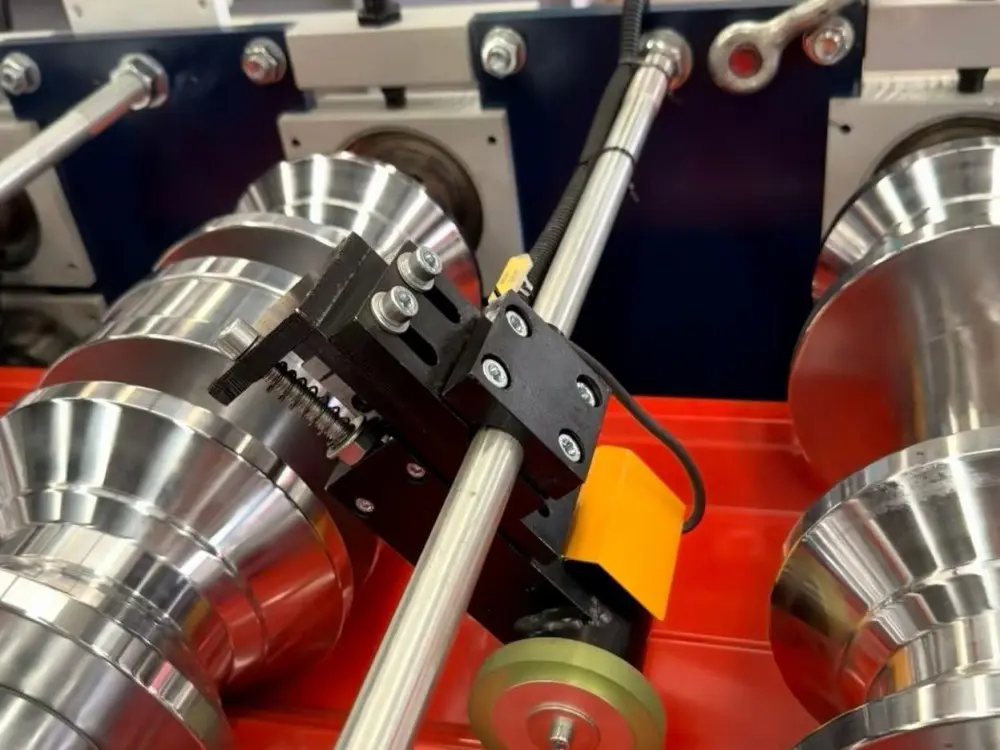
The core of an ODM Automatic Size Change Purlin Machine lies in its split-shaft structure and motorized drive system. In a standard single-size machine, rollers are locked onto a solid shaft. In an automatic changing machine, the rollers are split and mounted on parallel sliding rails. When the PLC orders a new web size:
This automated synchronization completely avoids manual tracking errors, which often lead to warped profiles, incorrect punch locations, and material waste.
| Parameters | Standard Manual Former | Automatic Size Change (ODM) |
|---|---|---|
| Changeover Time | 1.5 to 3 Hours | 45 Seconds to 3 Minutes |
| Labor Requirements | 2 Skilled Technicians | 1 Standard Operator (HMI Input) |
| Scrap Rate (on change) | 2% - 5% (Trial runs required) | 0.1% (First piece accuracy) |
| Dimension Flexibility | Fixed profiles only | Stepless variations within limits |
| Integration (BIM/ERP) | Manual schedule entry | Direct CAD/BIM import support |
Decoding the structural, logistics, and engineering advantages that Chinese manufacturers like XC bring to the global construction supply chain.
Chinese roll forming machine factories operate inside world-class industrial ecosystems. From raw GCr15 and Cr12MoV tool steel supplies to heavy CNC milling centers, heat-treatment installations, and PLC software houses, all components are sourced locally. This cluster density slashes lead times and lowers manufacturing overheads, translating to lower capital expenditures for global buyers.
Chinese engineering divisions excel at custom mechanical modifications. If your local code demands non-standard purlin designs (such as triple-flanged segments, dynamic punch configurations, or hybrid solar framing configurations), engineers can model, simulate, and manufacture dedicated tooling in a fraction of the time required by Western machine houses.
Unlike boutique machine shops, large-scale manufacturers like XC engineer full-line processes. This includes heavy hydraulic decoilers, multi-station pre-punching presses, high-speed flying shears, and auto-stacking packaging systems. You procure a fully optimized line rather than standalone machinery.
Deploying advanced heavy industrial systems to secure manufacturing reliability, precision, and peak machinery life cycle.
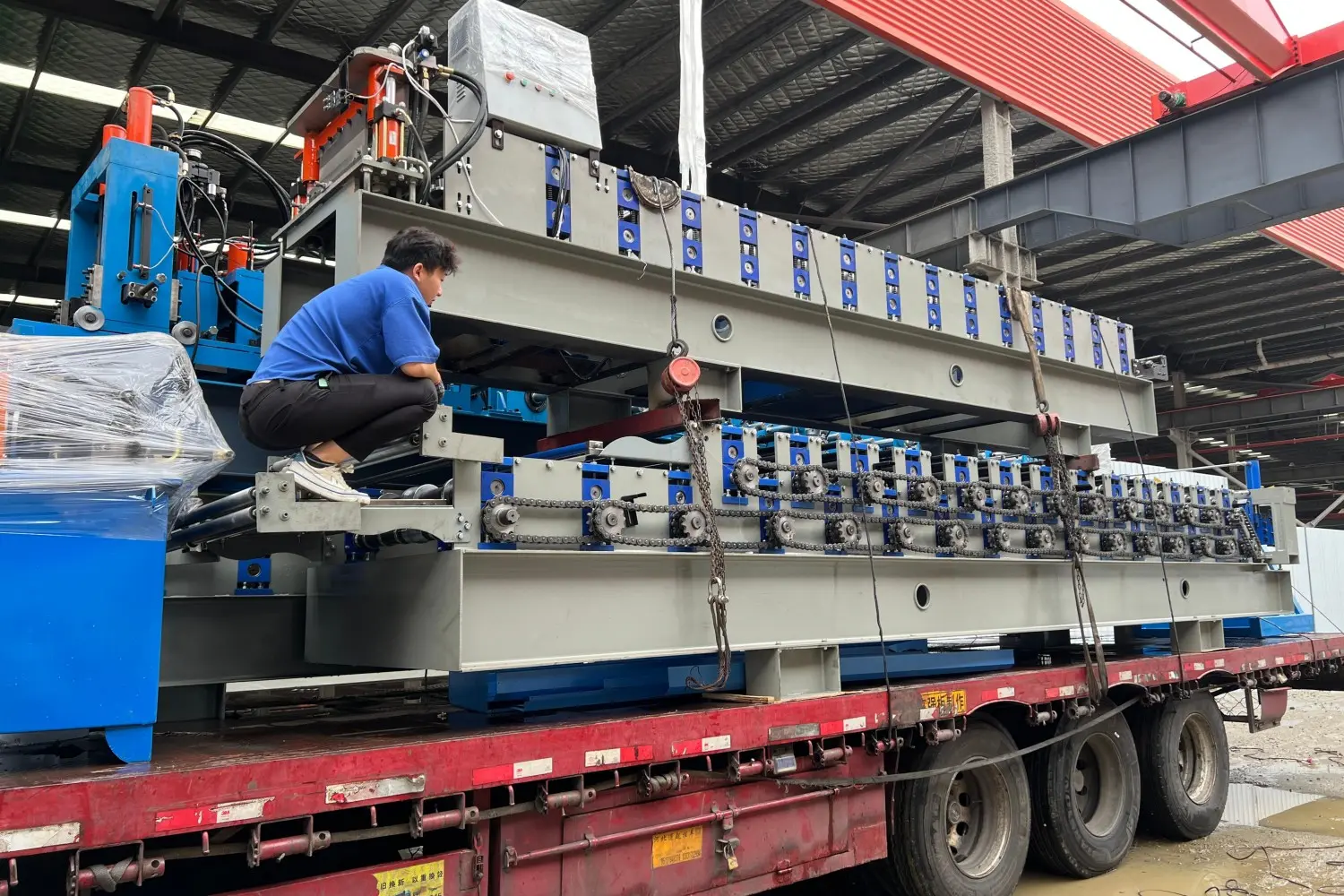
With our dedication to a robust technical force and advanced industrial equipment, XC aims to provide integrated and automated systems across our production. We target the fulfillment of diverse industrial requirements, executing rigorous assembly standards to guarantee the highest standards of quality and performance in every machine we build.
Our substantial investment in state-of-the-art, automated production lines ensures manufacturing precision and consistency, forming the foundation of our product excellence. For over two decades, XC (XiongChang) has been a trusted leader in the design and manufacture of cold roll forming equipment.
XC designs and manufactures precision cold roll forming systems to meet varied customer applications, producing durable, reliable, and high-performance structural profiles.
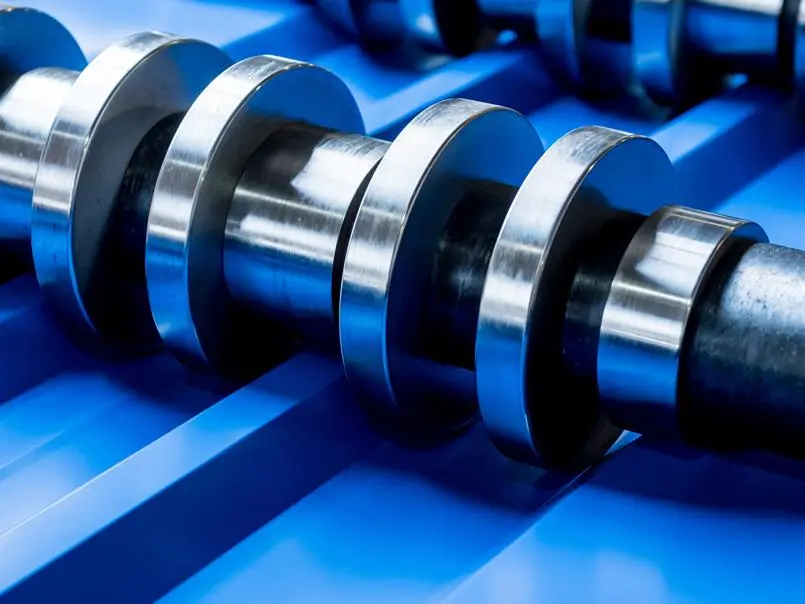
Advanced machinery lines for producing Roof Panel, Wall Panel, and Floor Deck Roll Forming Profiles. Designed for high efficiency and consistent geometry.
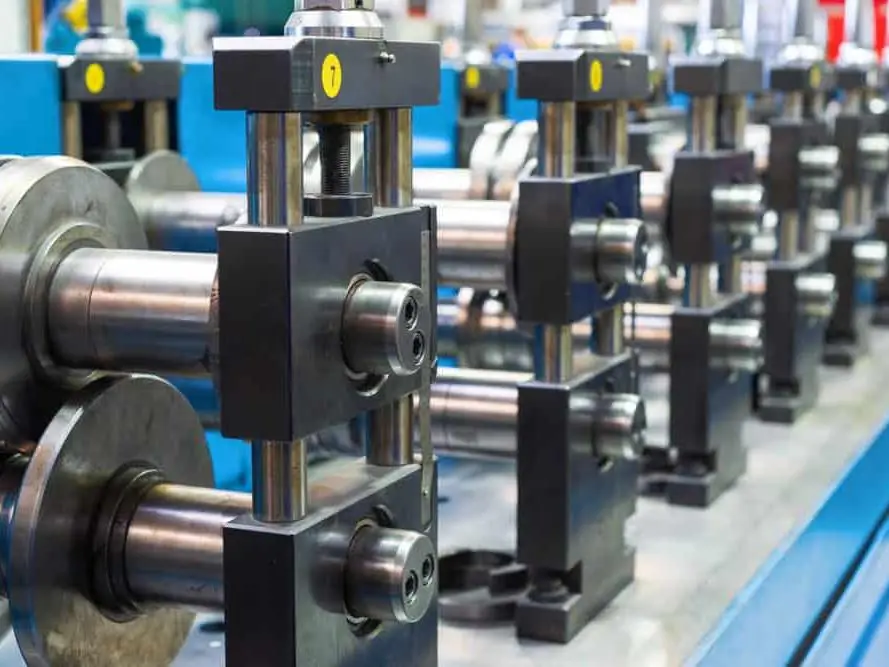
C/Z Purlin Roll Forming Machines and Stud & Track Roll Forming Machines featuring rapid size changing and integration with CAD framing data.
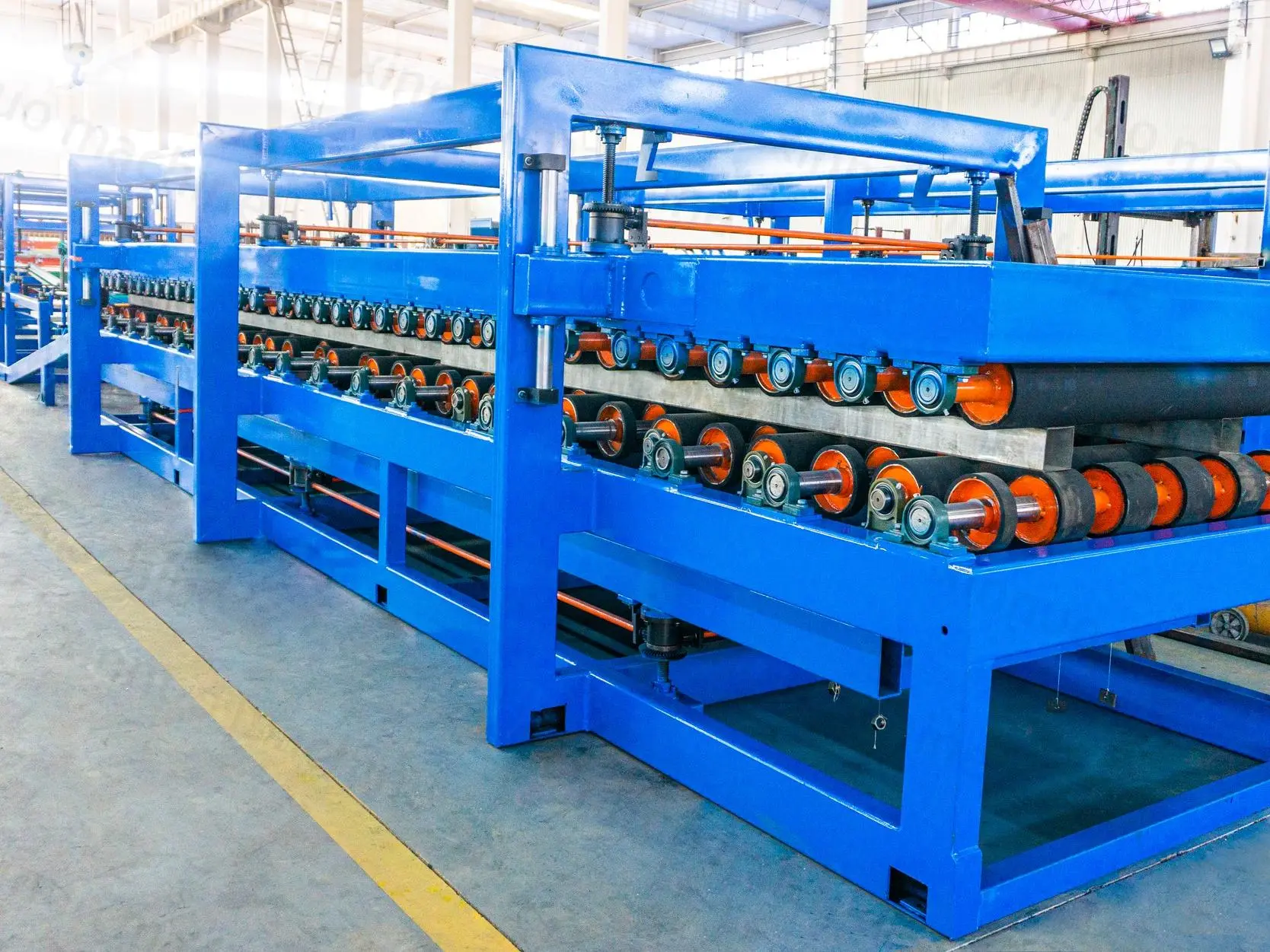
Gutter Roll Forming Machines and Door Frame Roll Forming Machines configured to produce custom contours with minimal edge deformation.
Key indicators, material specifications, and engineering parameters that buyers must inspect before selecting an ODM manufacturing partner.
Evaluating an automated line goes beyond the initial price tag. Global enterprises must analyze component lifespans, system rigidity, and controller brands to avoid downstream technical failures. Ensure your provider meets these minimum requirements:
| Component | Premium Specification | Target Material/Brand |
|---|---|---|
| PLC & HMI | High-Speed Fieldbus Architecture | Siemens / Mitsubishi / Delta |
| Roller Tooling | Vacuum Quenched, CNC Polished | GCr15 / Cr12MoV (HRC 58-62) |
| Hydraulic Valves | Proportional Pressure Control | Rexroth / Yuken / Vickers |
| Linear Guide Rails | Pre-loaded Recirculating Ball Guides | HIWIN / PMI |
| Cutting Blade | Post-cut or Flying Cut System | Cr12MoV / H13 Steel |
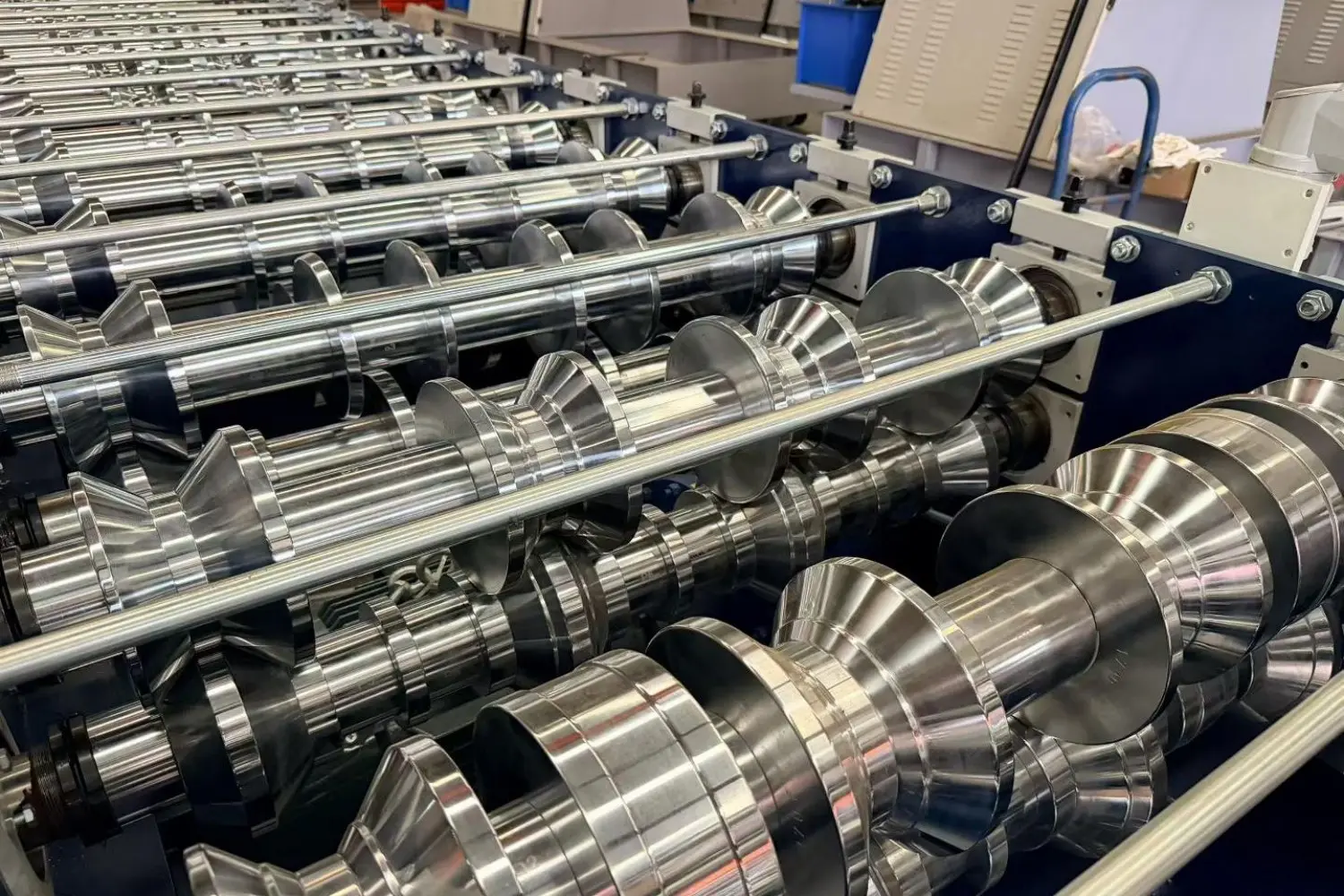
XC has a complete suite of detection and testing instruments to rigorously verify product strength, durability, and reliability.
We adhere to strict, standardized quality control protocols throughout the manufacturing process, ensuring all output consistently meets specified customer specifications.
Before shipment, our testing protocol involves a continuous trial run of at least 24 hours under loaded conditions. We measure flange squareness, web flatness, and hole alignment with precision optical scanners and digital calipers to guarantee zero-defect deployment at client plants.
Exploring how size-change purlin systems resolve engineering bottlenecks across diverse commercial and structural domains.
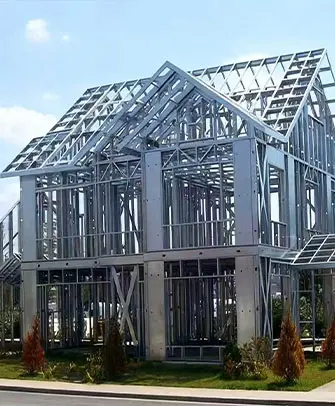
For modern warehouses, commercial malls, and aircraft hangars, PEB construction relies on dynamic purlin sizes. An automated C/Z interchangeable machine enables production teams to manufacture varying sizes of columns, rafters, and girts sequentially. This matches the exact installation order at the site, reducing sorting yard requirements and boosting field construction speed by up to 35%.
Large-scale solar farms require thousands of custom C-purlins with complex, multi-hole punching configurations to mount photovoltaic panels. Automatic size-change lines integrate multi-station hydraulic punches that adapt punch spacing on the fly, satisfying strict wind loading profiles and diverse panel shapes without human retooling.
Cold storage facilities demand thick, highly insulated panel systems supported by robust structural frames. These structures require heavier-gauge C-purlins (often up to 3.2mm thick) with precise anti-corrosion zinc coatings. XC machines process high-tensile galvanized coils without scraping the protective zinc layers, guaranteeing structure longevity in humid environments.
For over two decades, XC (XiongChang) has been a trusted leader in the design and manufacture of cold roll forming equipment. We combine deep industry expertise with a steadfast commitment to our clients, ensuring every machine delivers exceptional value and performance.
Leveraging our specialized mechanical and programming teams to innovate size-change speeds and product precision across our product portfolio.
Manufactured with heavy structural plates, high-grade treated tool steel, and global components to resist fatigue and deliver consistent profiles.
Comprehensive design, commissioning, training, and lifecycle support to guarantee maximum operational efficiency at your factory floor.
Delivering end-to-end support, system engineering, and field commissioning to maximize client production metrics.
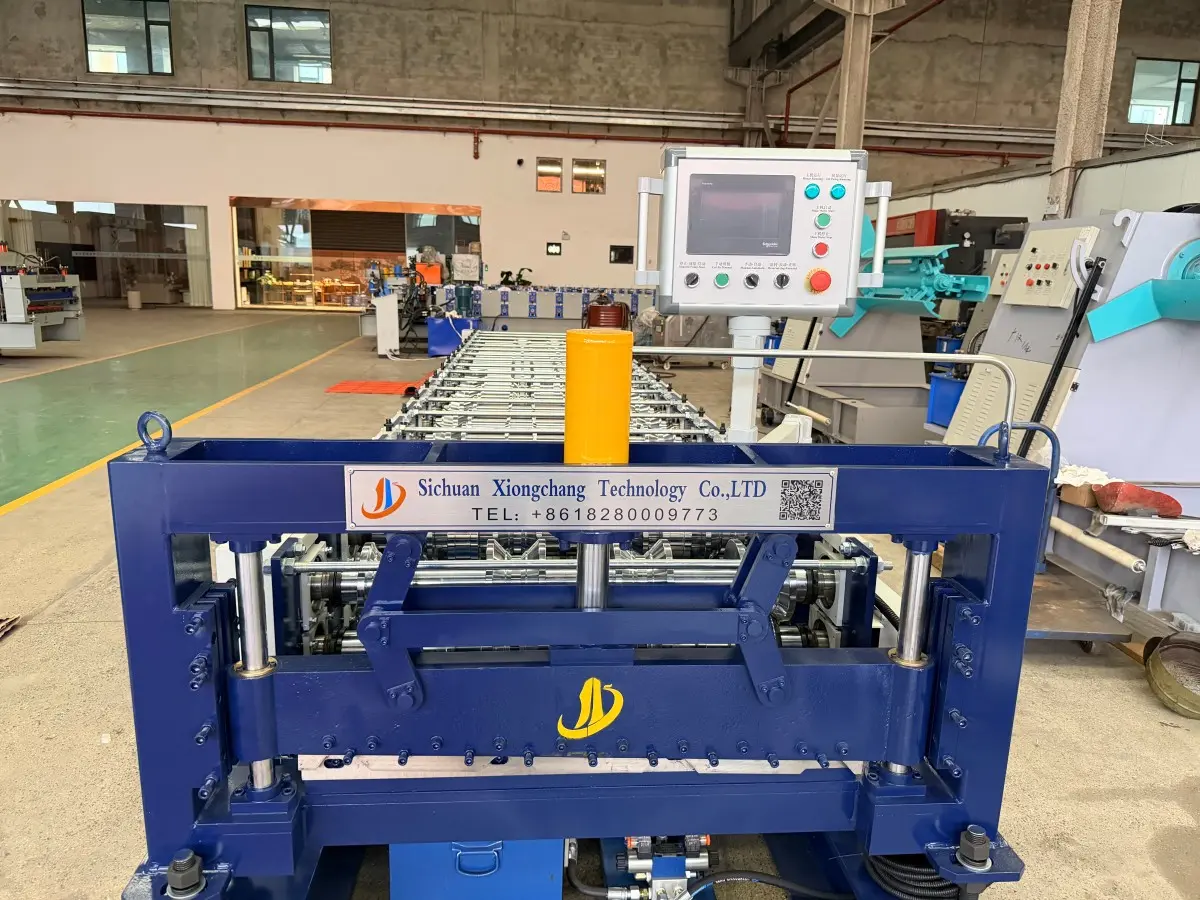
From design to installation, XC provides comprehensive lifecycle support. We recognize that purchasing machinery is a long-term investment, which is why we deliver more than just equipment.
We offer professional installation, commissioning, and operational training to ensure optimal setup and productivity. Our engineering team can deploy globally to integrate the lines into your facility floor plan.
Our dedicated after-sales support team delivers ongoing technical assistance and maintenance services, helping customers achieve sustained, peak operational performance and minimizing line errors.
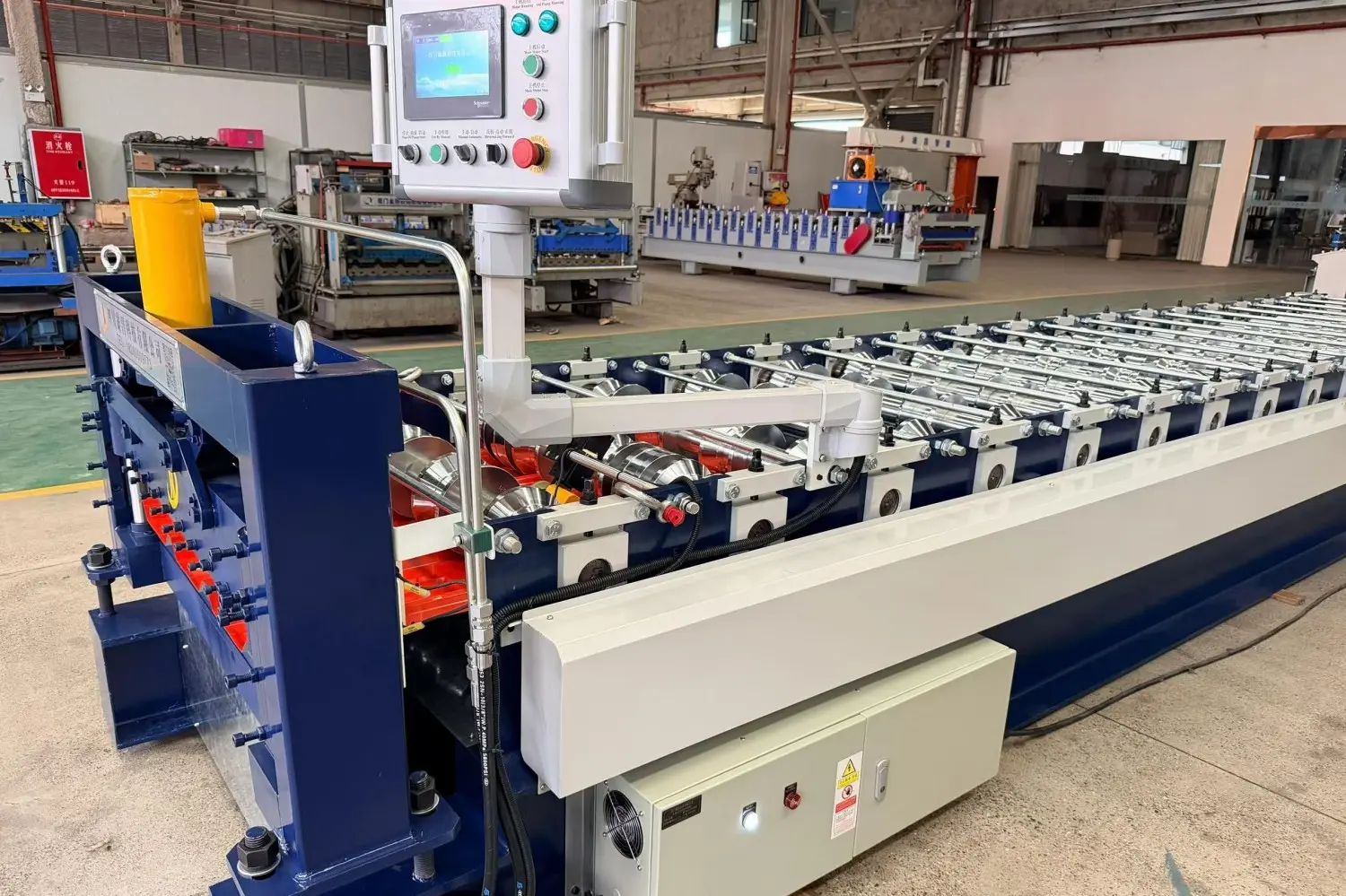
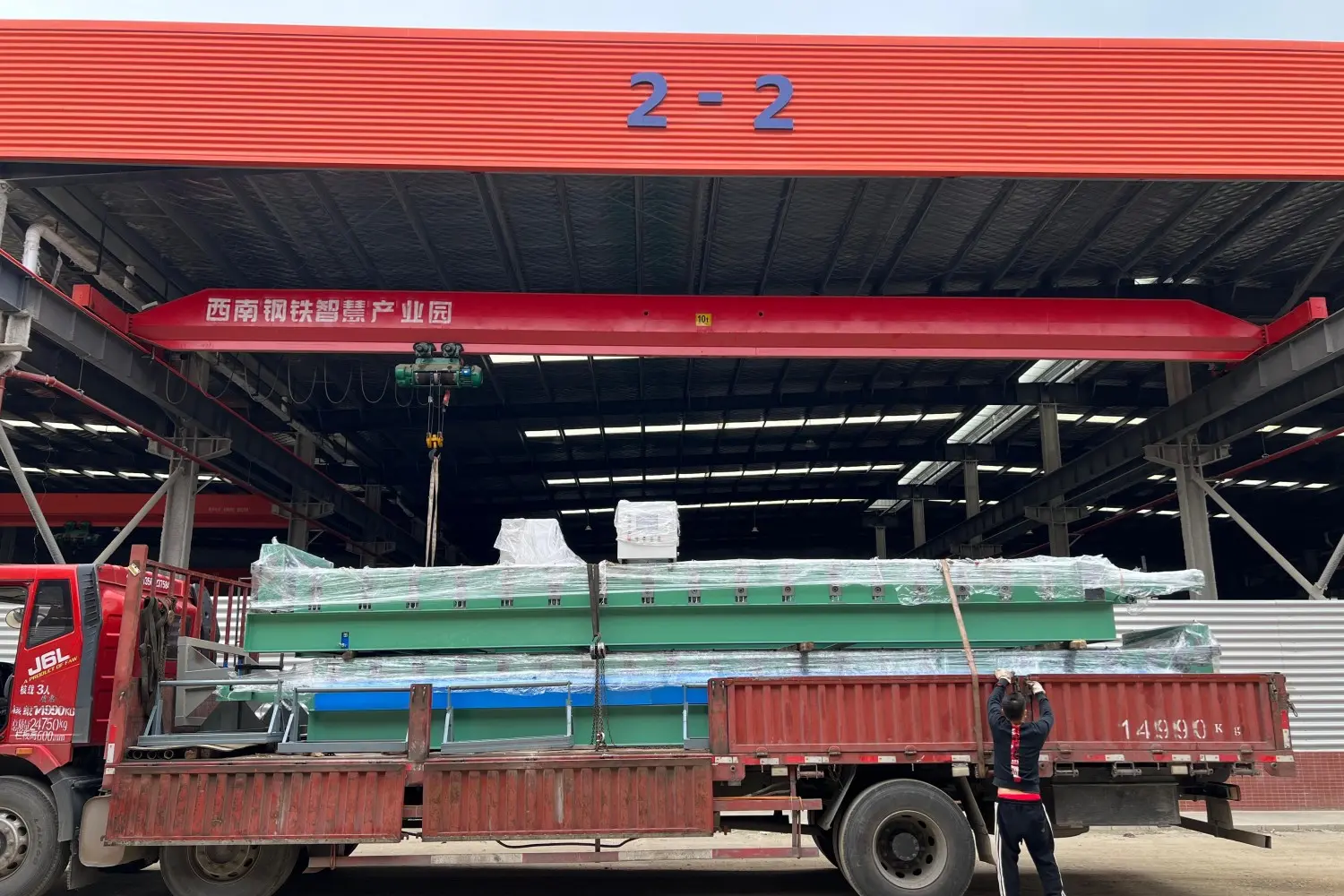
With years of industry expertise, we have established a strong reputation for quality and customer-centric service. Our professional team provides tailored, personalized support for both standard and customized technical needs.
This commitment has fostered a loyal client base across construction, manufacturing, and engineering sectors, with our machines contributing to projects ranging from residential complexes to large-scale commercial and infrastructure developments.
Our engineers regularly update machinery safety structures, complying with international standards such as CE, UL, and CSA to guarantee smooth customs clearance and safe factory operations worldwide.
Whether for standard structures or custom machinery, we supply the technology to optimize output quality and operational excellence.



How IoT, smart diagnostics, and high-tensile material engineering are shaping the next generation of cold roll forming.
Modern purlin production lines are adopting cloud communication systems. Machine parameters, temperature profiles of the main motors, hydraulic fluid viscosity, and roller wear patterns are tracked via integrated sensors. This data is transmitted to the manufacturer's diagnostic hub, allowing for predictive maintenance before an unexpected breakdown occurs.
Instead of manually keying in cut lists, advanced automatic size change purlin machines are linked directly to building design software (such as Tekla Structures or Vertex BD). The machine imports XML or CSV production files directly from structural designers, executing size changes and punch locations automatically to match building schedules.
Architects are calling for lighter structures with higher yield strengths. Traditional forming lines often experience significant spring-back issues when shaping high-tensile G550 steel. Future machines are engineered with advanced over-bending rollers and variable-speed controls to ensure structural shapes remain precise without fracturing the steel.
Expert answers to critical operational, mechanical, and logistical questions about modern C/Z changing roll formers.
With an advanced PLC control system, changing the web width and flange height takes between 45 seconds and 3 minutes. The rollers slide into position automatically along linear guides driven by servo motors, eliminating the need to manually move spacers or loosen shafts.
This is accomplished by using a semi-automated or fully automated 180-degree rotation module. In interchangeable CZ machines, the operators release locking pins (or activate hydraulic clamps via the HMI) and turn the specific forming roller sets 180 degrees to switch from C profile orientation to Z profile orientation, which typically takes under 10 minutes.
Yes. However, processing G550 steel requires heavier frame structures, high-torque gearboxes, and specialized roller curves to counteract spring-back. When requesting a quote, specify your maximum yield strength requirements so that our engineering team can calculate the optimal number of forming passes and design structural reinforcements.
A pre-cutting system punches and cuts the flat sheet metal before it goes through the forming rollers. This reduces tooling costs since one cutting die fits all shapes. However, it can cause edge flare on the ends of the purlin. A post-cutting system cuts the profile after it has been fully formed, producing a cleaner profile with less deformation, but it requires a cutting blade that matches the final formed shape.
Standard maintenance includes lubricating the linear guide rails and ball screws every shift, monitoring hydraulic fluid temperatures, cleaning metal shavings off the rollers, and checking chain tension. Periodically verify the accuracy of the PLC calibration to ensure that dimensional tolerances remain tight.
Explore additional high-performance machinery options for architectural profiles, wall assemblies, and floor systems
 Xiongchang