Explore our industrial roll forming machinery designed for durability, ultra-fine tolerance control, and fast production cycles.
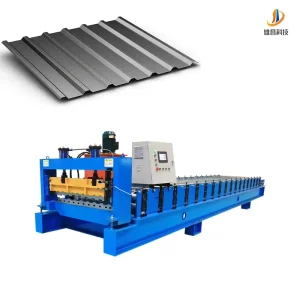
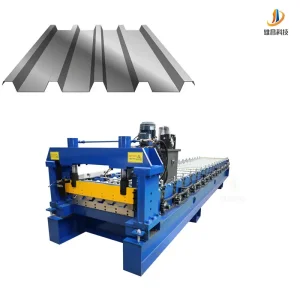
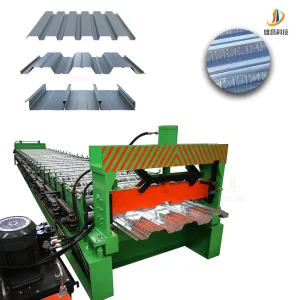
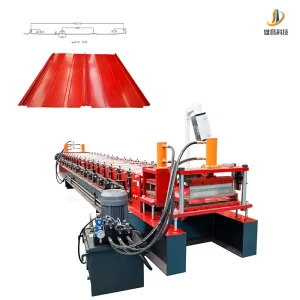
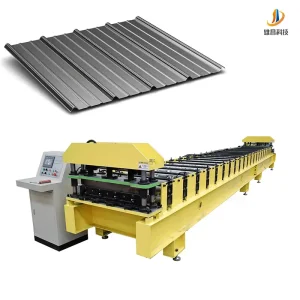
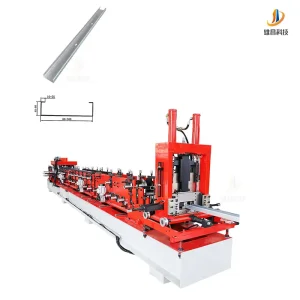
For more than two decades, XC (XiongChang) has stood as a pioneering force in the design, optimization, and manufacturing of cold roll forming equipment. We do not just build machinery; we configure complete industrial systems that translate steel coils into highly precise structural components, roofing envelopes, floor decking systems, and light-gauge structural skeletons.
Our operational framework integrates raw engineering expertise with modern CAD/CAM modeling to customize machines to localized structural norms. Under strict compliance structures, our roll forming machines feature hardened high-alloy rollers, automated servo-cutting systems, and industrial-grade control hubs designed to operate round-the-clock under extreme industrial environments.
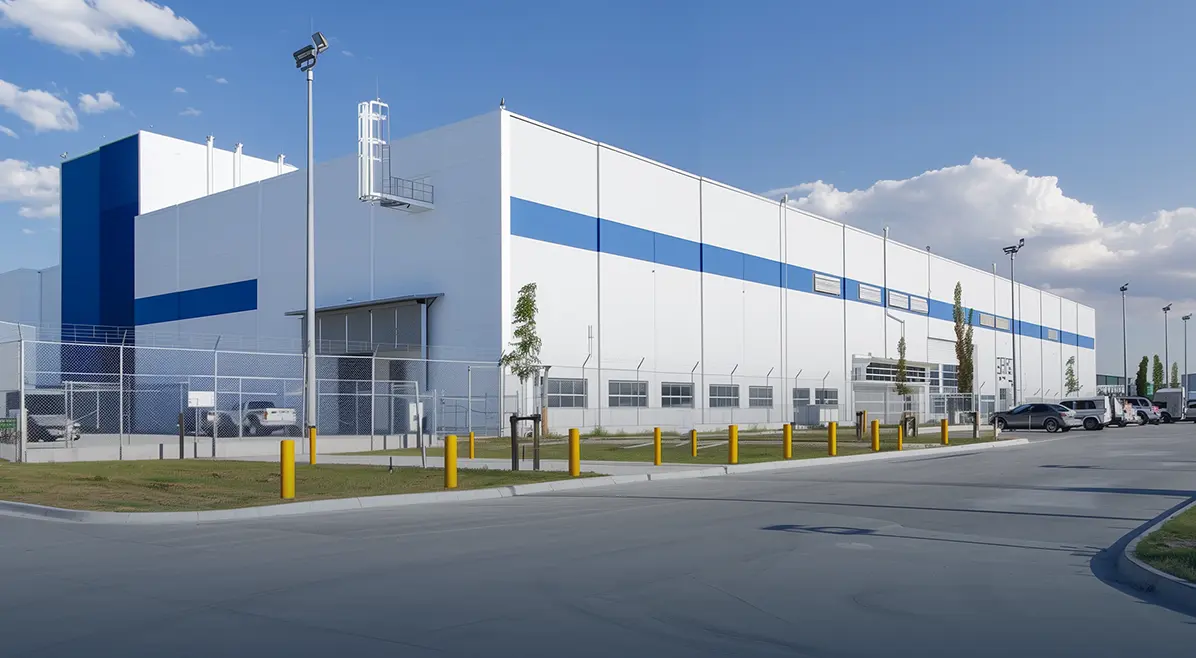
Analyzing the engineering layout, material requirements, and performance characteristics of agricultural and residential steel panel systems.
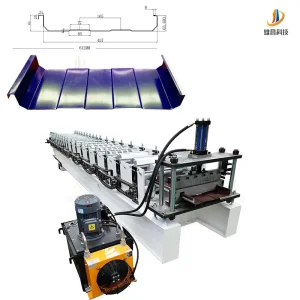
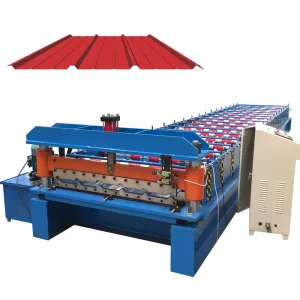
The **AG Panel** (historically called the agricultural panel, and frequently referred to as the **Tuff Rib** profile) is the backbone of post-frame residential, commercial, and agricultural cladding. Characterized by 3/4-inch tall major ribs spaced precisely 9 inches on center, this profile offers an exceptional ratio of coverage to structural strength, spanning a net coverage width of 36 inches.
Our custom roll formers are engineered to handle the severe deformation process required to shape the minor ribs (anti-siphoning grooves and secondary stiffness creases) without cracking the zinc coating or paint layers on pre-painted galvanized steel (PPGI) or galvalume (Aluzinc) substrates. The continuous deformation process utilizes graded transition passes to gradually shape the profile, minimizing internal stress buildup and panel flare at cut-off points.
Modern commercial buildings demand panels that can withstand significant wind uplift pressures. Because of this, the design of our roll forming station tooling is crucial. We verify that each bend radius is mathematically calculated to match the specific gauge range of the incoming coil, preventing profile distortion or cracking.
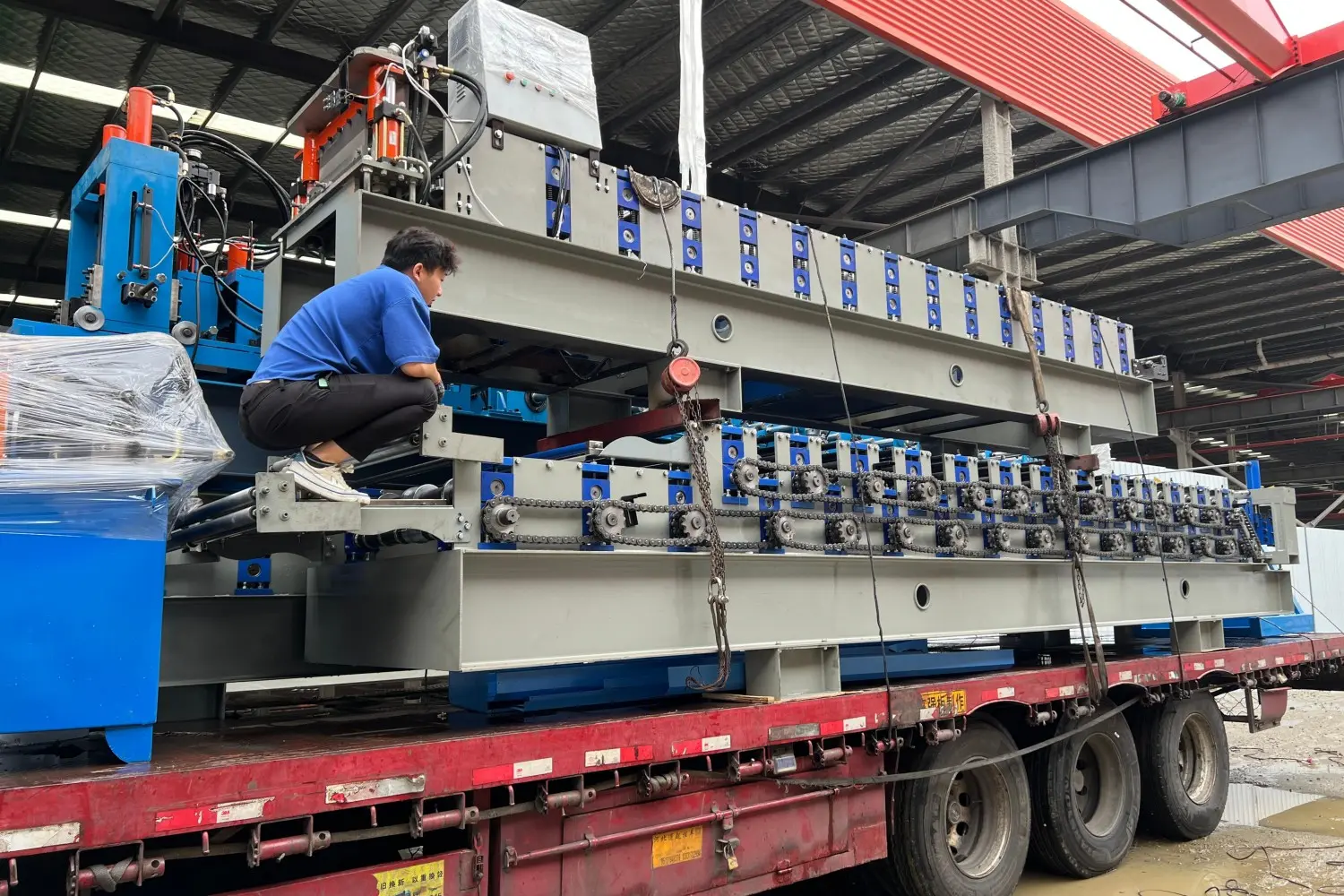
Combining structural engineering density, scale economy, and advanced components to deliver high-performance roll formers.
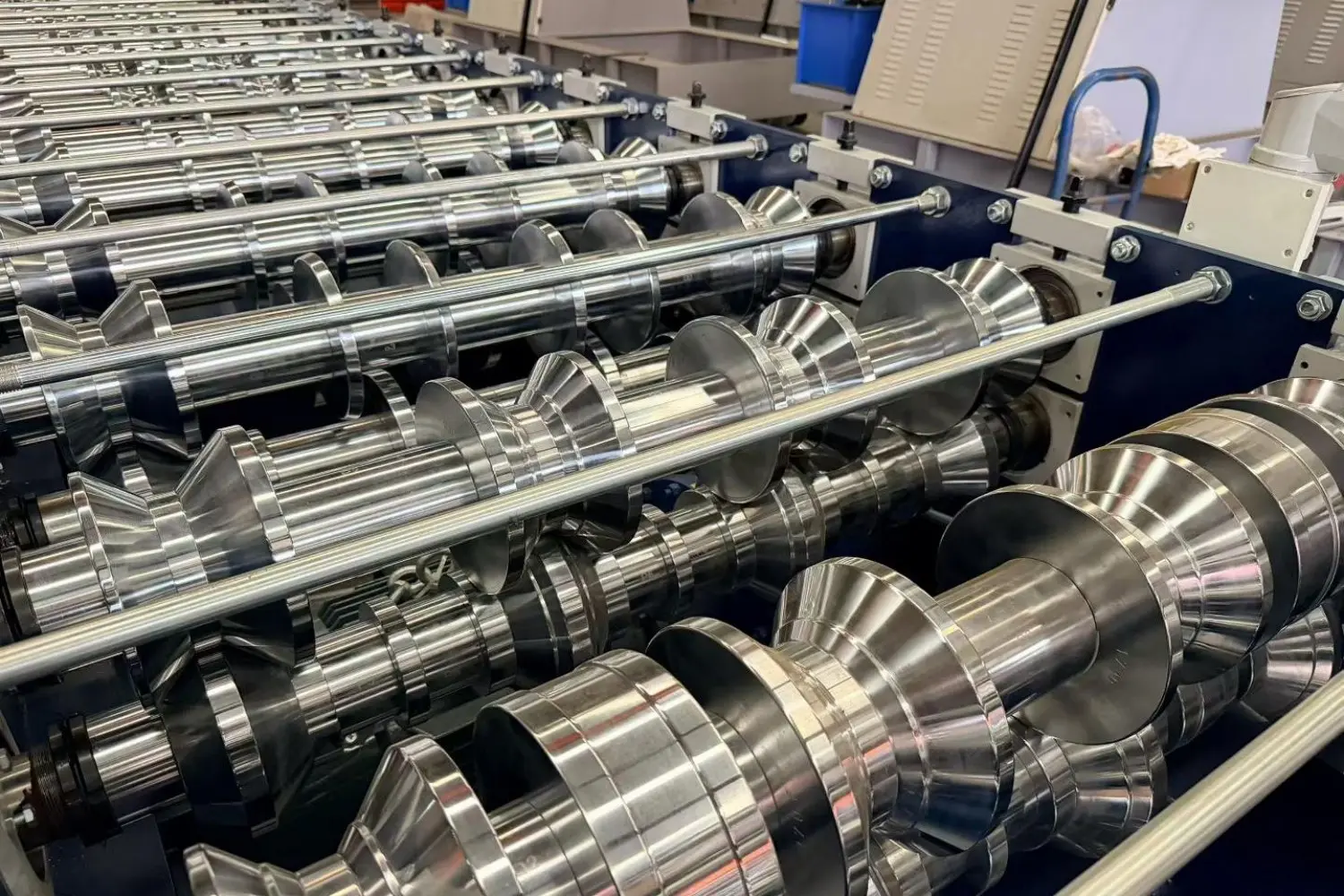
We use premium Cr12MoV (D2 grade equivalent) or No. 45 high-grade forged steel for our rollers, processed via CNC heat treatment, rough turning, fine vacuum hardening, and hard-chrome coating to ensure high surface hardness and extended wear resistance.
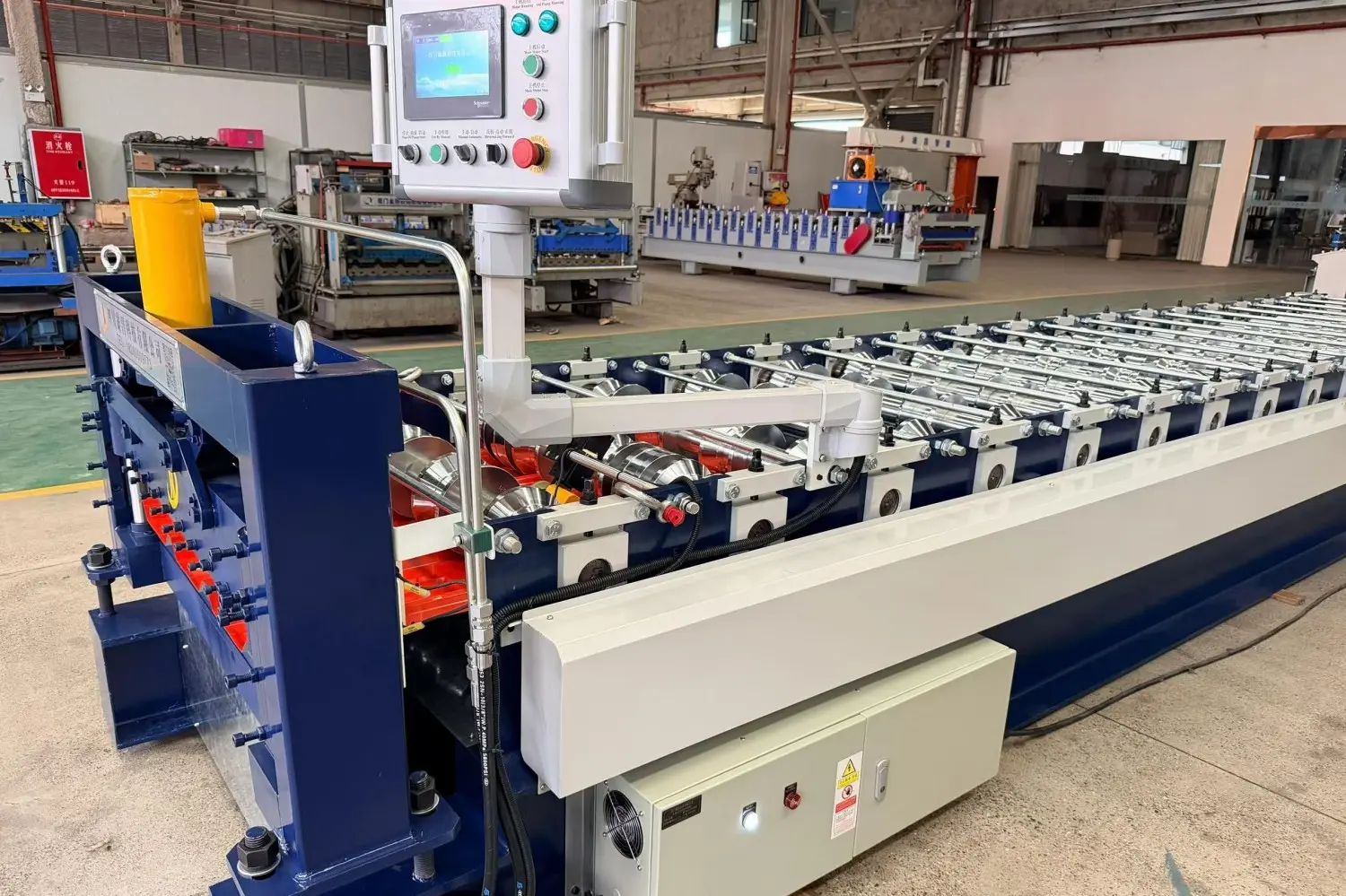
Our machines integrate PLC control modules from brands like Siemens, Mitsubishi, or Delta, coupled with high-speed encoders, ensuring cutting tolerances within +/-1.0mm at high line speeds.
The bases are fabricated using H-beam steel with structural cross-bracing and undergo thermal stress relief processes, preventing chassis distortion even after decades of continuous high-load service.
From hydraulic decoilers with coil loading cars to automatic stackers, wrapping systems, and inline punch units, we deliver ready-to-operate factories from a single source, saving costs and integration time.
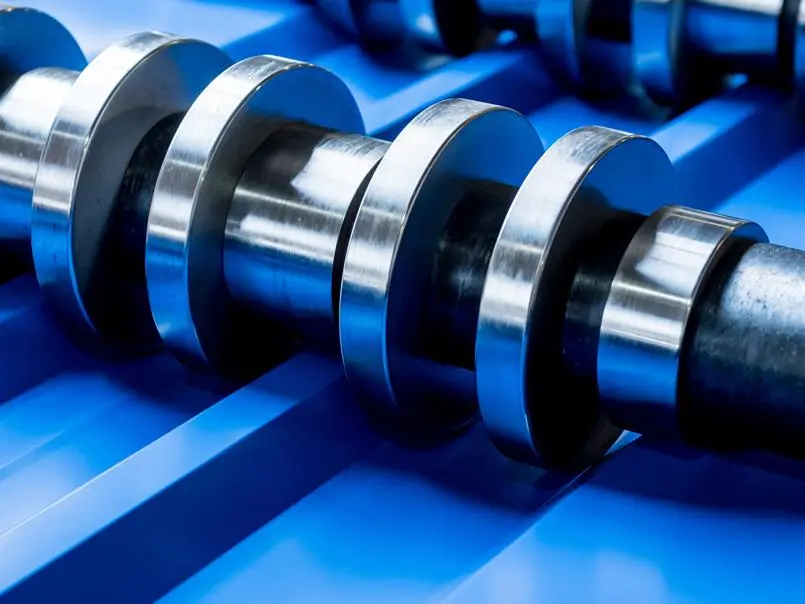
The manufacturing process of an AG Panel (or Tuff Rib) requires precise sequence coordination. In building envelope structures, minor defects in panel profile height can lead to leakages at structural joints, or improper overlap alignment during field installation.
Our cold roll forming lines are configured with premium tooling layouts, taking the sheet through sequential bending phases. Standard configurations include:
Demands for quality, component standards, and safety certification vary widely by region. We specialize in engineering machines that meet localized global criteria.
For operations in the USA and Canada, we configure UL/CSA certified control cabinets, NEMA-rated motors, safety guard screens, interlock switches, and integration of Allen-Bradley control systems. Tooling calculations conform to ASTM A653 / A792 structural steel gauges (26 to 29 gauge standard).
Our CE-marked roll formers are integrated with safety light curtains, emergency stop arrays, and meet Machinery Directive 2006/42/EC. We utilize standardized metric components, Siemens motors, and hydraulic components designed for simple regional sourcing and replacement.
Designed for large manufacturing companies, these custom configurations include multi-gauge tooling adjustments, rapid cassette changeover systems, online quality checking interfaces, and double-side decoilers with quick pneumatic mandrel adjustments.
XC roll formers are used across various sectors worldwide. We provide solutions that increase production capacity and meet quality requirements.
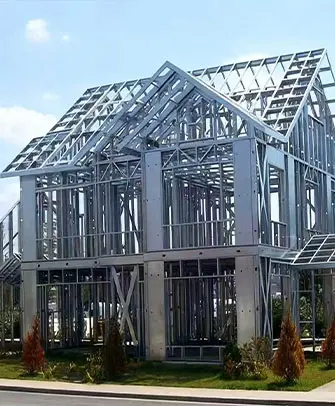
High-strength wall cladding, decorative panels, and residential roofing systems requiring precise aesthetic and dimensional tolerances.
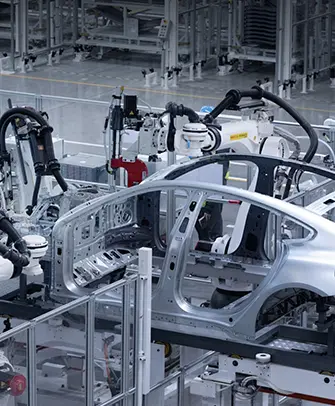
Roll formed structural profiles, bumper supports, and internal reinforcement sections constructed from high-tensile alloys.
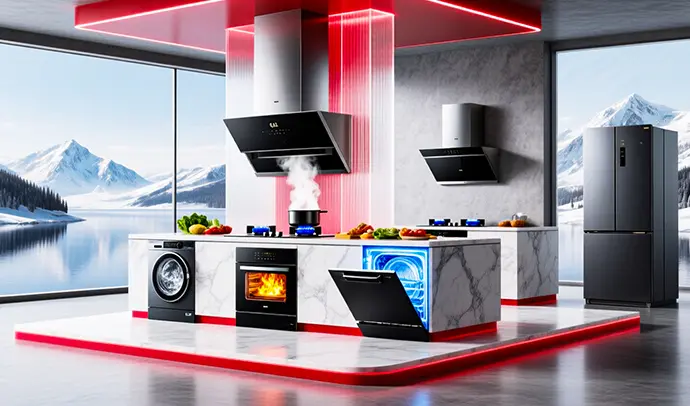
Fine gauge roll forming lines for structural panels and casing profiles in residential and commercial appliances.

Heavy-duty sheet forming for logistics trailers, containers, and structural framework sections used in transport hubs.
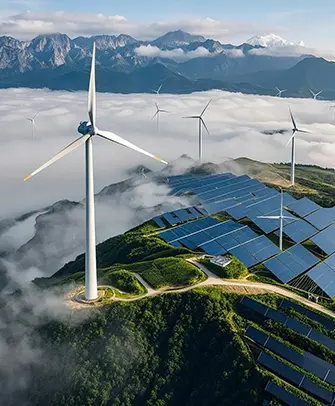
Roll-formed galvanized structures, solar mounting rails, brackets, and solar support frames built to withstand environmental loads.
Optimized structural AG panels for livestock barns, processing plants, crop storage warehouses, and utility sheds.
The industrial landscape is moving from manual machine operation to automated, cloud-monitored fabrication hubs. As a progressive ODM roll forming machinery factory, we integrate the following features:
Real-time diagnostics tracking of motor load, rolling speeds, sheet counting, and hydraulic oil temperature, allowing for preventative maintenance.
Allows operators to switch profile sets (e.g., from AG Panel to U-Panel or C-Purlin) in under 30 minutes, minimizing line downtime.
Ensures precision profiles during high acceleration and deceleration cycles, reducing material scrap rates during startup and shutdown phases.
We believe our commitment to clients begins after the machine arrives on site. Operating a cold roll forming mill requires setup calibration, staff training, and regular maintenance.
Our global technical service framework provides comprehensive support, including:
Clear, direct, and technically focused answers to the questions global buyers frequently ask when planning, configuring, and maintaining heavy machinery.
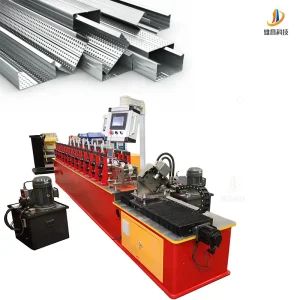
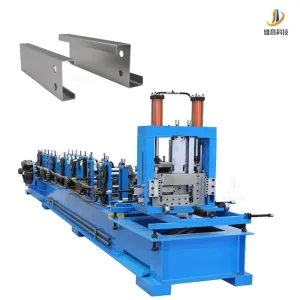
A comprehensive overview of our specialized architectural framing and heavy deck profiles, engineered for high accuracy and performance.
 Xiongchang