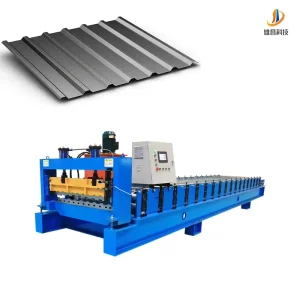
Explore our top-performing custom metal profiling systems engineered for global infrastructure requirements.
As an established expert in the field, XC (Xiongchang) provides integrated roll forming solutions. Our portfolio encompasses core production machines for roofing, flooring, doors, and structural components, as well as the complete auxiliary line equipment essential for efficient operation.
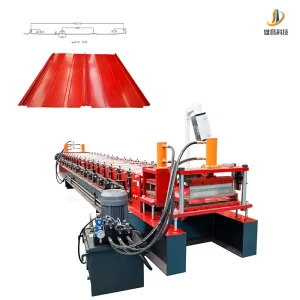
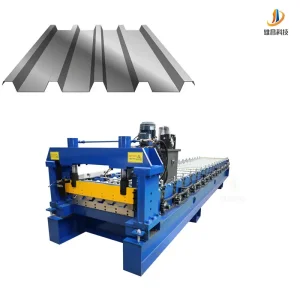
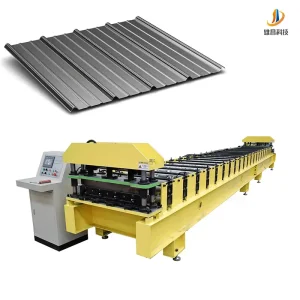
We engineer solutions that transition raw metal coils into high-tolerance, structurally sound trapezoidal roof profiles. Our industrial capabilities are designed to perform under high demand, meeting the rigorous standards of engineering firms and building material manufacturers worldwide.
View More Details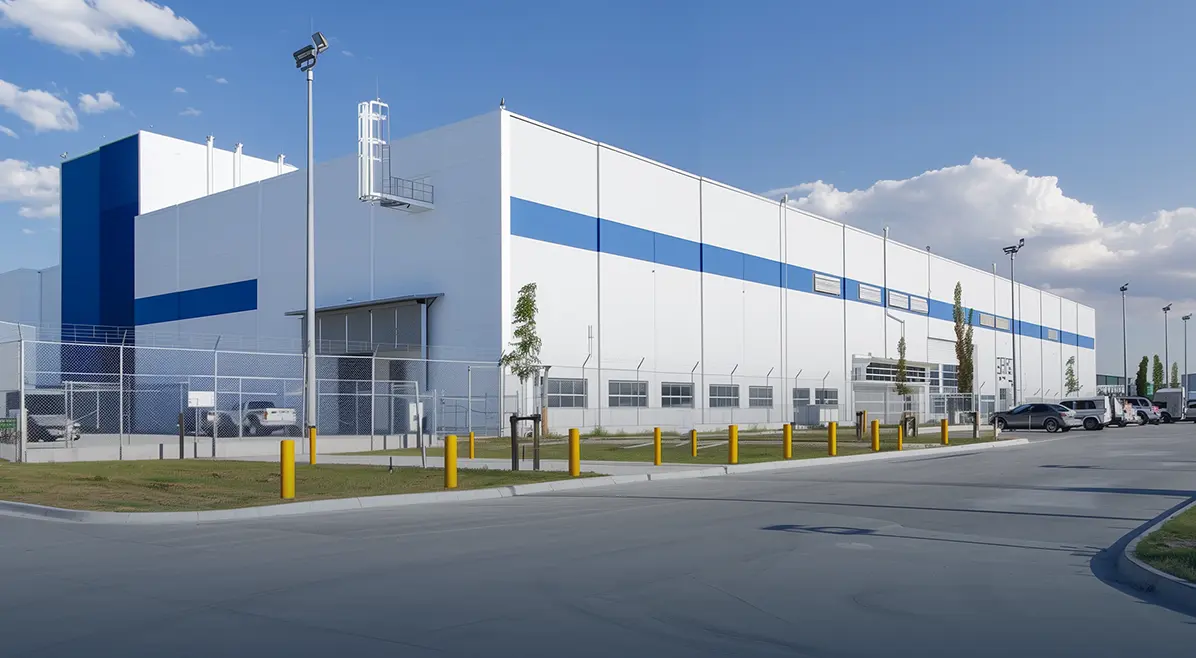
Understanding the transition from mechanical systems to smart, high-yield digital manufacturing platforms.
The global building envelope market is experiencing a significant shift toward high-performance, energy-efficient roofing materials. Among these, the Trapezoidal Roofing Sheet—often referred to as IBR (Inverted Box Rib) or square fluted profiling—has emerged as the structural standard for industrial warehouses, commercial facilities, and residential projects.
Historically, sheet metal forming relied on standard mechanical press brakes or low-speed roll formers. However, modern infrastructure demands require rapid manufacturing cycles, precise structural tolerances, and minimized material waste. Today's roll forming industry is shaped by three key development trends:
| Parameter | Legacy Systems | XC Smart Lines |
|---|---|---|
| Max Line Speed | 10-15 m/min | 30-40 m/min |
| Yield Strength Capacity | G250 - G300 MPa | Up to G550 MPa |
| Width Adjustments | Manual Spacers (4-8 hrs) | Auto CNC Cassette (<30 mins) |
| Cutting Mechanism | Stop-and-Cut Hydraulic | Servo Flying Shear |
Built upon years of deep domain research, advanced automation, and premium manufacturing standards.
Our specialized team of technical personnel and engineers are committed to delivering superior products and custom-designed roll forming structures that resolve practical manufacturing issues on the factory floor.
Our substantial investment in state-of-the-art, automated production lines ensures manufacturing precision, linear consistency, and roller surface treatment quality, forming the foundation of our product excellence.
For over two decades, XC (XiongChang) has been a trusted leader in the design and manufacture of cold roll forming equipment, combining deep industry expertise with a steadfast commitment to long-term client success.
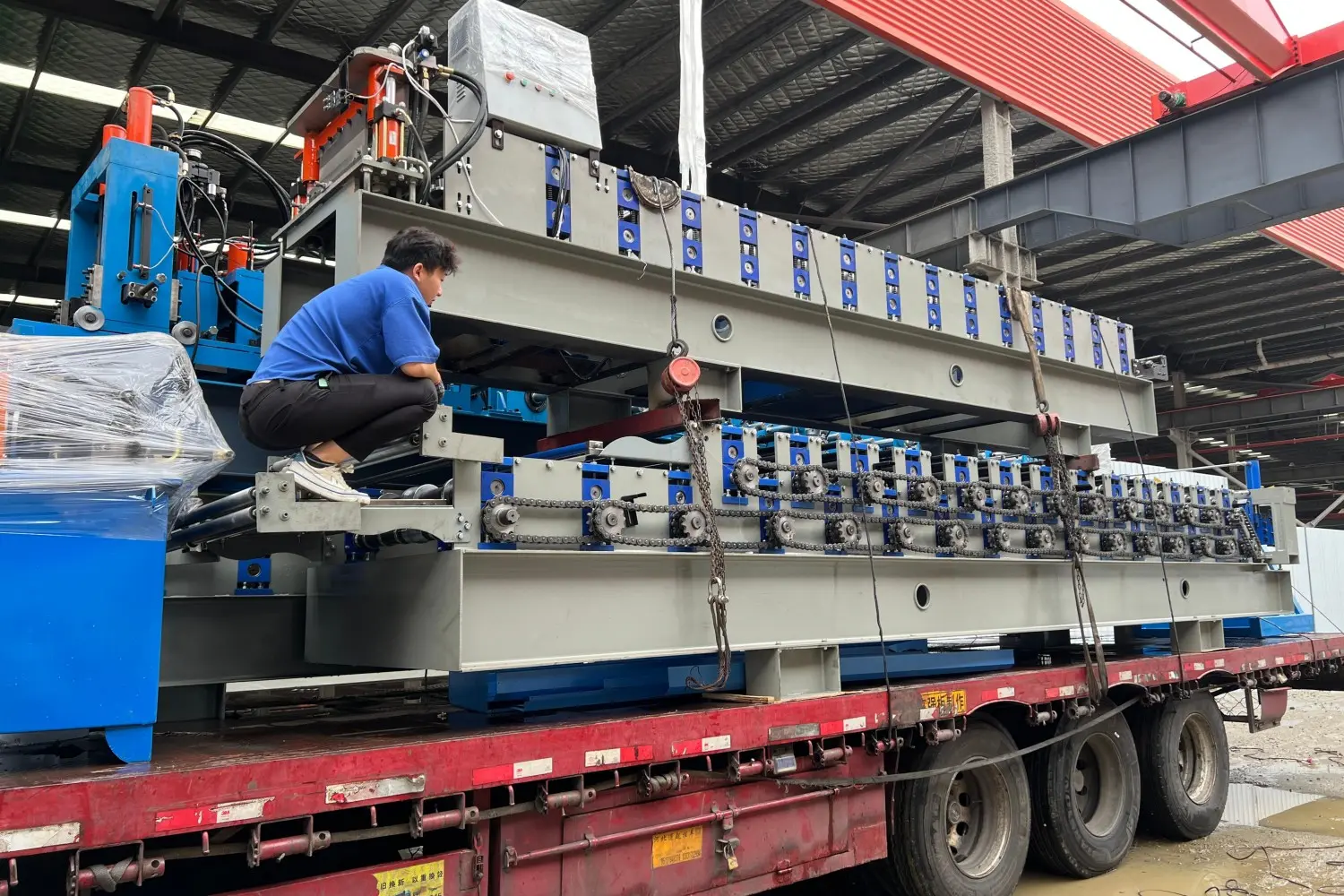
With our dedication to a robust technical force and advanced industrial equipment, XC provides integrated and automated systems across our production lines. Our production processes are designed to handle demanding sheet metal forming tasks without compromises in structural integrity.
To achieve high precision, we deploy heavy-duty CNC machining centers that turn the solid roller shafts and mill the forming roller profiles from premium tool steel blocks (typically Cr12 or Cr12MoV). The rollers undergo vacuum heat treatment (HRC 58-62) and are finished with a hard-chrome plating to minimize wear and prevent panel scratching during processing.
Every machine is configured with dual-stage leveling units, integrated coil guide adjustments, and custom-engineered side plates to reduce residual stresses in the sheet metal, delivering flat panels even with variable coil tension.
We offer an extensive range of precision cold roll forming systems to meet varied customer applications.
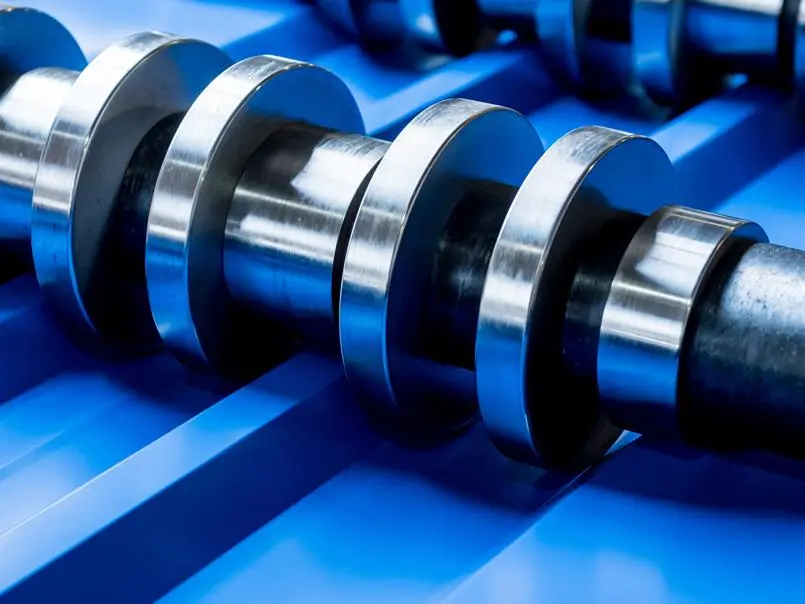
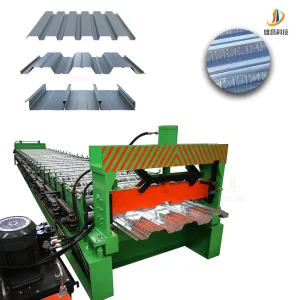
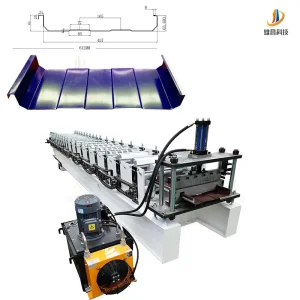
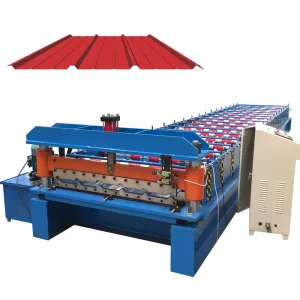
Roof Panel, Wall Panel, and Floor Deck Roll Forming Machines designed for rapid weather-tight commercial building systems.
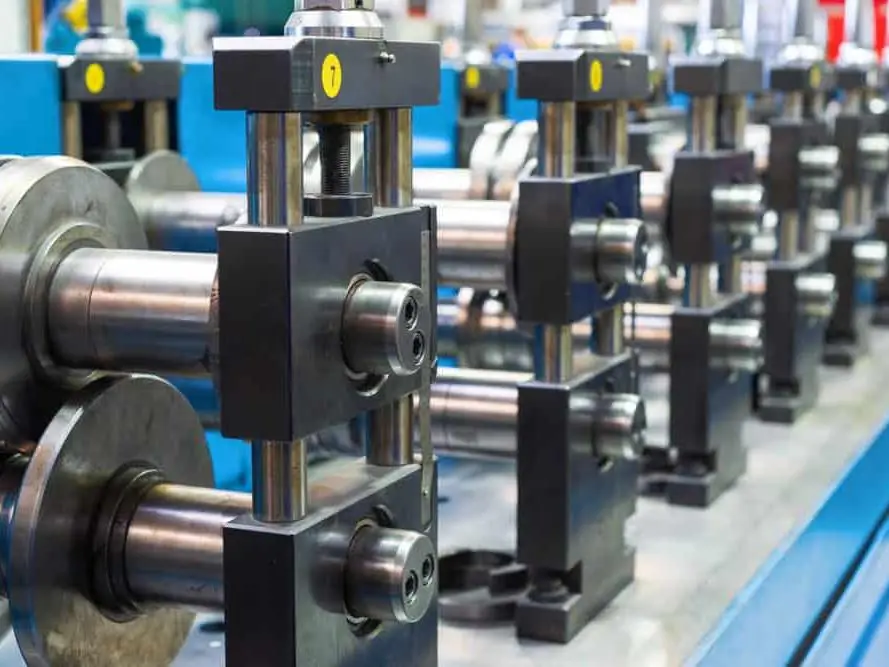
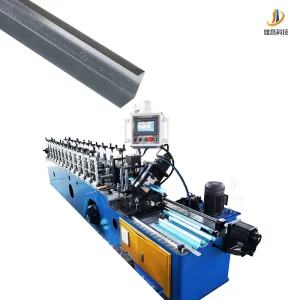
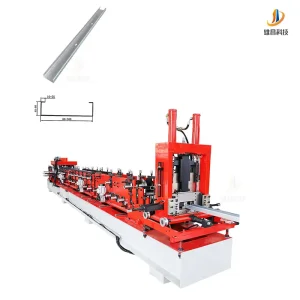
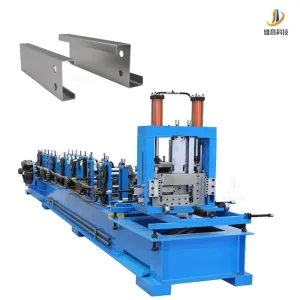
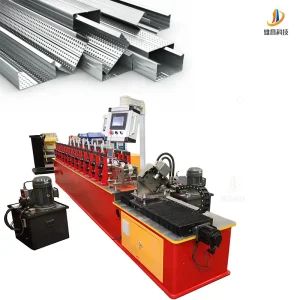
C/Z Purlin Roll Forming Machines, and Stud & Track Roll Forming Machines engineered to support high-load modern architectural structures.
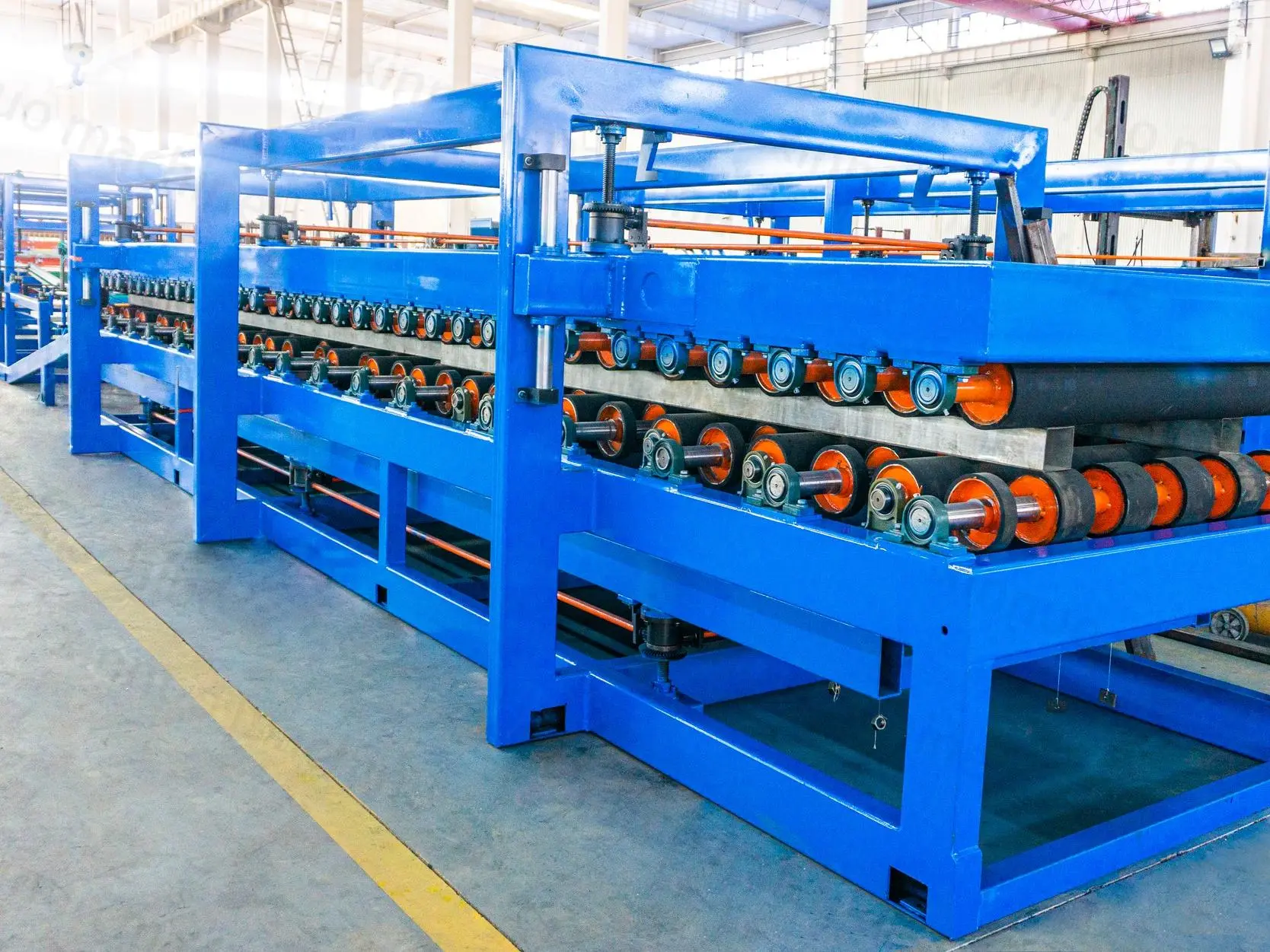
Gutter Roll Forming Machines and Door Frame Roll Forming Machines. All equipment is built for durable, reliable, and high-performance output.
Deciphering the critical performance parameters required by international industrial procurement teams.
When purchasing a custom trapezoidal roofing roll forming machine, global procurement officers and factory managers evaluate machines beyond simple price comparisons. In modern steel processing operations, the primary purchasing drivers center on:
Ensure your manufacturing supplier fulfills these industrial requirements:
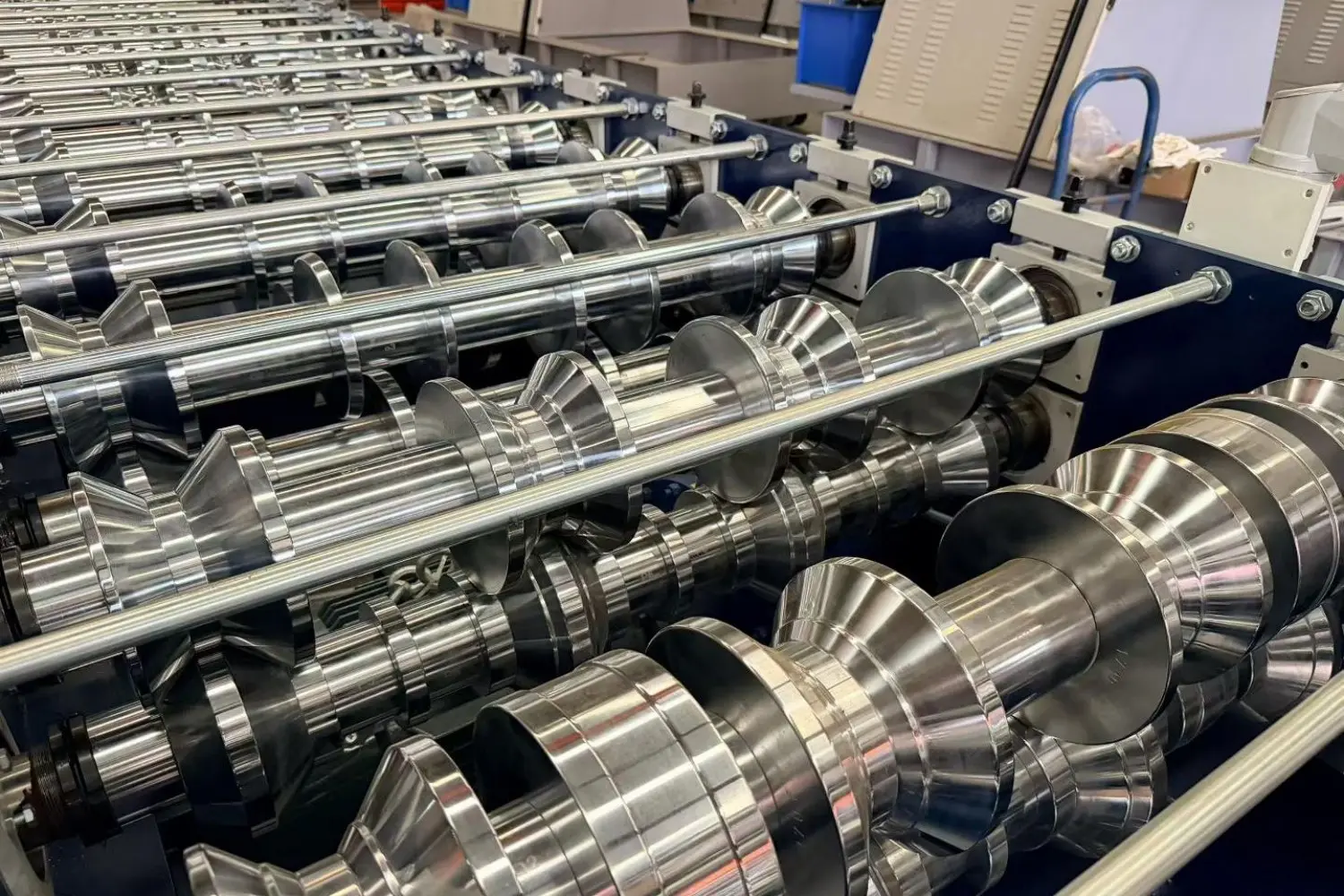
XC maintains a complete suite of detection and testing instruments to rigorously verify product strength, durability, and reliability. From initial steel chemistry analysis to high-precision coordinate measuring machines (CMM) for roller geometry, we trace every component through manufacturing.
We adhere to strict, standardized quality control protocols throughout the production cycle, ensuring all output consistently meets specified client designs. Prior to dispatch, every machine undergoes a full test run using customer-provided coils to ensure the resulting trapezoidal profile meets tolerances.
From initial design to field installation, XC provides comprehensive lifecycle support for your machinery. We offer professional setup, on-site commissioning, and detailed operator training to ensure safe operations and maximum productivity.
Our dedicated after-sales support team delivers ongoing technical assistance, troubleshooting, and spare parts supply, helping customers achieve sustained, peak operational performance. Remote diagnostic capabilities are integrated into our electrical panels, allowing our engineering team to troubleshoot PLC issues globally.
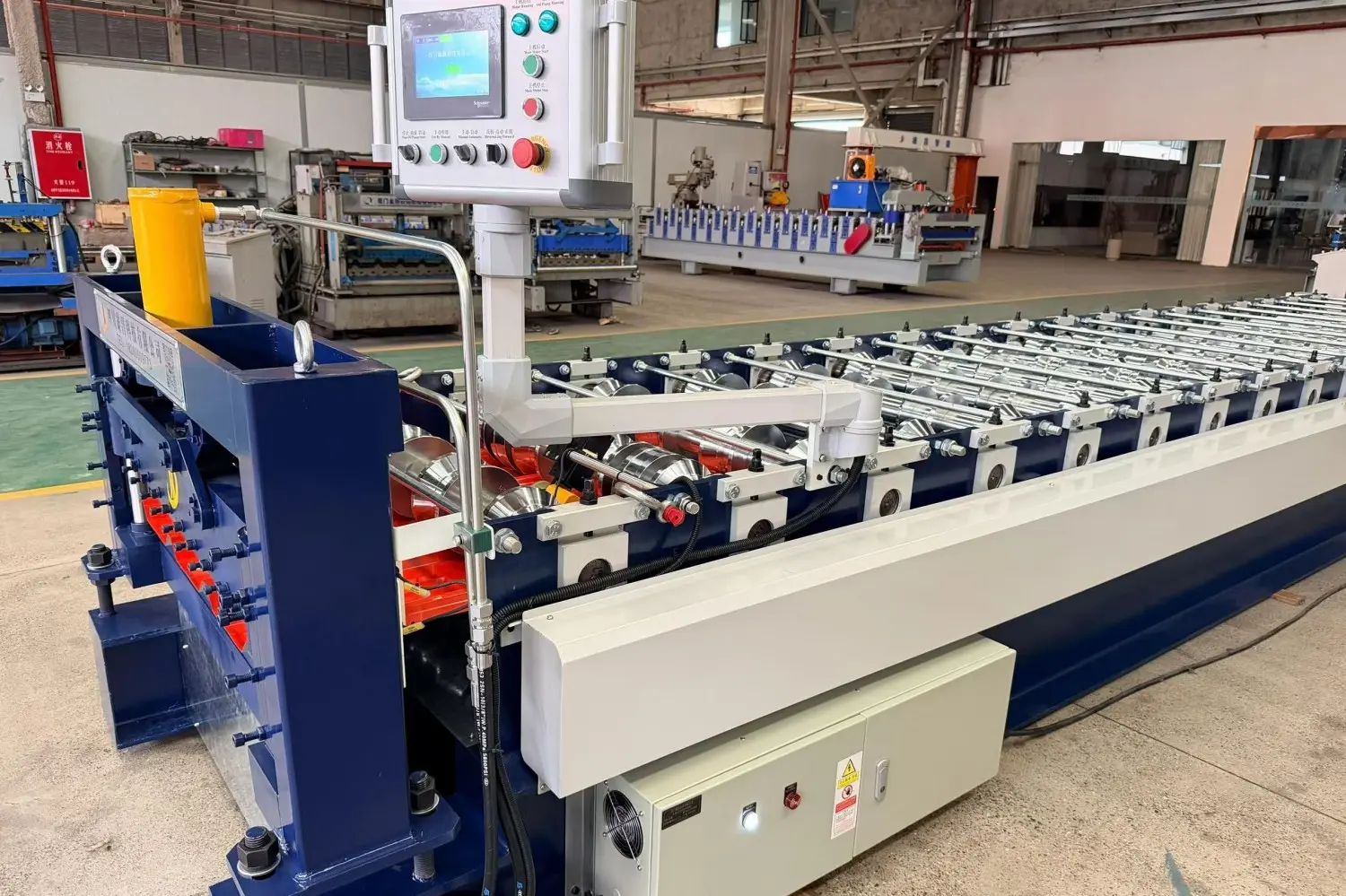
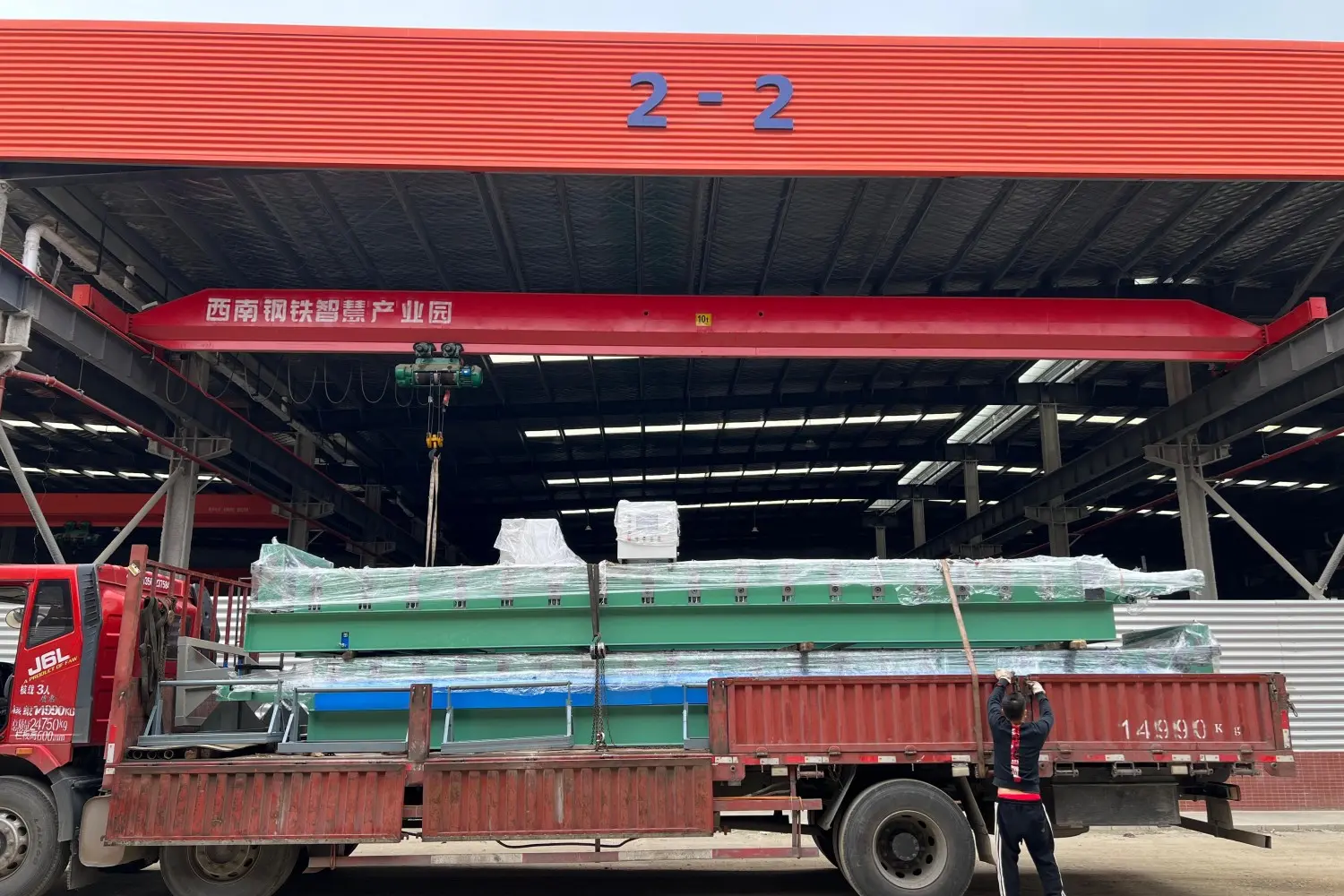
With years of industry expertise, we have established a reputation for build quality and customer-centric service. Our professional team provides tailored support for both standard layouts and custom technical needs.
This commitment has fostered a loyal client base across construction, manufacturing, and engineering sectors, with our machines contributing to projects ranging from residential complexes to large-scale commercial and infrastructure developments.
With over 20 years of focus on cold roll forming, we deliver reliable, high-yield engineering solutions.
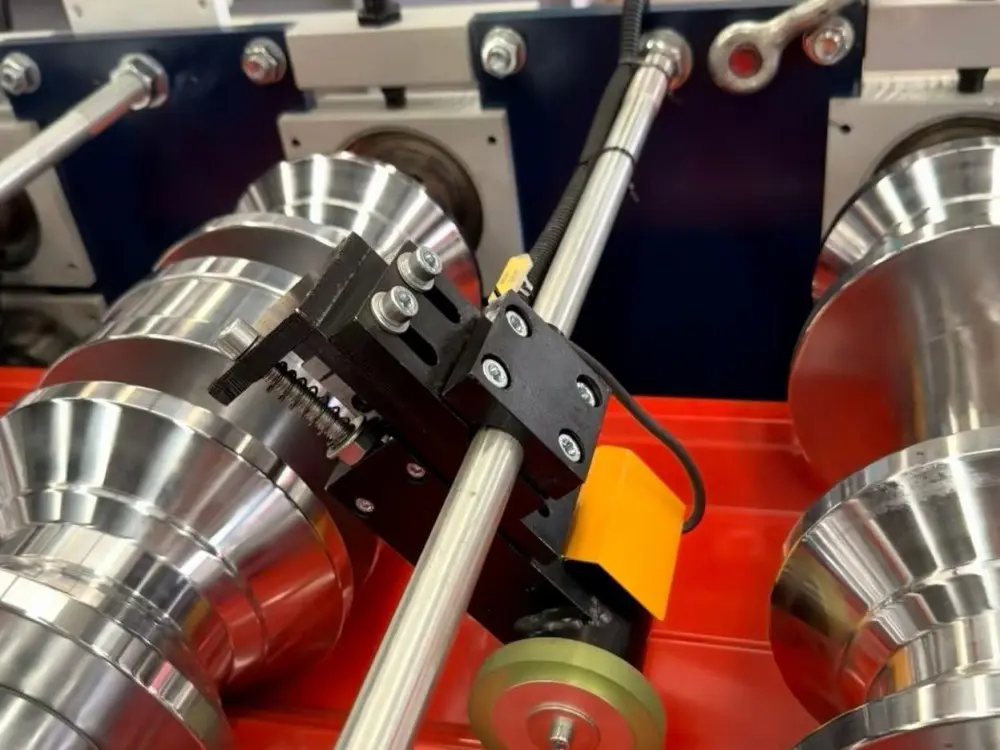
Our engineering department uses CAD/CAM modeling and COPRA FEA roll design software to ensure even forming passes and stress distribution in every profile rib.
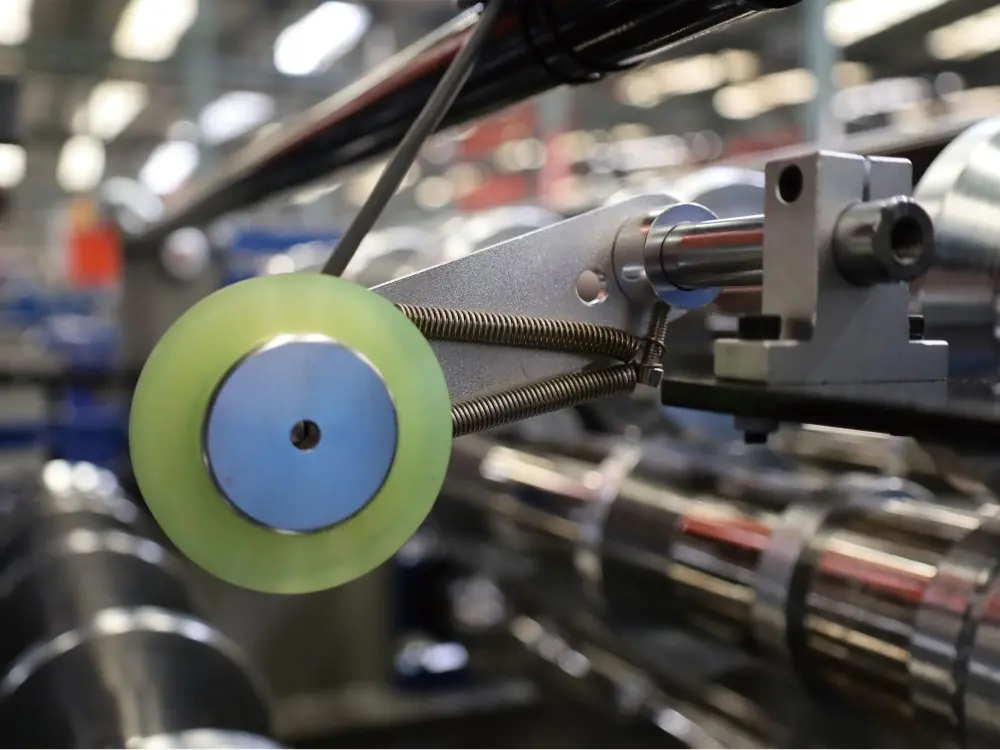
Heavy-duty cast-iron archways or thick steel wall plate structures provide rigidity under continuous loads, preventing machine frame deformation.
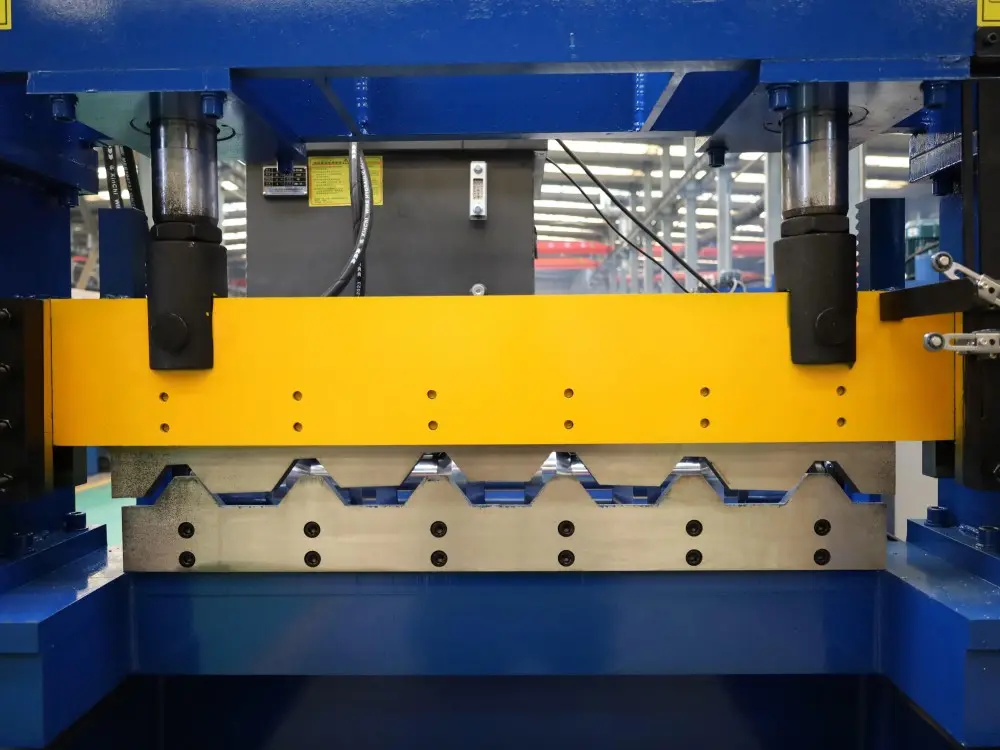
We provide life-cycle value, offering rapid spare parts shipment, step-by-step video setup guides, and dedicated engineers for global commissioning.
How our roll forming equipment integrates into diverse manufacturing and construction ecosystems.
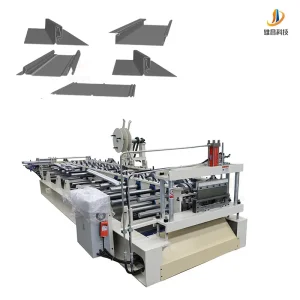
We manufacture automated structural panel systems designed to produce structural roof claddings, secondary purlin framings, and architectural composite wall panels.
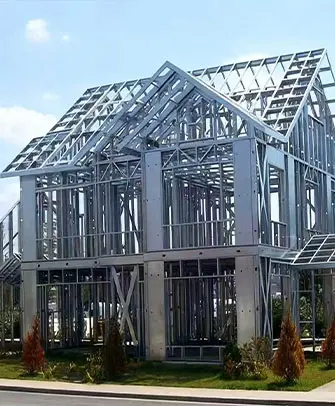
For large logistics warehouses, agricultural storage, and commercial complexes, our systems provide continuous, high-volume production for cladding panels.
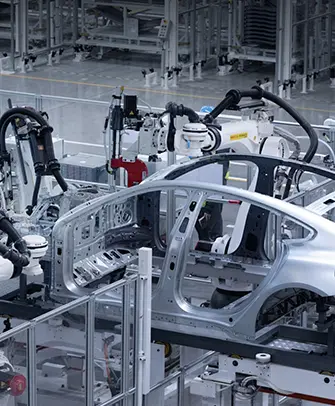
We supply specialized profiling systems to construct support components for photovoltaic racking systems, solar frames, and transport vehicle profiles.

The technological advancements that will shape the next generation of industrial roll forming machinery.
The next generation of roll forming equipment incorporates closed-loop feedback systems using high-precision laser profile scanners. Located right before the shearing unit, these sensors read the finished cross-sectional dimensions of the trapezoidal roofing sheet in real-time.
If any deviation from the CAD design is detected (e.g., due to thickness variations in the steel coil), the control computer automatically adjusts the motorized roller stand spacing. This eliminates manual configuration errors and significantly reduces test-run waste.
Hydraulic pump systems are moving toward servo-hydraulic controls. By matching hydraulic pressure and flow to the exact requirements of the cutting cycle, these systems reduce electrical consumption by up to 40% compared to traditional constant-speed motor designs.
Furthermore, regenerative drive systems are being integrated into the main decoiler and roll former motors, capturing braking energy during line stops and returning it to the local grid, supporting sustainable manufacturing efforts.
Answering the most common technical questions from structural engineers and plant procurement teams.
Our machines are engineered to process a wide range of metal substrates, including PPGI (Pre-painted Galvanized Steel), PPGL (Pre-painted Galvalume), GI, and Aluminum. We design tooling profiles to accommodate material thicknesses ranging from 0.3mm to 0.8mm (and up to 1.2mm for heavy-duty profiles), with yield strengths ranging from standard G250 to high-tensile G550 MPa.
We use precision-engineered roll forming passes calculated using finite element analysis (FEA) to ensure gradual, controlled bending. The forming rollers are precision CNC-machined from tool steel, hardened via vacuum heat treatment, and finished with a hard chrome plating (typically >0.05mm thick). This polished, low-friction surface prevents micro-tearing of the zinc-aluminum paint coating.
A standard stop-and-cut system requires the main forming drive motor to decelerate and stop for every cut, which limits line speed to 10-15 meters per minute and subjects the mechanical transmission to cyclic wear. A servo-driven flying shear system tracking the strip speed allows the machine to run continuously at speeds up to 35-40 meters per minute, increasing daily throughput while maintaining length tolerances within ±1.0mm.
For standard single-profile machines, changing shapes requires swapping the roller tooling. To reduce down-time, we offer Quick-Change Cassette systems. By lifting out the entire rolling assembly cassette with an overhead crane and dropping in a pre-configured cassette, operators can switch profiles in under 30-45 minutes.
We provide remote diagnostic support via built-in PLC internet connection gateways, allowing our engineers to adjust parameters and program logic remotely. For physical setup, we dispatch experienced engineers for on-site positioning, leveling, wiring, tooling adjustments, and hands-on training. Additionally, we provide comprehensive training manuals and video guides for standard maintenance procedures.
Discover structural panel machines and specialized roll forming systems to expand your production capabilities.
 Xiongchang