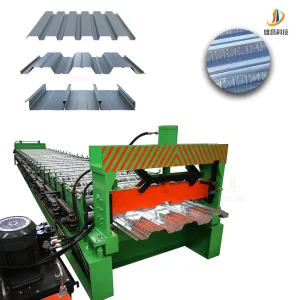
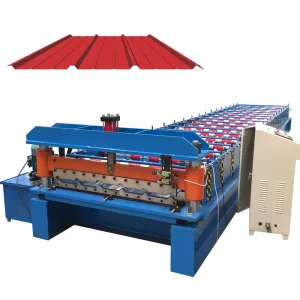
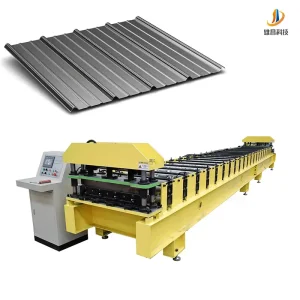
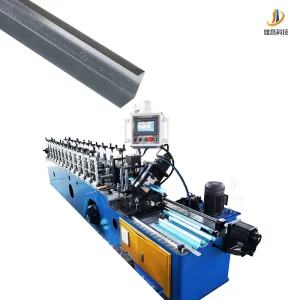
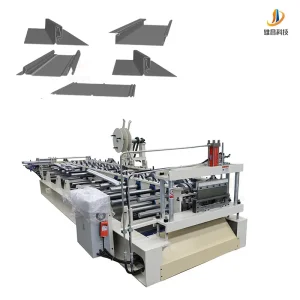
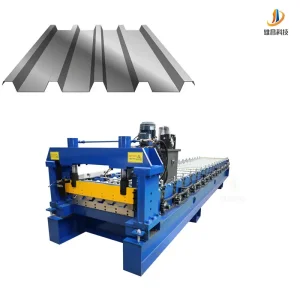
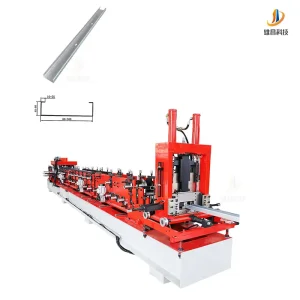
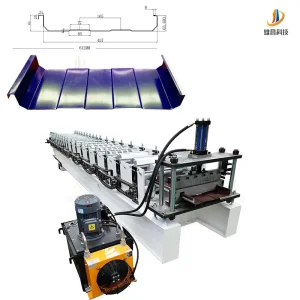
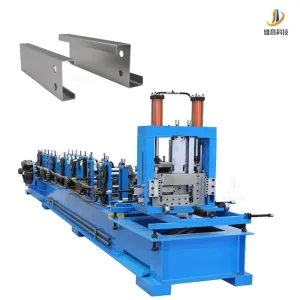
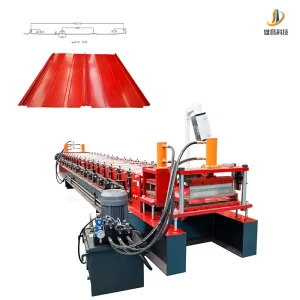
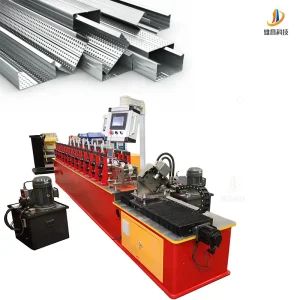
Explore our foundational range of roll formers engineered for heavy-duty metal profiling, high yield rates, and custom profile requirements.
A comprehensive white paper on mechanical criteria, tolerances, and configurations required for high-yield architectural profiling.
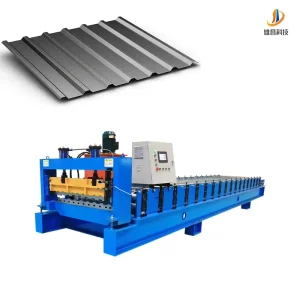
Modern architectural requirements demand structural consistency that traditional sheet metal presses cannot provide. Trapezoidal profiles require precision engineering throughout the roll pass sequence. Each individual bend must be formed incrementally to prevent material stress cracks, localized thinning, or residual structural tension. Standard systems typically utilize between 14 to 22 forming stations depending on profile depth and material tensile strength.
| System Component | Engineering Specification | Performance Standard |
|---|---|---|
| Raw Material Types | Pre-painted Galvanized (PPGI), Aluzinc, Aluminum Coils | Yield Strength ≤ 550 MPa |
| Material Thickness | 0.3 mm to 0.8 mm (structural options up to 1.2 mm) | Precision Tolerance within ± 0.02 mm |
| Roller Station Metallurgy | High-grade GCr15 steel or Cr12 alloy steel | Quenched to HRC 58-62; hard chrome coated (0.05mm) |
| Operational Line Speed | Variable, typically 15 - 25 meters per minute | Synchronized via Variable Frequency Drive (VFD) |
| Control Automation | PLC system (Siemens, Delta, or Mitsubishi) | Length tolerance ≤ ± 1.0 mm per 10 meters |
| Shearing Mechanism | Hydraulic post-cut, non-stop tracing shear options | Blade steel: Cr12MoV with vacuum heat treatment |
Precision roller design is the core determinant of profile accuracy. Using advanced COPRA software modeling, engineers design forming sequences that guarantee a uniform stress distribution across the metal profile. This prevents edge wave deformities and ensures that each trapezoidal panel locks together flawlessly on the jobsite, ensuring building envelope integrity.
As an established expert in the field, XC (Xiongchang) provides integrated roll forming solutions. Our portfolio encompasses core production machines for roofing, flooring, doors, and structural components, as well as the complete auxiliary line equipment essential for efficient operation.
For over two decades, XC (XiongChang) has been a trusted leader in the design and manufacture of cold roll forming equipment. We combine deep industry expertise with a steadfast commitment to our clients, ensuring every machine delivers exceptional value and performance.
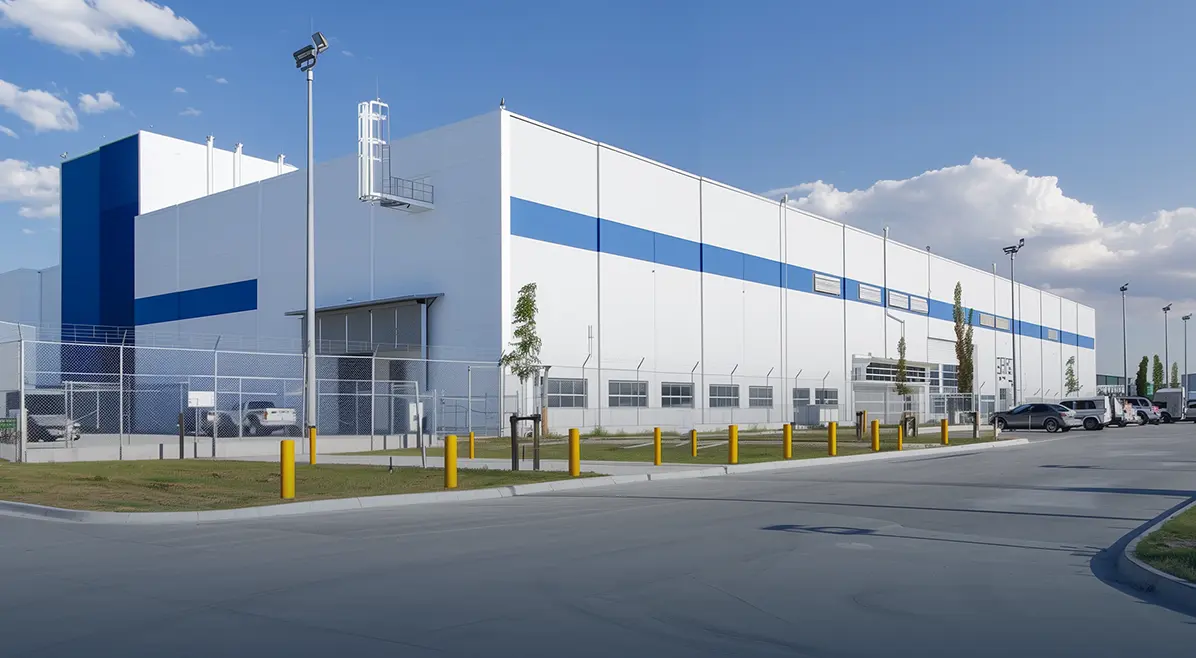
How localized industrial clusters, high-precision machining, and raw material integration lower capital expenditure while maximizing durability.
XC utilizes premium steel from domestic state-owned mills, securing high-grade tooling steel and uniform hot-rolled strip steel at bulk pricing, ensuring structural rigidity of all base frames.
Our 50,000 square meter facility features computerized vertical milling machines, CNC lathe lines, and precision wire EDM systems to guarantee forming tolerances of under ±0.05 mm on crucial parts.
By shortening technical feedback loops and integrating local structural casting operations, we slash capital procurement costs by up to 40% compared to Western European alternatives, without compromising component longevity.
Combining heavy engineering, advanced manufacturing, and comprehensive verification protocols.
We get a specialized team of technical personnel and engineers, they are committed to delivering superior products and solutions for our valued customers.
Our substantial investment in state-of-the-art, automated production lines ensures manufacturing precision and consistency, forming the foundation of our product excellence.
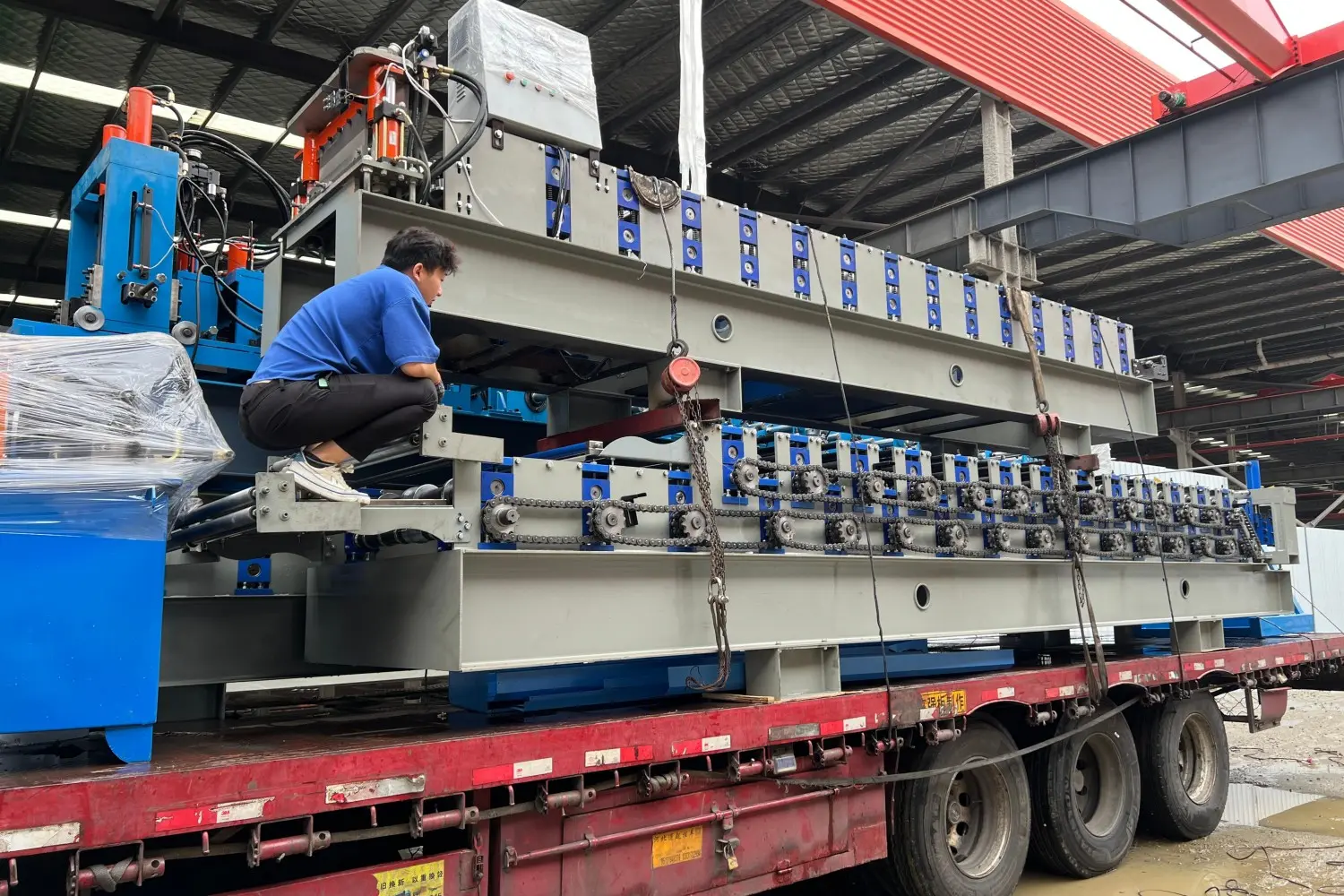
We offer an extensive range of precision cold roll forming systems to meet varied customer applications, including: All our equipment is engineered to produce durable, reliable, and high-performance end-products.
Building Envelope Systems: Roof Panel, Wall Panel, and Floor Deck Roll Forming Machines.
Structural Framing Systems: C/Z Purlin Roll Forming Machines, and Stud & Track Roll Forming Machines.
Specialized Fabrication: Gutter Roll Forming Machines and Door Frame Roll Forming Machines.
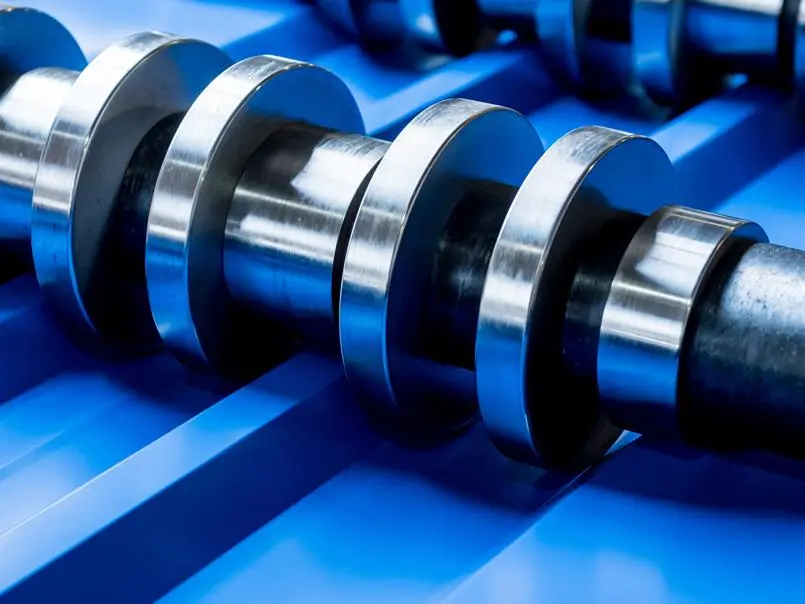
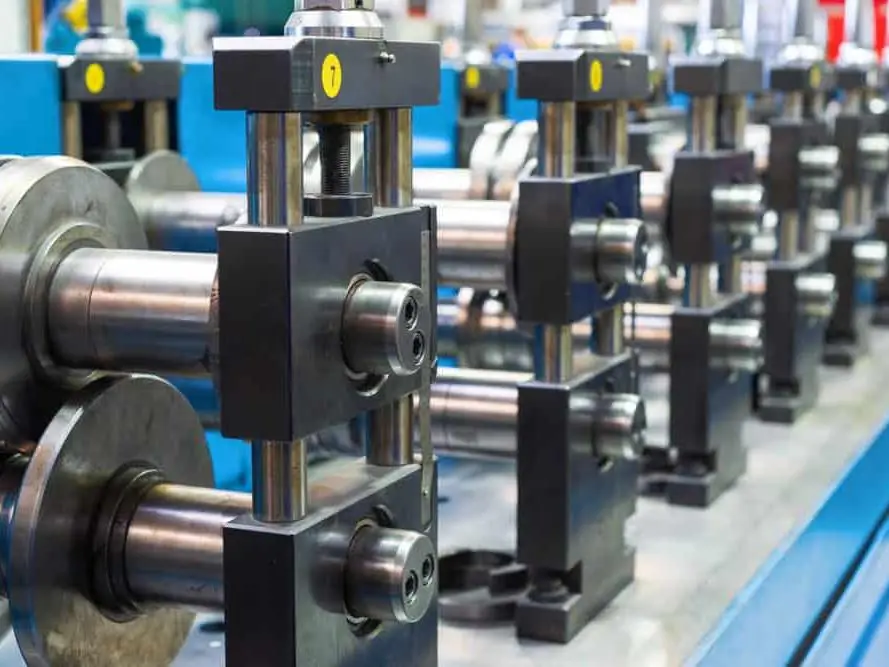
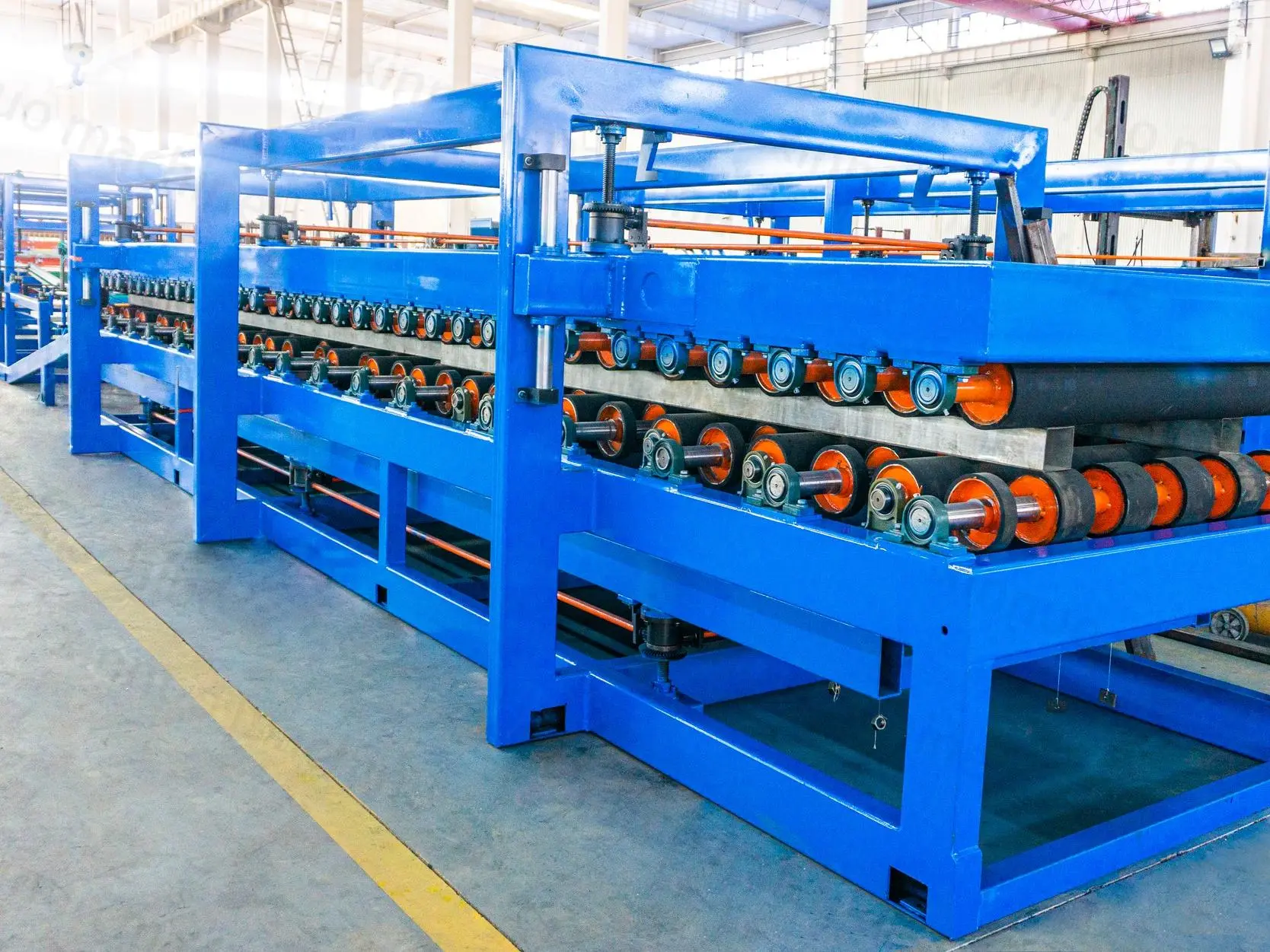
XC has a complete suite of detection and testing instruments, to rigorously verify product strength, durability, and reliability.
We adhere to strict, standardized quality control protocols throughout the manufacturing process, ensuring all output consistently meets specified customer specifications.
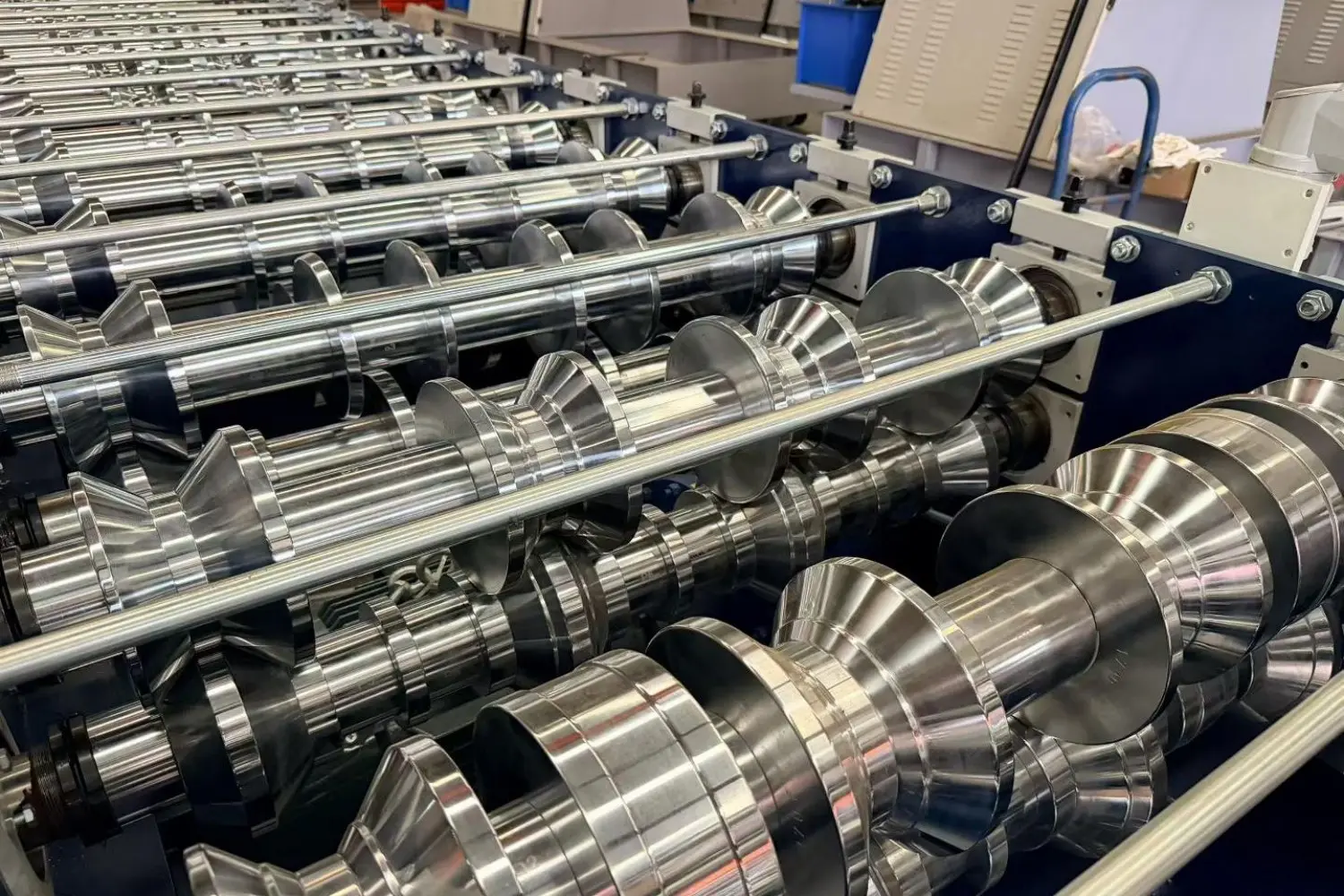
From design to installation, XC provides comprehensive lifecycle support. We offer professional installation, commissioning, and operational training to ensure optimal setup and productivity.
Our dedicated after-sales support team delivers ongoing technical assistance and maintenance services, helping customers achieve sustained, peak operational performance.
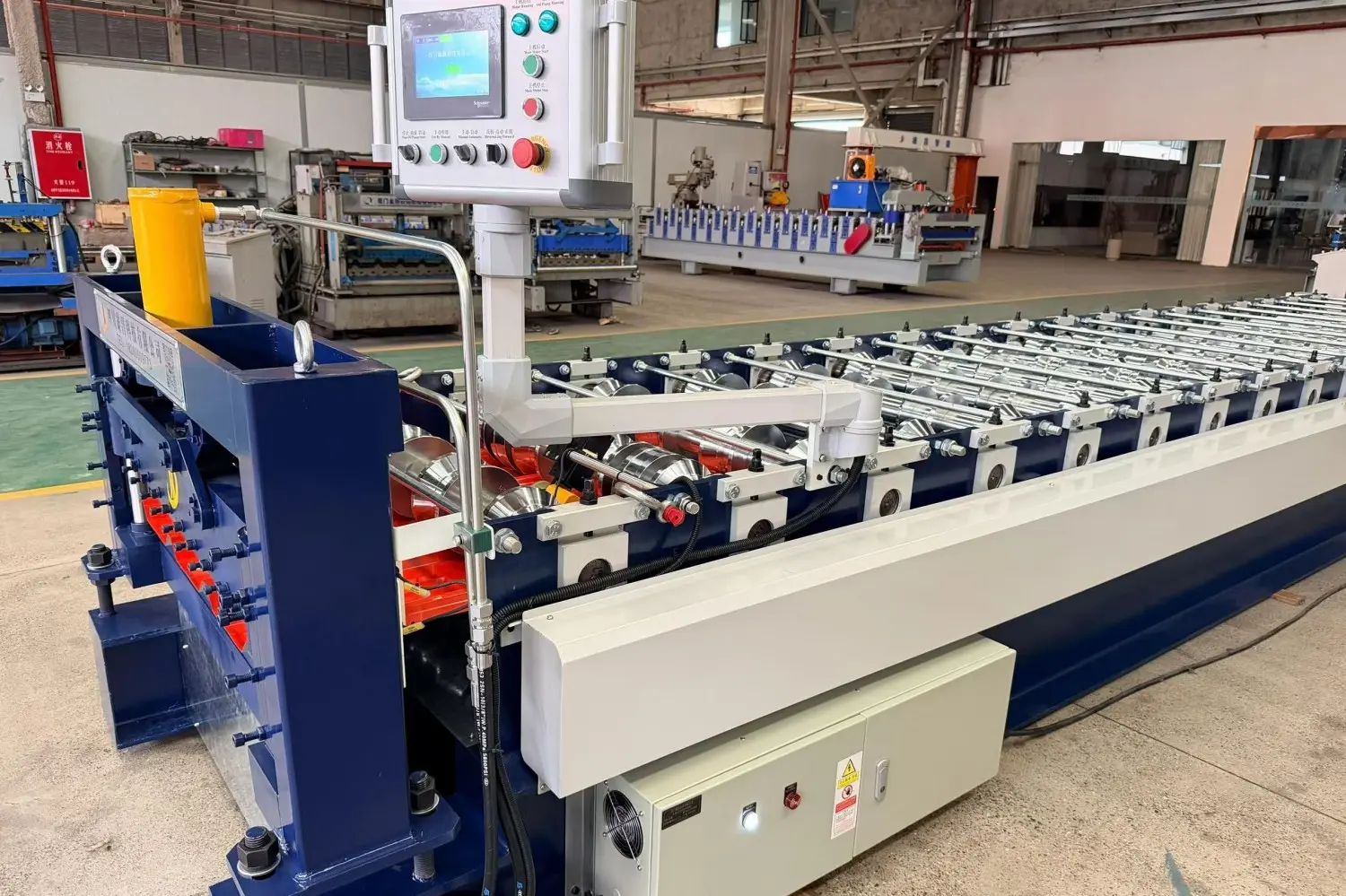
With years of industry expertise, we have established a strong reputation for quality and customer-centric service. Our professional team provides tailored, personalized support for both standard and customized technical needs.
This commitment has fostered a loyal client base across construction, manufacturing, and engineering sectors, with our machines contributing to projects ranging from residential complexes to large-scale commercial and infrastructure developments.
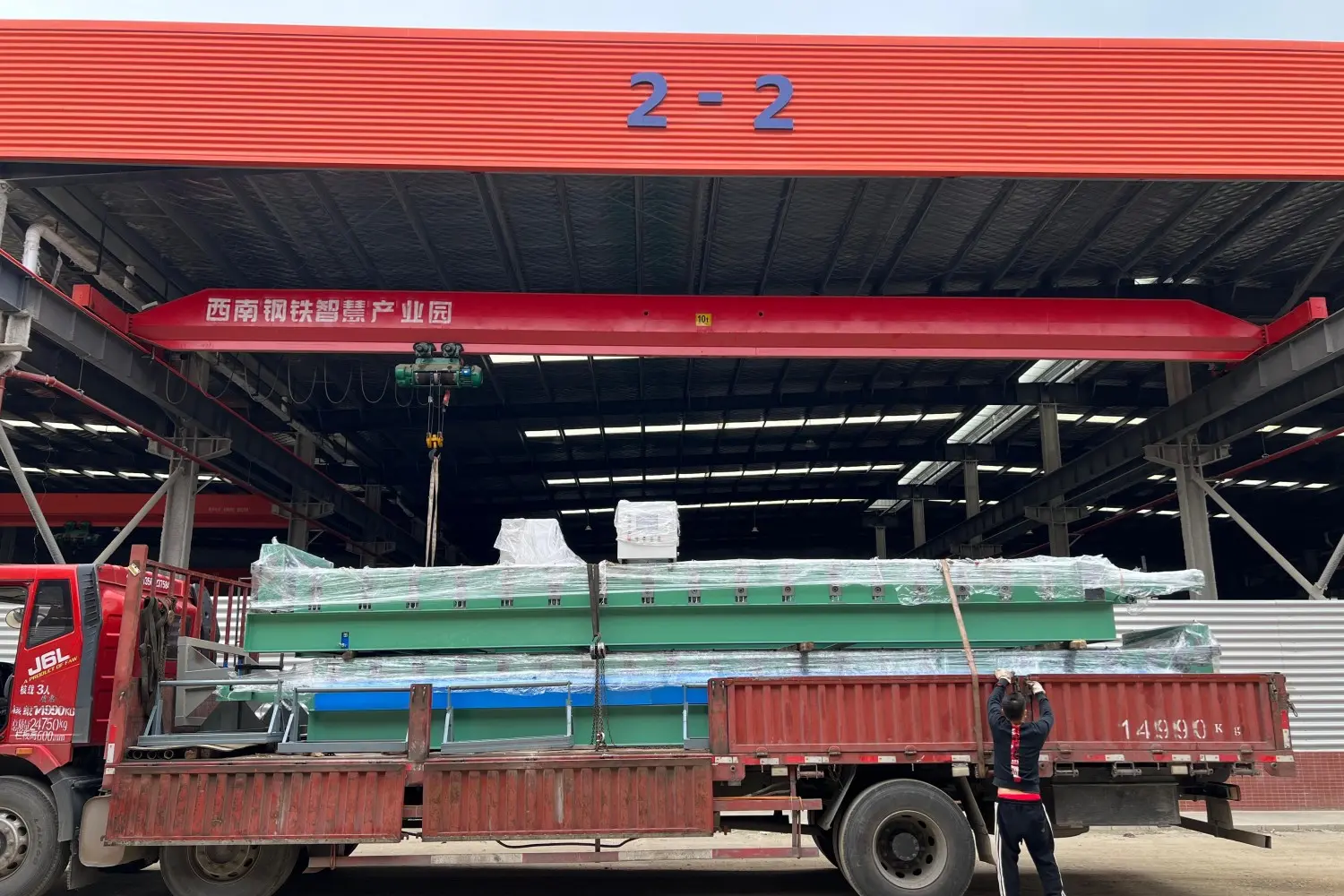
Ensuring cross-border compliance with electrical standards, safety guidelines, and local operational regulations.
Electrical control cabinets are built using UL-marked components, Siemens PLCs, and premium circuit breakers, meeting strict European CE directives and North American NFPA standards.
Every motor drive and hydraulic unit is customized to match local industrial power grids. We configure 220V/380V/415V/480V models in either 50Hz or 60Hz phases without efficiency degradation.
Equipped with complete perimeter guard fences, emergency pull-cords, hydraulic overpressure sensors, and warning buzzers to comply with global workplace safety requirements (e.g., OSHA, EU Machinery Directives).
B2B indicators that procurement managers, plant directors, and OEM buyers analyze when selecting long-term manufacturing partners.
When purchasing complex sheet metal forming lines, enterprise buyers prioritize metrics that impact the lifetime Total Cost of Ownership (TCO). A reliable manufacturing partner must demonstrate transparent engineering standards and structured factory acceptance testing (FAT).
Before shipment, machines undergo prolonged continuous trials under load, testing sheet feed consistency, hydraulic cut speed, and dimension stability. Buyers receive full video records, micro-gauge testing data, and certified engineering sign-offs.
To withstand the high stresses of cold roll forming high-tensile steel, we employ a solid steel H-beam welded base structure. Post-welding tempering removes internal steel stresses, preventing structural deformation over decades of high-capacity runs.
To reduce down-time, we integrate globally available subcomponents. Operators can easily source replacement valves, relays, and switches from local networks, utilizing brands like Omron, Schneider, and Yuken.
Smart sensors, automated adjustments, and high-efficiency drives transforming roll forming production lines.
Integrating sensors that track roller motor temperatures, hydraulic pressures, and line speeds. Real-time diagnostic data is routed back to central dashboards for predictive maintenance programs.
Traditional hydraulic shears require the line to slow down or briefly pause to profile-cut panels. New servo-driven tracking fly shears cut without stopping the sheet feed, raising output limits by over 35%.
Rather than manual roller re-spacing, cassette-based configurations allow workers to swap complete roll forming blocks via overhead cranes in under 30 minutes, allowing factories to run multiple profiles efficiently.
Delivering high-value industrial solutions backed by custom engineering and proven B2B operations.
Design and engineering of custom profile roll formers. Standard cold forming configurations customized to work with aluminum, mild steel, and galvanized steel structural sheets.
Providing detailed troubleshooting, replacement rollers, hydraulic system tune-ups, and PLC software optimization to keep your production runs continuous.
Engineered with structural H-beam bases, solid shafts, and induction-hardened rollers, our machinery is built to run reliably under heavy shift patterns.
How our roll forming systems serve diverse industries, from architectural building envelopes to heavy shipping sectors.
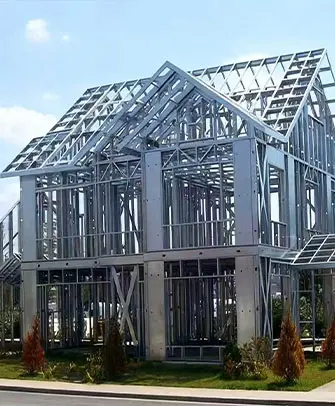
Producing trapezoidal roof profiles, floor decks, and wall cladding panels with high thermal efficiency and watertight overlapping seams.
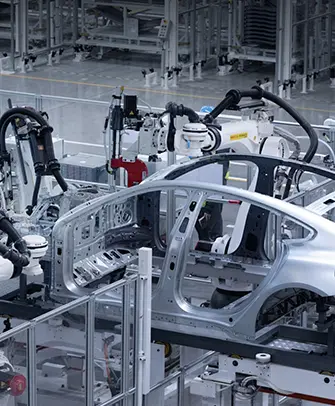
Roll forming high-strength steel chassis frame channels, bumper sections, and cabin reinforcements requiring absolute dimension replication.
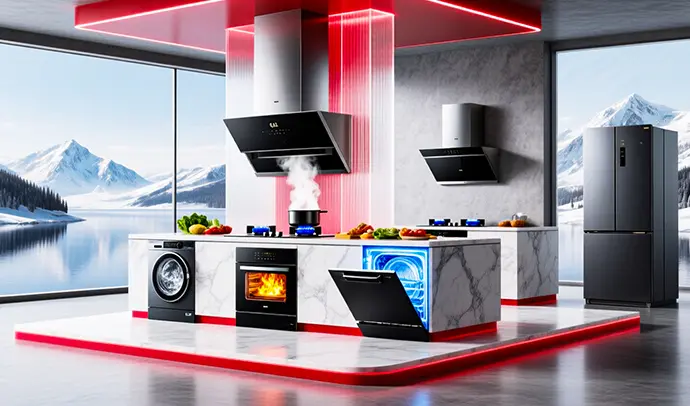
Providing surface-critical sheet forming for refrigerators, washing machine enclosures, and stove frames without scratching finishes.

Profiling heavy structural elements, highway guardrails, and train passenger car structural ribs to withstand high mechanical stresses.

Automated lines that punch and profile galvanized solar tracker beams, C-purlins, and solar panel frame rails rapidly.
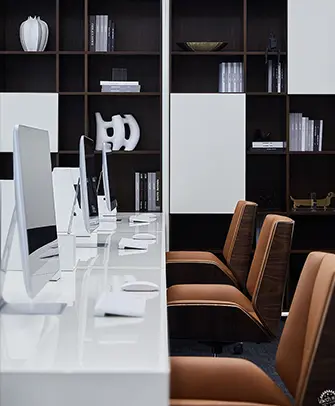
Supplying customized heavy roll forming lines for warehouse racking, cable tray systems, and heavy-duty structural steel profiles.
Get professional clarification on technical tolerances, profile versatility, import procedures, and setup steps.
Explore our structural profiling systems and metal component machinery designed for commercial infrastructure.
 Xiongchang